



How to Connect an RO Water Tank to a Commercial RO System
It is easy to connect a RO water tank to a commercial reverse osmosis system if you follow a defined sequence of steps. First, make sure the tank is rated for the pressure range your system operates in, and then turn off the feed water supply. Connect the tank input port to the RO membrane output with food-grade tubing. Install a pressure-rated shut-off valve between the two and tighten all connections. Precharge the air bladder in the tank to 7-8 psi before the first fill. After connecting, check for leaks and check the flow rate to ensure proper installation.
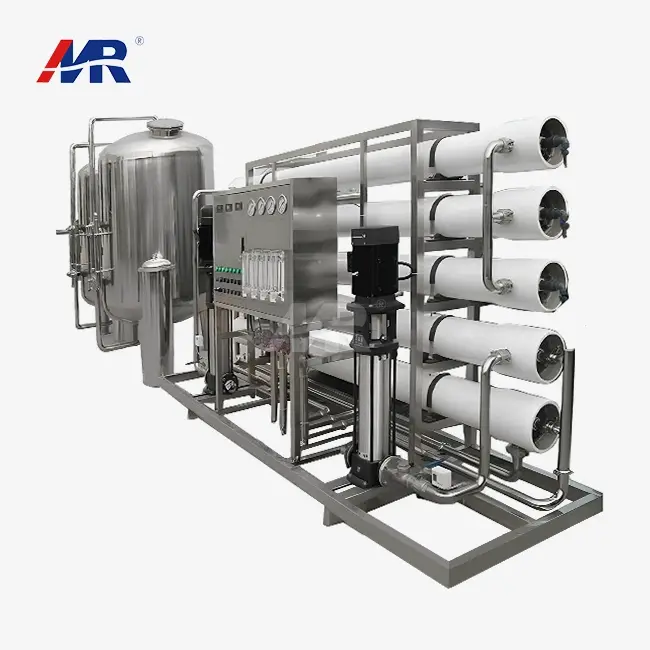
Understanding the Role of RO Water Tanks in Commercial RO Systems
Why Storage Matters in a Commercial RO Setup
ro membranes need a long time to purify water. Many industrial membranes can only filter 50 to 200 gallons of water per day under typical settings. Hospitals, hotels, and food processing companies constantly need it. Without their own storage vessel, there will always be supply shortages. A compressed RO storage tank stores clean water under pressure, so it is immediately available when demand increases farther downstream. It matches supply and demand.
How a Pressurized Tank Works
A food-grade butyl bladder is not a compressed air cylinder in a hydropneumatic RO holding tank. The RO system fills the bladder with clean water. On the other side, compressed air increases the pressure. When a tap or process line is opened, this pressure of the retained water drives water out at a reasonable rate of flow. No more forceful pump is required at the point of usage. It seals the water supply within a closed loop, preventing air from getting into it and dirtying it.
Stainless Steel vs. Plastic Storage Vessels
Most of the time, the materials used are food-safe polyethylene or fiberglass-reinforced plastic and steel (304 or 316L grade). Stainless steel tanks deal with greater operating pressures, do not rust in severe water chemicals, and are clean enough for the pharmaceutical, food and beverage, and healthcare industries. You can start off with plastic tanks for less money, but they don't survive long enough in industrial drinking water systems when the pressure is kept below 150 psi. The choice is dictated by the operating pressure, the chemistry of the water, and the norms and legislation.
Step-by-Step Guide: How to Connect an RO Water Tank to a Commercial RO System
Before grabbing a wrench, collect the needed parts. You will need food-grade tubing of the proper diameter, compression fittings or threaded connections to match the tank port size, a ball valve for isolation, a pressure gauge, and some Teflon tape. Having everything all on the bench before you start will greatly decrease the chances of installation problems.
Step 1 – Pre-Charge the Air Bladder
Check the air pre-charge pressure in the tank using a regular tire gauge. The tank should be 7-8 psi when empty. If the pressure is too high, the bladder does not fill up entirely, and if the pressure is too low, the tank loses useful storage capacity. Install a regular Schrader valve in the tank's air port.
Step 2 – Connect the Inlet and Outlet Lines
- Inlet line: Connect food-grade tubing from the RO water tank membrane's permeate outflow port to the tank's water port. You may want to install a ball valve on this line to isolate during repairs.
- Outlet line: Run a separate line from the tank water port to the place of use or to the product water manifold of the system. Many commercial installations employ a tee fitting at the tank port, thus one fitting performs both fill and discharge operations.
- Pressure gage: Add a pressure gage to the tank line for a real-time indication of fill pressure. This makes it easy to diagnose when the output decreases abruptly.
After you have checked that all fittings are tight, carefully turn on the feed water supply valve and check all joints for leaks. Tighten any fittings that exhibit moisture, and fill the tank through the first full cycle before placing the system in operation.
Step 3 – Install Pressure and Float Controls
Commercial systems often connect the tank with an automated shut-off valve (ASO) or a pressure switch attached to the booster pump. The switch shuts off the pump when the tank reaches the desired pressure, to prevent the RO membrane from running against a closed downstream circuit. For bigger installations, a float valve in a separate atmospheric tank downstream of the pressure vessel provides a second level of control and prevents overflow.
Maintenance and Troubleshooting for RO Water Tanks in Commercial Settings
Routine Cleaning Schedule
The Water Quality Association recommends that commercial RO storage tanks be cleaned at least twice a year. If they are not being utilized for medicinal or food processing purposes, they should be cleaned more often. The NSF says that if the chemical source suggests it, you may run a cleaning solution through the tank. It should then be flushed properly before being reused. If this step is not done, biofilm may grow on the surface of the bladder. This makes the water less pure in the long run.
Diagnosing Pressure Loss
Generally, those who are not satisfied with industrial RO systems remark that the flow out of them is too low. Check the air pre-charge in the tank before changing any major parts. A weak flow is usually caused by a bladder that is full of water (the air side has lost its pressure). If you add the proper quantity of air and the pressure lowers fast, take the tank out and shake it to see if there are tiny leaks in the bladder. If water can flow around freely inside, then the bladder is damaged and has to be replaced, or the tank needs to be changed.
Addressing Leaks and Clogged Lines
Often the way to stop a leak is to tighten or replace the ferrule on compression fittings. If threaded ports leak, you have to put on fresh Teflon tape in the appropriate orientation. If there are clogs in the product lines, flush each segment of the line, one at a time, starting with the ro water tankmembrane outlet and ending with the catch tank. If you do not treat your water correctly beforehand, hard water scale can frequently jam up systems. The membranes and tank lines both benefit from the installation of a softener/anti-scalant dosing system up front.
How to Choose the Right RO Water Tank for Your Commercial Needs
Sizing by System Throughput
If you're in the water treatment industry, it makes sense to make sure the holding tank can take at least three to four hours of heavy demand. For example, if a hotel laundry room consumes 500 gallons of water in the morning, it will need an additional 150 to 200 gallons of space to hold water. Always consider how much the tank is being sucked down. You'll only get 60-70% of the whole quantity out of a 200-gallon tank before the pressure drops too low to be usable.
Material Selection for Your Application
Stainless steel vessels, particularly 316L grade, are the finest option for creating pharmaceuticals, dialysis water systems, and food-grade beverages since they do not need to be cleaned with chemicals very frequently. Most people believe that food-grade plastic tanks can be used for light industrial activities and company drinking water at low pressures. Until you ask for material cert papers, your purchase is not complete. For stainless steel, you should get mill Certifications, and for plastic, you should request FDA-compliant material declarations.
Evaluating Suppliers and Certifications
Choose a business RO storage tank with NSF/ANSI 61 certification. Any tank coming in contact with drinking water will have to be approved. It is safer to purchase Products for projects or trades when the producer has ISO 9001 quality control certification. Suppliers are required to provide comprehensive documentation including pressure test reports, material certs, and dimensional drawings. This means that third-party inspections and project commissioning are substantially faster.
Procurement Insights: Ordering, Installation Services, and Cost Considerations
Sourcing Channels and Bulk Pricing
If B2B sourcing teams need to acquire a lot of anything for a project or to sell again, they should deal directly with the producer, not a distributor. Buy straight, and you may negotiate MOQ rates, custom port arrangements, and packaging with your brand on it. Suppliers are crawling all over Alibaba, Made-in-China, and other online B2B sites. You should still review factory audits and test results yourself before placing a significant purchase.
Cost Factors to Budget
The price of tanks is determined by their material, size, and pressure. Often a 100-liter pressure tank constructed of food-grade plastic will cost much less than a comparable stainless steel one capable of greater pressures. When putting up a project budget, you must consider the cost of the tank, freight shipping and payment, installation, equipment and extras, and tank preparation. You may save time and money on set-up by receiving an estimate that includes the tank, pump, valves, and installation.
Professional Installation vs. In-House Teams
If you have to submit a lot of paperwork for a business project, choosing a competent water treatment supplier for the installation and commissioning may help you remain on the right side of the law and keep your warranty legitimate. The first unit should be properly installed by professionals. Then, for repeat installations, regular tank replacements may be performed by in-house maintenance teams.
Conclusion
When you connect a RO water tank to a commercial reverse osmosis unit, you need to pay attention to tank compatibility, pressure settings, pipe connections, and automated controls. Selecting the appropriate tank size and type will assist in providing a steady water supply, and periodic cleaning and pressure checks will help sustain performance over time. Buyers should also check the required certifications, pressure test results, and material paperwork for commercial and industrial applications before placing an order. Morui can help with your project if you require a bespoke RO water tank solution, with custom specs, bulk purchase options, and installation assistance.
FAQ
1. How often should I clean a commercial RO storage tank?
Clean and sanitize the tank at least every six months under standard commercial use. Facilities with high microbial risk—such as hospitals or food production lines—should sanitize quarterly. Always follow the chemical supplier's contact time and flushing instructions.
2. Can I connect multiple RO tanks to one system?
Yes. Multiple pressure tanks can run in parallel by connecting them to a common manifold on the product water line. Each tank needs its own isolation valve so it can be serviced independently without taking the whole system offline. Confirm that your booster pump and pressure switch are sized to handle the combined volume.
3. What is the difference between an RO pressure tank and an atmospheric storage tank?
A pressurized RO bladder tank uses compressed air to deliver water without a secondary pump, making it efficient for point-of-use applications. An atmospheric tank stores water at ambient pressure and requires a transfer pump to move water downstream. Commercial and industrial plants often use atmospheric stainless steel tanks at higher volumes where pressure vessels become cost-prohibitive.
4. How do I know when an RO tank bladder needs replacing?
If the tank delivers very short flow bursts followed by weak pressure despite a correct air pre-charge, the bladder has likely failed. Remove the tank, drain it, re-check the air pressure, and re-test. Persistent low pressure after re-charging confirms bladder failure.
Connect With Morui for Your RO Storage Tank Needs
Businesses and companies can buy RO water tanks from Morui. These tanks are made to NSF/ANSI standards and come with all the scientific information you need. We have our own processing facilities and a team of 20 experts, so we can make tanks in any way you want. We also offer big discounts for buying in bulk, and we can help you install them. Email us at benson@guangdongmorui.com to talk about your project in more depth.
References
1. Water Quality Association. WQA Technical Fact Sheet: Reverse Osmosis Systems. 2021.
2. American Water Works Association. Reverse Osmosis and Nanofiltration (M46). 2007.
3. NSF International. NSF/ANSI Standard 61: Drinking Water System Components. 2022.
4. World Health Organization. Guidelines for Drinking-Water Quality, 4th Edition. 2017.
5. Crittenden, J. C., et al. MWH's Water Treatment: Principles and Design, 3rd Edition. John Wiley & Sons, 2012.
6. Metcalf & Eddy. Water Reuse: Issues, Technologies, and Applications. McGraw-Hill, 2007.
 VIEW MOREwaste water treatment plant
 VIEW MOREedi water treatment
 VIEW MORE15T/H ultrafiltration system
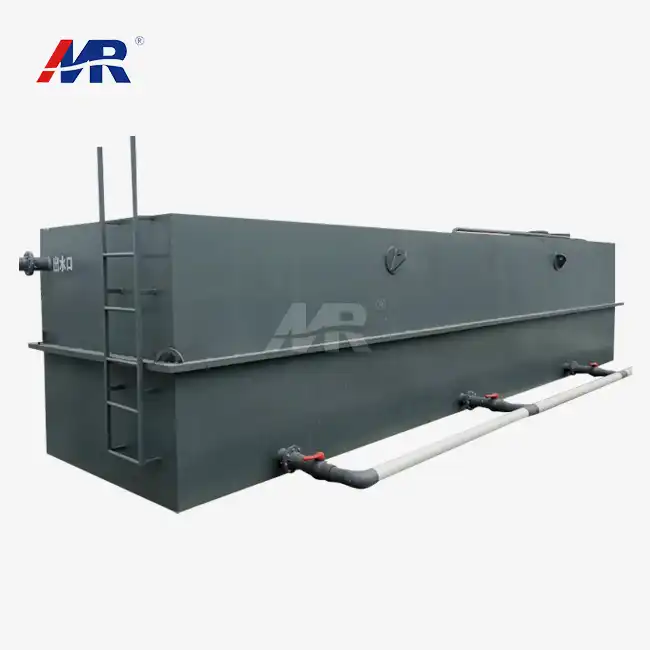 VIEW MOREportable wastewater treatment plant
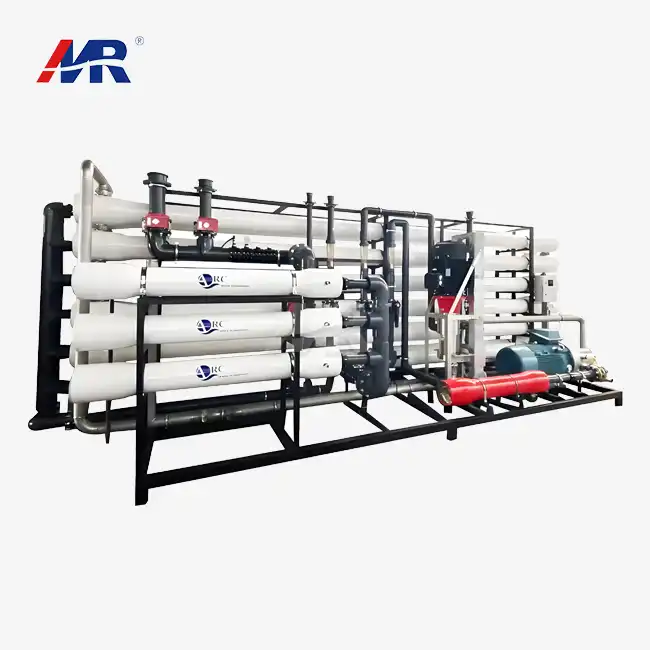 VIEW MORE25m3/hour seawater desalination plant
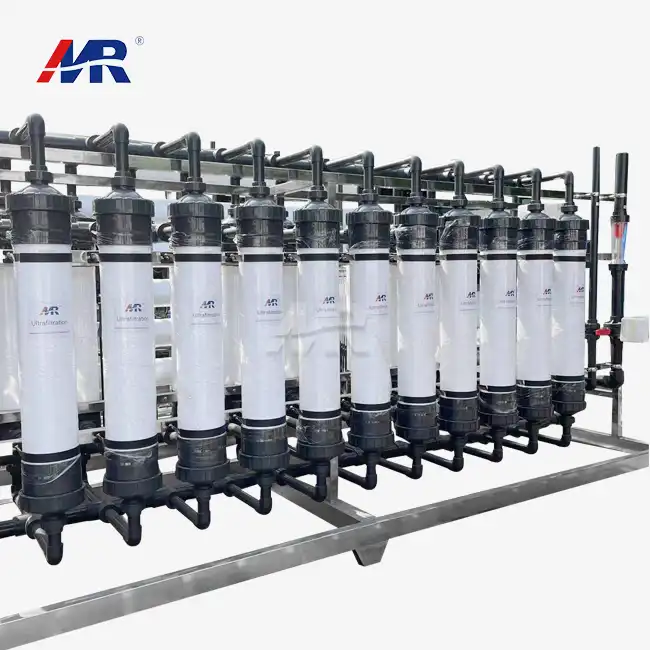 VIEW MORE30m3/hour ultrafiltration equipment
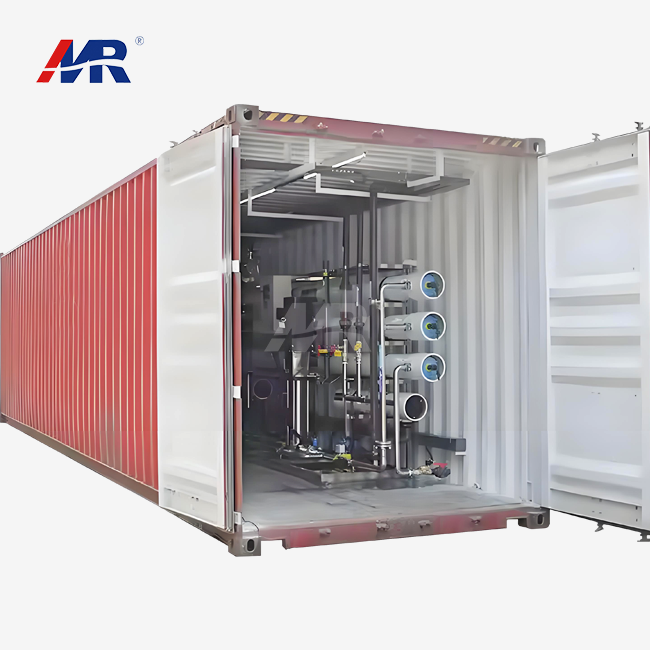 VIEW MOREContainerized Reverse Osmosis Systems
 VIEW MOREDTRO Water Treatment