



What are the main benefits of a 2 stage reverse osmosis system?
The advantages of a 2-step reverse osmosis system include greater purity, higher recovery, and reduced wastewater expenses than single-stage machines. I saw healing go from ~50% to 75-85% with salt rejection still at 99% or above. Your permeate TDS lowers to extremely low levels, frequently less than 20 microsiemens/cm. This guide describes how the design works, what it eliminates, who benefits most, and how to scale and manage it. You receive transparent data, real-world use Cases, and purchase suggestions for plants in Asia, South America, and Africa. For each assertion, I provide figures from Morui field initiatives. Contact Morui today at benson@guangdongmorui.com to discuss your 2 stage reverse osmosis system needs with our engineering team. As a trusted 2-stage reverse osmosis system manufacturer with 19+ years of experience, we design high-recovery solutions that cut water waste and lower operating costs. Share your feed water data and capacity goals for a fast, tailored quote.
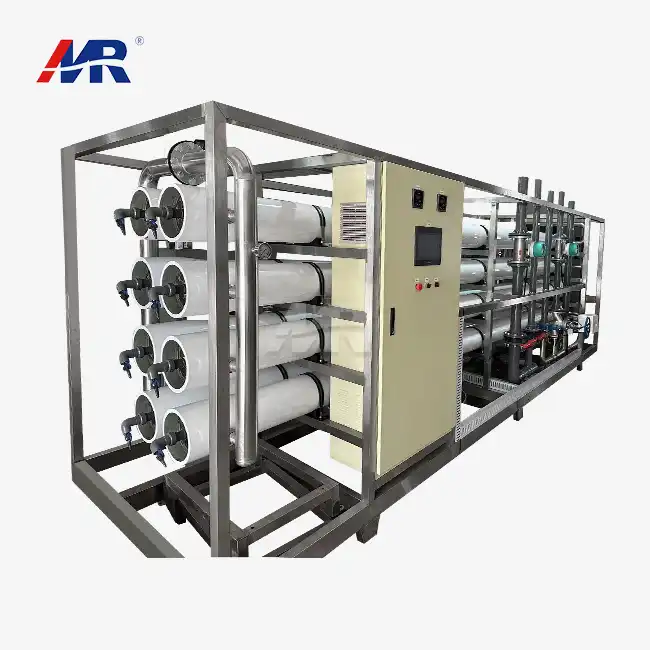
What Is a 2 Stage Reverse Osmosis System?
A 2-stage reverse osmosis system is a membrane arrangement where the concentrate from Stage 1 becomes the feed for Stage 2. You get double the clean permeate from the same amount of raw water. The design increases the total recovery rate while maintaining strong salt rejection. I describe it as two RO arrays in sequence on the reject side, not the permeate side. That information is important since double-pass RO is different. Permeates are re-polished by double-pass RO to achieve greater purity. The 2 stage reverse osmosis system is designed for more water output and less waste.
I have more pressure vessels in my projects in stage 1 than in stage 2. Two-to-one is a frequent ratio. The balancing maintains the cross-flow velocity high enough to prevent fouling. Your membranes stay clean for longer. You purchase less raw water and pay less for wastewater removal. The U.S. Environmental Protection Agency 2024 standards explain how this is applicable to facilities with discharge restrictions and water shortages.
How Stage 1 and Stage 2 Work Together
Stage 1 processes raw feed after pre-treatment, producing permeate and concentrate. The concentrate is still at higher salinity and contains potable water. Stage 2 recovers dilute permeate from that stream and delivers final concentrate to drain or reuse. I set the pressures between 150-250 psi to reflect brackish water salinity levels. Thin-film composite polyamide membranes reject 99 percent of dissolved salts. Morui tests stable penetration below 20 microsiemens/cm conductivity profiling.
What Makes It Different From Double-Pass RO
Many purchasers confuse these together, so I explain using plant data. A 2 stage reverse osmosis system reprocesses reject water to increase recovery rate. The clean permeate is passed again through the RO to get ultrapure water quality. Staged reject design is used when the cost of water is high, or discharge is limited. Choose double-pass design for pharma, electronics, and lab requirements where ultra-low ions and silica are required. Some ultrapure lines incorporate both theories: RO + EDI.
How Does a 2 Stage RO System Purify Water?
A 2-stage reverse osmosis system is used for water purification. It uses pressure to force separation across semi-permeable ro membranes. Feed pumps push pre-treated water against the osmotic pressure. Clean water travels through the minute pores of the membrane, leaving salts, organics, and microorganisms behind. Permeate from the two skids is combined for product storage. Final concentration is rejected solids to drain or zero liquid discharge treatment. Pressure, flow, conductivity, and silt density index monitoring keep the output steady.
Pretreatment preserves membranes, and flow is stable despite changes. Screens, multimedia filters, activated carbon, softening, and ultrafiltration remove particles, chlorine, hardness, and colloids. Stage 2 brine calcium carbonate and sulfate scaling is controlled by antiscalant dosage. Lenntech 2024 review illustrates how cross-flow and antiscalant usage prevent scale on high recovery designs. So, the Langelier Saturation Index remains in a safe range, and your membranes last longer.
Key Steps in the Purification Process
My flow is clear and fits most brackish water plants in Asia, Africa, and South America. Raw water goes to equalization and pretreatment for turbidity and chlorine control. Cartridge filters protect RO membranes from tiny particles. Stage 1 vessels are fed by high-pressure pumps at regulated recovery. The Stage 1 concentrate is sent to Stage 2 vessels for further water collection. Blended permeate is UV-treated or post-polished where food or medicinal standards apply.
Why Recovery Rate Matters for Your Bills
Recovery rate signifies the % of product water divided by input water. Single-stage units tend to shut off at ~50% to prevent scaling. The rated recovery of Morui MR-BWRO-50TH is increased to 55-65% with a 2 stage reverse osmosis system, and proper feed chemistry enables optimal conditions to achieve 75-85%. That change decreases raw water purchases and wastewater volume by as much as 50%. The energy per cubic meter of product is lower since the pumps are doing more. High water rates provide payback in months for finance teams.
What Contaminants Can Two-Stage RO Remove?
2-stage reverse osmosis removes many dissolved and suspended pollutants. Brackish water has 99% less TDS. Organics, bacteria, viruses, hardness, heavy metals, nitrate, fluoride, silica, and boron are removed. Permeate conductivity is typically < 20 μS/cm. Regulation of minerals and TDS minimizes scaling and enhances taste, according to WHO 2022. Boilers, beverage lines, and dialysis are stabilized.
I provide key removal categories below to assist you in connecting tech to compliance. Provides practical advice and fieldwork performance. Check your raw water report for hazards. Check product parameters and discharge authorization. The review accelerates supplier technical conversations.
Over long production seasons, dissolved salts and sodium chloride rapidly degrade, safeguarding taste, boilers, and agricultural soils. Clean membranes reject 99% of sodium chloride and TDS in 2-stage reverse osmosis under pressure. Permeate under 50 ppm is common at 2,000-5,000 TDS. Regenerative salt, scale, and sodium stress in irrigation reuse crops decrease.
Low calcium and magnesium hardness ions reduce scale in pipes, heaters, membranes, and cooling circuits, saving chemicals. Two-stage reverse osmosis removes 95-99% hardness with pH and antiscalant control. Hard wells exceeding 300 ppm CaCO3 need softening or antiscalant. Stage 2 brine prolongs cleaning and prevents costly boiler tube scale degradation.
Safe drinking and eating require high lead, arsenic, nitrate, fluoride, and copper rejection. Thin-film composite membrane data from DuPont Water Solutions 2023 reveals a 2-stage reverse osmosis system removes 94-99% of these ions. Rates depend on membrane pH, temperature, and age. Regular testing improves bottled, beverage, and municipal water safety.
Two arrays in pharma, electronics, and hospitals with strict purity requirements ban silica, boron, fine organics, germs, and viruses. Silica and organics are reduced by two-stage reverse osmosis, and intact membranes size-exclude most bacteria and viruses. High pH eliminates boron. Hygienic design and post-UV are essential for sterile claims, but water quality is better.
Staged RO promotes food, pharma, electricity, and municipal projects by eliminating levels. Lab findings recommend antiscalant pH and dose. Ions are examined before pump/vessel sizing. Data reliably predicts Stage 2 scaling risk.
| Contaminant Group | Typical Removal by 2-stage reverse osmosis system | Why It Matters for Your Plant |
|---|---|---|
| Total dissolved solids / salts | 98-99.5% | Better taste, lower corrosion, stable process water |
| Calcium, magnesium hardness | 95-99% | Less boiler scale, less detergent use, longer heater life |
| Lead, arsenic, nitrate, fluoride | 94-99% | Meets EPA and WHO drinking limits with margin |
| Silica and boron | 85-96% | Protects boilers, cooling towers, and chip rinse baths |
| Organics, color, pesticides | 90-98% | Cleaner beverage water and safer reuse streams |
| Bacteria, viruses, colloids | 99%+ by size exclusion | Lower biofouling and safer medical and food lines |
How Does 2 Stage RO Compare With Single-Stage RO?
2 stage reverse osmosis system performs better than single-stage RO on recovery, waste volume, and stability under challenging feed. Single-stage RO has one array and empties all concentrate at once. A further array of staged RO further treats that concentrate to get more permeate. You get more product per liter of feed and reduced disposal cost.” Both designs with matching membranes still have salt rejection of 99%. The discrepancy is seen in water bills and compliance when discharge is restricted.
I examine solutions for purchasers that trade off capital cost versus savings in operation. Single-stage units are cheaper to purchase and good for small stores with inexpensive water. Multi-stage units are more expensive initially but save water, chemicals, and energy per cubic meter. "Multistage membrane configurations are chosen by municipal plants for higher yields and constant quality," the American Water Works Association 2023 study said. Your finance lead is going to demand payback calculations; therefore, I’ve included common ranges below:
| Feature | Single-Stage RO | 2-stage reverse osmosis system |
|---|---|---|
| Overall recovery rate | 35-50% | 55-65% rated, 75-85% optimized |
| Salt rejection | 97-99% | 99% to 99.5% with TFC membranes |
| Permeate quality | Good, higher TDS swings | Very stable, often <20 microsiemens/cm |
| Wastewater volume | High | Up to 50% lower |
| Energy per m3 product | Higher | Lower due to higher yield |
| Scaling control need | Moderate | Higher, needs antiscalant tuning |
| Best fit | Small shops, low water cost | Industry, municipal, high water cost |
Recovery and Cost Logic You Can Use
I provide a basic example to customers of a beverage facility employing brackish well water. Steady output needed for bottling, with feed TDS at 3,000 ppm. Single-stage design: 100 m3 feed for 50 m3 product. For a 2 stage reverse osmosis system, the same product of 50 m3 at 77% recovery required roughly 65 m3 input. Daily feed reductions were 35 m3 with corresponding decreases in wastewater hauling. The same pumps pushed more water; thus, power per product unit declined.
When Single-Stage Still Makes Sense
Single-stage RO may be used when feed TDS is low, and water tariffs are cheap. Small workplaces with less than 5 m3 per day usually choose for basic controls and a cheaper capital cost. I also preserve single stage plans for pilot testing before large plant constructions. Your option will depend on water analysis, daily demand, discharge costs, and expansion plans. Guangdong Morui Environmental Technology Co., Ltd evaluates the inputs at the design stage to prevent over- or undersizing.
Is a 2 Stage RO System Better for Hard Water?
Yes, a two-stage reverse osmosis system is better at dealing with hard water than single-stage systems when the pretreatment is right. • Ca and Mg produce hardness, which scales membranes, heaters, and boiler tubes. Staged design distributes salt load across arrays and balances flow. You get more recovery without scaling fast. High hardness and TDS are associated with scale, soap waste, and equipment damage (U.S. Geological Survey 2023 data). If you manage hardness at source, you reduce the maintenance strain.
My methodology for hard wells is a tiered approach to safeguard Stage 2 brine. Chemical selection is based on total hardness, alkalinity, sulfate, silica, iron, and manganese tests. Antiscalant dose, pH control, and softening maintain saturation below the limits of precipitation. Variable frequency drives maintain flow with temperature changes. Membrane production drops roughly 3% for every 1°C decrease in temperature; therefore, winter tuning is important in high country.
How It Handles Calcium and Magnesium
Stage 1 eliminates the bulk hardness and reduces stress on the follow-up array. Stage 2 polishes concentration at greater salinity and with calibrated antiscalant. To sweep away salts, I maintain the cross-flow velocity high with a 2:1 vessel ratio. Langelier Saturation Index controls acid or inhibitor dosage. Balance the chemistry, and you may lengthen your cleaning interval from weeks to months. This steadiness means food, boiler, and electroplating lines may operate without any stops.”
Pretreatment You Still Need for Hard Wells
Even with powerful RO staging, you still need pre-treatment. I use sediment filters to take care of turbidity, carbon to take care of chlorine, and softeners or antiscalant for hardness. Iron and manganese need oxidation and filtering before membranes. Surface water with algae and colloids is effectively handled by ultrafiltration. Silt Density Index below 3 protects reverse osmosis membranes against colloidal fouling. Skipping these measures will increase pressure, decrease flux, and invalidate membrane warranties.
Who Benefits Most From a 2 Stage RO System?
Many enterprises with water cost, purity, or discharge limits use 2-stage reverse osmosis. Chemical, municipal, beverage, pharma, electronics, electrical, and agricultural investments pay best. Labs, ships, hospitals, and resorts use low-waste. Technical leaders prioritize membrane conductivity and durability. Finance chiefs like prudent spending. Owners want easier compliance and fewer pauses.
Gongdong Morui Environmental Technology Co., Ltd. supplies industrial, residential, saltwater desalination, and drinking water. Our firm has 500 employees, 14+ branches, 20 engineers, a membrane plant, and equipment shops. Runxin Valves, Shimge Water Pumps, and Createc Instruments system verification data are on moruiwater.com. We deliver in 20–35 days with on-site commissioning due to size.
Three field examples demonstrate budget and location. Asian, South American, and African feed each. Use broad names and numbers for consumer privacy. Keep the case near water and daily usage. Format your query for size.
Southeast Asian bottled water companies increased output, cut waste transportation, and met retail taste and safety standards in warmer months. Well had seasonal turbidity spikes, moderate hardness, and 2,800 ppm TDS. A 2-stage reverse osmosis system with UF pretreatment and UV polishing recovered 78% and kept permeate under 30 ppm TDS. Daily feed was lowered by 32%, trash hauling decreased, and bottle taste panel ratings rose.
The pharmacy purified water loop met GMP requirements for constant conductivity, low water-for-injection pretreatment load, and audit results. Seasons affected TDS and municipal feed chlorine. A 2-stage reverse osmosis system with EDI produced permeate below 10 μS/cm before polishing. In six months, chemical cleaning, batch water cost, and validation runs varied less.
Greenhouse irrigation converted brackish wells into agricultural water in a dry coastal zone, decreasing sodium accumulation and yield loss. Salt and boron were higher in 3,500-5,000 ppm TDS wells. A 2-stage reverse osmosis system produced 80% usable water and reduced salt to crop-safe levels. In two growth cycles, yield per cubic meter, fertilizer absorption, and soil electrical conductivity increased.
Food, Pharma, and Electronics Plants
Food and beverage lines need low TDS for flavor and shelf life. Pharma lines need GMP-grade filtered water with appropriate conductivity and microbial control. Electronics rinse requires ultra-pure water with extremely little silica and ions. A 2 stage reverse osmosis system provides RO plus EDI trains that satisfy these standards with less upset. Your QA team will have more consistent data and easier audits.
Municipal and Off-Grid Projects
Towns, island utilities, ships, and mining camps require high output with limited feed. A 2 stage reverse osmosis system brings each well or saltwater input farther out. I use it with ultrafiltration and remineralization for the drinking water supply. Basic PLC controllers, remote alarms, operators. Leaders want less brine disposal and fewer intake allowances.
What Capacity Should a 2 Stage RO System Have?
A 2-stage reverse osmosis system would be sized for peak daily demand +15-20% margin for cleaning and expansion. I begin with the liters per hour, the hours of operation, the feed TDS, the temperature, and the recovery aim. Hot areas need less pressure; cold highland locales need higher pump head. Schools and clinics may require 1–10 m3/d. Plants for drinks and textiles frequently need 50-500 m3 per day. Modular trains can support power and desalination systems with capacities of 1,000 m3/day.
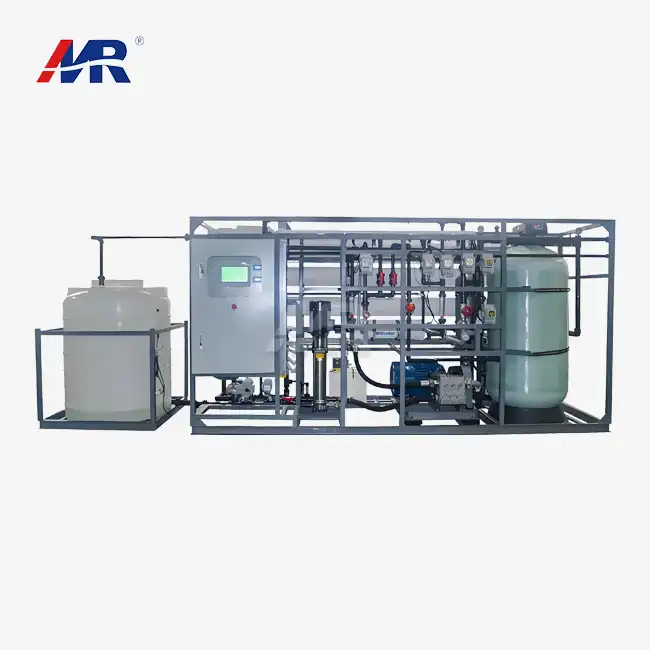
The Morui MR-BWRO-50TH is intended for mid-size industrial and commercial applications, with an emphasis on potable water production. Rated power is 55 kW/hr, operating pressure is 150-250 psi, and permeate quality is < 20 microsiemens/cm. Rated recovery is 55 to 65 percent, with optimum recovery higher when feed chemistry permits. Construction satisfies ASME pressure plumbing requirements and is equipped with NEMA 4X electrical components. Thin film composite membranes reject 99% of salt. Delivery time is 20-35 days; installation help is available.
| Daily Product Need | Suggested 2-stage reverse osmosis system Size | Notes for Buyers |
|---|---|---|
| 1-10 m3/day | Compact skid, low pressure | Clinics, labs, small bottling, ships |
| 10-50 m3/day | MR-BWRO-50TH single train | Food shops, hotels, farms, hospitals |
| 50-200 m3/day | MR-BWRO-50TH parallel trains | Beverage, electroplating, chemical reuse |
| 200-1000 m3/day | Multi-train staged plant | Municipal, power boiler feed, mining |
| 1000+ m3/day | Modular desalination blocks | Coastal cities, island supply, ZLD feed |
How to Size by Daily Demand
I need a 24-hour demand profile, peak-hour flow, and future growth. Then I establish operating hours, frequently 16-20 hours to leave washing windows. Feed analysis dictates membrane count and pump size. High silica or sulfate may cap recovery below 80% to minimize scale formation. Your quotation should include chemical consumption, pump curves, array ratio, and flux rate. That's the detail that keeps underperformance out after installation.
When to Choose MR-BWRO-50TH
If you require reliable mid-range production and quick delivery, go with MR-BWRO-50TH. Suitable for beverage, boiler feed pretreatment, brackish desalination, and zero liquid discharge volume reduction. The 2:1 vessel arrangement is nice, including the antiscalant dosage and the factory acceptance test with flow balancing. Safety was confirmed by hydrostatic testing at 1.5x design pressure. Weld inspections & conductivity profiling uncover problems before shipping. Email benson@guangdongmorui.com for a custom layout analysis.
How Do You Maintain a 2 Stage RO System?
Data recording, cleaning, and easy inspections keep 2-stage reverse osmosis systems dependable. I measure conductivity, differential pressure, salt passage, and normalized permeate flow per shift. Slight differences indicate scaling or fouling before injury. High pressure loss necessitates cartridge filter replacement. Antiscalant tanks require dosing. Logs prevent major stoppages when used instead of guessing.
I teach operators trends, not alarms. Normalized flow below 10-15% requires cleaning. Rising salt passage indicates O-ring or membrane wear. DPP above 1 implies biofouling or Stage 1 particles. High Stage 2 scaling indicates brine chemical imbalance. Clean quickly using manufacturer-approved solvents to recover flux.
These approaches may be used in low-worker plants. Each method's output protection is specified. Use for one-page shift SOPs. Stock sensor, seal, and filter spares. Different parts' lead times reduce downtime in Asia, South America, and Africa.
Frequent pressure, flow, conductivity, dosing, and leak checks prevent drift and make repairs inexpensive and quick for busy teams. Record Stage 1 and 2 reverse osmosis pressures, permeate, concentrate, and blended conductivity. Check antiscalant pump stroke, cartridge differential, and drip. Ten minutes of data input saves thousands of dollars in membrane damage.
Weekly calibration, filter exchanges, chemical stock, and control review maintain automation and water quality despite load fluctuations. Two-stage reverse osmosis teams should check pH, conductivity, and chlorine before membranes, and PLC trends. Before tanks get low, flush sample lines, clean strainers, and order chemicals. Monday log checks and proactive cleaning are management's.
In most brackish operations, quarterly and yearly membrane cleaning, sanitization, pump servicing, and instrument checks prolong membrane life to 3-5 years. Alkaline-acid two-stage reverse osmosis removes biofilm and organics. Check O-rings, couplers, pressure vessel ends, pumps, valves, and safety interlocks. Reset performance after huge services.
These methods lower TCO and protect warranties. Clear SOPs and trend charts reassure personnel. Morii offers remote commissioning and assistance. The network includes Runxin, Createc, and Shimge.
| Parameter | MR-BWRO-50TH Specification | Benefit to You |
|---|---|---|
| Model | MR-BWRO-50TH | Staged RO for potable water production |
| Power use | 55 kW/hour | Efficient yield per energy unit |
| Recovery rate | 55-65% rated | Less feed and less waste |
| Salt rejection | 99% | Low TDS permeate for industry |
| Operating pressure | 150-250 psi | Handles brackish water well |
| Membrane type | TFC polyamide | Proven durability and flux |
| Piping standard | ASME pressure piping | Safe industrial build |
| Electrics | NEMA 4X | Suits humid plant rooms |
| Permeate quality | <20 microsiemens/cm | Ready for polishing to ultrapure |
| Delivery and setup | 20-35 days + commissioning | Fast start with expert help |
Conclusion
2 stage reverse osmosis system provides cleaner water, better recovery, and reduced waste than single-stage versions. 55-65% rated recovery, up to 75-85% optimized, 99% salt rejection, penetrates below 20 microsiemens/cm. You reduce feed buying, disposal costs, and energy per cubic meter. Match food, pharma, electricity, and municipal standards with more stable production. I would choose staged RO if water is expensive, the discharge is limited, or the demand is increasing.
It’s a basic, low-risk play. Get a current water analysis, daily demand, and pictures of your plant room. Power supply information, discharge regulations. Those inputs allow me to map array size, pump head, pretreatment, and payback. Morui engineers are quick to respond with designs that meet budgets throughout Asia, South America, and Africa. Act immediately, with water rates rising and compliance opportunities closing.
FAQ
1. Does a 2-stage reverse osmosis system use more electricity?
A 2-stage reverse osmosis system uses more pump power in total than a small single-stage skid. Power per cubic meter of product is often lower because yield is higher. Morui MR-BWRO-50TH runs near 55 kW per hour for mid-range output. Variable frequency drives trim use as temperature and demand shift. Your bill per liter drops when recovery rises from 50% to 75% or more.
2. How often do membranes need replacement in a 2-stage reverse osmosis system?
Membranes in a 2-stage reverse osmosis system often last 3-5 years in brackish duty with good pretreatment. Harsh wells with high silica, iron, or organics may shorten life. I track normalized flow and salt passage monthly to time swaps. Prompt cleaning extends life and protects warranties. Keep silt density index low and chlorine at zero before membranes.
3. Can a 2-stage reverse osmosis system treat seawater?
A 2-stage reverse osmosis system built for brackish water is not ideal for full seawater at 35,000 ppm. Seawater needs higher pressure ratings and corrosion-proof materials. Morui builds seawater desalination trains with adapted pumps and membranes for coastal and island clients. Share your TDS and chloride levels for correct selection. Brackish models suit wells, rivers, and light coastal intrusion.
4. What pretreatment does a 2-stage reverse osmosis system need?
A 2-stage reverse osmosis system needs screens, multimedia filtration, carbon for chlorine, and cartridge guard filters. Hard or high-silica water needs softening or antiscalant dosing. Surface water benefits from ultrafiltration for algae and colloids. I target a silt density index below 3 and zero free chlorine at the membrane inlet. Good pretreatment halves cleaning frequency and stabilizes permeate quality.
5. Is a 2-stage reverse osmosis system right for small factories?
Small factories gain when water cost is high, or waste disposal is restricted. A 2-stage reverse osmosis system in compact form suits 10-50 m3 per day for food, labs, hotels, and workshops. Capital cost runs higher than single-stage units. Payback comes from lower intake and hauling fees. I size with a 15-20% margin so growth does not force early upgrades.
6. How is a 2-stage reverse osmosis system different from double-pass RO?
A 2-stage reverse osmosis system sends Stage 1 concentrate to Stage 2 to raise recovery. Double-pass RO sends Stage 1 permeate to another RO pass to raise purity. Pick a staged concentrate design to save water and cut waste. Pick a double-pass permeate design for pharma, chip rinse, or lab ultrapure loops. Some plants use both plus EDI for top-grade water.
Need Steady Pure Water at Lower Cost? Talk to a Proven Supplier
Talk to Morui now at benson@guangdongmorui.com for a custom 2 stage reverse osmosis system built for your plant. As a reliable 2-stage reverse osmosis system supplier serving Asia, South America, and Africa, we offer 20-35 day delivery, on-site commissioning, and proven 99% salt rejection. Send your water analysis today and get engineering support within 24 hours.
References
1. U.S. Environmental Protection Agency. 2024. National Primary Drinking Water Regulations. https://www.epa.gov/ground-water-and-drinking-water/national-primary-drinking-water-regulations
2. World Health Organization. 2022. Guidelines for drinking-water quality. https://www.who.int/publications/i/item/9789240045064
3. DuPont Water Solutions 2023. Reverse Osmosis Membranes Technical Information. https://www.dupont.com/water/technologies/reverse-osmosis-ro-membranes.html
4. Lenntech 2024. Reverse Osmosis Theory and Applications. https://www.lenntech.com/library/reverse-osmosis/whatisro.htm
5. U.S. Geological Survey 2023. Total Dissolved Solids and Water Quality. https://www.usgs.gov/special-topics/water-science-school/science/total-dissolved-solids
6. American Water Works Association 2023. Membrane Processes in Drinking Water Treatment. https://www.awwa.org/Resources-Tools/Resource-Topics/Membrane-Processes
Author: Bin Liu, Senior Water Treatment Engineer at Morui
Bin Liu is a Senior Water Treatment Engineer at Guangdong Morui Environmental Technology Co., Ltd. He has 12 years of hands-on work with RO, UF, EDI, and seawater desalination projects across Asia, Africa, and South America. He leads system design, membrane selection, and on-site commissioning for food, pharma, power, and municipal clients. He writes practical guides to help buyers cut costs and meet compliance.
 VIEW MORELandfill Leachate Treatment System
 VIEW MOREultrafiltration skid
 VIEW MORELandfill Leachate Treatment Plant
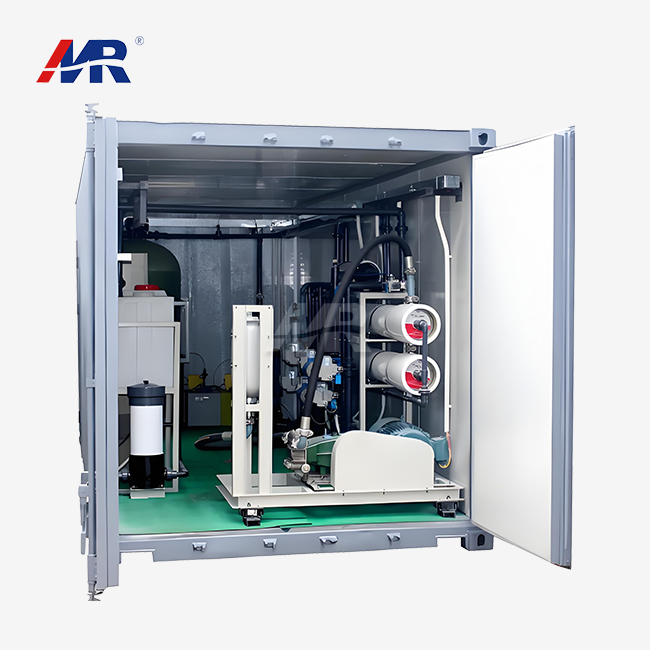 VIEW MOREcontainerized UF+RO system
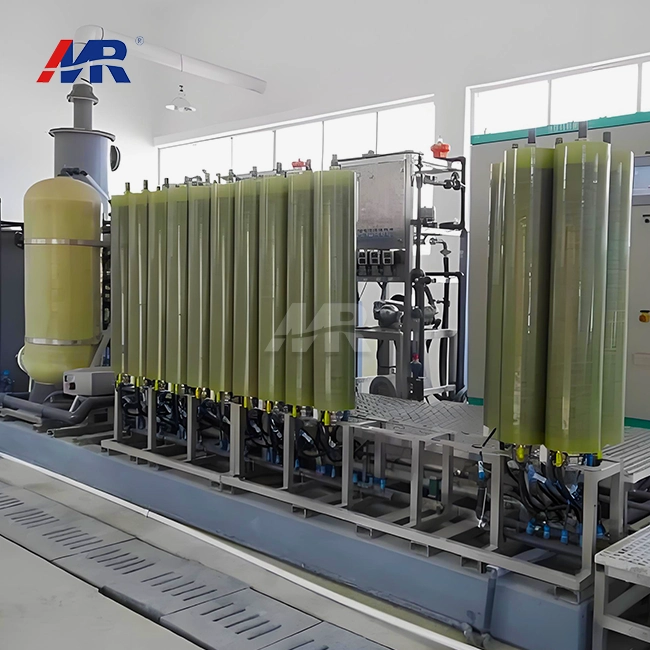 VIEW MOREDTRO Landfill Leachate Treatment
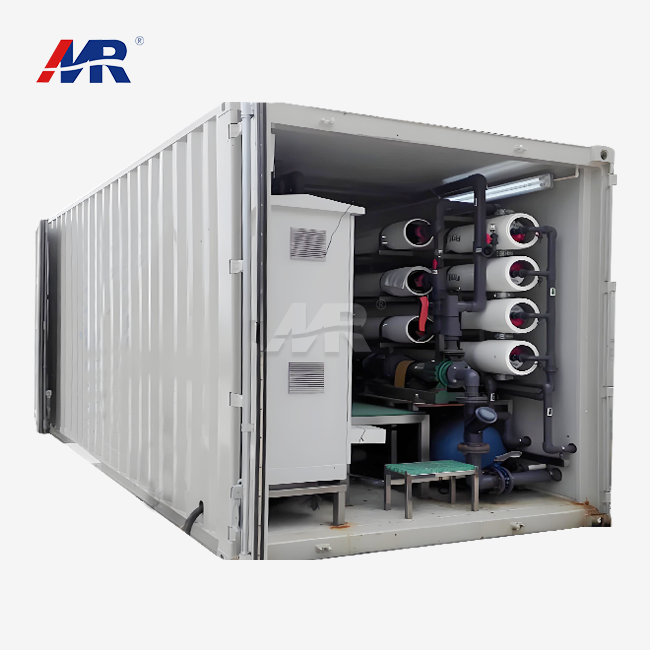 VIEW MOREcontainer seawater desalination equipment
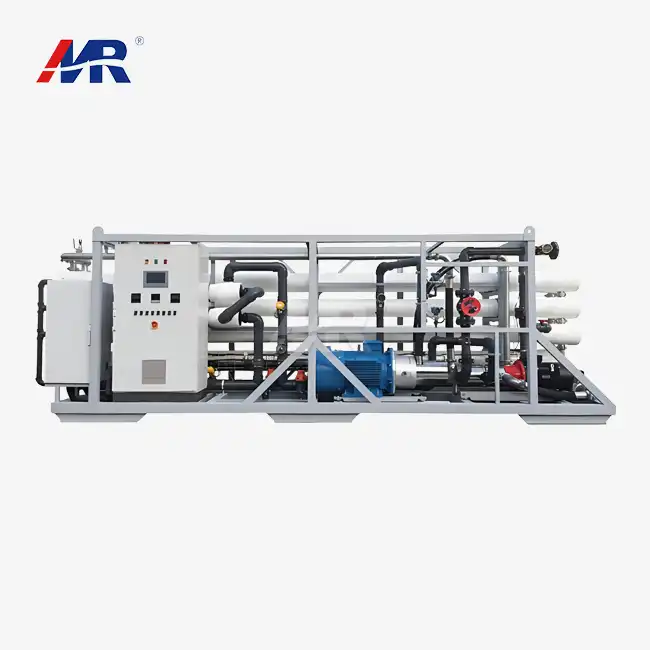 VIEW MORE15m3/hour seawater desalination system
 VIEW MORE5m3/hour seawater desalination equipment