



What Is a Wastewater Treatment Plant and Why Does Your Industry Need One?
A wastewater management plant (WWTP) is a man-made system that eliminates hazardous pollutants from industrial or municipal water streams such that the output is acceptable for disposal or reuse. Whether you operate a PCB factory, a food processing line, or a power plant, a well-built wastewater treatment system will prevent you from regulatory fines, minimize your freshwater use, and keep your operations operating without interruption. To summarize, it is not an optional piece of equipment – it is a commercially crucial asset in every water-heavy company.
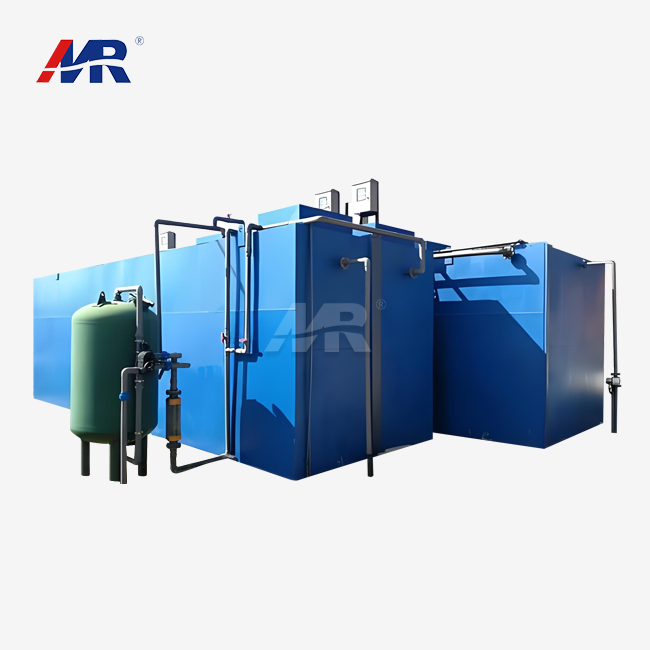
Understanding Wastewater Treatment Plants: Definition and Core Components
What Separates an Industrial WWTP from a Municipal Plant
In fact, in cities, the quantity of residential trash that sewage facilities deal with is around the same each time. Industries have to handle many distinct and complex streams. Some of these streams have heavy metals from electroplating, significant COD loads from food preparation, or dissolved salts from saline groundwater. These changes mean that off-the-shelf options aren't enough. Custom plans are required.
Core Treatment Components
A typical industrial WWTP cleans at three separate levels. Bar screens, clarifiers, and feed fans are utilized to remove the coarse materials initially. Then the pH is altered by chemical treatment, and metals or phosphorus that were dissolved sink to the bottom. BOD and COD reflect the decomposition of organic waste using bioreactors such as activated sludge tanks or membrane bioreactors (MBR). All these procedures produce an effluent that fulfills EPA standards for disposal.
Packaged vs. Custom-Built Systems
Packaged systems are delivered on skids that are already assembled and have predetermined recovery rates and flow rates. This should be pleasing to those who seek typical speed and speedy deployment. The assessment of your raw water quality is utilized to develop custom-designed plants. This enables you to choose the membrane staging, recovery rates exceeding 75%, PLC automation, remote SCADA tracking, and pipe materials. This is especially beneficial when the sorts of objects in the influent vary with the seasons or output changes.
Why Wastewater Treatment Plants Are Essential for Your Industry
Regulatory Pressure Is Real and Growing
The US EPA Clean Water Act and state NPDES licenses impose rigorous restrictions on the levels of total dissolved solids (TDS), heavy metals, and nutrients that may be discharged from a facility. Non-compliance may result in penalties up to $25,000 a day per violation. Revoking permits is more expensive than a fine. It shuts down manufacturing lines totally, and manufacturers can’t afford that.
Operational Cost Savings Through Water Reuse
Process water treatment and recycling greatly reduce raw-water intake cost. Electronics and PCB makers, for example, need ultra-pure water to rinse circuits. Treating and recycling that water on site may cut freshwater expenditures by 40-60%, according to industry standards from the Water Research Foundation report. Other large volume applications where treated wastewater pays back capital investment within a few years include boiler make-up and cooling tower feed water.
The Real Risks of Doing Nothing
Bypassing necessary treatment exposes your firm to three interrelated hazards. First, regulatory enforcement leading to penalties, forced closures, or criminal responsibility for culpable officials. Second, reputational harm – communities and downstream water users are increasingly scrutinizing industrial pollution, and unfavorable news has real consequences on contract renewals and investor confidence. Third, health dangers from polluted site soil or groundwater that lead to remedial expenditures at the Superfund level.
How to Choose the Right Wastewater Treatment Plant for Your Industrial Needs
Start With Your Water Quality Data
Before you compare sellers, get a full report on the factors that affect the price. It's important to look at things like TDS, BOD, COD, suspended solids, heavy metal concentrations, pH range, and daily flow volume. After this, every decision is based on this information, like the membrane type, the pretreatment chemical, and the recovery rate goal. Sending this report to a skilled wastewater management plant builder early on in the process cuts the time it takes to make the bid by a lot.
Biological vs. Membrane-Based Treatment
Activated sludge and SBR are biological systems that can handle high-BOD organic streams more cheaply, but they need bigger spaces and more time for the water to hold. It is better to have TDS levels below 50 mg/L in permeate produced by reverse osmosis (RO) and membrane bioreactor (MBR) systems. They are the best choice for making boiler water, process water for drugs, and any other use that needs water that is almost safe to drink.
Installation, Operation, and Maintenance: Ensuring Optimal Performance
Site Assessment and Modular Scaling
There should be enough space, a power source, and a way to connect the chemicals to the current process lines. This is what a good site assessment looks at. You can start with the capacity you have now and add treatment trains as output grows with flexible skid designs. For this reason, you don't need to spend a lot of money at the beginning. This method works really well for EPC contractors who have to finish parts of construction projects over a number of years.
Automation and Continuous Monitoring
In modern plants, PLC-based SCADA systems keep track of turbidity, conductivity, dissolved oxygen, and chemical dose rates all in real time. An automated variable-frequency drive (VFD) on the influent pumps lowers hydraulic surges that happen when it rains a lot or when production goes up. This makes sure that the same amount of organic matter goes into biological reactors every time. IT teams don't need to have people on site all the time when they have online tracking. They can look at performance data from anywhere.
Preventive Maintenance and Downtime Reduction
Broken parts don't just appear out of nowhere; regular maintenance, like checking the membrane's strength every three months, changing the pump seals once a year, and making sure that tools like flow meters and pH monitors are always calibrated. With 15–20% less unplanned downtime, wastewater management plants that always stick to a written preventive maintenance schedule are better than plants that only fix problems when they happen. Repair windows are cut down by a lot when you work with a company that keeps key extra parts in stock in your area.
Leading Suppliers and Solutions for Industrial Wastewater Treatment Plants
What to Look for in a WWTP Supplier
To buy things in the US market, purchasing teams should make sure that parts that come into contact with water are NSF/ANSI 61 approved, that shipped equipment has a CE mark, and that the seller has dealt with similar influent streams before. Ask for more than just written specs. Also, look for test results on the quality of cleaned water from projects that are similar to yours. Even though the list of equipment is important, the data on how much energy it uses and the support that was provided during commissioning are even more so.
How Morui Fits the Industrial Buyer's Requirements
The company has been making things for 25 years and has 14 branch companies, 500 workers, and 20 in-house experts. No one else owns the business. Morui has its own center for making membranes and a number of plants for handling equipment. In this price range, it's rare to find a wastewater management plant provider with this level of supply chain depth. The company sells full RO systems that can be put together in different ways. The smooth tools are made by Createc, the pumps are made by Shimge, and the control valves are made by Runxin. Based on your information on the quality of the raw water, all of these parts can be put together.
Morui is a great partner for treating industrial water because of these main points:
- Custom process engineering: Morui's engineers review your influent data and design pretreatment, membrane staging, and recovery rates to match your specific discharge or reuse target.
- Full OEM/ODM capability: From private-label skids to containerized turnkey plants with PLC and remote monitoring, Morui can execute your design or develop a new one under NDA.
- Multi-country project history: Proven deployments across industrial and municipal applications give Morui's team direct field experience with the commissioning challenges that lab specs rarely reveal.
—[History of multiple countries]: Morui's team has seen firsthand the problems that come up during commissioning that lab specs don't usually show. This is because methods that have worked in the past have been used in both commercial and public settings.
Conclusion
If you are a business owner, you may be able to operate your business in a responsible way by designing a wastewater management plant that follows all the requirements and minimizes your company’s regulatory risk. To choose the ideal solution, you need precise data on the decision-makers, defined performance targets, and a provider with a lot of technological know-how behind their Products. The most essential thing is to ensure that the technology you pick is compatible with the sort of water you have, whether you require a standard RO skid or a completely customized containerized plant. Check your water first and then seek a qualified treatment partner for their advice on what to do next.
FAQ
1. How long does it take to install an industrial WWTP?
Lead time depends on system complexity. Standardized RO skids typically ship within 4–8 weeks. Custom-designed plants with PLC integration and containerization require 10–16 weeks from confirmed order to delivery, plus 1–3 weeks for on-site commissioning. Sharing your water quality report at the inquiry stage shortens the engineering review period.
2. Can one plant handle multiple influent types?
Yes, with proper pretreatment design. A plant serving both a plating line and a rinsing station, for instance, uses segregated collection tanks and separate chemical conditioning before a shared RO train. The key is accurate influent characterization upfront.
3. How do technology choices affect operating costs?
RO systems consume more energy than gravity-based clarifiers but produce far higher-quality permeate. Fine-bubble diffusers and high-efficiency motors bring energy intensity to roughly 0.6–1.0 kWh per cubic meter of treated water. Choosing membranes with a verified 5–8-year service life reduces replacement frequency and associated labor costs.
4. Can a WWTP be automated to reduce staffing?
Modern PLC-SCADA systems manage dissolved oxygen, sludge wasting, and chemical dosing automatically. Most well-designed plants require only periodic site visits for maintenance rather than continuous on-site operators.
5. What certifications should I require from a supplier?
For the US market, request NSF/ANSI 61 for water-contact components, UL listing for electrical panels, and treated-water test reports from third-party labs. For export or multinational projects, CE documentation applies.
Get a Custom Wastewater Treatment Proposal From Morui
Morui has an engineering team ready to look over your data on water quality and send you a full technical plan. Morui is a straight maker of wastewater management plants that makes its own membranes and offers full OEM/ODM services. It builds RO systems that are compliant and efficient, not just catalog options. To begin, please send your project brief or important report to benson@guangdongmorui.com.
References
1. Water Research Foundation. Industrial Water Reuse: Drivers, Technologies, and Case Studies. 2021.
2. US Environmental Protection Agency. Effluent Guidelines and Standards for Industrial Categories. 2022.
3. Metcalf & Eddy / AECOM. Wastewater Engineering: Treatment and Resource Recovery, 5th ed. McGraw-Hill, 2014.
4. American Water Works Association. Reverse Osmosis and Nanofiltration, 2nd ed. AWWA Manual M46, 2016.
5. Water Reuse Association. The Economics of Water Recycling in Industrial Applications. 2020.
6. Journal of Membrane Science. Long-Term Performance of PVDF Membranes in MBR Systems Under Industrial Conditions. Elsevier, 2019.
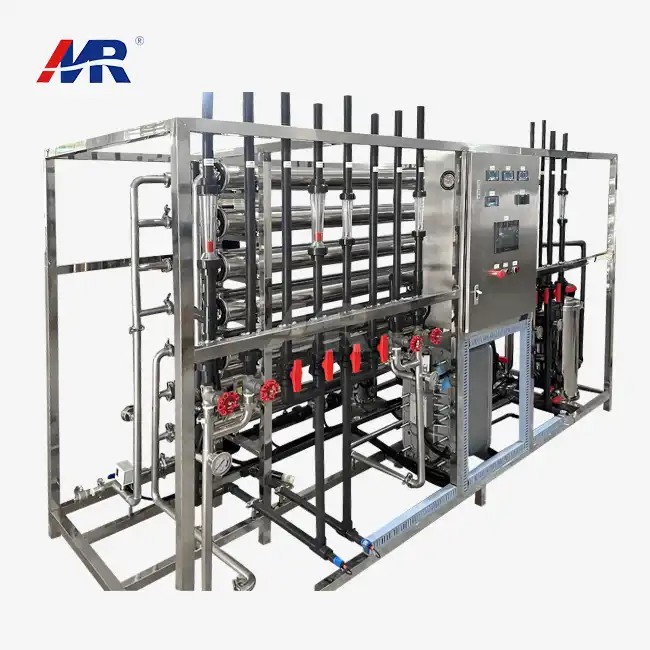 VIEW MORE2m3/hour EDI system
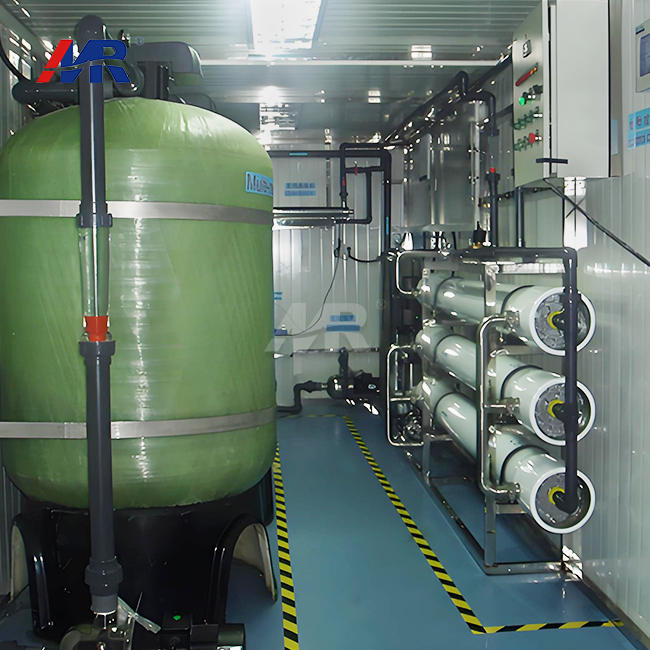 VIEW MOREContainerized Mobile Water Treatment Systems
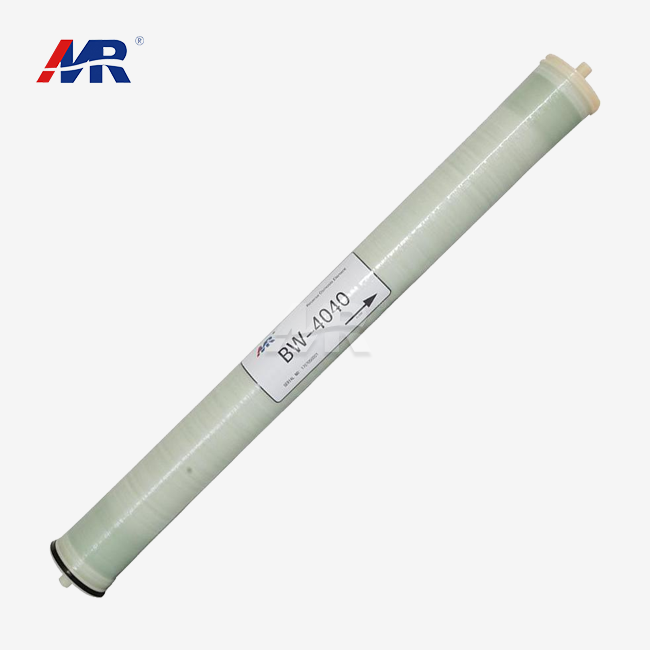 VIEW MORE4040 reverse osmosis membrane
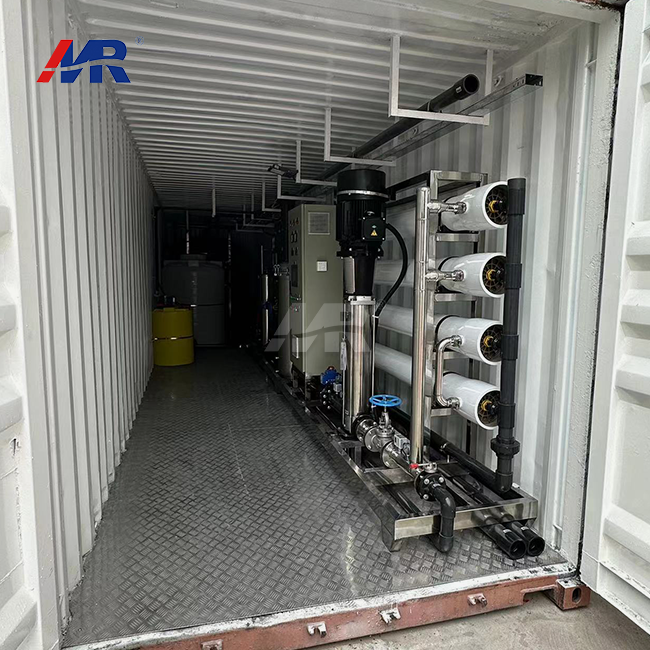 VIEW MOREcontainerized ro system
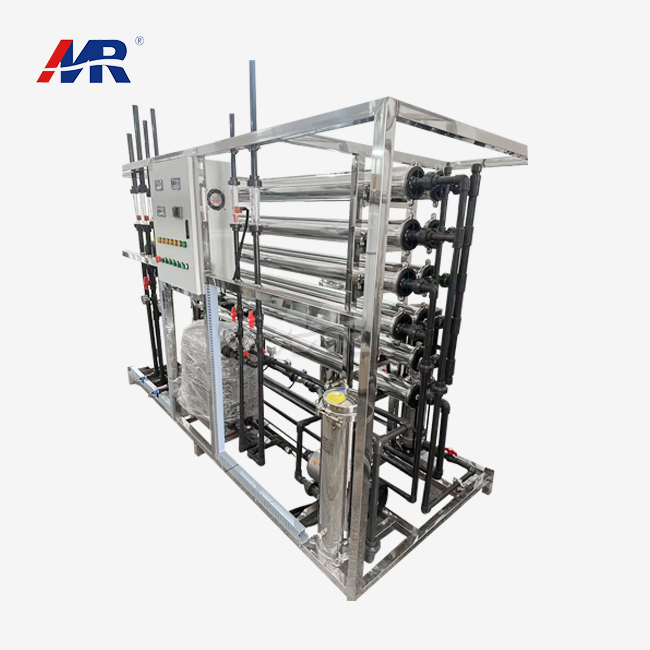 VIEW MOREedi system in water treatment
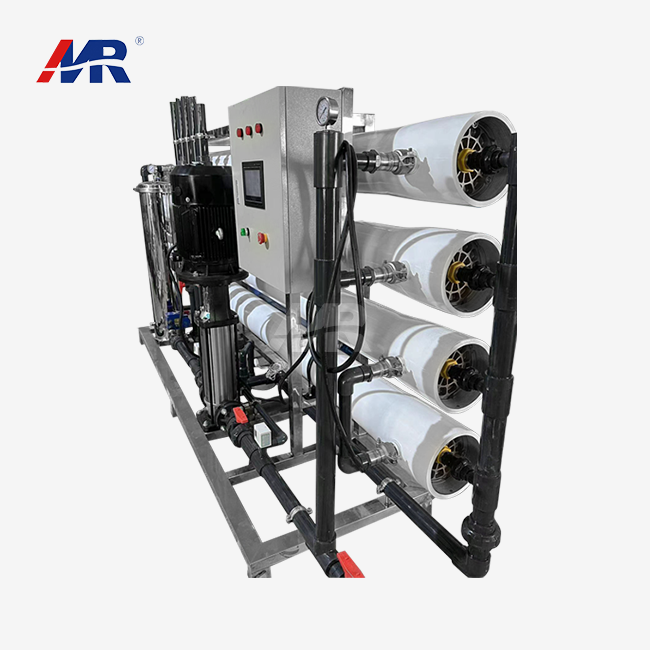 VIEW MOREunder counter reverse osmosis water system
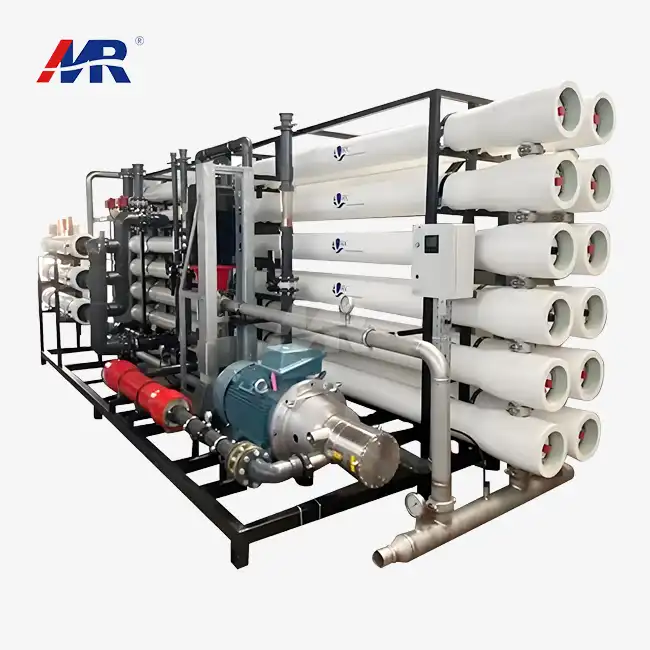 VIEW MORE45m3/hour seawater desalination system
 VIEW MORELandfill Leachate Treatment System
