



Why Membrane Bioreactors Are Reshaping Wastewater Treatment in 2026
Bioreactor wastewater treatment is no longer an exotic alternative. membrane bioreactor (MBR) technology is emerging in 2026 as the technology of choice for municipalities, industrial facilities, and remote-site operators that want constant effluent quality in a restricted space budget. MBR systems blend activated sludge biological treatment with high-precision membrane filtration, producing reuse-grade or discharge-compliant effluent that traditional clarifier-based plants simply cannot achieve at the same footprint. If you are running a wastewater project and you haven’t really considered MBR yet, this post is for you.
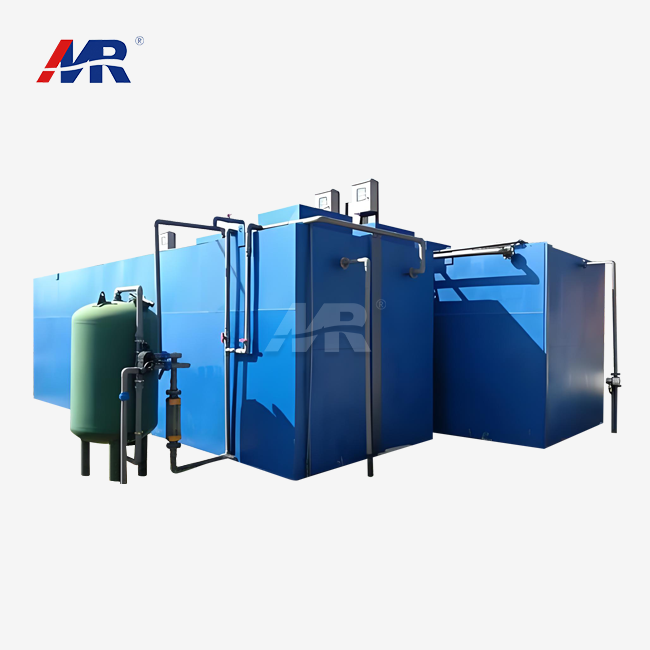
Understanding Membrane Bioreactors and Their Role in Wastewater Treatment
How an MBR System Works
One half of an MBR works along with the other to purify the water. The organic waste is decomposed by bacteria in the biological reactor, and the membrane separation unit works as the secondary clarifier. The microorganisms in the aeration tank decompose the BOD, nitrogen, and phosphorus in the wastewater. The combined fluid, after processing, is passed through either hidden or exterior membrane modules. These modules treat the wastewater to remove practically all the solids and achieve extremely low turbidity.
Key Operating Parameters
When you operate an MBR every day, you should pay attention to the sludge retention time (SRT) and membrane flow. Many slow-growing nitrifying bacteria have a longer SRT, generally 15-30 days. This improves the process of getting rid of nitrogen. The membrane flow indicates the velocity of water across the membrane before it is halted and is expressed in L/m³·h. You need to make sure these two factors are equivalent to keep an MBR working smoothly.
MBR vs. Aerobic and Anaerobic Alternatives
Aerobic activated sludge, as it is utilized, produces more waste sludge and requires a clarifier. Anaerobic reactors may be used for the bioreactor wastewater treatment of highly powerful industrial effluent. But they may be difficult for biogas to handle and may require an additional step to make it seamless. MBR systems are better at removing sediments and germs than either one alone. They also operate themselves, so you don’t require as many professional staff on-site. This is useful for places that are far or remote.
Limitations of Conventional Wastewater Treatment Methods and the Rise of MBR Technology
The Space and Sludge Problem
Such activated sludge plants need clarifiers with a surface area of 50 to 100 m2 and buffer zones to operate at 1,000 m3/d. You can’t get that amount of area in a city or industrial park with pricey land. 0.3 to 0.5 kg of dry sludge per kilogram of BOD removed is also produced using Traditional methods. This implies that the expense of getting rid of garbage continues to rise for decades.
Where Conventional Systems Fall Short for Industrial Users
Where they produce food, dye garments, or breed fish, the quantity of organic materials is always changing. These shock loads are beyond the capability of conventional activated sludge systems, and the trash they create is below norms. They breach the regulations and receive permission. Clarifiers do not remove colorants and cleaners particularly efficiently from textile effluent. But mbr membranes may physically retain these particles, even if they are physiologically distinct.
Real-World Evidence of the Shift
A 2023 Global Water Intelligence analysis estimated that the number of MBR capacity additions over the previous 5 years expanded at around an 8% CAGR. This was quicker than the development of conventional secondary therapy; the majority of efforts are to enhance cities in the US and EU. The EPA and the EU Water Framework Directive have tougher discharge limitations that are difficult for ordinary facilities to comply with without having to take costly additional measures to polish the water.
Advantages and Economic Feasibility of Membrane Bioreactors in 2026
Environmental Performance
The amount of the virus is reduced by 3–4 logs. The BOD level is generally less than 5 mg/L. TSS level is likewise less than 1 mg/L. For recycled water, these values are at or above the threshold required by California Title 22. At this level of flow, the water is ready for immediate use such as watering plants, cooling work spaces, or flushing toilets. This turns a cost center into a water reclamation asset.”
Total Cost of Ownership
MBR systems cost 15-30% more to install than identical conventional plants but pay back in 7-10 years with practical savings. Less sludge to transfer, less building work, and fewer chemicals to apply all reduce the plant’s yearly operational expenses. One example is Morui’s MR-MBR-30 type, which has an effective filter area of 30 m2 using PVDF flat-sheet membranes with 0.2 µm holes. The module is 2000 mm long, 1250 mm broad, and 30 mm thick. It is intended for low-pressure operation, and so consumes minimal energy per cubic meter.
Regulatory Alignment in 2026
The US EPA is rolling out new wastewater rules for various kinds of companies in 2025 and 2026. The rules will set tougher restrictions for nitrogen and pathogens. With MBR systems, these aims may be achieved without an additional finishing step. It reduces the chance of you breaking a rule and speeds up the job. “It’s good for procurement managers making business Cases around big projects to have confidence around regulations.
The management of wastewater is difficult because of space, quality, and regulatory costs. All these advantages combine to address these difficulties. For all of these reasons, there is no question that MBR should be utilized in place of standard secondary bioreactor wastewater treatment for a house renovation or new home construction.
Selecting and Procuring the Right Membrane Bioreactor System for Your Business
Matching Capacity and Influent Quality
Start by getting information on the daily flow rate and the COD, BOD, TSS, TN, TP, and any compounds that are unique to the industry of the wastewater. They tell us how big the biological reactor should be, how big the membrane should be, and how much airflow it needs. If the biological zone is too small, it will stress the membrane, and if it's too big, it will waste money. You should ask every provider you look at for both a product paper and a process design package.
Evaluating Supplier Capabilities
Before you choose a seller, here are the key things you should check out:
Material of the membrane and the size of the pores: PVDF membranes with pores of 0.2 µm are good for cleaning garbage from cities and businesses because they can handle chemicals well and filter very well.
Unit sizes and how to replace them: Standard unit sizes, like 2000x1250x30 mm, make it easier to plan for spare parts and membrane replacements in the future.- Automation and remote monitoring: PLC-based control with remote O&M access lowers the cost of working in places that are spread out or far away.
- Membrane material and pore size: PVDF membranes at 0.2 µm offer a good balance of chemical resistance and filtration precision for municipal and industrial wastewater.
- Module dimensions and replacement logistics: Standardized module dimensions (such as 2000×1250×30 mm) simplify future membrane replacement and spare-parts planning.
- Automation and remote monitoring: PLC-based control with remote O&M access reduces the cost of staffing remote or decentralized sites.
- Certifications and test reports: US buyers should verify NSF/ANSI water-contact compliance and request independent effluent quality test data.
- After-sales support: Annual membrane re-orders are a reality; a supplier who stocks replacement modules locally or commits to short lead times lowers operational risk.
You don't have to compare unit prices to get the best MBR provider. It's safer to work with a company that can make the process package, teach you how to use it, and make sure it meets effluent standards than with one that only sends tools.
OEM and Custom Configuration Options
A lot of industrial clients in the US need buried, containerized, or emergency-mobile setups that can't be found in standard stock units. Ask a supplier if they can make tanks, control panels, and membrane modules on their own. Costs and risks go up when you use more than one vendor.
Future Trends and Technological Advancements in Membrane Bioreactor Systems
AI-Assisted Process Control
Sensor networks and machine-learning algorithms are used to predict when membrane fouling will happen and automatically change the backwash and air processes. Early users say that they use 10–15% less energy and have fewer unexpected shutdowns than cleaning routines that happen on a set schedule.
Next-Generation Membrane Materials
A group of scientists from MIT and Nanyang Technological University is trying PVDF screens with nanoparticles mixed in. There is a longer time between chemical cleans because these nanoparticles make it less likely that the membranes will get biofouling.
Decentralized and Mobile Applications
If you clean the membrane with chemicals only once a month instead of once a week, you will use fewer chemicals and the membrane will last longer.
Conclusion
MBR technology has grown to the point where it can be a main bioreactor wastewater treatment option instead of a specialty one by 2026. It can produce wastewater that can be used again in a small area, with less sludge and automatic operation. This helps sewer owners in the US deal with the problems that come with tighter discharge limits, higher land costs, and more people wanting to recycle water.
FAQ
1. How do MBRs compare to conventional activated sludge in effluent quality?
MBRs consistently produce effluent with BOD below 5 mg/L and TSS below 1 mg/L. Conventional activated sludge with a secondary clarifier typically achieves BOD of 20–30 mg/L and TSS of 15–25 mg/L. The membrane acts as an absolute barrier to suspended solids and most pathogens, which a clarifier cannot replicate.
2. What is the typical membrane lifespan in an MBR system?
PVDF flat-sheet and hollow-fiber membranes typically last 5–10 years depending on influent quality, cleaning frequency, and operating flux. Regular chemical maintenance cleaning extends membrane life, while operating above the critical flux threshold accelerates fouling and shortens it.
3. Can MBR systems handle fluctuating industrial wastewater loads?
Yes. The high biomass concentration in MBR reactors (8,000–12,000 mg/L MLSS vs. 2,000–4,000 mg/L in conventional systems) provides a buffer against organic shock loads. The membrane maintains effluent quality even when biological performance temporarily dips, which is particularly important for food processing and textile facilities.
4. What certifications should a US buyer require?
At minimum, request NSF/ANSI 61 water-contact compliance for components in contact with treated water, independent third-party effluent test reports, and documentation showing the system meets your applicable state discharge permit limits.
Ready to Evaluate an MBR Solution? Talk to Morui
MBRs always have a BOD level below 5 mg/L and a TSS level below 1 mg/L in their bioreactor wastewater treatment. Most activated sludge that has had an additional clarifier added to it has BOD levels of 20 to 30 mg/L and TSS levels of 15 to 25 mg/L. This layer stops all suspended solids and germs, which is not possible with a clarifier. You can talk to Our Team about your storage vessel needs and get a detailed plan that works for your system by emailing benson@guangdongmorui.com.
References
1. Global Water Intelligence. MBR Market Report: Capacity and Technology Trends. 2023.
2. Judd, S. The MBR Book: Principles and Applications of Membrane Bioreactors for Water and Wastewater Treatment. Elsevier, 2011.
3. US Environmental Protection Agency. Effluent Guidelines: Proposed Rules and Final Rules. 2025.
4. Kraume, M., & Drews, A. "Membrane Bioreactors in Wastewater Treatment — Status and Trends." Chemical Engineering & Technology, 2010.
5. California State Water Resources Control Board. Title 22 Water Recycling Criteria. 2023.
6. Meng, F., et al. "Recent Advances in Membrane Bioreactors: Configuration, Operation, and Application." Water Research, 2017.
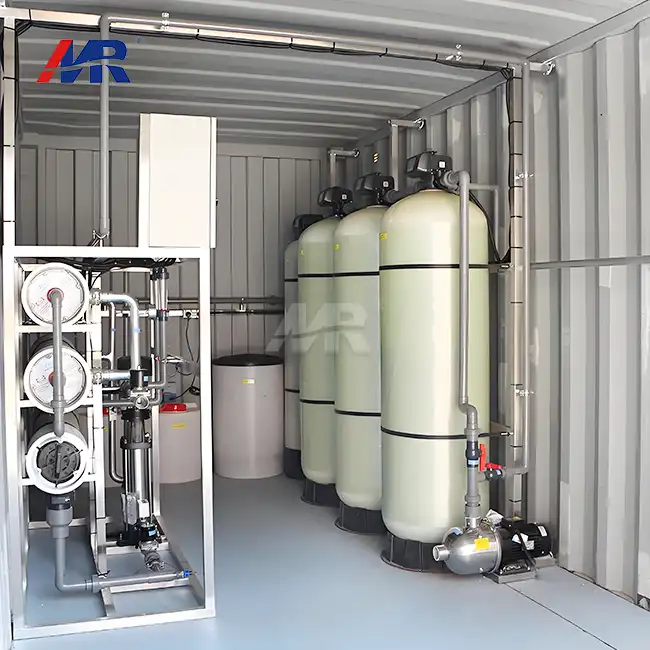 VIEW MOREcontainer type 3m3/hour RO equipment
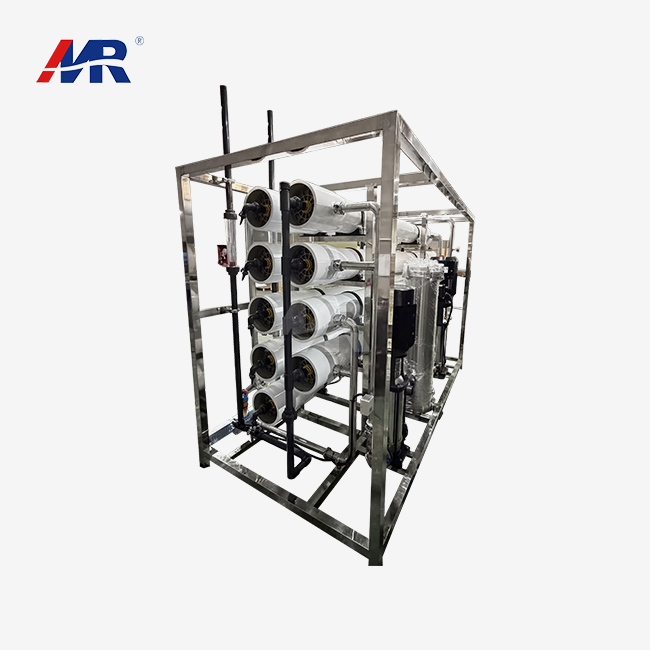 VIEW MOREro reverse osmosis water filter
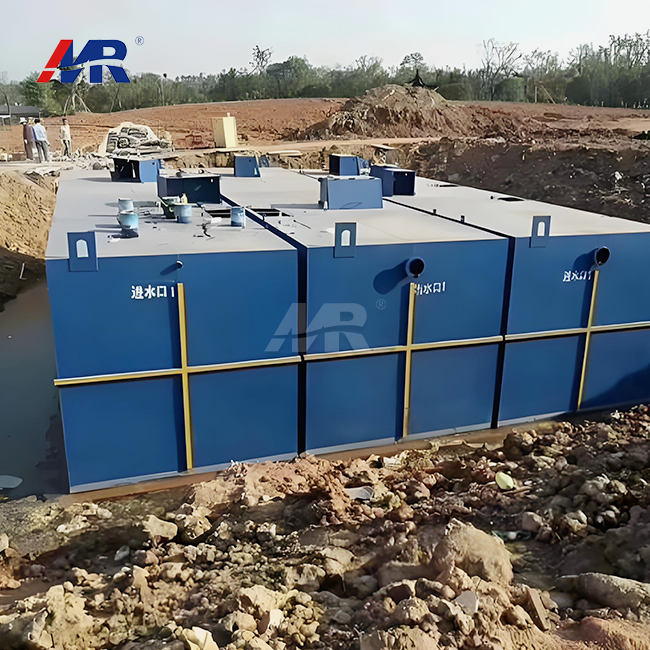 VIEW MOREwastewater treatment plant units
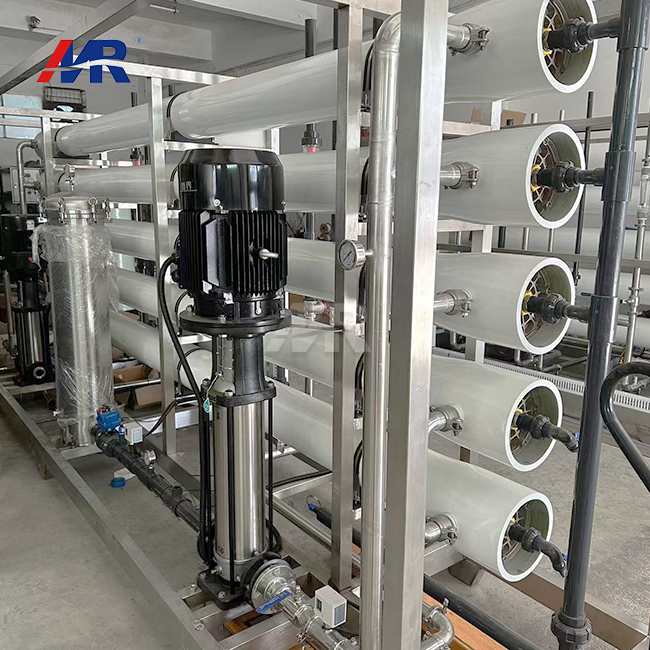 VIEW MOREosmosis water purification system
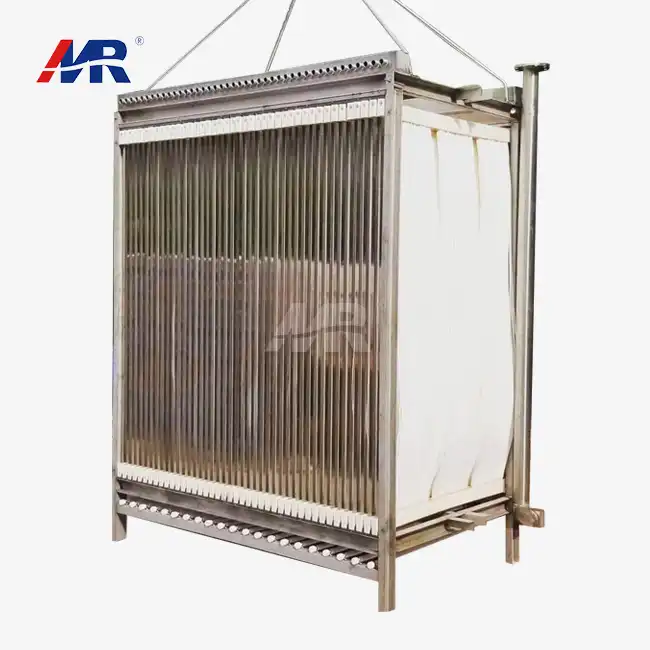 VIEW MOREmembrane bioreactor
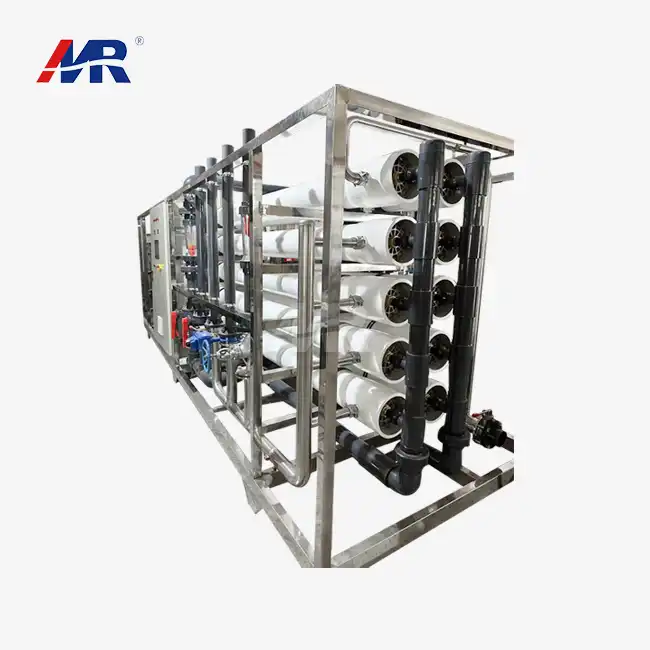 VIEW MORE50m3/hour reverse osmosis equipment
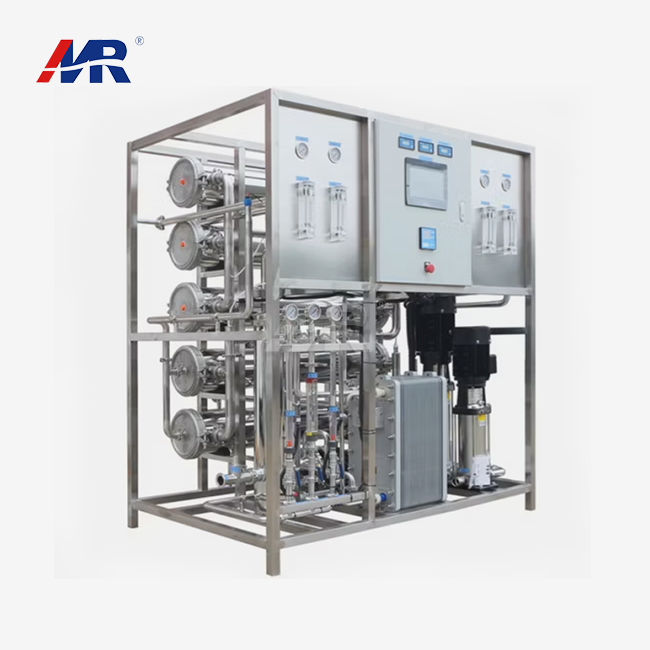 VIEW MOREro edi water system
 VIEW MORE2000 liters/hour EDI system
