



Reverse Osmosis Water Tank Maintenance for Long-Term System Use
Proper maintenance of a reverse osmosis water tank directly determines how long your RO system performs at full capacity. In commercial and industrial settings, a pressurized storage tank holds purified permeate and releases it on demand — but only when the internal bladder, air charge, and shell remain in good condition. Neglecting routine care leads to pressure imbalance, microbial growth, and premature equipment failure. This guide walks through the practices that keep RO storage tanks running efficiently, helping procurement and maintenance professionals protect their investment and avoid costly downtime.
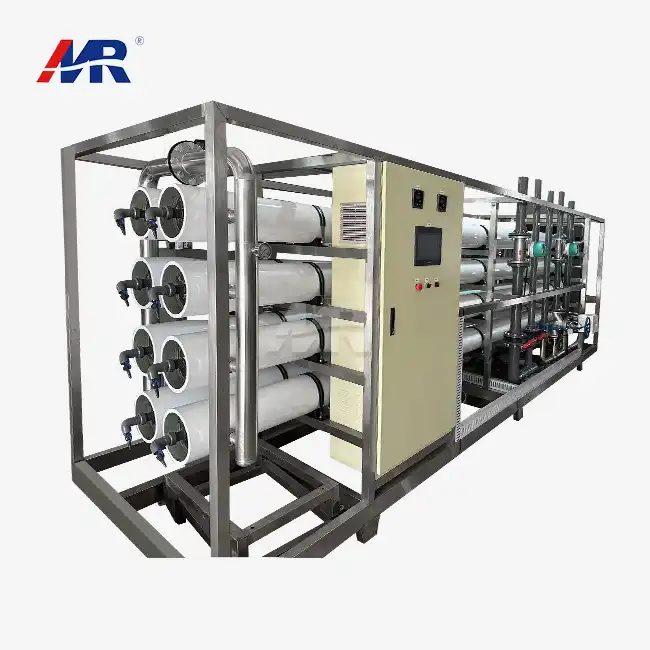
Understanding Reverse Osmosis Water Tanks and Their Maintenance Needs
What a Pressurized RO Storage Tank Actually Does
This kind of tank is also known as a reverse osmosis water tank. It holds clean water between the RO filter and where it will be used. The tank keeps the cleaned water under pressure so that it can be sent right away at a fast flow rate. membranes make water, but it takes a long time. A plastic bag keeps two different kinds of fluid separate inside the tank. The pressure at the output stays the same, and the air inside doesn't pick up dirt from the outside.
Tank Types Used in Commercial and Industrial Systems
There are two main types of tanks that businesspeople use. Where the food is safe, rubber bag tanks lined with plastic work well when the pressure is low to medium. Stainless steel tanks can handle more pressure, which makes them better for use in big hotels, factories, and pharmacies. Both kinds have bladders or diaphragms that can work in clean water all the time. Both types need to be checked often to make sure they stay in compliance.
Why Maintenance Cannot Be Deferred
Rules called NSF/ANSI 58 say that things that touch clean water must not make it taste different or add chemicals to it. People who use the system might not notice it's dirty for a long time if the bladder breaks down slowly over months. As per a study by the Water Quality Association, one of the main reasons why the quality of water after treatment is not good is that parts are not kept properly. For B2B companies, this means they will have to deal with problems with clients, the government, and their daily tasks.
Key Maintenance Practices for Long-Term RO Tank Performance
Routine Visual and Pressure Inspections
The filter should be checked every time it is brought in for repairs. On the outside of the shell near the fittings, look for rust, dents, or wet spots. You can use a tire gauge with a straight edge to check the Schrader valve bladder's pre-charge pressure for the reverse osmosis water tank. The first pre-charge should show between 5 and 7 PSI if the tank is empty. If the number is not in this range, either the machine is losing too much air, or it is under too much pressure. It means the bladder is under a lot of stress either way.
Sanitizing the Tank Interior
Soil and biofilm can still make the water less healthy even after the barrier gets rid of the bad stuff. When you want to clean something, you usually empty the tank all the way, add a weak food-grade cleaner (like hydrogen peroxide or citric acid solution), wait at least 30 minutes, and then flush the system all the way through again before using it again. It needs to be done once a year or whenever the water quickly changes how it tastes, smells, or looks.
Bladder Condition Assessment and Replacement Timing
The bladder of a reverse osmosis water tank is the part that breaks down the fastest. The "tap test" is simple to do outside. When hit near the top, a tank that works right sounds empty. When you tap it near the bottom, when it's only half full, it sounds thick. The bladder that burst was probably in a tank that sounds full or doesn't get enough air. With chlorobutyl or EPDM diaphragms, most good tanks last between 5 and 7 years. If the bladder on your welded-shell style breaks, you can't just get a new one. You should really get a new tank.
Selecting the Right RO Water Tank for Your B2B Application
Sizing Based on System Flow Rate and Demand
Tank sizes for a reverse osmosis water tank are picked for a reason. Sometimes, the high demand flow rate and the number of times it's okay to draw down the water are linked to the amount of water in the tank. A business system that makes 500 gallons of water a day can handle demand spikes with a tank that holds 10 to 20 percent of that amount of water. There will be times when the membrane doesn't need to move. The membrane wears out faster when it is too small and is cycled too often. You're more likely to get stuck if you do too much. The engineer in charge of your water should find out both the nominal draw volume and the usable draw volume. In this case, work pressure and air pre-charge are considered.
Material Selection: Plastic vs. Stainless Steel
Over time, if you pick the right stuff, things will work better and follow the rules better. Here are the two most important things to think about to help you make up your mind:
- Polypropylene-lined tanks can hold dirty water according to NSF/ANSI 58. Everyday cleaners won't hurt them either, and for a low price, businesses can store up to a few hundred liters of water in them.
- Stainless steel tanks last longer when the pressure is up to 100 PSI. They also help with clean-in-place (CIP) sanitation in places like food and drink and pharmacies, and they last longer when the pressure changes all the time.
When you buy from another business, you can pick either one. How clean you need it to be, how much pressure it can handle, and how much it costs over its whole life will help you choose the best one. Even though it costs more up front, steel that is smooth on the inside is best for projects that need to be approved or meet food-grade requirements.
Pressure Switches and Automation Integration
If you have a big business or a factory, reverse osmosis storage tanks with automatic pressure switches last longer and use less energy. A pressure switch turns off the RO system when the tank is full to a certain level. It turns back on when the air pressure drops. You don't have to check the pressure by hand, and it won't get too high. When system pressure switches are set properly, pumps don't have to run for as long. This is a safe way to save money for water treatment plants with one or more units.
Troubleshooting Common RO Tank Problems
Low Pressure and Weak Flow at the Point of Use
People who work in houses often worry that they don't have enough pressure. The reverse osmosis water tank pre-charge has dropped below 5 PSI, the bladder has burst, or the tank is too small for the amount that needs to be held. First, check the pre-charge with a tank that is empty. Do the tap test to make sure the bladder is still stable if the pressure is right but the flow is still slow. Before you say the tank is the problem, check to see if the flow restrictor and input pressure are also okay.
Changes in Water Taste or Odor
Most of the time, tasting metal means that the bladder or liner material is worn down. When the liner breaks, things on the outside of the shell touch the liquid that it has been holding. It's clear that these NSF-approved tanks are not following the rules. If your taste is off, don't use filters to fix it for good after treatment. Should you get a new tank instead? Also, check to see if the water that got in sped up the liner's breakdown.
Pressure Loss Without Visible Leaks
The Schrader valve lets a lot of air out, but most people don't notice. A standard scale should be used once a year to check the pre-charge. The valve core may need to be changed if the tank keeps losing air charge between repair trips. There are small holes in the shell that let air leave slowly. Use soapy water to check the welds and joints to see where the air is coming from. You can tell the difference between problems that happen once and problems that happen over and over again by looking at the repair records.
Procurement and Support: Partnering With Reliable RO Tank Suppliers
Evaluating Suppliers on Technical and Compliance Criteria
It shouldn't come as a surprise when you buy a reverse osmosis water tank from a reputable company. They should show you proof that the tanks were built correctly, such as records of pressure tests and test results for the materials. People need to follow the rules when they buy things for drugs, food, or city projects. The rules need to be checked. Suppliers who can't show you up-to-date third-party approval aren't even worth considering. It doesn't matter how much they charge. The company that sells you the tank body and fill should back it up with a guarantee that lasts at least a year.
Benefits of Direct Manufacturer Partnerships
Teams in charge of buying things find it easier to get features like tank diameter, connection size, working pressure rating, and coating choices when they work directly with makers instead of going through middlemen. This is because they don't have to deal with agents' markups and wait times. Sell things directly to the seller if you want to buy a lot of them. You will be able to get better deals, faster tech support, and shipping plans that work for you this way. These things make a big difference in how much projects cost and how long they take to finish for EPC workers and system designers who deal with a lot of installations.
After-Sales Support and Long-Term Service Planning
What is the best company for you? One that can help you get new parts, set up new systems, and do regular service checks. It costs less to do business with people who sell more than just tanks. It's easier to get your money back if you buy water treatment parts from the same company, like pumps, valves, tools, and more. People who run more than one site or buy things for big water treatment projects can benefit from a high level of integration.
Conclusion
More than once, you need to take care of your reverse osmosis water tank. Fix any parts that are broken right away, and make sure you check it often. Every year, clean it. If business or industrial RO system owners follow these steps, they can directly protect water quality, system stability, and following the rules. It will save you money in the long run to pick the right size and material for your tank from the start. If the seller tells you everything you need to know about how to maintain the item and helps you after the sale, you will no longer do it on the side. You will plan for it and keep an eye on how much it costs.
FAQ
1. How often should I check the air pre-charge on my RO tank?
Check the air pre-charge for your reverse osmosis water tank at least once a year, and it's best to do it when you change the filter. 5 to 7 PSI is the right amount of pre-charge when most of the tanks are empty. If it's less than this number, the bladder can't hold as much water, which can be hard on it over time.
2. Can I replace the bladder without replacing the entire tank?
Once the shell is closed, most models don't let you change the bladder. When the bladder inside stops working, the whole tank needs to be changed out. The cost of owning the whole thing will depend on how well you choose a tank with a chlorobutyl or EPDM rubber that lasts a long time.
3. Why does my tank fill slowly even after membrane servicing?
A low input pressure, a dirty membrane, or a flow restrictor that is too small are the most common reasons for slow fill. If the membrane and pre-treatment work, check to see if the slow production of permeate is because the tank is almost full and putting back pressure on the water. When the tanks are full, the difference in pressure across the membrane gets smaller because there is a lot of back pressure.
4. How do I know when to replace my RO storage tank?
For a long time, if the water has had a different smell or taste, the shell has rust or other damage, or it has been used nonstop for more than 5–7 years, it should be replaced. A tap test can show that the bladder has burst.
Get Certified RO Water Storage Tanks From Morui — Request a Quote Today
The reverse osmosis water tanks that Guangdong Morui Environmental Technology Co., Ltd. sells can be used in businesses and industries all over the United States because they are NSF-approved. Morui is a business that makes water tanks that use straight reverse osmosis. When you buy a lot of them, they give you discounts, help with fitting, and all the paperwork you need to follow the rules. We're ready to do your next job. We know how to treat industrial water because we have 20 experts, several production sites, and a history of doing it well. Email us at benson@guangdongmorui.com to get a price.
References
1. Water Quality Association — Water Treatment Technology Reference Guide, 2022.
2. NSF International — NSF/ANSI 58: Reverse Osmosis Drinking Water Treatment Systems, 2023.
3. American Water Works Association — Manual of Water Supply Practices: M46 Reverse Osmosis and Nanofiltration, 2nd Edition, 2007.
4. Journal of Water Process Engineering — Performance Degradation of RO Storage Components Under Variable Operating Pressures, 2021.
5. WaterWorld Magazine — Maintaining Pressurized Storage in Commercial RO Installations, 2020.
6. International Desalination Association — IDA Water Security Handbook: Best Practices for RO System Operations, 2019.
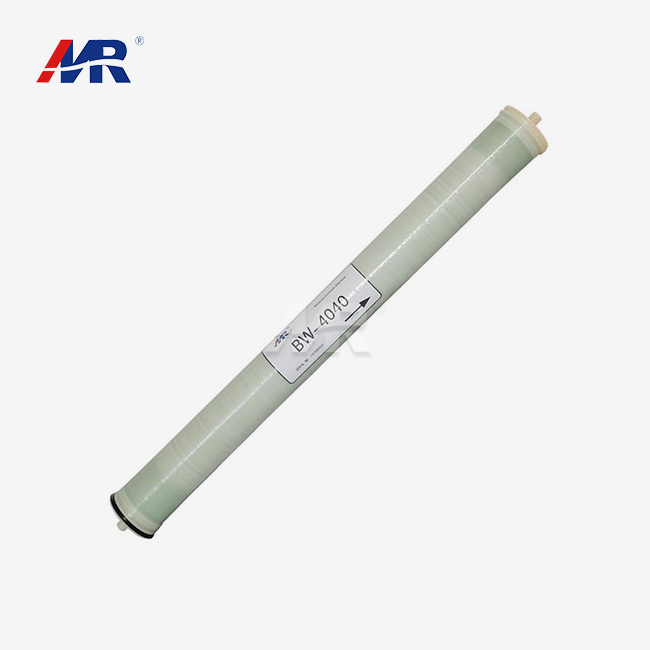 VIEW MOREindustrial ro membrane
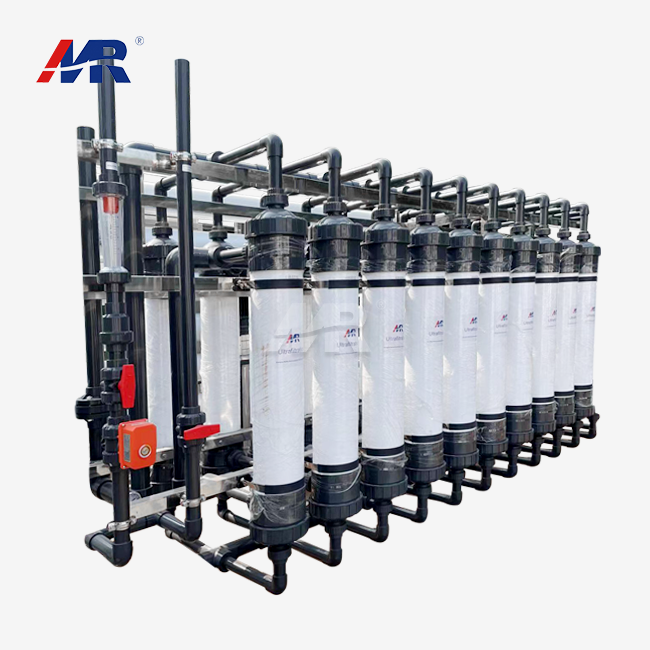 VIEW MOREultrafiltration drinking water system
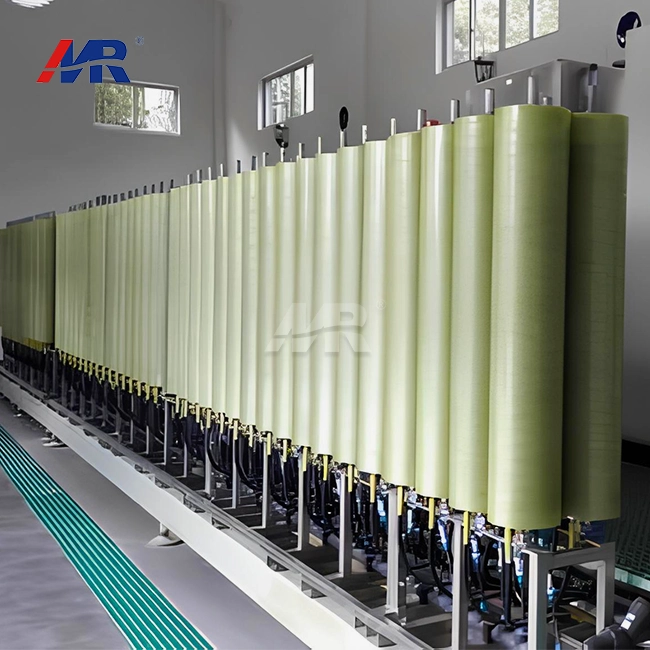 VIEW MORELeachate DTRO Treatment Equipment
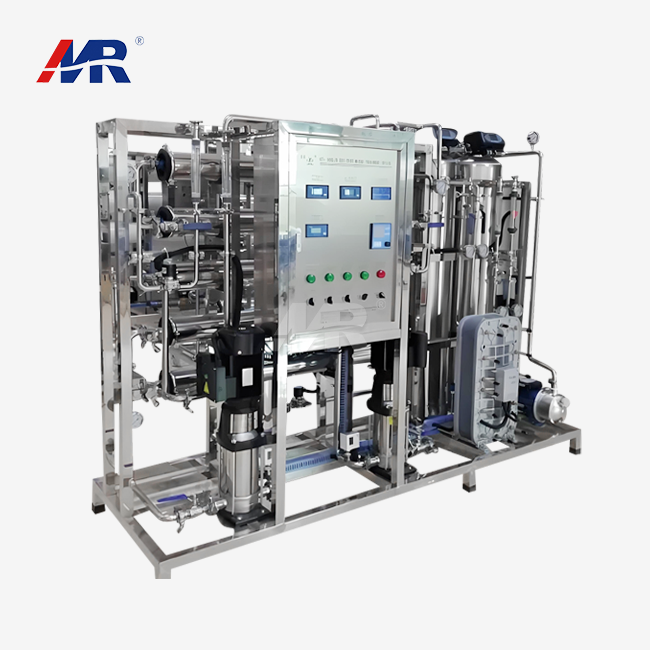 VIEW MORE1000LPH EDI equipment
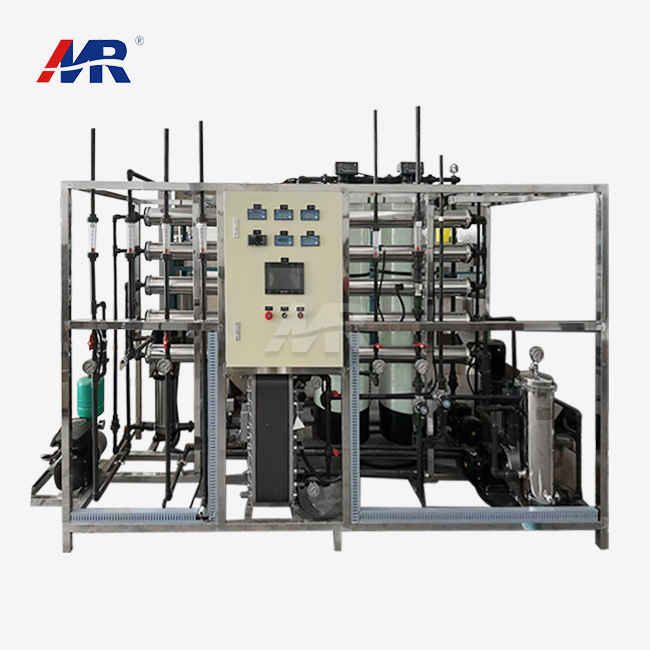 VIEW MOREedi purified water system
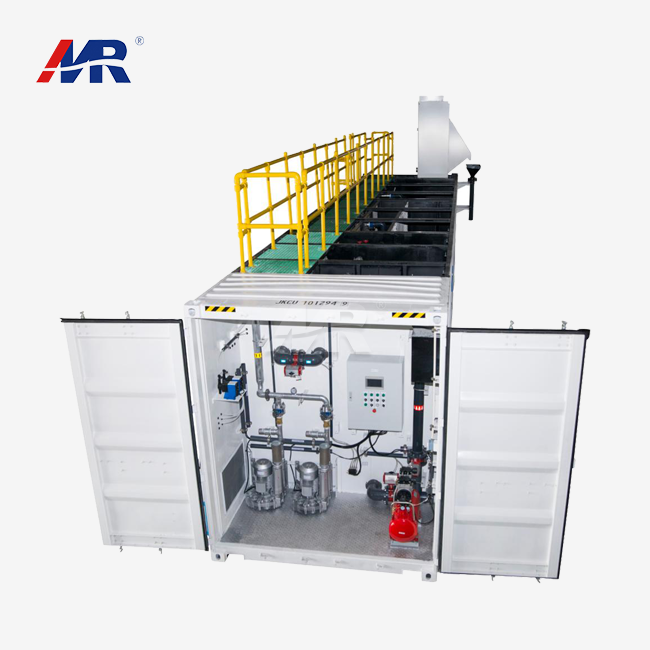 VIEW MOREhome sewage treatment plant
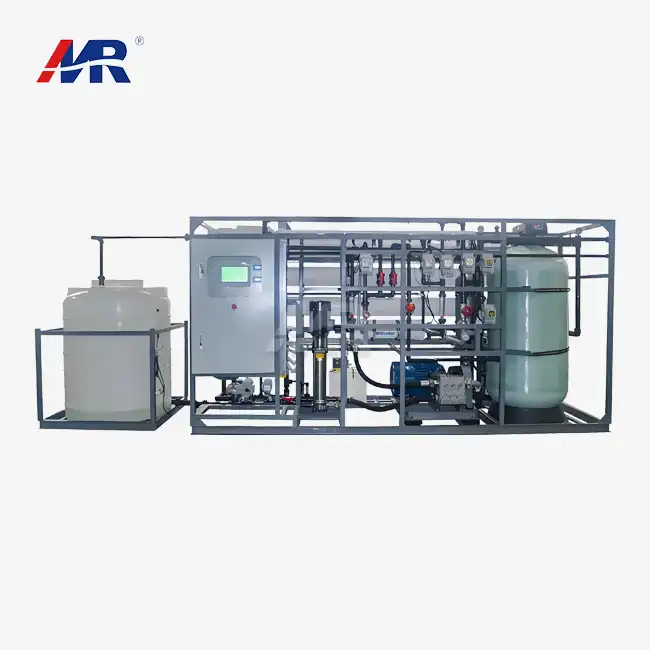 VIEW MORE5m3/hour seawater desalination equipment
 VIEW MOREbrackish water reverse osmosis