

_1745823981883.webp)

Biological Reactor Wastewater Treatment Troubleshooting Tips
Biological reactor wastewater treatment is one of the most effective methods for removing organics, nitrogen, and phosphorus from industrial and municipal effluent streams. Yet even well-designed systems encounter operational disruptions that compromise effluent quality and regulatory compliance. Whether you manage a food processing plant, a pharmaceutical facility, or a municipal wastewater station, knowing how to diagnose and resolve reactor issues quickly can save significant time and money. This guide walks through the most common problems, systematic fixes, and maintenance practices to keep your system running at peak performance.
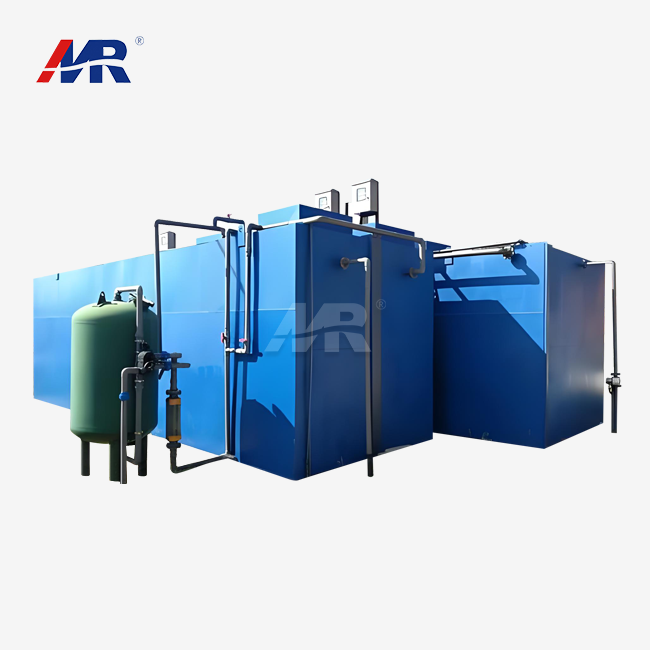
What Are the Most Common Biological Reactor Problems?
Why Do Reactors Underperform Even When They Are Properly Installed?
The major causes of most operational failures are misaligned microorganisms, too much hydraulic pressure, and worn-out equipment. According to the Water Environment Federation, sludge bulking accounts for around 30% of activated sludge system failures in North America. Foaming, unpleasant odors, blocked membranes, and excessive COD levels in effluent are all quite irritating. These indicators don’t normally occur in isolation. A rapid toxic shock load, for example, might simultaneously lead to filamentous bacterial growth, volatile fatty acid accumulation, and dissolved oxygen (DO) depletion. Continuous process monitoring catches these indicators early, the difference between a modest alteration and a complete system shutdown.
How Do You Troubleshoot a Biological Reactor Step by Step?
Starting With Data Before Touching the Equipment
To make troubleshooting effective, data must be structured and gathered before any real work is done. Reviewing previous process logs, obtaining samples of mixed liquid suspended solids (MLSS), and evaluating COD load, pH, temperature, and the presence of dangerous chemicals in the influent can tell you a lot about what's wrong.
Here are the core corrective steps most industrial operators rely on:
- Aeration optimization: In aerobic zones, microbial metabolism slows down a lot when DO drops below 1.5 mg/L. By recalibrating fine-bubble diffusers or changing the output of the fan using variable frequency drives (VFDs), the efficiency of oxygen transfer can be restored without using too much energy.
- Sludge retention time (SRT) adjustment: A short SRT lets slow-growing nitrifiers wash out, which leads to ammonia spikes. For systems that focus on nitrification, extending SRT to 10–20 days stabilizes the microbial population and improves nitrogen removal.
- Chemical dosing correction: Microbial activity is slowed down when nutrient ratios are out of balance (BOD:N:P should be close to 100:5:1). Adding sources of nitrogen or phosphorus quickly returns physiological balance.
- Membrane backwash protocols: In MBR systems, chemically enhanced backwash (CEB) with sodium hypochlorite or citric acid and automatic relaxation remove organic foulants and mineral scalants from the membrane holes, which increases flow rates.
After making these changes, the system should be checked for DO, turbidity, and NH₄-N using internal instruments for at least 72 hours. Comparing the quality of the effluent to discharge standards lets you know if the corrective actions worked as planned or need more work.
How Do Aerobic and Anaerobic Reactors Differ in Troubleshooting?
Knowing how the different types of Biological reactor wastewater treatments work differently makes your testing skills better. The following table shows how the two main configurations compare in terms of important troubleshooting factors:
| Parameter | Aerobic Reactor | Anaerobic Reactor |
|---|---|---|
| Primary function | BOD/COD removal, nitrification | COD reduction, biogas recovery |
| Key control variable | Dissolved oxygen (1.5–3 mg/L) | Volatile fatty acids, pH (6.8–7.4) |
| Common failure mode | Sludge bulking, foaming | VFA accumulation, H₂S odor |
| Energy demand | High (aeration) | Low (but heating may be needed) |
| Troubleshooting focus | Aeration system, F/M ratio | Alkalinity, organic loading rate |
| Suitable industry | Municipal, food & beverage, pharma | Petrochemical, food processing, biogas plants |
Aerobic systems need better control over how oxygen moves through them and are more likely to react to sudden increases in toxic load. Anaerobic digesters, on the other hand, need careful control over alkalinity and volatile fatty acid (VFA) levels. Microbes stop working quickly when VFA levels rise above 500 mg/L. If you know what kind of reactor you're running, you can figure out which factors to watch closely and which actions to do first.
Which Biological Reactor System Reduces Troubleshooting Frequency?
Why the MBR Configuration Outperforms Conventional Activated Sludge
Of the methods available, Sequencing Batch Reactors (SBR), Moving Bed Biofilm Reactors (MBBR), conventional activated sludge, and Membrane Bioreactors (MBR) reliably generate superior effluent quality with less troubleshooting. MBR systems use ultrafiltration membranes to physically retain biomass. This eliminates secondary clarifier failures, sludge settling, and turbidity spikes in the runoff from thickening.
This advantage is seen in large-scale industrial applications using Morui’s MR-MBR-20 flat sheet membrane module. PVDF architecture and a 0.2 μm hole size mean it can be relied upon to hold onto bacteria and particles in even the hardest Biological reactor wastewater treatment streams. The module has dimensions of 2000 × 578 × 39.4 mm with an effective filtering area of 20 m2. This makes it ideal for small-scale installations in food and beverage processing, pharmaceutical manufacturing, and urban development.
CEB cycles employ hypochlorite concentrations tolerated by PVDF membranes, so they may survive 5–10 years with proper maintenance. That resilience means it doesn’t need to be changed as frequently and is more affordable during its lifespan than cellulose acetate or polyethersulfone alternatives.
When choosing a biological reactor wastewater treatment provider, give more weight to companies that offer certified membrane specs, written guarantee terms, and on-site commissioning support. These things have a direct effect on how often you have unexpected breaks.
What Maintenance Practices Prevent Most Reactor Failures?
Building a Proactive Schedule That Protects System Uptime
According to the operations and maintenance standards from the U.S. Department of Energy, fixing problems after they happen costs three to five times as much as planning maintenance ahead of time. A structured repair program includes daily checks, sensor calibrations once a week, membrane checkups once a month, and mechanical overhauls once a year.
Key practices that consistently reduce failure rates include:
- Daily DO and pH monitoring: Inline sensors let workers know when microbial stress levels are high before the quality of the waste gets worse. If you calibrate these sensors once a week, they won't give you false readings that cause you to make bad process adjustments.
- Membrane air scouring inspection: Checking that the coarse-bubble scouring systems below flat sheet membranes work at the right intensity stops fouling layers from forming on the membrane surfaces that can't be removed.
- Sludge wasting schedule: Keeping MLSS within the design range (usually 8,000–12,000 mg/L for MBR systems) stops fluid buildup that hurts oxygen flow and membrane permeability.
- Operator training programs: Operators who have been trained well can spot strange process trends early on. Putting money into certification programs that are in line with Water Environment Federation (WEF) standards cuts down on troubleshooting events at all kinds of sites.
When these practices are followed regularly, they cut down on unexpected shutdowns and make both biological and membrane components last a lot longer.
Conclusion
Biological reactor wastewater treatment systems are built to work reliably, but to stay that way, they need to be carefully operated and have organized repair procedures. Finding the root causes early on, whether they are mechanical, bacterial, or hydraulic, speeds up the healing process and lowers the cost of doing business. If you choose the right reactor configuration, like an MBR system with high-quality PVDF membranes like the MR-MBR-20, you will need to fix problems less often right away. That, along with preventative maintenance and training for operators, creates a base for long-term process stability and compliance with regulations in any industrial setting.
FAQ
1. What are the early warning signs of biological reactor trouble?
Early warning signs include strange foaming, rising effluent turbidity, ammonia spikes in treated water, or a sudden rise in transmembrane pressure (TMP) in MBR systems. Operators can step in before small changes turn into system-wide problems by checking these factors every day.
2. How often should biological reactor systems receive maintenance?
It is normal to check the process every day (DO, pH, MLSS). Every month, the membrane should be checked, and once a year, the whole machine should be overhauled. Depending on the amount of organic material, mbr membrane modules like the MR-MBR-20 can support CEB cleaning cycles every two to four weeks.
3. Can MBR systems handle high-strength industrial wastewater?
Some MBR designs with 0.2 μm PVDF membranes can handle high MLSS levels and changing organic loads better than other systems that use clarifiers. This makes them a great choice for wastewater streams from medicinal, food processing, and petrochemical industries.
4. What financing options exist for wastewater treatment equipment procurement?
A lot of sellers, like Morui, offer open ways to buy things. Before making a big buy, you should talk to someone personally about lease, installment, or equipment financing choices that are right for your job.
Partner With Morui for Reliable Biological Reactor Wastewater Treatment Solutions
Morui is a reliable company that provides biological reactor wastewater treatment. It has 14 locations, 20 expert engineers, and a center for making membranes in-house. Our MR-MBR-20 module has a PVDF membrane that has been shown to work well and comes with one-stop installation and testing help. Get in touch with Our Team right away for a free consultation and a solution that is made just for your facility's wastewater problems. To get a quote on your project, email us at benson@guangdongmorui.com.
References
1. Water Environment Federation. Design of Municipal Wastewater Treatment Plants. WEF Press, 2010.
2. Judd, S. The MBR Book: Principles and Applications of Membrane Bioreactors for Water and Wastewater Treatment. Elsevier, 2011.
3. U.S. Department of Energy. Operations and Maintenance Best Practices: A Guide to Achieving Operational Efficiency. Pacific Northwest National Laboratory, 2010.
4. Tchobanoglous, G., Burton, F. L., & Stensel, H. D. Wastewater Engineering: Treatment and Resource Recovery. McGraw-Hill, 2014.
5. Metcalf & Eddy. Water Reuse: Issues, Technologies, and Applications. McGraw-Hill, 2007.
6. Cheryan, M. Ultrafiltration and Microfiltration Handbook. CRC Press, 1998.
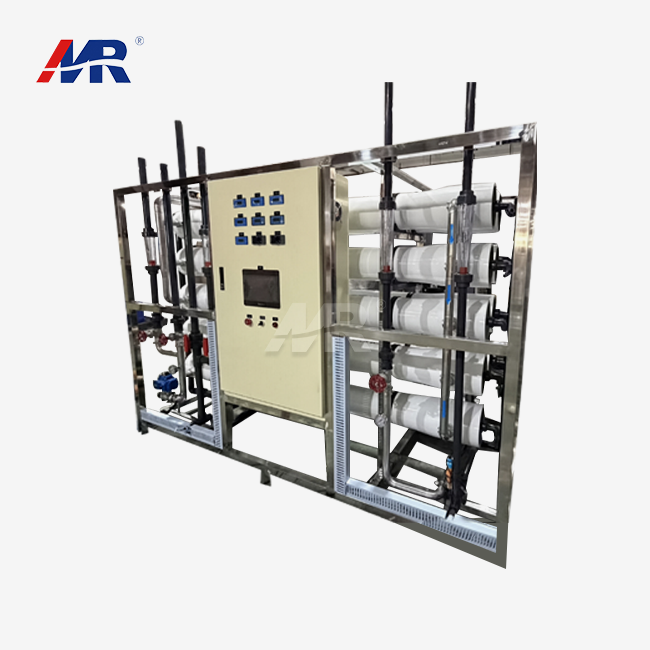 VIEW MORE8 stage reverse osmosis system
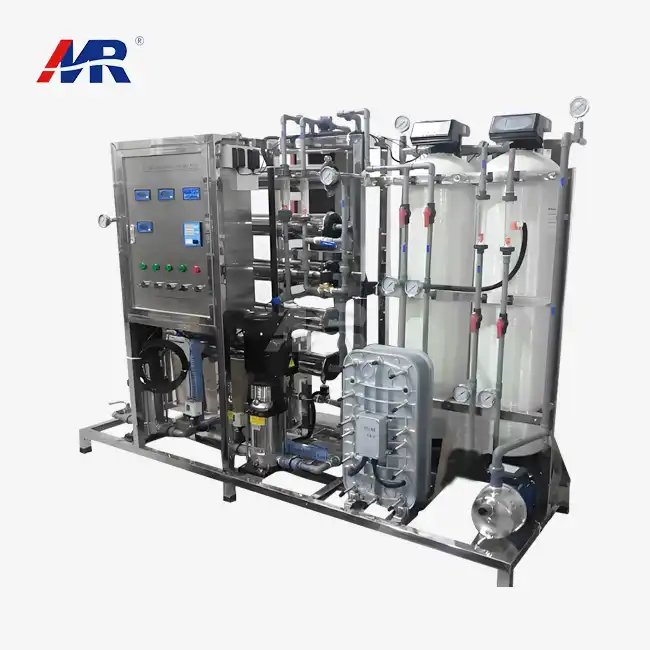 VIEW MORE1T/H EDI system
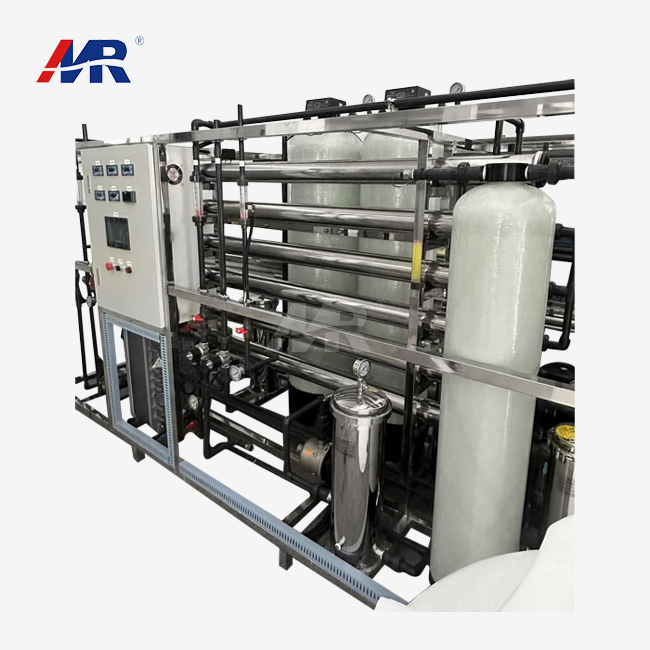 VIEW MOREelectrodeionization edi system
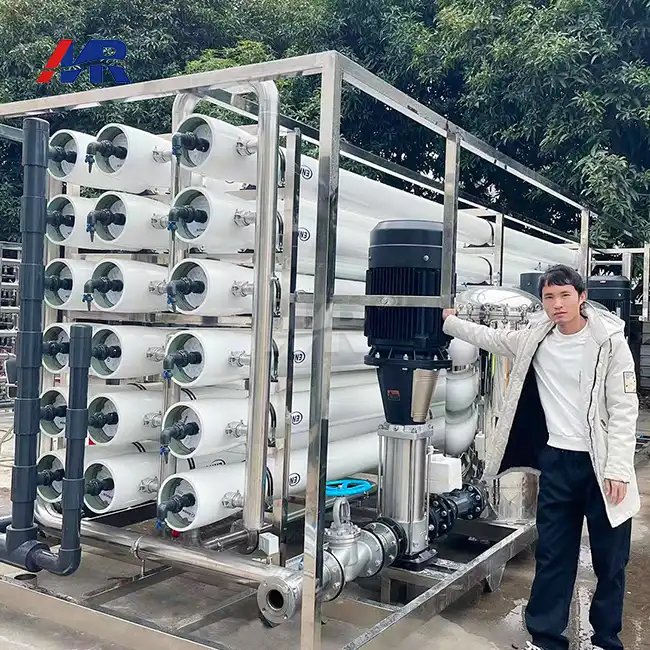 VIEW MORE100m3/hour reverse osmosis system
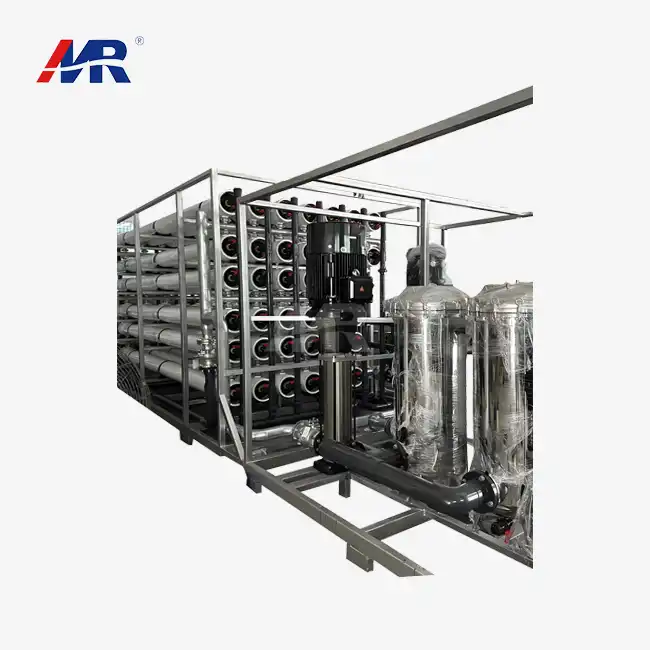 VIEW MORE150m3/hour reverse osmosis plant
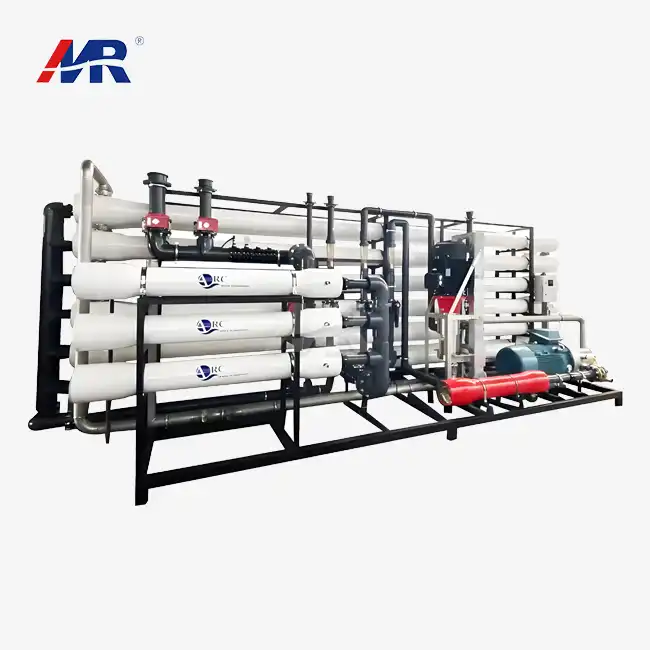 VIEW MORE25m3/hour seawater desalination plant
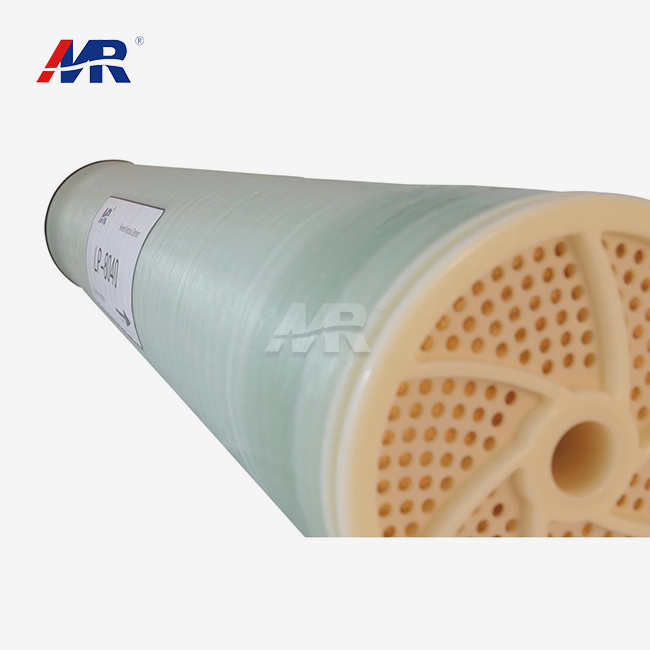 VIEW MOREmembrane used for reverse osmosis
 VIEW MORELeachate DTRO Treatment Equipment
