

_1745823981883.webp)

SWRO Membrane Maintenance Guide for Industrial Desalination
Proper maintenance of a seawater reverse osmosis membrane/8040-reverse-osmosis-membrane">swro membrane is one of the most consequential decisions an industrial operator can make. Whether you manage a coastal desalination plant, a pharmaceutical water system, or an offshore production vessel, membrane performance directly shapes your operational costs and water quality. This guide walks through practical maintenance strategies, procurement insights, and troubleshooting techniques to help you extend membrane lifespan, reduce downtime, and protect your capital investment in industrial desalination systems.
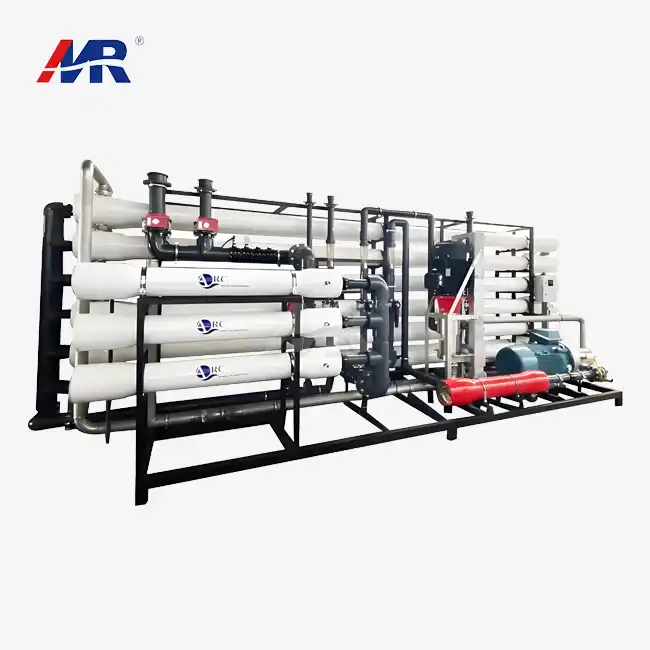
Understanding SWRO Membrane Technology and Its Industrial Challenges
High pressure pushes salty water through a semipermeable polyamide barrier in a SWRO membrane. The barrier separates the permeate water from the dissolved salts and other impurities. According to the International Desalination Association, global SWRO capacity will have surpassed 65 million m³/day by 2022. The technology has been tested and proven, but it has real operational needs.
What Makes Industrial SWRO Systems Particularly Demanding?
Every upkeep problem is made worse in an industrial setting. When used with seawater, the operating pressure is usually between 5.5 and 7 MPa, which is much higher than the pressure in brackish water RO systems. At these pressures, even small amounts of fouling speed up the breakdown of the salt route and membrane compression. Biological fouling (biofilm development), inorganic scaling (calcium carbonate, barium sulfate), and colloidal plugging from scattered particles are the three main ways that the material breaks down. Each system needs a different way to be fixed, and if you get the fouling type wrong, you end up cleaning things less effectively and damaging membranes more than is necessary.
Water cleanliness standards are very strict in industries like manufacturing, preparing food and drinks, making drugs, and making semiconductors. In a GMP-certified pharmaceutical facility, for example, a damaged membrane can lead to regulatory non-compliance, which is a much more expensive problem to fix than a simple cleaning cycle.
Essential SWRO Membrane Maintenance Practices
Regular maintenance is required for a SWRO membrane; it's how owners protect their property. The useful framework includes three areas that are all linked to each other: regular checks, chemical cleaning, and safety rules.
How Should You Monitor Membrane Performance Daily?
Tracking the standardized permeate flow, the differential pressure across the membrane array, and the salt rejection rate lets you know right away when performance starts to decline, which is before it gets too bad. ASTM D4516 says that it is important to normalize performance data to a standard baseline of temperature and pressure in order to get accurate trending. A salt rejection drop of more than 1% to 2% from baseline, or a 10–15% drop in normalized permeate flow, means that something needs to be done to fix the problem.
The most important settings for the Morui MR-SW-4040 are:
| Parameter | Specification |
|---|---|
| Pressure for use | 5.5 to 7 MPa |
| Effective membrane area | 7.9 m² |
| Flow Rate (GPD) | 1,400 GPD |
| Salt Rejection Rate | 99.5% |
Take these as your starting point. Any long-term difference from these numbers means fouling, scaling, or physical damage that needs to be looked into right away.
What Chemical Cleaning Protocols Work Best?
Cleaning-in-place (CIP) methods let workers use specific cleaning solutions on pressure tanks without taking them apart. Biological fouling and organic layers can be removed with alkaline solutions (pH 11–12, usually sodium hydroxide mixed with detergents). Acidic liquids (pH 2–3), like citric acid, can get rid of metal scales. When both types of fouling are present, you should always clean with alkaline solutions first, because doing it the other way around can cause dissolved organics to stick to the membrane surface.
Cleaning frequency depends on the quality of the feedwater and the rate of recovery, but as a general rule, CIP should be done every 30 to 90 days when seawater conditions are normal. Operators in tropical coastal areas with lots of living things may need cycles more often.
Comparing SWRO Membrane Maintenance with Other Filtration Technologies
When procurement teams know how swro membrane maintenance stacks up against other filtration choices, they can more accurately divide funds and set reasonable working standards.
| Technology | Operating Pressure | Cleaning Frequency | Main Fouling Challenge | Maintenance Difficulty |
|---|---|---|---|---|
| SWRO membrane | 5.5 to 7 MPa | Every 1–3 months | Biological + scale | High |
| Brackish Water RO | 1.0 to 3.0 MPa | Every 3–6 months | Scaling | Medium |
| Nanofiltration | 0.5 to 1.5 MPa | Every 3–12 months | Organic fouling | Low to Medium |
| UV purification | N/A | Lamps replaced annually | N/A | Low |
| MBR (Membrane Bioreactor) | 0.02 to 0.05 MPa | Backwash daily, CIP monthly | Biofouling | Medium to High |
SWRO membranes are subjected to much greater mechanical stress than any of the other options mentioned above. This means stricter pretreatment needs—an SDI (Silt Density Index) of less than 3 is suggested for SWRO feedwater—and more organized chemical cleaning schedules. The difficulty is worth it because SWRO produces reliable freshwater from ocean sources, which is something that no other single-pass filtration technology can do.
Procurement and Supply Chain Considerations for SWRO Membrane Maintenance
Buying a swro membrane is a choice that involves a lot more than just the price per unit. Total cost of ownership (TCO) includes how often parts need to be replaced, how much cleaning chemical is used, how much energy is used, and how hard it is to find compatible parts quickly.
What Should Buyers Evaluate When Selecting a Membrane Supplier?
You can avoid fake Products that don't work as well and void equipment warranties by using certified genuine membranes with verified salt rejection data. Operational risk is greatly reduced when suppliers offer batch test reports, third-party verification, and solid expert help after the sale. Bulk purchasing agreements can lower the cost per unit by 15–25% and improve supply continuity. This is especially true for multi-element systems in large industrial or municipal plants.
Operators often don't think about how well cleaning chemicals work with each other when they are making purchases. If you use solvents that aren't compatible, the polyamide layer could break down permanently, which would void the guarantee on the membrane. Always make sure that the formulations your chemical supplier offers are safe for the pH and temperature range of the membrane model you are using.
Morui has its own factory for making membranes and several factories for processing equipment. This way, everything can be tracked directly from production to delivery. This vertical integration lowers the risk of using different materials and makes sure that the standard of the products is the same for all big orders.
Advanced Tips and Troubleshooting for Sustained SWRO Membrane Efficiency
When normal CIP processes can't get performance back to normal on a SWRO membrane, the issue has probably gone beyond surface fouling. For more advanced troubleshooting, you need to make a systematic diagnosis instead of trying to clean it over and over again.
How Do You Diagnose and Resolve Persistent Fouling?
By physically looking at a sacrificial membrane element in a lab, autopsy analysis shows what the fouling layer is made of and helps with targeted remediation. This method is often used in big irrigation projects for cities, and it's also being used more and more by industry managers of high-value production systems.
Changing the cross-flow velocity and feed pressure can also help reduce concentration polarization, a problem where dissolved salts build up on the membrane surface and speed up scaling. During high-salinity seasonal intake times, briefly lowering recovery rates makes cleaning intervals longer and lowers the mechanical stress on the membrane structure.
Real-time SCADA tracking and sensor integration now make it possible to plan repairs ahead of time. According to studies published in the Desalination and Water Treatment journal, operators who set up automated alert thresholds for differential pressure spikes usually cut unplanned downtime by 20–30%. This level of operational complexity is especially useful in offshore platforms, island facilities, or mining operations that are far away and can't easily get technical help.
Conclusion
Taking care of a swro membrane system is an ongoing, planned activity, not an emergency-based one. Every bit of care, from checking on performance every day and cleaning the CIP on a regular basis to making smart buying choices and using advanced sensor-based diagnostics, adds up to lower costs and longer equipment life. With an effective membrane area of 7.9 m² and a salt rejection rate of 99.5%, the Morui MR-SW-4040 is a safe base for industrial desalination as long as it is maintained properly. When operators make membrane care a strategic goal, they always get lower total running costs and more system uptime.
FAQ
1. How long does an SWRO membrane typically last under industrial conditions?
While a SWRO membrane is being maintained properly with regular CIP cleaning, controlled feedwater SDI, and stable operating pressures, a good element can last for 5 to 7 years. This can only last for two to three years if the feedwater is harsh, it is cleaned infrequently, or the pressure is too high or too low.
2. How often should chemical cleaning be performed on an SWRO system?
Depending on the quality of the feedwater, the rate of recovery, and the time of year, most industrial workers clean the CIP every 30 to 90 days. No matter how often it's supposed to happen, a cleaning cycle should start right away if the standardized permeate flow drops by 10–15% or the salt rejection drops by 1–2% from the baseline.
3. Can maintenance practices affect the membrane warranty?
Yes. Manufacturer warranties can be voided if you use chemicals that aren't approved, work outside of certain pressure ranges (like over 7 MPa on the MR-SW-4040), or skip prep steps that were meant to be done. To keep your warranty current, you should always keep upkeep logs and only clean according to the supplier's instructions.
4. Is automated monitoring worth the investment for mid-sized operations?
In operations of all sizes, sensor-based monitoring systems have always paid off. Automated tracking of pressure and flow cuts down on the time needed for diagnostic work and finds fouling events before they damage membranes in a way that can't be fixed.
Partner with Morui for Reliable SWRO Membrane Solutions
Our own membrane plant and a team of 20 specialized engineers back up Morui's tried-and-true swro membrane technology. Our list of MR-SW-4040 suppliers helps with projects in a wide range of areas, such as desalination for cities, pharmaceutical water systems, offshore platforms, and industrial manufacturing. Visit benson@guangdongmorui.com to get in touch with our technical team and ask for a product datasheet, bulk pricing, or a personalized maintenance consultation for your desalination system.
References
1. Fritzmann, C., Löwenberg, J., Wintgens, T., & Melin, T. — Desalination, 2007.
2. Elimelech, M., & Phillip, W. A. — Science, 2011.
3. Greenlee, L. F., Lawler, D. F., Freeman, B. D., Marrot, B., & Moulin, P. — Water Research, 2009.
4. Gude, V. G. — Desalination and Water Treatment, 2016.
5. Al-Ahmad, M., & Aleem, F. A. — Desalination, 1993.
6. International Desalination Association (IDA) — World Desalination Report, 2022.
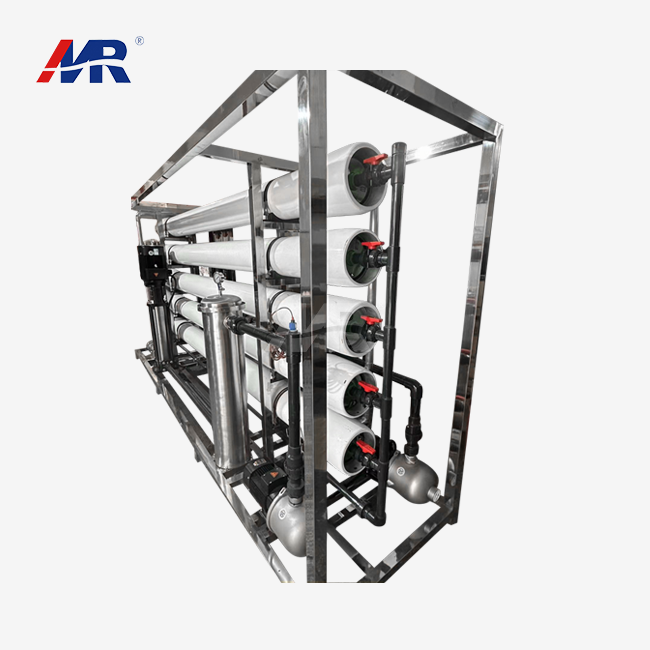 VIEW MOREreverse osmosis water treatment equipment
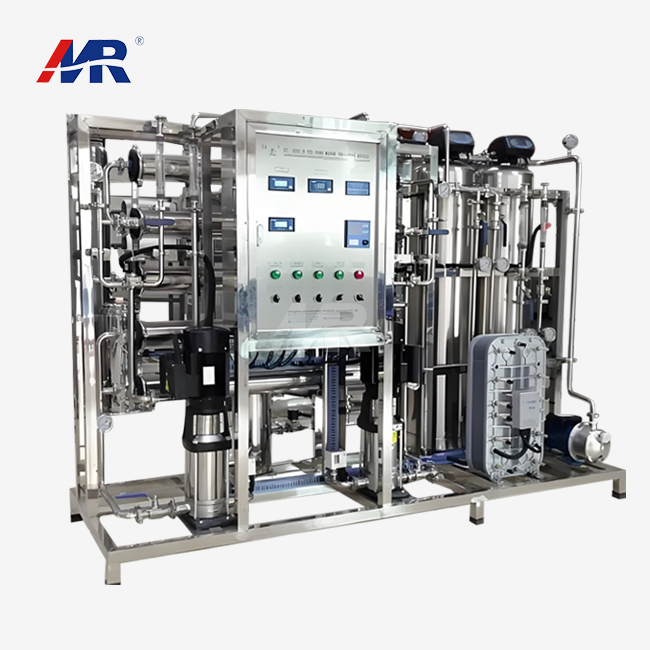 VIEW MORE1000LPH EDI system
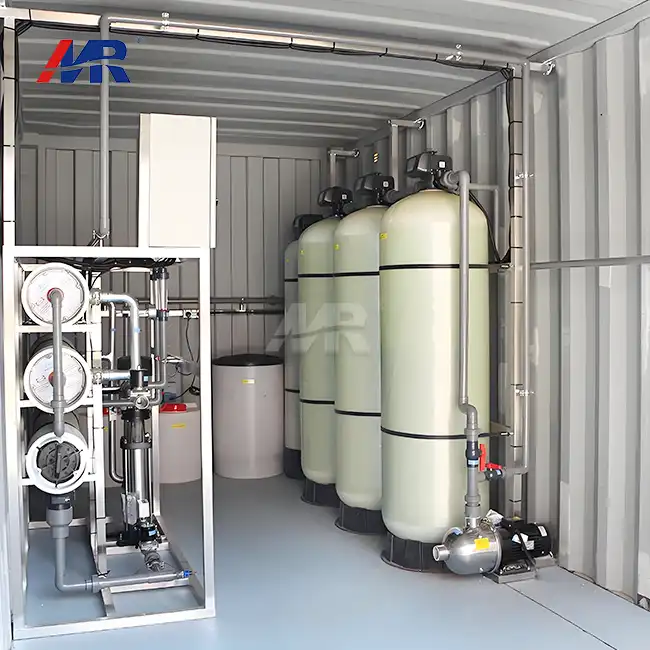 VIEW MOREcontainer ro equipment
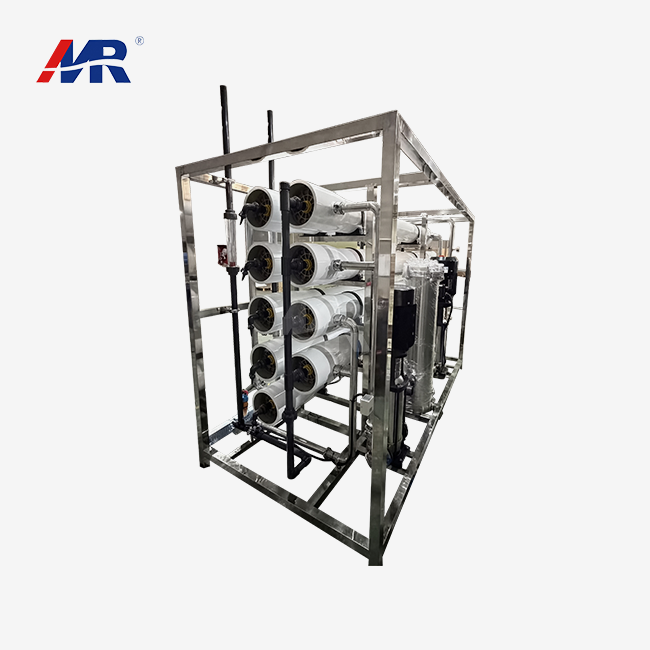 VIEW MOREro reverse osmosis water filter
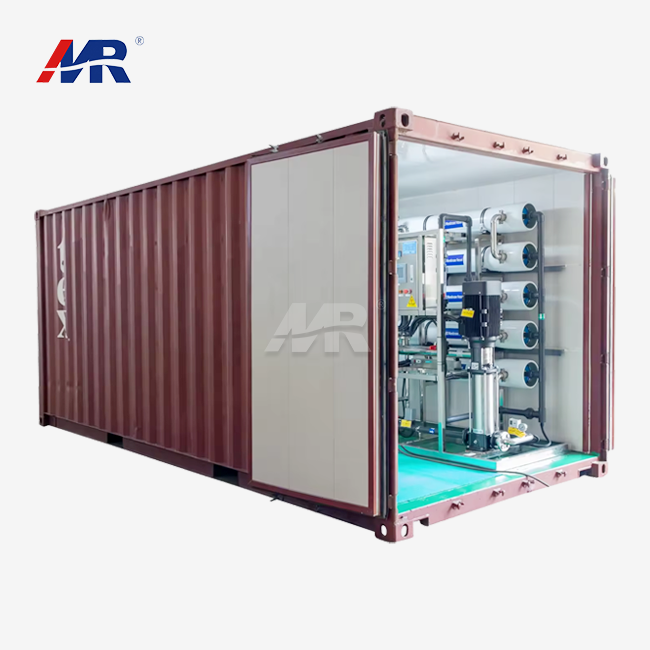 VIEW MOREmobile container reverse osmosis equipment
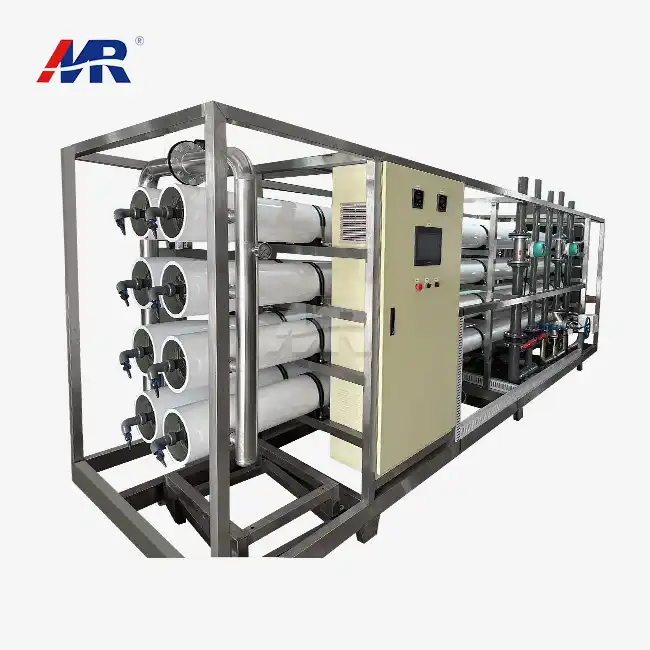 VIEW MORE8m3/hour two pass reverse osmosis system
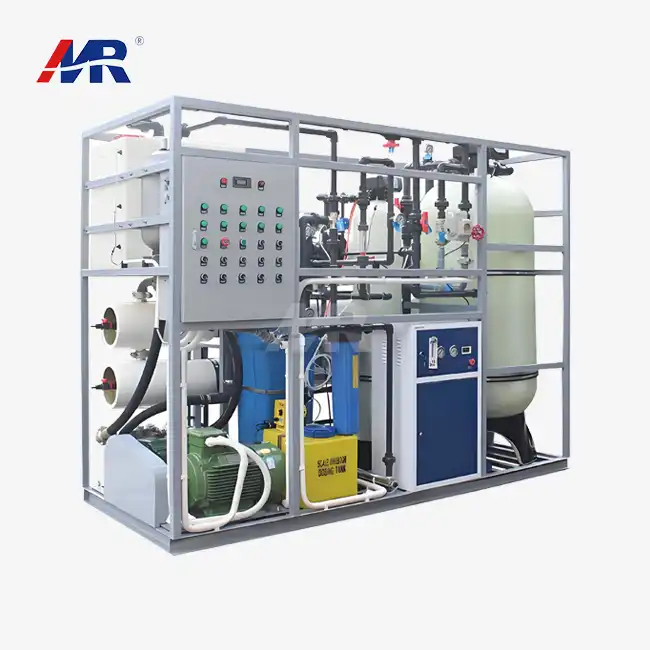 VIEW MORE2T/H seawater desalination plant
 VIEW MOREDTRO Modules
