

_1745823981883.webp)

Why Is Membrane Bioreactor Technology Growing Worldwide?
The use of membrane/bioreactor-wastewater-treatment">membrane bioreactor technology is growing at a rate that has never been seen before around the world. This is because it solves important problems that businesses and cities are having, such as strict rules on how to release waste, a lack of water, and the urgent need for treatment solutions that take up little room. By using both biological breakdown and advanced membrane filtration, MBR systems produce better effluent that can be reused. They also reduce the amount of infrastructure needed by up to 75% and keep working well even when the load changes. This makes them essential for many fields, from pharmaceuticals to managing wastewater in cities.
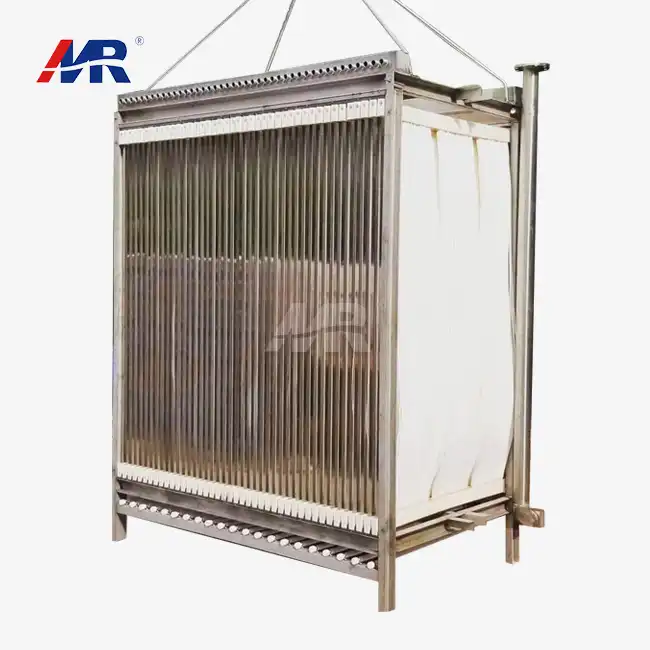
Introduction to Membrane Bioreactor Technology
What Defines Modern MBR Systems
In order to achieve solid-liquid separation, membrane bioreactor technology blends activated sludge biological treatment with microfiltration or ultrafiltration membranes. MBR systems use membrane modules that are either immersed directly in bioreactors or placed outside of them. This is different from traditional treatment, which relies on gravity settling in big clarifiers. This combination gets rid of all extra clarifiers, which greatly reduces the amount of room needed while also making effluent with turbidity levels below 0.1 NTU.
Core Components and Operating Principles
Three parts that work together constantly make up the heart of any MBR system. Microbial groups live in the bioreactor and use aerobic digestion to break down organic pollution. Membrane modules, which are usually made of polyvinylidene fluoride (PVDF) to make them resistant to chemicals, keep floating solids, bacteria, and even some viruses in. Aeration systems do two things: they give bacteria air and create turbulence that scrubs the sides of membranes to keep fouling from building up. This three-part design makes it possible for Mixed Liquor Suspended Solids (MLSS) levels to reach 8,000 to 15,000 mg/L, which is three to four times higher than regular activated sludge systems.
Evolution and Technological Maturity
In the 1990s, membrane prices and energy use were problems for the first MBR users. But improvements in membrane-making have lowered module costs by more than 60% since 2005, and new designs for aeration have cut the amount of energy needed by about 30%. These days' systems have automatic backwash cycles and backwash routines that are chemically improved. These things make the membrane last 7–10 years longer when used correctly.
Why Traditional Wastewater Treatments Fall Short
Space Constraints and Urban Expansion
For clarifiers, sedimentation tanks, and sludge thickening facilities, conventional activated sludge plants need a lot of land. Design guidelines put out by the Water Environment Federation say that traditional systems need two to four times as much room as MBR setups with the same capacity. Costs are too high to consider when trying to increase the capacity of standard treatment plants in cities and industrial areas with limited land.
Effluent Quality Limitations
Traditional clarifiers rely on gravity settling, which doesn't work well when the sludge doesn't settle well or when it gets bulky. The wastewater that is made usually has a lot of pathogens and suspended solids, so it doesn't meet the stricter standards for release or water recovery. The level of effluent that many places require is now something that standard systems can't do without adding a lot of secondary treatment.
Operational Instability Under Variable Loads
Biological treatment doesn't work well for industries that make garbage with changing amounts of organic matter, like those that process food or make medicines. Chemical oxygen demand (COD) or poisonous shock loads that happen quickly can stop clarifiers from working properly, which can lead to solids washing out and treatment failing. When these problems happen, and the operation can't stay stable, it leads to compliance violations and expensive emergency actions.
Core Advantages Driving Global Adoption of Membrane Bioreactor Technology
Modern MBR systems offer strong advantages that directly meet buying goals in areas such as technical performance, operating efficiency, and regulatory compliance. Knowing these benefits helps people make decisions about whether to spend money and predict long-term profits.
Superior Effluent Quality and Regulatory Compliance
With membrane filtration, suspended solids and bacteria can't get through. The result is that it always meets or beats the standards set by the EU Urban Wastewater Treatment Directive and the US EPA Guidelines for Water Reuse. MBR effluent can be used for many non-potable purposes, like field irrigation, industrial cooling systems, and process water, because it completely retains bacteria and viruses. This creates useful water reuse possibilities that help cover the costs of treatment.
Dramatic Space Savings
Because MBR setups don't need extra clarifiers and have smaller bioreactor volumes because they use more biomass, they take up only 25–50% of the space needed by traditional systems with the same capacity. This space-saving feature is especially useful for facility growth on limited sites, urban wastewater plants that need to serve growing populations, and factories that want to make the most of their production space instead of giving land to treatment infrastructure.
Enhanced Nutrient Removal Capabilities
Effective nitrogen and phosphorus removal is made possible by membrane bioreactor technology, which is essential for keeping incoming waters from becoming too acidic. Longer sludge retention times, which are separate from hydraulic retention times, help slow-growing nitrifying bacteria grow, which improves biological nutrient removal. When MBR systems are paired with chemical precipitation or advanced biological processes, they remove nutrients at levels that can't be reached with normal treatment.
Resilience Against Load Fluctuations
The high levels of biomass that are kept in MBR systems make them very good at absorbing organic or hydraulic shock loads. This resilience is very helpful for industries with changing production plans to keep treatment performance stable. Pharmaceutical and chemical plants that deal with batch releases benefit the most from MBRs' ability to handle harmful compounds that would make regular clarifiers work very poorly.
Applications and Industry Use Cases of Membrane Bioreactor Technology
Industrial Wastewater Treatment
Membrane bioreactor technology is great at cleaning up complicated industrial wastewater from many different fields. MBR systems make sure that textile factories that produce high-color wastewater with changing dye ratios always follow the rules for release. Pharmaceutical companies that make clean water for shots depend on MBR pretreatment before polishing with reverse osmosis. The ability of MBRs to handle hydrocarbon pollution is used by petrochemical companies that treat oily wastewater and refining effluents. Companies that prepare food and drinks, like brewers, dairy farms, and soft drink bottlers, use MBR to deal with heavy organic loads and reuse water for cleaning and cooling towers.
Municipal and Decentralized Applications
Cities with old infrastructure and growing populations are more and more likely to improve existing MBR plants instead of building new standard ones. Existing wastewater treatment plants add MBR units to their bioreactors, which doubles or triples the amount of wastewater that can be treated within the same space. Traditional methods can't be used in business buildings, housing developments, or resort sites because they don't have enough room for them. These satellite plants make used water that can be used to flush toilets, water gardens, and make water features that look nice. This lowers the need for drinkable water.
Water Reuse and Resource Recovery
Cities and businesses that are ahead of the curve see garbage as a resource instead of a problem that needs to be solved. With MBR technology, you can get high-quality permeate that can be used as feedwater for reverse osmosis systems to make industrial process water or even water that can be used for drinking. Coastal areas and dry conditions value MBR's addition to water security the most because it allows for sustainable growth, even though there isn't a lot of freshwater available.
Procurement Considerations and Market Insights for Membrane Bioreactor Systems
Total Cost of Ownership Analysis
Even though MBR systems have higher starting capital costs than traditional treatment, mostly because of the membrane modules, a full lifecycle study shows that they are more cost-effective in the long run. Civil building prices went down because the footprints were smaller, which partly made up for the cost of equipment. When compared to traditional systems, systems that produce less sludge have 30–50% lower dumping costs. Reusing water can bring in more money or force cities to buy less water. When owners figure out how long it will take to get their money back, they should compare the savings they make to the cost of energy, replacing the membrane every 7–10 years on average, and cleaning chemicals.
Supplier Selection Criteria
When looking for reliable membrane bioreactor technology providers, you need to look at more than just unit price. The quality of the membrane has a big effect on operational costs. PVDF membranes from well-known makers are more resistant to chemicals and last longer mechanically than cheaper options. It's important for suppliers to have experience in certain industries. For example, pharmaceutical uses need suppliers who know about GMP validation standards, and municipal projects need suppliers who have a track record of installing big amounts of equipment. Downtime risks are kept to a minimum by after-sales service networks that offer quick membrane replacement and expert help.
Procurement Models and Financing
Traditional capital purchases are still popular, but buyers who want to keep their operating capital are becoming more interested in other options. Design-build-operate contracts ensure the quality of the effluent while giving operating risk to providers with experience. Membrane rental programs let you update modules on a regular basis without worrying about them becoming obsolete. Energy-savings performance contracts let cities pay for MBR upgrades by guaranteeing savings in running costs. These adaptable methods make advanced treatment possible for businesses with small capital funds.
Current Trends and Future Outlook of Membrane Bioreactor Technology
Technological Innovations
Manufacturers of membranes are still making progress in materials science to improve permeability while keeping rejection properties. New hollow-fiber shapes make each module's surface area bigger, which means that less membrane inventory is needed. Low-pressure membrane designs lower the transmembrane pressure needed, which lowers the amount of energy used. Digital tracking systems with pressure sensors, flow meters, and turbidity monitors allow for predictive maintenance, which finds fouling patterns before they hurt performance and finds the best cleaning processes to make membranes last longer.
Sustainability and Circular Economy Contributions
By capturing water, energy, and nutrients from sewer streams, membrane bioreactor technology is consistent with the ideas of the circular economy. Anaerobic MBR designs treat high-strength industrial wastewater while capturing methane for energy production. Nutrient recovery devices take phosphorus and nitrogen out of MBR concentrate streams and turn them into fertilizer. These combined methods turn treatment plants from wasteful places that use a lot of energy into places that recover resources and make money from trash.
Market Growth Drivers and Regional Adoption
According to studies of the global MBR market, it will grow at rates higher than 9% per year until 2030. This is because of stricter rules on runoff, more people living in cities, and less water availability. As economies in the Asia-Pacific region invest in more modern treatment facilities, they are leading the growth in new installations. Adoption speeds up in North America thanks to upgrades to local plants and rules that require businesses to recycle water. To protect sensitive water bodies, European markets put a lot of emphasis on getting rid of nutrients. This growth around the world opens up chances for companies that sell tools, do building work, and provide services.
Conclusion
Industry and cities around the world are facing problems like not having enough water, strict rules, and limited space. Membrane bioreactor technology is a tried-and-true way to solve these problems. MBR systems are great tools for organizations that want to handle water in a way that doesn't harm the environment because they produce high-quality wastewater, take up little space, and work well even when things go wrong. As the price of membranes keeps going down and their energy efficiency goes up, the business case gets stronger. When procurement professionals are looking at treatment options, they should know that MBR technology has gone from being a new idea to a standard best practice. It offers measured returns through lower running costs, a guarantee of regulatory compliance, and valuable water reuse possibilities.
FAQ
1. How does membrane bioreactor technology prevent membrane fouling?
Fouling reduction uses several methods that all work together at the same time. Air scouring creates chaotic flow across membrane surfaces, which keeps clearing solids that have built up. Backwashing, which is done automatically, changes the direction of flow every so often, which loosens particles stuck in membrane holes. Sodium hypochlorite and citric acid are used in Chemically Enhanced Backwash (CEB) procedures to get rid of both organic and inorganic scales at regular upkeep times. Hair and other debris are removed before they reach the membranes by fine screening during the right prep. When these steps are taken correctly, the performance of the membrane stays the same over long periods of time.
2. What lifespan can be expected from membrane modules?
When used in the right way, high-quality PVDF membranes usually last between 7 and 10 years before they need to be replaced. The actual lifespan varies a lot on the features of the feedwater, how well the recommended flux limits are followed, and how well the repair procedure is followed. Systems that treat mostly clean city wastewater often have membranes that last longer than 10 years. On the other hand, tough industrial uses may need to replace them after 5 to 7 years. Manufacturers offer performance promises that spell out the minimum amount of time the product will last under certain conditions of use.
3. Does membrane bioreactor technology require complex pretreatment?
Fine screening, with 0.5–2.0 mm screens, is the most important part of the cleaning process. These screens get rid of hair, fibers, and other things that could damage hollow-fiber membranes. This isn't as much preparation as many people think it is—it's a lot easier than the multimedia filtering or chemical clearing that other advanced treatment technologies need. Does membrane bioreactor technology need a lot of complicated preparation? Dissolved air flotation preparation may be helpful in industrial settings with a lot of grease. In general, MBR preparation needs aren't as high as the high conditioning needs for reverse osmosis or other membrane processes.
Partner with Morui for Proven Membrane Bioreactor Solutions
With more than ten years of experience, Guangdong Morui Environmental Technology Co., Ltd. knows how to use membrane bioreactor technology in business, industry, and municipal settings. Our streamlined method combines our own expertise in making membranes with full system design, installation, and commissioning services. This gets rid of the planning problems that come with projects with more than one provider. We offer dependable MBR systems that are customized to your effluent traits and discharge needs. We have 20 experienced engineers, 14 regional branches, and partnerships with top component makers like Shimge pumps and Runxin valves.
Whether you need industrial wastewater treatment for making drugs, municipal plant capacity growth, or water reuse systems for factory operations, Our Team can help you with everything, from the initial feasibility study to long-term operational optimization. As both a maker of MBR equipment and a service provider, we know how to make buying choices based on the total cost of ownership. Get in touch with our technical team at benson@guangdongmorui.com to talk about how our membrane bioreactor technology can help you treat your water problems and give you a clear return on investment (ROI) through lower running costs and valuable water recovery.
References
1. Water Environment Federation (2018). "Membrane Bioreactors: WEF Manual of Practice No. 36," McGraw-Hill Education.
2. Judd, S. (2016). "The MBR Book: Principles and Applications of Membrane Bioreactors for Water and Wastewater Treatment," Butterworth-Heinemann.
3. US Environmental Protection Agency (2012). "Guidelines for Water Reuse (EPA/600/R-12/618)," Office of Research and Development.
4. Yang, W., Cicek, N., and Ilg, J. (2006). "State-of-the-art of membrane bioreactors: Worldwide research and commercial applications in North America," Journal of Membrane Science, 270(1-2), pp. 201-211.
5. Verrecht, B., Maere, T., Nopens, I., Brepols, C., and Judd, S. (2010). "The cost of a large-scale hollow fibre MBR," Water Research, 44(18), pp. 5274-5283.
6. Meng, F., Zhang, S., Oh, Y., Zhou, Z., Shin, H.S., and Chae, S.R. (2017). "Fouling in membrane bioreactors: An updated review," Water Research, 114, pp. 151-180.
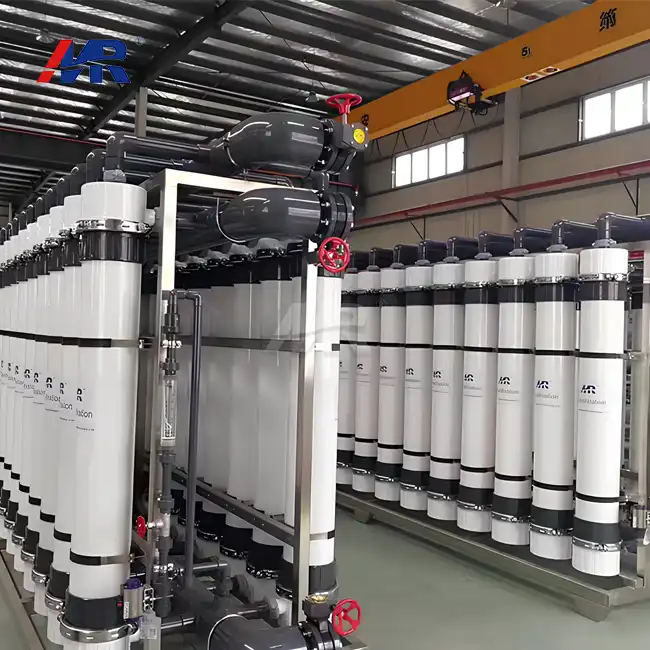 VIEW MORE200m3/hour UF plant
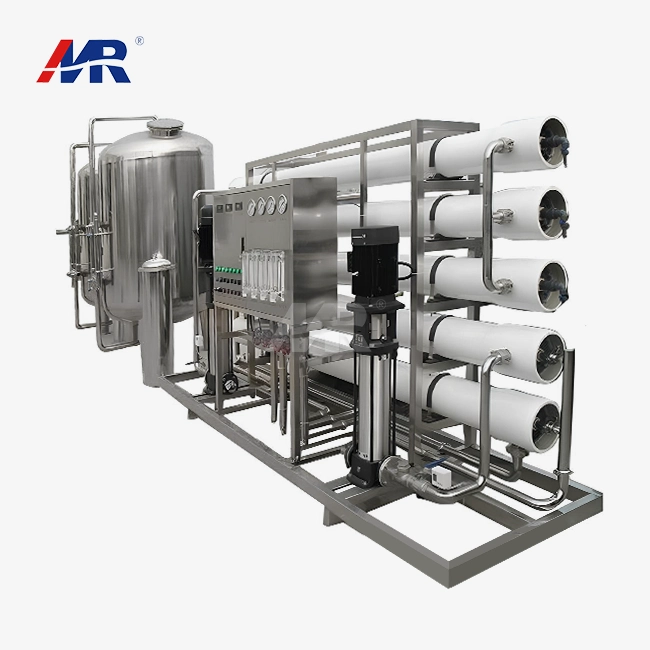
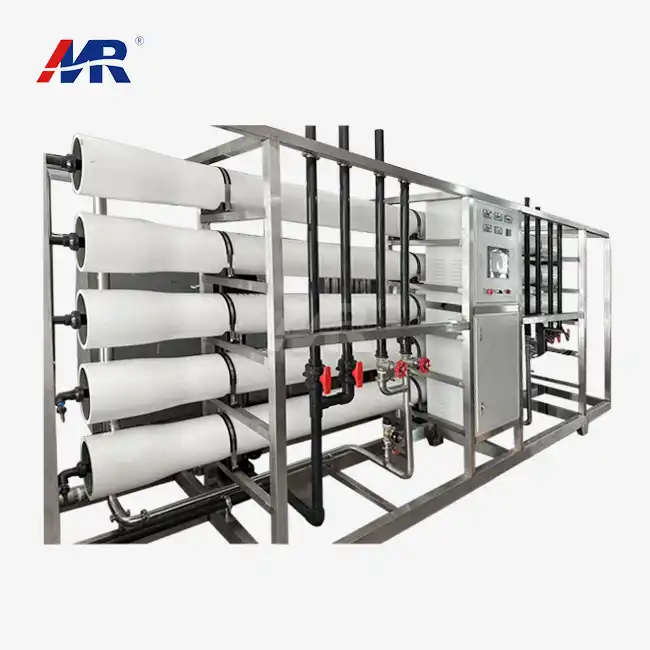 VIEW MORE25m3/hour reverse osmosis equipment
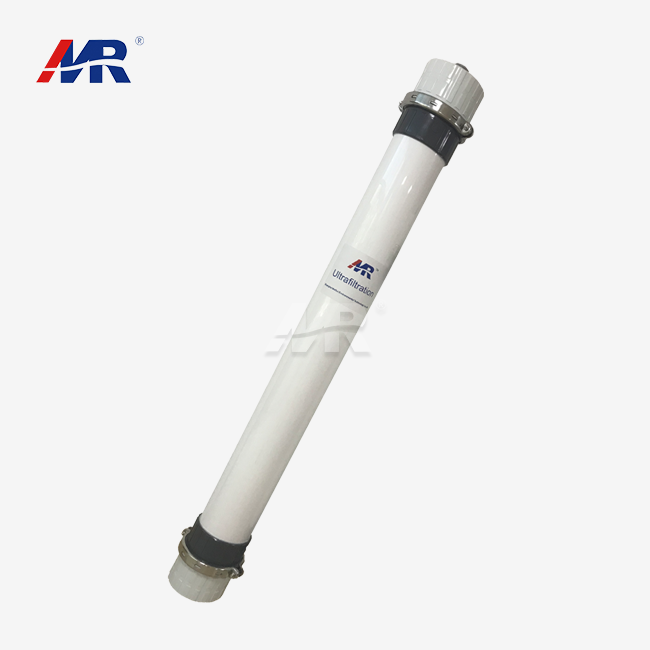 VIEW MOREultrafiltration membrane for wastewater treatment
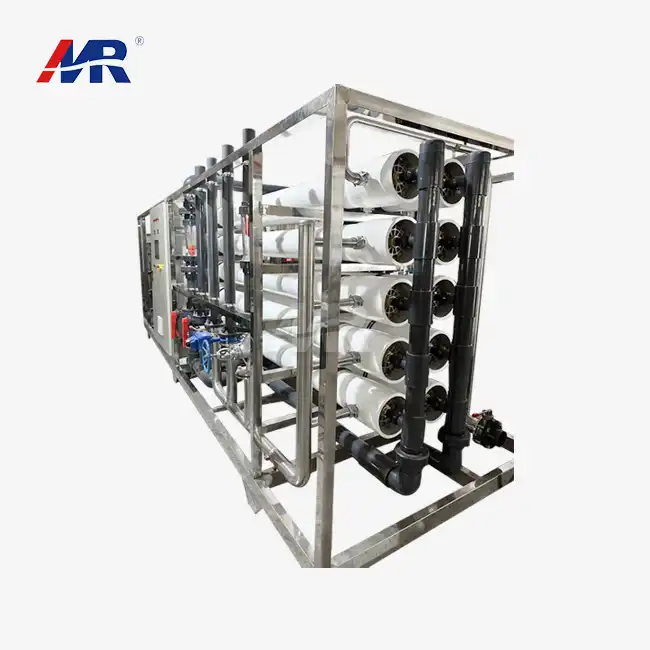 VIEW MORE50m3/hour reverse osmosis equipment
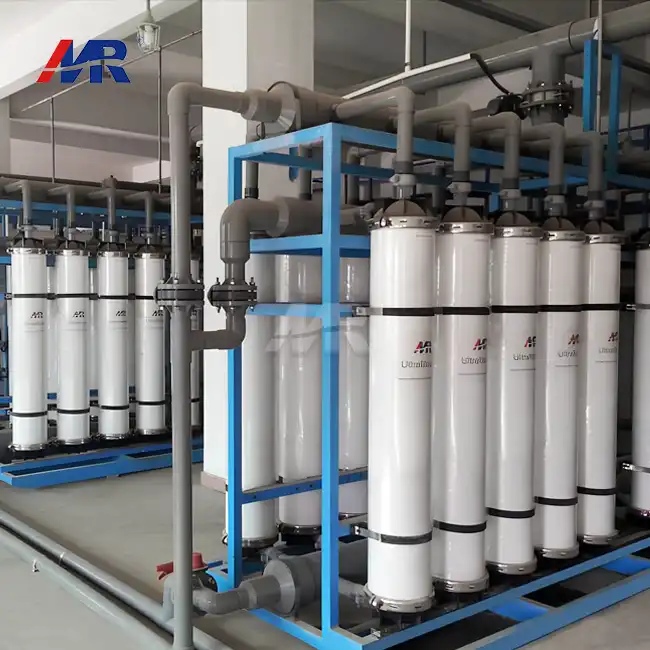 VIEW MORE20m3/hour ultrafiltration equipment
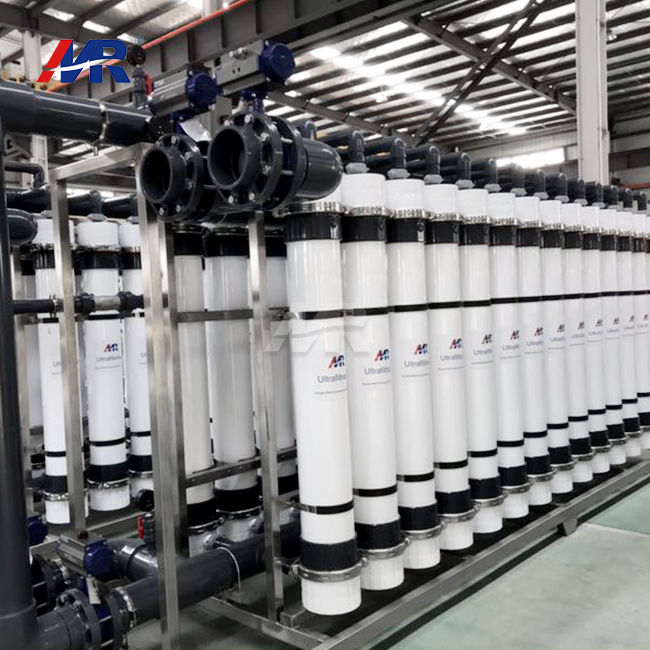 VIEW MOREultrafiltration machine
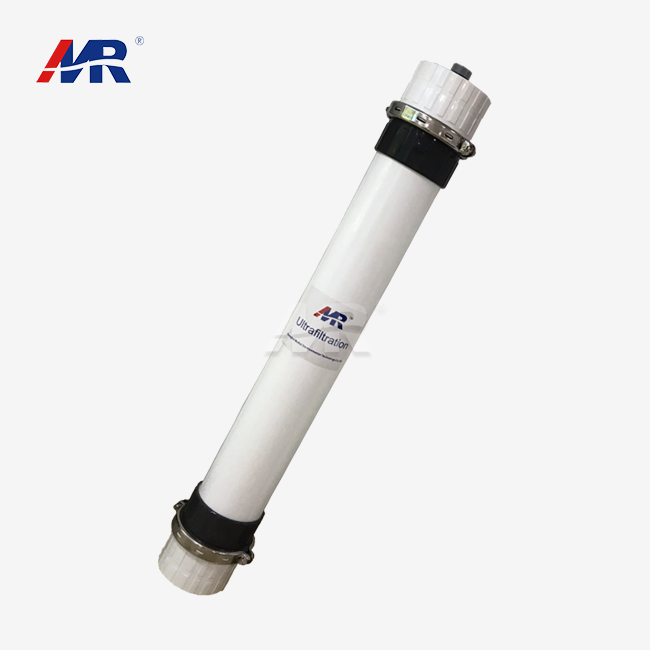 VIEW MOREultrafiltration membrane system
 VIEW MOREbrackish water reverse osmosis
