

_1745823981883.webp)

Wastewater Treatment Facility Best Practices for Water Reuse
Strong wastewater treatment facility methods turn polluted water streams into useful resources that can be used again. This solves the problems of not having enough water and following environmental rules. Modern facilities use several steps of cleaning, like biological treatment, membrane filtration, and advanced oxidation, to make sure the effluent is clean enough for industrial cooling, farming watering, and even drinking. By using strategic design principles, automation systems, and energy-efficient technologies, businesses in the manufacturing, municipal, and farming sectors can recover up to 90% of the water they use, while also cutting down on running costs and legal obligations.
Introduction
The EPA predicts that 40 states will have freshwater shortages within the next ten years. This will cause problems in many industries that have never been seen before. We understand that advanced treatment infrastructure has changed from something that is required by law to something that is seen as a strategic asset that helps with resource recovery and operational stability. Organizations that use complete return programs say that they use 30 to 50 percent less freshwater while still meeting strict disposal standards.
For example, the pharmaceutical industry needs ultrapure water that meets USP standards, and semiconductor manufacturing needs conductivity below 0.055 microsiemens per centimeter. There is a lot of pressure on municipal governments to increase drinkable water sources through indirect potable reuse programs. For each use, a unique cleaning plan is needed that combines standard methods with membrane technologies, UV disinfection, and computerized tracking systems. When procurement professionals look at these systems, they have to weigh the initial investment against the costs over their entire life, as well as the need to follow rules and make sure the process is reliable so that the business can keep running.
Understanding Wastewater Treatment Facilities for Water Reuse
Defining Modern Treatment Infrastructure
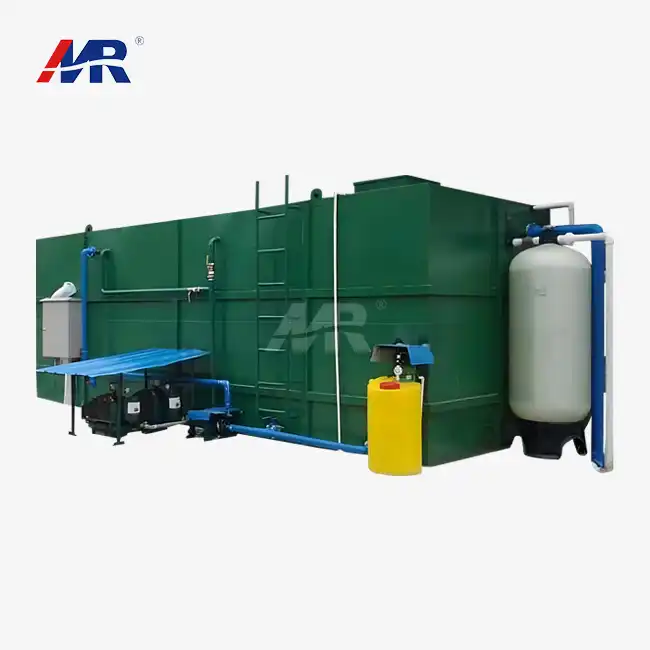
A complex system for wastewater treatment facilities includes physical, chemical, and biological units that work together to get rid of contaminants and restore useful leftovers. NPDES permit compliance, high-strength industrial effluent management, and nutrient removal rules are just a few of the operational problems that these systems solve. By putting cleaning processes in one place, facilities protect the rivers that receive them and create streams of recycled water that balance out the use of freshwater.
Treatment Stages and Technology Integration
For wastewater treatment facility water restoration to work, the cleaning stages must be done in the right order. First, preliminary screening gets rid of the big solids. Next, primary clarification settles the particles that are still in the fluid. Activated sludge or fixed-film reactors are used in secondary biological treatment to break down organic chemicals and lower BOD by 85 to 95%. When you use membrane bioreactors, granular media filtration, or cloth disk filters in the tertiary cleaning step, you get consistently low-turbidity wastewater. Advanced decontamination that uses UV light or ozone oxidation kills pathogenic bacteria without leaving any harmful leftovers.
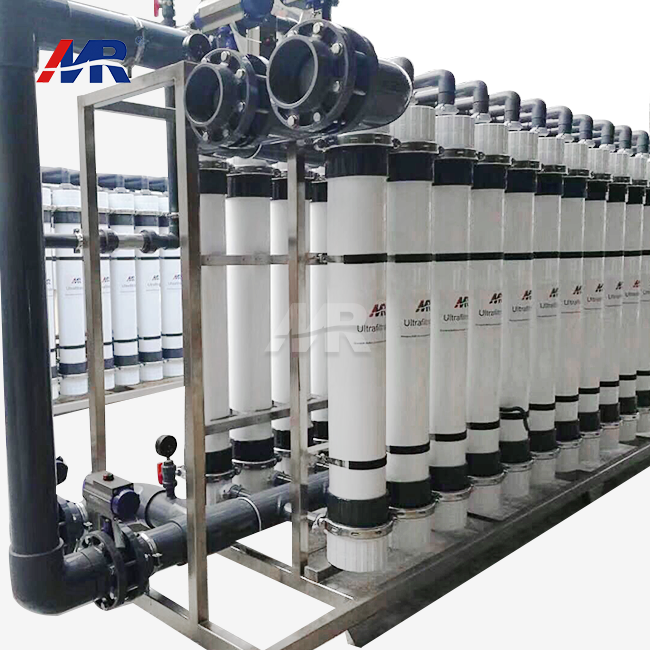
When used in a variety of situations, membrane technologies work very well. When ultrafiltration systems work with a molecular weight limit of 10–100 kDa, they make permeate that is clearer than 0.1 NTU, which makes it perfect for cleaning before reverse osmosis. Ultrapure water with total dissolved solids below 10 mg/L is made by RO systems. This meets the needs for boiler feedwater and pharmaceutical processes. Electrodeionization polishing gets resistivity above 18 megohm-cm, which is needed to make semiconductors.
Regulatory Frameworks Governing Water Reuse
The National Pollutant Discharge Elimination System standards of the Clean Water Act must be included in compliance plans. These set limits based on technology and water quality. The EPA's 2012 Guidelines for Water Reuse include detailed plans for using recycled water for cooling factories, watering farms, and recharging aquifers. State-level rules often add more limits. For example, California's Title 22 rules require certain treatment methods and tracking frequencies for projects that reuse non-potable water.
Best Practices and Design Principles for Wastewater Treatment Facilities Focused on Reuse
Strategic Capacity Planning and Modular Design
For high-performance systems, precise hydraulic profiling is needed to account for changes in flow and peak wave events. Equalization pools hold water for 4 to 8 hours, which stops hydraulic shocks that upset biological processes. We suggest that treatment trains be sized so that they have 25–30% more space than they need to handle future growth without lowering the effectiveness of treatment. Modular setups let you grow in stages, which saves you money up front and keeps your operations flexible.
The most expensive part of running a building is usually the energy-efficient aeration systems, which use 45 to 60 percent of all the power used. When everything is normal, fine-bubble diffusion grids can move oxygen more efficiently than 30%, which means they use a lot less fan energy than coarse-bubble systems. Real-time measurements of dissolved oxygen tell variable frequency drives how much air to send through the system. This keeps the setpoints for dissolved oxygen between 2 and 4 mg/L in aerobic zones and prevents over-aeration.
Process Optimization Through Automation
In more advanced SCADA systems, sensor networks keep an eye on pH, oxidation-reduction potential, turbidity, and nutrition levels as the process goes on. Programmable logic controllers run cascade control programs that change the amount of chemicals added, the amount of air flow, and the rate of hydraulic loading based on changes in the influent. Predictive maintenance plans look at patterns in how well equipment is working and plan repairs before major problems happen and stop operations. These smart systems cut down on the amount of work that needs to be done by 30–40% while also making the process more stable.
Maintenance Protocols and Biofouling Control
Regular preventive maintenance makes equipment last longer and stops expensive, unexpected breakdowns. Aeration diffusers are checked every three months to find fouling that lowers the efficiency of oxygen transfer by 15 to 25 percent. Testing the membrane's stability once a year with the pressure decay or bubble point methods finds tiny flaws before they affect the quality of the permeate. Chemical cleaning methods using sodium hypochlorite, citric acid, or special mixtures bring back flow rates that were slowed down by organic and chemical fouling.
To grow steady microbial communities in wastewater treatment facility biological nutrient removal setups, the process must be carefully controlled. The Modified Ludzack-Ettinger method gets rid of nitrogen by sending mixed liquor that is high in nitrate back to anoxic zones. There, bacteria turn the nitrate into nitrogen gas. Enhanced biological phosphorus removal uses organisms that store polyphosphate and take in phosphorus when they are exposed to oxygen after being under anaerobic stress. Keeping the age of the sludge between 8 and 15 days maximizes the number of nitrifiers and stops too much solids from building up.
Comparing Technologies and Solutions for Optimized Water Reuse
Membrane Bioreactor Versus Conventional Activated Sludge
Membrane bioreactor technology combines biological treatment with ultrafiltration membranes, which eliminates the need for extra clarifiers and makes the waste better. MBR systems work with mixed liquor suspended solids levels of 8,000 to 12,000 mg/L, which is twice as high as normal plants and cuts reactor sizes in half. All bacteria and viruses are kept out by the physical membrane barrier, which keeps the turbidity below 0.2 NTU and the amount of fecal coliform below what can be detected. This ability lets you use it again right away without cleaning it first.
For big municipal sites that handle 10 million gallons or more of wastewater every day, conventional activated sludge systems are still a good value. Sequencing batch reactors combine several treatment steps into one tank and use timed processes to fill, react, settle, and decant. This method reduces the size of the area needed while still allowing for different flow patterns by using flexible cycle time. But because the quality of the wastewater can change, downstream filtering is needed when making reclaimed water for sensitive uses.
Advanced Oxidation and Disinfection Options
With doses of 30 to 40 mJ/cm², UV cleaning systems can kill 4 logs of viruses without adding any chemicals. Medium-pressure lamp setups kill pathogens that are resistant to chlorine, like Cryptosporidium, and break down small amounts of organic substances through photolysis. Operating costs stay low because only a few consumables are needed, like replacing the lamp every 8,000 to 12,000 hours.
Ozone oxidation kills germs and breaks down chemicals at the same time. It can break down tough compounds like medicines, personal care Products, and chemicals that mess with hormones. Installations that produce 2–5 mg/L of ozone can kill three logs of bacteria and oxidize color and odor compounds. The process needs more complicated equipment, like systems that make oxygen and destroy ozone, which raises the cost of capital by 40 to 60 percent compared to UV options.
Energy Recovery and Sustainability Considerations
Anaerobic digestion changes the organic matter in primary and secondary sludges into biogas that is high in methane and has a volume content of 60 to 70 percent CH₄. Cogeneration devices burn this biogas in piston engines or microturbines to make electricity that covers 25 to 40 percent of the facility's power needs. Engine cooling systems provide thermal energy that warms up digesters, which speeds up the breakdown of flammable solids. Larger sites that process 2 million gallons or more every day can use these combined systems without using any extra energy.
Procurement and Operational Insights for B2B Clients
Evaluating Equipment Suppliers and Solution Providers
To find reliable partners, you need to look at their technical skills, project experience, and facilities for help after the installation. Leading makers keep large application files that show how their products have been successfully used in the pharmaceutical, food processing, petrochemical, and municipal sectors. To reduce the risk of downtime, we choose providers based on their promises for membrane performance, equipment lifecycle warranties, and the availability of spare parts.
The ability to customize tells us if normal package systems can meet the needs of the spot or if engineered solutions are needed. For pharmaceutical uses, 316L stainless steel construction with safe fittings and approved cleaning methods may be needed. Offshore bases need small, skid-mounted designs that can handle the harsh conditions of the sea. When working with acidic or caustic waste streams, chemical manufacturing facilities need materials that don't rust. Application engineering services from suppliers speed up the process of system design and regulatory approval.
Capital and Operating Cost Considerations
Investments in wastewater treatment facilities can be very different based on the amount of technology, the treatment goals, and the capacity. Package MBR systems that clean 50,000 to 100,000 gallons of water every day usually need between 800,000 and 1,500,000 USD in capital, which includes services for installation and start-up. Large city upgrades that change traditional plants to advanced nutrient removal setups could cost more than 50 million US dollars. Instead of just looking at the original capital cost, we tell our clients to look at the 20-year lifecycle costs that include energy use, chemical use, membrane replacement, and staff needs.
There are three main types of operating costs: energy costs make up 40–50% of all OPEX; chemical costs, which include coagulants and disinfectants, make up 20–30%; and repair funds for fixing up equipment make up 15–25%. Performance-based service agreements give practical risk to seasoned service providers who promise high-quality effluent and regulatory compliance in exchange for a set monthly fee. This makes spending easier because you can plan ahead.
Preparing Effective Request for Quotation Documents
Complete RFQ papers speed up the response time from vendors and make sure that proposals can be compared. We suggest adding 12 months' worth of statistics on flow rates, BOD, COD, TSS, nutrients, and any important toxins that enter the system. Requirements for effluent should include numerical limits, tracking frequencies, and any legal standards that apply. System design is based on site limits like available footprint, electricity service capacity, and environmental variables. Detailed RFQs cut down on the time it takes to get clarifications and let suppliers offer the best solutions that meet business goals.
Regulatory Compliance and Environmental Considerations for Water Reuse
Navigating Federal and State Requirements
The National Pollutant Discharge Elimination System sets limits on effluents based on technology. These limits apply to industry groups such as finishing metal, making paper and pulp, and processing oil. These categorical standards require certain types of cleanup methods or limits on the amount of pollution that can be present. Limitations based on water quality are added when technology-based standards are not enough to protect incoming water quality standards. Wastewater treatment facilities in rivers that aren't working well have to follow strict rules for phosphorus and nitrogen, which need advanced chemical or biological removal methods.
State rules on reusing water are very different in how specific they are and what they can be used for. Florida's Reuse Rule sets four grade levels for recycled water and lets you use it for things like flushing the toilet and watering plants. For industrial reuse applications, Texas uses a risk-based strategy that needs to be evaluated on-site. Involving regulatory agencies early on in the creation of a project makes it clear what standards apply and when approvals are needed. This keeps expensive design changes from having to be made.
Environmental Stewardship and Circular Economy Principles
Programs that recover water have real environmental benefits that go beyond following the rules. Cutting down on the amount of rainwater that is taken out protects aquatic environments and groundwater sources that are being over-extracted. Keeping wastewater releases to a minimum lowers the amount of nutrients that enter estuaries that are having harmful algal blooms. Getting energy from organic matter balances out the use of fossil fuels, which lowers greenhouse gas emissions by 0.4 to 0.6 kg CO₂ equivalent per cubic meter cleaned.
More and more, sludge management strategies focus on recovering resources instead of getting rid of them. The pretreatment with thermal hydrolysis improves the performance of anaerobic digestion, resulting in higher biogas rates (30–50%) and lower biosolids amounts. Nutrient loops are closed by land treatment programs that add nutrients and organic matter back to farmland. New technologies, such as pyrolysis, can turn biosolids that have been dried out into biochar, which can be used to improve land and make green fuels.
Future Innovations Enabling Scalable Water Reuse
Platforms that use artificial intelligence look at sources of practical data to improve the performance of treatments and predict when they will need to be maintained. Machine learning algorithms can spot small changes in a process that could mean that equipment is about to break down or a biological process is going wrong. This lets people take action before it happens. Internet of Things sensor networks let you see into spread collection systems in real time, finding sources of contamination that raise the cost of treatment. These digital technologies make operations 15–25% more efficient and help businesses follow the rules better.
Conclusion
In conclusion, to turn wastewater into useful resources, successful water reuse programs use tried-and-true treatment technologies, well-planned building layouts, and effective governmental involvement. When companies follow these best practices, they get big environmental and economic benefits, like using less freshwater, releasing less waste, and being more resilient in their operations. From idea to operation, you need to carefully consider different treatment options, choose experienced sources, and commit to improving the process all the time. As long as procurement professionals fully understand these technical and business factors, they can boldly lead reuse projects that offer measured value in industrial, public, and educational settings.
FAQ
1. What factors determine optimal treatment technology selection?
Technology choice is based on the quality of the water coming in, the specs for the effluent that is wanted, the amount of room that is available, the cost of energy, and government rules. Biological or chemical cleaning may be needed for high-strength industrial wastewater that has a high BOD or certain toxic materials. Membrane-based systems that completely block bacteria are preferred for applications that need high microbiological quality. Areas that use a lot of energy can gain from anaerobic processes that make biogas to balance out the power they use.
2. How do membrane bioreactors enhance water reuse efficiency?
MBR systems use both biological treatment and ultrafiltration membranes to make consistently high-quality wastewater without the need for extra clarifiers. The membrane barrier keeps all the bacteria and solids that are floating in the water, so the turbidity stays below 0.2 NTU even when the biological process changes. This high-quality waste can be used right away in cooling towers, boiler feedwater systems, or watering without having to be polished for a long time. Small areas are good for places that don't have a lot of room but need to expand their facilities.
3. What maintenance practices ensure reliable long-term performance?
Visual checks of aeration equipment should be done every three months, calibration of analytical monitors should be done every six months, and membrane integrity tests should be done once a year. Chemical cleaning gets rid of the organic and chemical fouling materials that build up on barrier surfaces, making them permeable again. By keeping an eye on key performance factors like specific energy usage, sludge volume index, and effluent quality trends, you can spot process deviations that need to be fixed before they become failures.
Partner with Morui for Advanced Wastewater Treatment Facility Solutions
Guangdong Morui Environmental Technology designs and builds complete wastewater treatment facility systems for use in businesses, cities, and industries across many fields. Our streamlined method includes providing tools, overseeing installations, and starting up new systems. We have 14 branches across the country and a team of 20 expert engineers working for us. At our own production plant, we make high-performance membranes. We also work together with Shimge Water Pumps, Runxin Valves, and Createc Instruments to make sure that the best system designs are used.
Pharmaceutical companies need cleaned water that meets GMP standards, food processors need process water that is safe for microbes, and electronics makers need ultrapure water with a conductivity below 0.1 microsiemens. Whether you need reverse osmosis systems, membrane bioreactors, or electrodeionization modules, our engineering staff can help. They will make sure that the supplier your wastewater treatment facility works with offers solutions that meet practical goals and government rules. Email Our Team at benson@guangdongmorui.com to talk about your project to reuse water and get thorough technical ideas that meet the specific needs of your process.
References
1. Metcalf & Eddy, Inc., Tchobanoglous, G., Stensel, H.D., Tsuchihashi, R., and Burton, F. (2014). Wastewater Engineering: Treatment and Resource Recovery, Fifth Edition. McGraw-Hill Education.
2. United States Environmental Protection Agency (2012). Guidelines for Water Reuse. EPA/600/R-12/618. Washington, D.C.: U.S. Environmental Protection Agency.
3. American Society of Civil Engineers (2017). Standard Guidelines for the Design of Urban Stormwater Systems. ASCE/EWRI 45-17. Reston, Virginia: American Society of Civil Engineers.
4. Water Environment Federation (2018). Design of Municipal Wastewater Treatment Plants, Sixth Edition, Manual of Practice No. 8. Alexandria, Virginia: Water Environment Federation.
5. Crittenden, J.C., Trussell, R.R., Hand, D.W., Howe, K.J., and Tchobanoglous, G. (2012). MWH's Water Treatment: Principles and Design, Third Edition. John Wiley & Sons.
6. National Research Council (2012). Water Reuse: Potential for Expanding the Nation's Water Supply Through Reuse of Municipal Wastewater. Washington, D.C.: The National Academies Press.
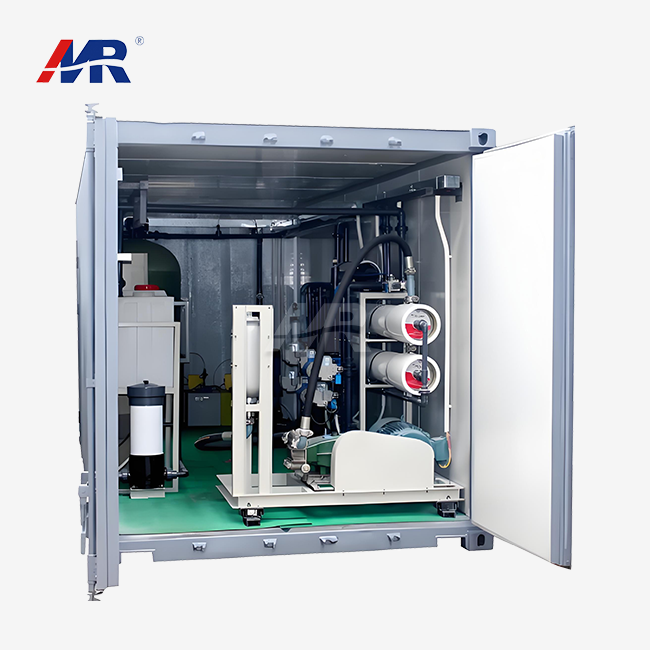 VIEW MOREcontainerized UF+RO system
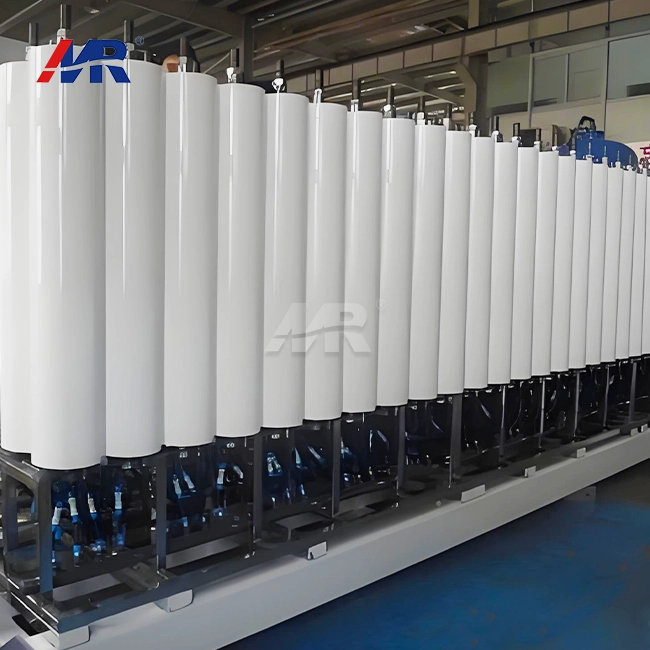 VIEW MORELandfill Leachate Treatment System
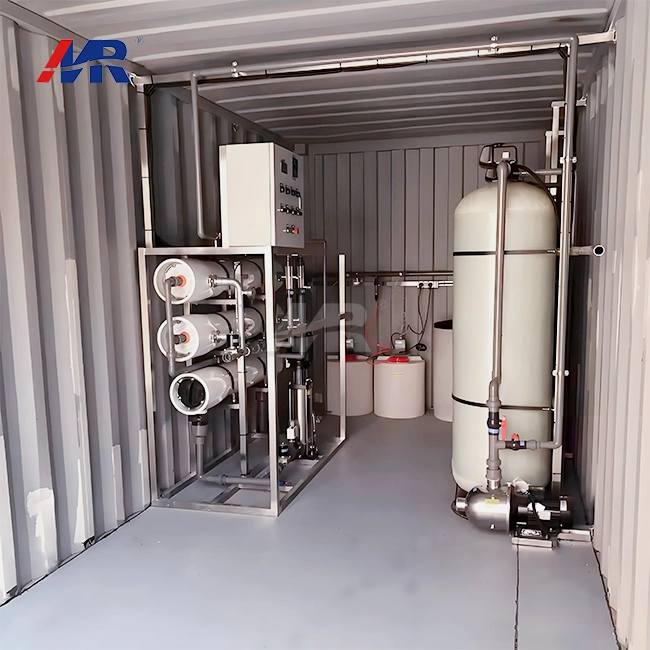 VIEW MOREcontainerized water treatment systems
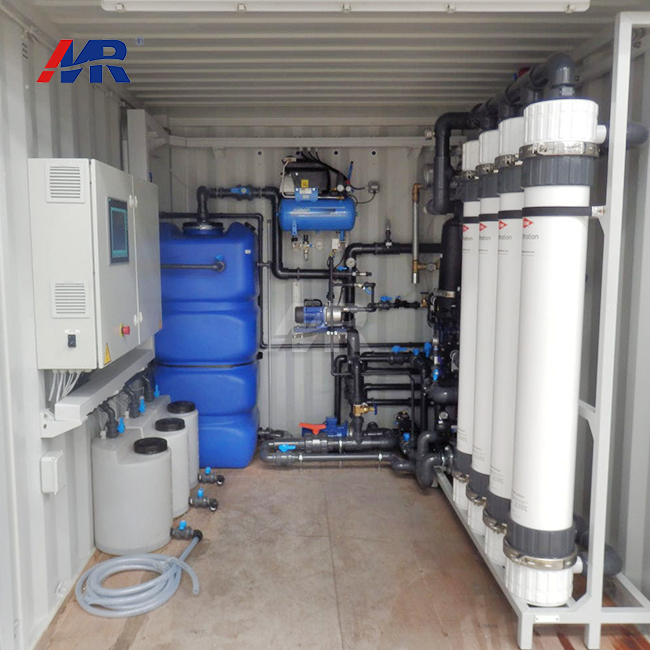 VIEW MOREcontainerized ultrafiltration equipment
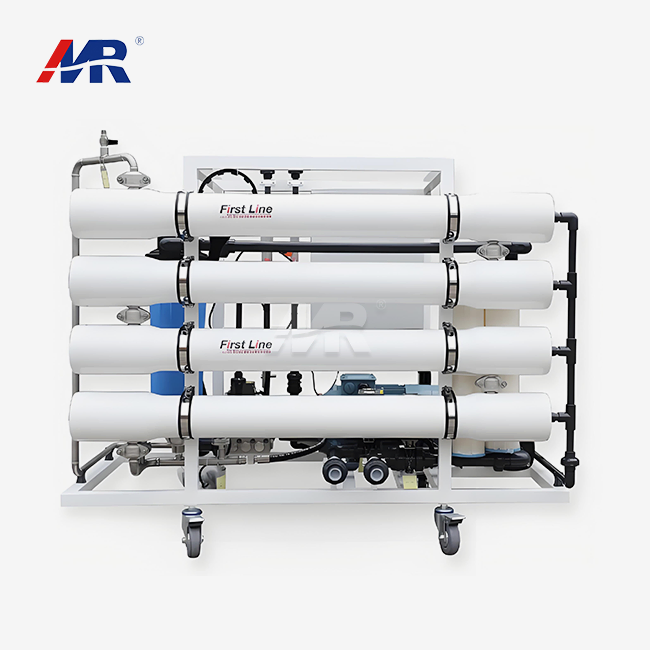 VIEW MOREseawater desalination equipment
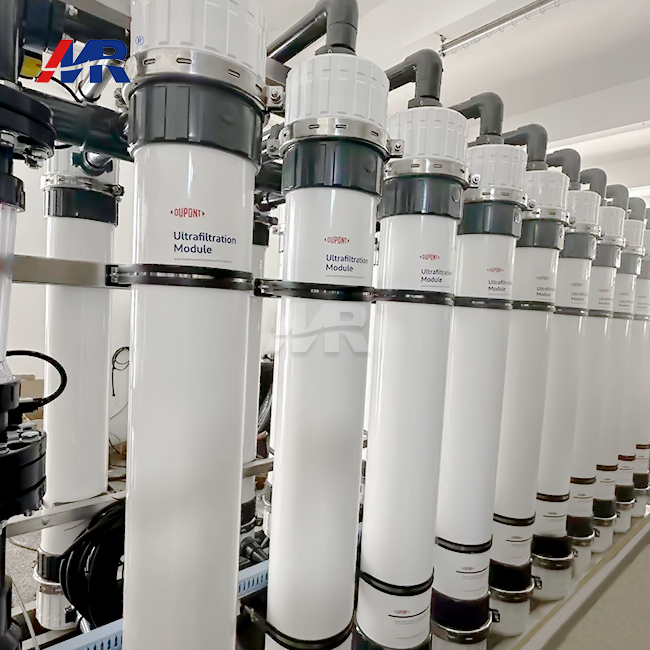 VIEW MOREultrafiltration water treatment system
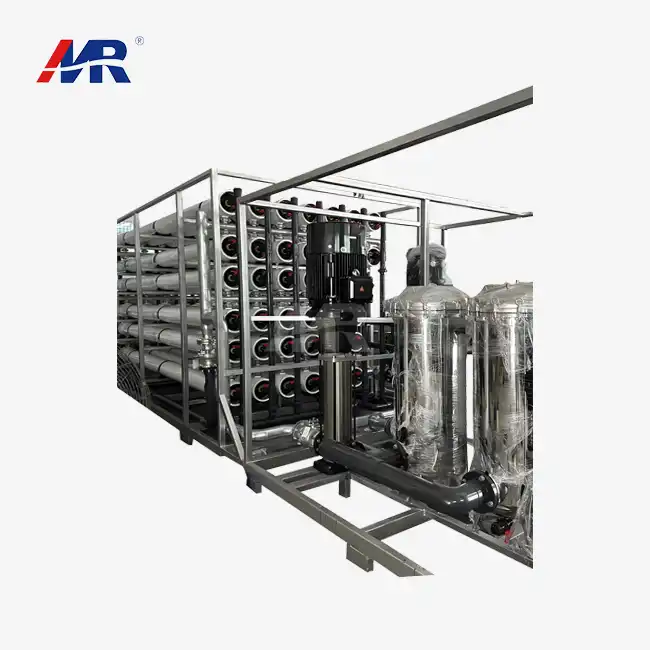 VIEW MORE150m3/hour reverse osmosis plant
 VIEW MOREultrafiltration water system
