

_1745823981883.webp)

Can bioreactor wastewater treatment Reduce Operating Costs?
Yes — bioreactor wastewater treatment can meaningfully reduce operating costs when deployed correctly. Compared to conventional activated sludge systems, MBR-based biological treatment platforms generate up to 50% less sludge, consume fewer chemicals, and deliver consistently higher effluent quality. That translates directly into lower disposal fees, reduced chemical procurement, and fewer regulatory compliance penalties. Across industries like food processing, pharmaceuticals, and chemical manufacturing, facilities that have transitioned to membrane-integrated biological systems report measurable reductions in total treatment expenditure within the first two to three years of operation.
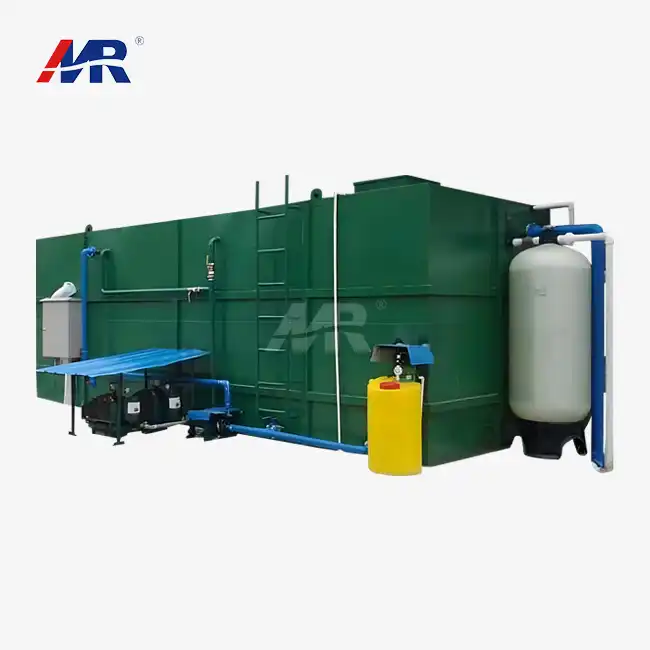
Understanding Bioreactor Wastewater Treatment and Its Cost Implications
How Does the Biological Process Affect Operational Expenses?
A bioreactor provides a carefully controlled environment (aerobic, anaerobic, or anoxic) where large groups of microbes break down organic waste, nitrogen, and phosphorus. How much energy, chemicals, and work a building uses is directly related to how well these microbes do their job. Modern membrane bioreactors have Extended Sludge Retention Times (SRT), which let biomass work longer before being thrown away. This lowers the production of sludge by 30–50% compared to systems that use clarifiers alone (Water Environment Research Foundation, 2019).
What Operational Parameters Drive Cost Up or Down?
The term running costs is always affected by three factors: the amount of dissolved oxygen, the rate of membrane flux, and the time it takes for water to be retained. Aeration energy is wasted when systems are not set up correctly; blowers can use up to 70% of all the energy in aerobic bioreactors (IWA Publishing, 2020). By automating and monitoring these parameters in real time, you can lower energy costs by 15–25% per year, which adds up to big savings over the 10–15 years that the equipment is in use.
Comparing Bioreactor Systems with Traditional Wastewater Treatment Methods
A simple question that procurement teams often have to answer is: why pay more up front for a bioreactor system when activated sludge plants look like they would be cheaper? The answer lies in the total cost of ownership, not just the price of the car.
| Criteria | Activated Sludge (ASP) | MBR System | MBBR System |
|---|---|---|---|
| Footprint Required | Large (secondary clarifiers needed) | 50–70% smaller | Moderate |
| Effluent Quality | Variable | Consistently high (≤0.2 µm filtration) | Moderate-high |
| Sludge Production | High | 30–50% less | Moderate |
| Chemical Usage | High (flocculants, coagulants) | Low | Low-moderate |
| Energy Consumption | Moderate | Moderate-high (aeration+pumping) | Moderate |
| Maintenance Complexity | Low-moderate | Requires membrane cleaning cycles | Low |
| Reuse Potential of Effluent | Low | High | Moderate |
The table above shows why MBR technology is more cost-effective in places where land is expensive, reusing wastewater is important, or release limits are strict. When capital funds are limited, MBBR systems are a good compromise. When dealing with high-strength organic wastewater, anaerobic bioreactor wastewater treatment is very helpful because it can produce biogas as a byproduct that can be used to make energy. This can help food processing or petrochemical businesses lower their operating costs.
Key Advantages of Bioreactor Wastewater Treatment in Reducing Operating Costs
Bioreactor technology has been found to be a reliable way for business owners in a number of different industries to keep costs down. The reasons come from how the process is set up, not from marketing claims.
Here are the core cost-reduction advantages that consistently appear across deployments:
- Reduced sludge disposal expenditure: longer SRT lets bacteria break down more organic matter inside the system, so the amount of waste sludge drops by a lot. Since it costs $50 to $150 per dry ton to haul and dump sludge in the U.S. (EPA Biosolids Report, 2021), even a 30% drop in sludge production saves a lot of money each year.
- Lower chemical dependency: Bioreactor systems get rid of suspended solids and organics by using microbes instead of coagulants and flocculants. This change can cut the cost of chemicals by 20–40% for mid-sized factories that spend $80,000–$200,000 a year on cleaning chemicals.
- Compact infrastructure = lower facility costs: MBR units get rid of the need for secondary clarifiers and big sedimentation tanks, which means that facility costs are lower. This is very important for companies that make things in urban industrial areas where land is a real cost of doing business.
- Water reuse enablement: High-quality MBR effluent can be used again in cooling towers, boiler feed pre-treatment, or irrigation, which lowers the cost of obtaining fresh water, which is becoming more of an issue in water-stressed areas of the Southwest and Gulf Coast of the United States.
Over time, these benefits grow. Advanced biological treatment can pay for itself in three to five years for a pharmaceutical company or food processing plant that cuts down on sludge, chemicals, and recycling effluent all at the same time.
Procurement Considerations for Bioreactor Wastewater Treatment Systems
What Should Procurement Teams Evaluate Beyond Price?
When choosing a bioreactor wastewater treatment system, you need to look at more than just the price of the tools. The type of membrane and the size of the pores are unquestionable signs of quality. Polyvinylidene fluoride (PVDF) membranes, like the ones used in Morui's MR-MBR-30 module, are better at resisting chemicals, lasting longer, and maintaining consistent permeate quality at 0.2 µm, which is the minimum level needed for most industrial reuse and regulatory compliance situations.
How Does the MR-MBR-30 Address Industrial Procurement Needs?
The MR-MBR-30 from Morui is a flat-sheet mbr membrane module designed for tough biological treatment tasks. Its specs are designed to work on an industrial scale:
- Model: MR-MBR-30
- Effective Membrane Area: 30 m²
- Membrane Material: PVDF (resistant to chemicals, long life)
- Filtration Precision: 0.2 µm (retains germs and solids in suspension consistently)
- Module Dimensions: 2000 × 1250 × 30 mm (saves room for tank assembly)
The PVDF material doesn't break down when chlorine is used to clean it, which means that the membrane lasts longer and doesn't need to be replaced as often, which saves money on running costs. The 30 m² surface area of each module allows for high flux rates while keeping the transmembrane pressure at a level that can be controlled. This makes it possible to predict the energy demand. Its flat-sheet shape also makes it easier to clean, which cuts down on downtime compared to hollow-fiber designs in industrial wastewater streams with a lot of fouling.
What Total Cost of Ownership Factors Matter Most?
Professionals in charge of buying things should ask suppliers for paperwork that lists how often the membrane needs to be replaced, what cleaning chemicals can be used, how much energy the blower should use, and the terms of the guarantee. That's why suppliers like Morui, which has its own membrane production plant, can offer better quality control and faster replacement supplies. These two things protect long-term cost performance.
Real-World Cost Reductions: What the Data Shows
The Water Research Foundation (2020) reported that when conventional clarifiers were replaced with MBR technology in a municipal wastewater treatment plant, the total annual operating costs went down by 35%. This was mostly due to less sludge disposal, less chemical use, and money made from reusing effluent. A food preparation plant in the U.S. that deals with high-COD wastewater said that the costs of removing chemical oxygen demand (COD) dropped by 28% within 18 months of installing an MBR. This was mostly because they didn't have to do any extra chemical cleaning steps.
The most common operational problem operators name is keeping the microbial population stable. When there are rapid increases in the amount of organic matter or harmful substances entering the biomass, this can affect how well it works. Facilities that use real-time monitoring, automated aeration control, and regular membrane maintenance report more stable cost profiles than those that rely on human oversight. Regulatory compliance is another secondary cost driver. Facilities that use MBR systems report fewer permit violations, which means they don't get fined and don't have to do as much reporting to the government.
Conclusion
Bioreactor wastewater treatment really does lower operating costs across all industries when systems are properly designed, installed, and maintained. Savings in getting rid of sludge, buying chemicals, and using fresh water have been seen in city retrofits, food processing plants, and chemical plants. How much money you save depends on the quality of the membrane, how the system is designed, and how well the seller supports you. When purchasing teams look at biological treatment purchases, they should focus on the total cost of ownership instead of just the price of the tools.
FAQ
1. Is a bioreactor system more expensive to operate than activated sludge?
Most of the time, MBR systems cost 20–30% more to buy up front than regular activated sludge systems. Over a 10-year period, however, overall running costs are often lower because less sludge needs to be thrown away, fewer chemicals are used, and maintenance on the secondary clarifier is not needed. Depending on the size of the building and the cost of dumping in the area, the break-even point usually happens in 3–5 years.
2. How often do MBR membranes need replacement?
As long as they are properly maintained with regular chemical cleaning and controlled flux operation, PVDF flat-sheet membranes like the MR-MBR-30 can last for 7 to 10 years. How often they need to be replaced depends a lot on the type of wastewater, how it is cleaned, and how the operating pressure is managed.
3. Can bioreactor systems be customized for specific industries?
Yes. Bioreactor designs can be changed easily. For GMP compliance, pharmaceutical facilities put a high priority on consistent effluent quality. Machines that make food need to be able to handle high COD loads. Electronics makers need RO and EDI polishing to be integrated with the next steps. Reliable suppliers offer engineering advice and modular designs that take into account the unique wastewater profiles of each industry.
4. What maintenance does a membrane bioreactor require?
Chemical cleaning (usually once a week for relaxation cycles and once every three months for recovery cleans), blower and pump checks, and tracking of dissolved oxygen are all part of routine maintenance. Automation systems make it much easier to do things without having to do them by hand.
Partner with Morui for Reliable Bioreactor Wastewater Treatment Solutions
Morui adds more than 14 branch offices, more than 500 employees, and a factory for making membranes in-house to every bioreactor wastewater treatment supplier job. We made sure that our MR-MBR-30 PVDF flat-sheet module would work well in an industrial setting and last a long time. Our engineering team can design a system that works with the wastewater from your specific facility, whether it's a food processing plant, a drug facility, or a public utility. To get a consultation or a quote for buying something, email us at benson@guangdongmorui.com right now.
References
1. Water Environment Research Foundation. Membrane Bioreactor Technology: Cost and Performance. WERF, 2019.
2. IWA Publishing. Membrane Biological Reactors: Theory, Modeling, Design, Management and Applications to Wastewater Reuse. IWA Publishing, 2020.
3. U.S. Environmental Protection Agency. Biosolids Technology Fact Sheet: Multi-Stage Anaerobic Digestion. EPA, 2021.
4. Water Research Foundation. Full-Scale MBR Performance and Cost Benchmarking Study. WRF, 2020.
5. Judd, S. The MBR Book: Principles and Applications of Membrane Bioreactors in Water and Wastewater Treatment. Elsevier, 2011.
6. Metcalf & Eddy / Tchobanoglous, G. Wastewater Engineering: Treatment and Resource Recovery, 5th ed. McGraw-Hill, 2014.
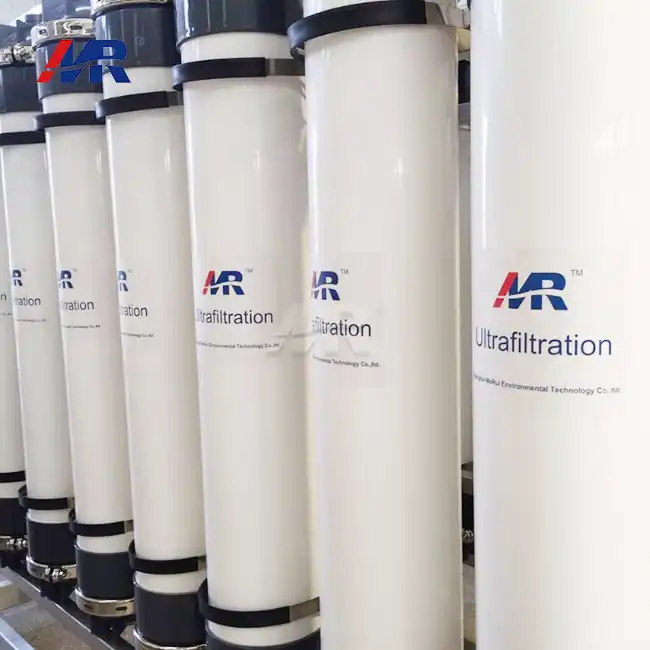 VIEW MORE90T/H ultrafiltration equipment
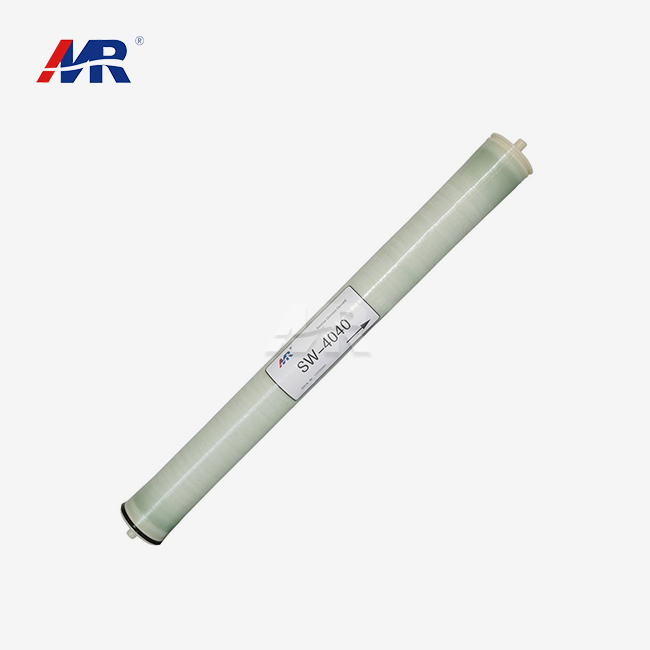 VIEW MOREswro membrane
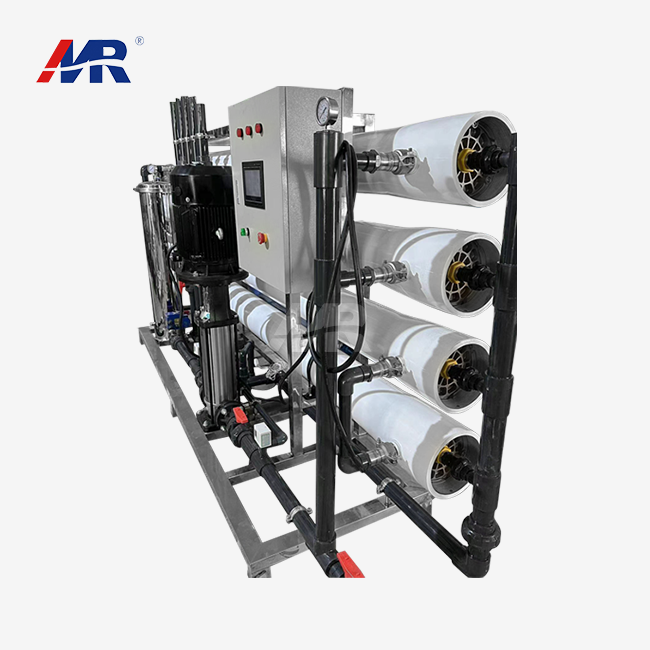 VIEW MOREunder counter reverse osmosis water system
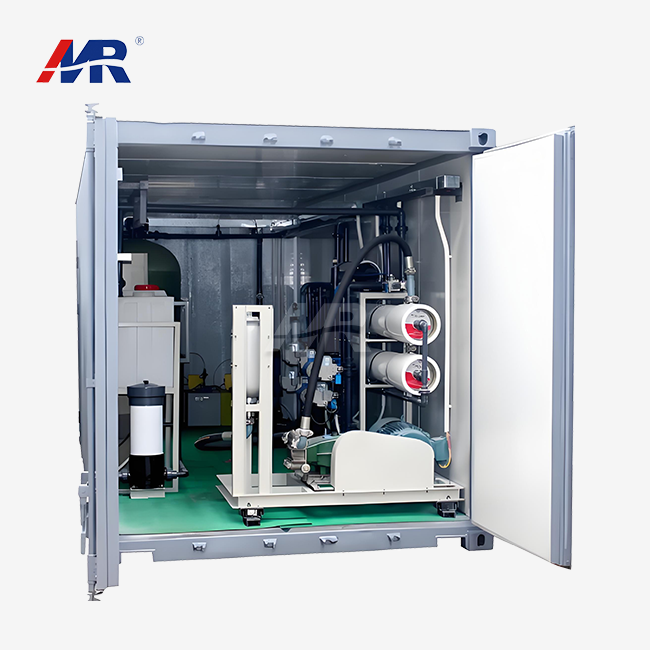 VIEW MOREcontainerized UF+RO system
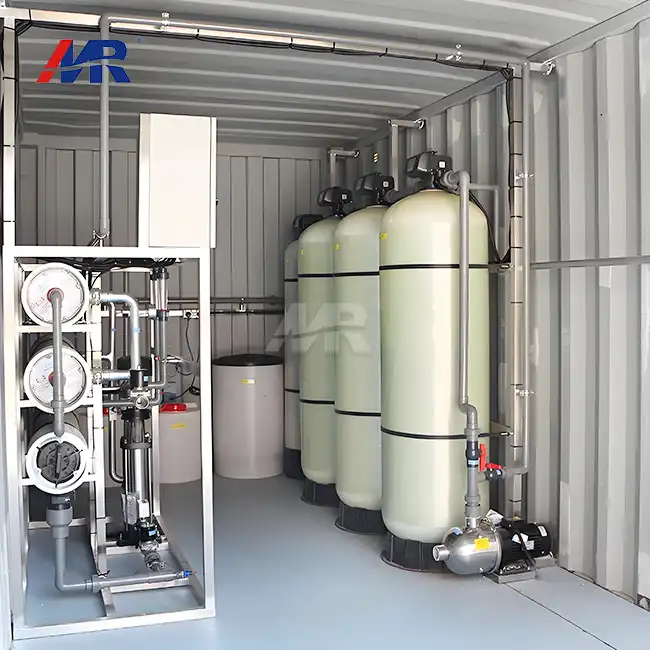 VIEW MOREcontainer type 3m3/hour RO equipment
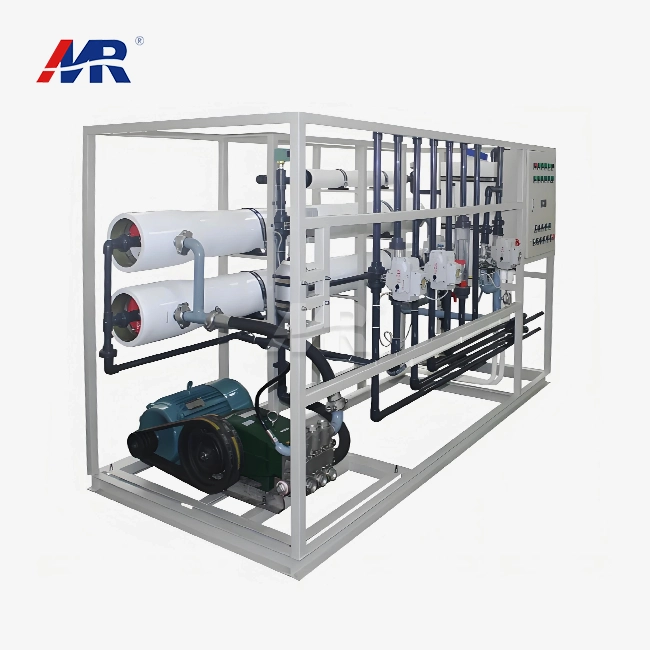 VIEW MOREseawater desalination pre-treatment
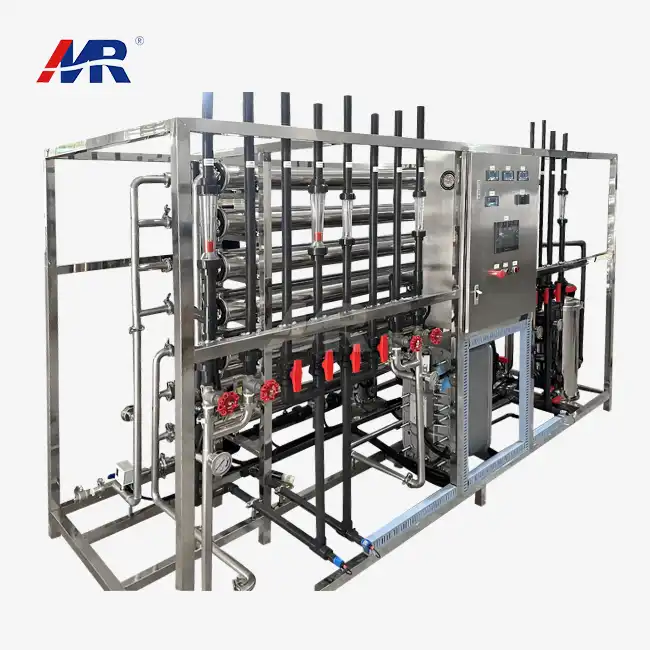 VIEW MORE2m3/hour EDI system
 VIEW MORE60m3/hour reverse osmosis plant
