

_1745823981883.webp)

How UF Filter Membrane Pore Size Affects Product Quality and Yield
The relationship between uf filter membrane pore size and industrial performance is straightforward yet profoundly impactful. The pore size of a uf filter membrane, typically ranging between 0.01 to 0.1 microns, directly dictates which contaminants are removed and which valuable components remain in your process stream. Smaller pores capture finer particles, including bacteria and viruses, enhancing product purity and safety. Conversely, they may reduce flow rate and affect overall throughput. This delicate balance between selectivity and productivity fundamentally influences both the quality of your final product and operational yield, making pore size one of the most critical specifications for industrial filtration success.
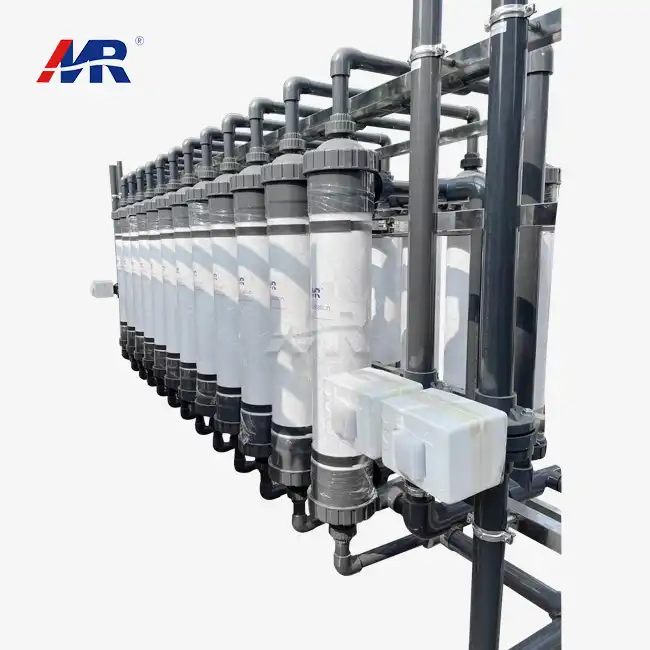
Understanding UF Filter Membrane Pore Size and Its Impact
Out of all the many techniques for membrane separation, ultrafiltration technology stands out due to the distinctive pore size features it has. Being aware of these features is essential in order to make intelligent decisions about purchases.
The Fundamentals of Pore Size Measurement
When describing the size of holes in ultrafiltration membranes, the Molecular Weight Cut-Off (MWCO) is often used. This value falls somewhere in the range of 10,000 to 500,000 Daltons. By calculating this value, you may determine the molecule sizes that the membrane will not let through and which ones it will allow through. If a membrane has a MWCO of 100,000, it will prevent molecules that are larger than this limit from getting through, but it will allow water and molecules that are smaller to flow through. Because of its ability to separate materials with such precision, ultrafiltration membranes are indispensable in the production of pharmaceuticals, the processing of food, and the treatment of water for urban areas.
Differentiating UF from Other Membrane Technologies
When it comes to the size of its pores, ultrafiltration falls somewhere in the midst of where microfiltration and nanofiltration belong. Microfiltration membranes feature holes that are larger (0.1–10 microns), which allows them to eliminate larger germs and suspended particles by removing them. On the other hand, ultrafiltration is characterized by pores that are smaller and have the ability to capture viruses, colloids, and macromolecules. Although reverse osmosis operates on a molecular level and is capable of eliminating even dissolved salts, it requires far greater pressures in order to function properly. Buying teams are able to match the features of membranes to particular separation objectives when they are aware of these distinctions. This helps to avoid both poor performance and excessive spending of cash.
Impact on Filtration Efficiency and Selectivity
The filtering selectivity is directly influenced by the size of the pores, which means that it determines which components remain in the concentrate and which components have the ability to pass into the permeate. Companies in the pharmaceutical industry that manufacture injectable solutions need membranes that have holes that are consistently tiny. This is necessary to ensure that all germs are eliminated while yet safeguarding essential protein molecules. In order to clear fruit drinks, beverage manufacturers need pore diameters that eliminate yeast and other organisms that cause the juice to go bad without removing flavor components that are essential to the juice's flavor. The degree of selectivity has an impact on the quality of the product, the length of time it remains on the shelf, and the degree to which it adheres to the regulations. All of these factors have an impact on the degree to which the company is competitive and profitable in the market.
Technical Aspects of UF Filter Membrane Pore Size Relevant for B2B Procurement
Pore size statistics are just one component of the whole set of technical parameters. Material science and manufacturing accuracy are also included in them, which ensure that the product will continue to function in the same manner for an extended period of time.
Material Science and Pore Structure Integrity
Modern uf filter membranes are made from improved plastics that keep the structure strong and control the formation of pores. Polyvinylidene Fluoride (PVDF) membranes are very resistant to chemicals and UV light, which makes them perfect for use outside and in harsh cleaning methods. Polyethersulfone (PES) is very stable at high temperatures and flows quickly, making it a good choice for cleaning food preparation equipment with hot water. Polyacrylonitrile (PAN) is better at attracting water, which makes it less likely to mess up in wastewater uses. These materials keep the same pore size even when they are mechanically stressed by backwashing pressures higher than 5 MPa tensile strength. This makes sure that the membrane will always separate things correctly during its service life.
Quality Standards and Certification Requirements
Procurement workers should make sure that membrane providers follow well-known quality standards that control the regularity of pore size and performance. The NSF/ANSI 61 approval shows that membranes meet strict safety standards for drinking water. They are tested thoroughly for contaminants that can be extracted and could lower the quality of the water. ISO 9001 certification shows that the manufacturing process is controlled in a way that keeps the pore size distribution consistent from batch to batch. These approvals give you peace of mind that the pore sizes given are accurate representations of real-world performance, not just theoretical values. This keeps your money safe from goods that don't work as expected.
Operational Parameters Influenced by Pore Size
The choice of pore size is directly linked to operating pressure, transmembrane pressure (TMP), and flow rate. To keep the permeate flow going well, finer holes need higher pushing pressure, which uses more energy. A normalized flux drop of 15 to 20 percent usually means that pores are getting clogged, which starts cleaning processes that temporarily lower output. When engineers know these connections, they can accurately model the process and guess how much throughput they will need, how much energy they will need, and how often they will need to clean the system during the system design stages. This foresight keeps expensive surprises from happening during operation and commissioning.
Comparing UF Filter Membrane Pore Size with Other Filtration Technologies
If you want to make informed decisions about which technologies to implement, you need to have a solid understanding of how ultrafiltration compares to the many alternative membrane separation options as well as the pore size ranges of each of these options.
Ultrafiltration versus Microfiltration
When it comes to filtering process streams, microfiltration membranes, which contain pores that range in size from 0.1 to 10 microns, are very effective at removing bigger bacteria and suspended particulates. On the other hand, they are not able to effectively eliminate viruses, colloids, or macromolecular contaminants that are able to pass through their comparatively wide pores. Ultrafiltration, which provides an additional barrier against tiny impurities while functioning at lower pressures than reverse osmosis systems, is a solution that may be used to solve this issue. Because of this, ultrafiltration is an extremely helpful finishing step that may be performed after microfiltration or on its own when dealing with feed streams that are just somewhat filthy.
Ultrafiltration versus Reverse Osmosis and Nanofiltration
The removal of dissolved salts and tiny organic molecules that ultrafiltration is unable to reach is accomplished via the use of reverse osmosis and nanofiltration. On a molecular level, they carry out this action. This method is superior in terms of cleaning, but it necessitates much greater working pressures, consumes a great deal more energy, and results in a significantly higher cost to replace the membrane. While RO systems need pressures ranging from 10 to 80 bar, ultrafiltration may function at pressures as low as 2 to 5 bar. This results in a reduction in the system's initial expenses as well as its continuing expenditures. When many technologies are used, many industrial processes are able to achieve the highest level of cost-effectiveness. One example is the removal of particles and germs by the process of ultrafiltration, followed by the softening of the water through the process of reverse osmosis to produce ultrapure water.
Application-Specific Technology Selection
Ultrafiltration is often used as the first line of defense against pathogens that are resistant to chlorine, such as Cryptosporidium and Giardia, in water plants that clean surface water sources. Ultrafiltration pores regularly catch these pathogens. In wastewater treatment plants, membrane bioreactors (MBR) use ultrafiltration to handle high levels of Mixed Liquor Suspended Solids (MLSS) while making clear runoff that can be released or used again. When food makers concentrate whey proteins, they choose pore sizes that keep the useful proteins but let lactose and minerals pass through to the permeate. These different uses show how choosing the right pore size can help different industries reach their separation goals.
Optimizing Product Quality and Yield Through Precise Pore Size Selection
Filtration can be turned into a precise tool that increases the value of a product and the speed of operations by carefully choosing the pore sizes.
Laboratory Testing and Pilot Trials
To choose the best hole size for a uf filter membrane, you should first carefully look at the properties of your feed stream and your separate goals. By trying different MWCO ratings on bench-scale membrane units in the lab, we can find the pore size that gives us the best mix between permeate quality and flux rate. These results were confirmed in real-life process conditions by pilot tests at an intermediate scale. These tests showed how changes in temperature, feed concentration, and cleaning cycles affect long-term performance. This orderly approach stops people from making expensive mistakes like choosing the wrong pore size, which can hurt either the quality of the product or the output.
Balancing Retention and Permeability
Pharmaceutical companies that make monoclonal antibodies need membranes that keep the good protein Products and let the bad buffer salts and low-molecular-weight impurities pass through. By choosing pores that are just a little smaller than the target molecule's hydrodynamic radius, you can get the best holding while still allowing enough permeate flow. For beverage makers to make clear juices, they need pores that get rid of the pulp and bacteria that are trapped in the juice while keeping the flavorings and natural colors. This precise targeting of separation characteristics has a direct effect on product quality attributes like safety, taste, clarity, and stability, which in turn affect how well the product sells and whether it can command higher prices.
Impact on Downstream Processing
Choosing the right hole size makes the equipment that comes after it work better by reducing the load it has to carry. When ultrafiltration removes particles and microorganisms successfully, later reverse osmosis membranes experience less fouling, which means they last longer and don't need to be cleaned as often. When sterile filtration steps are used after ultrafiltration pre-treatment, the filters last longer because the bioburden has already been greatly reduced. These benefits build on top of each other, lowering the cost of consumables, cutting down on downtime, and making equipment work better across the whole production line.
Procurement Guidelines: Choosing UF Filter Membranes Based on Pore Size for Maximum Value
Comparing prices is only one part of effective buying. Another important part is carefully evaluating suppliers and figuring out the total cost of ownership.
Supplier Qualification and Quality Verification
We suggest that procurement teams ask for detailed paperwork that proves the accuracy and consistency of the pore size. Ask a third party to check and confirm that the real distribution of pore sizes fits what the maker said they would be, with distribution shapes that aren't too wide or too narrow to show that the manufacturing was done accurately. Look into the supplier's quality management systems. You should look for ISO 9001 approval and proof that statistical process control was used while the membranes were being made. These steps of proof keep you safe from low-quality goods that might meet the official specs but don't work consistently, which throws off production plans and lowers the quality of the goods.
Evaluating Total Cost of Ownership
The purchase price is only one part of the costs of owning a membrane. Think about how the choice of pore size affects practical costs, such as the amount of energy used, the cleaning chemicals used, and how often the membrane needs to be replaced. Membranes with hydrophilically modified surfaces don't get clogged up as easily, so they don't need to be cleaned as often and chemicals are used less, even if they cost more at first. Products with full expert support help operations teams improve cleaning procedures and fix performance problems, which keeps production from stopping too often. When you add up the total cost of ownership over the membrane's projected lifespan—usually three to five years with proper maintenance—you can see what the real value is, besides the initial investment.
Customization and Bulk Purchasing Options
Industrial clients who need a lot of output should look into customization options that make membrane specs work best for their specific needs. Custom pore size distributions, specialized surface treatments, or unique module combinations may improve performance enough to support a small price increase. When you buy in bulk from well-known suppliers, you can be sure of stable prices, get priority when supplies are low, and get focused expert help that speeds up troubleshooting. With these strategic partnerships, your suppliers become real partners in your business's success, not just transactional vendors who only care about making sales.
Conclusion
When buying uf filter membranes, the most important thing to consider is the pore size, which has a direct effect on the quality of the product, the operational yield, and the economic performance. To understand how pore size affects filtering, you need to carefully look at your application needs, the features of the feed stream, and your quality goals. Tough source evaluation, thorough testing, and a total cost of ownership analysis make sure that investments in membranes keep giving value for a long time. As technologies for treating water keep changing, working with seasoned suppliers who offer both high-quality products and technical know-how will help your business succeed in the long term in markets that are getting more and more competitive.
FAQ
1. What pore size range should I specify for pharmaceutical water systems?
Pharmaceutical uses usually need membranes with a MWCO of between 30,000 and 100,000 Daltons, which can get rid of bacteria, endotoxins, and colloidal particles while keeping the flow rates high enough. This range makes sure that GMP standards are met when making filtered water.
2. How does pore size affect the typical lifespan of a membrane in industrial settings?
If you choose the right pore sizes and make sure they fit the characteristics of the feed stream, they should last between three and five years, as long as you do the right pre-treatment and follow the CIP (Cleaning-In-Place) procedures. If you choose the wrong hole size, fouling happens faster, which shortens the life of the membrane.
3. Can ultrafiltration membranes handle oil-in-water emulsions?
By stopping oil from sticking to the membranes permanently, hydrophilically changed PVDF or PES membranes are good at processing oil-in-water emulsions. Changes to the surface keep the permeability even when working with difficult feed streams that contain mixed oils.
4. What operational changes trigger a cleaning cycle?
A normalized flux drop of 15 to 20 percent or a rise of 0.5 bar in Transmembrane Pressure (TMP) is usually a sign of membrane fouling that needs chemical cleaning to get back to working properly and keep pores from getting permanently blocked.
Partner with Morui as Your Trusted UF Filter Membrane Supplier
Guangdong Morui Environmental Technology brings more than ten years of experience with membrane filtration right to your business. Our integrated manufacturing skills include our own plant for making membranes, which guarantees consistent pore size specs that meet your exact needs. We offer full solutions, from the initial specification to commissioning and ongoing optimization. Our more than 20 engineers support installations in pharmaceutical, food processing, and industrial water treatment applications. The best PVDF, PES, and PAN ultrafiltration membranes in our range have MWCO values between 10,000 and 500,000 Daltons and are certified by NSF/ANSI 61. Contact our technical team at benson@guangdongmorui.com if you need a reliable uf filter membrane manufacturer who knows that the accuracy of the pore size has a direct effect on your bottom line.
References
1. Cheryan, M. (2021). Ultrafiltration and Microfiltration Handbook: Principles and Applications in Industrial Water Treatment, CRC Press.
2. Baker, R.W. (2020). Membrane Technology and Applications: Pore Size Effects on Separation Efficiency, John Wiley & Sons.
3. Mulder, M. (2019). Basic Principles of Membrane Technology: Structural Analysis and Performance Optimization, Springer Science.
4. Singh, R. (2022). Membrane Separation Processes in Industrial Applications: Technical and Economic Considerations, Industrial Water Treatment Journal, Vol. 44, pp. 112-128.
5. Li, N.N., Fane, A.G., Ho, W.S., and Matsuura, T. (2020). Advanced Membrane Technology and Applications in Water Purification, Elsevier.
6. Crittenden, J.C. (2021). Water Treatment Membrane Processes: Pore Size Selection for Optimal Performance, McGraw-Hill Professional.
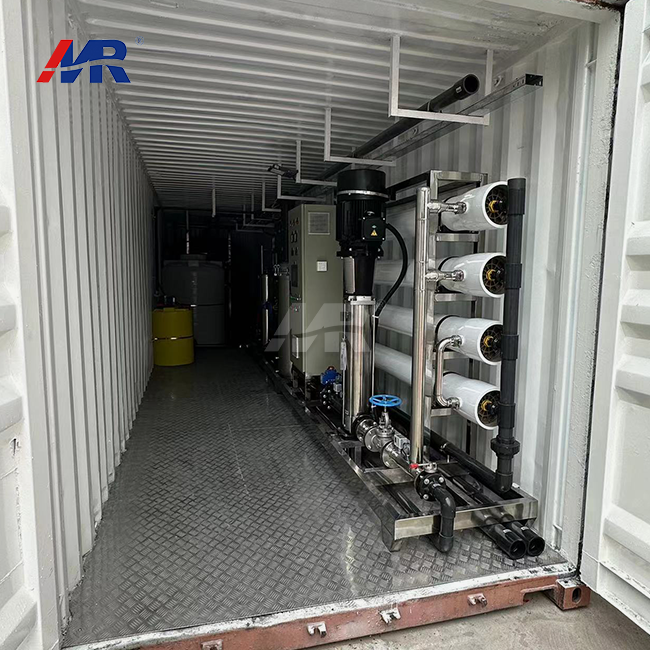 VIEW MOREcontainerized ro system
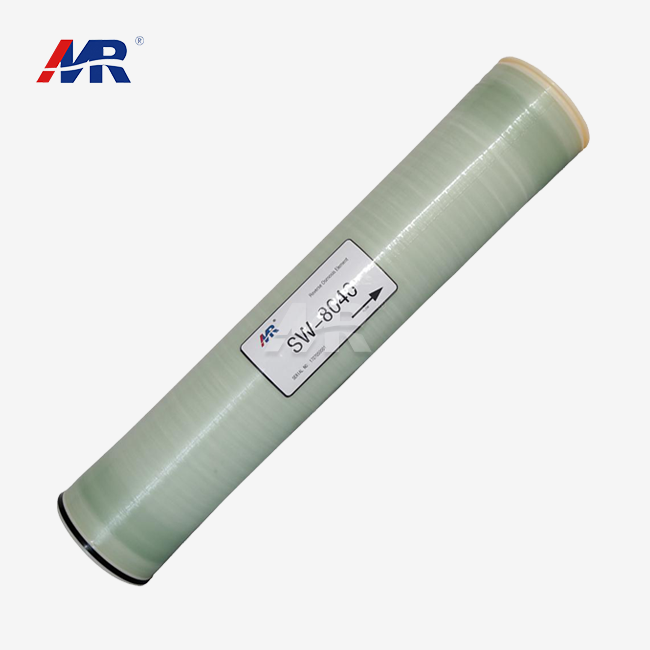 VIEW MORE8040 seawater reverse osmosis membrane
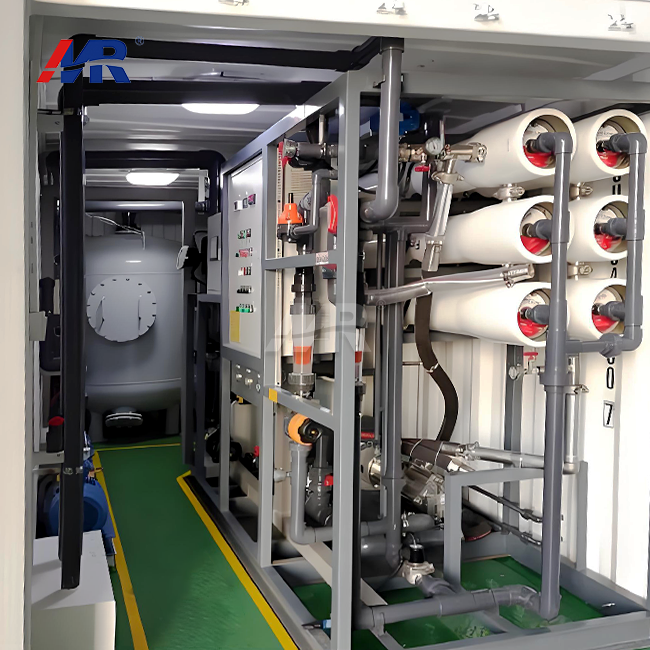 VIEW MOREcontainerized RO equipment
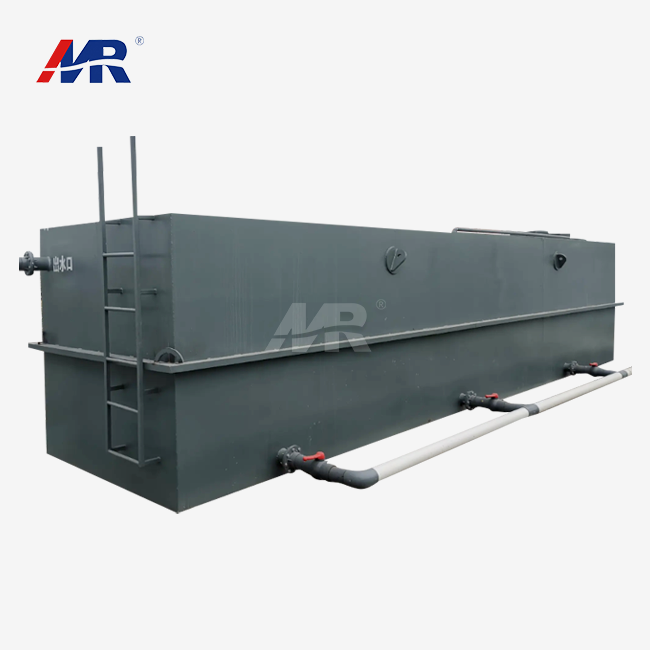 VIEW MOREdomestic wastewater treatment plant
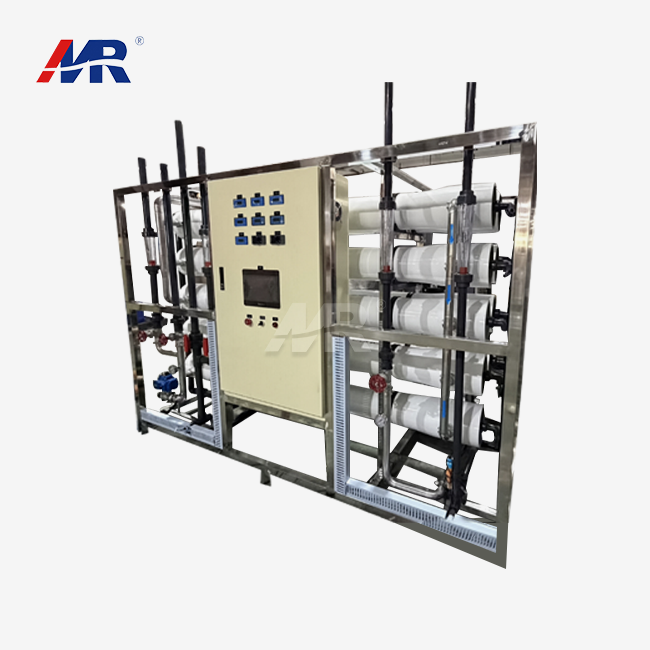 VIEW MORE8 stage reverse osmosis system
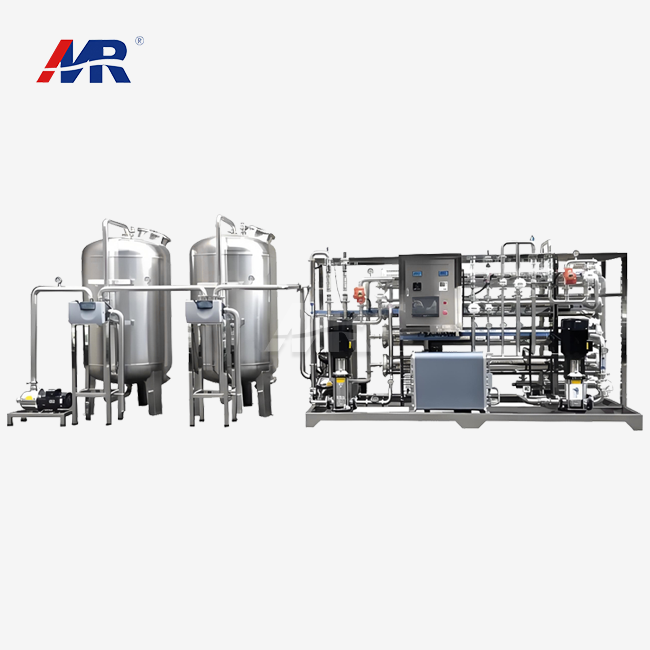 VIEW MORE2000LPH EDI system
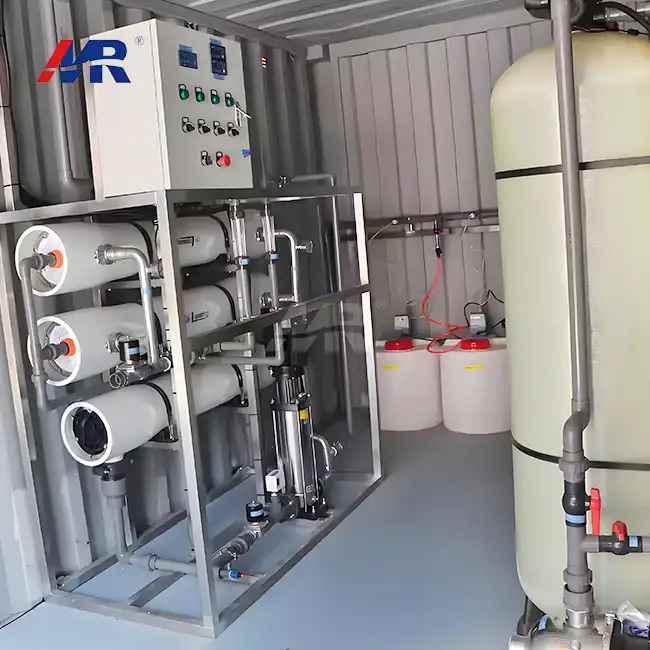 VIEW MOREcontainer 3m3/hour RO equipment
 VIEW MOREcontainerized reverse osmosis system
