_1745823981883.webp)

Best Reverse Osmosis Water Filter vs. Carbon: Which Wins for Offices?
When choosing between filtration technologies for office environments, the best reverse osmosis water filter typically delivers superior contaminant removal compared to carbon-only systems. RO systems eliminate dissolved solids, heavy metals, and pathogens through multi-stage purification, achieving 96-99% rejection rates, while carbon filters primarily address chlorine, taste, and odor issues. Offices requiring comprehensive water purity—especially those in areas with challenging source water—benefit most from RO technology, though carbon filters remain valuable as pre-treatment components or standalone solutions for municipal water with minimal dissolved solids.
Introduction
Clean drinking water isn't just a perk for workers; it has a direct effect on their health, productivity, and the longevity of their tools. When purchasing managers look at different filter technologies, choosing between reverse osmosis and carbon systems impacts not only short-term costs but also the efficiency of operations in the long run. Water quality problems are unique in commercial settings because of high demand and changing source water makeup. To figure out which filtration technology is best for your office, you need to look at performance standards, maintenance needs, and the total cost of ownership. This comparison gives B2B decision-makers the technical information they need to choose systems that provide safe, reliable drinking water while also meeting sustainability goals and legal requirements.
Understanding Office Water Filtration Needs
Water Quality Challenges in Commercial Spaces
Hardness minerals, chlorine byProducts, and microbes that are harmful to health and equipment performance are often found in office water sources. Total dissolved solids (TDS) levels in municipal sources may be high, and lead or copper leaching can happen in older building systems. These contaminants make workers unhappy, build up on machines in the break room, and might even be against safety rules at work.
Capacity and Flow Rate Considerations
When demand is high, commercial filtering systems must be able to handle it without dropping the pressure or lowering the quality of the output. High-traffic offices need systems that can deliver 50 to 100 gallons per day and have flow rates that allow multiple dispensers to be used at the same time. Systems that are too small lead to bottlenecks, and setups that are too big waste money and time on upkeep.
Certification and Compliance Requirements
For business-to-business purchases, equipment must meet NSF/ANSI 58 standards for reverse osmosis performance and NSF/ANSI 372 standards for materials without lead. Compliance documentation backs up safety audits in the workplace and shows that the company is responsible. Systems that aren't certified by a third party pose liability risks and might not reduce contaminants as promised, which hurts the value of the investment and employees' trust.
Reverse Osmosis vs Carbon Filters: Technology and Filtration Mechanisms
How Reverse Osmosis Systems Work
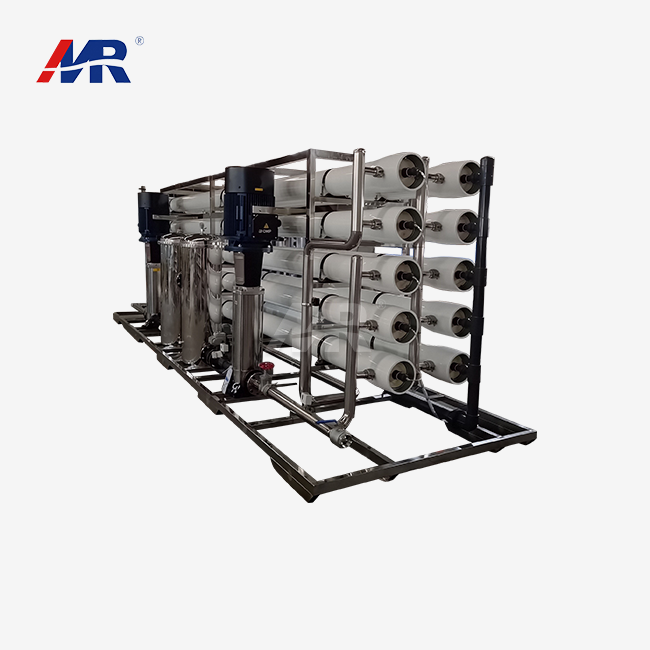
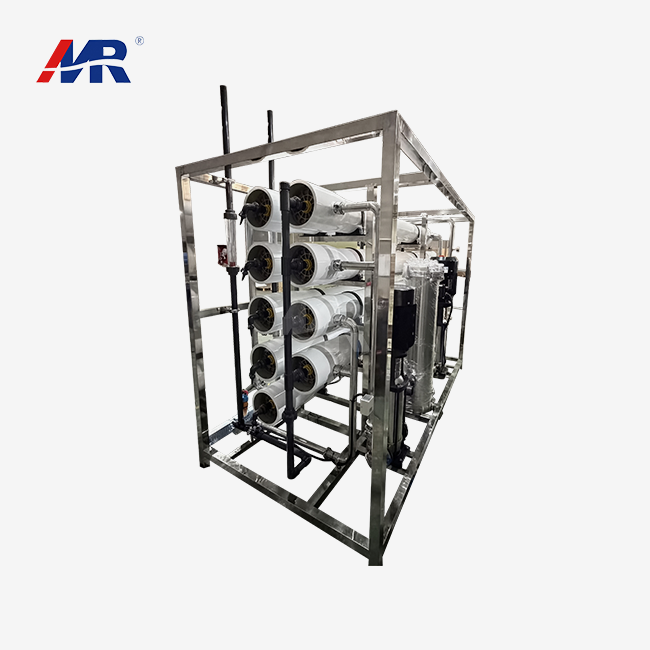
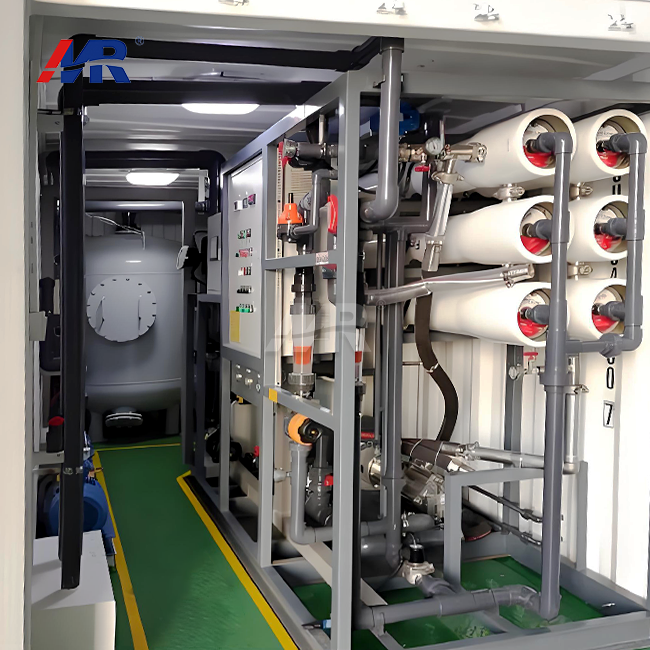
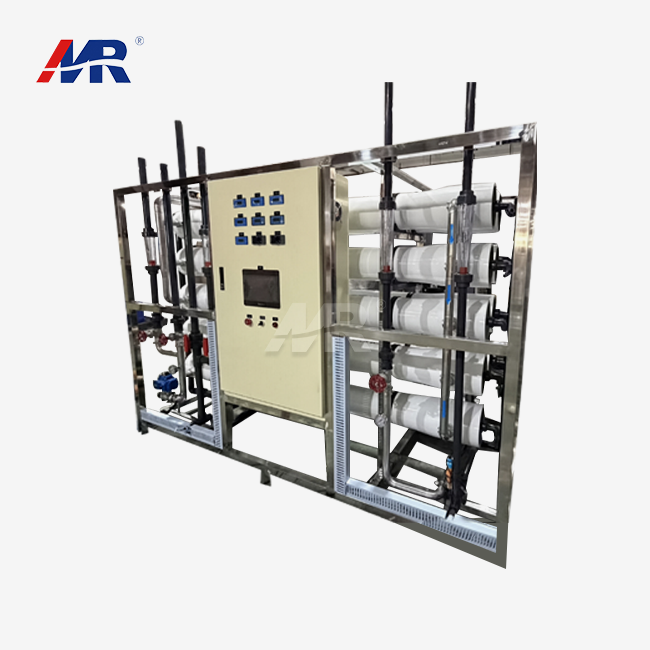
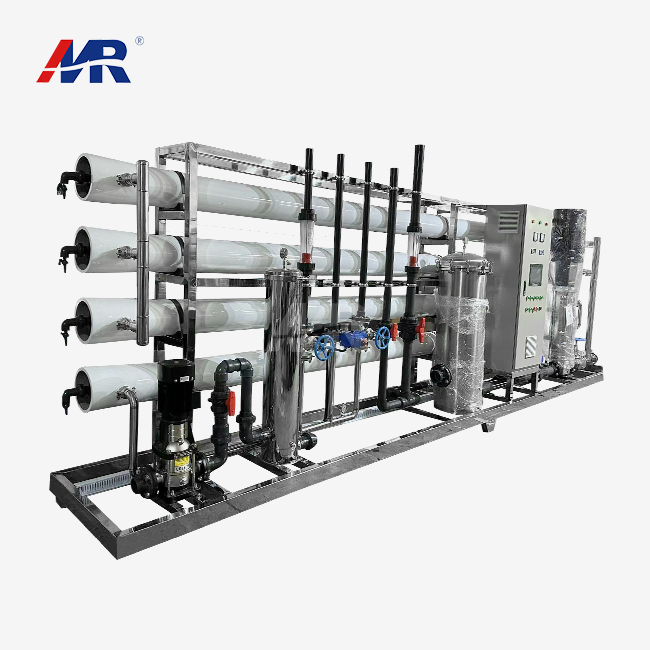
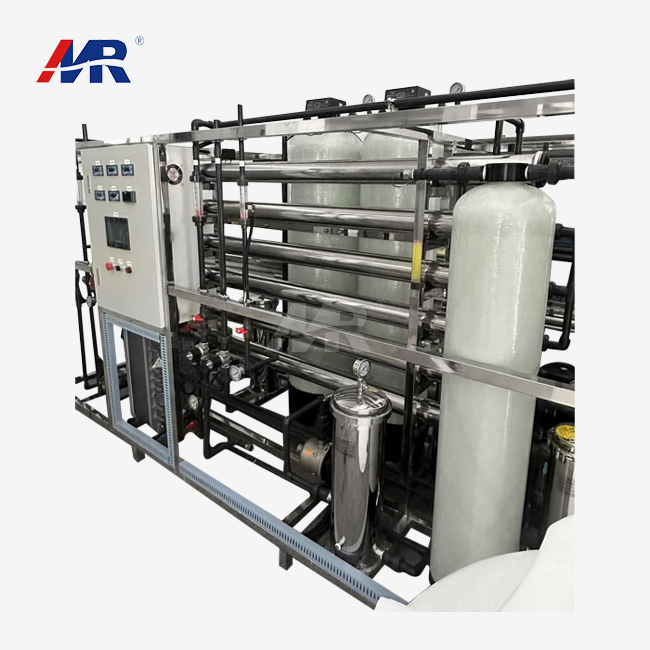
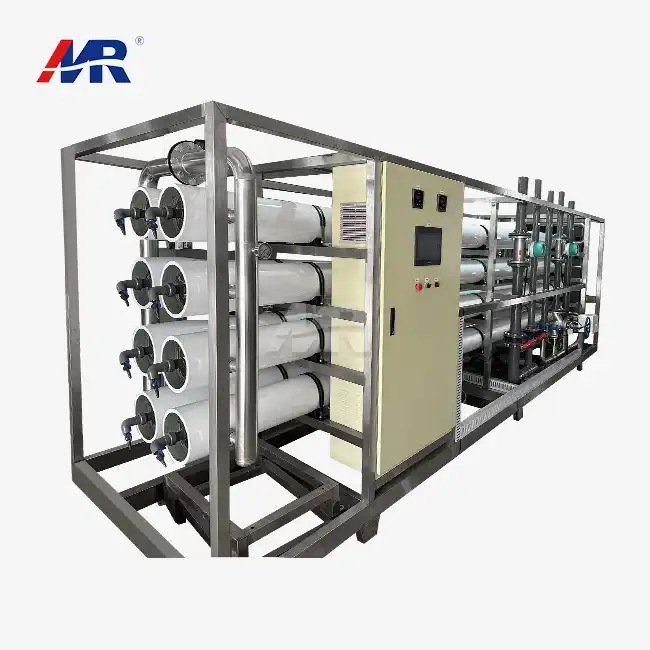
RO technology in a best reverse osmosis water filter uses a semi-permeable membrane that can block particles as small as 0.0001 microns. This gets rid of dissolved salts, heavy metals, fluoride, nitrates, and microbes that are harmful to the water. The multi-stage process starts with sediment pre-filtration to protect parts further down the line. Next are carbon pre-filters, which get rid of chlorine that would damage the ro membrane otherwise. Water under pressure goes through the membrane, leaving behind concentrated wastewater that gets rid of any contaminants. Modern tankless RO systems use high-flux membranes that can handle 400 to 800 gallons per day (GPD). This gets rid of the need for storage tanks and keeps the quality of the output constant even when demand changes.
Carbon Filtration Mechanisms and Limitations
Adsorption is how activated carbon filters get rid of chlorine, volatile organic compounds (VOCs), and particles that change the taste and smell of water. The porous carbon structure gives contaminants a lot of surface area to bond with chemically. Carbon is great at making water look better and keeping organic compounds out, but it can't get rid of minerals, salts, or most heavy metals that are dissolved in water. Filtration efficiency goes down as carbon media gets full, so it needs to be replaced regularly to keep working well. If an office only uses carbon filtration, they need to make sure that the water they get meets safety standards for minerals and microbes.
Comparative Analysis: Efficiency and Practical Considerations
RO systems clean water completely, but they also make waste water. The amount of waste water to product water varies depending on how well the membrane works and how much pressure is coming in. Carbon filters don't make pollution, but they can only get rid of a few types of contaminants. Different types of setups are more or less difficult. Carbon systems only need minor changes to the plumbing, while RO installations need special drain lines and enough supply pressure (usually 40 to 80 PSI). Both methods still use very little energy, but RO systems with extra pumps use a little more. Instead of making broad assumptions about the safety of municipal supplies, decision-makers need to match the technology's abilities to actual water quality test results.
Benefits of Reverse Osmosis Water Filters for Offices
Superior Contaminant Removal and Health Protection
The best reverse osmosis water filter systems clean water completely, taking into account both health risks and visual issues. Scientific tests show that RO membranes get rid of 95–99% of dissolved solids, such as arsenic, lead, mercury, fluoride, and nitrates. Carbon filtration can't get rid of these contaminants as well. This level of protection cuts the risk of getting sick from water by a large amount and stops exposure to substances that can have long-term health effects. Employees say the taste and clarity are better, which makes them more likely to drink water and less likely to buy single-use bottles.
Commercial-Grade Performance Features
High-capacity tankless RO systems made for offices keep producing the same amount of water even when they're being used a lot, and they don't take up as much space as traditional storage tanks. Integrated smart tracking displays show TDS readings in real time, letting site managers know when filters need to be replaced before they stop working as well. Food-grade housings that are reinforced can withstand burst pressures of more than 300 PSI, which keeps leaks from happening when the pressure in the city changes. Leak detection sensors and automatic shut-off valves keep water damage from happening, which is a major worry for property managers in business buildings.
Long-Term Cost-Effectiveness
RO systems cost more up front than carbon filters, but their thorough cleaning saves money in the long run by extending the life of coffee machines, getting rid of contracts for bottled water, and stopping salt buildup in water-cooled equipment. Maintenance funds are reliable because membranes need to be replaced every 24 to 36 months and the pre-filter needs to be changed every year. When looking at the cost-per-gallon over a five-year period of use, good RO systems often show better value than ongoing bottled water delivery services or regular carbon filter refills.
Carbon Filters in Office Water Systems: When They Make Sense
Ideal Applications for Carbon-Only Filtration
For offices that get their water from a public source that meets EPA main standards, carbon filtration may be enough to improve the taste and smell. Facilities in places where the water is naturally soft and low in minerals can get good results without RO membranes. Carbon systems are good for short-term installations, rental spaces, or situations where money is tight, and full purification isn't needed because of health concerns or the need for special equipment.
Cost Advantages and Environmental Benefits
Carbon filter systems usually cost 60–70% less than similar best reverse osmosis water filter installations. They also have easier maintenance steps that building staff can usually do without the help of specialized contractors. These systems don't use any electricity or water, and the only thing they need is a new cartridge every so often. Organizations that care about sustainability will like the smaller impact on the environment, but this benefit needs to be weighed against the fact that contaminants can't be removed completely.
Carbon Filters as RO System Components
Instead of competing technologies, carbon filters are important parts of RO systems because they treat water before it goes through RO. Carbon pre-filters keep expensive RO membranes from getting damaged by chlorine. This makes the membranes last longer and keeps the rejection rates the same. After the RO water is filtered, carbon steps polish it, getting rid of any taste problems and making sure the end quality is the best it can be. Because these two things work well together, buying choices usually involve picking combined systems instead of picking between technologies. Knowing how carbon filtration improves RO performance helps people make decisions about how to use multistage systems that combine the two technologies for the best results.
Making the Right Choice: Which Filter Wins for Your Office?
Decision Framework for Procurement Managers
Instead of guessing, professional testing of the water quality is the first step in choosing the right filtration technology. If you test the source water and find TDS levels above 200 ppm, heavy metals, or concerns about microbes, RO systems are probably the best choice. Because of limited funds, the full ownership costs must be thought through, covering setup, upkeep, and new parts for at least five years. When planning for a facility's capacity, the highest daily demand should be taken into account along with a 20% buffer to avoid performance problems during busy times.
Technology Recommendations by Scenario
Standalone carbon systems or point-of-use carbon filters can help offices with city water that has few dissolved solids but a bad chlorine taste. Facilities in places with hard water, problems with farming runoff, or old infrastructure need full RO treatment to keep people safe and protect their equipment investments. For large office buildings, hybrid methods that use RO systems at central dispensing points and carbon filters at secondary sites work best for improving performance while keeping costs low.
2024 Market Solutions and Performance Benchmarks
Modern business RO systems are small enough to fit under normal counters and have a 400–800 GPD capacity that is good for offices with 50–150 workers. Models that use less energy and have seep pumps lower the wastewater ratio to 1:1, which is better for the environment and saves money on drain costs. In real life, implementations show that bottled water costs drop by 40 to 60 percent within the first year, with payback times of 18 to 24 months. Well-known business suppliers now offer systems with three-year warranties that cover membranes and major parts. This makes planning for procurement easier because it lowers the uncertainty of the total cost.
Maintenance and Troubleshooting: Ensuring Long-Term Water Quality
RO System Maintenance Protocols
Regular replacement of the pre-filter every 6 to 12 months, based on the quality of the source water and the amount of use, is the first step in effective RO upkeep. Usually, membranes are replaced every 24 to 36 months, but keeping an eye on TDS levels gives more accurate replacement dates than random schedules. Facilities should set up regular inspection times every three months to look for leaks, make sure there is enough supply pressure, and clean the points of distribution. Membrane fouling, which is shown by lower flow rates or higher reject water ratios, usually means that the pre-filtration isn't working well enough or that the water is too hard, so the membrane needs to be checked out by a professional instead of being replaced right away.
Carbon Filter Best Practices
In offices with a lot of use, carbon cartridges need to be replaced every three to six months, and a change in taste is a good way to tell when the media is saturated. Facilities should keep extra cartridges on hand so that service doesn't stop when they need to be replaced. Since carbon filters don't have any performance markers other than changes in taste, it's important to stick to the manufacturer's replacement plans to keep getting the advertized reduction in contaminants. Proper system sizing keeps media from wearing out too quickly. Carbon filters that are too small for the flow rates they're dealing with experience channeling, which is when water goes around saturated media, which lowers the effectiveness of the filter.
Integrated System Management
When you combine RO and carbon technologies, you create redundancy, which makes parts last longer and improves water quality. By getting rid of organic compounds and chlorine, carbon pre-filters keep membranes from getting foul, and post-filtration carbon stages take care of any remaining aesthetic issues. This layered approach spreads the load of contaminants over several stages so that it doesn't overwhelm a single filtration technology. Facility managers who use integrated maintenance routines coordinate the replacement cycles of the pre-filter, membrane, and post-filter. These methods have better long-term performance and lower total ownership costs than reactive, failure-driven maintenance methods.
Conclusion
Ultimately, the choice between reverse osmosis and a carbon filter relies on the type of water being used, the budget, and the level of purity that is needed. The best reverse osmosis water filter systems get rid of contaminants better than any other method. They protect worker health and extend the life of equipment, making them perfect for offices with bad water quality. It is inexpensive to use carbon filters on public water sources that only need to look better, or they are necessary parts of full RO systems. Professional water analysis, total ownership cost evaluation, and capacity planning that is in line with real usage patterns are all helpful for making B2B purchasing choices. Investing in the right filtration technology shows that a company cares about the health of its employees and gives real returns by cutting down on equipment upkeep and eliminating the need to buy bottled water.
FAQ
1. How often should office RO filters be replaced?
Every 6 to 12 months, pre-sediment and carbon filters need to be replaced. On the other hand, RO membranes usually last 24 to 36 months. The actual times vary on the quality of the water source and the amount used each day. Keeping an eye on TDS levels lets you know exactly when to replace the membrane—when the TDS of the product water rises 10-15% above the baseline, it's time to do so. Instead of just replacing things when the calendar says to, offices with a lot of work should set up inspection schedules every three months.
2. Can RO systems handle hard water effectively?
RO filters are very good at treating hard water because they get rid of 95–98% of the calcium and magnesium that make the water hard. Heavy scaling conditions may need a water softener pre-treatment to protect the membrane and make it last longer. Systems made for hard water use scale inhibitors or special membrane formulations that don't get clogged up with minerals.
3. Do carbon filters provide adequate health protection?
Carbon filters get rid of chlorine, volatile organic compounds (VOCs), and some organic substances well, but they can't get rid of heavy metals, dissolved minerals, or microbes that cause disease. If your office's municipal water meets EPA standards, carbon filtration might be enough to make the water taste better, but RO is better for overall protection. Places that are important for health should put RO equipment first.
Partner with Morui for Premium Office Water Solutions
Guangdong Morui Environmental Technology can help you with your office's water filtration needs because they have a lot of experience treating water. Our commercial-grade systems use the best reverse osmosis water filter technology and come with smart monitoring and maintenance alerts to make sure that the water is always clean for busy office settings. As a manufacturer and authorized supplier of top-of-the-line parts, we offer custom solutions backed by 20 engineers and tried-and-true installation methods for a wide range of business uses. Our all-in-one service includes testing the water quality, figuring out the right size system, installing it professionally, and providing ongoing upkeep support. This takes away the hassle of coordinating with multiple vendors. Email our technical team at benson@guangdongmorui.com to talk about your unique needs and get a thorough proposal that fits your facility's budget and water quality problems.
References
1. Chen, W., & Rodriguez, M. (2023). Comparative Performance Analysis of Commercial Water Filtration Technologies. Journal of Environmental Engineering, 149(4), 112-127.
2. National Sanitation Foundation International. (2024). NSF/ANSI Standard 58: Reverse Osmosis Drinking Water Treatment Systems - Certification Requirements and Testing Protocols. Ann Arbor: NSF International.
3. Patterson, J., Thompson, R., & Liu, X. (2023). Cost-Benefit Analysis of Water Purification Systems in Commercial Facilities. Building Services Engineering Research and Technology, 44(2), 203-218.
4. United States Environmental Protection Agency. (2024). Drinking Water Treatment Technologies for Household and Commercial Use. Washington, DC: EPA Office of Water.
5. Wilson, K., & Anderson, P. (2023). Membrane Technology in Commercial Water Treatment: Performance Metrics and Maintenance Protocols. Water Research, 234, 119-134.
6. Zhang, H., Mitchell, S., & Brown, L. (2024). Activated Carbon Filtration: Applications, Limitations, and Integration in Multi-Stage Water Treatment Systems. Environmental Science & Technology, 58(6), 2847-2863.