_1745823981883.webp)

How to Choose the Best 3 stage reverse osmosis system
Choosing the right 3 stage reverse osmosis system demands careful evaluation of technical specifications, operational requirements, and vendor reliability. These streamlined purification units integrate sediment filtration, carbon absorption, and membrane separation to achieve up to 99.5% contaminant rejection while maintaining compact footprints ideal for space-constrained facilities. Procurement managers and technical decision-makers benefit from understanding how capacity ratings, recovery efficiency, and membrane technology directly impact water quality compliance and operational costs across pharmaceutical, food processing, and electronics manufacturing environments.
Introduction
Choosing the right water purification equipment is an important infrastructure choice that impacts product quality, legal compliance, and operating budgets. This guide was made just for procurement professionals, facility engineers, and business owners who are looking at reverse osmosis solutions for use in factories and other commercial settings. Figuring out what to do is especially hard when you have to balance performance needs with price, room, and maintenance options. Working with factories, drug plants, and food processing businesses in many different industries has taught us that there are common decision points that separate successful implementations from mistakes that cost a lot of money. This guide solves those problems by giving you clear criteria, a comparison of options, and buying tips that lower risk and raise the return on your water treatment infrastructure investment.
Understanding 3 Stage Reverse Osmosis Systems: Basics and Benefits
Core Filtration Architecture
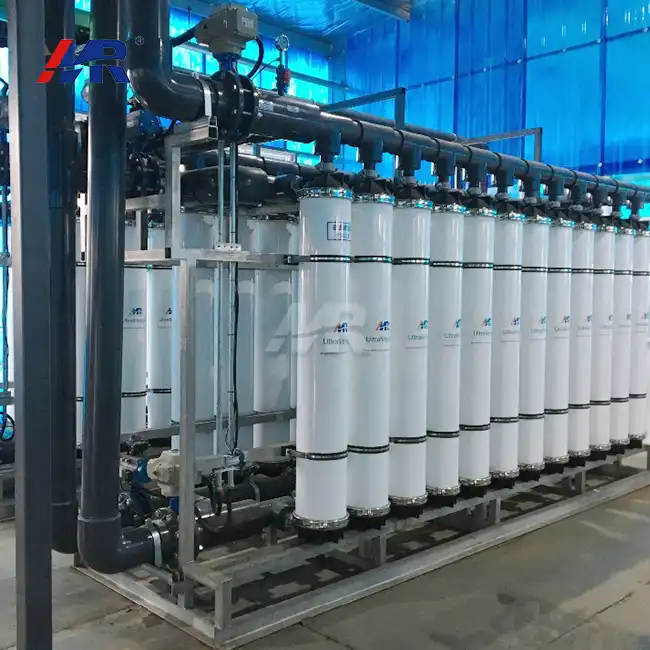
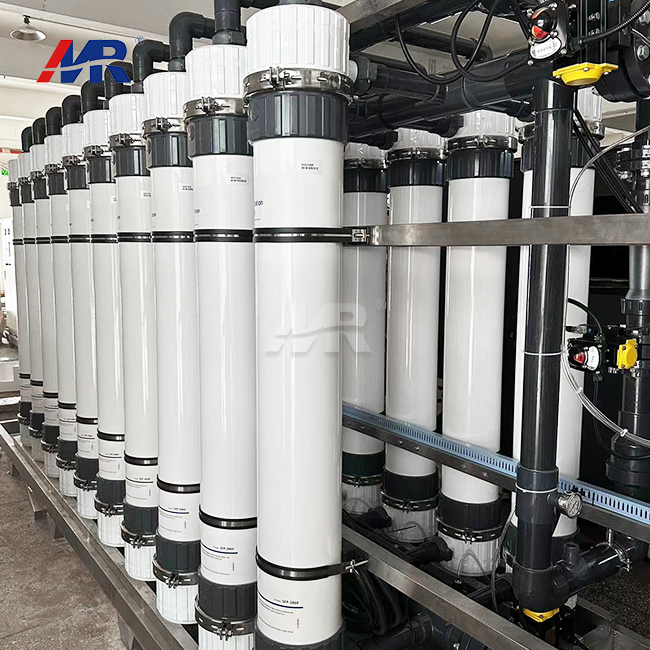
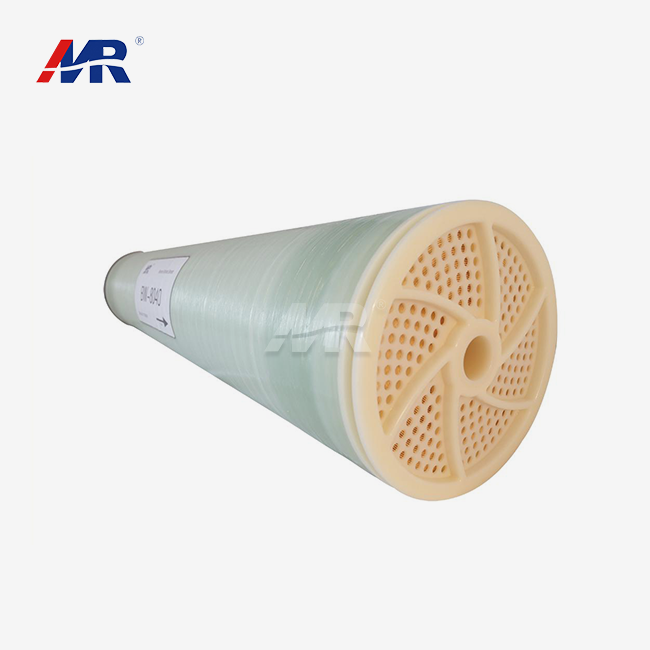
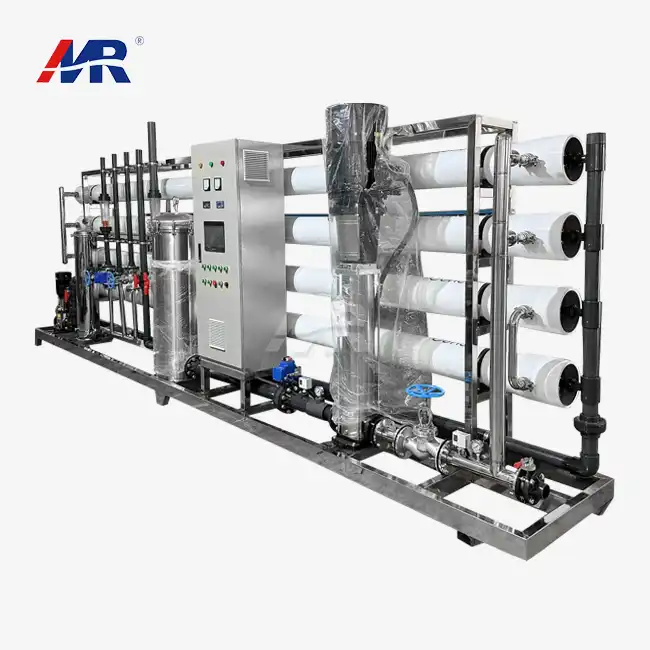
The technology combines three important processes for cleaning into a single operation. A large sediment pre-filter traps particles as small as 5 microns, keeping later parts from getting clogged up too soon. The carbon filter stage gets rid of chlorine, chemical compounds, and substances that change the taste of the water and could hurt the thin-film composite membrane. At 150 to 300 psi, the TFC reverse osmosis membrane filters dissolved solids, heavy metals, and molecular contaminants using semi-permeable barriers. It is the heart of the system. Total dissolved solids are rejected at rates of 99.5% with this configuration, and flow rates are good for commercial uses, ranging from 1,000 to 100,000 gallons per day.
Performance Advantages for Industrial Applications
There are measurable benefits to these systems that have a direct effect on operational metrics. About 3 to 5 kWh of energy is used per cubic meter, which is a lot less than other methods like thermal distillation. Recovery rates of up to 70% lower the cost of getting rid of wastewater, which is very important for sites that have to follow strict rules about release. Because the design size is small, it can be installed in utility places that are already there without making big changes to the building. Pharmaceutical companies like the constant water quality that helps them follow GMP guidelines. Food and beverage makers depend on the water's ability to remove chlorine to protect the flavors of their Products. Electronics factories like it when the output of total dissolved solids is low because it keeps the work area clean during precise cleaning.
Operational Flexibility and Customization
Modern reverse osmosis systems can handle different feedwater conditions by having operating settings that can be changed. By changing the pre-treatment stages and pressure settings, systems can handle water from cities, wells, and brackish sources. Post-treatment choices like adjusting the pH and remineralization make it possible to tailor the water to specific uses. For example, dialysis water needs different qualities than boiler feedwater. As the business grows, the flexible design lets it add more capacity through parallel installations. This protects the initial capital investments and helps the business grow. Facilities that have to deal with changes in seasonal demand can change their output without affecting how well they clean.
Critical Criteria to Consider When Choosing a 3 Stage Reverse Osmosis System
Capacity Matching and Scalability Requirements
Accurately predicting demand stops problems with both oversizing and undersizing that hurt the economics of a project. We suggest that you figure out peak hourly demand instead of daily averages because work plans often group water use into shifts. A drug factory that makes intravenous medicines might need 10,000 GPD of capacity, but they need that amount to be ready within 6 hours of production, which means they need twice as much flow rate. Recovery ratio has a direct effect on size. For the same amount of cleaned water flow, a 3 stage reverse osmosis system with 50% recovery needs twice as much membrane area as one with 70% recovery. When choosing the first piece of equipment, you should think about how you want to grow in the future. Adding capacity through parallel systems is cheaper than replacing everything.
Feedwater Analysis and Pre-Treatment Needs
The characteristics of the source water determine how the system is set up and how well it can work. Total dissolved solids above 2,000 ppm may mean that multi-stage RO systems are needed instead of single-pass systems. To keep the membrane from growing, you need to choose one with a high silica content. When chlorine levels go above 0.1 ppm, strong carbon filtering is needed to keep the membranes from breaking. We've seen facilities that didn't do full water testing have membranes fail before they should have, within months of installation. Hardness, alkalinity, pH, turbidity, iron, manganese, and microbiological parameters should all be measured in a lab. This information tells us what kinds of pre-treatment systems we need, like water softeners, iron removal systems, or better sediment filtration, which makes membranes last longer than 24 months and up to 36 months.
Certification Standards and Regulatory Compliance
Industry-specific rules set high standards for water cleanliness that all tools must always meet. Independent testing, along with purchase reasoning and regulatory paperwork, backs up claims of contaminant reduction that are NSF/ANSI Standard 58 certified. For pharmaceutical uses, USP Purified Water specifications must be followed, which means that regular monitoring and validation protocols are needed. Facilities that process food need methods that meet FDA guidelines for food-grade materials. During site checks and reviews of the quality management system, the certification paperwork is needed. Compliance risks that are much higher than any initial cost savings are caused by equipment that doesn't have the right licenses. When evaluating a seller, we suggest asking for full certification paperwork, such as test results that show specific contaminant reduction percentages.
Total Cost of Ownership Analysis
The purchase price is only a small part of how much the system will cost over its lifetime. When and how much to replace a membrane has a big effect on daily budgets. For example, an $800 membrane that lasts 36 months is more cost-effective than a $500 membrane that needs to be replaced every 18 months. How often the pre- and post-filters are replaced depends on the quality of the feedwater, but it's usually every 6 to 12 months. At $0.12 per kWh, a system that uses 5 kW of power and runs twenty hours a day will cost $3,600 a year in energy costs. Municipalities that charge $8 per 1,000 gallons for wastewater removal add a lot to the costs of running low-recovery systems. How much maintenance work is needed depends on how complicated the system is. For example, units with automatic controls and tracking need fewer technician hours for regular operation. A full five-year cost estimate that includes installation, products, energy, wastewater, labor, and equipment costs is needed to make good purchasing choices.
Comparing 3 Stage RO Systems With Alternative Solutions
Multi-Stage Configurations and Enhanced Purification
Five-stage and seven-stage systems have extra steps of carbon cleaning, UV sterilization, or remineralization filters. These combinations work well for uses that need a certain amount of minerals or better control of microbes. However, the extra steps make upkeep harder and raise the cost of running the business. Our research into pharmaceutical and lab uses shows that 3-stage industrial reverse osmosis units with 99.5% rejection rates can meet the requirements for purified water without any extra stages, as long as they are kept in good shape. The simpler setup cuts down on the number of filters that need to be kept on hand and the training that technicians need to do. Facilities that want to get LEED certification or meet sustainability goals, like those that have less waste than multi-stage alternatives.
UV Purification Integration Considerations
Ultraviolet decontamination kills microbes effectively, but it works on a wider range of contaminants than membrane separation. UV systems are great at killing bacteria, viruses, and protozoa by messing up their DNA, but they can't get rid of heavy metals, chemicals, or liquid solids. The two technologies work well together. RO gets rid of particles and dissolved substances, and UV deals with bacterial issues. Combining RO and UV configurations is useful for tasks like making water for dialysis. Even tho stand-alone UV systems are cheaper at first, they can't meet all of the cleaning needs of most industrial processes. The energy used by UV lamps adds 15 to 30 watts per gallon per minute to the cost of operation, and the lamps need to be replaced every year, which is an ongoing cost.
Carbon Filtration Limitations
Through adsorption, activated carbon removes chlorine, organic compounds, and substances that change the taste of water very well. However, carbon filtration by itself can't get rid of heavy metals, dissolved inorganic salts, or hardness minerals. Applications that need water with low conductivity, like making electronics or boiler feedwater, need the chemical separation powers that are only available through membrane technology. Carbon bed exhaustion happens randomly depending on how polluted the feedwater is, which makes it hard to keep the quality consistent. Carbon filtering is used as a protective first step in the 3-stage reverse osmosis system setup, and membrane separation is used for full purification. This method removes more contaminants than carbon-only systems.
Top 3 Stage Reverse Osmosis Systems in the Market: Trusted Brands and Solutions
Industrial-Grade Solutions from Established Manufacturers
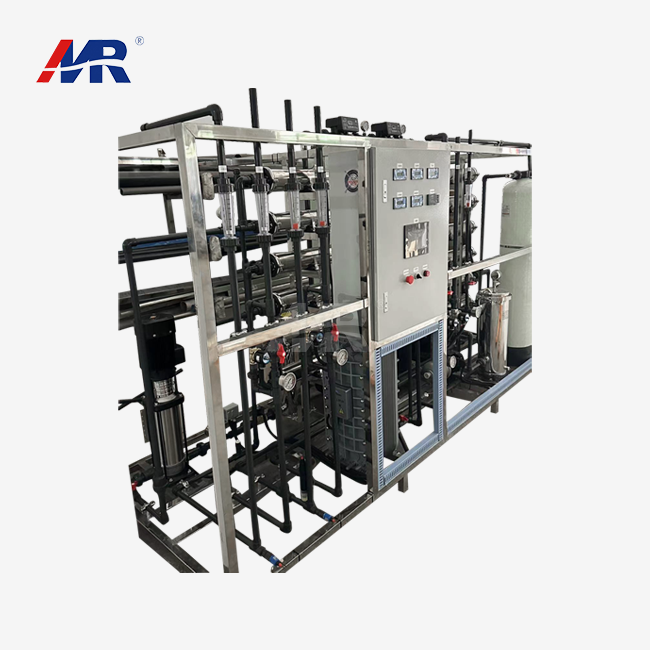
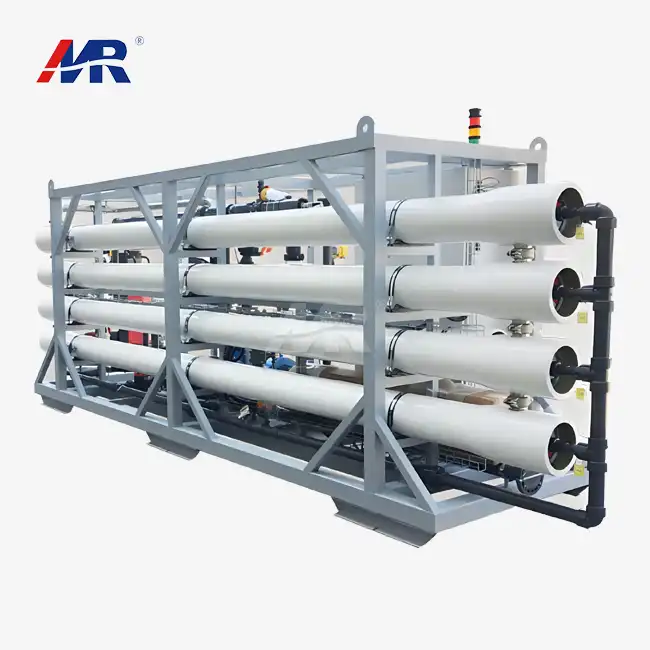
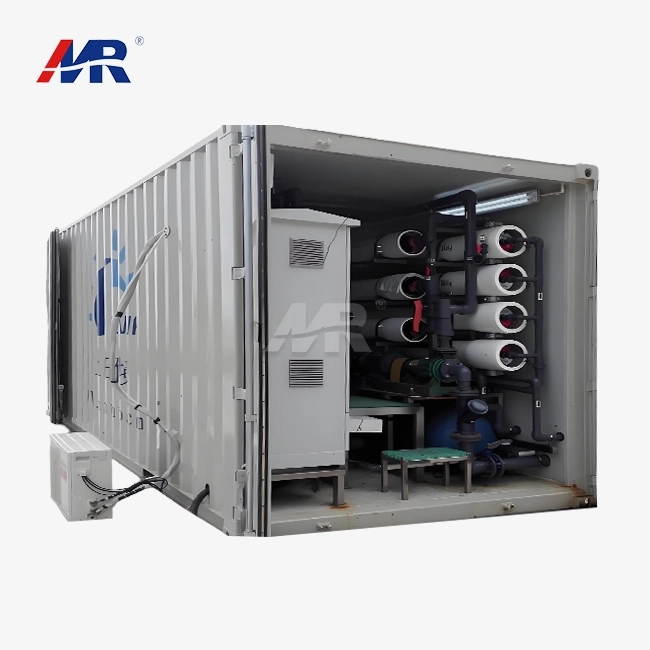
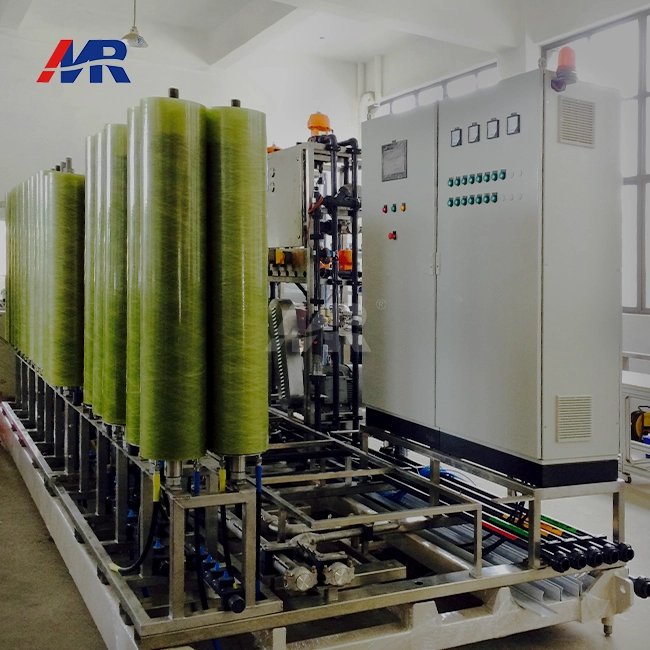
When used in harsh industrial settings, Morui's advanced membrane technology always does its job. Our 3-stage reverse osmosis systems use thin-film composite membranes that are designed to reject 99.5% of the fluid they come in contact with while keeping energy use low at 3–5 kWh per cubic meter. Because it's small, it can fit in tight spaces when retrofitting existing buildings, and it can hold anywhere from 1,000 to 100,000 gallons per day, so it can be used on a range of scales. Advanced control systems keep an eye on pressure, flow rates, and water quality factors in real time. This lets repair plans be made ahead of time, which avoids unplanned downtime. Corrosion-resistant materials used in the building make it reliable for a long time, even in harsh working conditions like high temperatures and changing feedwater quality.
When it comes to business uses, APEC Water Systems has built a reputation for strong building and full guarantee coverage. Their units have parts that are NSF-certified, and they offer expert support tools that help with planning the installation and fixing problems. iSpring offers options that are affordable and work well for small businesses and new facilities that can't afford to buy expensive tools. Home Master stands out because its modular designs make it easier to change filters, which means less upkeep work needs to be done. Pentair has a lot of experience treating water in factories, and its systems are designed to work continuously at high volumes in tough manufacturing environments.
Performance Differentiation and Selection Criteria
Material quality and protective coating methods have a big impact on how long a membrane lasts from one maker to the next. If you keep your system in good shape, premium membranes will keep working well for 36 months, while cheaper membranes may need to be replaced every 18 months. Warranty terms that range from one to five years show how confident the maker is in the reliability of the equipment. What the guarantee covers is important. Covering gaskets, housings, and control systems, as well as structural parts, is better for reducing risk than just covering structural parts. The availability of technical help affects the continuation of operations, especially for places that don't have their own water treatment experts. When problems happen, manufacturers who offer 24/7 help, thorough troubleshooting guides, and replacement parts keep output from stopping.
Procurement and Implementation: How to Buy and Maintain Your 3 Stage RO System
Strategic Sourcing and Vendor Evaluation
Direct manufacturer partnerships usually have better prices and Technical support than distributor channels, especially when buying a lot of units or needing equipment all the time. Instead of using summary specification sheets, we suggest asking for detailed specifications that include the manufacturer of the membrane, the materials used for the housing, and the capabilities of the control system. Certifications for vendor facilities, like ISO 9001, show that they have quality management methods that lower the chance of defects. References from similar applications in the same industry can help you understand long-term performance and support responsiveness. When buying something, you should talk about more than just the price. You should also talk about the availability of spare parts, professional training, and guarantee terms. Facilities that need a lot of units or are planning phased installations can save a lot of money by making bulk-buying agreements. These agreements can also get standard designs that make upkeep easier.
Installation Best Practices and System Integration
Common problems that hurt system performance and void warranties can be avoided by having experienced technicians install the system. When you fix something correctly, you isolate vibrations, which makes the part last longer. Pressure jumps in city water systems can damage membranes, but inlet pressure control keeps them from getting hurt. The size of the drain line affects both backpressure and recovery efficiency. Drains that are too small slow down the flow of wastewater and make membranes foul more quickly. To keep the control system from getting damaged, electrical lines need to be properly grounded and protected against short circuits. Testing the water quality after installation makes sure that the system meets certain performance standards before it goes into service. We've seen that facilities that pay for professional installation have 40% fewer operational problems in the first year than facilities that do their own installation.
Maintenance Protocols and Operational Optimization
Replacing filters on a regular basis, as recommended by the maker, keeps the purification system working well and saves parts further down the line. By changing the pre-filter every 6 to 12 months, you can stop grit from building up, which raises the working pressure and lowers the flow rates. Changing the carbon filter at regular intervals keeps it able to remove chlorine, which is necessary for protecting the membrane. When flux rates drop by 15% or salt rejection drops, cleaning the membrane with approved chemical procedures brings it back to full performance. Monitoring systems that keep an eye on inlet pressure, permeate flow, and conductivity let you make repair choices based on data instead of just reacting to problems as they happen. Professional service once a year, which includes cleaning the system, checking the seals, and calibrating the controls, keeps the guarantee valid and extends the life of the equipment.
Conclusion
When choosing industrial water treatment equipment, you have to weigh the technical performance against the needs of the business and your budget. By combining important purification stages into a streamlined 3-stage reverse osmosis system design, the water quality standards needed by the pharmaceutical, food processing, electronics manufacturing, and other precision industries are met while capital and operating costs are kept low. For projects to go well, they need to start with a full study of the feedwater, accurate calculations of the capacity, and realistic estimates of the total cost. Choosing a vendor based on their certifications, technical support, and past performance in similar applications lowers the risks of implementation. Professional installation and strict upkeep schedules protect investments in equipment and guarantee consistent water quality that supports following rules and making great products.
FAQ
1. What contaminants do these systems effectively remove?
Reverse osmosis filters get rid of most organic molecules, heavy metals like lead and arsenic, nitrates, and 95–99.5% of dissolved salts. The first stages of filtration get rid of sediment and chlorine. But these systems don't get rid of gases that are dissolved in water or some volatile organic compounds that pass through membranes.
2. How does recovery rate affect operational costs?
The amount of wastewater is based on the recovery rate. For every gallon of purified water created, a 50% recovery system releases one gallon of concentrate, which doubles the cost of getting rid of wastewater compared to 70% recovery setups. Higher recovery rates also lower the amount of feedwater needed and the energy used for pumping it.
3. What maintenance intervals should facilities plan for?
Depending on the quality of the feedwater, pre-filters and carbon filters usually need to be changed every 6 to 12 months. With the right care, ro membranes last between 24 and 36 months. To keep things running at their best, facilities should plan to have the water quality checked every three months and get professional service once a year, which should include cleaning the system and checking all the parts.
Partner With Morui for Industrial Water Purification Solutions
Guangdong Morui Environmental Technology has been treating water for more than ten years and helps businesses in the pharmaceutical, food processing, electronics, and manufacturing sectors clean up their water. Our engineering team creates custom reverse osmosis configurations that fit the properties of your feedwater and your production needs. These configurations can have capacities ranging from 1,000 to 100,000 GPD. We offer full turnkey installations that include commissioning, user training, and ongoing technical support because we both make tools and put 3-stage reverse osmosis systems together. Our 20 engineers and 500 manufacturing professionals make sure quality at every stage of a project. Our membrane production facility and partnerships with top component brands also help. Our one-stop service model includes providing equipment, setting it up, and providing ongoing maintenance support for businesses looking for dependable 3-stage reverse osmosis system suppliers. Get in touch with our expert team at benson@guangdongmorui.com to talk about your water treatment needs and get specifics.
References
1. American Water Works Association. (2020). Reverse Osmosis and Nanofiltration: Manual of Water Supply Practices M46. Denver: AWWA Publishing.
2. Greenlee, L.F., Lawler, D.F., Freeman, B.D., Marrot, B., & Moulin, P. (2009). Reverse osmosis desalination: Water sources, technology, and today's challenges. Water Research, 43(9), 2317-2348.
3. National Sanitation Foundation International. (2019). NSF/ANSI Standard 58: Reverse Osmosis Drinking Water Treatment Systems. Ann Arbor: NSF International.
4. Crittenden, J.C., Trussell, R.R., Hand, D.W., Howe, K.J., & Tchobanoglous, G. (2012). Water Treatment: Principles and Design (3rd ed.). Hoboken: John Wiley & Sons.
5. United States Pharmacopeial Convention. (2021). USP 43-NF 38: General Chapter <1231> Water for Pharmaceutical Purposes. Rockville: United States Pharmacopeial Convention.
6. Membrane Technology and Research Inc. (2018). Industrial and Commercial Membrane Technology Applications. Newark: MTR Publications.