_1745823981883.webp)

Why Choose an Osmosis Drinking Water System for Safer Home Water?
The osmosis drinking water system employs a semi-permeable membrane to remove dissolved particles, heavy metals, and microscopic contaminants from your tap water before it even gets to your glass. But municipal water still contains traces of lead, chlorine byProducts, or nitrates that impair taste and long-term health below what regulators approve as safe. Reverse osmosis removes contaminants at the membrane level. Homeowners with different water circumstances may size a system to meet their requirements. You’ll also get occupancy and consumption figures from a 40-unit residential building that transitioned from bottled water to filtration on site. Most families don't test their tap water until something's changed—a funny taste, a murky glass, or a complaint from a neighbor about their plumbing. By the time that occurs, the question changes from curiosity to urgency. This tutorial is made for that time, explaining precisely how a membrane-based system works differently from a carbon pitcher and where the investment really pays for itself when stacked up against bottled water or doing nothing at all.
Guangdong Morui Environmental Technology has developed a comprehensive variety of osmosis drinking water system platforms for families, residential complexes, and small companies in South America and Africa. If you are a property developer or facility owner looking for an osmosis drinking water system manufacturer with certified rejection performance, please contact our technical team directly at benson@guangdongmorui.com for sizing advice based on your feed water report.
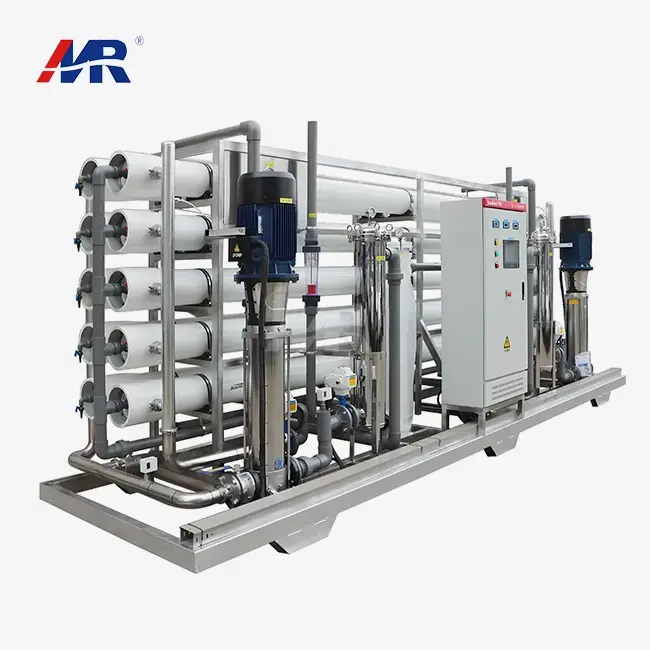
What Is an Osmosis Drinking Water System?
An osmosis drinking water system uses pressure to force tap water through a thin semi-permeable membrane, physically separating water molecules from dissolved salts, metals, and organic substances. Osmosis is the natural movement of water toward a saltier solution. Reverse osmosis merely drives that flow backward with added pressure.
The Membrane at the Core of the System
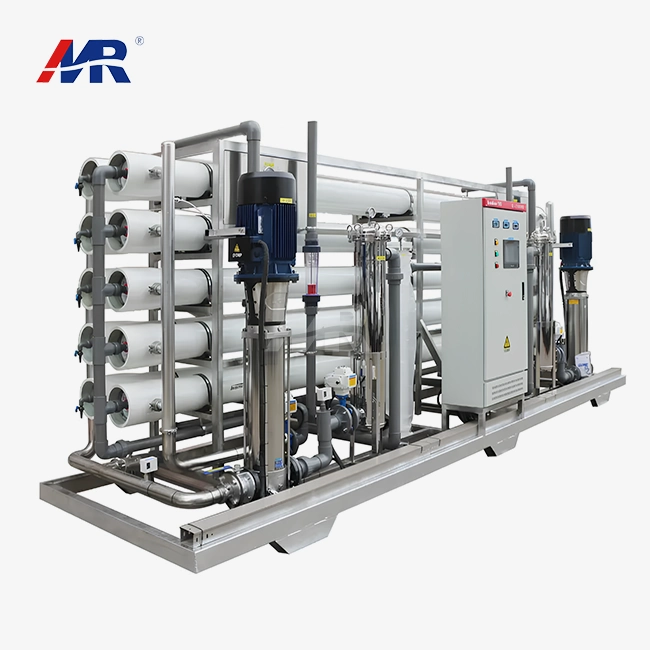
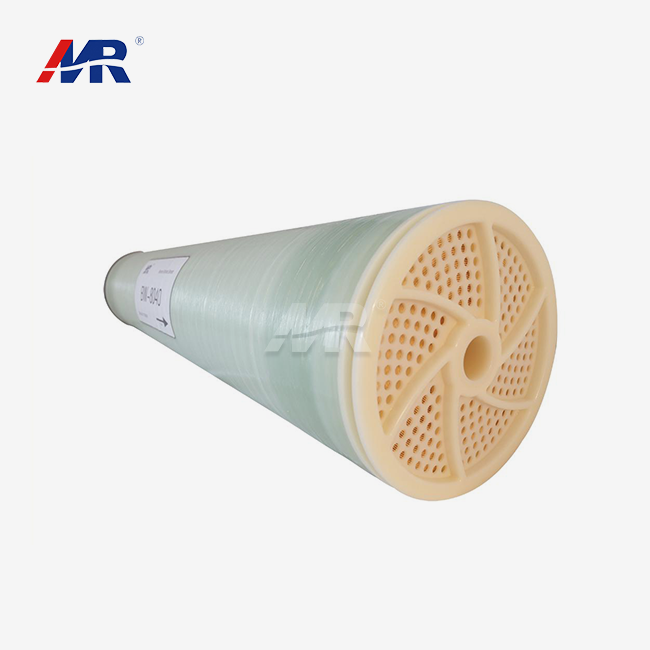
A thin-film composite membrane, a thick polyamide thin-film layer linked to a support fabric, is used in most household and small-facility units. This layer filters out particles as tiny as around 0.0001 microns, small enough to reject sodium chloride, lead ions, and most microorganisms in one pass.
A Multi-Stage Process, Not a Single Filter
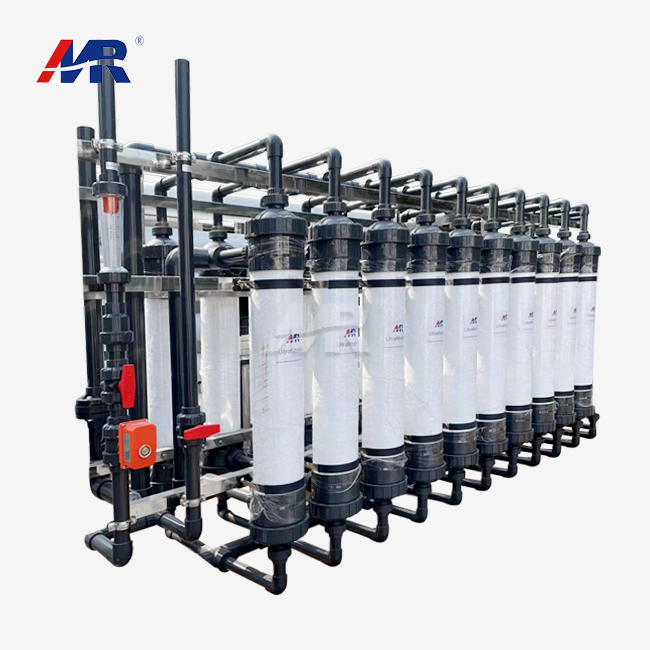
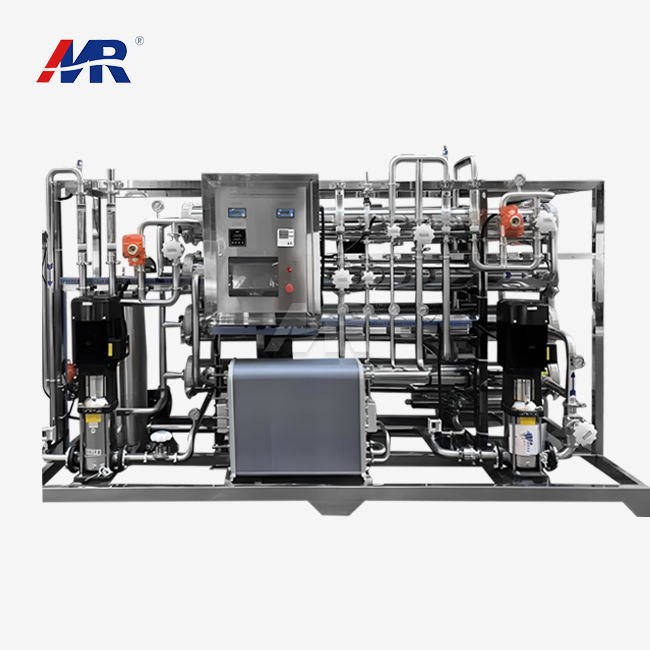
A comprehensive reverse osmosis drinking water system is seldom membrane-only. The first is a pre-filter step that eliminates bigger particles, then a carbon filtration step that draws out chlorine and organic compounds, and finally a reverse osmosis membrane that handles dissolved solids. Most units end with a polishing step after filtering, and some include an additional UV sterilization option for well water and municipalities with questionable treatment.
What Happens to the Rejected Water?
Water that does not pass through the membrane carries the concentrated impurities and leaves as drain water, which is often termed "concentrate" or "reject." This flow is not squandered in a damaging manner; it only removes what the barrier prevented. Think of a coffee filter that keeps grounds out and lets brewed coffee through. Modern designs reduce the drain volume using booster pumps and permeate pumps, bringing the waste ratios of old three- or four-to-one systems closer to the newer systems nearing one-to-one efficiency.
How Does Osmosis Improve Household Water Quality?
Household water quality concerns are seldom a single-pollutant issue. Hardness, chlorine taste, and trace metals tend to be grouped together, and an osmosis drinking water system treats all three through one mechanical process instead of requiring separate treatment for each.
Rejecting Dissolved Solids at the Membrane Level
The Water Quality Association explains reverse osmosis as a process that uses pressurized flow across a semipermeable barrier to extract impurities from water, stating a well-maintained membrane will reject up to 99% of total dissolved solids (WQA, 2025). This single statistic is why an osmosis drinking water system is better than most carbon-only solutions for hardness and salt reduction.
Improving Taste Without Added Chemicals
The removal of chlorine, sulfates, and dissolved minerals removes the metallic or flat taste many homes associate with tap water, without adding softening salts or other additions to the glass.
Reducing Scale Buildup on Fixtures and Appliances
Basic carbon filters don’t take out hard water minerals from the water, so they still end up in kettles, coffee makers, and dishwashers, creating scale deposits that reduce the lifespan of appliances. An osmosis drinking water system placed at the kitchen tap or feeding a full house line minimizes that mineral load before it ever reaches those appliances, reducing descaling maintenance and prolonging equipment lifetime.
Which Contaminants Can Osmosis Drinking Systems Remove?
Buyers investigating an osmosis drinking water system frequently want a direct response regarding what the membrane truly prevents. The list falls into three clear groups.
Heavy Metals and Regulated Inorganics
Reverse osmosis removes harmful substances like lead, arsenic, and mercury. This is of particular relevance for U.S. families, since the EPA’s 2024 Lead and Copper Rule Improvements acknowledge that there is no safe level of lead exposure and mandate that utilities detect and repair lead service lines over the next decade (EPA, 2024). A residential system offers an instant barrier while pipe repair work is still ongoing.
Chemicals and Disinfection Byproducts
The membrane also removes chlorine, fluoride, nitrates, and volatile organic compounds from municipal disinfection or agricultural runoff, solving a safety risk and a taste complaint simultaneously.
Microorganisms and Cysts
Filters out small cysts, germs, and viruses through an osmosis drinking water system. This is especially important for high-risk members of the household: newborns, pregnant women, and those with weaker immune systems.
The feasible range of a suitably sized home unit is as follows:
- Dissolved solids and hardness minerals: A 99% rejection membrane removes calcium, magnesium, and salt compounds that cause scale formation on fixtures and a harsh mineral taste in drinking water.
- Controlled heavy metals: Lead, arsenic, and mercury are reduced at the membrane stage, providing homes with immediate protection independent of municipal pipe replacement timetables.
- Disinfection byproducts and agricultural residue: Rural well water and treated municipal supply problems are solved with chlorine, nitrates, and numerous volatile organic compounds removed in the carbon pre-filtration and membrane separation.
Homeowners' concerns about tap water quality fall into one of these three categories, from safety worries to basic taste preferences, and an osmosis drinking water system can help address these concerns.
Is Osmosis Safer Than Conventional Water Filtration?
Activated carbon adsorbs organic molecules but leaves dissolved salts or metals at the ion level intact. So your conventional carbon pitcher filters and faucet attachments will enhance flavor but leave most dissolved solids unscathed.
Certification Gaps in Basic Filters
Many pitcher and faucet filters are certified to NSF/ANSI 42 for taste and odor only, not the overall pollutant reduction covered by NSF/ANSI 58, the standard particularly established for point-of-use reverse osmosis systems (NSF, 2026). The marketing material on the box is less informative than really knowing what standard a product is certified to.
Cost Per Gallon Over Time
A pitcher filter cartridge costs less initially but must be replaced every 1-2 months with frequent usage, while an ro membrane will last for years between replacements. When a family adds up all the filters they buy in a year, the cost per gallon of a membrane-based system is frequently less, but the upfront cost is more.
Where Osmosis Closes the Ga??
An osmosis drinking water system combines carbon filtration with membrane separation, so it benefits from the taste advantages of a basic filter while adding the dissolved particles and heavy metal reduction that carbon alone is unable to provide.
How Does RO Water Compare With Tap and Bottled Water?
We look at where RO water fits into a home water regimen compared to the two most frequent options.
RO Water Versus Tap Water
Tap water may satisfy everyregulatoryn level and yet contain trace toxins a family would prefer to avoid altogether, especially in older houses with legacy plumbing. An osmosis drinking water system provides one last barrier at the point of consumption, regardless of what occurs upstream in the municipal system.
RO Water Versus Bottled Water
Bottled water is controlled by the FDA under criteria that essentially follow EPA limitations for tap water, and some bottled goods are just municipal water that has been passed through reverse osmosis at a bottling factory before packaging (FDA, 2021). Repetitive costs and waste associated with the same filtering process in plastic containers can be eliminated altogether by an under-sink or whole-home osmosis drinking water system.
The table below compares the three options across the factors that matter most to a household budget and health decision.
| Factor | Tap Water | Bottled Water | Osmosis Drinking Water System |
|---|---|---|---|
| Dissolved solids removal | Depends on municipal treatment only | Varies by brand and source | Up to 99% at the point of use |
| Ongoing cost | Lowest utility rate only | Highest repeated purchase cost | Low per-gallon cost after installation |
| Plastic waste generated | None | High, single-use packaging | None after installation |
| Consistency | Can shift with source water changes | Consistent within a brand, varies across brands | Consistent as long as the membrane is maintained |
Today, global bottled water manufacturing creates almost 25 million tons of plastic trash a year, with more than 97% of containers manufactured from plastic packaging that is generally never recycled (UN University statistics, referenced in Market Research Future, 2026). A home filtering system eliminates that packing phase altogether while providing equal or higher pollutant reduction.
Which Homes Benefit Most From an Osmosis Water System?
Not all homes are subject to the same water quality pressures, so matching the correct buyer profile to the right system is about avoiding both overpaying and underbuying.
Older Homes With Legacy Plumbing
For homes constructed before the lead service line prohibitions, the greatest danger of trace lead exposure is at the tap, and point-of-use filtration offers a viable safety while utility-level pipe replacement proceeds over the next decade.
Homes in Areas With Inconsistent Municipal Treatment
Some of the target markets for this guidance include areas that sometimes experience interruptions in municipal treatment uniformity because of aging infrastructure, seasonal floods, or irregular supplies. For such a family, a reverse osmosis system that treats water at the point of use is well suited since it does not rely on the municipal plant to provide the same quality every single day of the year.
Households on Private Well Water
Municipalities do not treat or test well water at all. Homes that depend on a private well frequently have the biggest swing in hardness, nitrate levels, and bacterial danger. A complete osmosis system treats these aspects in one pass.
Families With Infants or Immune-Sensitive Members
If you have a compromised immune system or are making infant formula, then the microbial and heavy metal reduction you get from an osmosis drinking water system will be of most benefit to you. These individuals are the most at risk from exposure to even trace contamination that a healthy adult can handle with no ill effects.
Case Study: A Residential Compound in Accra, Ghana
A property developer in Accra, operating a 40-unit residential complex, has constructed a shared reverse osmosis system for drinking water with a capacity of around 3,000 GPD. The system was provided and commissioned by Guangdong Morui Environmental Technology, replacing a bottled water supply contract that serviced all the units. Twelve months of billing data indicate the property saved an estimated 62% on water-related expenditures vs. the former bottled water program, while resident complaints about delivery delays fell to nil. Filter and membrane repair is now a regular item in the property management budget and is scheduled on a yearly basis rather than being delivered weekly.
What Factors Affect Osmosis System Filtration Performance?
Filtration performance is not only based on the membrane itself. Failure to address any of these elements during installation is typically the reason for a system not performing to its quoted specification.
Feed Water Pressure and Temperature
Membranes need sufficient feed pressure, usually about 150 to 220 psi for a small commercial machine, and perform best in a temperature range of 40°F to 100°F. Cold feed water reduces the flow of permeate; therefore, if your system is located in an unheated building, you may need to provide a little pressure boost during the winter months.
Water Hardness and Silica Levels
High hardness and silica concentration mean that, over time, there is an increased chance of scale building up on the membrane surface of a BWRO plant, slowly lowering flow, even when the prefilters seem clean. Testing for these two criteria before installation allows a provider to prescribe the proper antiscalant dose or softening phase, preventing a steady deterioration in performance that is commonly misdiagnosed as a malfunctioning device by homeowners.
Pre-Filter Condition
If the sediment or carbon pre-filter is blocked, it starves the membrane of flow, allowing the chlorine to reach the membrane surface. This will destroy a normal polyamide membrane over time. Scheduled changes of the pre-filter safeguard the significantly more costly membrane part beneath them.
Source Water Composition
High-iron or hard minerals in well water need extra preparation before reaching the membrane, whereas regular city water may simply need basic sediment and carbon stages before the RO element.
How Do You Choose the Right Osmosis System for Home?
Matching your home and its water consumption to a system’s rated flow is the right place to start—not just grabbing the priciest model on the shelf.
Sizing by Household Demand
A single tap for a small home in a kitchen requires significantly less capacity than a shared system for a multi-unit residential development or a small company. Order knowing daily gallons per day demand so you don’t end up with an undersized unit that cannot keep up and a bigger one that wastes cash.
Comparing Warranty and After-Sales Support
The warranty duration is a gauge of how confident a manufacturer is in their own membrane and pump components. After-sales support is the speed at which a homeowner or property manager may receive assistance when a filter requires changing. If you are considering a BWRO plant for a multi-unit property, check explicitly for the availability of parts locally, not only the manufacturer's service network back in the home country.
Checking Certification and Specifications
Before you look at the pricing of any osmosis drinking water system, be sure it is NSF/ANSI 58 certified, has a stated rejection rate, and has a defined operating pressure range. Here’s a table of the essential specs customers should check on any tiny commercial-grade equipment they’re contemplating.
| Specification | Value |
|---|---|
| Flow rate | Up to 40,000 GPD |
| Rejection rate | 99% of total dissolved solids |
| Operating pressure | 150–220 PSI |
| Temperature range | 40°F to 100°F (4°C to 38°C) |
| Dimensions | 18" x 14" x 24" (L x W x H) |
| Power supply | 220V/380V, 50/60Hz |
Guangdong Morui's Manufacturing Support
Guangdong Morui Environmental Technology Co., Ltd. has its own membrane manufacturing facility and various equipment processing factories, with more than 14 branches, 500 people, and 20 engineers. We are also an authorized agent for Shimge Water Pumps, Runxin Valves, and Createc Instruments, giving buyers a single point of accountability for pumps, valves, and instrumentation instead of ill-fitting parts from different vendors across residential, commercial, healthcare, and food and beverage applications.
What Maintenance Does a Home Osmosis System Require?
Maintenance costs are small compared to the alternative of handling bottled water logistics, but if you ignore the maintenance, you’ll dramatically decrease the life of the membrane.
Routine Filter Changes
In an RO water purification system, the pre-filters and post-filters usually need to be changed every 6-12 months, depending on the feed water quality and amount of home use.
Membrane Replacement Schedule
Under normal circumstances, the RO membrane itself typically lasts 2 to 3 years, but inadequate pretreatment or large sediment loading may decrease that window and boost long-term running expenses.
Keeping a Simple Maintenance Log
It takes a few minutes each time to write down the install date, filter change dates, and any pressure or flow observations, but it saves a lot of guesswork later. A brief maintenance diary also allows a technician to more quickly identify an issue on a return visit, since he can compare present measurements to a documented baseline, rather than beginning from zero.
How Can You Verify RO Water Quality After Installation?
Installation is not the end game. Confirming performance after installation preserves your investment and discovers a failing membrane early.
Using a TDS Meter for Quick Checks
A simple portable TDS meter operated before and after the osmosis drinking water system delivers an instant read on rejection performance. A properly operating machine should have product water TDS much under 10% of the feed water value.
Scheduling Independent Water Testing
The system is tested annually in our lab for lead, nitrates, and germs to verify that it is functioning to certification. For homes on well water, the supply might vary from season to season.
What to Do If Performance Drops??
If the flow drops suddenly or the TDS value climbs, it almost always means that the pre-filter needs changing, the membrane is clogged, or there is a pressure issue upstream. The pre-filter is the cheapest and quickest component to examine; therefore, inspecting it first answers most performance concerns before a professional has to be called. If TDS measurements continue to be high after a new pre-filter, then the membrane probably has to be replaced, not another series of filter replacements.
Conclusion
An osmosis drinking water system bridges the gap between water that officially falls within legal limitations and water that a family genuinely desires to drink day in and day out. The preceding scenario in the Accra complex illustrates how rapidly the cost and convenience math may change when the bottled water supply is replaced with a properly sized, maintained system. That initial installation may develop into years of steady, safer water if you check certification, size it to actual home use, and keep on a maintenance plan.
FAQ
1. Is an osmosis drinking water system safe for daily long-term use?
Yes. A properly maintained system, with filters and membranes replaced on schedule, provides consistent contaminant reduction for years of daily household use.
2. Does osmosis filtration remove beneficial minerals along with contaminants?
Yes, reverse osmosis reduces both harmful and beneficial dissolved minerals. Households concerned about mineral content can add a remineralisation stage after the membrane if desired.
3. How much water does an osmosis drinking water system waste during filtration?
Waste ratios vary by design, with efficient modern units producing closer to one to two gallons of concentrate for every gallon of purified water, well below older designs that waste three to four gallons per gallon produced.
4. Can a home osmosis system handle well water with high iron content?
Yes, but high-iron well water usually needs additional pretreatment ahead of the membrane to prevent fouling, so a feed water test before installation matters more for well water than for municipal supply.
5. How often should an osmosis drinking water system be serviced?
Most systems should have pre-filters and post-filters replaced every 6 to 12 months, while the RO membrane typically lasts 2 to 3 years. Actual intervals depend on feed water quality, usage, pressure, and maintenance practices.
Ready to Size a System for Your Household or Property?
Bottled water delivery costs add up quietly, and an undersized filtration unit creates its own frustration once daily demand outgrows the system. Guangdong Morui Environmental Technology is a trusted osmosis drinking water system supplier and manufacturer serving households, developers, and small businesses across Asia, South America, and Africa. Send your household size or property unit count to benson@guangdongmorui.com, and our engineers will recommend the right configuration.
References
1. NSF, "NSF/ANSI 58: Reverse Osmosis Drinking Water Treatment Systems," 2026. Cited for certification requirements distinguishing RO systems from basic taste-and-odor filters. https://www.nsf.org/knowledge-library/nsf-ansi-58-reverse-osmosis-drinking-water-treatment-systems
2. U.S. Environmental Protection Agency, "Lead and Copper Rule Improvements," 2024. Cited for lead exposure risk and the ongoing pipe replacement timeline. https://www.epa.gov/ground-water-and-drinking-water/lead-and-copper-rule-improvements
3. U.S. Environmental Protection Agency, "Overview of Drinking Water Treatment Technologies," 2026. Cited for reverse osmosis membrane separation mechanics. https://www.epa.gov/sdwa/overview-drinking-water-treatment-technologies
4. Water Quality Association, "Reverse Osmosis (RO) Fact Sheet," 2025. Cited for rejection rate performance and how RO separates contaminants. https://wqa.org/resources/reverse-osmosis-ro/
5. U.S. Food and Drug Administration, "Bottled Water Everywhere: Keeping it Safe," consumer update. Cited for how bottled water treatment standards compare with tap water. https://www.fda.gov/consumers/consumer-updates/bottled-water-everywhere-keeping-it-safe
6. Market Research Future, "Bottled Water Market (2025-2035)," citing United Nations University data, 2026. Cited for global plastic waste generated by bottled water packaging. https://www.marketresearchfuture.com/reports/bottled-water-market-2252