

_1745823981883.webp)

Wastewater Treatment Plant Units for Food and Beverage Plants
Operating a food or beverage facility means managing complex production processes that generate significant wastewater contaminated with organic matter, fats, oils, greases, and suspended solids. Wastewater treatment plant units designed specifically for this industry remove these contaminants efficiently, ensuring your facility meets stringent environmental discharge standards while protecting your bottom line. These integrated systems combine preliminary screening, biological processing, membrane filtration, and disinfection to transform high-strength effluent into compliant discharge or reusable water. At Morui, we've witnessed how the right treatment infrastructure transforms compliance headaches into competitive advantages across breweries, dairy plants, juice processors, and commercial bakeries throughout the United States.
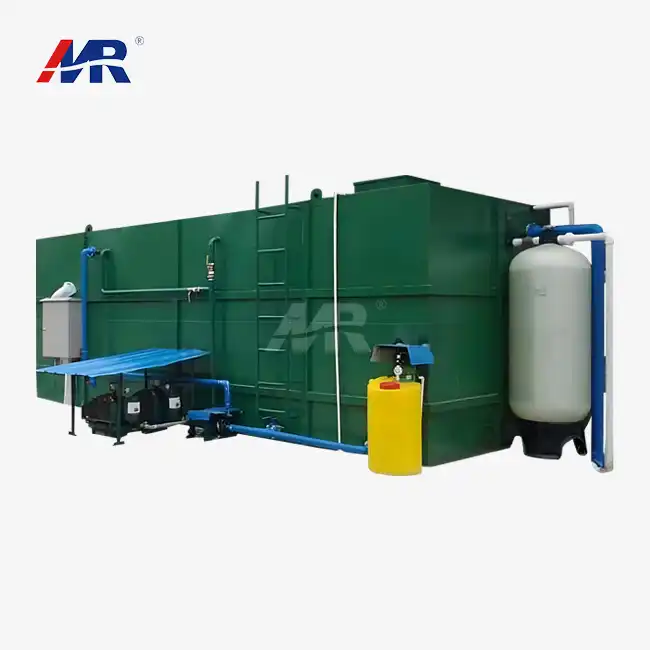
Understanding Wastewater Treatment Plant Units in Food and Beverage Plants
The wastewater streams that come from food and beverage facilities are very different from the sewage streams that come from cities. The wastewater from your production process has high levels of biochemical oxygen demand (BOD), chemical oxygen demand (COD), total dissolved solids, and changing pH levels that make it hard to clean with normal methods.
How Treatment Units Address Industry-Specific Challenges
The wastewater from your business has complicated organic molecules made up of sugars, starches, proteins, and chemicals used in the processes. Standard municipal systems aren't able to handle these heavy loads well. Specifically designed treatment units use multiple steps to gradually lower the amount of contaminants to safe levels.
Large solids like packing materials, product trash, and debris are removed during preliminary screening. This keeps equipment from getting damaged further down the line. Fats, oils, and greases (FOG) are the goal of dissolved air flotation (DAF) systems. These systems float FOG to the surface so they can be removed before they clog lines or stop biological treatment from working. This separation up front saves later steps of treatment and makes the whole system work much more efficiently.
Biological Treatment Technologies Explained
Food and drink pollution management relies largely on biological cleansing. Activated sludge grows microbes. These microorganisms digest dissolved organic pollutants into CO2, water, and biomass. These devices may remove over 95% of BOD when properly maintained.
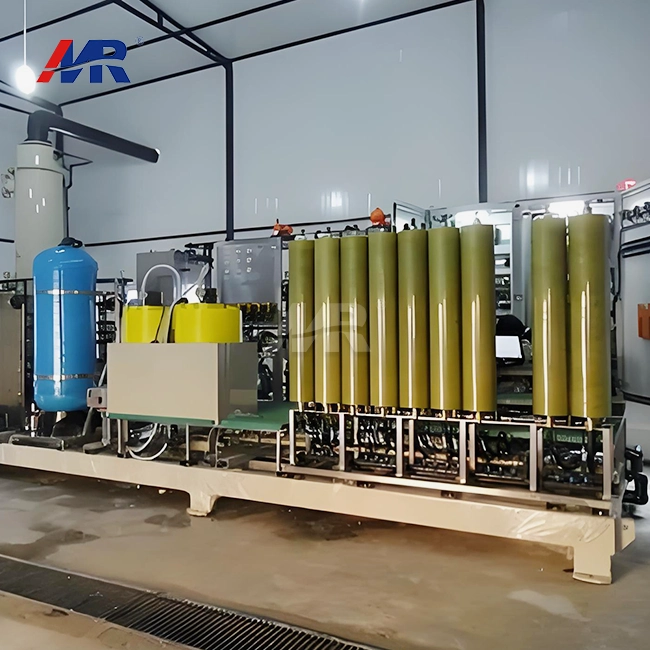
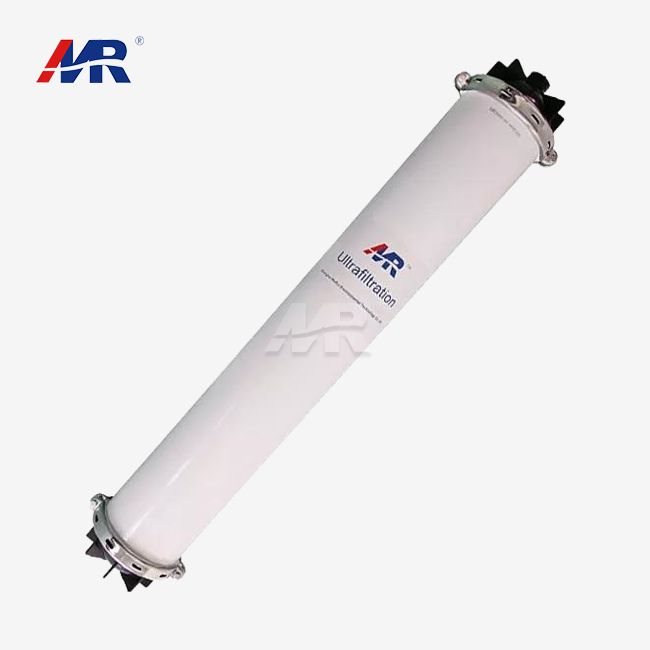
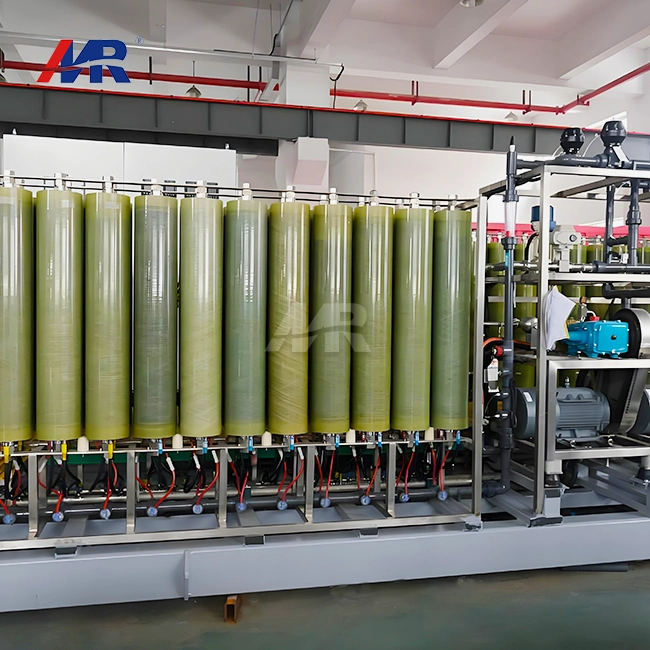
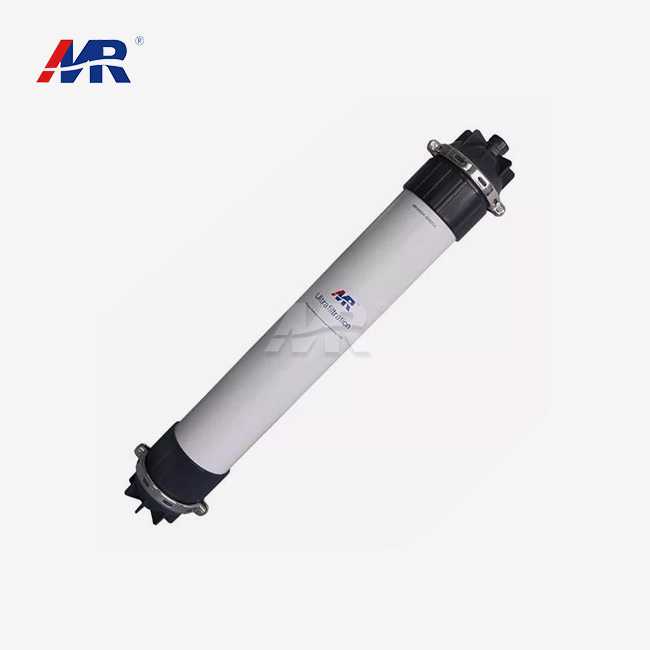
Small membrane bioreactors (MBRs) filter biological materials using ultrafiltration membranes. The membrane barrier preserves biomass and produces clear, germ-free effluent. Batch processing operations like craft beer and seasonal food manufacturing sometimes modify the influent, yet Morui's MBR systems perform consistently.
Strong waste streams from dairy, meat, and beverage production benefit from anaerobic treatment. Anaerobic digesters decompose organic materials. This produces methane-rich biogas for building energy recovery. Treating garbage and creating renewable energy reduce treatment costs and carbon impact.
Environmental and Regulatory Benefits
When treatment systems are properly built, environmental compliance goes from being a problem to a strategic advantage. EPA and state disposal rules set tight limits on BOD, COD, total nitrogen, total phosphorus, and pH. If these limits are not met, fines get bigger, facilities may have to close, and businesses can lose relationships with others.
The quality of the effluent from modern treatment units is always well below what is required by law. At Morui, our systems regularly send out treated water with BOD levels below 10 mg/L and TSS levels below 5 mg/L. These levels of performance meet even the strictest release permits. In addition to avoiding fines, better treatment quality allows water to be used again in non-product contact applications such as cooling towers, equipment washing, and landscape irrigation, which directly cuts down on the amount of water that cities have to buy.
Key Factors for Selecting the Right Wastewater Treatment Unit
To pick the right treatment technology for wastewater treatment plant units, you need to look at the types of trash your facility produces, the room you have, your operational skills, and your long-term business goals. In the complex food and drink industry, one-size-fits-all methods rarely work best.
Design Considerations for Variable Waste Streams
Food and drink businesses don't usually have steady sewer flows. Peaks and dips in both volume and pollutant amounts are caused by production plans. Your treatment system needs to be able to handle these changes without losing any of its effectiveness.
Equalization tanks keep the flow and load from changing too much, so the input to processes further down the line is stable. This easy addition stops shock loading, which can mess up biological treatment and lead to permit violations. Making sure that the equalization capacity is right for your production schedule—taking into account daily peaks, weekly trends, and yearly changes—ensures that the treatment works the same way all year.
Technology Comparison: MBR vs. Activated Sludge
You must consider many performance variables while choosing between membrane bioreactors and activated sludge systems. Municipal facilities or plants that wish to develop but don't have enough acreage may use MBR technology to generate cleaner effluent in a smaller area. Thus, the membrane barrier entirely prevents suspended particles and microorganisms, making wastewater safe for reuse.
Conventional activated sludge systems need less capital and are simpler to manage for bigger plants with plenty of acreage and experienced operations personnel. These systems handle more varied inputs and recover more quickly from issues. Less training and quicker hiring are other benefits of more operators knowing activated sludge technology.
Morui's engineering team considers your footprint, infrastructure, workforce demands, and expansion objectives while assessing these trade-offs. We've successfully employed both technologies with food and drink customers, tailoring each solution to the company rather than forcing facilities to suit.
Aerobic vs. Anaerobic Treatment Selection
The main things that determine whether aerobic or anaerobic biological treatment is best are the strength and energy of the trash. Aerobic systems are great at cleaning moderate-strength wastewater (BOD 500–2000 mg/L), which is common in businesses that bottle drinks, process vegetables, and bake goods. The simple process control makes these systems work consistently.
For high-strength waste (BOD >2000 mg/L), like that from dairy processing, meat production, and fermentation, anaerobic treatment makes economic sense. The energy value of biogas captured covers the costs of running the treatment plant, and in some Cases, it even makes more energy than it uses. Anaerobic treatment produces less biological sludge than aerobic processes, which lowers the cost of removal, which is a high cost for many sites.
Maintenance and Operational Requirements
Maintenance techniques have a big impact on how long a treatment system lasts and how well it works. To keep flow rates steady and stop fouling, membrane systems need to be cleaned on a frequent basis. Our systems have automated clean-in-place cycles that reduce the need for manual work. However, chemical cleanings may still be needed from time to time, depending on the operating conditions.
Biological systems need to keep an eye on things like pH, dissolved oxygen, nutrient levels, and biomass concentrations all the time. Modern supervisory control and data acquisition (SCADA) systems do a lot of this tracking automatically and let workers know when something needs their attention before it gets worse. The automation we build into Morui systems cuts down on the need for workers while improving the consistency of care. This helps centers that are having trouble finding skilled operators.
Procurement Guide: How to Choose and Buy Wastewater Treatment Plant Units
Buying infrastructure for treating wastewater is a big investment that needs to be carefully thought out in terms of technical needs, provider capabilities, and the total cost of ownership over the system's operating lifetime.
Defining Your Treatment Requirements
Start by giving your trash a full description. Lab tests should measure BOD, COD, TSS, TDS, pH, temperature, fats, oils, grease, and other contaminants that are important to your processes. Document the pattern of document flow, including average daily flow, peak hourly rates, and changes that happen with the seasons. This standard data is used to choose the right technology and system size.
The minimum effluent quality is written in your release permit or pretreatment agreement. If you understand these requirements and leave enough room for error, you won't have any problems in the future when rules change or production increases. We suggest planning for 20–30% more capacity than what is needed now. This way, you can accommodate business growth without having to expand the system right away.
Packaged vs. Custom-Built Units
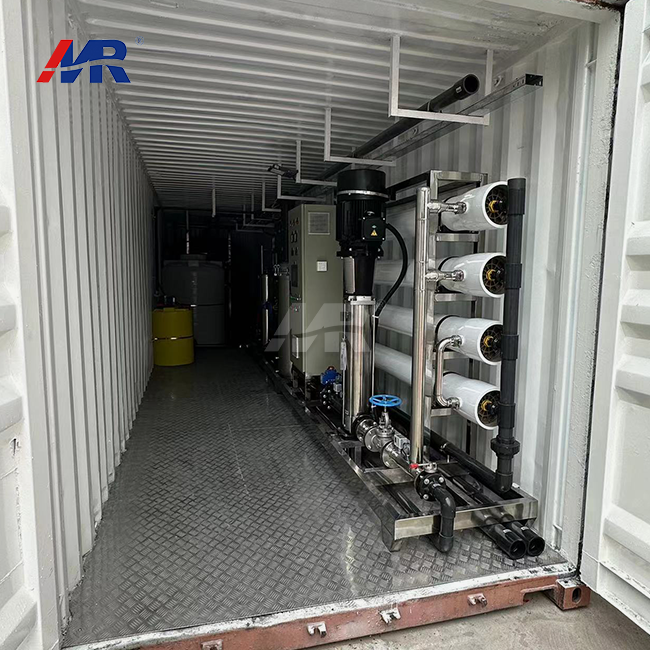
Packaged treatment units come as fully assembled systems that only need to be hooked up to utilities, and the site barely needs to be prepared. These containerized or skid-mounted solutions make installation much faster and easier, so you can start using your treatment capacity in weeks instead of months. When flow rates are less than 100 m³/day or when facilities need to be set up quickly, packaged units work very well.
Custom-engineered systems work best in bigger buildings, with more complicated waste streams, or in places with limited room. Custom designs work perfectly with the infrastructure that is already in place and can meet specific process needs that boxed units can't. The longer time frame for engineering and construction means that you get a system that is perfectly suited to your needs.
Our modular design theory at Morui is a mix of these two ways of thinking for wastewater treatment plant units. Our treatment units use standard, pre-engineered parts that are set up to fit your needs. This combines the ease of use of packaged systems with the performance improvement of custom designs.
Evaluating Suppliers and Cost Factors
Buying a treatment system goes beyond buying equipment. The total cost of ownership comprises installation, commissioning, operator training, maintenance, consumables, energy usage, and machine shutdown. Reliable suppliers provide unambiguous lifecycle cost estimates based on acceptable assumptions.
Capital expenditures for food and drink purification systems range from $500 to $2,500 per m³/day of capacity. Technology, waste type, and site circumstances determine these expenses. Operating expenses, including electricity, chemicals, labour, and sludge removal, range from $0.50 to $2.00 per m³ processed. A detailed project study is necessary since these statistics vary greatly.
Packaged systems take 12–24 weeks and bespoke setups 6–12 months, including design, manufacturing, delivery, and start-up. Supply chain issues that prevent tool availability may affect these dates. Early supplier contact aids project planning and prevents production interruptions.
Case Studies: Successful Implementation of Wastewater Treatment Units in Food & Beverage Plants
Regional Dairy Processor Achieves Compliance and Cost Savings
The city's wastewater authority charged a Midwest medium-sized dairy processing facility more and more because BOD and FOG levels were over the cleaning limits. The extra production from growing their business overwhelmed their basic treatment infrastructure.
Our full system employs dissolved air flotation to remove FOG and an anaerobic digester to minimise BOD. After implementation, BOD and FOG discharge surcharges dropped 94% and 97%, respectively, from $15,000 a month. The facility saves $8,000 a month by using 30% biogas instead of natural gas. Within 28 months, the system paid for itself and prepared the facility for output expansion.
Craft Beverage Manufacturer Implements Compact MBR Solution
The developing California brewery required treatment of 50 m³/day of effluent, but its production facility was limited in space. Traditional activated sludge systems required large areas that the facility couldn't manage without halting manufacturing.
Our 200-square-meter membrane bioreactor system produced sewage suitable for delicate waterways. Three years of a 40% revenue increase resulted from the modest design's manufacturing tool space. Automation reduced the demand for labour, helping the center recruit talented people in a tight employment market. Despite high power prices in California, the average energy use was 0.4 kWh/m³, resulting in cheap operational expenses.
Future Trends and Innovations in Wastewater Treatment Units for Food and Beverage Plants
Smart Monitoring and Predictive Maintenance
Internet of Things (IoT) monitors and cloud-connected tools now let anyone see how well a treatment system is working in real time. These smart systems keep an eye on a huge number of operational parameters and find small patterns that show up before equipment breaks down or processes get messed up. Predictive analytics suggests maintenance actions that should be taken before they break down. This keeps you from having to pay for expensive repairs and unplanned downtime.
Machine learning algorithms automatically improve treatment processes by changing aeration rates, chemical doses, and hydraulic holding times based on changes in the influent. This ongoing optimization cuts energy use by 15–25% compared to fixed operational setpoints and improves the consistency of the effluent.
Water Reuse and Resource Recovery
More and more, modern facilities see wastewater as a resource instead of waste. With today's advanced treatment technologies, water can be made clean enough to feed boilers, fill up cooling towers, or even be put back into some process applications after being properly tested. This circular method cuts down on both freshwater use and wastewater release at the same time, which saves money and helps reach sustainability goals.
Another new opportunity is the recovery of nutrients from treatment processes. Instead of being thrown away as trash sludge, the phosphorus and nitrogen that are taken during treatment can be used to make fertilizer for farms. These ways of recovering resources are in line with the circular economy ideas that are becoming more popular in the food and drink industry.
Regulatory Evolution and Technology Adaptation
As people around the world become more aware of the need to protect ecosystems and water resources, environmental laws continue to get stricter. Facilities that are planning to build treatment infrastructure today should be ready for stricter discharge limits, more frequent monitoring of parameters, and possible water reuse rules within the system's typical 15 to 20-year lifespan.
Modular, flexible treatment plans can adapt to changes in regulations without having to update the whole system. Because Morui systems are built on a flexible design, we can add more treatment trains or improve certain unit operations as needed to increase capacity or speed up the process.
Conclusion
Wastewater treatment plant units designed for use in food and drink are important pieces of infrastructure that protect the environment, keep costs low, and allow for long-term growth. Because food processing wastewater is so different from other wastewater, it needs to be treated in ways that regular systems can't do. Instead of just comparing prices, choosing a technology takes a thorough look at the type of trash, the site's conditions, the technology's operational skills, and the total cost of ownership over its entire life. Modern treatment methods that use biological processes, membrane filtration, automation, and resource recovery work so well that they turn managing wastewater from a problem to an advantage in the business world. Our Team at Guangdong Morui Environmental Technology has a lot of experience with a wide range of food and drink uses. We can make solutions for your facility that are the perfect mix of technical performance, economic value, and ease of use.
FAQ
1. What is the typical lifespan of a wastewater treatment system?
Treatment systems that are well taken care of usually last between 15 and 25 years before they need major repairs. Mechanical parts like pumps and fans need to be replaced every 8 to 12 years. Tanks and structural parts, on the other hand, usually last 30 years or more. Depending on how they are used, membrane modules in MBR systems usually need to be replaced every 7 to 10 years. Regular preventive repair makes tools last a lot longer and keeps treatment working well for as long as the system is in use.
2. How do we determine which treatment technology suits our plant?
The type of technology you choose will depend on the characteristics of your wastewater (such as BOD/COD levels, FOG content, and flow patterns), the space you have available, the amount of wastewater you need to discharge, your operational capabilities, and your budget. Anaerobic treatment with energy recovery is often helpful for high-strength waste with a BOD level above 2000 mg/L. Facilities with limited space usually choose small MBR systems. Facilities with skilled workers and free land may choose conventional activated sludge systems because they cost less to install. Professional evaluation by experienced engineers makes sure that the right technologies are matched.
3. Are financing options available to reduce upfront capital requirements?
A lot of suppliers and specialty lenders offer ways to finance or lease tools, as well as performance-based contracts that let you pay over time instead of all at once. Some programs base payments on how much money they show they saved by lowering release fees or water use. By looking into these other options, modern treatment technology can be used by places that don't have a lot of money, and it will still help the environment and the business right away.
Partner with Morui for Your Food & Beverage Wastewater Solutions
Guangdong Morui Environmental Technology Co., Ltd. specializes in selling complete wastewater treatment plant units that are designed to meet the strict needs of food and beverage production. Cutting-edge membrane technology and tried-and-true biological processes work together in our systems to get rid of up to 99% of BOD and 95% of COD while using only 0.3 to 0.5 kWh/m³. Our solutions are perfectly tailored to your facility's current needs and planned future growth, with treatment capacities ranging from 1 to 100 m³/day and modular designs that allow for smooth expansion. Our team of over 20 experienced engineers and 500 dedicated professionals spread across 14 branches offers full support from the initial assessment to commissioning and ongoing Technical support. Email our wastewater treatment plant units supplier team at benson@guangdongmorui.com right now to talk about your specific problems and get a unique proposal that will turn your wastewater management into a strategic business advantage.
References
1. Tchobanoglous, G., Stensel, H.D., Tsuchihashi, R., and Burton, F. (2014). Wastewater Engineering: Treatment and Resource Recovery (5th ed.). McGraw-Hill Education.
2. United States Environmental Protection Agency. (2021). Industrial Wastewater Treatment Technology Database for the Food and Beverage Sector. Office of Water.
3. Cassano, A., Drioli, E., Galaverna, G., Marchelli, R., Di Silvestro, G., and Cagnasso, P. (2003). "Clarification and Concentration of Citrus and Carrot Juices by Integrated Membrane Processes." Journal of Food Engineering, 57(2), 153-163.
4. Ranade, V.V. and Bhandari, V.M. (2014). Industrial Wastewater Treatment, Recycling and Reuse. Butterworth-Heinemann.
5. Water Environment Federation. (2019). Design of Municipal Wastewater Treatment Plants: WEF Manual of Practice No. 8 (6th ed.). McGraw-Hill Education.
6. Metcalf & Eddy, Inc., Asano, T., Burton, F.L., Leverenz, H., Tsuchihashi, R., and Tchobanoglous, G. (2007). Water Reuse: Issues, Technologies, and Applications. McGraw-Hill Education.
 VIEW MOREindustrial reverse osmosis membrane
 VIEW MOREseawater desalination machine
 VIEW MOREcontainerized ro system
 VIEW MOREDTRO Water Treatment
 VIEW MOREultrafiltration membranes for water treatment
 VIEW MOREDTRO Technology
 VIEW MOREultra filter membrane
 VIEW MOREreverse osmosis water purification plant
