_1745823981883.webp)

How Modular Water Treatment Plants Solve Seasonal Capacity Gaps
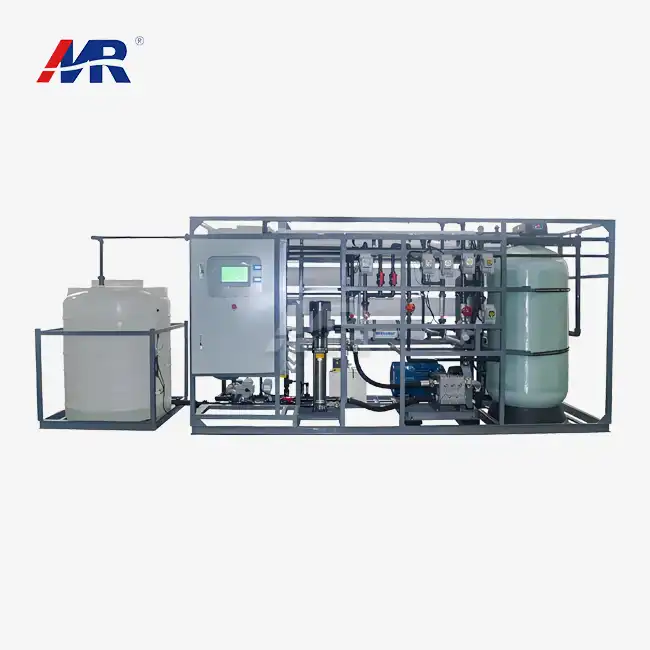
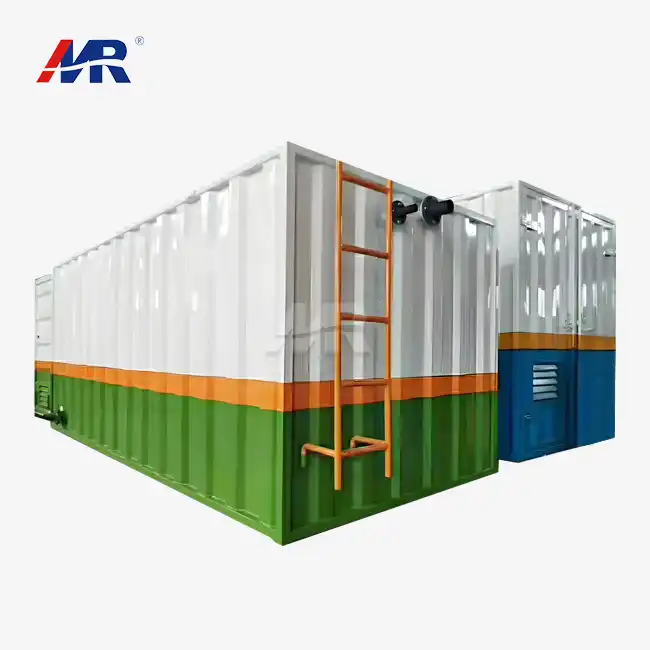
When water demand surges during peak manufacturing seasons or dry periods strain your treatment infrastructure, a modular water treatment plant delivers immediate relief without requiring massive capital investment. These scalable systems expand or contract based on real-time needs, eliminating the capacity constraints that plague traditional fixed installations. Unlike conventional plants requiring years to plan and construct, modular solutions deploy in weeks, featuring pre-fabricated units that integrate seamlessly with existing operations while maintaining compliance with stringent water quality standards across pharmaceutical, food processing, electronics manufacturing, and municipal applications.
Understanding Seasonal Capacity Gaps in Water Treatment
Every year, water treatment plants have to deal with changes in their capabilities that are both expected and difficult. We've seen these trends over and over again in many different industries: beverage companies increase production before summer, farms need more irrigation water during growing seasons, and coastal cities serve three times as many tourists during holiday months.
What Causes Seasonal Water Treatment Bottlenecks
The fixed capacity levels of traditional treatment infrastructure are set to meet average demand. When seasonal highs happen, these rigid systems have a hard time handling the extra volume. A semiconductor plant that is working at 150% of its normal capacity during busy times can't just use a set reverse osmosis machine to make more ultrapure water. The bottleneck slows down production, lowers quality, and misses out on market possibilities.
Financial and Operational Consequences of Inadequate Capacity
Underestimating seasonal capacity needs has high costs that go beyond the disruptions to operations that happen right away. Service interruptions hurt relationships with customers and the brand's reputation. This is especially true when drug companies don't keep GMP-compliant purified water on hand or when city water plants can't provide safe drinking water when demand rises in the summer. Running equipment beyond its design parameters raises operational costs, speeds up wear, uses more energy, and starts maintenance cycles before they should. Regulatory compliance problems make these problems even worse when treatment quality drops because of too much demand, which could lead to expensive violations and the need to fix things.
How Modular Water Treatment Plants Address Seasonal Capacity Challenges
From working with many different types of businesses, we know that having movable treatment capacity can mean the difference between being able to keep running smoothly and having to deal with seasonal crises. When facilities plan their capacity, modular treatment systems completely change the way they do it.
Scalability Through Intelligent Modular Design
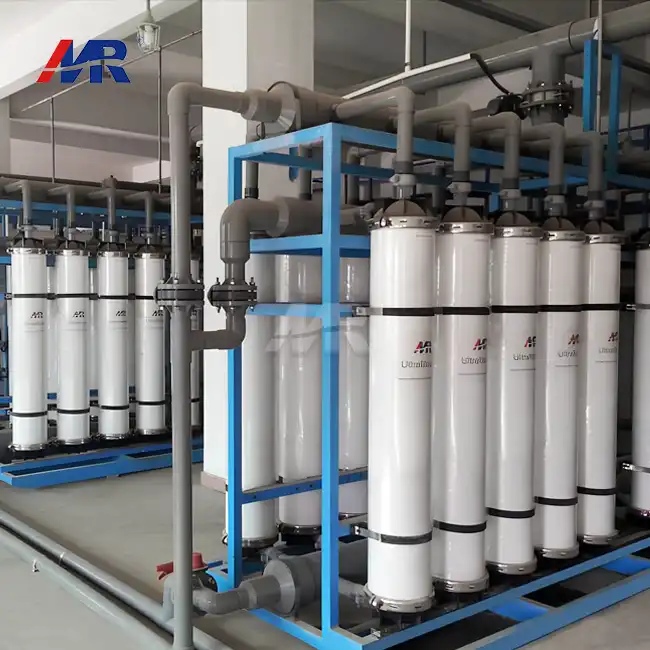
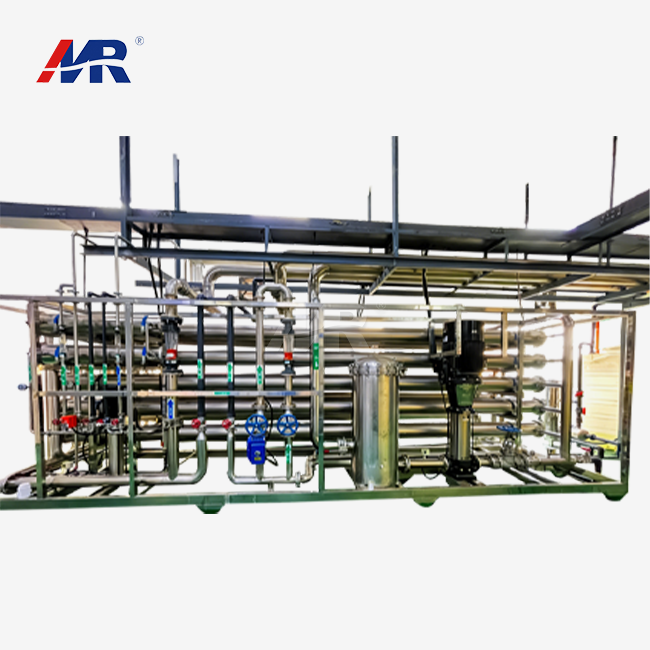
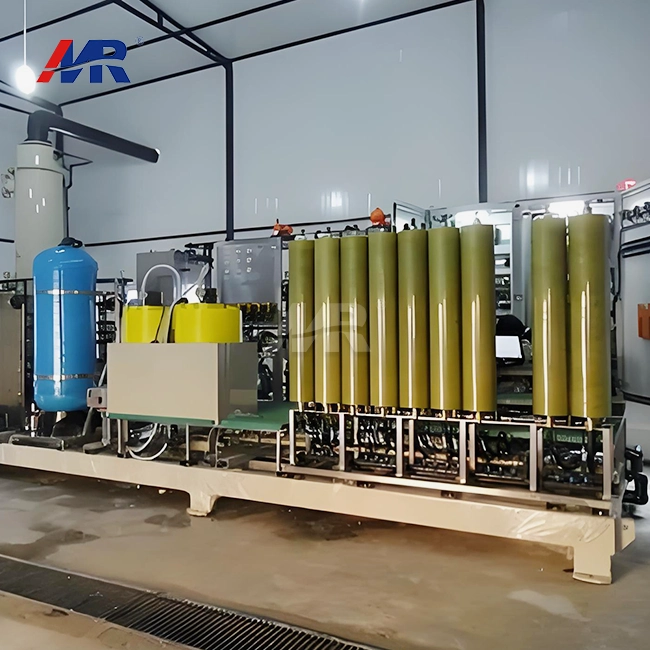
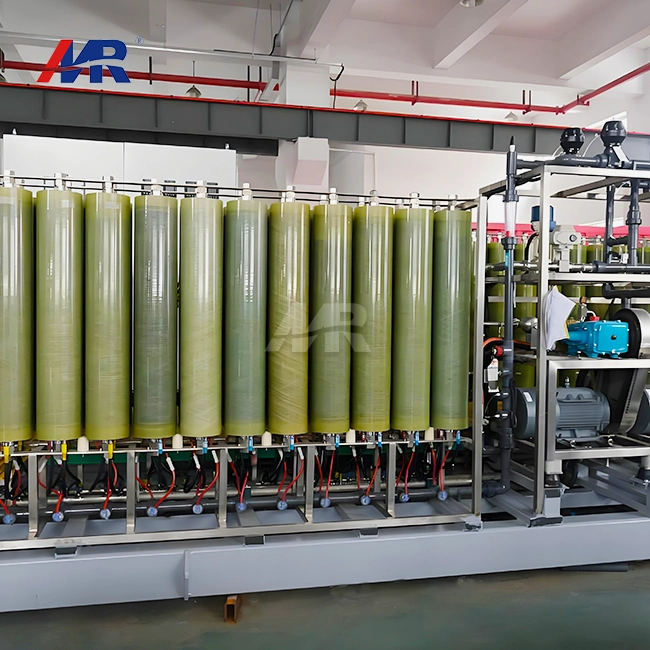
Modular water treatment systems are made up of standard, pre-engineered pieces that can work together or on their own to meet different cleaning needs. Each module can handle a certain amount of water per day, usually between 50 and 10,000 m³. This means that facilities can add units during busy times and lower their operations during slower times. This plug-and-play design takes the guessing out of planning for capacity. A food processing business that bottles water can run three modules all year and then add two more units during the summer output cycles without changing the core infrastructure.
Materials that don't rust, like SS316L and reinforced FRP, and can handle many rounds of connecting and disconnecting are what make this freedom possible. Advanced PLC/SCADA systems coordinate operations across multiple modules, so treatment parameters stay the same no matter how many units are running. Because of this automated control feature, technical teams don't need to go through special training every time they need to change the capacity.
Rapid Deployment and Integration Capabilities
When peak demand is coming up, speed is important for a modular water treatment plant. Usually, it takes 18 to 36 months from planning to starting for a treatment plant to grow. Modular alternatives can be set up in three to eight weeks, turning sudden gaps in capacity into doable operating changes. We've seen pharmaceutical companies add extra ultrafiltration units in between their three-month production runs. This way, they can keep the GMP-compliant water supply going even during peak demand times.
Because modular systems use standard connection protocols, they are easy to connect to existing infrastructure. The units come with electrical interfaces, control system protocols, and inlet/outlet specs that are already set up to meet common industry standards. Modular reverse osmosis and ultrafiltration units can be added to a municipal water treatment plant that is upgrading its drinking water purification processes without taking apart the preliminary treatment stages that are already in place. Screening and sedimentation systems that are already in place send water to the new modules to be pre-treated. The modules then deliver the finished water to existing distribution networks.
Comparing Modular Water Treatment Plants with Traditional and Alternative Systems
Understanding the differences in performance between various treatment methods helps buying teams make smart choices that are in line with business needs and budget limitations.
Performance Differences from Fixed Infrastructure
Fixed treatment plants offer economies of scale when their capacity stays the same, but they don't have the flexibility needed when demand changes. When comparing costs over the course of a system's life, modular systems show advantages in situations where costs change with the seasons. Think about a petrochemical plant that treats oilfield reinjection water at 60% of its full capacity for eight months of the year and then goes up to full capacity during peak extraction times. A set plant that is big enough for high demand is mostly empty for most of the year, which wastes money and resources. By changing their active capacity to match actual demand, modular alternatives work at their most efficient all year long.
Installation dates show another important difference. Fixed infrastructure projects have a lot of site preparation, special engineering, and building stages that happen in order. Modular units come in containers with all of their parts already fixed and tested, so all that needs to be done is to prepare the base and connect the utilities. This 80–90% cut in construction time on-site directly leads to faster ROI and lower project risk.
Advantages Over Containerized and Mobile Units
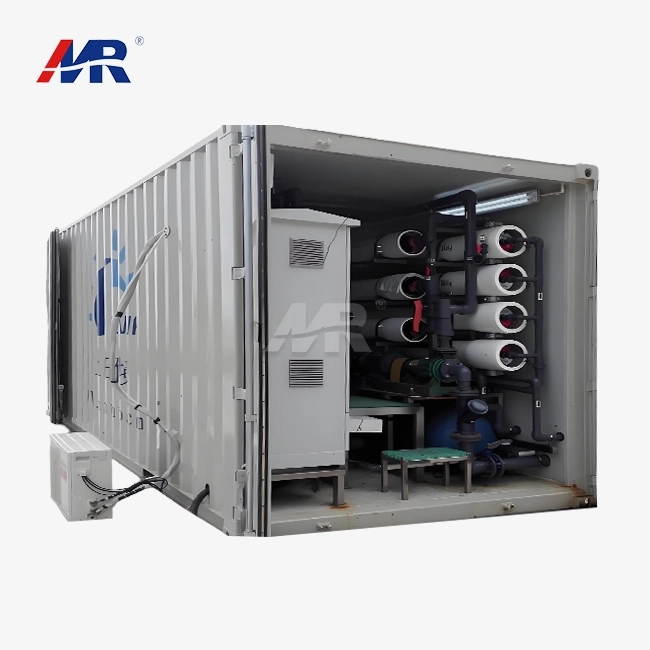
Although containerized treatment units are portable, they usually don't allow for as much customization and have less treatment capacity per footprint than modular systems that were built specifically for that purpose. Mobile units work well for short-term tasks, but they have trouble maintaining the speed and scalability needed for seasonal capacity problems that happen over and over again.
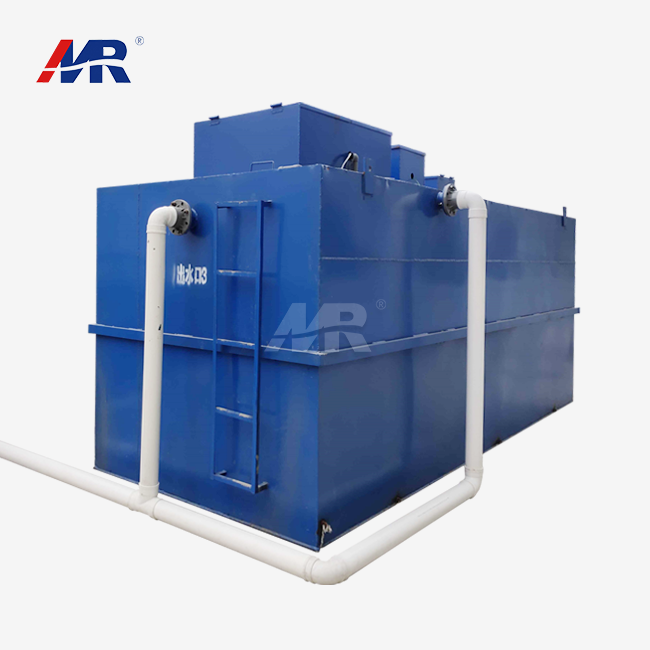
Modular treatment plants are a special kind of middle ground because they can be moved around in containers but also have the depth and capacity ranges that are usually only available with permanent installations. The BOD, COD, and TSS removal rates in our systems are 99%, and they only use 0.3 to 0.5 kWh/m³ of energy, which is the same or better than what conventional plants can do. The small footprint takes up 40–60% less space than fixed infrastructure of the same type, which helps with space issues that often happen in industrial areas of cities and on established manufacturing campuses.
Selecting the Right Modular Water Treatment Plant for Seasonal Needs
If you match the specifications of the modular water treatment plant system to the needs of the business, your investment will give you the success and financial benefits you expect. This selection method is based on a number of important factors.
Capacity Analysis and Customization Options
First, figure out how much seasonal demand changes over a period of years. Find the daily minimum, average, and peak flow rates. Then, find out how long and how often high demand times happen. For example, a hospital that needs medical-grade purified water for dialysis has pretty stable capacity all year, but a farm watering system that treats brackish water has huge yearly changes.
Different treatment kits can handle different amounts of water, from 10 m³/day for small labs to 5,000 m³/day for big city projects. Our modular configurations can be expanded in small steps, which lets us match capacity exactly instead of having to make the trade-offs that come with fixed-size installations. Customization goes beyond flow rates and includes parameters for water quality. Different module configurations can handle different types of input water and treatment goals. For chip cleaning, electronics makers need ultrapure water that combines RO and EDI technologies. Textile manufacturers, on the other hand, need systems that treat high-COD industry effluents with both biological and chemical methods.
Financial Considerations and Supplier Selection
The total cost of ownership includes the initial investment, the cost of installation, the ongoing costs of running the business, and the costs of maintenance over time. When compared to fixed infrastructure, modular systems usually require 30–40% less initial capital, but they provide the same or better treatment performance. The shorter construction time saves even more money because it means faster income realization and lower borrowing costs.
The skills of the supplier have a big effect on how the project turns out. Look for partners that offer "turnkey" options, which include designing the system, building it, installing it, commissioning it, and providing ongoing expert support. Our 500-person team, which includes 20 engineers, provides full service throughout all stages of a project. They are supported by the ability to make membranes and equipment in-house. This vertical integration gets rid of the problems with planning and responsibility that come up when complex water treatment projects have more than one subcontractor.
Best Practices for Maintaining and Optimizing Modular Water Treatment Plants
Proactive maintenance plans keep treatments working well and make systems last longer, so you get the most out of your investment and are ready for yearly demand spikes.
Routine Inspection and Component Management
Setting up regular inspection protocols keeps small problems from getting worse and causing failures that limit capacity during critical times of high demand. Modular links and transfer pipes are checked visually once a month for signs of rust, leaks, or wear patterns that don't seem normal. Performance testing every three months makes sure that each module keeps up the required flow rates and removal efficiencies. This lets problems be fixed quickly before the quality of the treatment drops.
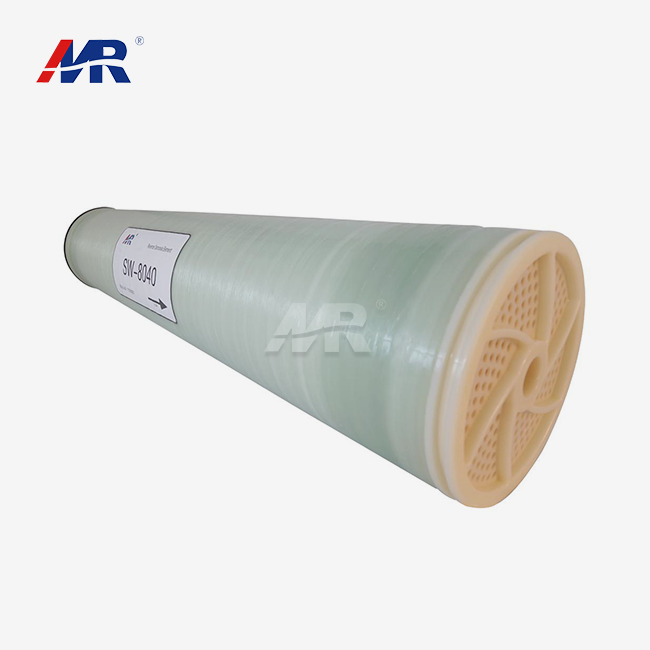
Standardized modular components make it easier to keep track of spare parts supplies. Instead of keeping a lot of different types of equipment in stock, facilities keep common wear items like membranes, seals, and filter elements that can be used with more than one module. Standardization lowers the cost of keeping inventory and makes it easier to find parts when repairs are needed. Our systems use tested parts from well-known companies like Shimge Water Pumps, Runxin Valves, and Createc Instruments. This makes sure that we have stable supply lines and low replacement costs.
Energy Efficiency and Sustainability Practices
The cost of treating water is a big part of running a business, and energy use is often the biggest part of lifetime costs. Improving energy economy directly raises profits while lowering damage to the environment. Our fully automated systems can be monitored from afar and constantly change operational parameters to meet treatment goals while using the least amount of energy possible. Real-time data analytics find ways to be more efficient that manual workers would miss, like the best time to clean the membranes so that energy use and repair costs are balanced.
Sustainable business practices include more than just managing energy. They also include reducing trash and recovering resources. Advanced sludge management processes built into our treatment workflow get the most value out of waste streams and find useful uses for treatment byProducts when they can be found. These actions are in line with stricter environmental rules and show that companies care about the environment, which is important to everyone along the value chain.
Conclusion
Changes in seasonal capacity no longer mean that treatment quality, operational efficiency, or financial performance have to be put at risk with a modular water treatment plant. Modular water treatment systems offer solutions that can be expanded to meet the changing needs of modern manufacturing, public services, and specific industrial uses. These technologies are the best choice for sites that have to deal with predictable yearly changes in demand because they can be set up quickly, match capacity perfectly, and be operated in a variety of ways. Technical decision-makers and buying professionals can feel good about their water treatment infrastructure knowing that it can easily adapt to new needs while still meeting strict quality standards.
Frequently Asked Questions About Modular Water Treatment Systems
1. How quickly can modular systems be installed and commissioned?
Installation and completion usually take between three and eight weeks, but this depends on how complicated the system is and how much work needs to be done to prepare the site. This faster plan is because pre-fabricated modules come to our factories already put together, with all of their internal parts checked and approved. On-site work is mostly about preparing the base, connecting utilities, and putting the whole system together, not putting together individual parts.
2. Are modular systems suitable for both municipal and industrial applications?
These treatment options are very flexible and can be used in a wide range of settings, such as municipal water plants, industrial manufacturing, pharmaceutical production, food processing, electronics fabrication, and other niche areas that need to closely monitor water quality. Customization options allow for different types of input water and treatment goals, such as cleaning drinking water for cities or treating wastewater from factories so that it meets strict rules for discharge.
3. What maintenance requirements do modular treatment plants demand?
Standardized design is built into modular building, which leads to streamlined upkeep procedures. As part of routine tasks, the membrane is cleaned, the filter is replaced, and the performance is checked. The modular design lets individual parts get repaired while the other modules keep working, which reduces the effects of downtime. Remote tracking lets you know about problems before they get worse, so you can take action before the treatment stops working.
Partner with Morui: Your Modular Water Treatment Plant Supplier
Guangdong Morui Environmental Technology can help you with your seasonal capacity problems by giving you tried-and-true modular water treatment plant systems that work reliably in tough industrial and urban settings. Our all-inclusive solutions include the latest treatment technologies, like reverse osmosis, ultrafiltration, and MBR systems, along with full installation and start-up services backed by more than 14 branches and the ability to make membranes in-house. Our engineering team creates unique configurations that meet your exact needs, whether you need scalable capacity for processing food, making drugs, making electronics, or providing public water services. Get in touch with Benson at benson@guangdongmorui.com to talk about your seasonal capacity needs and find out how our modular treatment options give you operating flexibility while also providing excellent treatment efficiency.
References
1. American Water Works Association (2021). "Modular Water Treatment Systems: Design and Implementation Guidelines for Municipal Applications." Journal of Water Supply Research and Technology, Vol. 70, Issue 4, pp. 512-528.
2. Environmental Protection Agency (2022). "Emerging Technologies in Water Treatment: Modular Systems for Seasonal Demand Management." EPA Technical Report Series 832-R-22-003.
3. International Water Association (2020). "Flexible Treatment Solutions: Modular Plant Performance in Industrial Applications." Water Research, Vol. 168, Article 115156.
4. National Association of Water Companies (2023). "Cost-Benefit Analysis of Modular Versus Traditional Water Treatment Infrastructure." NAWC Research Foundation Publication 2023-08.
5. Water Environment Federation (2021). "Membrane Bioreactor Technology in Modular Treatment Configurations: Performance Data from Field Installations." Water Environment Research, Vol. 93, No. 6, pp. 875-891.
6. World Bank Water Global Practice (2022). "Scalable Water Treatment Solutions for Developing Regions: Modular Systems Implementation Case Studies." World Bank Technical Paper WTP-2022-14.