_1745823981883.webp)

Reverse Osmosis Drinking Water Filter System Maintenance Guide
Maintaining a reverse osmosis drinking water filter system requires systematic oversight of membrane integrity, pre-filter functionality, and pressure stability to deliver consistent TDS rejection rates between 95 and 98%. Through regular cleaning, timely component replacement, and adherence to NSF/ANSI 58 standards, industrial operators can sustain permeate flow rates from 50 to 1000 GPD while avoiding costly downtime. This guide addresses maintenance protocols essential for pharmaceutical, food processing, electronics manufacturing, and municipal water facilities.
Introduction
In fields that need very clean water, like pharmaceutical GMP compliance and chip cleaning for semiconductors, a reverse osmosis drinking water filter system is an important part of the infrastructure. Facility engineers, procurement managers, and people in charge of money know that the original payment is only one part of the total cost. Maintenance is more of a strategic issue than a regular job because it has a direct effect on the system's lifespan, its ability to keep working, and the consistency of its water quality.
Not following maintenance schedules can cause membrane fouling, pressure drops, and a loss of TDS rejection, which can cause production to stop in beverage bottling lines or noncompliance issues in medical dialysis centers. On the other hand, following strict maintenance guidelines can increase the life of equipment by 40 to 60%, lower the cost of emergency repairs, and keep the 95 to 98% salt rejection performance that makes RO technology worth choosing. This guide gives technical and financial stakeholders useful information to help them plan maintenance better, make better budget decisions, and work together with vendors more effectively at different levels of operations.
Understanding Reverse Osmosis Drinking Water Filter System Maintenance
To keep the physical filter process going without adding chemicals, maintenance includes regular cleaning, checking of parts, and keeping an eye on how well they're working. Unlike UV or carbon filtration, RO systems use high-pressure pumps and TFC membranes that work under 40 to 100 PSI. This means that the stability of the hydraulics and the integrity of the membranes are very important.
Defining Maintenance Scope for Industrial Applications
Maintenance for industrial RO systems includes more than just changing the filters. It also includes checking the pre-treatment, cleaning the membranes while they are still in place, and calibrating the instruments. Facilities that clean salty water for irrigation in agriculture or for oilfield reinjection water have different problems to deal with than facilities that make bottled water, so they need different rules. Maintenance logs that keep track of permeate conductivity, difference pressure, and recovery ratios allow for proactive actions to be taken before performance issues affect output.
Benefits of Disciplined Maintenance Regimes
Regular maintenance gives you measurable benefits. Chemical companies that use deionized water for electroplating say that replacing membranes every three months cuts the need for replacements by 30 to 50 percent. By regularly cleaning the pre-filter, power plants that use ultrapure water for boiler feedwater can avoid costly turbine scale buildup. By adapting maintenance schedules to changes in seasonal water quality, municipal water facilities that switch to RO technology can stay in line with EPA drinking water standards.
Key Components and Their Maintenance Requirements
Operations teams can better use their resources for a reverse osmosis drinking water filter system when they know when to do maintenance on each component and how to tell when it's failing. There are different weaknesses in each part of an RO system that depend on the feedwater and the needs of the system.
Pre-Filters: Sediment and Carbon Stages
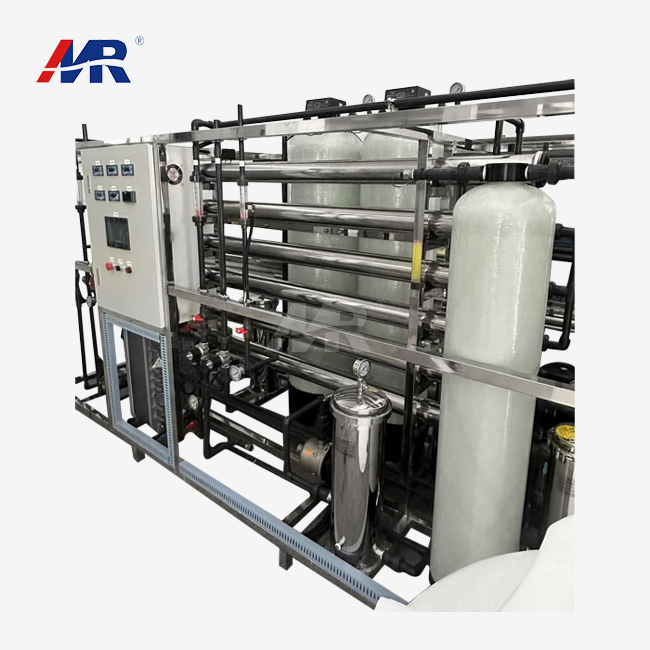
Particles bigger than 5 microns are caught by sediment pre-filters, which protect membranes further down the line from damage. Chlorine and organic compounds that break down TFC membranes are taken out by carbon filters. Coastal seawater desalination systems that use high-turbidity feedwater may need to change their sediment filters every three to six months. In city uses with source water that has already been treated, the time between replacements is nine to twelve months. When the differential pressure goes over 10 PSI, pressure gauges placed before and after the pre-filter housings send real-time clogging alerts.
RO Membranes: The Heart of Purification
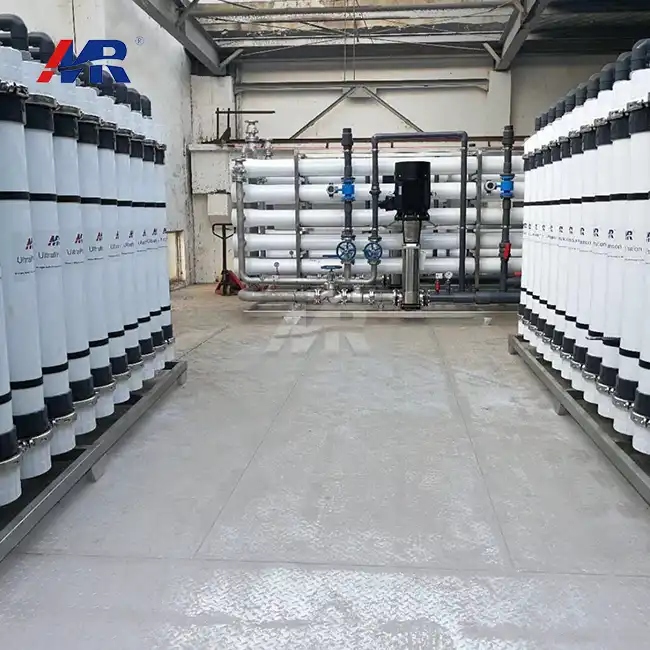
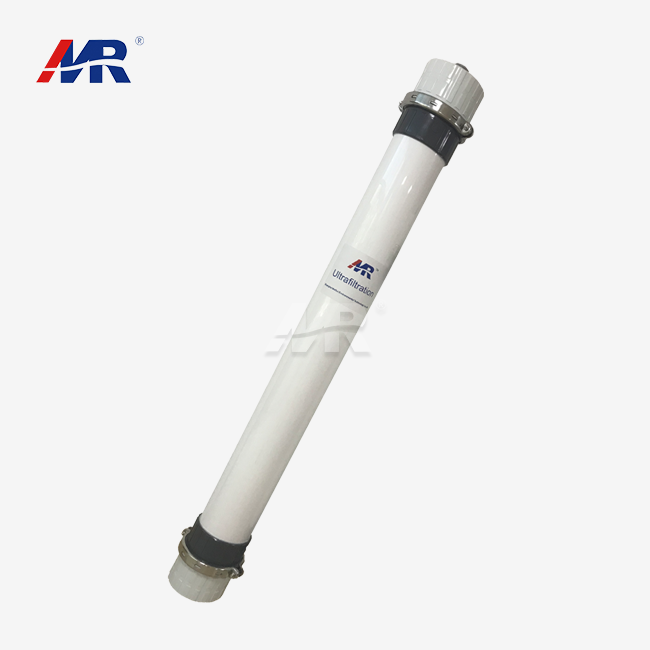
To get 95–98% TDS rejection, TFC membranes need to be kept safe from fouling agents like silica, calcium carbonate, and biological growth. When kept properly, membranes in pharmaceutical pure water systems can last up to three years. In contrast, when maintained poorly, membranes in industrial wastewater treatment systems only last 18 to 24 months. Monitoring performance with permeate conductivity meters and normalized flux calculations shows that things are slowly getting worse, while sudden conductivity causes more damage to the signal membrane and needs to be replaced right away.
Post-Filters and Storage Tanks
Post-carbon filters polish and permeate by getting rid of any remaining taste and smell compounds before storing. In places with low demand, these polishing stages need to be replaced every year. In places with high demand, they need to be serviced every six months. To keep biofilm from forming, storage tanks need to be cleaned with hydrogen peroxide or citric acid treatments on a regular basis. This is especially important in warm areas where bacteria grow faster.
Pumps, Valves, and Instrumentation
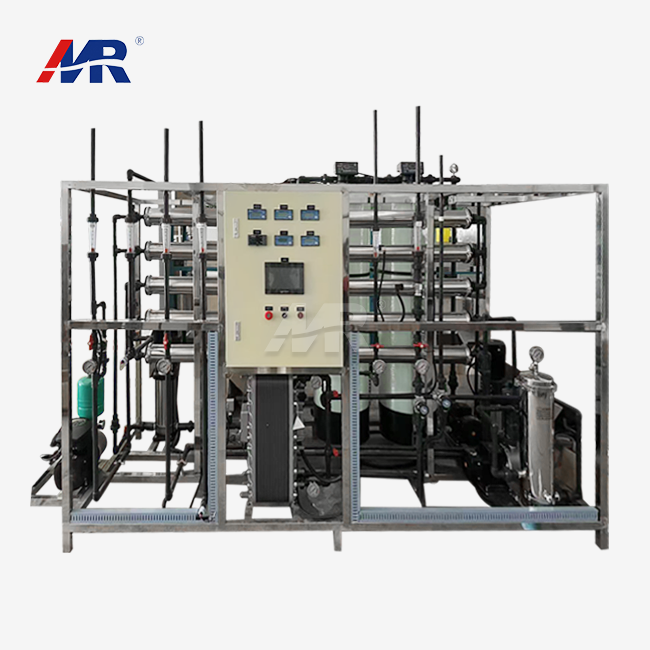
High-pressure pumps in tankless direct-flow systems with 1000 GPD capacities need to be oiled and their bearings checked every three months. To make sure they work, automated flush valves that keep membranes from getting dirty need to be electrically tested. Conductivity probes and pressure sensors that are calibrated once a year make sure that accurate system diagnostics are possible. This lets maintenance choices be based on data instead of fixes being done after the fact.
Step-by-Step Reverse Osmosis System Maintenance Guide
Structured maintenance schedules match the number of tasks to the level of activity and the quality of the feedwater. A complete framework for reliability is made by combining daily checks with deep-cleaning protocols every three months.
Daily and Weekly Monitoring Tasks
At the start of each shift, operators should check the system pressure, permeate flow rates, and reject water release amounts. Weekly TDS tests of the feedwater and permeate make sure the barrier is still working properly. To stay in line with GMP, biotechnology companies that make injectable-grade water samples for microbes should check the water's conductivity every day. Keeping track of these measures sets average performance trends and makes deviations stand out as things that need to be looked into.
Monthly Preventive Maintenance Activities
As part of the monthly checks, the pre-filter cartridge is checked for discoloration or failure, leaks are found around the membrane housings and fittings, and pump noise is measured to see if it indicates worn bearings. Electronics companies that use ultrapure water systems do monthly resistivity tests that confirm the 18.2 megohm-cm purity levels needed for chip fabrication. Changing the working pressures based on changes in yearly temperatures gets the best recovery rates and keeps membranes safe from too much hydraulic stress.
Quarterly and Annual Service Procedures
Mineral scaling and biological fouling can be removed by cleaning the membrane every three months with approved formulas that don't damage the TFC structure. Marine farming circulation systems can be cleaned with alkaline cleaners, and hard water areas can be cleaned with acidic treatments that break down carbonate deposits. Complete cleaning of tanks, pipes, and membranes is part of system sanitization once a year, which is often timed to coincide with production shutdowns. All elastomeric seals and O-rings should be replaced every year as part of regular maintenance. This stops leaks and contamination from happening out of the blue.
Identifying Replacement Indicators
No matter how much time has passed, pre-filters in a reverse osmosis drinking water filter system that show continuous pressure differentials above the manufacturer's specs need to be replaced. To keep the water quality high, membranes that show a normalized flux drop of more than 15% or a salt passage increase of more than 10% need to be replaced. Getting approved parts from well-known sources guarantees that the parts will work together and perform the same way every time. Keeping extra supplies of important consumables on hand helps facilities that are in charge of multiple systems by cutting down on wait times during hurried replacements.
Comparing Maintenance Needs: Reverse Osmosis vs Other Filtration Systems
Evaluating the level of difficulty of maintenance across different purification technologies helps buyers make decisions that balance initial costs with long-term operational viability. RO systems need more maintenance than carbon filters, but they get rid of more contaminants, which is important for industries that have to follow rules.
Maintenance Intensity Across Technologies
In high-chlorine municipal settings, carbon filters need to be replaced every three months, but they don't need to be monitored very often. It's easy to keep up with UV disinfection systems; all you have to do is change the lamps every year and clean the quartz sleeves. Distillation units build up mineral scale that needs to be removed often, but membranes are not vulnerable to this. RO systems require more technical work, but they clean water better than any other method. They do this by managing membranes, servicing pre-filters, and maintaining pumps.
Whole-House vs Point-of-Use Configurations
Point-of-use RO systems that produce 50 to 75 GPD are useful in labs and small clinics because they don't need much maintenance and are usually run by staff that works for the company. Industrial systems that make 500 to 1000 GPD of alcohol or drugs can benefit from skilled service contracts that make sure the membranes last a long time and meet legal requirements. Large municipal desalination plants that process millions of gallons of water every day have dedicated repair teams and automated tracking systems. The huge amount of water they process makes the operations more complicated, but the economics of it are worth it.
Procurement and Long-Term Management Tips for B2B Clients
Strategic buying takes upkeep into account when figuring out total costs, choosing vendors, and negotiating contracts. Technical standards and the ability to provide help after the sale are what set providers apart that can maintain long-term operating success.
Selecting Maintenance-Friendly Industrial Systems
Automated backwash processes, real-time monitoring, and modular membrane cartridges in industrial-grade systems cut down on labor costs and improve dependability. Evaluating suppliers based on how well their parts are standardized makes sure that replacement parts are available for all operations around the world. Thermal power plants and offshore platforms that care about keeping operations going like systems with multiple pump configurations and hot-swappable membrane housings that cut down on downtime during maintenance.
Leveraging Professional Installation and Support
70% of maintenance problems that happen because of bad plumbing, inadequate pre-treatment, or electrical problems could have been avoided with proper installation the first time. Before handing over the system, vendors who offer commissioning services make sure that it works according to the plan specs. Ongoing Technical support through remote diagnostics and site visits helps operators understand performance data and figure out the best times to do maintenance. Service level agreements that spell out response times and how to get spare parts protect against long periods of downtime that delay production.
Cost Management Through Strategic Partnerships
When you buy consumables like pre-filters and membranes in bulk through annual deals with sellers, the cost per unit drops by 15 to 25 percent. Maintenance contracts that include labor, parts, and emergency service make running costs more reliable, which helps with budgeting. Chemical processing plants that are in charge of multiple RO installations at different sites arrange business agreements that standardize equipment brands and service providers. This makes it easier to schedule repairs and train technicians.
Conclusion
Industrial output, regulatory compliance, and operational budgets are all directly impacted by effective reverse osmosis drinking water filter system upkeep. Maintaining the 95–98% TDS rejection rates and consistent permeate quality needed by pharmaceutical, electronics, food processing, and municipal applications requires careful monitoring of pre-filters, membranes, and other related parts. Organizations can get the most out of RO technology by making strategic purchasing choices that take into account how hard the technology is to maintain, how well the seller can help, and the total cost of ownership. Planning ahead for repair turns these systems from operational risks into reliable assets that keep production at a high level in a wide range of industries.
Frequently Asked Questions
1. How often should RO membrane replacement occur in industrial settings?
The membrane's life span is between 2 and 5 years, based on the quality of the feedwater and how well it is maintained. For pharmaceutical facilities with strong pre-treatment, the intervals are 4 to 5 years, but for petrochemical wastewater applications, they may need to be replaced every 18 to 24 months. Condition-based replacement, not just random schedules, is possible by keeping an eye on normalized flux and salt passage trends.
2. Can RO systems effectively remove fluoride and emerging contaminants?
Along with heavy metals, nitrates, and pharmaceutical leftovers, 94–96% of fluoride ions are thrown away by ro membranes. Because it gets rid of so many contaminants, RO technology is necessary for medical dialysis water and ultrapure lab work. Testing the membrane's integrity on a regular basis proves its long-term rejection performance, which is important for sensitive uses.
3. What symptoms indicate immediate maintenance requirements?
Sudden drops in permeate flow of more than 20%, conductivity rises above normal levels, strange pump noise, and visible leaks need to be looked into right away. These signs usually mean that the membrane is damaged, the seal is failing, or the pump isn't working right. A quick fix is needed to keep the system from failing and the water quality from getting worse.
Partner with Morui for Industrial RO Solutions
The company Guangdong Morui Environmental Technology specializes in providing complete water treatment solutions, such as reverse osmosis drinking water filter systems that are specifically designed for clients in the pharmaceutical, food processing, electronics, and municipal industries. Our group of twenty engineers works on installations ranging from 50 GPD lab units to multistage commercial setups with more than 1000 GPD capacity. We make membranes in-house and work together with Shimge Water Pumps and Runxin Valves to make sure the quality of our parts and the stability of our supply chain.
Our all-in-one service includes system design, equipment supply, installation, commissioning, and ongoing maintenance support from 14 branches across the country. Email our technical team at benson@guangdongmorui.com to talk about your needs for clean water and to look into creating custom maintenance plans.
References
1. American Water Works Association. (2021). Reverse Osmosis and Nanofiltration Manual of Water Supply Practices. Denver: AWWA Publications.
2. Baker, R. W. (2020). Membrane Technology and Applications. Hoboken: John Wiley & Sons.
3. National Sanitation Foundation International. (2022). NSF/ANSI Standard 58: Reverse Osmosis Drinking Water Treatment Systems. Ann Arbor: NSF International.
4. Crittenden, J. C., Trussell, R. R., Hand, D. W., Howe, K. J., & Tchobanoglous, G. (2019). MWH's Water Treatment: Principles and Design. Hoboken: John Wiley & Sons.
5. Wilf, M., & Bartels, C. (2018). The Guidebook to Membrane Desalination Technology. L'Aquila: Balaban Desalination Publications.
6. Environmental Protection Agency. (2021). Membrane Filtration Guidance Manual. Washington: EPA Office of Water.