

_1745823981883.webp)

bioreactor wastewater treatment: A Complete Guide
If you manage a municipal plant, run a food-processing facility, or oversee wastewater compliance for an industrial park, you already know how demanding effluent standards have become. Bioreactor wastewater treatment gives operators a direct path to meeting those standards without expanding their footprint. This guide covers how the technology works, how it compares with older approaches, and what to look for when selecting a system—so you can make a confident, well-informed procurement decision.
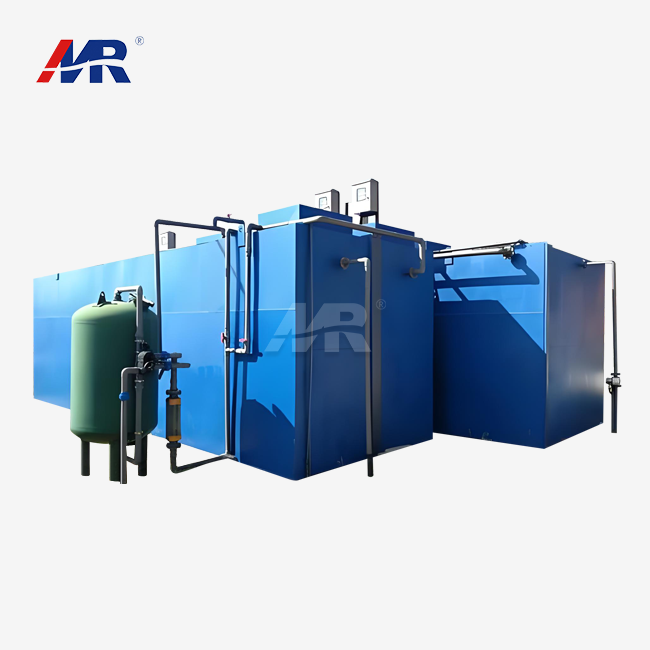
Understanding Bioreactor Wastewater Treatment Principles
The primary purpose of a bioreactor is to provide a controlled environment in which a large number of bacteria may decompose organic matter, nitrogen, and phosphorus from the environment. Inactive ponds and basic clarifiers are not the same as modern systems because of the way in which they are constructed and the way in which they make use of biological activity.
How Microorganisms Drive the Process
There are bacteria, protozoa, and fungi that live in the reactor tank, and they all collaborate with one another. The hydrolysis of carbon molecules by aerobic bacteria results in the formation of nitrate from ammonia. Even in environments devoid of oxygen, denitrification may take place.
Types of Bioreactor Systems
When the pH (which is often between 6.5 and 8.0), temperature (which is between 20 and 35 degrees Celsius), and quantity of liquid oxygen are all just right, the metabolic activities of microorganisms are at their most efficient. Other factors that contribute to this efficiency include the amount of liquid oxygen.
Why Membrane Separation Changes the Equation
membrane bioreactors, also known as MBRs, are able to clean water without the need for a second clarifier since they make use of active sludge and a physical membrane barrier. Each cycle of filling, reacting, and settling takes place in a separate tank inside a Sequencing Batch Reactor, also known as an SBR. In Moving Bed Biofilm Reactors, often known as MBBRs, live organisms are connected to plastic frames. Each design fulfils a unique set of requirements, including flow rates, space limits, and discharge objectives.
Comparing Bioreactor Wastewater Treatment with Traditional Methods
A lot of engineers use conventional activated sludge (CAS) because they are used to it. But CAS often fails when there isn't enough room or when high-quality reuse is needed.
Footprint and Capacity
A CAS plant needs a big secondary clarifier and often another cleaning step after that. An MBR combines those steps into a single, small machine. According to data from water-reuse projects that have been made public, MBR installations leave 30–50% smaller areas than comparable CAS installations. This is very important for retrofitting cities or deploying on islands.
Effluent Quality and Regulatory Compliance
Most of the time, CAS effluent has a BOD level below 20 mg/L and a TSS level below 20 mg/L. BOD levels below 5 mg/L and turbidity levels below 0.5 NTU are typical for an MBR bioreactor wastewater treatment system. These levels are in line with California Title 22 unlimited reuse standards and EPA recycled-water rules. That difference is important for U.S. buyers whose projects have to follow strict NPDES permit limits.
Energy and Sludge Costs
MBR systems use about 0.3 to 0.8 kWh/m³ more energy for aeration than CAS systems, which use about 0.2 to 0.4 kWh/m³. But they make a lot less sludge because the longer sludge retention time lets the waste be digested more completely. Lower costs for hauling sludge often make up for the higher energy bill, which is good for the overall lifecycle economics.
Step-by-Step Bioreactor Wastewater Treatment Process
When operators are aware of the whole treatment process, they are better able to anticipate potential issues and identify them more promptly.
Pre-Treatment and Influent Characterization
The removal of rags and other coarse materials that might otherwise obstruct the membrane is accomplished via the use of screens and a grit chamber. You have the option of taking samples or wearing sensors that continuously monitor COD, BOD, TSS, TN, and TP before the bioreactor starts its operation. In light of this knowledge, the timing of the addition of air, the amount of food, and the objectives for membrane flow are all affected.
Biological Treatment and Nutrient Removal
The activated sludge mixed liquor in the aeration basin is responsible for the rapid breakdown of organics. The MLSS concentration in an MBR is typically between 8,000 and 12,000 mg/L, but in CAS it is between 2,000 and 4,000 mg/L. It is possible to achieve nitrification and denitrification in systems that are effectively constructed, which decreases the total nitrogen content to below 10 mg/L. This is accomplished by switching locations between anoxic and aerobic zones. The removal of phosphorus may be accomplished with the use of either chemical treatment or biological luxury uptake.
Membrane Filtration and Post-Treatment
Permeate is able to pass through the barrier when there is a small amount of negative pressure. Cake layers may be prevented from accumulating by doing regular rounds of relaxing and air-scouring. After that, the effluent is sent to a clearwell or, if you want to reuse it, to disinfection using ultraviolet light or chlorination. Prior to being discarded or spread on land, waste sludge is removed at predetermined intervals, thickened, and dried up before being sent to a landfill.
Addressing Challenges and Optimizing Bioreactor Systems
Operating problems can happen with even the best-designed systems. It saves time and money to know them ahead of time.
Managing Membrane Fouling
Most people who work on MBRs worry about fouling. When biofilm, colloidal particles, or scaling minerals build up on the membrane surface, they raise the transmembrane pressure (TMP) and lower the flux. Permeability is restored by cleaning regularly with sodium hypochlorite and citric acid. PVDF membranes, like the flat-sheet modules used in the MR-MBR-30, can withstand harsh chemical cleaning cycles and still keep their structural integrity over a long period of time.
Handling Shock Loads
The amount of COD or toxins in industrial influent can rise after production changes. These swells are absorbed by equalization tanks upstream of bioreactor wastewater treatment. Some operators keep things going by adding bio-augmentation, which involves adding specific bacterial cultures. When live TMP and DO monitors are used for automation, the PLC can change the rates of aeration and flux within minutes of noticing a change.
Scaling from Pilot to Full Capacity
Before investing all the money, pilot tests at 5–10% of the design flow make sure that the membrane flux, SRT, and chemical doses are correct. Each MR-MBR-30 unit from Morui is a modular flat-sheet panel design that measures 2000 × 1250 × 30 mm and covers 30 m². This lets the capacity be added in stages without stopping the current train. This means that phased growth can work for towns or industrial parks that are growing.
Procurement and Supplier Insights for Bioreactor Wastewater Treatment Systems
It takes more than just comparing price sheets to find the right place to buy equipment.
Evaluating Technical Specifications
For membrane modules, some of the most critical data points are the nominal pore size, the kind of material, the flux rating, and the cleaning routine. The active area of the MR-MBR-30 is 30 square meters, and it employs PVDF flat-sheet membranes that have a thickness of 0.2 micrometres. In addition to having a sturdy structure, these membranes are very resistant to the effects of chemicals. Request information on the amount of energy that is utilised at the design flow, as well as reports that have been confirmed about the quality of the effluent flow. These metrics have a direct impact on the amount of money that is anticipated to be the cost of the operation.
It is important for purchasers in the United States to be certain of the following items before executing a purchase order:
- The evidence of compliance includes certificates from NSF and ANSI, CE marking, and approvals for water-contact materials. These certifications verify that the product satisfies the regulatory baseline for projects in the United States.
- In terms of membrane life and warranty, reputable bioreactor wastewater treatment vendors offer a minimum three-year membrane guarantee that is accompanied by verified flux-decline curves from field installations.
- Automation and remote monitoring: PLC-controlled systems with SCADA or remote O&M access lower the amount of labour required on-site and allow for quicker problem response, which is essential for facilities that are unmanned or located in distant areas.
- After-sales support: Before committing to a supplier, be sure that you have confirmed the availability of spare parts, the lead times for yearly membrane reorders, and the breadth of commissioning training.
In the long term, these factors have a direct impact on the total cost of ownership as well as the capacity to adhere to the laws. If you choose to ignore doing research on any of these, it may end up costing you a significant amount of time in the future.
Turnkey vs. Module-Only Supply
Most of the time, engineering firms would rather buy membrane modules and put them in their own tanks. End-user owners, like cities, food processors, and vacation developers, usually get more out of a complete supply that includes building the tank, piping it, wiring it, setting the PLC, commissioning it, and teaching the operators. Morui offers both types of units and can also provide container-mounted units for short-term or remote locations where building on the ground is not an option.
Conclusion
Bioreactor wastewater treatment is now the most popular choice for operators who need reliable, space-efficient performance while also having to meet strict discharge or reuse goals. MBR technology, which uses high-density activated sludge and precise membrane filtration, always produces better wastewater and less sludge than traditional clarifier-based processes. The main steps are the same whether it's an upgrade for a city, an effluent line for a food plant, or a decentralized island system: pre-treatment, biological degradation, membrane separation, and effluent polishing. If you buy from the right provider, they will add the documentation, automation, and support system that will make good technology a reliable long-term asset.
FAQ
1. How long do MBR membranes typically last?
With proper maintenance—routine air-scour, scheduled chemical cleaning, and controlled flux operation—flat-sheet PVDF membranes generally last five to ten years. Actual service life depends on influent quality, operating temperature, and cleaning diligence.
2. Can an MBR system handle high-strength industrial wastewater?
Yes. Because MBR systems maintain MLSS concentrations two to three times higher than conventional activated sludge, they tolerate higher organic loads per unit volume. Food-processing and textile effluents with COD above 2,000 mg/L are routinely handled with appropriate equalization and nutrient balancing.
3. What effluent quality can I expect from the MR-MBR-30?
The MR-MBR-30 produces effluent that meets reuse and discharge standards. The 0.2 µm PVDF membrane blocks virtually all suspended solids and significantly reduces pathogen counts, supporting compliance with EPA recycled-water guidelines and most state NPDES permit limits.
4. Is customization available for non-standard influent conditions?
Morui engineers can tailor the biological process—aeration capacity, anoxic zone sizing, chemical dosing—to specific influent characteristics and local discharge regulations. Container-mounted and buried configurations are available for sites where standard above-ground installation is not feasible.
Get in Touch with Morui for Your Next Wastewater Project
Morui is a company that only makes bioreactor wastewater treatment systems. It has its own factory for making membranes, facilities for processing equipment, a team of 20 engineers, and 500 employees spread out over 14 branches. We design, build, commission, and train operators on everything from a single mbr membrane module to a full turnkey system. You can get a detailed plan or an effluent quality test result for your application by emailing benson@guangdongmorui.com.
References
1. Judd, S. (2011). The MBR Book: Principles and Applications of Membrane Bioreactors for Water and Wastewater Treatment (2nd ed.). Elsevier.
2. Metcalf & Eddy / AECOM (2014). Wastewater Engineering: Treatment and Resource Recovery (5th ed.). McGraw-Hill Education.
3. U.S. Environmental Protection Agency (2012). Guidelines for Water Reuse (EPA/600/R-12/618). EPA Office of Research and Development.
4. Meng, F., Chae, S.-R., Drews, A., Kraume, M., Shin, H.-S., & Yang, F. (2009). Recent advances in membrane bioreactors: Configuration, operation, and application. Water Research, 43(6), 1489–1512.
5. Le-Clech, P., Chen, V., & Fane, T. A. G. (2006). Fouling in membrane bioreactors used in wastewater treatment. Journal of Membrane Science, 284(1–2), 17–53.
6. Water Environment Federation (2012). Membrane Bioreactor Technology for Wastewater Treatment (WEF Manual of Practice No. 36). WEF Press.
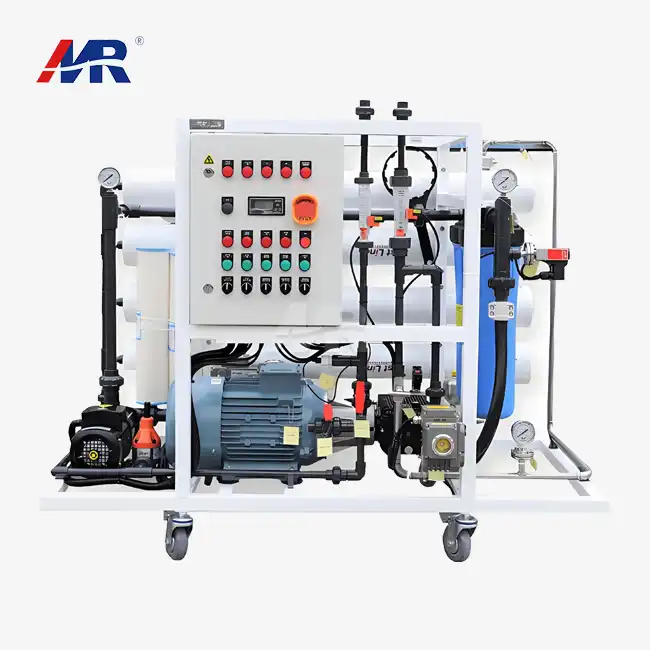 VIEW MORE2m3/hour seawater desalination equipment
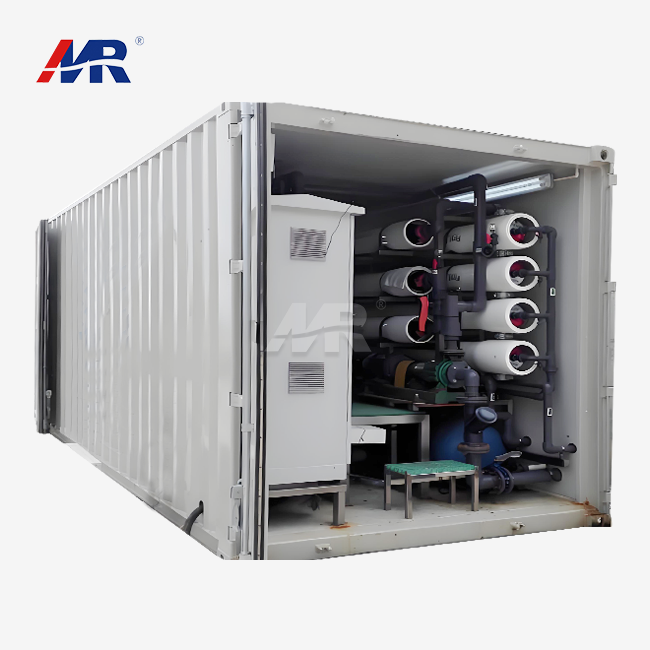 VIEW MOREcontainer seawater desalination equipment
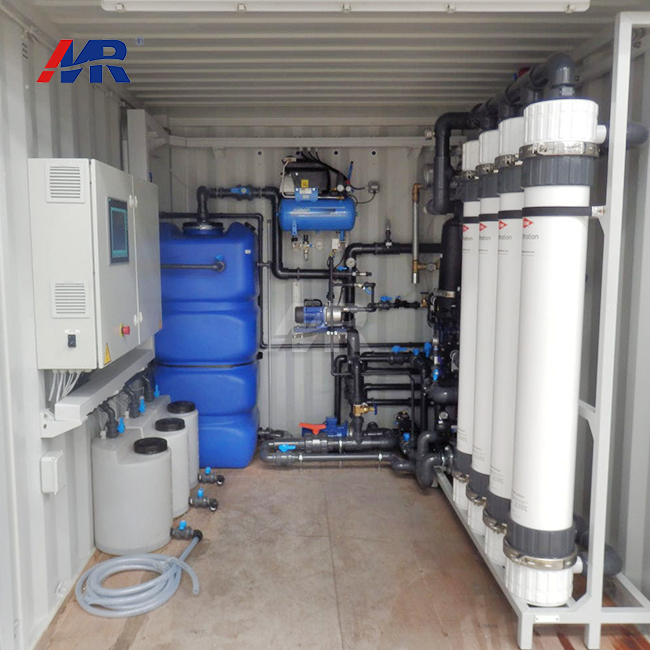 VIEW MOREcontainerized ultrafiltration equipment
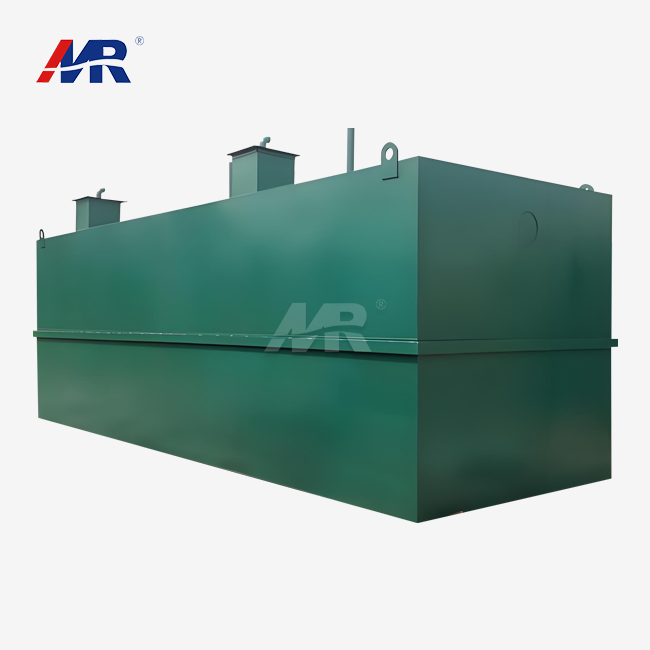 VIEW MOREwaste water treatment system
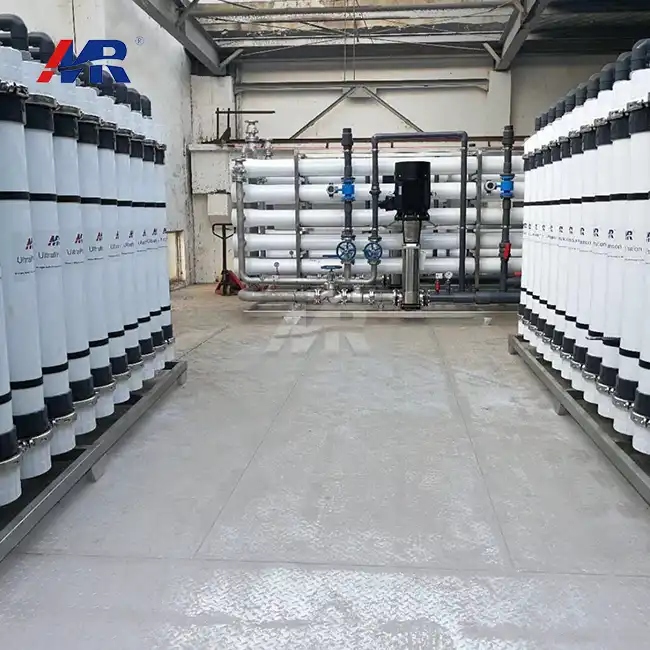 VIEW MORE2000m3/day ultrafiltration equipment
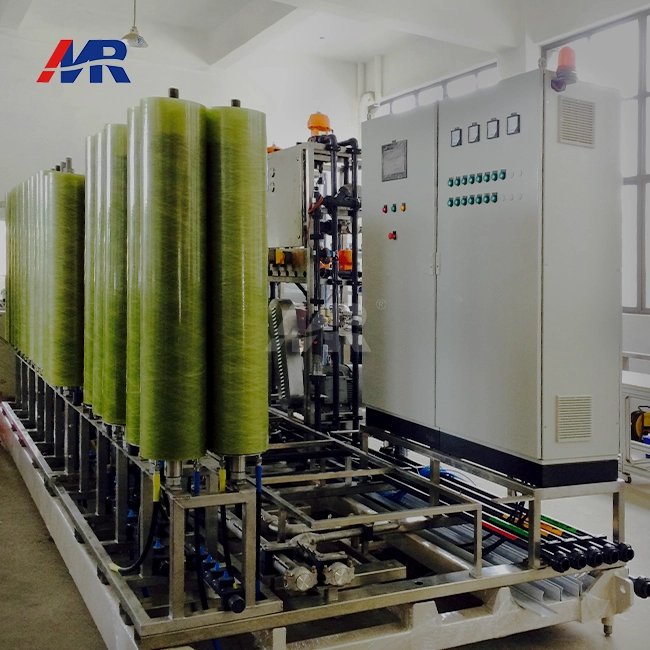 VIEW MOREDTRO Elements
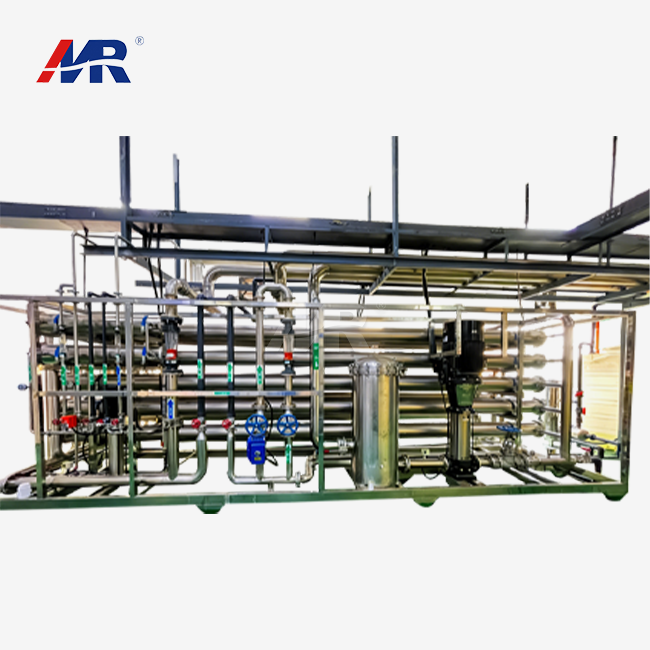 VIEW MOREnew ro system
 VIEW MOREedi module water treatment
