_1745823981883.webp)

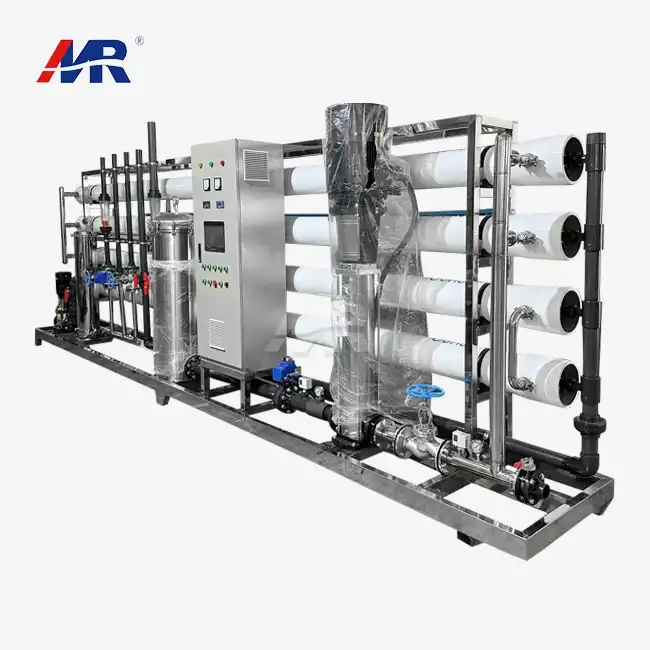
What Is Reverse Osmosis Water Treatment Equipment?
What do you need to put water through reverse osmosis? It works like a screen, moving water through a wall that doesn't let everything through. It is not possible for germs, organics, colloids, or dissolved salts to pass through the barrier. A concentrate stream takes away the trash, and clean permeate flows through. To treat water with reverse osmosis from Morui, you can get back up to 75% of it and throw away the other 99.5%. You will give it 10,000 mg/L, and it will give you 50 mg/L back.
What Are the Main Components?
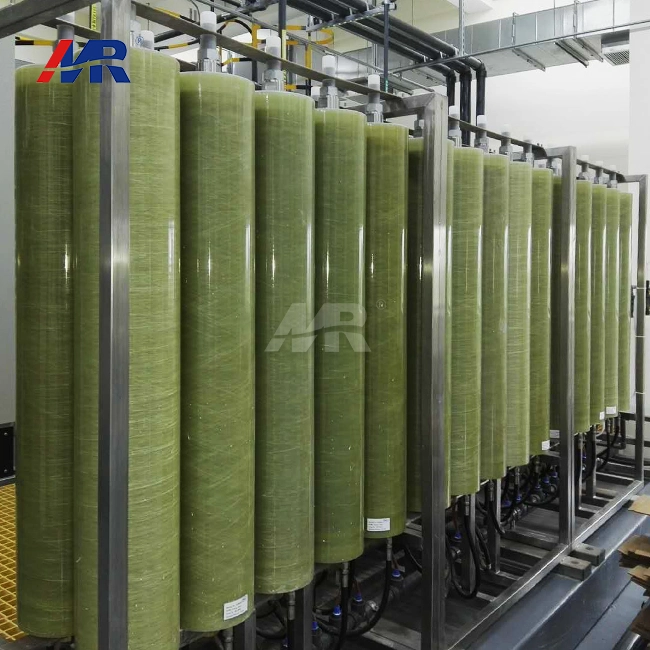
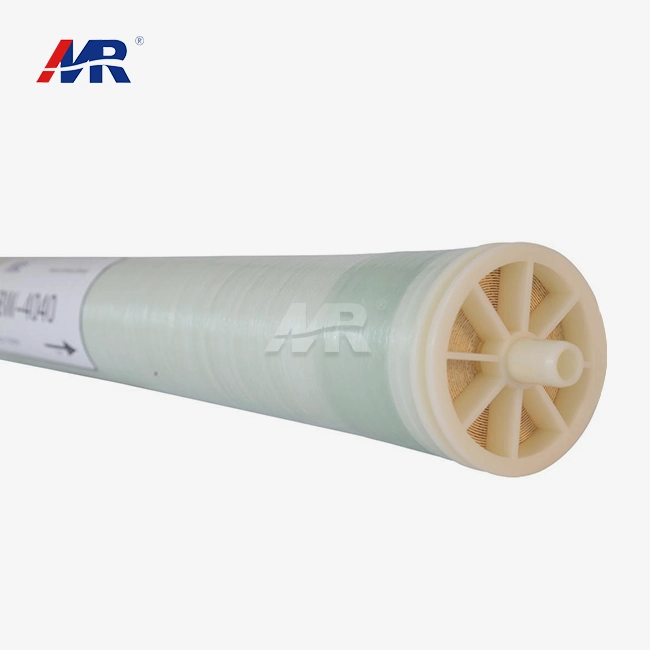
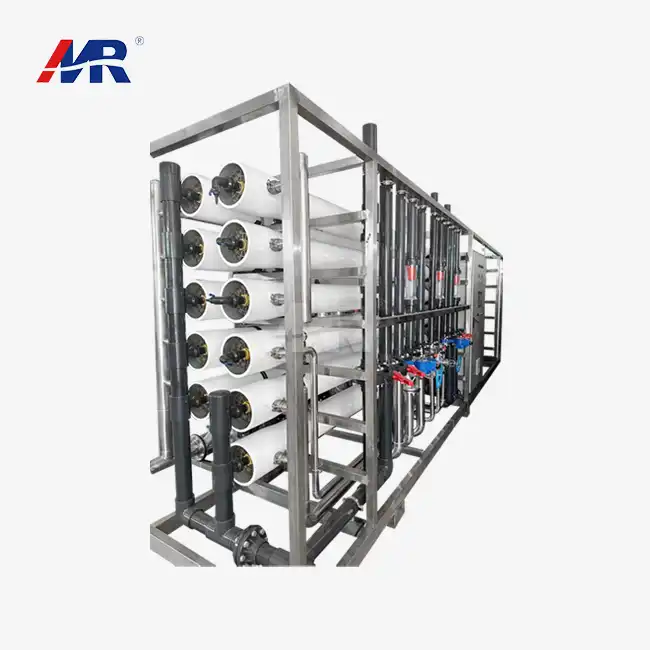
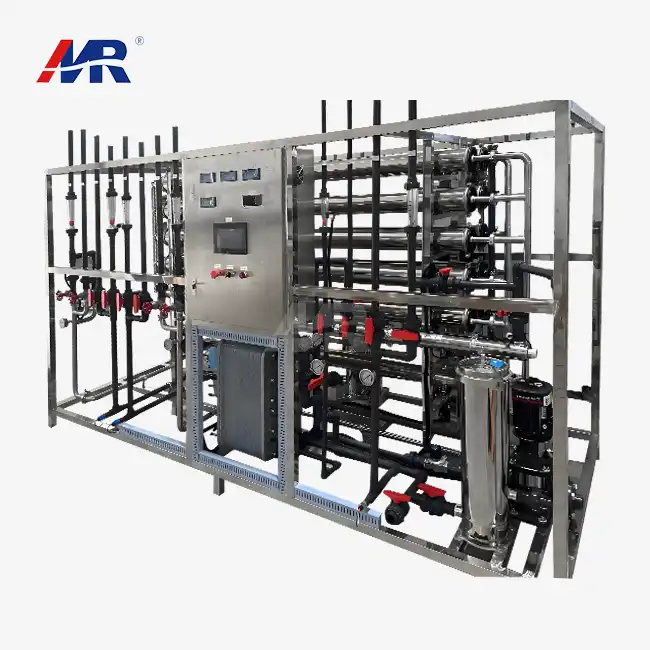
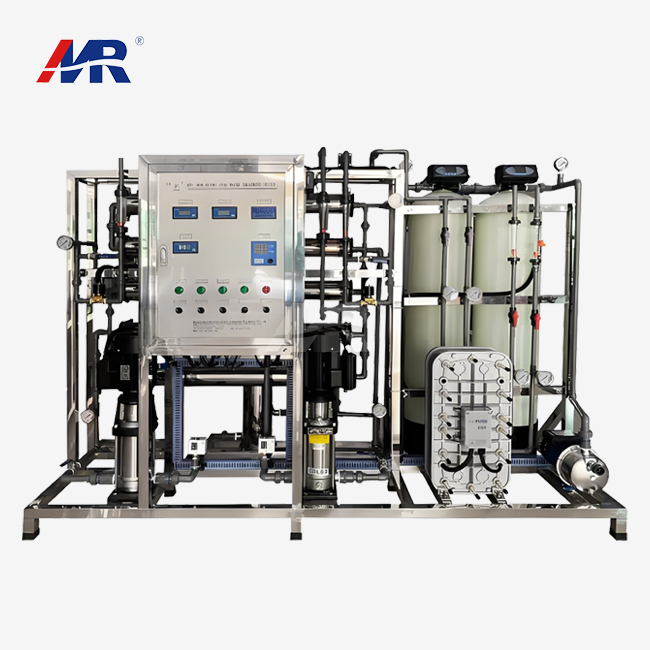
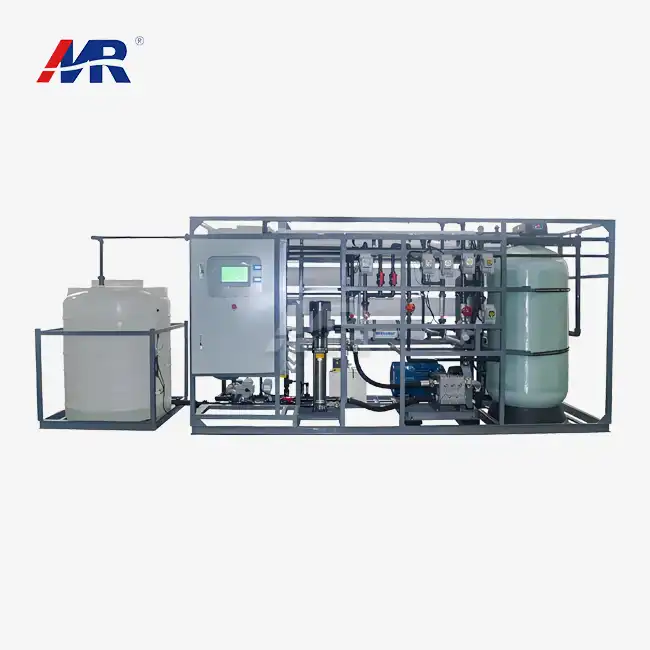
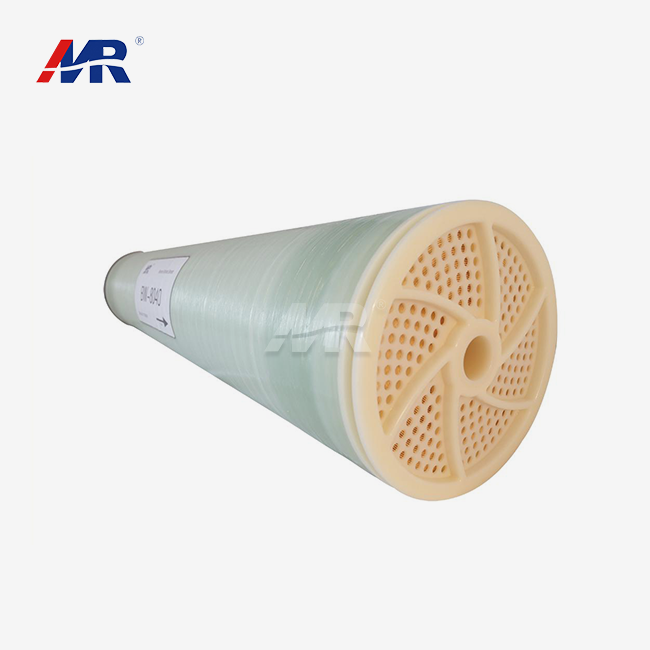
All reverse osmosis water treatment equipment is made up of four main parts. There are different types of filters, such as multimedia, carbon, canister, and antiscalant systems, that are used to protect the membranes. The system gets its pressure from a high-pressure pump. Mesh housings keep the equipment protected from the weather. The control system automatically monitors flow, pressure, and conductivity. Morui integrates these components into compact flat-packs called skids, making the equipment easy to install and maintain.
What Capacity Range Is Available?
The water treatment equipment at Morui can handle 3.8 to 380 m³/day, which is 1,000 to 100,000 gallons of water every day. You can also adjust it to your needs. Anywhere from 10 to 16 bar is used. It can handle pH levels between 3 and 11, and TDS levels of up to 10,000 mg/L. It needs 1.5 to 2.5 kWh/m³ of power. There are both small houses and big industrial buildings in this range.
How Does Reverse Osmosis Water Treatment Equipment Work?
Things that use reverse osmosis always do the same things. Because each stage helps protect the next, damage to the membrane caused by a weak step in the pretreatment process shows up later. You can use any price you get to help you decide what to do.
What Happens in Each Stage?
In the pretreatment step, big pieces and toxins are taken out. To keep membranes healthy, free chlorine levels above 0.1 mg/L should be kept below that level. This is why carbon filters are important. It is then pushed under more pressure by the high-pressure pump so that it can pass through the membrane step of the reverse osmosis system. Water that is clean stays separate from water that is dirty. If the job needs it, post-treatment changes the pH and adds minerals back in. Tanks hold clean, ready-to-use water that is sent to different places.
Why Does Pressure Matter?
It is important that the feed has more pressure than the water does. For reverse osmosis water treatment equipment, water that is saltier needs more force and energy to move. The technology at Morui works at 10 to 16 bar and 1.5 to 2.5 kWh/m³, while most seawater plants use between 2.5 and 4 kWh/m³. Most plants don't have to pay too much for electricity because of this.
Which Water Sources Can RO Equipment Treat?
Machines that use reverse osmosis to clean water can handle well water, surface water, salty groundwater, tap water, and process water that has been cleaned. Each source comes with its own set of risks. Well water is often hard and full of iron. Organic waste and small bits are moved by the water on the surface. It's not good that bleach is in city water. The membranes will last longer if the pretreatment is right for the source.
Can One System Handle Seawater?
Not in a dry way. It takes about 35,000 mg/L of dissolved solids to make up pure saltwater. A normal unit can only handle 10,000 mg/L, so that's way too much. It takes special walls, more pressure, and materials that won't rust for seawater to get through. Morui also makes tools that ships, cities, and islands near the coast can use to get rid of salt from seawater.
How Does RO Compare With Other Water Treatment Methods?
A lot of people who want to buy something ask if a dryer, resin deioniser, or still can do the job. There are various methods to handle various issues. The table below shows how reverse osmosis water treatment equipment fits in with these other types.
| Method | What it removes | Waste stream | Best fit | Main limit |
|---|---|---|---|---|
| Reverse osmosis | Most dissolved salts, organics, colloids, and microbes | Concentrate, about 20 to 25% of feed | Process water, boiler makeup, drinking water | Needs pretreatment; leaves dissolved gases |
| Softening (ion exchange) | Hardness ions only | Regeneration brine | Scale control before boilers or RO | Does not cut total dissolved solids |
| Resin deionization | Nearly all ions | Acid and caustic regenerants | Polishing after RO | Costly on high-TDS feed |
| Distillation | Nearly all non-volatile solids | Blowdown | Some pharmaceutical grades | High energy use |
| Ultrafiltration | Particles, bacteria, colloids | Backwash water | RO pretreatment | Passes dissolved salts |
RO removes over 98% of dissolved solids in boiler makeup water, including scale-forming salts. Pharmaceutical plants usually pair RO with electrodeionization and ultraviolet treatment. Morui covers industrial wastewater, sewage, desalination, and drinking water production. It can pair reverse osmosis water treatment equipment with the extra step your process needs.
What Industries Use Reverse Osmosis Water Treatment Equipment?
Demand for reverse osmosis water treatment equipment spans food, health care, electronics, energy, and public utilities. The scenarios below show how the technology fits different duty cycles and buyers.
Food and Beverage Plants
Bottled water and beverage lines need consistent taste and safe process water. Here is a sizing example. A plant that fills 20,000 one-liter bottles per shift needs 20 m³. A 3 m³/h unit of reverse osmosis water treatment equipment produces that volume in about seven hours, and storage tanks cover peak filling.
Pharmaceutical, Hospital, and Laboratory Users
Drug makers rely on reverse osmosis water treatment equipment as the core purification step. USP purified water allows conductivity up to 1.3 µS/cm at 25°C and total organic carbon up to 500 ppb. Hospitals use treated water for dialysis and disinfection. Laboratories add polishing stages for precision experiments.
Power, Petrochemical, and Electronics Sites
Boilers need low-solids feedwater. Estimates for boiler feedwater reverse osmosis water treatment equipment cite 3 to 4 percent lower fuel cost and 4 to 5 percent less blowdown. They also cite 50 to 60 percent less chemical use. Electronics plants use RO as the base of ultrapure water lines for chip cleaning.
Municipal, Hotel, and Agricultural Users
Water plants upgrade drinking water purification with reverse osmosis water treatment equipment. Hotels and resorts treat brackish supply water for guests. Farms in arid areas treat brackish water for irrigation. Each site benefits from automated controls, because staff time is often limited.
What Factors Affect RO System Performance and Capacity?
Any reverse osmosis water treatment equipment depends on feedwater quality more than any other factor. Manufacturers publish clear limits. The table below combines Morui design ranges with guideline values from LG Water Solutions.
| Parameter | Limit or range | Why it matters | Common fix |
|---|---|---|---|
| Feed TDS | Up to 10,000 mg/L (Morui design) | Sets pressure and energy use | Choose brackish or seawater design |
| pH | 3 to 11 (Morui design) | Protects membrane material | pH adjustment |
| Silt density index (15 min) | 5 or lower | Predicts colloidal fouling | Media and cartridge filtration |
| Turbidity | 1 NTU or lower | Particles clog feed channels | Coagulation and media filters |
| Free chlorine | 0.1 mg/L or lower | Oxidizes membranes | Carbon filter or bisulfite dosing |
| Ferric iron | 0.05 mg/L or lower | Deposits foul the surface | Oxidation and filtration |
| Total organic carbon | 2 mg/L or lower | Feeds biological growth | Carbon filtration |
| Langelier saturation index | 0 or lower without antiscalant | Signals scale risk | Antiscalant or softening |
How Do Temperature and Recovery Change Output?
Cold feedwater lowers permeate flow, so size the reverse osmosis plant for your coldest month. Higher recovery raises the concentration of scaling salts in the last membranes. At 75% recovery, concentrate is four times as salty as the feed. Ask your supplier to show the scaling calculation for your water.
How Should You Pretreat Difficult Feedwater?
Start with a full water test covering TDS, hardness, iron, chlorine, SDI, and organics. Add antiscalant or softening if the Langelier index runs above zero. Add carbon filtration wherever chlorine appears. Morui engineers design the pretreatment around your report, so the membranes receive water within the limits.
How Should You Choose the Right RO Equipment?
When selecting reverse osmosis water treatment equipment, it all boils down to four numbers: daily demand, feedwater quality, recovery, and budget. Nail these and much of the rest is academic. Here are the procedures I hear most often from plant managers and owners.
How Do You Size Capacity Correctly?
See this sample for size. A plant requires 240 m³ /day. That’s in the range of 1,000 to 100,000 GPD. The unit is fed at 75% recovery, with 13.3 m³/h, and 3.3 m³/h is sent to concentrate. The power is 1.5-2.5 kWh/m³, or 360-600 kWh/day.
What Should You Ask a Supplier?
A good reverse osmosis water treatment equipment provider offers a result, not a box. Before you sign, do the following four checks:
- Design from your water analysis. Written request for a design detailing permeate quality, recovery rate, number of membranes, and pretreatment processes. A provider who quotes without your feedwater report is guessing. Don't only say no to bids that ignore SDI, chlorine, and hardness data. Those figures determine whether membranes will endure one year or three.
- Transparency of Components: Ask for the brand and model of the membranes, pumps, valves, and instruments. Morui manufactures membranes at its own facility and is a representative of Shimge pumps, Runxin valves, and Createc instruments. Named components allow your team to acquire spares locally and compare bids without hidden replacements.
- Service capability. Confirmation of who will do installation, commissioning, training, and spares. Morui has more than 14 outlets and 500 employees, including 20 engineers. That footprint is important when a pump malfunctions and a distant location requires advice. Request written response timeframes from each provider.
- Control and growth. Check control panel, alarms & data logging. Ask whether the design allows for the addition of extra membranes or another skid later on. Morui offers modular structure and intuitive user interfaces so capacity may expand with your needs without a complete plant rebuild.
What Will It Cost to Run?
Running a reverse osmosis system and other water treatment equipment costs money in four areas: electricity, membranes, chemicals, and labor. At USD 0.10 per kWh, 1.5 to 2.5 kWh/m³ costs USD 0.15 to 0.25 per cubic meter. A Florida study of brackish plants from 10,000 to 70,000 m³/day reported operating costs of USD 0.39 to 0.66 per m³. Small plants cost more per cubic meter, but they need far less capital.
How Can You Maintain Reverse Osmosis Equipment Effectively?
Maintaining reverse osmosis water treatment equipment works best when data, not the calendar, sets the schedule. Track normalized permeate flow, pressure drop, feed pressure, and salt passage. Clean when readings cross the trigger points in the table below.
| Signal | Trigger | Likely cause | Action |
|---|---|---|---|
| Normalized permeate flow | Down 10 to 15% | Fouling or scaling | Clean in place |
| Normalized feed pressure | Up 10 to 15% | Fouling on membranes | Clean in place |
| Pressure drop across vessels | Up 10 to 15% | Blocked feed channels | Check pretreatment, then clean |
| Normalized salt passage | Up 5 to 10% | Scale or membrane wear | Inspect and clean |
How Often Should You Clean Membranes?
Frequency depends on the source. Systems on well water commonly clean two to three times per year. City water needs three to four cleanings, and surface water needs four to six. Well-maintained thin-film membranes last about three years. If cleaning becomes frequent, improve pretreatment instead of cleaning more often.
What Daily Checks Keep the System Stable?
Log pressure, flow, and conductivity every shift. Replace cartridge filters on schedule and refill antiscalant tanks. Verify that carbon filters still remove chlorine. Flush and preserve membranes before long shutdowns. Morui provides installation and commissioning, and its team trains operators to read these logs.
Conclusion
The right reverse osmosis water treatment equipment starts with your water, not the catalog. Test the feed, define the daily volume, choose a recovery rate, and plan the concentrate. Then verify the supplier's components and service. Plants that follow this path get stable permeate quality and predictable costs. Morui supplies RO systems from 1,000 to 100,000 GPD with installation and commissioning, and you can reach the team at benson@guangdongmorui.com.
FAQ
1. What is the difference between recovery and rejection?
Recovery is the quantity of food ingested by the animal. This much dissolved solids can't pass the barrier. Morui tools give you back 75% of the data, but you’ve had to get rid of 99.5% of it. Your water study establishes the end number because as recovery gets higher, scaling risk goes up.
2. How much power does RO equipment use?
Morui’s reverse osmosis machine requires 1.5-2.5 kWh/m³ of permeate to perform its function. Plants near water need more electricity, at 2.5 to 4 kWh/m³. The difference is the flow rate and the salinity of the feed.
3. Does RO remove every contaminant?
No, RO does not remove gases combined with water, such as carbon dioxide. It only removes solids that are broken down. RO water has to be cleansed, most of the time, by UV light or electrodeionization.
4. How often should I clean the membranes?
Normalised flow has to go down by 10 to 15%, or the pressure has to go up by 10 to 15%, to clean. Different water sources should be cleansed two to six times a year.
5. Can I treat water above 10,000 mg/L TDS?
But certain saltwater units do not operate that way. That water is salt. It will require more effort and the proper instruments to get rid of it.
6. How much water goes to drain?
Animals consume around 75% of the feed, and 25% is held as concentrate. People who labour in the field say it’s 20 to 25 percent when there is no return. It may again water a lot of plants, cool, or clean.
Need Help Choosing RO Equipment for Your Plant?
Share your feedwater report, daily demand, and target water quality with Morui at benson@guangdongmorui.com. Our engineers will recommend a configuration and quote reverse osmosis water treatment equipment for sale, with installation and commissioning included. Whether you need a manufacturer, a supplier, or a full turnkey package, we can provide drawings, membrane options, and delivery timing.
References
1. LG Water Solutions (2025). Technical Applications Bulletin 106: Feed Water Quality Guidelines.
2. Pearson, J.L., Michael, P.R., Ghaffour, N., Missimer, T.M. (2021). Economics and Energy Consumption of Brackish Water Reverse Osmosis Desalination. Membranes, 11(8), 616. https://www.ncbi.nlm.nih.gov/pmc/articles/PMC8399043/
3. Water Online (2018). Boiler Feedwater: Making the Case for Reverse Osmosis. https://www.wateronline.com/doc/boiler-feedwater-making-the-case-for-reverse-osmosis-0001
4. Chemical Processing (accessed September 2026). Make the Most of ro membranes. https://www.chemicalprocessing.com/processing-equipment/separations-technology/article/11371465/make-the-most-of-ro-membranes-chemical-processing
5. Feo-García, J., Pulido-Alonso, A., Florido-Betancor, A., Florido-Suárez, N.R. (2024). Cost Studies of Reverse Osmosis Desalination Plants in the Range of 23,000–33,000 m³/day. Water, 16(6), 910. https://doi.org/10.3390/w16060910
6. Lab Manager (2026). Pharmaceutical-Grade Water: Meeting USP Purified Water and WFI Standards in the Lab. https://www.labmanager.com/pharmaceutical-grade-water-meeting-usp-purified-water-and-wfi-standards-in-the-lab-35260