_1745823981883.webp)

RO EDI System Design: Capacity, Quality, and Efficiency
If you work in semiconductor manufacturing, pharmaceutical production, or power generation, you already know how critical water purity is to your process. A well-designed RO edi system delivers 18.2 MΩ·cm ultrapure water continuously — without acids, caustic chemicals, or regeneration downtime. This guide breaks down how reverse osmosis paired with electrodeionization works, what drives capacity and quality decisions, and how to choose the right configuration for your facility.
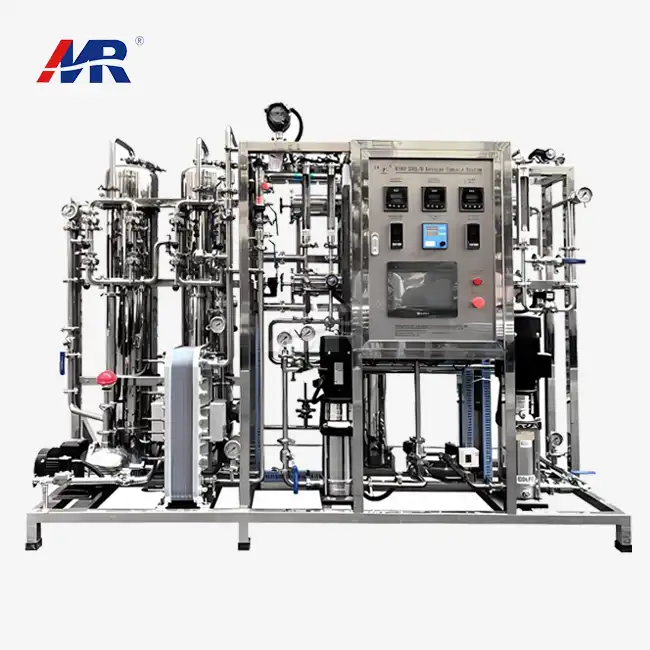
What Is an RO EDI System — And Why Does It Matter?
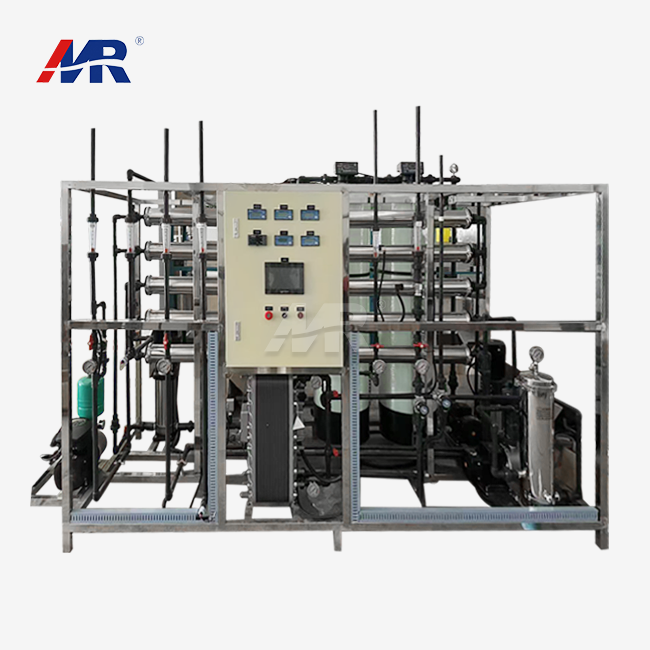
In a RO EDI system, reverse osmosis (RO) gets rid of dissolved solids, and electrodeionization (EDI) uses ion-exchange membranes and a DC electric field to clean the permeate to very pure levels. This makes a chemical-free, continuous purification train that can meet the toughest water quality standards in the power, computing, and pharmaceutical businesses.
The Technology Behind the Process
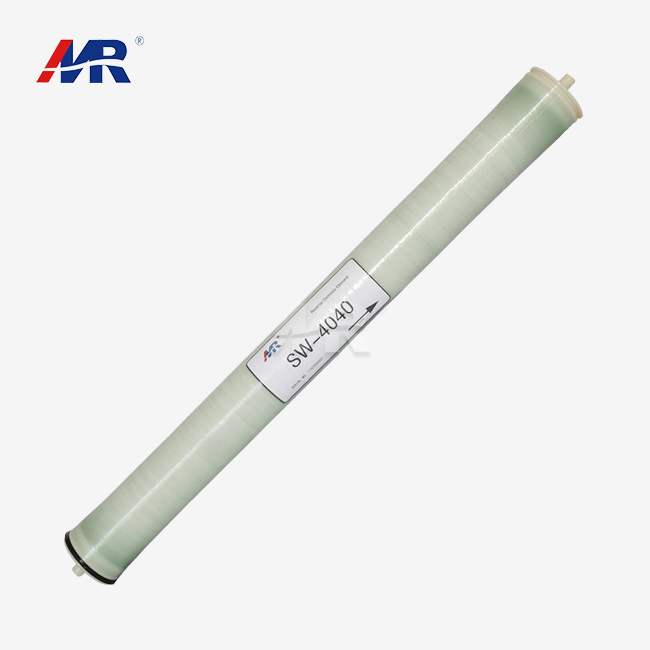
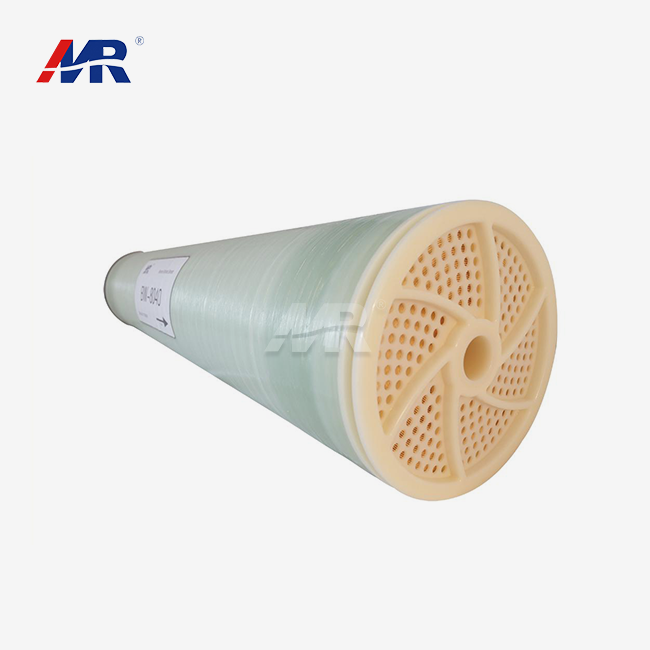
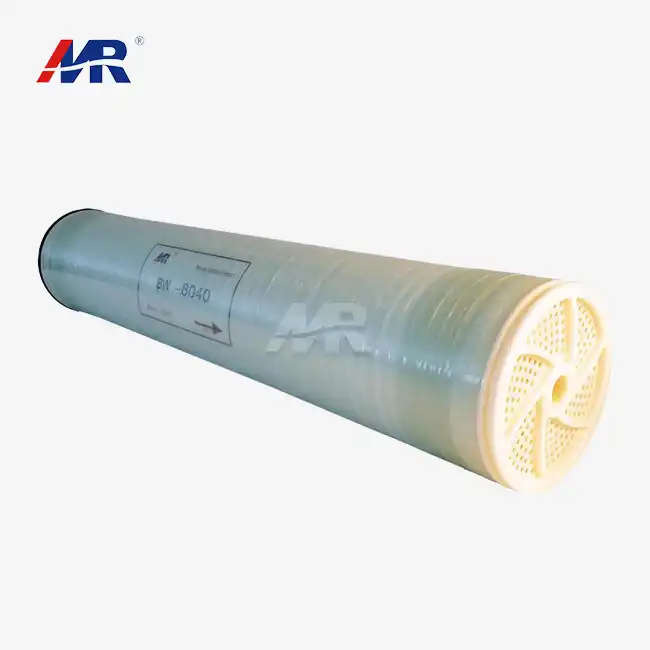
The Morui MR-EDI-10TH model's own salt rejection rate spec backs up the claim that ro membranes can get rid of up to 99.99% of dissolved salts. The EDI stack then uses electricity to get rid of any leftover ions, which regenerates the resin bed in real time. There is no need for regular acid or caustic regeneration. This system gets rid of the risks and costs of disposal that come with standard mixed-bed deionization.
Where It Fits in Industrial Water Treatment
Ultrapure water (UPW) lines are built around the RO+EDI train. Even ions smaller than a few parts per billion can damage wafers in semiconductor factories. When pharmaceutical plants follow USP or EP standards, the quality of the purified water has a direct effect on the safety of the Products they make. Power plants need clean boiler feedwater to keep turbines from rusting and scaling. Each sector needs a system that consistently produces output with little help from operators.
Morui MR-EDI-10TH: Key Specifications at a Glance
The MR-EDI-10TH is Morui's most advanced electrodeionization unit, and it is intended to make ultrapure water. Here are the main performance metrics for it:
Producing ultrapure water is one use for this machine.
- Application: Ultrapure water production
- Power consumption: 25 kW/hour
- Recovery rate: 55%
- Salt rejection rate: 99.99%
- Rate of recovery: 55%- 99.99% of salt rejection rates fail.
Capacity Planning: Sizing Your RO EDI System Correctly
Getting the right size from the start saves a lot of money on upgrades later on. The quality of the feed water, the target output resistivity, the system recovery rate, and the number of peak demand cycles all play a role in the capacity of a RO EDI system.
Assessing Feed Water Quality First
Test your supply water before deciding on flow or modules. Total dissolved solids (TDS), hardness, silica, and organic load impact EDI stack performance and membrane life. High hardness must be softened to prevent EDI chamber scaling. For high CO₂ levels, a membrane degasser should be installed upstream. Most systems fail at commissioning because this step is missed.
Recovery Rate and Its Impact on System Footprint
The MR-EDI-10TH returns 55%. About 55 litres of every 100 litres that enter the RO stage end up in EDI polishing. This value impacts tank size, waste management, and water expenses. A concentrate recirculating loop may improve recovery and minimise operating costs in areas with little water or high municipal water rates.
Scaling for Larger Installations
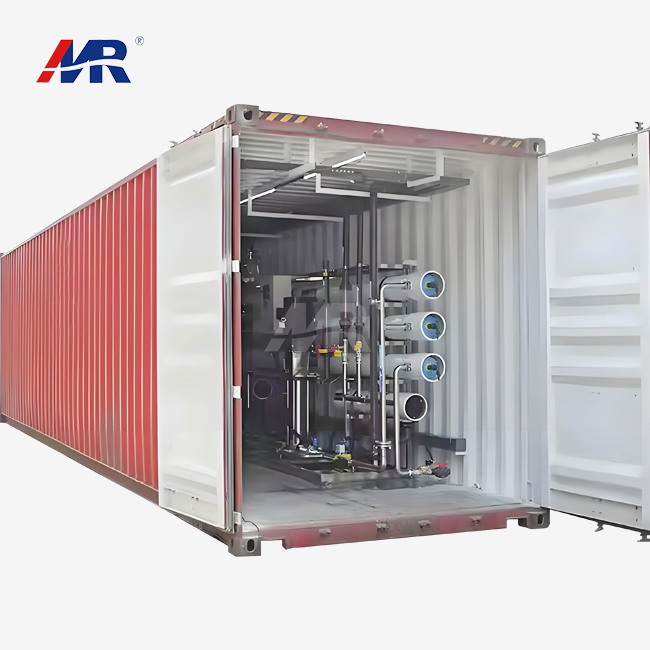
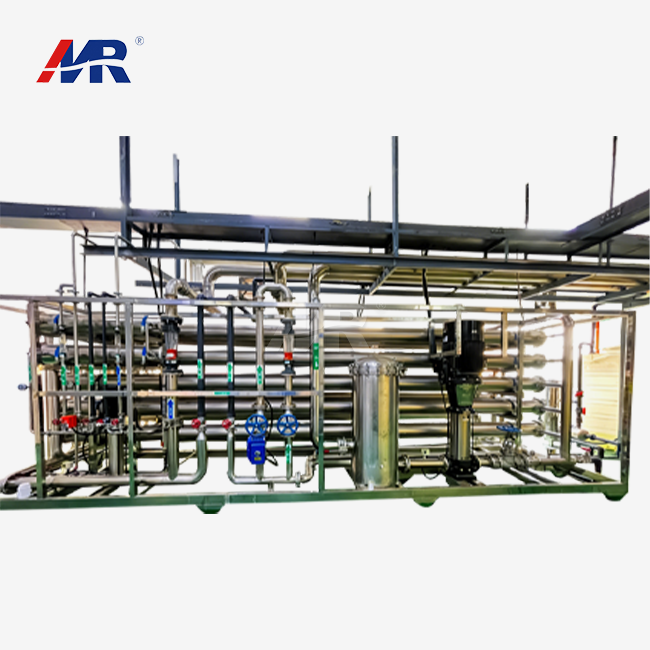
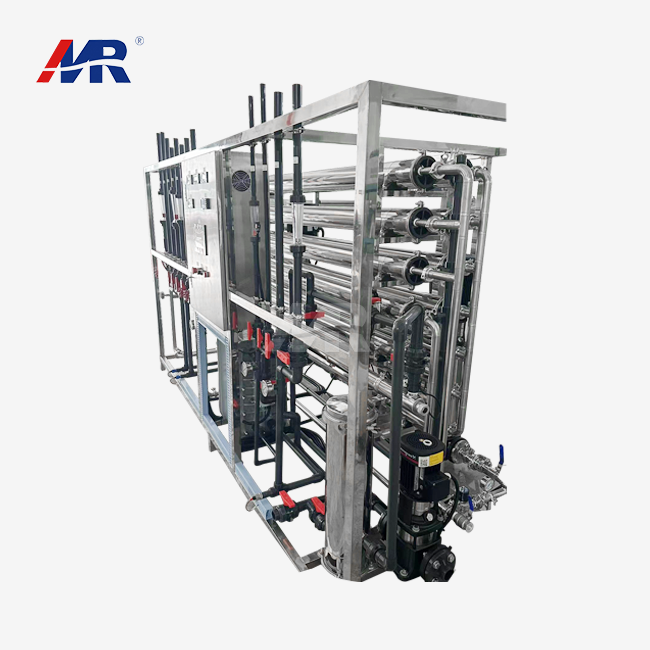
EDI modules manage flow groups. Chip manufacturing and large pharma sites use many EDI stacks to transfer tens of cubic meters of material each hour. Morui develops this staging in the workshop and provides a pre-approved box instead of pieces to assemble on location. This speeds up system setup and assigns water quality test findings to one individual.
Quality: Achieving and Maintaining 18.2 MΩ·cm Output
Resistivity is the most important way to measure how pure water is. To get to 18.2 M©·cm, which is the theoretical maximum for pure water at 25°C, you need to make sure that the RO pretreatment is always done the same way and that the EDI working settings are set correctly.
Why Pretreatment Determines EDI Output Quality
Harsh chemicals, chlorine, and organic fouling can damage EDI stacks. Before it gets to the RO membrane, chlorinated city water has to go through either activated carbon or a sodium bisulfite dosing stage. More than about 1 mg/L of hardness, like CaCO₃ in the RO permeate, can build up on the EDI membranes and lower their resistance over time. A strict pretreatment design is required because it saves the module's life, which in normal circumstances lasts between five and seven years.
Continuous Resistivity Monitoring in Practice
When online resistivity monitors are put at the EDI product outlet, they give workers feedback in real time. When resistivity falls below the setpoint, the system can sound an alarm or change the current settings on its own. For pharmaceutical uses, this information goes into tracking records that are in line with 21 CFR Part 11. Morui builds remote monitoring into its systems so that facility managers can check the quality of the water from a central dashboard without having to go out to the production floor.
Compliance Documentation for US Buyers
In the US, procurement teams look at more than just water quality numbers. Whether or not a system passes regulatory review is based on its certification packages, which include material certificates, water-contact compliance documentation, and IQ/OQ validation support. This paperwork is made by Morui as part of the OEM delivery process. For semiconductor and pharmaceutical users, this shortens the time it takes to qualify as a seller.
Efficiency: Reducing Operating Costs Without Sacrificing Output
Energy costs are lower and unexpected upkeep is decreased when a RO EDI system is operating at its best. The MR-EDI-10TH uses 25 kW/hour of power, which is a set cost that users can plan for. There are no secret fees for buying regeneration chemicals or getting rid of hazardous trash.
Eliminating Chemical Regeneration Costs
In order to maintain their effectiveness, traditional mixed-bed demineralisers often need periodic regeneration with hydrochloric acid and sodium hydroxide. The handling of chemicals will result in greater expenses, more dangers for workers, and stricter regulations for the disposal of rubbish as a result of this. By using the EDI procedure, all three of these things are eliminated. There is a three-year operating window that demonstrates that the total cost of ownership of a RO+EDI system is often lower than that of a normal DI resin bed, despite the fact that the system initially costs more to purchase.
Energy Management and Electrical Efficiency
A DC power supply that is proportional to the number of ions present in the RO permeate is required for EDI stacks. When the RO product is cleaner, the amount of energy that is drawn from the EDI is reduced. This provides you with a reason to maintain the RO membranes in excellent condition by putting them through CIP operations every three to six months, depending on the parameters of the input water. Keeping the operating power within the permitted range and extending the life of the EDI membrane are also benefits of maintaining a RO stage that is properly maintained.
Integration With Existing Plant Systems
The connection of current RO systems to plant SCADA or building management systems is accomplished via the use of standard industrial protocols. A remote tracking and data recording system is included in Morui's skid designs. Without the need to add an additional layer of oversight, technical teams will be able to monitor how things are operating under this arrangement. This connection allows managed organisations to retain records of their continuous compliance and reduces the amount of time that is required to manually monitor the quality of the water.
Conclusion
Designing an effective RO EDI system comes down to three decisions made early: matching capacity to real demand and feed water conditions, specifying pretreatment that protects EDI module life and output quality, and choosing a supplier who delivers documented performance rather than just hardware. The Morui MR-EDI-10TH provides a 99.99% salt rejection rate, chemical-free continuous operation, and a factory-integrated design path that covers RO, EDI, and UF in a single supply chain. For US buyers navigating compliance requirements, that combination of performance data and documentation support matters as much as the water quality numbers themselves.
FAQ
1. Why is pretreatment so important for an EDI system?
Two main things that make EDI work less well are hardness and CO₂ that is dissolved in the RO permeate. Ion-exchange membranes become less conductive when hardness layers form on them. Ionic species and CO₂ are both good at getting rid of things. Putting in a water softener and membrane degasser before the RO step saves the EDI stack and keeps the output resistivity stable. Skipping preparation is the fastest way to make a module last less than the normal five to seven years.
2. How does an RO EDI system compare to traditional DI resin beds on cost?
An RO+EDI train costs more up front than a mixed-bed resin system. But because it doesn't need acidic or caustic regeneration chemicals and costs less to labor and waste disposal, the total cost of ownership over three years is less than for regular DI resin in most commercial settings. The amount of energy used is set at the maximum power.
3. Does the EDI process require any downtime?
No, one of the main benefits of running a business is that production can go on all the time. The EDI stack regenerates electronically in real time, and there are no planned breaks for chemical renewal. Depending on the quality of the feed water, the RO stage may need to be cleaned with chemicals every three to six months. However, if there is a buffer tank or a parallel RO train in place, the EDI product can still be made.
4. What industries use this type of system most?
The main uses are making semiconductors, purifying water systems for pharmaceuticals, heating feedwater in power plants, and providing water to labs. High-purity water systems are also used in places that process food and drinks where the quality of the products needs to be controlled by the ionic content.
Partner With Morui for Your Next Ultrapure Water Project
From choosing the membrane to building the skids and providing commissioning assistance, Morui plans and builds full RO EDI system options. Morui is a fully integrated RO system maker with 20 engineers, 14 branch offices, and its own membrane production facility. This means that from system creation to validated delivery, there is only one company that is responsible. Get in touch with our expert team to talk about your feed water conditions, output goals, and paperwork needs. Email address: benson@guangdongmorui.com.
References
1. ASTM International. ASTM D5391: Standard Test Method for Electrical Conductivity and Resistivity of a Flowing High-Purity Water Sample. ASTM International, 2014.
2. Water Quality Association. Electrodeionization Technical Fact Sheet. WQA, 2019.
3. International Society for Pharmaceutical Engineering (ISPE). ISPE Baseline Guide: Water and Steam Systems, Volume 4. ISPE, 2019.
4. Strathmann, H. Ion-Exchange Membrane Separation Processes. Elsevier, 2004.
5. United States Pharmacopeia. USP <1231> Water for Pharmaceutical Purposes. USP, 2023.
6. Electric Power Research Institute (EPRI). Guidelines for High-Purity Water Treatment in Power Generation. EPRI, 2020.