

_1745823981883.webp)

RO EDI Water System Maintenance and Performance Guide
Keeping an RO EDI water system running at peak performance is one of the most important responsibilities for any facility that depends on ultrapure water. Whether you manage a semiconductor fab, a pharmaceutical plant, or a power generation site, the quality and consistency of your purified water directly affects product outcomes and compliance standing. This guide covers everything from routine upkeep to procurement decisions, giving you a clear, practical path to long-term system reliability.
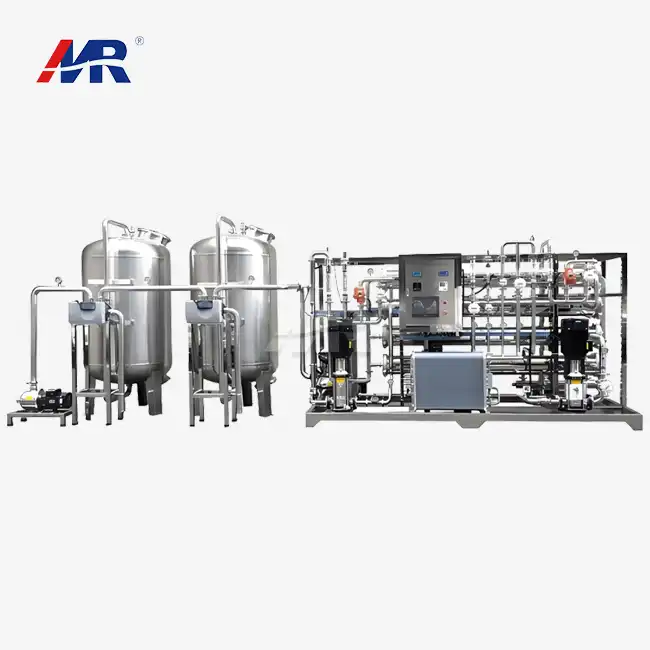
Understanding RO EDI Water Systems: Key Concepts and Operation
How the Two-Stage Process Works
In two separate steps, a reverse osmosis and electrodeionization train gets rid of toxins. The RO membrane does most of the work, getting rid of up to 99.99% of the dissolved salts, organics, and particles. The EDI stage then takes the RO permeate and uses an electric field to drive a constant ion-exchange membrane process to get rid of the last few trace ions. This is done without the need for acid or caustic renewal.
What Makes EDI Different from Traditional Deionization
Chemical renewal processes in traditional mixed-bed deionization create dangerous waste and make the quality of the water vary from batch to batch. EDI gets rid of both issues. The electric field keeps the ion-exchange resin in place and renews it, giving a stable output that is always close to 18.2 M©·cm resistivity, which is the standard for ultrapure water in the semiconductor and electronics industries.
The MR-EDI-5TH at a Glance
Morui's MR-EDI-5TH is optimized for producing ultrapure water. 55% of the water is recovered, and 99.99% of the salt is rejected. It runs at 16 kW/hour. With these numbers, it's a good choice for places that care about both water quality and energy efficiency.
Essential Maintenance Practices for Optimal RO EDI Performance
Routine Inspection and Monitoring Schedule
Problems are caught early by checking the feed pressure, product resistance, and flow rates every day. A drop in the product resistivity below your goal level usually means that the ro membrane is breaking down or that the feed water conductivity has changed above the 40 µS/cm range that is okay for EDI. Keep consistent logs of readings and set warning levels in your control system.
The following are the most important repair tasks that every expert should write down:
- RO membrane CIP (Clean-In-Place): Perform cleaning when normalized permeate flux drops by 10–15%. Use low-pH cleaners for scaling and high-pH cleaners for organic fouling.
- Pretreatment filter replacement: Sediment and carbon filters typically require replacement every 3–6 months depending on feed water quality. Neglecting this step accelerates membrane fouling.
- EDI module inspection: Check electrode connections, stack integrity, and concentrate flow quarterly. With proper RO pretreatment, EDI modules generally last 3–5 years.
These steps will protect your investment and cut down on unplanned downtime. A well-kept RO+EDI train always does better than systems that only get reactive attention.
Managing Carbonate and CO₂ Interference
EDI output resistance in an RO EDI water system falls short of goals often because RO filtrate has a lot of dissolved CO₂. CO₂ doesn't have a hard time getting through RO membranes and acts as a weak acid load on the EDI stack. Putting in a membrane degasser between the RO and EDI steps gets rid of most of the CO₂ and keeps the quality of the output stable without using extra chemicals.
Hardness Control and Antiscalant Dosing
Scaling happens on both RO membranes and EDI concentrate channels because of hardness ions, mostly calcium and magnesium. Upstream of the RO, you must have a water softener or antiscalant pumping system in order to protect the membrane life and keep the recovery rate that the MR-EDI-5TH is rated for.
Comparing RO EDI Systems with Alternative Purification Technologies
RO EDI vs. Standalone RO
Standalone RO makes water with a conductivity of about 1 to 50 µS/cm, which is fine for some boiler make-up uses but not good enough for semiconductor- or pharmaceutical-grade needs. When RO is paired with EDI, conductivity drops to less than 0.1 µS/cm and resistivity rises to 18.2 M©·cm, which is something that RO alone can't do.
RO EDI vs. UV Disinfection
UV systems work well to get rid of microbial contamination but don't change the concentration of dissolved ions. As a final step in cleaning medicinal water loops to get rid of bioburden, they are often put in after RO+EDI. The ionic removal function that EDI provides can't be done by UV alone.
RO EDI vs. Distillation
Distillation makes water that is very pure, but it uses a lot more energy per liter than a RO+EDI train. The cost of energy and infrastructure makes distillation impractical for large-scale industrial uses. At an industrial level, the MR-EDI-5TH, which uses only 16 kW/hour, is a much more cost-effective choice.
How to Choose and Procure the Right RO EDI Water System for Your Business
Define Your Water Quality and Capacity Requirements First
Before you talk to any RO water system suppliers, write down the results of your feed water study, which should include TDS, hardness, silica, CO₂, and SDI. These numbers tell you if you need single-pass or double-pass RO before EDI, what kind of pretreatment you need, and what flow rate standard works best for your RO EDI water system production plan.
Evaluate Suppliers on Documentation and Support
Compliance documentation is a must for facilities in the United States. You should look for providers that offer full material certificates, CE-marked or NSF-compliant tools, and IQ/OQ validation packages for pharmaceutical uses. The total cost of ownership is directly affected by Technical support after the sale and the availability of spare parts.
Understand the True Cost of Ownership
The price of the purchase is only one factor that can change. In an overall cost study, you should think about the following:
- Energy consumption: At 16 kW/hour, the MR-EDI-5TH is competitive for its output class. Compare normalized energy per cubic meter of product water across vendors.
- Membrane replacement cycles: Longer intervals reduce both material costs and labor.
- Chemical-free operation: No acid/caustic regeneration means zero chemical procurement, zero hazardous waste disposal fees, and lower safety compliance burden.
When you decide where to source, these costs give you a more accurate picture than cash cost alone. When people only look at the buying price, they often have to pay more for running the business in the first two years.
Optimizing RO EDI System Performance for Long-Term Efficiency
Real-Time Monitoring and Data Logging
Online resistivity meters, flow transmitters, and pressure monitors that connect to a SCADA or remote tracking tool make modern RO+edi systems much more useful. The systems made by Morui can be monitored from afar, which lets the operations teams keep an eye on performance trends, spot problems early, and plan maintenance before they happen.
Addressing Pressure Drop and Scaling Early
One of the first clear signs of fouling or scaling is a slow rise in the difference in pressure across the RO membranes. It's much cheaper to fix the problem early on with CIP or antiscalant adjustment than to replace the membrane. Tracking normalized values instead of raw readings takes into account changes in temperature and shows the real state of the membrane over time.
Periodic System Audits
A skilled water treatment expert can find configuration inefficiencies that build up over time by doing an annual performance check. The quality of feed water changes a lot with the seasons or when the conditions of the city source change. Checking the system against the most recent feed water data and making the necessary changes to the running settings keeps the system working at its best.
Conclusion
Consistent monitoring, strict pretreatment, and wise purchasing decisions are all necessary for any RO EDI water system to function properly. While the MR-EDI-5TH can reject 99.99% of salt and produce chemical-free ultrapure water at a rate of 16 kW/hour, these numbers will only hold true if the practices outlined in this guide are followed. The ideas in this article will help you make decisions that protect both water quality and your investment, whether you are installing a new UPW system or checking out an old one.
Frequently Asked Questions
1. How often should RO membranes be replaced in an RO+EDI system?
RO membranes typically last 3–5 years with proper pretreatment and regular CIP cycles. Replacement is usually triggered by a 10–15% normalized flux decline or a measurable rise in permeate conductivity, rather than a fixed calendar interval.
2. Why does my EDI unit produce lower resistivity after a feed water change?
EDI performance is sensitive to feed conductivity. If feed water TDS rises above the EDI inlet specification (typically below 40 µS/cm), the electric field cannot fully remove ions. Check your RO operating conditions and consider a double-pass RO configuration if feed salinity has increased.
3. Is antiscalant dosing necessary before the RO stage?
Yes. Calcium and magnesium scaling on RO membranes and EDI concentrate channels degrades performance and shortens component life. Either a water softener or a calibrated antiscalant injection system upstream of RO is standard practice.
4. What causes CO₂ to affect EDI output quality?
CO₂ passes through RO membranes and creates a carbonic acid load in the EDI stack, consuming current capacity that would otherwise remove ionic contaminants. A degasser between the RO and EDI stages is the standard solution.
Contact Morui for a Customized RO EDI Water System Quote
Morui's engineering team collaborates directly with semiconductor, pharmaceutical, and industrial facilities to size and configure RO EDI water system solutions that are tailored to your specific feed water and output requirements. As a reliable RO water system maker that can make membranes and whole systems in-house, we offer documentation, remote tracking integration, and long-term technical support all from a single source. You can email benson@guangdongmorui.com to set up a meeting.
References
1. ASTM International. ASTM D5127: Standard Guide for Ultra-Pure Water Used in the Electronics and Semiconductor Industries. ASTM International, 2013.
2. Water Quality Association. Electrodeionization Technology Overview and Application Guide. WQA Technical Committee, 2018.
3. Kucera, Jane. Reverse Osmosis: Industrial Processes and Applications. Wiley-Scrivener, 2015.
4. American Water Works Association. Water Treatment: Principles and Practices of Water Supply Operations. AWWA, 2019.
5. United States Pharmacopeia. USP <1231> Water for Pharmaceutical Purposes. USP-NF, 2022.
6. Strathmann, Heiner. Ion-Exchange Membrane Separation Processes. Elsevier, 2004.
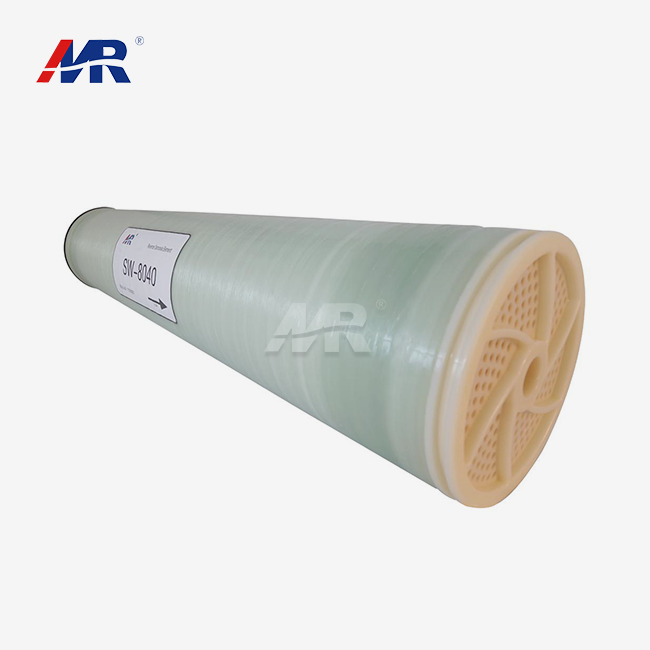 VIEW MOREreverse osmosis membranes
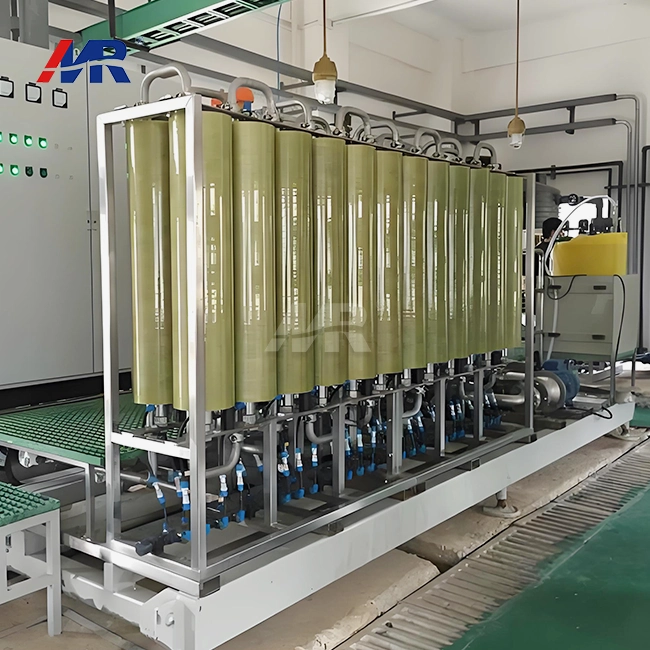 VIEW MOREDisc Tube Reverse Osmosis
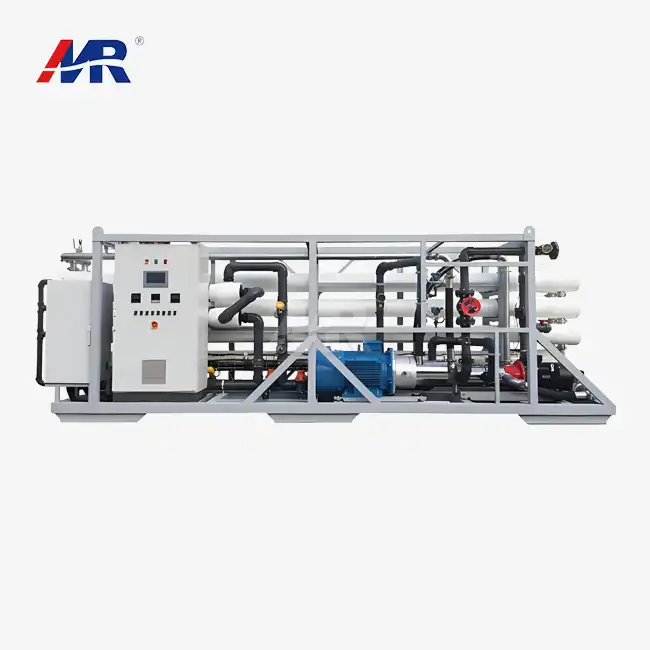 VIEW MORE15m3/hour seawater desalination system
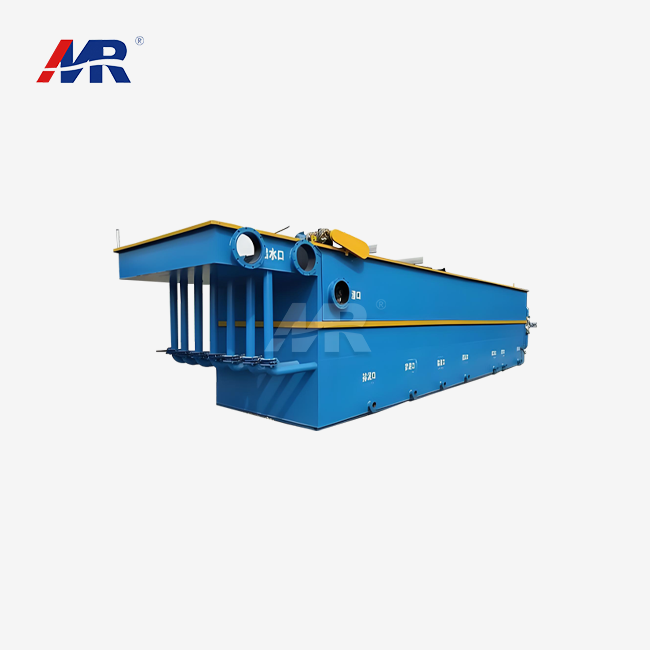 VIEW MOREadvanced wastewater treatment system
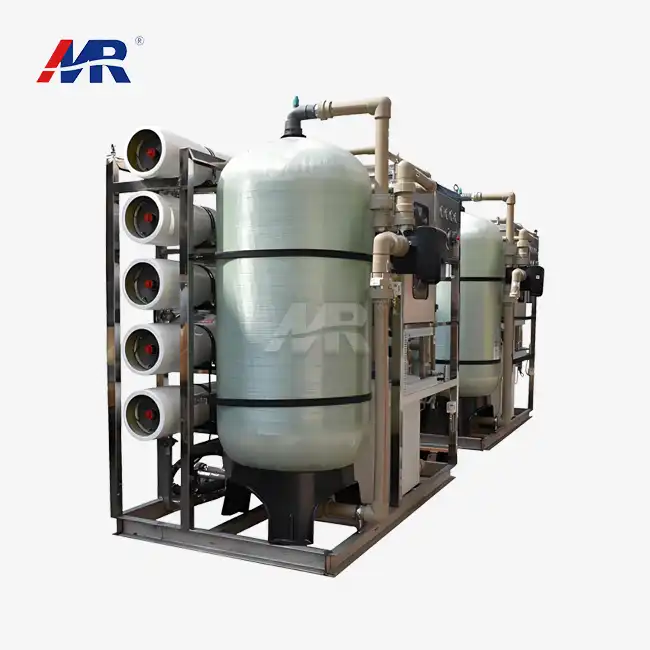 VIEW MORE8m3/hour seawater desalination equipment
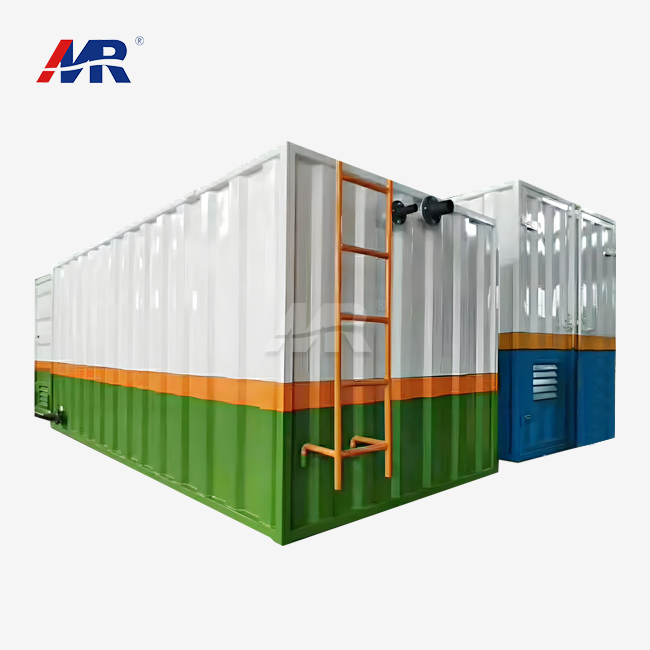 VIEW MOREindustrial sewage treatment plant
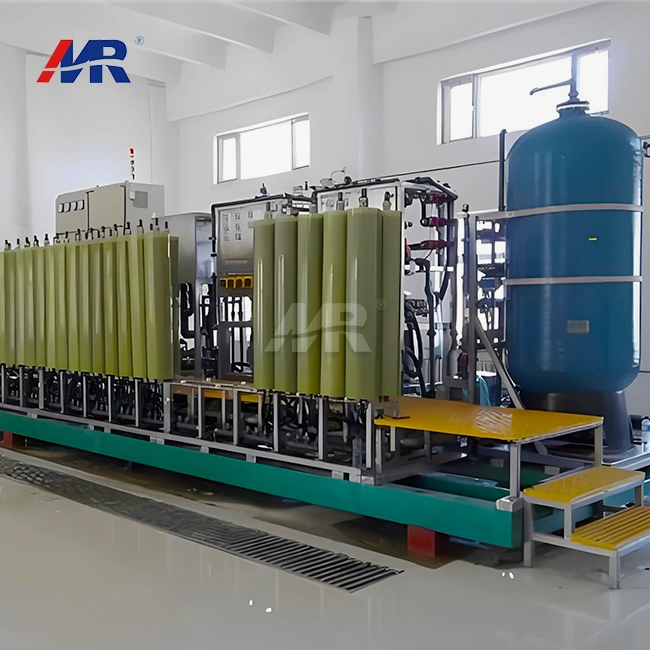 VIEW MOREDTRO system
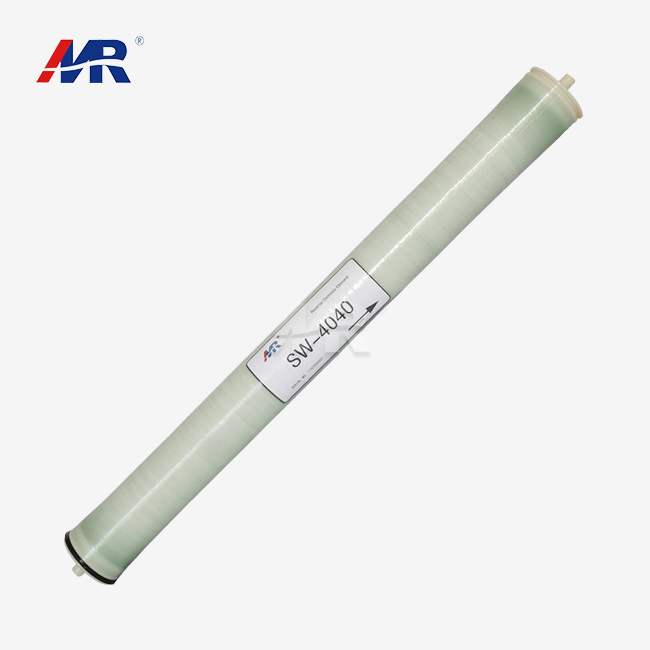 VIEW MORE4040 seawater reverse osmosis membrane
