



How Desalination Portable Units Adapt to Changing Water Demand
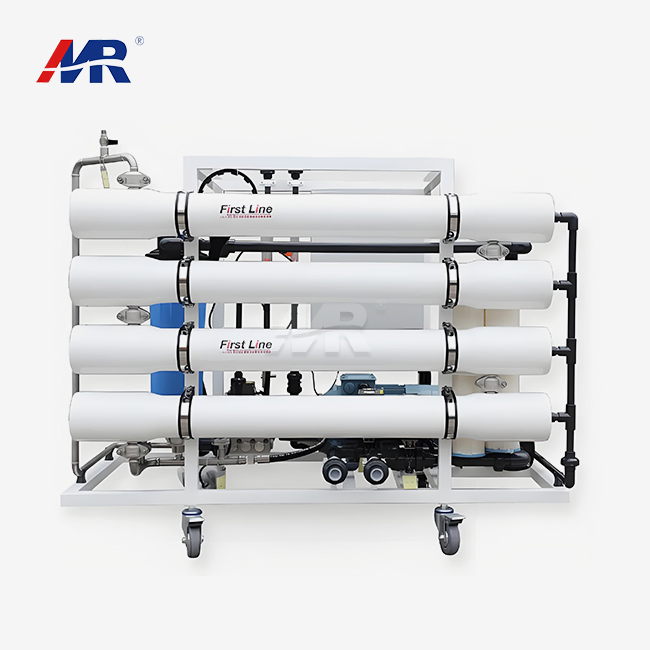
An immediate solution is provided by a desalination portable machine in situations when the water supply is unable to keep up with the fluctuating demand. Without the need for permanent infrastructure, these small and modular reverse osmosis devices are able to transform brackish water or saltwater into clean, drinkable water that satisfies the Drinking Water Standards of the World Health Organization. This means that portable desalination systems are able to alter their capacity on the go, regardless of whether the demand is increasing at a seaside resort during peak season, decreasing in an oilfield camp between drilling stages, or increasing after a tragedy. Because of their adaptability, they are an excellent procurement option for businesses that operate in regions that are either water-scarce or unpredictable.
Understanding the Core Challenges of Water Demand and Supply
Failure to consume an adequate amount of water results in several issues. There are many of them. Many kinds of enterprises are affected by them in a variety of different ways.
Seasonal and Geographic Variability
It's possible that during the summer, tourist destinations near the shore use three times as much water. Even if there is no water in the immediate vicinity, mining operations that are located a great distance away could need it immediately. According to research that was published by the United Nations in the year 2023, more than 3.6 billion people have difficulty obtaining sufficient water for at least one year. As a result of these changes, things that are fixed are unable to adjust quickly enough.
The Limits of Traditional Fixed Plants
Permits, planning, and construction of a desalination plant often take a number of years to complete. Most of the time, the price tag for purchasing them is in the tens of millions of dollars. After being set up, they are only able to function in a single location and at a predetermined rate. Even if there is a decrease in demand, you will still be required to pay for capacity that is not being used. Should the demand exceed what was anticipated, you will be forced to give up. A significant number of workers are of the opinion that the primary issue is obstinacy.
Why Procurement Professionals Are Rethinking Their Approach
Business-to-business purchasers, such as port operators and hotel developers, are increasingly demanding solutions that are compatible with their goals. This need is expected to continue. It is essential for them to have systems that are simple to arrange, can be relocated if necessary, and can be expanded upon without the need to begin construction from scratch. Many thanks for posing this inquiry. It is precisely this topic that piques people's interest in the use of containerized water treatment equipment that is transportable.
How Portable Desalination Units Meet Dynamic Water Demand
In addition to moving water, a portable RO system that has been thoughtfully constructed will move along with your business.
Modular Architecture Allows Capacity Scaling
When it comes to increasing daily production, portable units that are constructed on a modular skid or container frame may be stacked or joined in parallel, respectively. The containerized SWRO systems offered by Morui, for instance, are available for outputs ranging from low to high, and each unit may be added on its own as the need for the system increases. By doing so, the all-or-nothing capital investment that stationary plants need may be avoided.
Rapid Deployment Reduces Downtime Risk
Speed matters. After Hurricane Maria in 2017, relief organizations deployed desalination portable units in Puerto Rico within 72 hours of landfall to restore clean water access. Containerized systems with pre-installed pumps, membranes, and pre-filtration stages can be shipped, positioned, and operational in a fraction of the time a fixed plant requires.
Technology Inside the Unit
Modern portable systems integrate several key components that directly address variable demand:
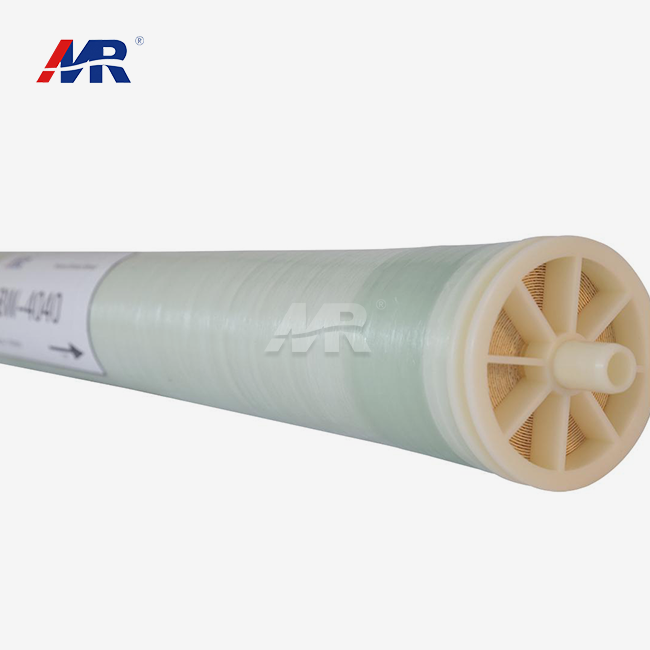
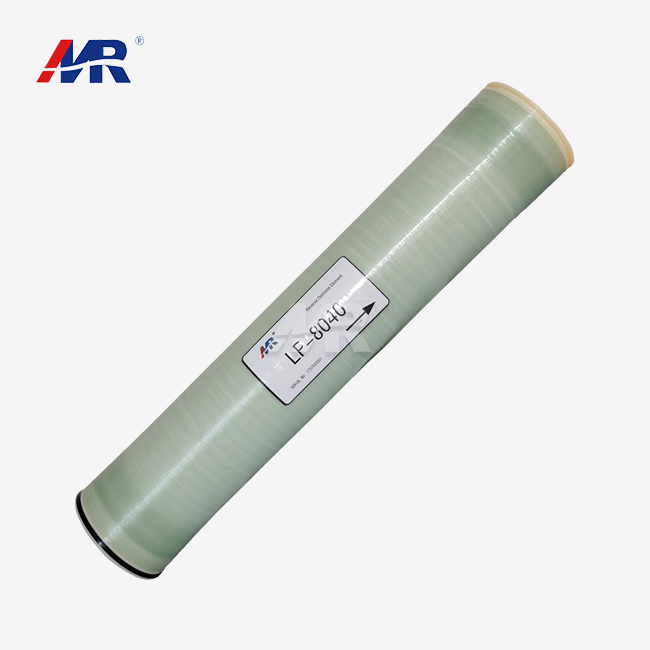
- Thin Film Composite (TFC) SWRO membranes deliver salt rejection rates above 99.4%, producing water that meets drinking standards regardless of source salinity.
- Energy Recovery Devices (ERDs) recycle hydraulic pressure from the concentrate stream, reducing energy consumption to as low as 3–4 kWh per cubic meter—critical for sites running on generators or solar arrays.
- Automated TDS sensors and flushing cycles protect membranes between operational periods, extending service life even when the unit sits idle during low-demand phases.
These features work together to give operators consistent output quality across fluctuating run times—something fixed systems offer by default but portable systems now match through engineering.
Comparing Portable vs. Fixed Desalination Solutions for Procurement Decisions
You should choose between a portable or fixed system based on three factors: how long you need it, how stable the location is, and your budget.
Capital Investment and Total Cost of Ownership
Fixed plants cost more at first, but over 20 years or more, they cost less per cubic meter. It costs less to set up portable units; they get their money back faster, and they don't cost as much if the business needs to change. A resort that opens in 18 months can start making money with a containerized portable system, which is a long time before a fixed plant gets all of its permits.
Operational Flexibility and Procurement Models
Now there are more ways to buy portable systems that remove salt from water. Now, buyers can do more than just buy:
- Bulk purchasing of standardized containerized units suits regional agents and engineering firms that supply multiple project sites.
- Project-based quotations with full installation and commissioning support work well for mining and oil & gas operators.
- OEM/ODM customization lets buyers configure pretreatment stages (UF, multi-media filtration), remineralization, and remote monitoring to match specific source water conditions.
Buying teams have more freedom with these options than when they buy a set plant.
Certification and Compliance for US Buyers
People from the United States need to follow strict rules. Water-contact materials must be NSF-certified for systems that will be used in the US. To make sure that the equipment is safe, it must be CE-marked, and water quality test reports from a third party are required. We think about these needs when Morui creates its systems, and we offer paperwork packages to help with our customers' research before they buy. For US operators, the approval process goes faster by a few weeks if they work with a portable desalination source that knows how to get licensed in the US.
Practical Applications and Maintenance Tips for Portable Desalination Units
Real-world performance depends as much on maintenance as on engineering.
Key Application Sectors
Desalination portable systems have proven reliable across several distinct sectors. Hotels and resorts on small islands use them to end dependence on expensive water barge deliveries. Offshore oil platforms use onboard RO units as their primary freshwater source. Agricultural camps in arid coastal regions use them to produce irrigation-quality water from brackish groundwater. Each of these environments places different stress on the system, but the core maintenance needs remain consistent.
Routine Maintenance Practices That Extend System Life
Neglecting maintenance is the fastest way to shorten membrane life and increase operating costs. Here are the practices that matter most:
- Monthly membrane inspections check for scaling, biofouling, and pressure drop anomalies before they affect output quality.
- Pre-filter cartridge replacement on schedule—typically every 500–1,000 operating hours—protects the high-pressure pump and RO membranes from particulate damage.
- Automated or manual freshwater flushing after each shutdown cycle removes concentrated salt from membrane surfaces, preventing crystallization.
Following these steps consistently can extend membrane service life beyond the typical 3–5 year replacement cycle, reducing long-term operating costs.
Operator Training and Remote Support
Even the most well-engineered portable unit requires trained operators. Morui provides multilingual commissioning support and technical documentation for all deployed systems. Remote monitoring integration allows engineering teams to track TDS levels, flow rates, and pressure readings in real time—flagging issues before they cause shutdowns.
Future Trends and Innovations in Portable Desalination
Portable water treatment systems keep getting better in ways that are good for businesses that buy them.
Renewable Energy Integration
The sun's power for desalination has gone from small tests to general use. Now, systems that use SWro membranes along with solar panels and batteries can work in outlying areas that aren't linked to the power grid. Wind-powered setups are becoming more popular for use offshore. The International Renewable Energy Agency (IRENA) said in 2023 that renewable energy-powered desalination capacity had grown at a rate of over 15% per year. This is a trend that makes businesses cheaper to run and less harmful to the environment.
Smart Monitoring and Predictive Maintenance
With sensors that are linked to the Internet of Things, workers can now check on portable units from anywhere. Predictive models show signs of membrane wear, pump wear, and drug dose problems before they break. This centralized view is very helpful for workers who are in charge of many units at different locations.
Evolving Procurement Models
The market is shifting toward subscription-based access and update tracks that are split up into smaller chunks. People don't have to buy a whole new machine when technology gets better. Not at all. As new parts come out, they can just switch out membrane sets, make the control systems better, or add energy recovery steps. With this method, systems are always up to date, and investments are kept safe.
Conclusion
It changes how much water you need. As the area grows, it changes with the seasons, and all of a sudden goes up. A desalination portable unit solves this issue right away because it can be moved around, expanded, and set up quickly, which isn't possible with fixed infrastructure. Getting clean water to people who need it is pretty much the same on both coastal islands and military ships at sea. Present SWRO membranes can be used with smart tracking and energy recovery devices to make a small unit that can be used as a full water security plan. It's never been more important for buying teams to be able to move their options around.
Frequently Asked Questions
1. What output capacity do portable desalination units typically offer?
Portable RO systems range from small units producing around 100 liters per day to containerized systems generating several hundred cubic meters per day. Capacity selection depends on daily consumption requirements, source water salinity, and available power supply. Most commercial-grade units can be configured for specific output targets.
2. How much energy does a portable desalination system consume?
Energy consumption depends heavily on source water salinity. Seawater systems typically consume between 3 and 6 kWh per cubic meter of treated water. Units equipped with energy recovery devices sit toward the lower end of that range. Brackish water systems consume significantly less—often under 2 kWh per cubic meter.
3. Can these systems operate in extreme temperatures?
Yes. Industrial-grade portable desalination units are designed for ambient temperatures exceeding 45°C and can handle source water temperatures common in Middle Eastern and tropical environments. Corrosion-resistant materials such as duplex stainless steel ensure structural integrity in marine and high-humidity conditions.
4. What certifications should US buyers look for?
US buyers should prioritize NSF/ANSI certification for water-contact components, CE marking, and documented water quality test reports aligned with EPA or WHO standards. Third-party lab testing of treated water output strengthens compliance documentation for municipal or government projects.
Partner with Morui for Your Next Desalination Project
Morui makes desalination systems that are portable and can be used in many places. There are a lot of different kinds of these systems, from single skid units to full containerized SWRO installations that include pretreatment, energy recovery, and monitoring from afar. As a trustworthy desalination portable maker with our own membrane factory and several equipment factories, we help US buyers with all the paperwork and expert support in a number of languages. You can email us at benson@guangdongmorui.com to get a price or have your place looked at.
References
1. United Nations World Water Development Report. (2023). Partnerships and Cooperation for Water. UNESCO.
2. International Renewable Energy Agency (IRENA). (2023). Renewable Energy-Powered Desalination: Status and Prospects.
3. World Health Organization. (2022). Guidelines for Drinking-Water Quality, 4th Edition, Incorporating the 1st and 2nd Addenda.
4. Elimelech, M., & Phillip, W. A. (2011). The Future of Seawater Desalination: Energy, Technology, and the Environment. Science, 333(6043), 712–717.
5. Ghaffour, N., Missimer, T. M., & Amy, G. L. (2013). Technical review and evaluation of the economics of water desalination: Current and future challenges for better water supply sustainability. Desalination, 309, 197–207.
6. Voutchkov, N. (2018). Desalination Engineering: Planning and Design. McGraw-Hill Education.
 VIEW MOREwaste water treatment system
 VIEW MOREultrafiltration equipment
 VIEW MOREindustrial reverse osmosis membrane
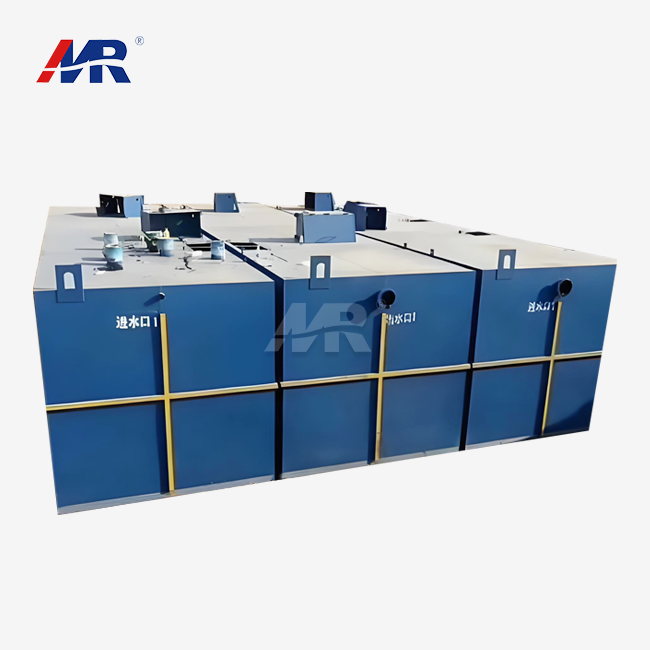 VIEW MOREcommercial sewage treatment plant
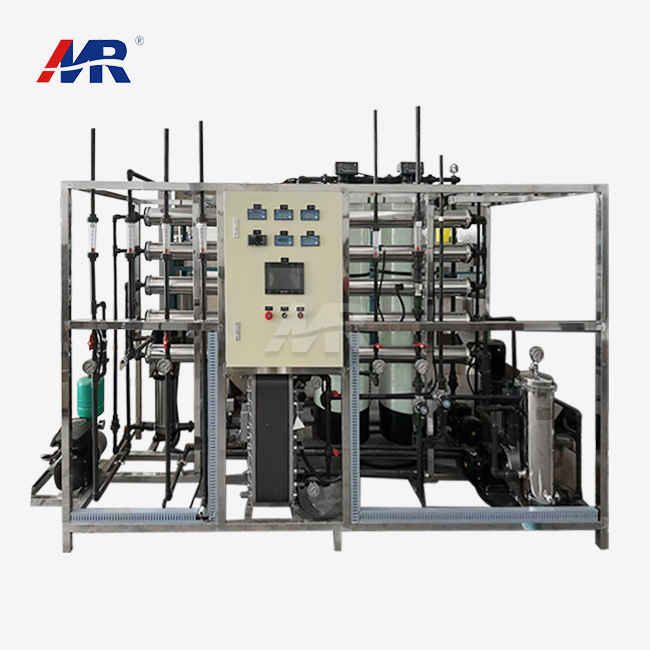 VIEW MOREedi purified water system
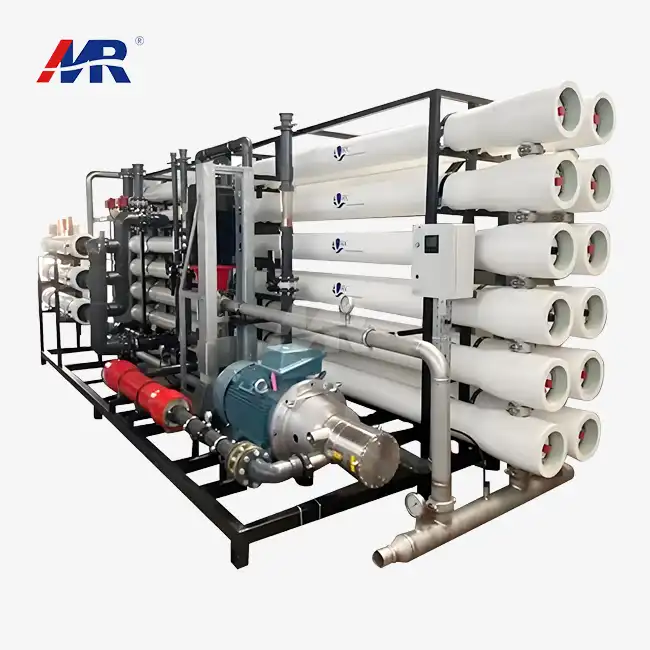 VIEW MORE45m3/hour seawater desalination system
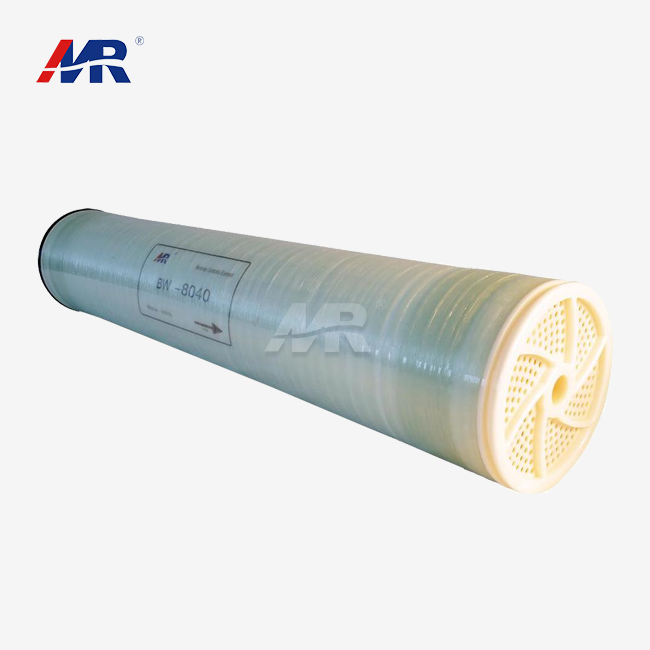 VIEW MORE8040 reverse osmosis membrane
 VIEW MOREreverse osmosis membrane
