



How Pretreatment Improves Performance in the Desalination Plant Process
It is the pretreatment step that decides whether the desalination plant process works well or is plagued by issues that need regular maintenance. A variety of conditioning stages are performed on raw saltwater or brackish water before it ever reaches a reverse osmosis membrane. These procedures are aimed at removing particles, organic materials, and biological pollutants from the water. At Morui, we have seen personally how plants that invest in adequate pretreatment routinely outperform those that do not. These plants produce cleaner water, lower energy costs, and longer membrane life across a variety of applications, including municipal, industrial, and offshore.
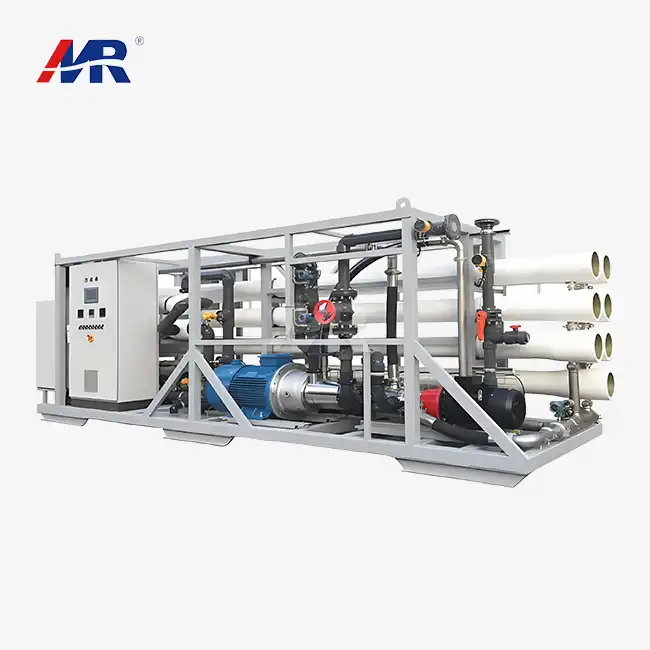
Understanding the Desalination Plant Process and the Role of Pretreatment
What Happens Before the RO Membrane
After being extracted from the sea, ocean water contains a variety of species, including bacteria, algae, suspended particles, and dissolved organic pollutants. Within a matter of days, these pollutants will make their way to the surface of the membrane and begin to contaminate it if you do not condition it. To ensure that the RO stage is able to handle the feed water on a consistent basis, this step guarantees that the water is safe and stable.
Where Pretreatment Fits in the Overall Workflow
The input, pretreatment, high-pressure pumping, membrane separation, post-treatment, and distribution stages are the six stages that are often included in an SWRO system of this kind. Through the process of pretreatment, the raw water that is brought in is pushed away from the membrane grid. It is like to removing the oil filter from an engine: the damage gradually accumulates until ultimately something breaks.
Why Procurement Teams Should Care
When it comes to purchasing items, those in charge of making purchases cannot just choose a saltwater desalination system without additionally selecting preparation. The amount of time it takes for the capital, operational labor, and chemical expenditures to be recouped is directly impacted by it. It is possible to increase the frequency of membrane replacement from once every three years to once every six or seven years, provided you choose the appropriate pretreatment course. It is important to note that this creates a significant impact on the total cost of ownership of the plant after twenty years.
Common Challenges in Desalination Without Proper Pretreatment
Membrane Fouling and Its Hidden Costs
When particles, biofilm, or scale deposit on the surface of the membrane, fouling develops. This causes the water flow to be restricted, which in turn forces operators to increase the feed pressure. Fouling-related energy penalties may add anywhere from 15–25% to the baseline kWh/m3 value, as stated by the International Desalination Association. This number increases on a daily basis over a huge municipal installation.
Scaling from Dissolved Minerals
Calcium carbonate, calcium sulfate, and barium sulfate are common scaling agents in seawater for a desalination plant process. When the concentration factor rises inside the pressure vessel, these minerals precipitate onto the membrane. Once scale forms, chemical cleaning cycles are needed more frequently, each one adding labor cost and risking minor membrane damage.
Biological Contamination and Biofouling
Coastal intake water—especially near ports, estuaries, or areas with seasonal algal blooms—carries high microbial loads. Without disinfection and biological control at the pretreatment stage, bacteria colonize the membrane spacers and form biofilm. Biofilm dramatically reduces flux and can make certain membranes unrecoverable. Plants in tropical and subtropical zones face this challenge year-round.
Core Pretreatment Steps and Technologies for Optimized Desalination
Getting ready is a procedure that involves more than one stage and includes both chemical control and physical cleaning. In today's world, pretreatment is a multi-part process. Each of the several levels eliminates a distinct kind of impurities in its own unique way. When they work together, they purify the supply water to a level that allows the RO stage to properly process it.
These are the primary activities that are carried out in a pretreatment train that has been carefully planned:
- The removal of big debris, jellyfish, seaweed, and suspended particles that are larger than 100 microns is accomplished by coarse screening and sedimentation. The downstream equipment is shielded from any potential physical damage, and the solids load on the finer filters is reduced as a result.
- Sand and anthracite layers absorb tiny suspended particles and turbidity down to the 10–50 micron range, resulting in a constant silt density index (SDI) that is acceptable for flow via ultrafiltration (UF) or direct RO input. This kind of filtration is known as multimedia or dual-media filtration.
- Membranes for ultrafiltration (UF): UF works at a lower pressure than RO and eliminates particles, colloids, bacteria, and some viruses down to a size of 0.01–0.1 microns. Therefore, it has become a widely accepted method in high-turbidity or algal-bloom-prone intakes due to its consistent delivery of SDI values below 3, which is the threshold that RO membranes need in order to have a long service life.
- In the process of anti-scalant dosing, specialized chemicals are injected before the high-pressure pump in order to prevent the development of crystals on the surface of the membrane. This allows for better recovery rates without the danger of scaling.
- Chlorination or ultraviolet (UV) disinfection is used to eliminate the biological load, and sodium bisulfite or activated carbon dechlorination is used to protect polyamide RO membranes from oxidative degradation before feed water reaches the pressure vessels. Other biocide and pH correction methods are also used.
Large pieces of debris, jellyfish, seaweed, and water particles that are larger than 100 microns are eliminated by this process. Additionally, this is referred to as coarse screening. In addition to this, it prevents equipment further down the line from breaking and assists finer filters in performing better when dealing with heavy substances.
Benefits of Effective Pretreatment: Performance and Cost Advantages
A well-thought-out pretreatment system is worth the money in a number of ways that can be tracked in a desalination plant process. When Morui hires a tech team to work on a project, they always write down the following benefits:
- Energy usage is reduced because clean membranes function at the transmembrane pressure that was designed for them. In order to function properly, fouled membranes need to have a greater feed pressure, which immediately results in a higher kWh/m3. For the purpose of keeping energy costs at or below the system's rated value, maintaining low fouling rates is essential.
- Extended membrane service life: Membrane elements often survive between five and seven years, as opposed to two to three years, when the SDI is consistently below three and biological load is managed throughout the manufacturing process. Replacement of membranes is one of the most significant recurrent operating expenses (OPEX) elements in any SWRO facility.
- As a result of effective pretreatment, the frequency of cleaning-in-place (CIP) cycles is reduced from monthly intervals to quarterly or longer intervals. This results in a reduction in the amount of chemical consumption as well as the amount of labor time connected with each cleaning event.
- Higher water recovery rates: When scaling risk is addressed with anti-scalant dosage, operators are able to boost recovery from a cautious 35–40% to 45–50% on saltwater sources, which results in the production of more permeate per cubic meter of input water.
In terms of its service life, the membrane has a longer lifespan. Therefore, as long as the SDI remains below 3 and the organic load remains low, the majority of membrane elements have a lifespan of five to seven years, as opposed to two to three years. Purchasing new membranes is one of the most significant continuous operating expenses that every SWRO facility must bear.
Selecting Pretreatment Solutions: Procurement and Operation Considerations
Matching Technology to Feed Water Characteristics
They don't all come from the same places. Open ocean intakes near ports have more particles and live things in them than beach well intakes that are beneath the ground. A study of the feed water should be asked for before choosing a pretreatment package. This study should include SDI, turbidity, temperature, total dissolved solids, and biological oxygen demand. To make sure that the pretreatment plan works with the source water, Morui offers site surveys and pilot tests.
Certifications and Compliance for U.S. Projects
When Americans buy materials that will come into contact with water, they usually want them to be NSF/ANSI 61 compliant and have energy-efficiency data and quality test reports that they can show. People whose job it is to buy things should make sure that all of the cleaning train's parts have the right permits. The pressure vessels, chemicals, and membrane housings are all part of this. Morui's systems are designed to meet the certification needs of both U.S. and foreign projects, and we keep full paperwork packages for every system we sell.
Operational Best Practices for Long-Term Performance
Just having equipment doesn't mean you'll get results. Workers can tell when the preparation is breaking down early on thanks to automated control systems that keep track of SDI, differential pressure, and flow rates. Planned media backwash cycles, regular tests of the membrane's stability, and having trained staff on-site all help to keep the system running well. All of Morui's projects come with commissioning support and training for operators to make sure the system works right from the start.
Conclusion
Pretreatment is not an afterthought in the desalination plant process of desalinating seawater; it is what all the other steps depend on. Plants have to shut down without warning when they don't pay attention because their membranes get clogged. Being careful with the engineering from the start will help the plant run at a higher level, cost less, and last longer. What you should do first is be very careful with the preparation process. This is true whether you're picking a containerized unit for a mining camp in the middle of nowhere or a big city system for an island in the middle of the ocean.
FAQ
1. What is the typical pretreatment process flow for an SWRO system?
A standard flow runs: intake screening → coagulation/flocculation → multimedia filtration → ultrafiltration → anti-scalant dosing → pH adjustment → cartridge filtration → high-pressure feed to RO. Some configurations replace multimedia filtration with direct UF, particularly where algal bloom risk is high.
2. How does pretreatment affect energy consumption in a seawater desalination system?
Clean membranes operate at design pressure. As fouling accumulates, feed pressure—and therefore pump energy—must increase to maintain permeate flow. Effective pretreatment holds membranes near their rated differential pressure, keeping energy consumption within the system's design specification of typically 3–4 kWh/m³ for modern SWRO with energy recovery.
3. What chemicals are most commonly used in desalination pretreatment?
Coagulants (ferric chloride, aluminum sulfate), anti-scalants, biocides (sodium hypochlorite), and reducing agents (sodium bisulfite) are the primary chemicals. Biocide selection depends on membrane type, since polyamide ro membranes are sensitive to free chlorine above 0.1 ppm.
4. Can pretreatment handle red tide and algal bloom events?
Yes. Dissolved air flotation (DAF) combined with ultrafiltration is the standard response to high algae concentrations. UF provides a consistent SDI output even during bloom events that would overwhelm conventional media filters.
Partner with Morui for Your Desalination Plant Process Needs
Guangdong Morui Environmental Technology Co., Ltd. has its own factory where it makes membranes and tools. In other words, we are in charge of the standards of every SWRO and prep part we sell. As a reliable provider of desalination plant processes, we make marine, skid-mounted, and containerized systems for use in cities, factories, and the ocean around the world. You can email our engineering team at benson@guangdongmorui.com to get a proposal that fits your needs.
References
1. International Desalination Association (IDA). IDA Desalination Yearbook 2022–2023. 2023.
2. Pearce, G. K. The Case for UF/MF Pretreatment for RO in Seawater Applications. Desalination, 2007.
3. Fritzmann, C., Löwenberg, J., Wintgens, T., & Melin, T. State-of-the-Art of Reverse Osmosis Desalination. Desalination, 2007.
4. World Health Organization (WHO). Guidelines for Drinking-Water Quality, 4th Edition. 2017.
5. Gaid, K., & Treal, Y. Industrial Desalination by Reverse Osmosis: 30 Years of Experience at Degrémont. Desalination, 2007.
6. Voutchkov, N. Desalination Engineering: Planning and Design. McGraw-Hill Education, 2012.
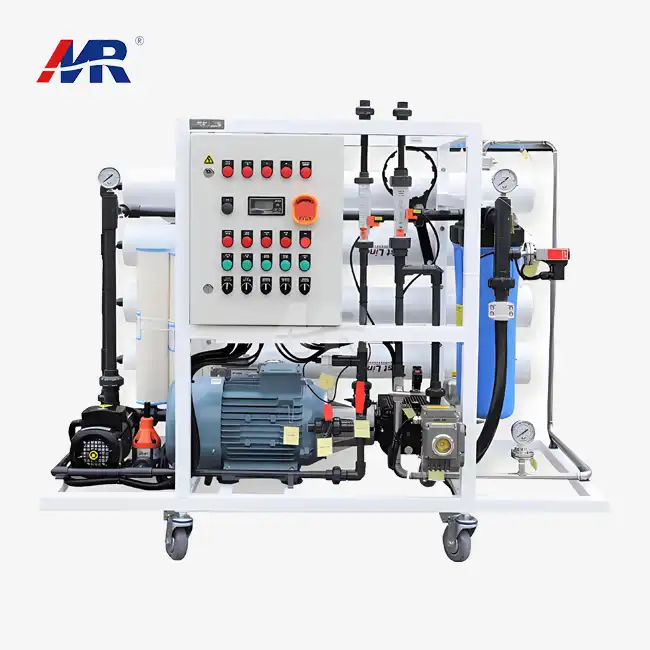 VIEW MORE2m3/hour seawater desalination equipment
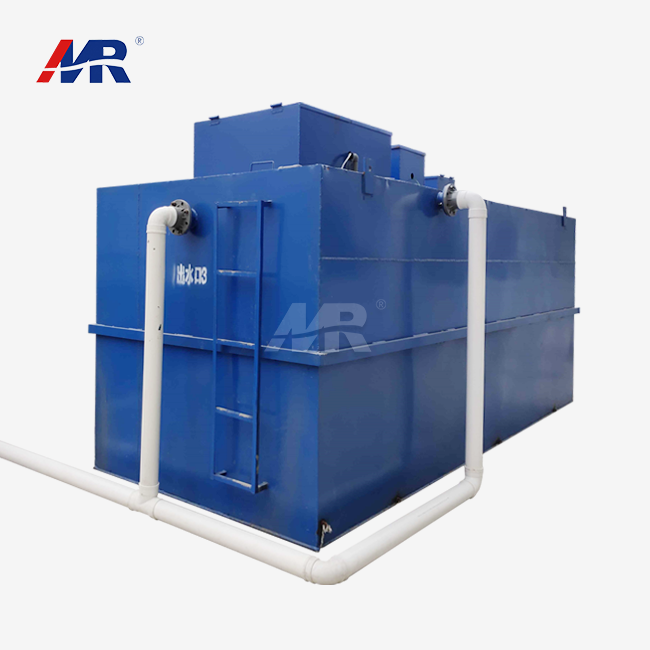 VIEW MOREMBR wastewater treatment plant
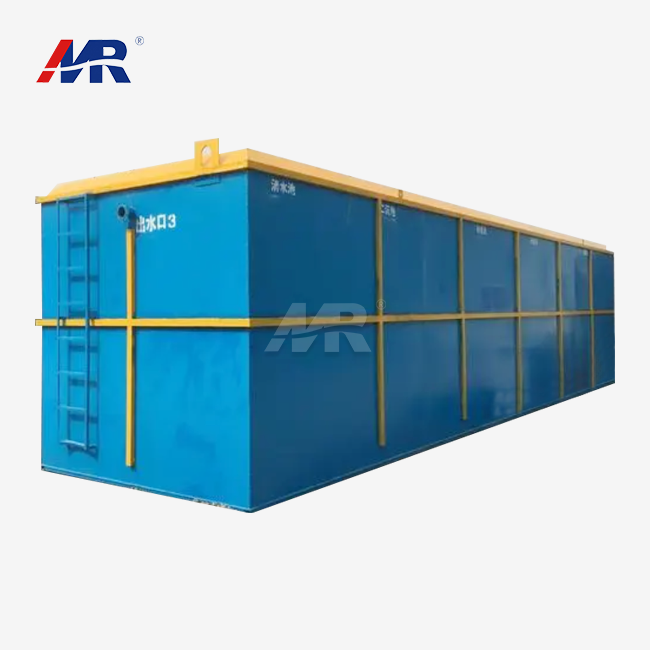 VIEW MOREwaste water treatment plant
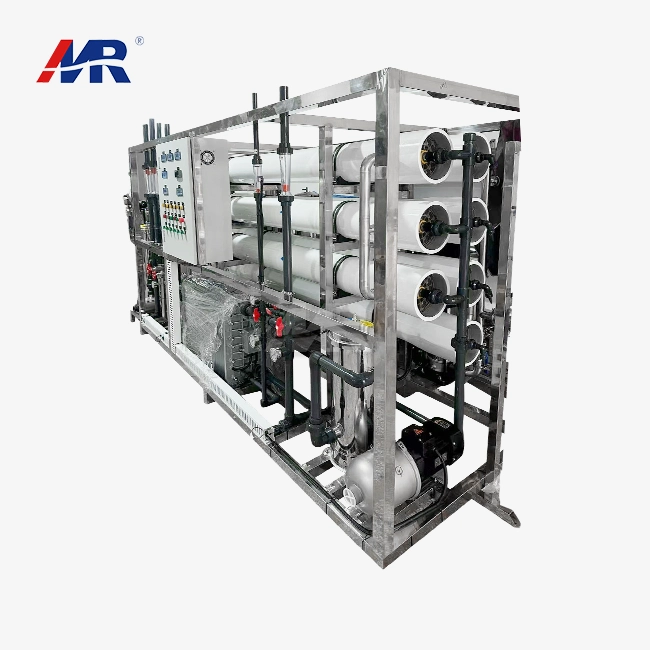 VIEW MOREedi module water treatment
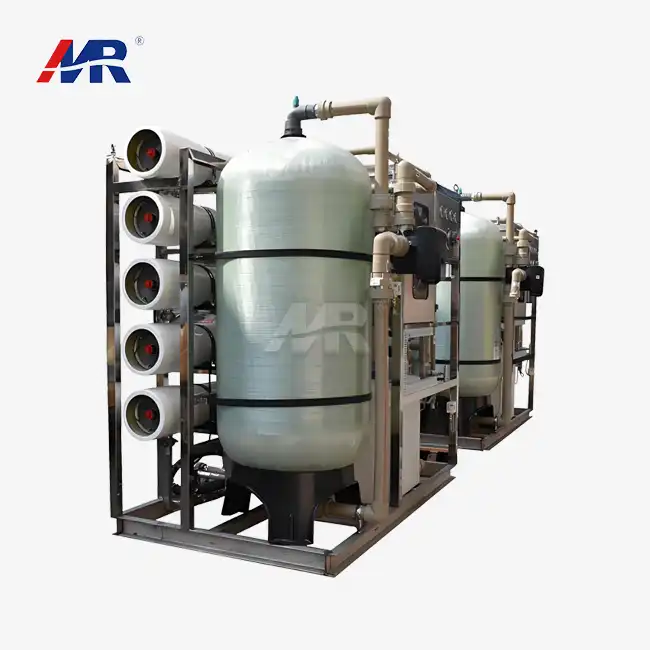 VIEW MORE8m3/hour seawater desalination equipment
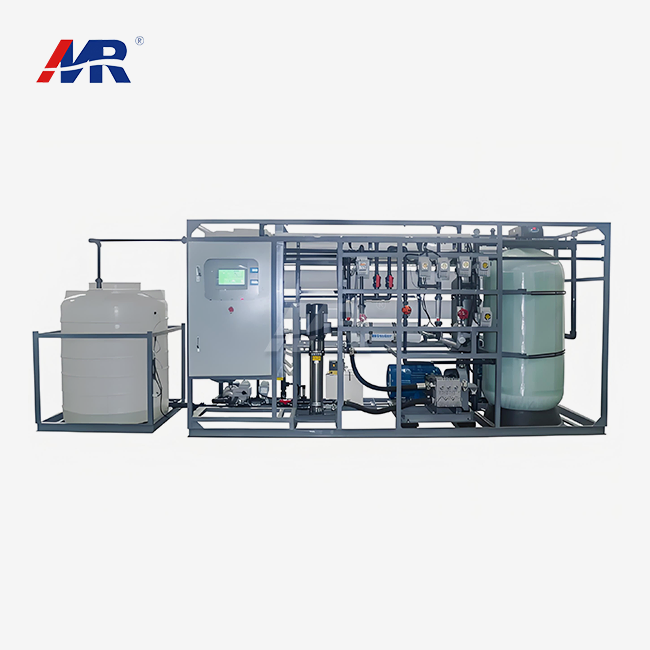 VIEW MOREseawater treatment system
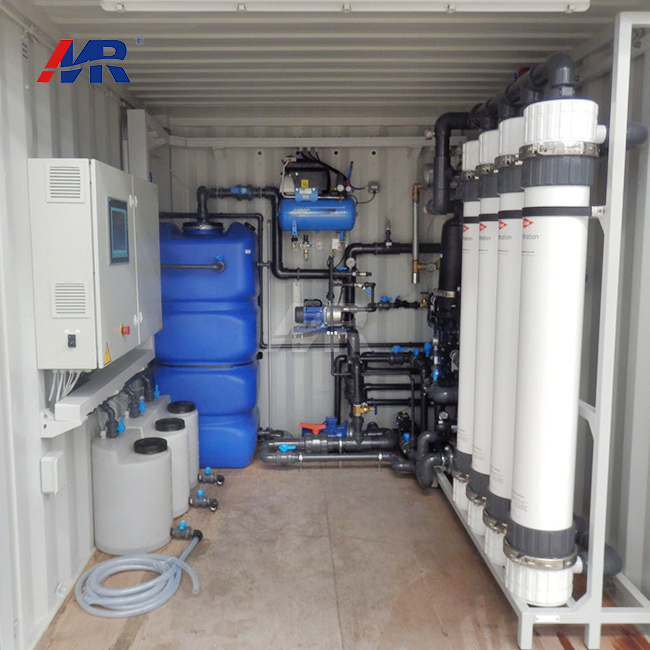 VIEW MOREcontainerized ultrafiltration equipment
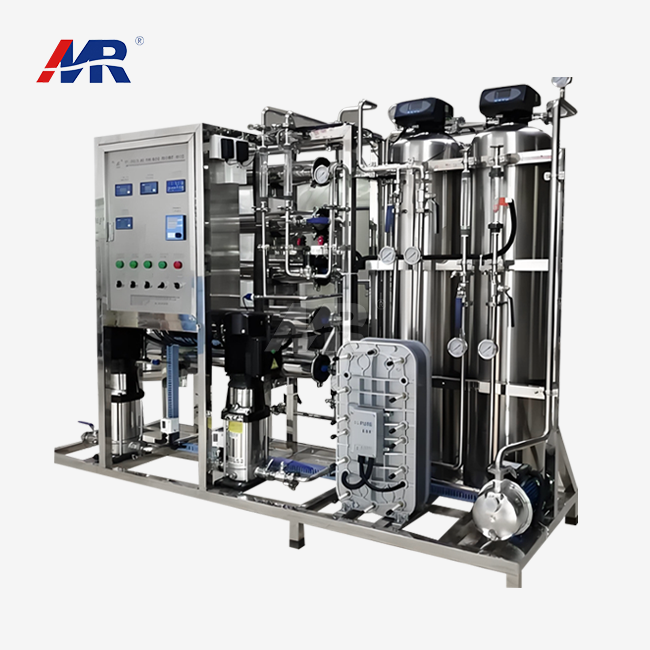 VIEW MOREEDI plant