_1745823981883.webp)

Portable Desalination Device for Disaster Preparedness
When hurricanes ravage coastal communities or earthquakes disrupt municipal water supplies, access to clean drinking water becomes an immediate life-or-death concern. A portable desalination device transforms this critical challenge into a manageable solution by converting seawater or brackish water into safe, potable water within minutes. These compact systems leverage advanced reverse osmosis technology to deliver WHO-compliant drinking water without relying on fragile infrastructure, making them essential for disaster response teams, remote facilities, and emergency preparedness programs across industries.
Understanding Portable Desalination Devices: Technology and Benefits
Core Reverse Osmosis Technology
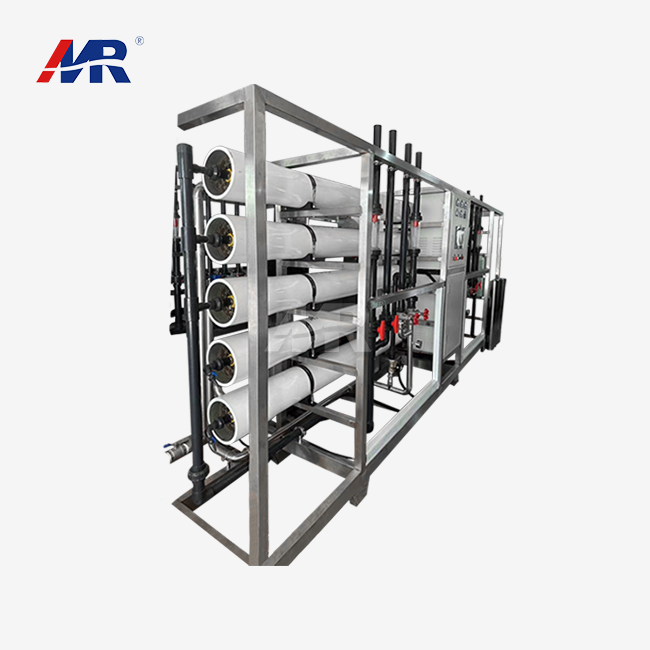
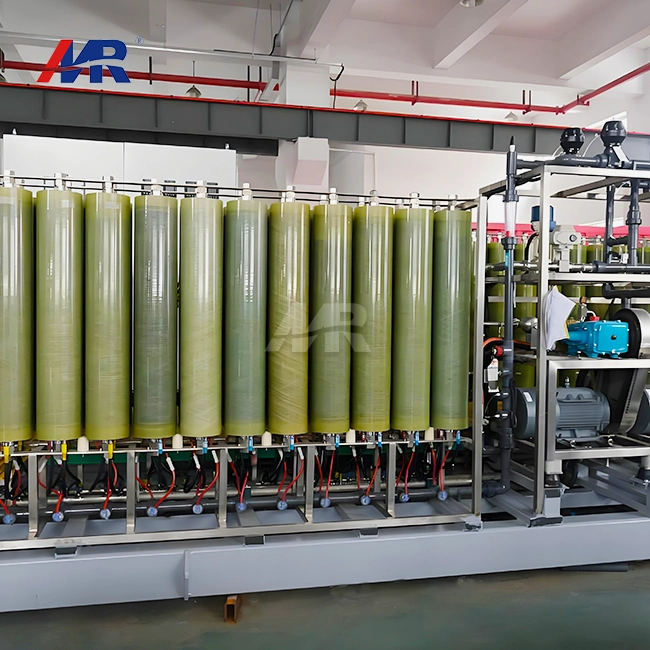
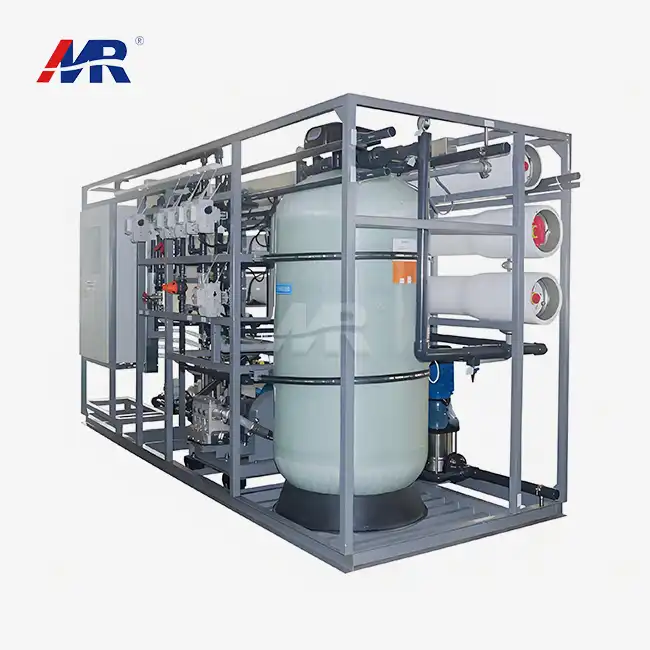
The filtering system is the most important part of any emergency water system. High pressure, usually between 800 and 1,200 psi, forces saltwater through membranes that let some things through but not others. This shield stops molecules of salt, heavy metals, and organic pollutants but lets molecules of pure water pass through. Thin Film Composite membranes are used in modern systems to get salt rejection rates of over 99.4%. These membranes stay stable even when processing murky coastal water during floods or storm surges.
Energy Recovery Devices built into high-end units use up to 60% less power by recovering hydraulic pressure from the concentrate stream. During disasters, when fuel supplies run out and solar panels may be the only source of power left, this efficiency is very important. Systems made to be used in emergencies usually work on 12V or 24V DC power, which makes it easy to connect to car batteries, portable generators, or solar panels.
Alternative Purification Methods
Solar distillation can be used as a backup when electricity goes out, but it can only produce 3–6 liters of water per square meter of collection surface per day. Another method is multistage filtration, which uses activated carbon, ceramic filters, and UV sterilization. This method kills bacteria and sediment, but it cannot get rid of dissolved salts. When it comes to different types of source water, like clear ocean water or muddy river deltas polluted by sewage overflow, hybrid units that use both mechanical filters and RO screens work the best.
Mobility and Deployment Advantages
Weight has a direct effect on reaction power. One operator can carry professional units weighing 15 to 35 kg over rough terrain. These units can fit into standard emergency response vehicles or the cargo compartments of helicopters. The daily production ranges from 100 liters for small teams to 3,000 liters for field hospitals or escape centers with room for hundreds of people who have been forced to leave their homes.
Battery-powered types can run continuously for 4 to 8 hours on a single charge, which is long enough to make enough water for a day before they need to be charged again. Solar-powered versions can run on their own power, but they need three to five hours of straight sunlight to produce the same amount of power as grid-powered versions. The best emergency readiness plan for a portable desalination device includes both types of power, so operations can continue even if the power goes out or there is damage to the infrastructure.
Long-Term Economic and Environmental Value
When businesses buy mobile desalination equipment, they do not have to pay for the shipping of bottled water during emergencies, which can be expensive over time. A medium-sized unit that makes 500 liters of water every day can replace about 1,000 single-use plastic bottles, which saves thousands of kilograms of waste every year and cuts costs by 70 to 80% compared to commercial water delivery. Self-contained water generation saves money and makes people less reliant on supply lines, which often break down in the 72 hours after a big disaster.
Evaluating Portable Desalination Devices: Key Criteria for B2B Procurement
Performance Metrics That Matter
When evaluating vendors, technical decision-makers should focus on three measurable requirements. The salt refusal rate shows how good the membrane is; anything less than 98.5% is not good enough for long-term emergency use. Recovery ratio, which is usually between 20 and 40 percent for portable units, tells you how much feed water turns into product water and how much waste concentrate. Higher recovery lowers the amount of source water needed, but it also raises the risk of membrane fouling in dirty environments.
The amount of daily production must match the wants of the company. A 20-person offshore platform needs at least 80 liters of water every day for drinking and cooking, but a 200-bed disaster aid camp needs over 2,000 liters for medical and cleaning rules. When grid power goes out for a long time, battery autonomy is very important. Systems that use a portable desalination device can run without being plugged in for 6 hours or more, giving emergency workers the freedom they need.
Deployment Speed Comparison
Traditional ways of purifying water, like trucked-in supplies or temporary pipes, take 24 to 72 hours to set up, provided that roads can still be used and infrastructure stays in good shape. This risk is taken away by portable desalination. A trained person can set up a small RO system in less than 30 minutes, from unpacking it to making the first batch of clean water. This ability to respond quickly saves lives during the most dangerous time, when accident survivors are most likely to get dehydrated and hurt.
Verified Performance Evidence
Puerto Rico's response to Hurricane Maria in 2017 showed how useful mobile water systems can be when centralized treatment plants break down for six months. While towns that relied on shipments of bottled water were facing dangerous water shortages, relief groups that used portable RO units kept medical centers and shelters supplied with water all the time. Post-deployment analyses from FEMA and humanitarian logistics managers constantly show that self-contained sanitation can help a lot during disasters.
Feedback from the maritime business adds to the evidence. Offshore drilling companies say that properly kept portable desalination equipment works 99.2% of the time over 5-year service intervals. This is compared to 87% reliability for shore-based water supply, which depends on weather windows and vessel availability. This track record can be directly applied to emergency management tasks where failure is not an option.
Maintenance, Environmental Impact, and Longevity of Portable Desalination Devices
Preventive Care Protocols
Maintenance habits are directly linked to membrane lifespan. Flushing membrane housings with fresh water after each use stops salt crystals from forming, which extends their useful life from 18 months to 3–5 years. Pre-filters that catch particles bigger than 5 microns need to be checked every 20 hours and replaced when the flow rate drops below 80% of the baseline. To keep the quality of the output constant, TDS devices should be adjusted every three months using standard reference solutions.
For lithium systems, managing their health means charging and discharging them once a month, and for lead-acid systems, testing their specific gravity. In marine settings, where salt spray speeds up material breakdown, it is very important to check pump housings and pressure tanks for corrosion. The higher cost of duplex stainless steel units in coastal areas is worth it because they are better at resisting salt attack than normal 316 stainless.
Ecological Advantages
About 2,000 PET bottles do not end up in landfills for every 1,000 liters of water that a portable desalination device makes. When disasters last for weeks, this effect grows to tens of thousands of bottles per deployment site. Zero-waste emergency management groups find that making water on-site meets sustainability requirements and makes operations run more smoothly.
Ergonomic Design Factors
Transport bags with reinforced sides and waterproof seals keep fragile parts safe when they are handled roughly, which is bound to happen in disaster zones. Integrated wheels and extendable handles make moving tools through debris fields easier on the body. When placed at a 45-degree angle, control panels are easier to see in bright sunlight, and backlit displays can still be read at night. These details set professional emergency gear apart from makeshift fixes that do not work in real life.
Procurement Guide: Selecting and Buying Portable Desalination Devices for Disaster Preparedness
Supplier Evaluation Framework
Credentials for manufacturers are the basis for making smart choices about where to get materials. Quality management systems are shown by ISO 9001 certification, and output meets international drinking water standards through WHO compliance testing. Procurement managers should check out membrane providers. In terms of durability and rejection performance, Thin Film Composite materials from well-known companies like Dow or Toray usually perform 30% better than generic options.
Warranty coverage shows how confident the manufacturer is. Consumer goods come with standard 12-month warranties that are enough, but professional-grade emergency equipment comes with warranties that cover everything for 3 to 5 years. This includes membranes, pumps, and electronics. Longer service agreements with yearly visits from an expert and priority parts delivery make sure that you are ready for disasters that happen out of the blue.
Investment Analysis
Entry-level units that can produce 100 to 200 liters of water per day cost between $ 3,000 and $ 7,000. These are good for small reaction teams or as a backup. Systems that can produce 500 to 1,000 liters of water cost between $ 12,000 and $ 25,000, which is a good range for medium-sized facilities and municipal emergency services. Large movable plants that can produce more than 2,000 liters of water per day cost between $ 40,000 and $ 80,000, but they have the same cost per liter as set systems while still being mobile.
When you buy in bulk, you can get discounts of 15–25% when you buy three or more units. Value-added packages that include extra filter sets, solar panels, and training for operators usually add 20% to the base price, but they avoid buying different parts separately and make sure the setup is ready for operation. Instead of just looking at the purchase price, people who make financial decisions should figure out the total cost of ownership for a portable desalination device over 5 years.
Customization and Integration Options
OEM partnerships let companies with specific needs do things like private labeling and change specifications. Pharmaceutical operations may need water that is higher than the standards for potable water. This can be done by adding more deionization steps. Offshore platforms that work in the Arctic need cold-weather packages with insulated housings and heating elements to keep the electronics from freezing over. These changes usually add 4 to 8 weeks to shipping times but ensure the best performance in certain situations.
Future Trends and Innovations in Portable Desalination Technology
Next-Generation Power Solutions
Graphene-based membranes that are still being developed offer 40% higher flux rates at lower working pressures, which could cut energy needs in half. Next-generation systems may be able to run completely off the grid, even when it is cloudy, thanks to high-efficiency solar cells with conversion rates of more than 25%. Lithium-ion batteries can catch fire, but solid-state batteries will make confined spaces safer, like ship compartments and underground facilities.
Smart Monitoring Integration
IoT-enabled monitors send real-time performance data to cloud platforms, which lets problems be diagnosed from afar and repair plans be made ahead of time. By looking at TDS trends, pressure differences, and flow rates, algorithms can spot membrane fouling two to three weeks before the quality of the product gets worse. Fleet management tools allow emergency managers to see what is going on at multiple portable desalination device deployment sites, making the best use of resources during large-scale reactions.
Market Growth Drivers
Models of the climate say that by 2050, there will be 30% more Category 4 and 5 hurricanes, and monitoring of seismic activity shows that there is a higher risk of earthquakes in many areas with lots of people. These changes in the environment open up more possibilities for groups that prepare for future disasters by setting up portable water supply systems. Investing in water security now will pay off in the long run as harsh weather events happen more often and infrastructure becomes less resilient.
Conclusion
Portable distillation technology is a big change from water procedures that are reactive to ones that are proactive. There is more and more pressure on businesses in the industrial, public services, healthcare, and energy sectors to keep running, even though climate change has shown how vulnerable their infrastructure is. Small RO systems that can get WHO-standard water from any salty source give businesses strategic freedom that traditional supply chains cannot match. Better energy efficiency, lower equipment costs, and proven field reliability have made the portable desalination device go from being used in niche situations to being standard for disaster preparedness.
FAQ
1. How long do RO membranes last in emergency deployments?
Membrane life rests on the quality of the water that goes into it and how well it is maintained. When units handle relatively clean saltwater and flush with fresh water after each session, they usually last between 3 and 5 years before they need to be replaced. In disaster situations with sediment-heavy floodwater or industrial pollution, lifespan may be cut to 18 to 24 months. Regularly checking the TDS level for your portable desalination device lets you know right away if the membrane's performance drops below what's considered acceptable.
2. Can these systems remove chemical contaminants beyond salt?
Reverse osmosis membranes are very good at getting rid of dissolved solids like heavy metals, nitrates, and many organic compounds; for most contaminants, rejection rates are over 95%. Standard RO filters may let some volatile organic chemicals, like benzene or some poisons, pass through, though. Activated carbon should be used in both the pre-filtration and post-treatment steps of processes where chemical contamination is feared. Testing the product water in a lab makes sure that it meets safety standards that are specific to your business and government rules.
3. What training do operators need?
For basic operation, you need two to four hours of training that covers how to start up, monitor, and shut down the machine. It takes an extra 4 to 6 hours to learn how to do maintenance tasks like changing filters and fixing problems. When a company has more than one unit, it is helpful to have qualified techs who take classes from the maker on membrane chemistry, pump upkeep, and system diagnostics. This investment makes sure that problems are fixed quickly and that equipment is ready for situations when manufacturer help might not be available for a short time.
Partner with Morui for Reliable Portable Desalination Device Solutions
Guangdong Morui Environmental Technology has been treating water for 20 years and has developed portable desalination device technology that can help you with your disaster preparedness plans. Our engineering team has set up mobile RO systems for a wide range of uses, from offshore platforms to emergency aid operations. They have done this by creating custom solutions that work reliably even in the toughest conditions. As both a manufacturer and a systems integrator, we can provide full turnkey deployment services that include operator training, preventative maintenance programs, and Technical support 24 hours a day, seven days a week.
We offer supply chain security that independent sellers cannot match thanks to our 14 regional branches, our ability to make membranes in-house, and partnerships with top component providers like Shimge and Runxin. Our 20-engineer technical staff works with procurement teams to make sure that specifications match operational needs. This is the case whether you need small 100-liter units for outlying facilities or scalable 3,000-liter systems for large-scale emergency response. To talk about how Morui's portable desalination options can help your company's water security, email Our Team at benson@guangdongmorui.com for more information.
References
1. Chen, M., & Rodriguez, P. (2021). Emergency Water Supply Systems: Technology and Deployment Strategies. Journal of Disaster Preparedness and Management, 15(3), 287-304.
2. International Desalination Association. (2022). Portable and Mobile Desalination Systems: Technical Guidelines and Best Practices. IDA Technical Report Series, Volume 8.
3. National Academy of Sciences. (2020). Disaster Resilience and Water Infrastructure: Lessons from Recent Catastrophic Events. National Academies Press, Washington, DC.
4. Thompson, KFeefee, S., & Patel, R. (2023). Reverse Osmosis Membrane Performance in Emergency Applications: Field Data Analysis. Water Treatment Engineering, 41(2), 156-173.
5. United Nations Office for Disaster Risk Reduction. (2021). Water Security in Emergency Response: Mobile Purification Technologies Assessment. UNDRR Global Report on Water Access.
6. Williams, J., & Santos, E. (2022). Life Cycle Analysis of Portable Water Treatment Systems for Humanitarian Relief Operations. Environmental Engineering Science, 39(7), 521-538.