

_1745823981883.webp)

Highest Rated Reverse Osmosis System Comparison: Tank vs. Tankless
For the highest rated reverse osmosis system for a home, guesthouse, or small facility, the choice typically boils down to one choice: tank or tankless. Units with tanks hold filtered water under pressure and provide it to you on demand. Tankless units filter on demand using an electric booster pump. Both remove over 99% of dissolved pollutants; however, they are quite different in terms of water waste, footprint, and performance under heavy daily usage. Each design element is covered step-by-step in this guide, including actual operational figures from a commercial installation, so you can match the proper system to your area and consumption pattern. Spec sheets don’t make water quality selections any simpler for a purchaser. Drain ratios, recovery percentages, and certification numbers all seem identical on paper but translate into quite different experiences day-to-day if a unit is sitting beneath a real sink or behind a real hotel bar. In this guide, tank and tankless designs are two different engineering philosophies, not two levels of the same product. This is the framing that truly helps a consumer pick right the first time.
Guangdong Morui Environmental Technology produces tank and tankless reverse osmosis systems for residential, hotel, and small commercial establishments in Asia, South America, and Africa. If yOur Team is considering a top-rated reverse osmosis system for sale vs. a generic import, our engineers can guide you through the recovery rate, drain ratio, and NSF/ANSI 58 certification side by side. Send us your daily water volume, and we will offer a setup for you at benson@guangdongmorui.com.
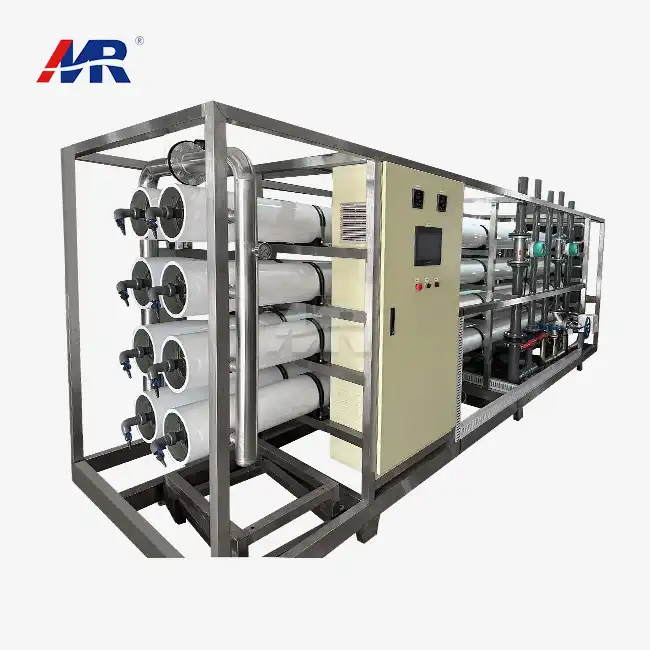
What Makes a Reverse Osmosis System Highly Rated?
The highest rated reverse osmosis system is rated by its performance, not the marketing text. On a shopping site, buyers should ignore the star rating and instead look at four numbers: rejection rate, recovery rate, drain ratio, and certification status.
Rejection Rate and Contaminant Removal
Rejection rate is the percentage of dissolved solid load that is rejected by a membrane. The best systems have a 99.5% rejection. Thus, a supply stream of 500 ppm total dissolved solids will exit the membrane at around 2 to 3 ppm. Reverse osmosis is a process that forces pressurized water through a semipermeable membrane that leaves behind salts, metals, and most organics, separating them from the water (WQA, 2025).
Certification and Testing Standards
NSF/ANSI 58 is the American National Standard for point-of-use RO systems, including material safety, TDS reduction claims, and end-user documentation (NSF, 2026). A device that does not have this certification has not been independently tested for compliance with these criteria, a serious concern for consumers contemplating a home- or facility-wide purchase.
Recovery Rate and Water Efficiency
Recovery rate indicates how much feed water is converted to useful permeate instead of drain water. A top-rated reverse osmosis system often achieves up to 75% recovery, far better than previous models that squander three to four gallons for every gallon generated.
Why Star Ratings Alone Can Mislead Buyers?
Online star ratings have thrown in packing, delivery speed, and customer service, none of which tell you anything about membrane rejection or drain ratio. It is a frequent and expensive error to use star count as a proxy for water performance since a five-star listing marketed as the highest rated reverse osmosis system might still be based on an old membrane design. Cross-checking the rejection rate, recovery rate, and certification mentioned in the product literature with the manufacturer’s test data offers a significantly more accurate picture than just the review section.
How Do Tank and Tankless RO Systems Differ?
Tank and tankless systems start with the same membrane technology, but it’s the water route after the membrane that makes all the difference in everyday performance. Getting a handle on this divide will make all future comparisons in this tutorial simpler to understand.
How does a Tank System Moves Water?
A tank system gently fills a pressurized bladder tank from the home line pressure and normally has three or four gallons in it. When you open the faucet, water that has been saved up comes right out. When the tank becomes low, flow slows down, and it takes a while to replenish.
How does a Tankless System Moves Water?
A tankless system does away with the storage completely. When you open the tap, the supply water is pushed through the membrane by an internal booster pump, making it the highest rated reverse osmosis system for users who want efficient on-demand filtration. The stream of water is constant, with a little starting delay, generally five to ten seconds, and no need to wait for a refill.
The table below lines up the two designs across the factors that matter most to a buyer.
| Factor | Tank RO System | Tankless RO System |
|---|---|---|
| Water delivery | Instant from stored reserve, slows once the tank empties | Continuous on-demand flow, brief 5–10 second startup |
| Drain ratio | Typically 3:1 to 4:1 | Typically 1:1 to 2:1 with a booster pump |
| Footprint | Larger, needs room for a 3–4 gallon tank | Compact, self-contained under-sink unit |
| Power requirement | None, runs on line pressure | Needs a nearby electrical outlet for the pump |
| Upfront cost | Generally lower | Generally higher, offset by lower water waste |
The membrane eliminates the same thing in either configuration. The difference is all in how the filtered water reaches your glass and how much feedwater gets diverted to the drain during the process.
Why does the Drain Ratio Gap exist?
As the bladder fills, a tank system becomes less efficient, since the increasing back pressure within the tank opposes the pressure from the pump pushing the water through the membrane. The more filled the tank, the harder the struggle, which is why earlier tank designs squandered so much water at the tail end of each refill cycle. With a tankless system, you never have that backpressure issue since the booster pump is always providing driving pressure on the membrane whenever water is flowing.
Which RO System Delivers Faster Water On Demand?
This topic has more than one solution, since speed is important differently depending on how a home or institution utilises its dispenser.
Instant Pressure From a Full Tank
With a full tank, the pressure is there, ready to go, so you'll get water instantly. If you want a quick glass of water, a tank-based, highest rated reverse osmosis system will seem quicker than any tankless unit's start-up lag.
Sustained Flow From a Booster Pump
When you require more than a glass or two back-to-back, the comparison reverses. A tankless, best-rated reverse osmosis system will provide a constant stream of water while the faucet is open, whereas a tank system would run empty and slow to a trickle until it refills.
Measuring Real-World Flow Rate
Manufacturers will quote a gallons-per-day rating, but that’s based on ideal lab circumstances, not your kitchen. Once you factor in supply water temperature, pressure, and total dissolved solids, actual production is often 50% to 70% of the stated amount. Buyers comparing two units should ask for proven production data rather than just accepting the headline figure. A unit rated at 600 GPD on paper may actually produce closer to 350 to 420 gallons a day under regular home settings.
How Does Storage Affect RO Water Availability?
The storage capacity is what makes the same technology operate so differently in two kitchens, helping determine how a highest rated reverse osmosis system behaves during a hectic morning or a full evening service.
Usable Capacity in a Standard Tank
A normal 3- to 4-gallon tank contains roughly 60% to 70% of the specified amount of usable water. Internal air pressure pulls down against the bladder as it empties. That works out to around 2 gallons of actual availability before the cycle of refilling starts.
Unlimited Flow Without a Reservoir
With a tankless design, there is no reservoir to empty; thus, availability is simply a function of the booster pump’s rated output and your incoming water pressure. This ceiling-free supply is ideal for facilities that fill big pitchers or containers throughout the day.
Planning Around Peak Usage Windows
For each of these households and facilities, there is a predictable surge – whether that’s breakfast service, a shift change or an evening cooking window. A tank system must have enough storage capacity to handle that surge before it runs empty, meaning inadequate tanks fail precisely when demand is highest. Sizing a tankless device, however, is a straightforward process of matching the continuous output of the booster pump to the peak flow rate of the facility. This is an easier and more forgiving calculation for a buyer to conduct prior to purchase.
Which System Works Better in High-Demand Homes?
High-demand environments include big families, shared dwellings, and small commercial facilities such as guesthouses, clinics, or office pantries with consistent traffic throughout the day, where a highest rated reverse osmosis system can provide a reliable supply of purified water.
Case Study: A Boutique Hotel Chain in Nigeria
Guangdong Morui Environmental Technology delivered and designed a small, highest-rated tankless reverse osmosis system to replace tank-based dispensers in guest lounges at a ten-property boutique hotel group in Lagos. Each unit was in the neighbourhood of 1,000 GPD, at the low end of our usual commercial range. In eight months of use, the front-desk personnel recorded no complaints regarding sluggish replenishment at busy check-out times, versus around six complaints per month with the previous tank design. Utility metre readings before and after installation showed an estimated 35% reduction in water waste per residence.
Why Continuous Flow Matters at Scale?
One family seldom empties a tank twice in a row, but a guesthouse lounge, clinic waiting room, or workplace break area might rack up dozens of fill-ups in the course of an hour. With continuous flow, there is no possibility of a dry tank just at the peak of demand.
How Do Tank and Tankless Systems Handle Space Limits?
Often, the purchase of the highest rated reverse osmosis system is determined based on cabinet space and mountability before even discussing water quality.
Under-Sink Cabinet Constraints
A tank system requires space for a cylindrical tank about the size of a small propane cylinder, which takes up room in a standard kitchen cabinet for cleaning supplies and garbage bins. When comparing a top-rated reverse osmosis system to existing cabinet space, facility managers should evaluate clearance before buying, not at the time of delivery.
Compact Tankless Footprints
Tankless units combine the membrane housing, booster pump, and control electronics in one small box, sometimes less than half the capacity of a tank system. This makes it ideal for compact business pantries and tiny apartment kitchens where every inch of storage matters.
Which RO Design Provides More Consistent Water Quality?
Water quality itself generally does not change between tank and tankless devices, as both employ the same membrane chemistry to reject impurities.
Membrane Performance Is Design-Independent
The thin-film composite membrane removes dissolved solids at the same rate whether it feeds a storage tank or a direct line. Hence, contaminant removal is not the decisive factor between the two layouts. And that's why a top-rated reverse osmosis system comparison should consider how a commercial RO system manages drain ratio and footprint, not just water purity.
Where Can Tank Systems Fall Behind?
If water sits in a tank for hours, it may develop a flat flavour or, if the tank isn't sterilised on time, might encourage bacterial development. Tankless designs completely remove the issue, since there is no storage of water.
Post-Treatment and Final Polishing
Most premium tank and tankless systems also have a carbon polishing step after the membrane, which eliminates any remaining flavour and regulates pH before water reaches the faucet. This is a typical shortcut on budget devices to minimise production costs, so consumers should check that a post-treatment cartridge is included and not assume it is usual.
What Maintenance Does Each RO System Require?
Both designs have different maintenance routines, and the maintenance requirements of a commercial RO system might change the true cost of ownership over a few years.
Tank System Upkeep
Pre-filter and post-filter replacement – every 6 to 12 months. Membrane replacement – every 2 to 3 years. Tank sanitising – once a year to avoid bacterial build-up within the bladder
Tankless System Upkeep
Most tankless systems employ quick-twist filter cartridges for easier swapping but might reduce filter life with more frequent usage. The system filters on demand, not in planned batches.
The table below lines up the typical service intervals side by side so a facility manager can plan labour and parts budgets in advance.
| Service Item | Tank System Interval | Tankless System Interval |
|---|---|---|
| Pre-filter and sediment cartridge | 6–12 months | 6–12 months |
| RO membrane element | 2–3 years | 2–3 years, sooner under heavy daily use |
| Storage tank sanitizing | Annually | Not applicable, no reservoir |
| Booster pump inspection | Not applicable | Annually recommended |
Here is what a facility manager should budget for across a typical service year:
- Pre-filter and sediment cartridges: Replace every 6 to 12 months in either design, since both RO water purification system configurations rely on upstream filtration to protect the membrane from chlorine and particulate damage before water ever reaches the RO stage.
- RO membrane element: Plan for replacement every 2 to 3 years under normal feed water conditions, though high-TDS or poorly pretreated sources can shorten that window and raise the total cost of ownership noticeably.
- Booster pump and electronics (tankless only): Budget for periodic inspection of the pump and control board, since these components carry the added mechanical complexity that tank systems simply do not have to manage.
These maintenance line items can move the true cost comparison closer than the sticker price alone suggests, especially once labour time is factored in.
Which RO System Fits Your Household Water Needs?
Matching household size and usage pattern to the right design avoids both overpaying for capacity you will not use and underbuying for a space that outgrows a small tank fast.
Small Households and Budget-Conscious Buyers
A one- or two-person household with light daily use rarely needs the continuous output of a tankless system, and a well-priced tank unit covers that demand without an electrical installation requirement.
Commercial and High-Traffic Buyers
Guesthouses, clinics, cafes, and offices see the return on a tankless design faster, since water waste and staff complaints both drop once the dry-tank bottleneck disappears. Morui's commercial platform covers this segment directly.
Growing Households and Expanding Facilities
A household or facility that expects more residents, guests, or staff within the next year or two should weigh a tankless design even if current demand still fits a tank comfortably. Retrofitting an electrical outlet later costs more than planning for it during the original installation, and the highest-rated reverse osmosis system or reverse osmosis plant sized for today's usage alone often needs replacement sooner than one sized with growth in mind.
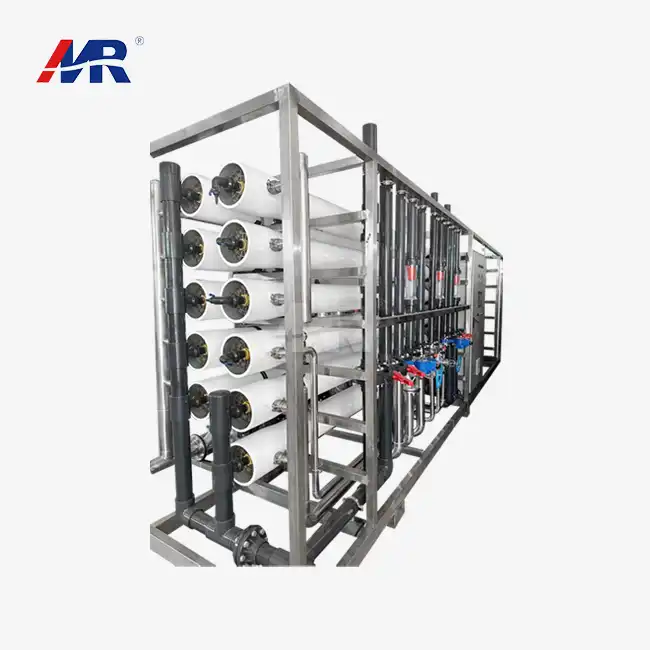
The table below lays out the core specifications procurement teams ask for most often when comparing a compact, commercial-grade, highest-rated reverse osmosis system.
| Specification | Value |
|---|---|
| Capacity | 1,000 to 100,000 GPD, scaled to facility size |
| Recovery rate | Up to 75% |
| Rejection rate | 99.5% |
| Energy efficiency | 30% less energy use than standard RO systems |
| Membrane type | High-flux, low-fouling thin-film composite |
| Operating pressure | 100 to 300 psi |
| Certification | NSF/ANSI 58 certified |
How Should You Compare RO Systems Before Buying?
A side-by-side comparison sheet, filled in before you contact any supplier, keeps the buying decision grounded in numbers rather than marketing claims.
Questions to Ask Every Supplier
Ask for the drain ratio under real operating pressure, not just a lab-tested best case. Ask whether the rejection rate figure on a claimed highest-rated reverse osmosis system was independently tested to NSF/ANSI 58, and ask what pretreatment the membrane needs for your local water hardness.
Matching Workflow to Your Facility
A well-built, highest-rated reverse osmosis system moves water through five stages: pre-treatment, high-pressure pumping, membrane separation, post-treatment, and storage or distribution. Knowing this workflow helps you spot a supplier who skipped a stage to cut costs, such as omitting pre-treatment at a facility with heavy sediment or hard water.
Reading a Spec Sheet Like an Engineer
A spec sheet worth trusting lists operating pressure range, energy consumption per gallon, and membrane type alongside the usual capacity and rejection numbers. Vague phrasing such as "advanced filtration" without a named membrane type or tested pressure range is a signal to ask more questions before committing budget to a purchase.
Guangdong Morui's Manufacturing Backbone
Guangdong Morui Environmental Technology Co., Ltd. runs its own membrane production factory alongside several equipment processing facilities, supported by more than 14 branches, 500 employees, and 20 engineers. We also serve as an authorized agent for Shimge Water Pumps, Runxin Valves, and Createc Instruments, letting us match components from a single accountable supply chain rather than assembling parts from disconnected vendors. That structure covers municipal water treatment, food and beverage production, pharmaceutical manufacturing, healthcare facilities, hospitality operations, semiconductor production, and chemical processing under one roof.
Conclusion
Tank and tankless reverse osmosis systems remove contaminants with equal effectiveness, so the real choice comes down to space, water waste, and how your household or facility uses water throughout the day. The highest rated reverse osmosis system for a quiet two-person home may look nothing like the right unit for a busy guesthouse lounge, and the Lagos hotel case above shows how much that daily usage pattern can shift the numbers. Check recovery rate, drain ratio, and NSF/ANSI 58 certification before comparing price tags, and the decision gets much easier.
FAQ
1. Is a tankless reverse osmosis system worth the extra upfront cost?
For high-traffic households or small commercial spaces, yes. The water savings from a 1:1 or 2:1 drain ratio, compared with 3:1 or 4:1 on older tank units, often offset the higher purchase price within a few years.
2. Do tank and tankless RO systems remove the same contaminants?
Yes. Both rely on the same thin-film composite membrane technology, so rejection rate and contaminant removal stay consistent regardless of whether the design stores water or filters on demand.
3. Can a tankless RO system run without electricity?
No. The booster pump that gives tankless systems their steady flow needs a nearby electrical outlet, which is worth checking before installation in an older kitchen or facility.
4. How often does an RO membrane need replacement?
Most membranes last 2 to 3 years under normal feed water conditions, though heavy sediment or high total dissolved solids can shorten that window on either tank or tankless designs.
5. Is a tankless RO system better for high water demand?
Yes. Tankless systems provide continuous on-demand filtration, making them better suited to busy households, guesthouses, offices, and other facilities with frequent or sustained water demand.
Ready to Spec the Right System for Your Facility?
Skipping straight to a price comparison usually means missing the drain ratio and certification details that decide long-term cost. Guangdong Morui Environmental Technology builds and supplies the highest rated reverse osmosis system lineup, covering both tank and tankless platforms for hospitality groups, clinics, and households across Asia, South America, and Africa. Email your facility's daily water volume to benson@guangdongmorui.com, and our team will size the right unit within a few working days.
References
1. NSF, "NSF/ANSI 58: Reverse Osmosis Drinking Water Treatment Systems," 2026. Cited for certification requirements and TDS reduction testing. https://www.nsf.org/knowledge-library/nsf-ansi-58-reverse-osmosis-drinking-water-treatment-systems
2. U.S. Environmental Protection Agency, "WaterSense Labeled Point-of-Use Reverse Osmosis Systems" fact sheet, 2024. Cited for typical versus water-efficient drain ratios. Products-ro-systems-factsheet.pdf">https://www.epa.gov/system/files/documents/2024-11/ws-products-ro-systems-factsheet.pdf
3. U.S. Environmental Protection Agency, "WaterSense Performance Overview: Point-of-Use Reverse Osmosis Systems," 2025. Cited for minimum recovery rate performance criteria. https://www.epa.gov/system/files/documents/2025-01/ws-products-ro-systems-performance-summary_508.pdf
4. Water Quality Association, "Reverse Osmosis (RO) Fact Sheet," 2025. Cited for how RO separates contaminants from water. https://wqa.org/resources/reverse-osmosis-ro/
5. U.S. Environmental Protection Agency, "Overview of Drinking Water Treatment Technologies," 2026. Cited for membrane separation mechanics and contaminant classes removed. https://www.epa.gov/sdwa/overview-drinking-water-treatment-technologies
6. U.S. Environmental Protection Agency, "Point-of-Use Reverse Osmosis Systems," WaterSense program page, 2025. Cited for lifetime water savings figures tied to efficient RO design. https://www.epa.gov/watersense/point-use-reverse-osmosis-systems
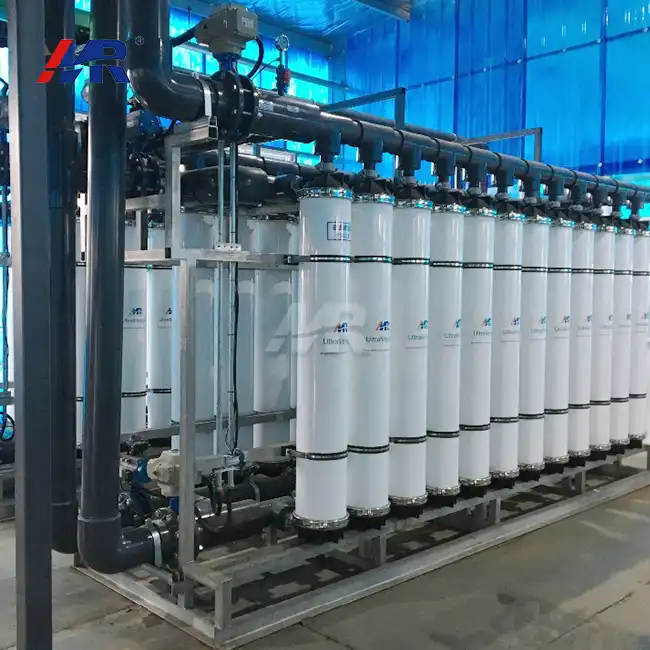 VIEW MORE50m3/hour ultrafiltration plant
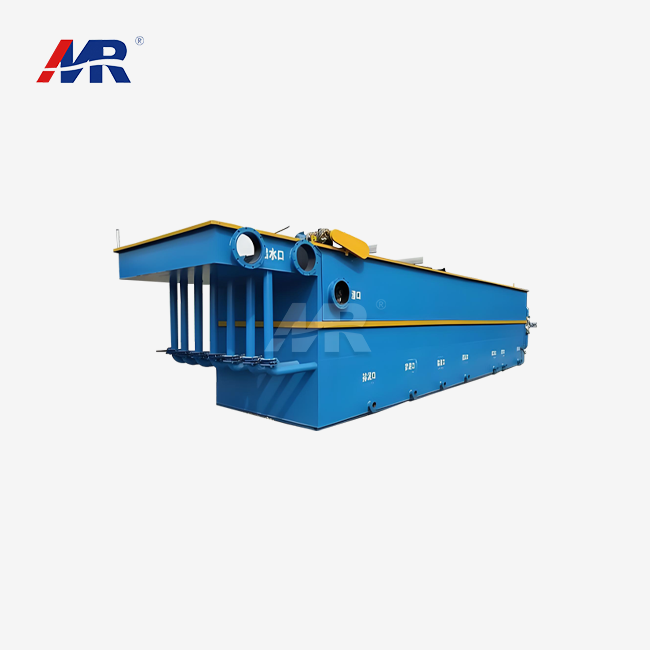 VIEW MOREadvanced wastewater treatment system
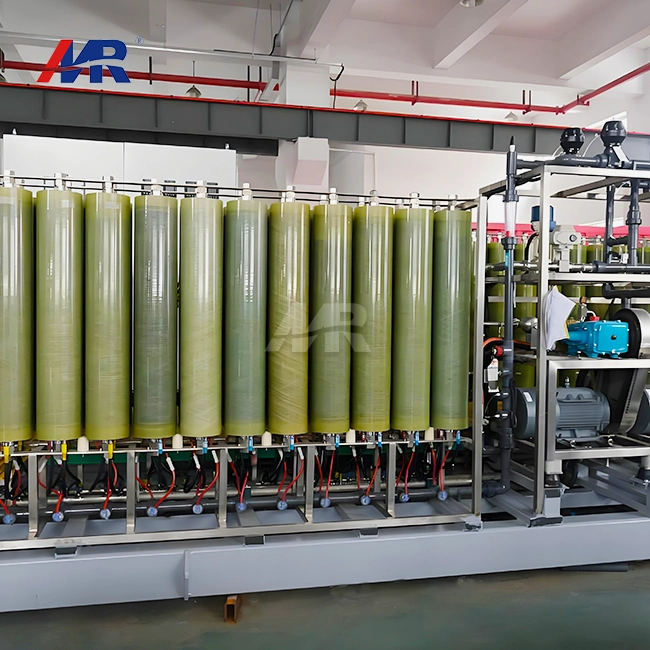 VIEW MOREDTRO Technology
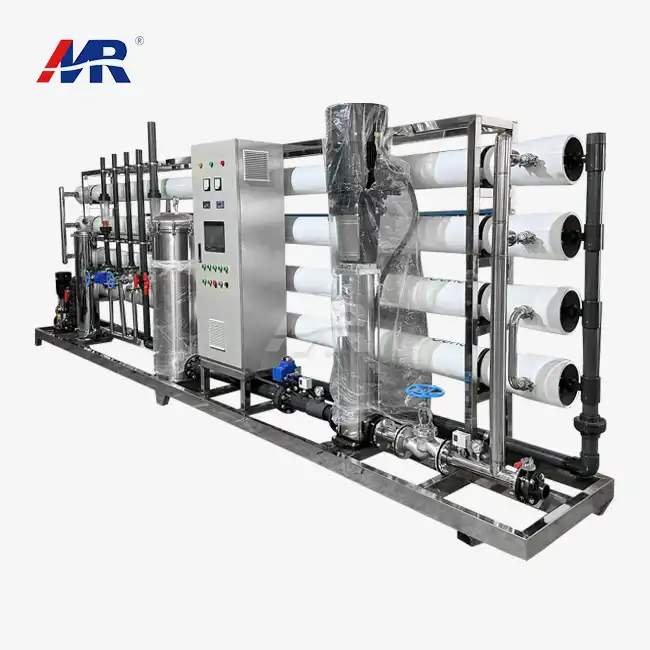 VIEW MORE500m3/day reverse osmosis RO plant
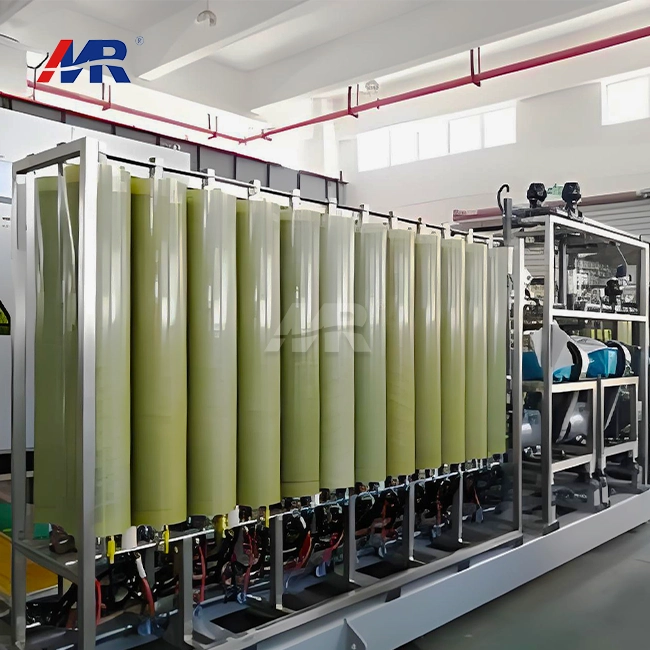 VIEW MOREDTRO plant
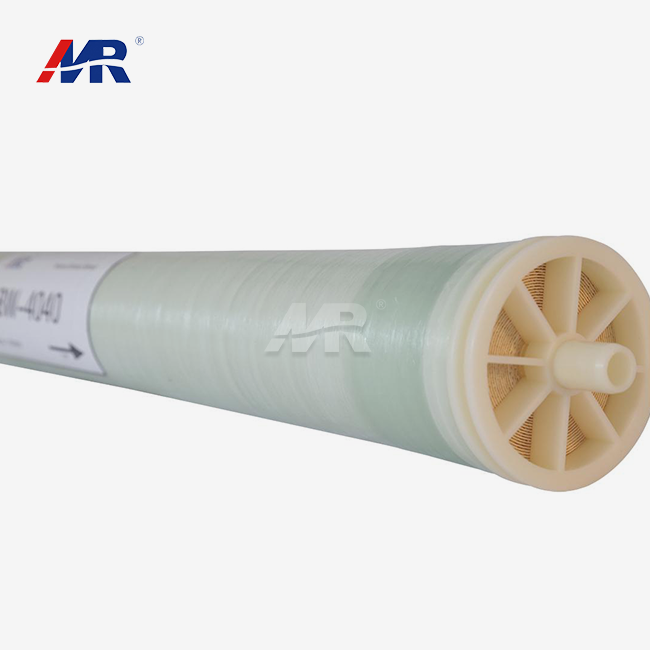 VIEW MOREindustrial reverse osmosis membrane
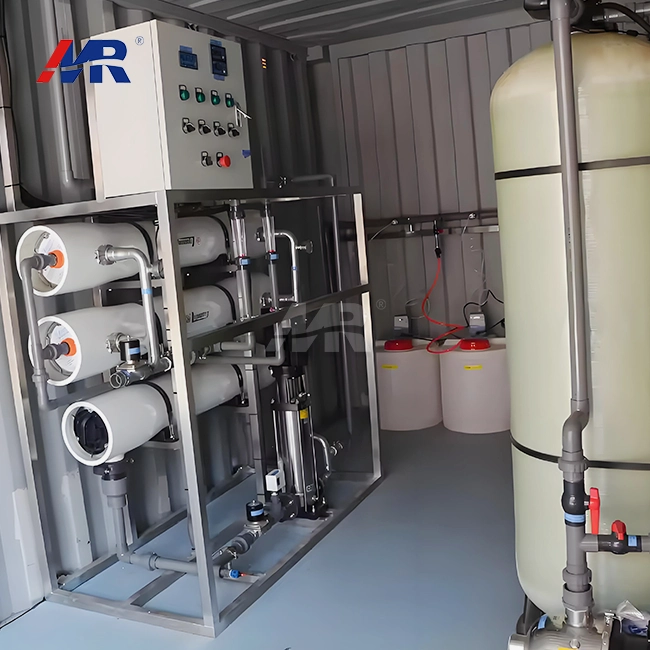 VIEW MOREcontainerized reverse osmosis system
 VIEW MORE60m3/hour reverse osmosis plant
