

_1745823981883.webp)

Leachate Treatment Facility Options for High-Strength Wastewater
When industrial operations or landfill sites generate high-strength wastewater laden with complex contaminants, selecting the right leachate treatment facility becomes critical. A leachate treatment facility is a specialized infrastructure engineered to manage and purify wastewater containing elevated concentrations of organic compounds, ammonia nitrogen, heavy metals, and refractory substances. By integrating multi-stage biological, chemical, and membrane filtration processes, these facilities convert hazardous liquid waste into compliant effluent suitable for discharge or reuse, protecting groundwater resources while meeting stringent regulatory standards.
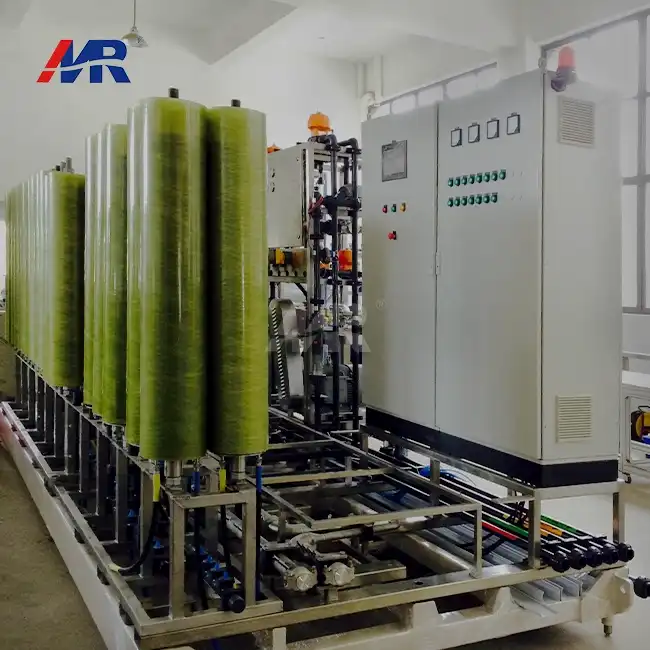
Understanding High-Strength Leachate and Its Treatment Challenges
High-strength leachate is different from regular industrial wastewater in that it has special problems that need to be solved. These liquid streams come mostly from city solid waste dumps. They flow through trash that is breaking down, picking up levels of pollution that can be too much for normal treatment systems to handle.
Contaminant Characteristics and Environmental Risks
The chemicals in high-strength leachate change depending on the type and age of the waste, but they always have levels of ammonia nitrogen higher than 2,000 mg/L, COD levels between 10,000 and 60,000 mg/L, and heavy metals that don't break down, like cadmium, chromium, and lead. Old landfill leachate has organic substances that are hard for living things to break down, so it needs more improved oxidation methods. If these pollutants aren't treated properly, they move into groundwater, pollute surface water, and cause long-lasting environmental harm that goes beyond the site limits.
Regulatory Frameworks Driving Compliance
Under the Clean Water Act, the US EPA sets discharge limits that have a direct effect on how facilities are designed. Most of the time, ammonia nitrogen levels must be lowered below 15 mg/L for direct release, and in sensitive areas, COD removal rates must be above 95%. In California, Texas, and Florida, extra limits on total dissolved solids (TDS) and salt are set by state laws. Even tighter nitrogen and phosphorus limits are set by European Union guidelines. This means that facilities that serve foreign markets have to plan for the strictest global standards. Procurement teams need to make sure that suggested treatment systems have enough backups and treatment capacity to keep up with regulations even if the inputs change.
Leachate Treatment Technologies: Comparison and Selection Criteria
When choosing the right treatment technology, you have to think about how much it will cost, how well it will work, and how long it will last. To meet discharge standards, modern facilities usually use multi-barrier approaches that combine several treatment stages.
Biological Treatment Systems
Anoxic-Oxic (AO) biological processes use special bacterial cultures to break down organic matter and nitrify ammonia in a series of steps that happen without oxygen. When biodegradable parts make up most of the influent profile, these methods do a good job of reducing COD. Sequencing batch reactors (SBR) give you practical freedom by letting you set the timing of each cycle. This lets you handle changes in flow that are common in landfill uses. Biological systems, on the other hand, have trouble with old leachate that contains humic substances and need longer hydraulic holding times, which makes the area needed bigger. About 40 to 50 percent of all running costs go toward powering aeration fans. However, variable frequency drives can cut power use by up to 25 percent.
Membrane Filtration Technologies
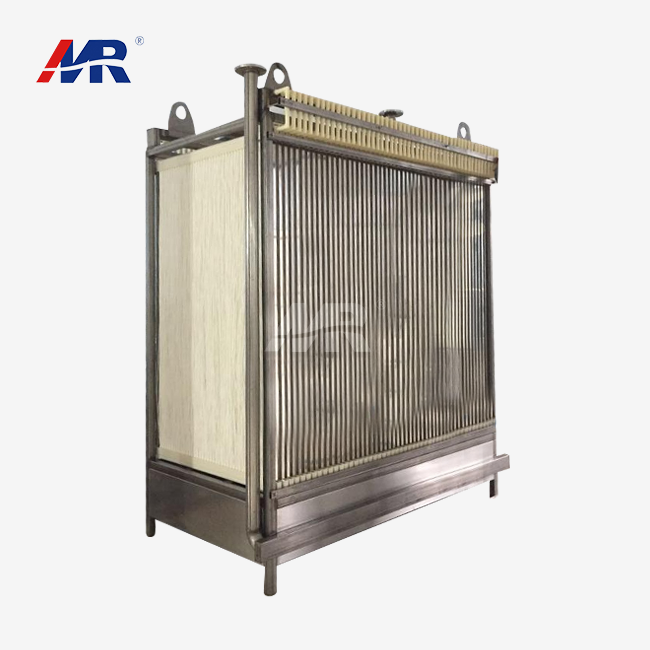
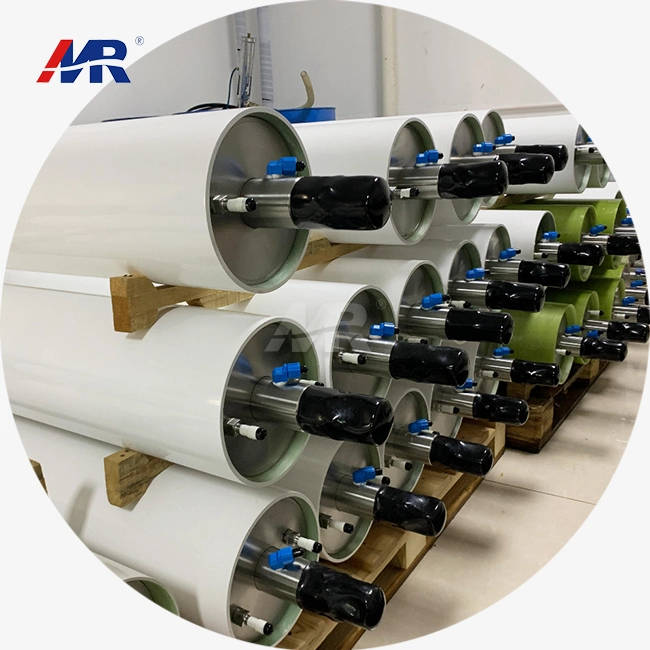
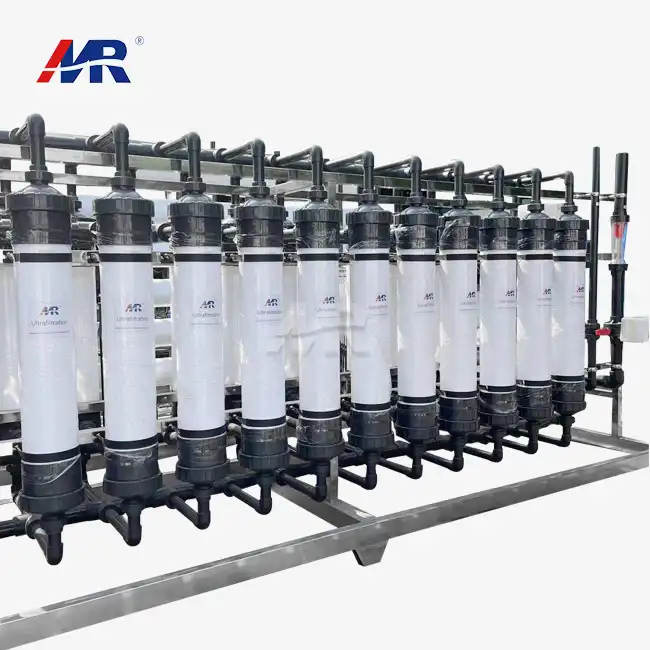
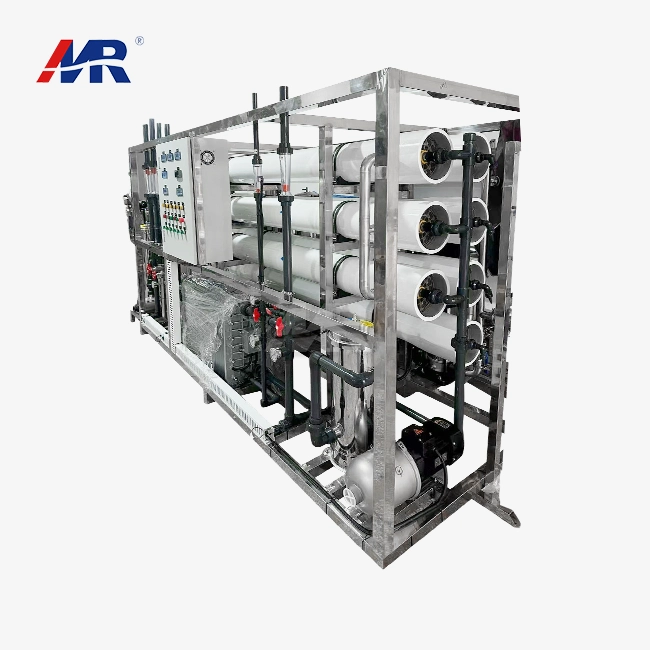
Membrane bioreactors (MBR) treat wastewater biologically and using ultrafiltration membranes to make high-quality wastewater while keeping their small sizes in a leachate treatment facility. Nanofiltration (NF) and reverse osmosis (RO) systems are better at getting rid of contaminants because they get rid of dissolved salts, heavy metals, and organics that don't dissolve in biological stages. The disk tube reverse osmosis (DTRO) process is designed to handle leachates with a lot of fouling by increasing movement and reducing membrane scaling. However, membrane systems require more money to be spent (30–50% more than regular biological plants) and produce concentrated brine that needs more care. With the right Clean-in-Place (CIP) procedures using acid and chemical washes, mbr membranes can keep working for three to five years. On the other hand, RO elements need to be replaced every two to three years, based on the quality of the input.
Advanced Oxidation and Polishing
Fenton oxidation processes use ferrous iron catalysts and hydrogen peroxide to create hydroxyl radicals that break down organic materials that can't be broken down by living things. Ozone treatment is an alternative way to oxidize things without adding chemicals, but it costs more and uses more energy. These advanced oxidation processes (AOPs) are very important for making leachate smooth so that it doesn't break down biologically. Activated carbon adsorption gets rid of any leftover color and small amounts of organic matter, making sure that the effluent meets standards for aesthetic discharge. Which of these choices to use depends on the types of contaminants present and the rules for release in the area. Using both together often results in the most cost-effective solution.
Designing and Sizing Leachate Treatment Facilities for High-Strength Wastewater
A good facility design starts with a full description of the inputs and an accurate estimate of the building's capacity. Underestimating the amount of pollution or future growth needs leads to system overloading before it's necessary, and too much oversizing raises capital costs without a reason.
Critical Design Parameters
Engineers have to look at the daily flow rates, the highest hydraulic loads during storms, and changes in leachate production that happen with the seasons. The design of the treatment train is based on the concentrations of the pollutants. Facilities that deal with young leachate that has a lot of biodegradable components put biological capacity first, while sites that deal with older leachate need stronger membrane and oxidation stages. The size of the space available affects the choice of technology. For example, membrane systems can be installed 60% more compactly than traditional activated sludge systems. The weather affects how well biological treatment works. For example, to keep bacteria active in cold environments, reactors need to be protected, or sites need to be covered.
Multi-Stage Integration and Operational Considerations
Before biological treatment with nitrogen removal, equalization basins to smooth out changes in flow, biological treatment, membrane separation, and advanced oxidation polishing are all common parts of a high-performance leachate treatment facility. Sludge management systems have to deal with biological solids, waste from membrane cleaning, and brine concentration. They do this by thickening, drying, and maybe even heating the mixture. In places with a lot of people, controlling smells is important, so enclosed buildings with biofilters or activated carbon scrubbers cleaning exhaust air are needed. Key parameters like pH, dissolved oxygen, ammonia, and membrane transmembrane pressure are tracked by automated tracking systems. This lets workers improve performance and stop problems before they happen.
Staffing and Maintenance Requirements
Operating staff need special training in how to use membrane systems, how to dose chemicals correctly, and how to fix problems. Maintenance plans need to include times to clean the membrane, fix the fan, replace the pump seals, and calibrate the instruments. By building relationships with equipment suppliers, you can be sure that spare parts will be available on time, especially for proprietary membrane modules and specialty pumps. Facilities that handle important compliance tasks benefit from having backup treatment trains that keep running even when parts break or repair is needed.
Procurement Guide: Selecting and Acquiring Leachate Treatment Solutions
To get things bought for a leachate treatment facility, you have to judge suppliers on their technical skills, financial stability, and commitment to long-term service. Total lifecycle value is what decision-makers need to look at, not just the initial capital costs.
Supplier Evaluation Criteria
Leading makers show examples of systems that have been used to treat similar types of leachate, along with performance data that can be checked and reference sites that can be easily reached. Quality Certifications like ISO 9001 and environmental management systems like ISO 14001 show that quality control rules have been set. Suppliers who offer full warranties—usually 12 to 24 months for tools and 1 to 3 years for membranes—lower the financial risk during launch. When operational problems happen, the infrastructure for after-sales support, such as regional service centers and technical hotlines that are open 24/7, becomes very important. Testimonials and case studies from customers show how responsive and good at fixing problems a source is, which is something that specification sheets can't do.
Transaction Models and Service Options
Outright buy gives you the most control options, but you have to pay the full amount of money up front. Leasing arrangements lower beginning costs while keeping balance sheet capacity, but over the course of a 10-15 year facility's life, total costs usually go over purchase prices by 20–30%. With a turnkey engineering, procurement, and construction (EPC) contract, design, equipment supply, installation, and commissioning are all handled by a single supplier. This method shortens the time it takes to complete a job and makes it easier to coordinate, but it might make it harder to bid competitively on individual parts. Build-operate-transfer (BOT) models give operational risk to suppliers for set contract periods. This is good for cities and towns that don't have their own technical staff.
Long-Term Service Agreements
Maintenance contracts make sure that trained technicians do regular maintenance, clean the membrane, and replace parts as directed by the manufacturer. These deals usually cost three to five percent of the initial investment every year, but they keep the warranty coverage and make the tools last longer. Spare parts inventory management keeps crucial items like membrane modules, pumps, and instrumentation on-site or available through fast delivery, so that component breakdowns don't cause long periods of downtime. Performance guarantees based on parameters for effluent quality hold sellers responsible for how well treatments work, ensuring that the interests of both the buyer and the provider are aligned throughout the operating life of the system.
Case Studies and Future Outlook of Leachate Treatment Facilities
Real-life examples show how well-designed facilities can deal with problems caused by high-strength leachate in a variety of operational settings.
Municipal Landfill Application
A municipal solid waste facility in the southeast of the United States that handles 500 tons of trash every day put in place a combined MBR-RO system that treats 50 cubic meters of mature leachate every day with 15,000 mg/L COD and 1,800 mg/L ammonia nitrogen. The multistage system got rid of 98% of the COD and lowered the ammonia level to below 10 mg/L, which was well below the strict limits for surface water release. Energy recovery turbines on the RO system got back 35% of the feed pressure. This cut the net amount of electricity used to 8 kWh per cubic meter of treated water. Operational data collected over three years confirmed predictions about the membrane's lifespan. After the initial optimization, cleaning frequency stabilized at every two weeks.
Industrial Wastewater Treatment
A factory that makes chemicals and has high-salinity wastewater used DTRO technology to clean 30 cubic meters of chlorinated organic waste and dissolved metals every day. The system always made permeate that met standards for zero-liquid-discharge, and concentrated brine was sent to evaporation ponds. The small size (only 200 square meters) fit within the limits of the existing building, and automated controls limited human involvement to regular checks and restocking chemicals.
Emerging Technology Trends
Adding Industrial Internet of Things (IIoT) monitors lets you check on performance in real time and use predictive maintenance algorithms to see when membranes will get clogged and equipment will break down before they affect operations. Machine learning models look at past data to find the best chemical doses, aeration rates, and cleaning cycles. This cuts costs by 10–15 percent and makes the effluent more stable. Energy recovery technologies, such as microbial fuel cells that make power from breaking down organic matter, change facilities from ones that use energy to ones that produce some of it. As rules change to focus on water reuse standards instead of just complying with disposal standards, membrane technology is becoming more popular. Treated leachate is becoming more valuable as process water for industries or as a source of water for farming in areas that don't have enough.
Conclusion
To choose the right leachate treatment facility method, you have to weigh technical performance, cost, and the ability to keep running for a long time. To meet regulations and protect the environment, high-strength wastewater needs multi-barrier treatment methods that include biological processes, membrane separation, and advanced oxidation. A successful procurement relies on carefully evaluating suppliers, doing a realistic lifetime cost analysis, and making sure that all service agreements cover all aspects of performance throughout the facility's working life. New technologies promise to make things more efficient and long-lasting, which will turn modern facilities into assets for resource recovery instead of just liabilities for waste management.
FAQ
1. What technology works best for treating aged landfill leachate?
Leachate that has been aged has chemical molecules that are hard for living things to break down. When disk tube reverse osmosis (DTRO) is paired with modern oxidation methods like Fenton treatment, these persistent contaminants are broken down very well. Even when biodegradability rates are low, the mix gets rid of more than 95% of COD.
2. How do operational costs compare between biological and membrane systems?
Biological systems need a lot of energy to get air, but they don't need many chemicals. Membrane facilities need less aeration energy, but they need to be cleaned with chemicals more often and have parts replaced more often. Total operating costs are usually between $5 and $12 per cubic meter cleaned, but this depends on the mix of technologies used and the rates charged by local utilities.
3. Can existing treatment plants be upgraded to handle higher-strength leachate?
By adding membrane steps or advanced oxidation units after biological treatment, it is possible to make old facilities work better again. The ability of a structure to hold weight and space limits determines its practicality. Most of the time, upgrading costs 40–60% less than building from scratch and adds 15–20 years to the useful life of a building.
4. What regulatory standards apply to leachate discharge in the United States?
Under the Clean Water Act, the EPA sets baseline standards. For example, ammonia levels must be less than 15 mg/L, and COD levels must be removed by more than 90%. Based on how sensitive the receiving water is, state regulations often set stricter limits for the amount of nutrients, salt, and metals that can be discharged. The strictest standard that applies must be taken into account when designing a facility.
Partner with Morui for Customized Leachate Treatment Solutions
Dealing with problems related to high-strength garbage needs specialized knowledge and tried-and-true technology solutions that are tailored to your business needs. More than 14 offices and 500 committed professionals work for Guangdong Morui Environmental Technology, which provides full leachate treatment facility design, equipment supply, and installation services. Our engineering team is made up of 20 experts with a lot of experience in both municipal and industrial wastewater applications. They are helped by the fact that we can make our own membranes and work with top component suppliers like Shimge Water Pumps and Runxin Valves.
We offer complete solutions, from the initial site assessment to commissioning and ongoing Technical support, as a reputable leachate treatment facility manufacturer. Our integrated method covers the whole project lifecycle, making sure that your building meets discharge standards and that daily efficiency and lifecycle costs are kept as low as possible. Email Our Team at benson@guangdongmorui.com to talk about your specific leachate treatment needs and get a proposal for a solution that fits your needs.
References
1. Renou, S., Givaudan, J. G., Poulain, S., Dirassouyan, F., & Moulin, P. (2008). Landfill leachate treatment: Review and opportunity. Journal of Hazardous Materials, 150(3), 468-493.
2. Kjeldsen, P., Barlaz, M. A., Rooker, A. P., Baun, A., Ledin, A., & Christensen, T. H. (2002). Present and long-term composition of MSW landfill leachate: A review. Critical Reviews in Environmental Science and Technology, 32(4), 297-336.
3. Luo, H., Zeng, Y., Cheng, Y., He, D., & Pan, X. (2020). Recent advances in municipal landfill leachate: A review focusing on its characteristics, treatment, and toxicity assessment. Science of the Total Environment, 703, 135468.
4. Talalaj, I. A., & Biedka, P. (2016). Impact of concentrated leachate recirculation on effectiveness of leachate treatment by reverse osmosis. Ecological Engineering, 85, 185-192.
5. Amor, C., De Torres-Socías, E., Peres, J. A., Maldonado, M. I., Oller, I., Fernández-Ibáñez, P., & Marco, P. S. (2015). Mature landfill leachate treatment by coagulation/flocculation combined with Fenton and solar photo-Fenton processes. Journal of Hazardous Materials, 286, 261-268.
6. Guo, W., Ngo, H. H., & Li, J. (2012). A mini-review on membrane fouling. Bioresource Technology, 122, 27-34.
 VIEW MOREmembrane bioreactor mbr
 VIEW MORELandfill Leachate Treatment Plant
 VIEW MORE30m3/hour ultrafiltration equipment
 VIEW MOREultrafiltration membrane system
 VIEW MOREContainerized Mobile Water Treatment Systems
 VIEW MORELeachate DTRO Treatment Equipment
 VIEW MOREhome wastewater treatment plant
 VIEW MOREedi module water treatment
