

_1745823981883.webp)

Landfill Leachate Treatment: When to Choose RO or MBR Systems
Choosing between Reverse Osmosis (RO) and membrane Bioreactor (MBR) systems for landfill leachate treatment depends on your site's specific contamination profile, regulatory requirements, and budget constraints. RO excels at removing dissolved solids, heavy metals, and micropollutants through molecular-level filtration, making it ideal for mature landfills with high Total Dissolved Solids (TDS) levels. MBR systems combine biological degradation with membrane separation, effectively targeting high organic loads and ammonia-nitrogen in younger leachate streams. Many facilities deploy integrated MBR-RO configurations to achieve comprehensive pollutant removal while maintaining operational flexibility. Understanding these technologies enables procurement managers and engineers to implement effective landfill leachate management strategies that meet compliance standards and control long-term costs.
Understanding Landfill Leachate and Its Treatment Challenges
The leachate that is produced by landfills is one of the forms of liquid waste that is the most challenging to manage in the field of environmental engineering. This very filthy byproduct is produced when rainwater penetrates into garbage as it is being broken down on the ground. It has the ability to dissolve and transport a wide variety of pollutants, including organic molecules, ammonia-nitrogen, heavy metals, and new contaminants from the environment.
The Complex Nature of Leachate Composition
There are a number of factors that influence the qualities of leachate, including the age of the waste, the season in which it rains, and the manner in which the dump is operated. Young leachate from active landfills often has high levels of biochemical oxygen demand (BOD), which may range anywhere from 4,000 to 13,000 mg/L. Additionally, the amounts of ammonia in this leachate are also rather high. Ageing stable waste leachate results in a reduction in the number of organic compounds that decompose spontaneously and an increase in the number of resistant compounds that are difficult to decompose without the assistance of biological treatment. Due to the wide variety of circumstances, the process of developing and operating treatment systems is quite challenging.
Environmental and Regulatory Pressures
When leachate is not adequately managed or regulated, it poses a significant threat to both groundwater aquifers and bodies of water that are located on the surface. Because pollution plumes have the potential to expand beyond the boundaries of landfills, they pose a threat to marine environments and supplies of drinking water. The quantity of carbon dioxide (COD), ammonia, and heavy metals that may be discharged into the environment in the United States is subject to stringent limitations that are established by regulatory frameworks such as the National Pollutant Discharge Elimination System (NPDES). Because of the severe consequences that are imposed on facilities for failing to comply with the requirements, a robust treatment infrastructure is not a luxury expense but rather an investment that is absolutely necessary.
Why Conventional Systems Often Fall Short
Aeration ponds and chemical precipitation are two old ways of treating leachate that don't work well with its complex structure. Biological systems can't break down the non-biodegradable organics that make up most of mature leachate on their own. Chemical methods make too much sludge and cost too much to run. Because of these problems, more advanced membrane technologies are being used to make sure that they work well with different types of waste and meet stricter environmental standards.
Overview of Core Landfill Leachate Treatment Technologies
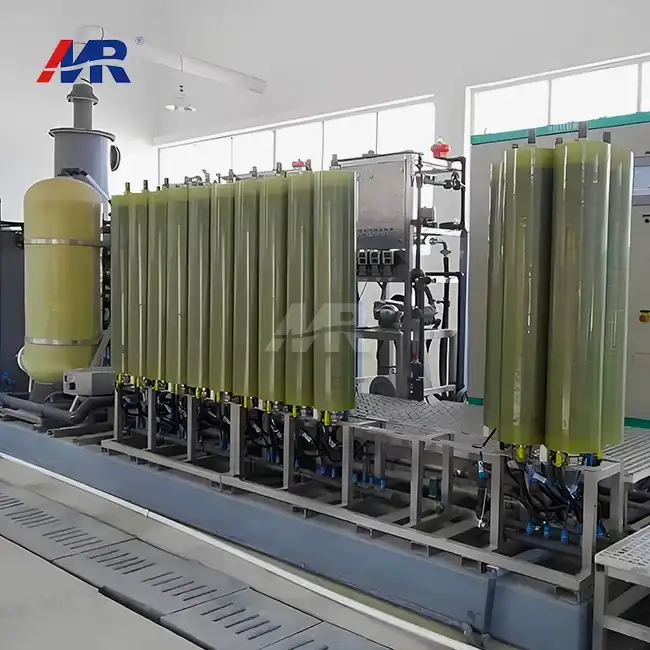
Membrane-based treatment systems have become the standard for processing leachate in a way that is reliable and effective. Knowing how MBR and RO technologies work helps people make decisions about which options will work best in their individual operational situations.
Membrane Bioreactor (MBR) Technology
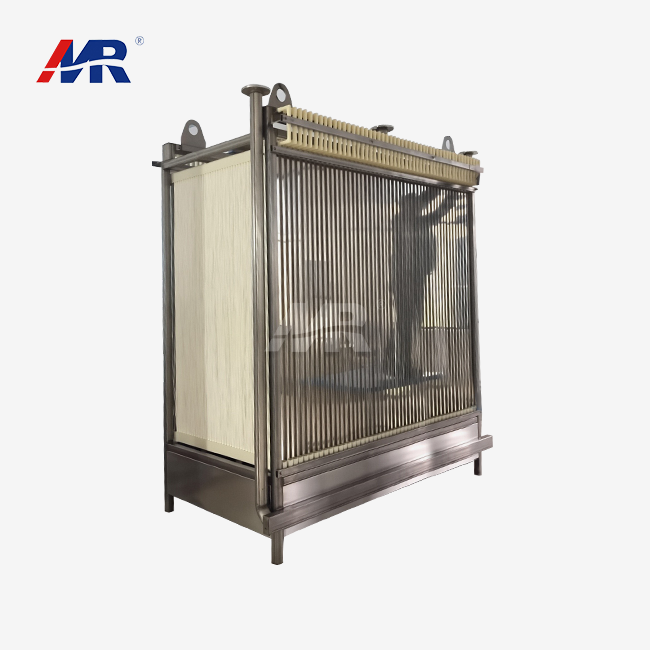
Membrane filtering and biological treatment are both part of MBR devices, which are small and effective. Biodegradable organic matter and ammonia are broken down by microorganisms. Ultrafiltration or microfiltration filters, on the other hand, keep the biomass and floating solids. This configuration has a number of operational benefits. In ideal conditions, the membrane barrier removes more than 90% of BOD and COD, leaving behind high-quality wastewater with almost no floating solids. Compared to regular activated sludge plants, this system keeps biomass concentrations high while lowering the size of the reactor by up to 75%. This saves a lot of space, which is especially helpful in urban landfills where land is limited, and real estate costs are high.
MBR technology works really well with wastewater that has a lot of organic material and compostable parts. Ideal feed conditions are waste that is young to medium-aged and has a BOD/COD ratio above 0.4. When built and used correctly, the organic treatment part gets rid of ammonia through nitrification processes.
Reverse Osmosis (RO) Technology
High-pressure semi-permeable screens are used in RO systems to separate dissolved toxins from water molecules. Salts, heavy metals, micropollutants, and refractory organic compounds can't get through the membrane, but clean water can. RO is incredibly good at getting rid of a wide range of contaminants. Most systems get rid of 95–99% of dissolved solids, over 99% of heavy metals, and 90–95% of organic compounds that don't break down. Because it can filter out so many things, RO is essential for cleaning mature leachate that has a high TDS and doesn't break down easily.
The problems that RO technology can solve are ones that living systems can't. The physical separation process works the same way no matter what the chemicals are, so it always gives the same results no matter how biodegradable the materials are. Zero Liquid Discharge (ZLD) systems can be set up for situations where environmental laws don't allow any liquid waste to be released.
Integrated Treatment Approaches
A lot of modern landfills use sequential MBR-RO configurations that make the most of the best features of each technology for landfill leachate management. The MBR stage gets rid of ammonia and bulk organics, which lowers the amount of pollution that gets into the RO system. This preparation makes the ro membrane last longer, fouling happens less often, and the running costs are lower. The RO cleaning stage then gets rid of any remaining dissolved contaminants so that the water meets release standards or can be used again. Integrated systems provide complete care while lowering the total cost of ownership over the life of the equipment.
When to Choose MBR Systems vs RO Systems – A Decision Support Framework
To choose between MBR and RO technologies, you need to carefully look at their scientific, economic, and practical aspects. This approach walks procurement managers and engineers through the most important factors that go into making decisions.
Leachate Characterization as the Primary Selection Driver
More than any other factor, feed water quality determines whether a technology will work. Before choosing equipment, you should do a full analysis of the leachate by measuring COD, BOD, ammonia-nitrogen, TDS, heavy metals, and pH. High BOD/COD ratios (above 0.4) and ammonia levels above 1,000 mg/L are strong signs of MBR candidates, since biological treatment removes these components effectively. On the other hand, low BOD/COD ratios (below 0.2), high TDS levels (above 10,000 mg/L), and a lot of heavy metal contamination point to RO as the most important part of the treatment process.
Treatment Objectives and Discharge Requirements
Regulatory emission standards have a direct effect on the choice of technology. No matter how old the leachate is, RO is needed if your plant has to meet strict rules on dissolved solids, heavy metals, or refractory organics. When the outflow allows it, MBR alone might be enough; just pay attention to the BOD, dissolved solids, and ammonia levels. To meet acceptable water quality standards, facilities that want to reuse water for on-site uses like cleaning cars or reducing dust usually need RO polishing.
Operational Complexity and Staffing Capabilities
MBR systems need biological process control that is done well. To keep microbial populations stable, operators must keep an eye on and change things like dissolved oxygen, sludge age, and nutrient balance. Facilities with skilled staff that clean wastewater can easily switch to using MBRs. When it comes to RO systems, you need to know how to clean the membranes, handle the pressure, and keep the system from growing. When considering operational fit, think about the skills and training tools you already have for your staff.
Capital and Operating Cost Analysis
Capital spending changes a lot from one technology to the next. Depending on the type of leachate and the level of treatment needed, MBR systems usually cost between $800,000 and $2,500,000 for facilities that treat 50 to 200 cubic meters of water every day. Similar RO systems range in price from $600,000 to $2,000,000, depending on the pressure levels and membrane setups that are needed. Operating costs come in a variety of forms. MBR systems use a moderate amount of energy for aeration and have costs for getting rid of sludge. High-pressure pumps in RO systems use a lot of electricity, but they make less sludge. Both methods are affected by the cost of chemicals used to clean membranes and stop scale buildup. To find the most cost-effective choice for your needs, you should do a lifetime cost study over 15 to 20 years of operation.
Site Constraints and Scalability Requirements
MBR technology is better for places with limited space because it takes up little room. To work with tricky site plans, MBR systems can be built in containers or in modules. For pre-treatment, high-pressure pumps, and concentrate management systems, RO equipment needs enough room. Consider the future capacity needs when you are doing the initial design. Both technologies can be used on a larger scale, but flexible designs make it easier to add more space as the amount of trash in a dump increases.
Cost-Effective Solutions and Market Options for Landfill Leachate Treatment Equipment
Procurement pros can make smart equipment purchases for landfill leachate management that won't break the bank by learning about how markets work and how much it costs to own everything.
Evaluating Total Cost of Ownership
The purchase price is only one part of the long-term costs. Energy use has a big effect on running budgets, especially for RO systems with high-pressure pumps that can use 3 to 8 kWh per cubic meter of water cleaned. Aeration in an MBR usually needs 2 to 4 kWh per cubic meter. Recurring costs are directly affected by how often membranes need to be replaced. Under normal operating conditions, RO membranes last three to five years, while mbr membranes may need to be replaced every five to seven years. Chemical costs for cleaning, adjusting pH, and adding antiscalant add up over the life of a machine. How much work needs to be done depends on how automated the system is and how complicated it is. For reasonable budget planning, full cost modeling should predict costs in all of these areas.
Selecting Reliable Equipment Suppliers
How well an operation runs depends on the quality of the equipment and how well the supplier can support it. Reputable makers offer performance guarantees, full setup services, and an easy-to-reach collection of spare parts. When looking at possible providers, visit reference sites to see how they've used leachate in similar situations in the past. Check how quickly technical help responds and how many local service techs are available to fix urgent operational problems. Carefully read over the guarantee terms, making note of the length of coverage and any exclusions that could affect future costs.
Turnkey Project Advantages
Implementation risks are greatly reduced when turnkey solutions include design, equipment supply, installation, and commissioning. When performance problems happen, single-source responsibility stops equipment sellers and installation contractors from blaming each other. It cuts down on the time it takes to get a business up and running and makes sure that all the systems work together correctly. Even though turnkey setups may cost more at first, they usually provide better operating stability and faster achievement of plan performance parameters.
Best Practices for Monitoring and Managing Landfill Leachate Treatment Systems
For a treatment to keep working well, it needs to be carefully watched, maintained, and fixed quickly when something goes wrong. Using structured operational protocols will protect your equipment investment and keep you in line with the rules.
Critical Monitoring Parameters
Set up full monitoring systems that keep an eye on key signs at the right times. Once a week, check the influent COD, BOD, ammonia, pH, and TDS to find changes in the feedwater that need to be fixed in the process. To make sure ongoing compliance, check the quality of the effluent every day for factors that are important for release. Keep an eye on the performance of the membrane by measuring the permeate flow rates, transmembrane pressure, and rejection percentages. This will help you spot fouling trends before they affect operations. Set up automated instruments to measure pH, conductivity, and liquid oxygen in living systems all the time. Real-time process control will help keep things running smoothly.
Preventive Maintenance Protocols
Regular maintenance extends the life of equipment and keeps expensive fixes from having to be made in an emergency. Instead of waiting for the membrane to stop working well completely, set up regular cleaning schedules based on what the manufacturer says and how often fouling has been seen. Keep detailed maintenance logs that record all cleaning events, chemical use, and performance improvement so that problems can be found early. Check and fix pumps, blowers, and automatic valves at the times recommended by the maker. Keep important extra parts like membrane modules, pump seals, and measurement sensors on hand to keep downtime to a minimum when parts break.
Optimizing System Performance
Continuous improvement efforts make treatment more effective and lower the costs of running the business. Regularly look at practical data to find ways to improve things, like changing the air rates in MBR systems to use less energy while keeping the treatment effective. Look at different ways to handle concentrates in RO systems so that you can get the most water back and the least amount of waste. Think about using advanced process control systems that can change operating parameters automatically in response to changes in the quality of the feed water. This will make the system more stable and reduce the amount of work that needs to be done by the operator.
Conclusion
For landfill leachate management to work well, the treatment technology needs to be matched to the site's conditions, government rules, and operational capabilities. MBR systems are great at biologically treating young, high-strength leachate with a lot of organic matter. They leave small footprints and get rid of ammonia quickly. RO technology removes heavy metals and dissolved solids that are needed for developed wastewater while allowing water to be used again. Many setups are better off with combined MBR-RO configurations that treat a wide range of contaminants completely. To be successful, you need to carefully describe the leachate, do a reasonable cost analysis over the life of the equipment, and follow strict operating guidelines. Purchasing managers and engineers can choose options that are good for the environment and don't cost too much in the long run by using the decision process shown here.
Frequently Asked Questions About Leachate Treatment Systems
1. What are the primary differences between MBR and RO technologies?
To get rid of biodegradable organics and ammonia through microbial activity, MBR systems use biological processes along with membrane filtering. RO uses high pressure and physical separation to get rid of heavy metals, dissolved solids, and compounds that don't break down. MBR works well with large amounts of organic matter, while RO works well with dissolved contaminants that biological treatment can't get rid of.
2. Can MBR and RO systems be combined effectively?
Sequential MBR-RO setups work better for wastewater streams that are more complicated. Before water goes into the RO system, the MBR step gets rid of soluble organics and lowers the chance of fouling. This integration makes the RO membrane last longer, requires less cleaning, and helps facilities meet strict discharge standards while lowering costs.
3. How should I select a reputable landfill leachate management supplier?
When judging providers, look at how much experience they have with similar projects, which you can do by checking with reference sites and performance records. Check out the guarantee terms, expert help, and availability of spare parts. To ensure long-term success, give priority to makers that offer a full range of services, such as process design, commissioning support, and user training.
Partner With Morui for Comprehensive Landfill Leachate Management Solutions
Guangdong Morui Environmental Technology has a lot of experience with advanced membrane treatment systems that can be made to fit the needs of your leachate and the rules that apply to it. Our engineering team creates MBR and RO configurations that work together to get the best treatment results while keeping costs low over the whole life of the system. With more than 500 committed professionals spread across 14 branches and 20 specialized engineers, we take care of the whole project, from the initial review to commissioning and ongoing Technical support. Our own membrane factory and relationships with top brands like Shimge Water Pumps and Runxin Valves make sure that the quality of our equipment and the supply of parts. We provide full setups that speed up regulatory compliance and operating stability at local trash sites, industrial dumps, and remediation projects all over the United States. Send an email to benson@guangdongmorui.com to talk to one of our technical experts about your landfill leachate management problems and get a unique solution estimate.
References
1. Renou, S., Givaudan, J.G., Poulain, S., Dirassouyan, F., & Moulin, P. (2008). Landfill leachate treatment: Review and opportunity. Journal of Hazardous Materials, 150(3), 468-493.
2. Kjeldsen, P., Barlaz, M.A., Rooker, A.P., Baun, A., Ledin, A., & Christensen, T.H. (2002). Present and long-term composition of MSW landfill leachate: A review. Critical Reviews in Environmental Science and Technology, 32(4), 297-336.
3. Wiszniowski, J., Robert, D., Surmacz-Gorska, J., Miksch, K., & Weber, J.V. (2006). Landfill leachate treatment methods: A review. Environmental Chemistry Letters, 4(1), 51-61.
4. Deng, Y., & Englehardt, J.D. (2007). Electrochemical oxidation for landfill leachate treatment. Waste Management, 27(3), 380-388.
5. Amor, C., De Torres-Socías, E., Peres, J.A., Maldonado, M.I., Oller, I., Malato, S., & Lucas, M.S. (2015). Mature landfill leachate treatment by coagulation/flocculation combined with Fenton and solar photo-Fenton processes. Journal of Hazardous Materials, 286, 261-268.
6. Kulikowska, D., & Klimiuk, E. (2008). The effect of landfill age on municipal leachate composition. Bioresource Technology, 99(13), 5981-5985.
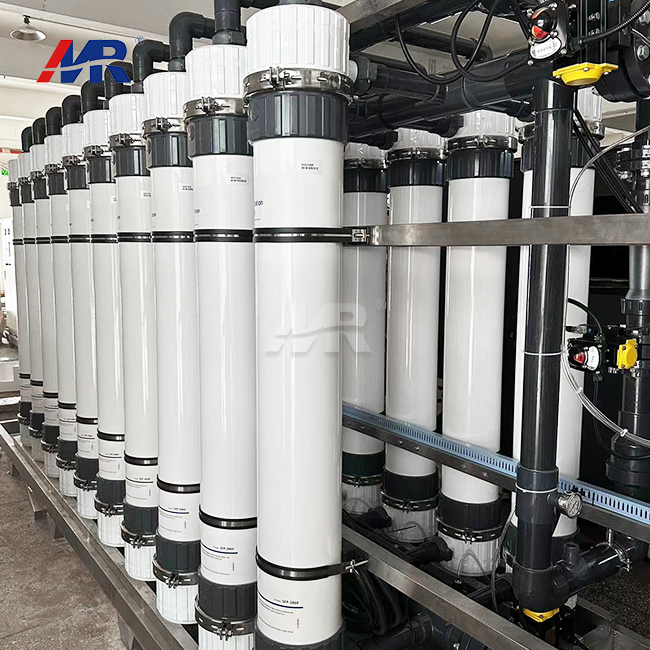 VIEW MOREwater ultrafiltration system
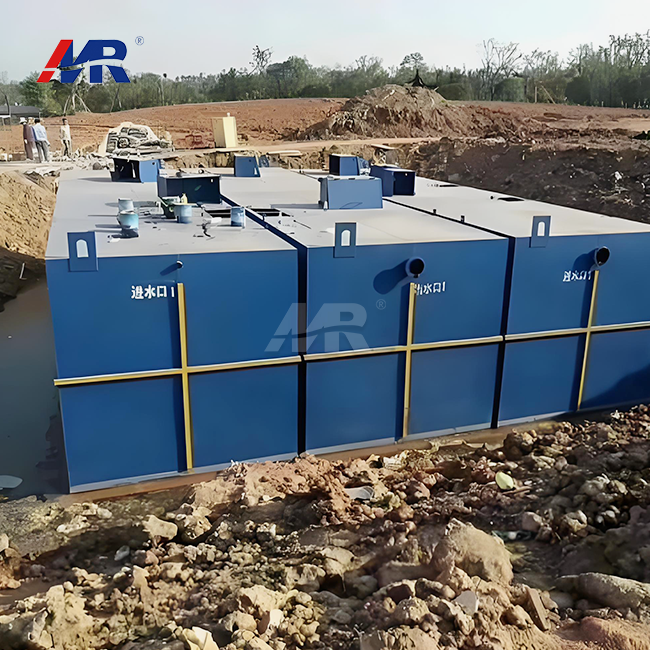 VIEW MOREwastewater treatment plant units
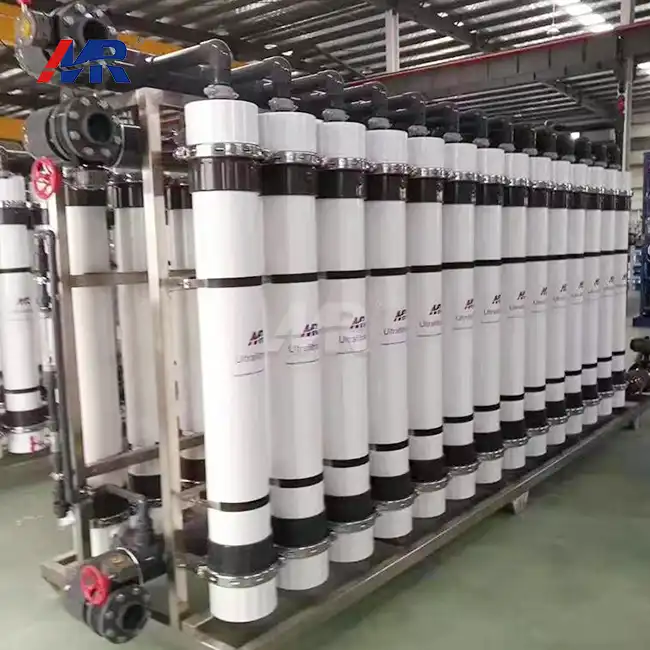 VIEW MORE70m3/hour ultrafiltration plant
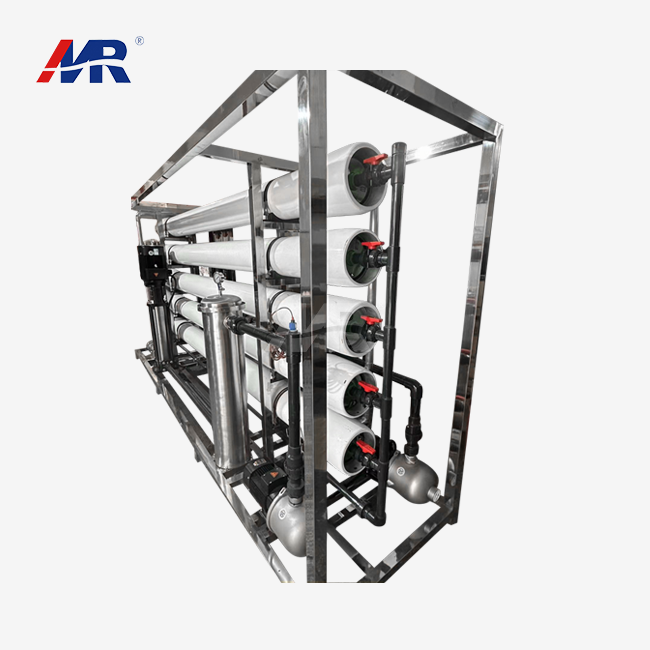 VIEW MOREreverse osmosis water treatment equipment
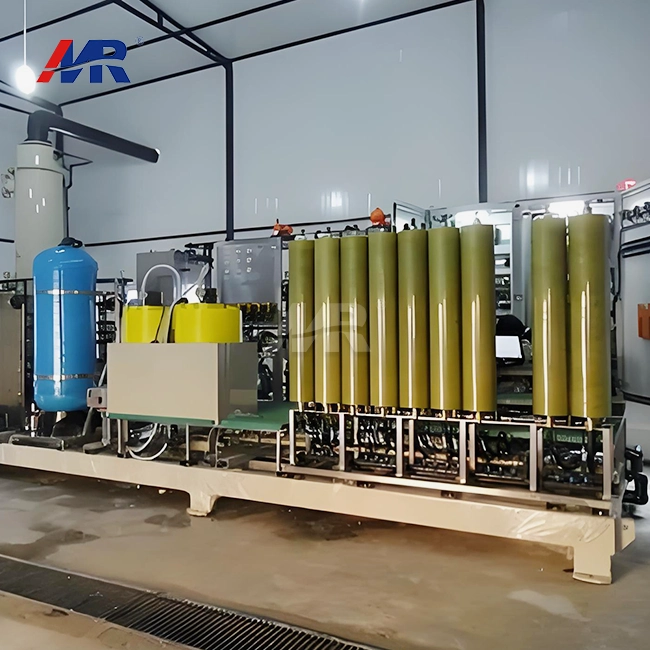 VIEW MOREDTRO Water Treatment
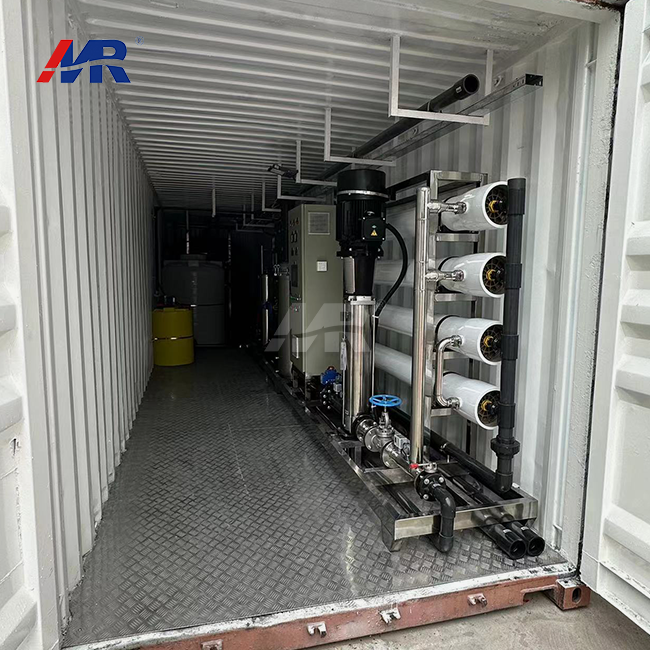 VIEW MOREcontainerized ro system
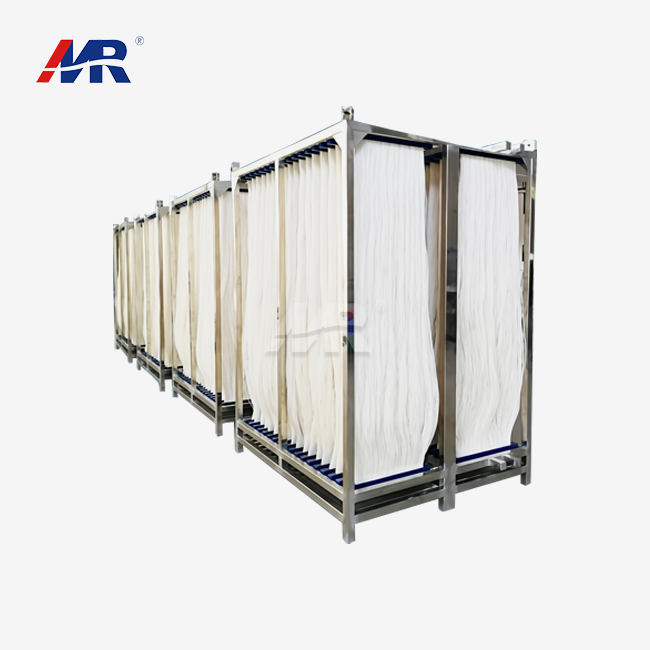 VIEW MOREbioreactor wastewater treatment
 VIEW MOREsubmerged membrane bioreactor
