

_1745823981883.webp)

How to Choose an STP Water Treatment Plant for Your Facility
Choosing the right Sewage Treatment Plant is one of the most consequential decisions you'll make for your facility's environmental compliance and operational efficiency. A STP water treatment plant serves as the backbone of sustainable wastewater management, transforming contaminated streams into safe discharge or reusable water. Whether you operate a pharmaceutical manufacturing site, manage a municipal water utility, or oversee a food processing plant, selecting appropriate treatment technology directly impacts your bottom line, regulatory standing, and environmental footprint. This comprehensive guide walks you through the critical evaluation criteria, helping technical decision-makers, procurement managers, and facility owners navigate the complex landscape of sewage treatment solutions with confidence and clarity.
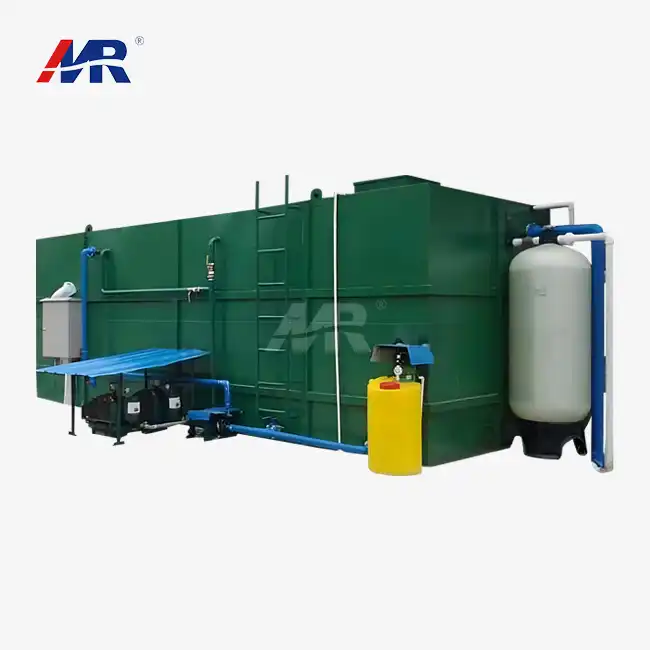
Understanding STP Water Treatment Plants: Basics and Benefits
What Differentiates an STP from Other Treatment Systems?
An STP, or Sewage Treatment Plant, is a facility that cleans up mixed and household wastewater that has organic matter, suspended solids, and bacterial toxins in it. Effluent Treatment Plants focus on industrial pollution like heavy metals or chemical residues. Sewage treatment systems, on the other hand, use biological processes that are best at reducing organic loads. These days, plants use a combination of physical screening, organic digestion, and advanced membrane filtering to clean everything completely. Knowing this difference helps buying teams choose the right technology for their wastewater profile, which keeps facilities from having to pay a lot of money for treatment that doesn't meet their needs.
Core Benefits That Drive ROI
There are clear benefits in many areas of investing in good sewage handling facilities. It's easy to follow environmental rules when your system always meets the standards for BOD (Biochemical Oxygen Demand), COD (Chemical Oxygen Demand), and TSS (Total Suspended Solids). Facilities that use advanced systems often get rid of more than 95% of contaminants, and some membrane bioreactor configurations can get rid of 99% of contaminants. Water recovery cuts the amount of water used by cities by 40 to 60 percent in factories, which saves a lot of money on energy costs. Strong treatment systems improve your company's sustainability image in more ways than one. They build relationships with stakeholders and support ESG (Environmental, Social, and Governance) pledges, which are becoming more important in business partnerships and investment choices.
Key Criteria to Evaluate When Choosing an STP Water Treatment Plant
Capacity Planning and Scalability Requirements
A good system selection process for an stp water treatment plant starts with a correct assessment of the system's capacity. To keep overflow from happening during production spikes or shift changes, treatment capacity must be able to handle peak flow rates as well as average daily volumes. Containerized or skid-mounted solutions that can be set up quickly and with little groundwork are usually best for facilities that produce 50 to 200 m³/day. Medium-sized businesses that process 200 to 2,000 m³ per day usually choose flexible designs that let them add on in stages as their production increases. Large industrial buildings and city uses that use more than 2,000 m³/day need custom-designed plants with backup treatment trains to make sure they can keep running while they are being maintained. Potential buyers should guess how much space they will need five years from now, taking into account expected rises in production, changes in regulations, and possible facility expansions.
Technology Selection: Matching Process to Pollutant Profile
The way sewage treatment methods work depends a lot on the properties of the wastewater. Conventional activated sludge systems are still a good deal for places that have steady organic loads and enough land, as they only need 0.8 to 1.2 m² of space per m³/day of capacity. Membrane bioreactor technology produces better effluent in smaller forms, which saves 50–70% of room while still making water that can be used for non-potable purposes like cooling towers and landscaping. Sequential batch reactors work best when the flow patterns change, and they give you operational flexibility by letting you set up treatment cycles. When looking at your choices, you should think about the BOD/COD ratio, the nutrients in the wastewater, the temperature changes, and any chemicals that could stop biological treatment from working.
Energy Efficiency and Automation Integration
Operating costs over a plant's 15–25-year lifespan often exceed the initial capital investment. This makes energy efficiency a very important factor in choosing a plant. Modern systems use between 0.3 and 0.5 kWh/m³ of energy, which is 40% less than older designs. This is possible with variable frequency drives and better air control. Fully automated systems with SCADA (Supervisory Control and Data Acquisition) tools and the ability to watch from afar cut down on the need for workers and make the process more stable. PLC-based control systems keep changing the aeration rates, chemical doses, and cleaning processes for the membranes based on real-time data about the water quality. This keeps the system running at its best even when the load changes. Automation features that detect performance issues and initiate corrective actions before regulatory violations happen are especially helpful for facilities that work multiple shifts or have periods when no one is there.
Evaluating Costs and Financial Considerations in STP Procurement
Decoding Total Cost of Ownership
The purchase price only accounts for 30–40% of the system's lifetime costs, so it's important to do a full financial analysis. Standardized systems have an initial starting cost of $150 to $400 per m³/day of capacity. Custom-engineered solutions, on the other hand, can cost up to $1,200 per m³/day, based on how complicated the treatment is and what the needs of the site are. In addition to the cost of the equipment, buyers need to plan for civil works, electrical infrastructure, commissioning services, and training for the operators. The costs of running the system include the power used (usually between $0.08 and $0.15 per m³ treated), chemical additives to change the pH and add nutrients, and regular upkeep like replacing the membrane every 5 to 7 years and overhauling the blower every 3 to 4 years. By looking at lifetime costs over 10 to 15 years, you can see what the real economic value of different methods is.
Flexible Procurement Options
Budget limits and project deadlines don't always match up, which means that people need different ways to buy things. Rental agreements give you access to treatment space for short-term projects, facility expansions while they're being built, or emergency backup situations. The monthly costs are usually between 8 and 12 percent of the price of the equipment itself. Leasing programs share the cost of capital over 3–7 years, which protects operating capital and provides ways to improve as treatment needs change. Build-Operate-Transfer models give operational tasks to specialized service providers. These models turn unpredictable running costs into set monthly fees that make budgeting and managing risks easier. Each option has different effects on taxes and the balance sheet that financial decision-makers should look at along with technical ones.
Selecting a Reliable STP Water Treatment Plant Supplier
Credentials and Track Record Matter
The choice of supplier for an stp water treatment plant affects how well a system works for its whole life. Companies that have both ISO 9001 quality management certification and ISO 14001 environmental certification show that they are dedicated to consistent technical standards and environmentally friendly practices. By looking at case studies from your own industry, you can be sure that a supplier can handle the problems you're facing. A pharmaceutical supplier should show proof of meeting USP water standards, and a food processing supplier needs to show proof of meeting FDA and FSMA requirements. Ask for client references from facilities that are similar to yours in terms of size and use, and then talk to those facilities directly about how reliable their systems are, how quickly they respond to your needs, and how good their after-installation support is.
Comprehensive Service Capabilities
The number of services a company offers is directly related to how well a project turns out. Full-service providers handle studies on the characteristics of wastewater, system design, equipment manufacturing, site installation, and performance testing all under one roof. This eliminates the coordination problems that happen on projects with more than one vendor. Prior to shipping, factory acceptance testing makes sure that the equipment works properly. This cuts down on problems that need to be fixed on-site and speeds up the time it takes to start up. Operator training programs make sure that yOur Team knows how to use the system, how to do regular maintenance, and how to fix problems so that unexpected downtime is kept to a minimum. After the sale, responsive support with guaranteed reaction times, preventive maintenance programs, and easily available spare parts inventories protect your business continuity and increase the uptime of your treatment system.
This all-around approach is shown by Guangdong Morui Environmental Technology, which has 14 regional branches in key industrial markets and has dedicated technical teams that help clients throughout the lifecycles of their systems. Our ability to make membranes in-house ensures quality control and the availability of parts. Additionally, we have smart partnerships with top equipment names like Shimge Water Pumps and Runxin Valves that give us access to the best auxiliary parts in their classes.
Practical Steps to Finalize Your STP Water Treatment Plant Purchase
Conducting a Thorough Needs Assessment
A thorough description of the wastewater is the first step in effective procurement. Take samples during times of high production and analyze them in a lab to find out the BOD, COD, TSS, pH, temperature, and any other factors that are special to the industry, like oil and grease for food processing or pharmaceutical residues for medical manufacturing. Keep track of changes in daily and hourly flow rates to find out when the treatment capacity is at its highest. Find out what the discharge rules are based on the classification of the receiving water body or the city's pretreatment guidelines. These will tell you how much cleaning you need to do. This information is the technical basis for making a Request for Proposal and lets you compare vendors correctly.
Building an Effective RFP
A thorough RFP makes evaluating vendors easier and makes sure that all of the bids are similar. Say how much cleaning is needed, what kind of wastewater it takes in, what kind of runoff is wanted, how much space is available, how utilities will be connected, and how the weather in the area will affect the design parameters. As required parts of the proposal, you should ask for detailed process flow diagrams, equipment specifications, energy consumption estimates, and operation and maintenance manuals. To help you give vendors an objective score, give each evaluation criterion a weight, like 40% for technical performance, 30% for lifecycle costs, 20% for service capabilities, and 10% for delivery timeline. Set clear due dates for submitting proposals and reviewing them that allow for a full technical review without causing project plans to slip.
Negotiating Contracts and SLAs
The terms of a contract set the stage for long-term partnerships that work well. The warranty should cover problems with the equipment for at least 18 to 24 months after it has been put into service, and it should cover important parts like membranes and automation systems for longer. Performance guarantees that spell out the best sewage quality that can be achieved under certain working conditions protect against systems that don't work right and hold people accountable. Service Level Agreements spell out how long it will take for suppliers to respond to requests for technical help, spare parts, and emergency service calls. Payment structures should connect milestone payments to clear signs of completion, like factory acceptance testing, installation completion, and good performance testing. This way, both the customer and the seller can handle their cash flow needs.
Conclusion
Finding the right stp water treatment plant means finding a balance between technical ability, cost, and how well the plant will work in your specific location. For decades to come, the decision will affect operating costs, following the rules, and taking care of the environment. Successful procurement teams carefully describe the pollutants in the wastewater, look at technologies that match the pollutants, calculate the total costs of ownership that go beyond the purchase price, and work with experienced suppliers that can provide full support. Modern systems that remove 95–99% of contaminants, use less than 0.5 kWh/m³ of energy, and can be expanded in modules have been shown to work in pharmaceutical, food processing, municipal, and industrial settings. By using the structured evaluation method described in this guide, decision-makers can be sure to choose treatment systems that meet current needs and can also adapt to future growth and changing legal standards.
Frequently Asked Questions
1. How long does a typical sewage treatment plant operate before requiring major refurbishment?
Systems that are well taken care of work well for 15 to 25 years before they need major infrastructure upgrades. Different critical parts need to be replaced at different times. For example, membrane modules usually last between 5 and 7 years, aeration blowers need to be overhauled every 4 to 5 years, and pumps need to be rebuilt every 6 to 8 years. As technology changes, control systems may need to be updated every 10 to 12 years. Regular preventive maintenance that extends the life of parts is what makes the difference between parts breaking down early and working reliably for a long time.
2. Can new treatment plants integrate with existing wastewater infrastructure?
Modern systems have many ways to integrate. Most designs make it easy to connect to existing infrastructure for pickup, basic treatment, and discharge with little change. As part of projects to increase capacity, new technologies like membrane bioreactors are often added to older activated sludge plants. This makes the waste better while keeping the same footprint. Reliable suppliers do site surveys to find integration problems and engineering solutions while the proposal is being made.
3. What regulatory standards govern sewage treatment plant performance in the United States?
Baseline discharge limits are set by the Clean Water Act and federal EPA standards. Specific requirements depend on the type of water receiving the wastewater and state laws. National Pollutant Discharge Elimination System (NPDES) permits set limits for each facility, usually requiring BOD and TSS below 30 mg/L for secondary treatment standards. To protect water bodies that are easily damaged, many states have stricter limits on nutrients like nitrogen and phosphorus. Municipal pretreatment programs control how industrial waste is sent to sewage systems, and local laws must be followed before a connection is approved.
Partner with Morui for Your Sewage Treatment Solution
Guangdong Morui Environmental Technology offers complete sewage treatment systems that are designed to be reliable, efficient, and in line with regulations in a wide range of industrial settings. As a well-known supplier of stp water treatment plants, we mix our own membrane technology with tried-and-true biological processes to make systems that regularly remove 95–99% of contaminants while using less than 0.5 kWh/m³ of energy. Our treatment capacity ranges from 50 to 10,000 m³/day, and our flexible designs make it easy to add on as your building grows.
Our full range of services includes characterizing wastewater, designing unique systems, making equipment, installing it professionally, making sure it works right, and providing ongoing upkeep support. With 20 specialized engineers, 500 technical staff spread out across 14 regional branches, and our own membrane production facility, we can respond quickly and make sure that parts are always available for as long as your system is in use. We can help you whether you need water that is safe for pharmaceuticals and meets GMP standards, methods for food processing that meet FDA standards, or municipal treatment systems that can keep up with the needs of growing towns. Email our technical team at benson@guangdongmorui.com to talk about your specific wastewater problems and get a treatment proposal that fits your needs.
References
1. Metcalf & Eddy, Inc. (2013). Wastewater Engineering: Treatment and Resource Recovery (5th ed.). McGraw-Hill Education.
2. Qasim, S.R. (2017). Wastewater Treatment Plants: Planning, Design, and Operation (3rd ed.). CRC Press.
3. United States Environmental Protection Agency. (2021). Primer for Municipal Wastewater Treatment Systems. EPA Office of Water.
4. Water Environment Federation. (2018). Design of Municipal Wastewater Treatment Plants (6th ed.). WEF Press.
5. Judd, S., & Judd, C. (2019). The MBR Book: Principles and Applications of Membrane Bioreactors for Water and Wastewater Treatment (2nd ed.). Elsevier.
6. American Water Works Association. (2020). Water Treatment Plant Design (5th ed.). AWWA Publications.
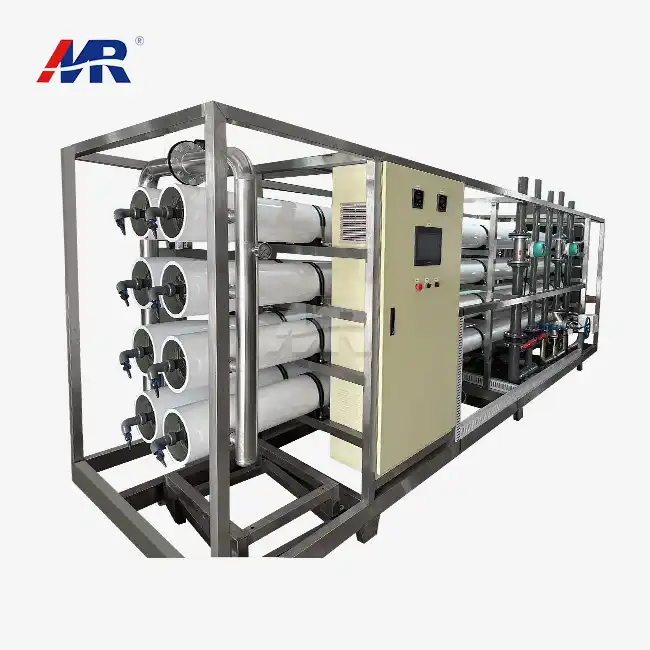 VIEW MORE8m3/hour two pass reverse osmosis system
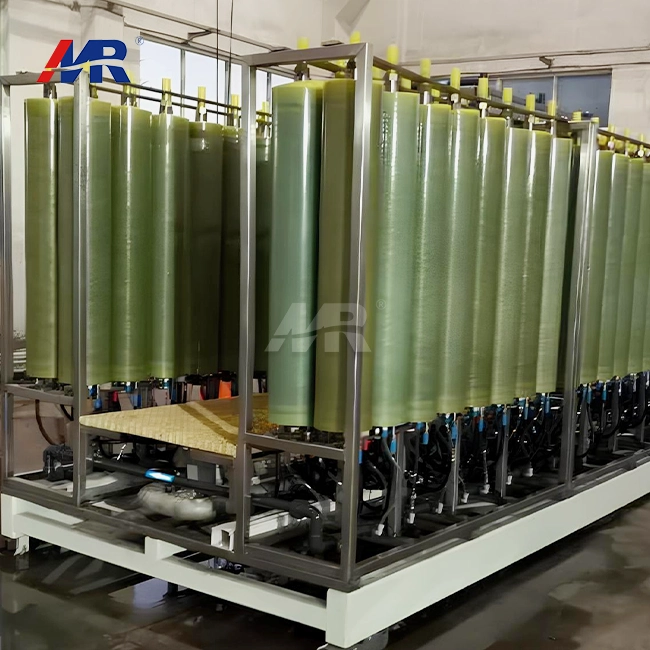 VIEW MOREDTRO for Wastewater Treatment
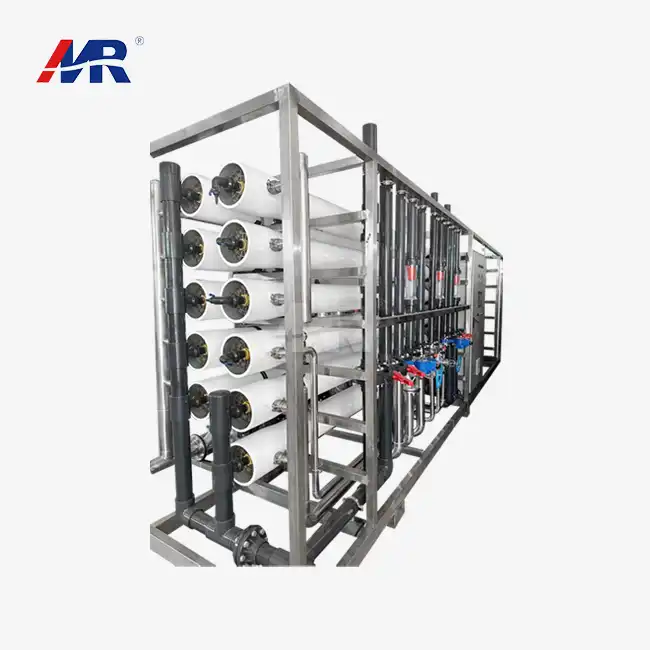 VIEW MORE60m3/hour reverse osmosis plant
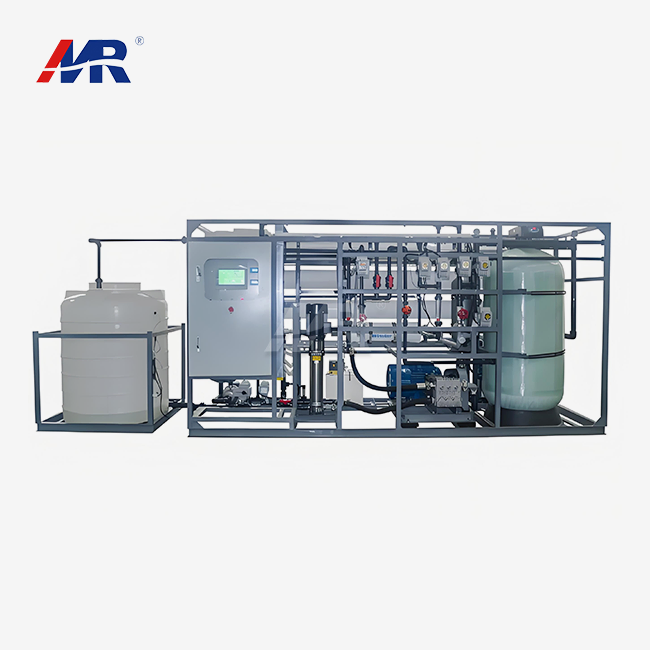 VIEW MOREseawater treatment system
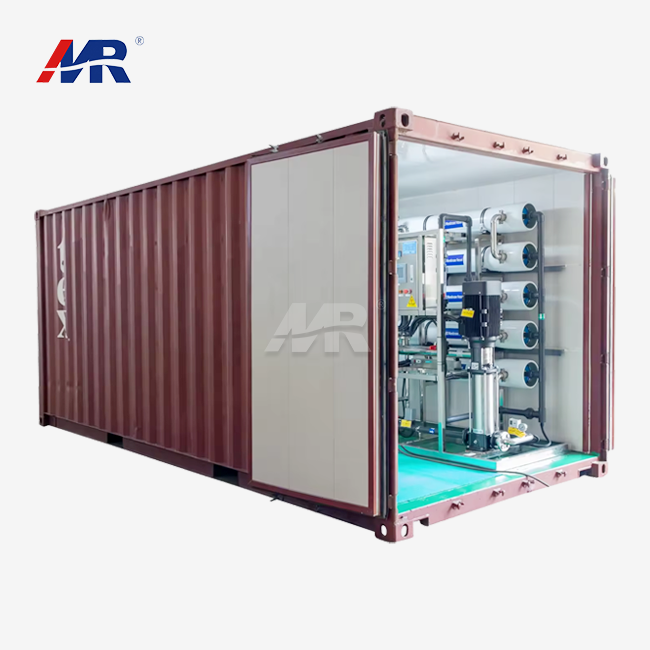 VIEW MOREmobile container reverse osmosis equipment
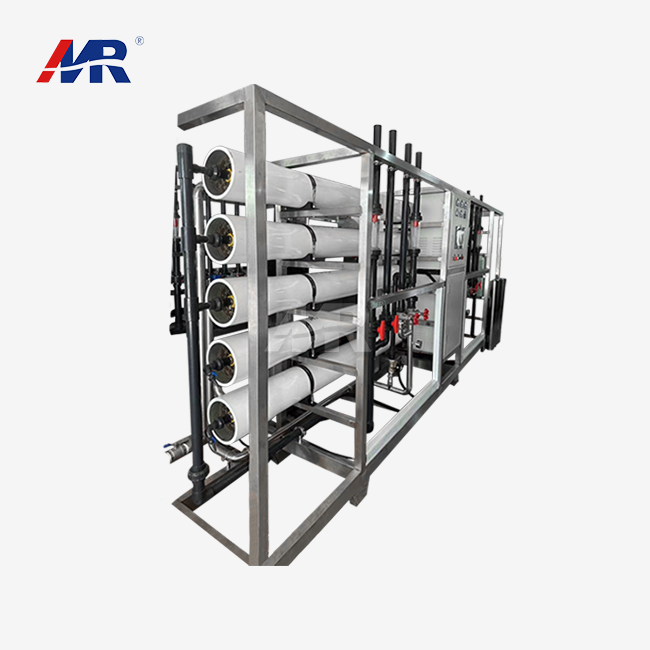 VIEW MOREhighest rated reverse osmosis system
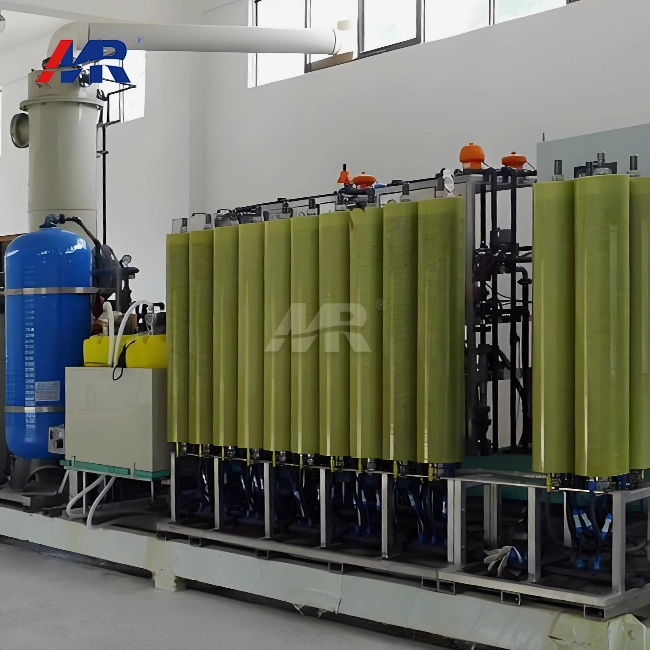 VIEW MOREDTRO membrane
 VIEW MOREnew ro system
