



How Does an EDI Plant Compare With Mixed-Bed Ion Exchange for Industry?
I get this question from process engineers almost every week: should a new ultrapure-water line use an EDI plant or stick with mixed-bed ion exchange? Both systems can produce high-purity water, but they work in very different ways. An EDI plant uses electricity and ion-exchange membranes to remove ions continuously, without acid or caustic regeneration. Mixed-bed ion exchange relies on resin beds that need periodic chemical regeneration or replacement. This guide compares water quality, cost, chemical handling, and maintenance so you can pick the right technology for semiconductor, pharmaceutical, power, or laboratory water systems.
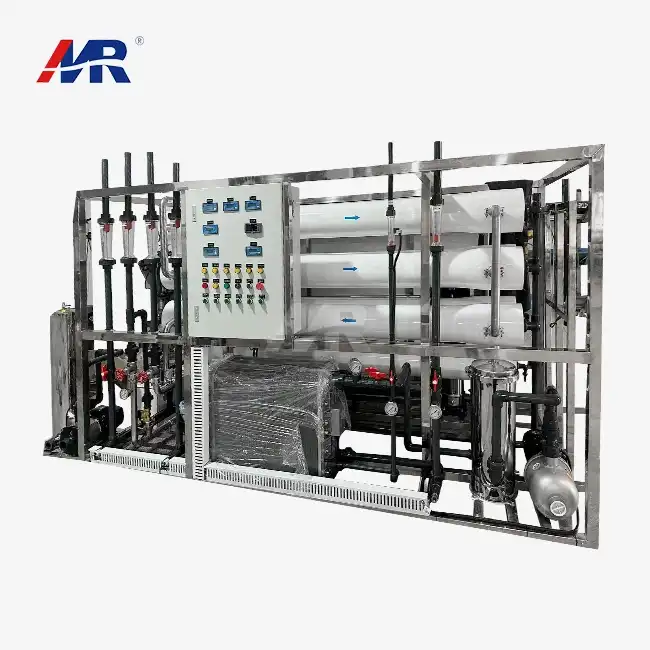
Quick answer: An EDI plant fits best when feedwater is stable, chemical handling needs to drop, and production runs continuously. Mixed-bed ion exchange still earns its place for backup polishing, intermittent demand, or sites with existing regeneration infrastructure. The right pick depends on your water chemistry, not brand loyalty.
What Is an EDI Plant and How Does It Work?
EDI Plant Definition and Scope
An EDI plant is a "continuous electrodeionization system." It has ion-exchange resin, ion-selective membranes, and a direct-current field inside a single cell. Water gets in through resin-filled cracks. Ions move along membranes and into their own pathways to gather together. Every business day, there isn't an acid or toxic tank to go fill up.
An EDI plant isn't a miracle worker. You can't use it with oil, a lot of dissolved solids, free chlorine, or too much hardness if you don't treat the water first. Another difference is that it's not the same as a mixed-bed deionizer or a separate RO unit. The permeate is usually polished to resistivity values close to 18.2 M··cm, which is the theoretical limit for water purity at 25°C (ASTM International, 2018). What it does is work after RO.
EDI Plant Operating Principle
Inside the module, cations move toward the cathode and anions move toward the anode. Additionally, ion-exchange resin in each chamber works as a conductor to help move things along more quickly. It is impossible for large molecules and bulk water to pass through the membranes, but charged ions can get into the stream.
Mixed-bed cement can't hold the glue in place on its own, but this electric field can. When water breaks through the membrane, it makes hydrogen and hydroxide ions. These ions keep the exchange capacity of the resin high. As long as the feedwater doesn't go too far, this means that an EDI plant can work for years without a chemical refilling loop.
EDI Plant Process Flow
After being pretreated, fresh water goes through reverse osmosis, an EDI module, a polishing filter, storage, and distribution. This is a normal line. A lot of extra steps are often added, depending on where the water comes from and what it will be used for.
- Pretreatment stage: multimedia or cartridge filtration removes particles, while a softener or antiscalant dose protects the RO membrane from scaling. This stage matters most when raw water comes from a river, well, or municipal source with variable turbidity.
- RO stage: reverse osmosis membranes reject around 95–99% of dissolved salts before water ever reaches the EDI module, which keeps the ionic load within the module's design window.
- Monitoring stage: conductivity, resistivity, flow, pressure, and temperature sensors feed a PLC that logs data continuously, supporting both process control and compliance audits.
- Final polishing stage: UV sterilization or ultrafiltration is added for pharmaceutical, laboratory, or food-grade lines where microbial control is part of the specification.
Because these stages work together, if one of them is weak, like a cartridge filter that is worn out or a ro membrane that is clogged, it shows up further down the line as unstable EDI output.
What Are the Main Differences Between EDI and Mixed-Bed Ion Exchange?
Core Technology Comparison
Another table below shows the most important changes that buyers want to know about.
| Criterion | EDI Plant | Mixed-Bed Ion Exchange |
|---|---|---|
| Regeneration method | Electrical, continuous | Chemical, batch or off-site |
| Typical feedwater | Stable RO permeate | RO water or raw low-ion water |
| Chemical handling | Minimal during normal run | Acid and caustic commonly required |
| Operation style | Continuous | Continuous with periodic regeneration |
| Quality stability | High with stable feed | High at first, drops as resin exhausts |
| Wastewater produced | Concentrate and electrode streams | Regeneration rinse water |
| Automation level | Usually high | Low to medium |
| Best fit | Continuous high-purity production | Polishing, backup, smaller loads |
EDI Plant vs Ion Exchange System
The main difference between an EDI plant and a normal mixed-bed deionizer is how the resin capacity is restored. Cation resin and anion resin are mixed in the same vessel in mixed-bed units. For these units to work, they need either an acid/caustic renewal tank outside or a resin swap that takes place somewhere else. Each type of ion exchange resin is kept in its own separate tank for separate-bed ion exchange. Though this makes it easier to keep renewal in check, chemicals are still needed. Because they are thrown away when they are full, disposable deionization cartridges don't need to be charged. This works fine for small labs but not for a continuous flow of work in an office. A distribution loop, on the other hand, ends with an EDI cleaning loop. This loop keeps the water moving at the right resistivity without any of these steps that need to be done by hand.
EDI Plant vs Reverse Osmosis System
Most of the time, RO and EDI work together instead of against each other. RO gets rid of 95–99% of the salts, along with most of the organics, microorganisms, and dissolved salts. After RO, EDI gets rid of any ionic traces that are still there. The resistivity goes up to 18.2 M©·cm, which is the highest amount needed by semiconductor and drug specs. RO by itself doesn't always reach that level. Any EDI plant needs RO permeate that doesn't go over a certain range of conductivity, hardness, calcium, free chlorine, and microbe count. The life of the module drops quickly if these limits are crossed.
How Do EDI and Mixed-Bed Systems Produce High-Purity Water?
EDI Water Purification Process
It takes five steps to clean something. In the beginning, pretreatment keeps particles that cause fouling away from the RO membrane and EDI module. Also, RO gets rid of most of the dissolved salts, which makes the ionic load about twice as high. Third, the electric field we talked about earlier is used in the EDI stage to get rid of the last few cations and anions. Fourth, the water that is made is either stored or sent straight to a loop that distributes it. There are also online devices that check the temperature, flow, pressure, conductivity, and resistance all the time. If there is any change, an alarm goes off so that the product quality doesn't drop below what is needed.
EDI Plant Components
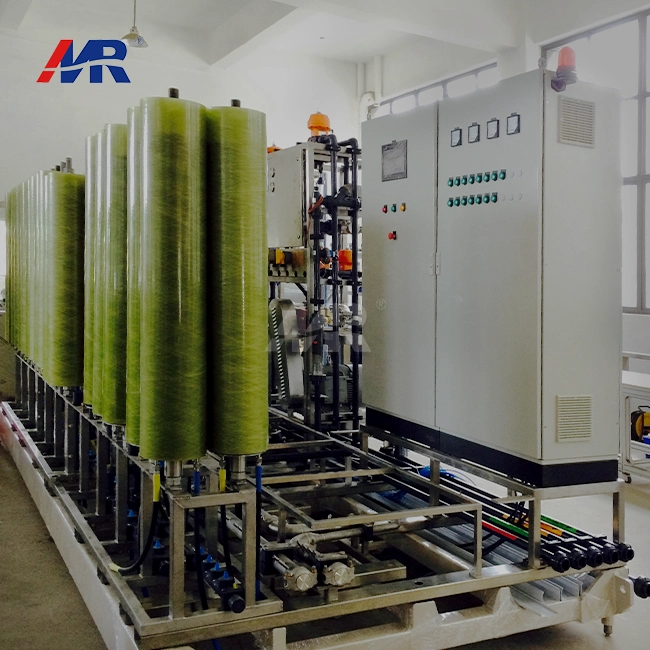
A full system has more parts that move than most people think at first glance. What goes inside a skid most of the time is this.
- EDI modules or stacks — the core electrochemical units, usually sized in increments to match flow demand from roughly 1 m³/h up to 100 m³/h on a Morui-built line.
- DC power supply and control panel — delivers the field voltage and houses the PLC logic that manages flow balancing and alarms.
- RO system and permeate tank — supplies conditioned feedwater and buffers against short demand spikes.
- Piping network — separate lines for feed, product, concentrate, and electrode streams keep flows from cross-contaminating.
- Instrumentation — flow meters, pressure gauges, and conductivity or resistivity sensors give the operator a live read on performance.
- Support hardware — valves, pumps, cartridge filters, and optional UV units round out the skid, along with CIP connections for pharmaceutical-grade installations.
These pieces need to be put together. We see this happen when the RO permeate tank is too small. During times of high demand, this makes the EDI module hungry and causes changes in resistivity that aren't related to the EDI stack itself.
EDI Plant Water Quality Requirements
Most troubles during launch start with the limits on feedwater. The conditions that all projects must meet before they can start are shown in the table below.
| Feed Parameter | Why It Matters | Typical Design Target |
|---|---|---|
| RO permeate conductivity | Indicates total ionic loading | Below 40 μS/cm |
| Hardness | Prevents scaling on resin and membranes | Near zero after softening |
| Silica | Can bleed through and affect resistivity | Project-specific, confirmed by lab test |
| Free chlorine | Damages membranes and resin | Non-detectable |
| Iron and manganese | Fouls active surfaces | Trace levels only |
| Carbon dioxide | Raises ionic load | Removed by degasser or RO stage |
| Temperature | Affects conductivity readings | 5–35°C operating range |
| Microbiological quality | Critical for pharma and lab use | Monitored per validated method |
As long as the feed conductivity goal is less than 40 μS/cm, the product water will always be in the 0.06–0.1 μS/cm range, which is equal to 10–16.7 M©·cm and is often higher once the module settles down.
Which System Delivers More Consistent Water Quality?
EDI Water Quality Comparison
Before it breaks down, mixed-bed resin is strong. The quality of a new mixed bed starts to drop as soon as the resin runs out. Depending on the load, this can happen in as little as a few days. Almost all of its possible resistance can be reached right away after regeneration. In an EDI plant, the quality curve is smoother because the electric field keeps making plastic all the time instead of stopping when it runs out.
EDI, on the other hand, is more affected by changes in the feedwater. In just a few minutes, the conductivity of RO permeate rises quickly in EDI product water. Mixed-bed systems have more spare space, so they can handle small spikes better. This is because the exchange capacity is stored in the new resin. Also, the ways that silica, boron, and carbon dioxide are taken away are not all the same. EDI doesn't work as well with weakly ionized species as it does with strongly ionized salts. Because of this, projects that need very low levels of silica or boron usually add an extra cleaning step, no matter what core technology is used.
Quality Verification and Test Methods
The testing process doesn't end when the system is turned on; it goes on all the time. For every Morui job, I ask the hire team to do these things.
- Confirm raw-water and RO-permeate lab analysis against the design basis before first startup, not just the vendor's assumed water quality.
- Verify flow, pressure, voltage, and current against the module's rated operating window, recording baseline values for future trend comparison.
- Calibrate conductivity and resistivity instruments using certified reference solutions, since sensor drift is the single most common cause of false alarms.
- Test product water against the approved specification using both online sensors and periodic laboratory samples, especially for USP or EP purified-water claims (United States Pharmacopeia, 2023).
- Check concentrate and electrode flow rates, since starving either stream reduces ion removal efficiency even when the feed is clean.
- Review historical alarm and data logs weekly during the first month of operation to catch slow drift before it becomes a shutdown event.
– Before the first startup, make sure that the lab tests for raw water and RO permeate match what was planned, not just what the vendor thinks the water quality is.
Performance Risks and Mitigation
| Risk | Likely Cause | Mitigation |
|---|---|---|
| High product conductivity | Poor RO rejection or wrong flow | Check RO membrane condition and EDI flow balance |
| Falling resistivity | Resin exhaustion, scaling, fouling | Review trend data, clean per manufacturer protocol |
| Unstable readings | Temperature swing or sensor fault | Apply temperature compensation, recalibrate |
| Low product flow | Fouled module or blocked filter | Check pressure differential across each stage |
| High concentrate conductivity | Ionic overload or low concentrate flow | Verify feed chemistry and concentrate flow setpoint |
How Do EDI and Mixed-Bed Systems Compare in Operating Costs?
EDI Plant Operating Cost Comparison
Since it's hard for people to compare prices when they don't know much about the item, I rather give them a list of the total costs than a single number. This is how I put every quote together:
What is "Total Cost of Ownership"? It's the price of the machine plus the cost of water, chemicals, electricity, repairs, new parts, and wastewater.
It usually costs more to buy an EDI plant than a simple mixed-bed tank. However, a Morui system that is the right size uses less than 0.1 kWh per cubic meter of product water. Mixed-bed systems don't need a lot of electricity, but they do need to buy acid and caustic on a regular basis, treat the wastewater so it can be reused, and have people move the resin around. In three to five years, many continuous-duty plants can get their extra cost back from EDI because their chemical and wastewater costs will go down.
EDI Plant Price and Cost Drivers
A good quote is based on a lot of things that are specific to the job. The flow rate and peak demand are used to figure out the base module count. If more stages of polishing are needed, they are chosen based on the limits for resistivity and silica. The amount of preparation is based on what the raw water test shows. On top of the base module price, there are extra costs for the level of automation, the clean design for pharmaceutical use, and the validation documentation. The costs of freight, duty, and local integration are very different in Southeast Asia, the Middle East, and Latin America. That's why I always check Incoterms before putting two quotes next to each other.
Capacity Selection Guide
The part of the bill of materials that costs the most is the size mistake. Read this list over before you say what flow is.
- Average daily flow demand versus peak hourly demand, since many plants oversize average flow but underbuild peak capacity, causing storage tank drawdown during shift changes.
- Operating hours per day and planned expansion over the next three to five years, which affects whether to leave spare skid positions in the layout.
- Required redundancy level — N, N+1, or full standby — especially for semiconductor fabs where unplanned downtime carries a high cost per hour.
- RO-to-EDI flow balance and reject handling, since an undersized RO train starves the EDI stage regardless of module count.
- Available electrical supply, space, drainage, and maintenance access, which matter more in retrofit projects than in new-build layouts.
An EDI plant doesn't always meet the specs in the first year because they skip this step.
Which Technology Requires Less Chemical Regeneration?
Chemical Use and Wastewater
An EDI plant doesn't need to do regular acid and caustic renewal as a mixed-bed ion exchange plant does. This is the main difference between the two. Some of the things that mixed-bed systems need are chemical regeneration, resin swap-out from the site, or a central regeneration center. For all of these, corrosive chemicals need to be stored and handled on-site. You may still need cleaning agents for EDI to get rid of scaling or fouling, and for RO preparation, you will usually need to dose an antiscalant or dechlorination agent. Because concentrate and anode water are chemically different from spent regenerant, each waste stream should be checked against the rules for getting rid of waste in that area.
EDI Plant Maintenance Guide
As long as the EDI plant is set up properly, everyday maintenance is easier than most engineers think it will be. However, it must still be done carefully. These are the kinds of things that usually make up a preventive schedule.
- Inspect pretreatment filters and record pressure differential weekly, replacing cartridges before differential pressure exceeds the manufacturer's limit.
- Verify RO permeate quality daily against the design feedwater specification, catching membrane degradation before it reaches the EDI module.
- Check product, concentrate, and electrode flow rates monthly, since drift in any one stream signals a developing fouling or scaling issue.
- Calibrate conductivity and resistivity sensors on a fixed schedule, typically every three to six months depending on application criticality.
- Inspect electrical connections, alarms, and PLC logs quarterly, recording findings for traceability during audits or warranty claims.
– Change the cartridges before the difference in pressure goes over the manufacturer's limit. Check the pretreatment filters once a week and write down the difference in pressure.
EDI Plant Troubleshooting
Low flow is usually caused by a filter that is clogged, a broken pump, or an imbalance in the hydraulics between modules. It's common for RO to not work well, carbon dioxide levels to be high, or growth in the EDI stack to show up as a high product conductivity level. Most of the time, a cell getting too hot means that there is too much power compared to flow. The control panel should know right away that something is wrong if the alarm thresholds are set correctly. It means that either the feedwater is too full or there isn't enough concentrate flow if the concentrate conductivity is high. There are almost always problems with sensor calibration rather than a real process fault that leads to a lot of unnecessary alarms. More false alarms have been set off by conductivity probes that have moved than by any other mechanical problem.
When Is EDI Better Than Mixed-Bed Ion Exchange?
EDI Advantages and Disadvantages
It's always the same thing I tell my clients: there is no "better" technology. There is only technology that works better in some types of water. This is how the trade-offs work in real life.
- Continuous operation without downtime for regeneration keeps product flow steady, which matters most for semiconductor fabs running 24/7.
- Reduced chemical handling lowers operator exposure risk and cuts the paperwork tied to storing corrosive acid and caustic on site.
- Stable water quality holds up well when RO feedwater stays within the design window, which is common in municipal-sourced plants with consistent treatment upstream.
- Higher pretreatment dependence means an EDI plant is only as good as the RO stage feeding it — a neglected RO membrane will show up as EDI underperformance within days.
- Higher technical complexity than a simple resin vessel means operators need basic electrical and instrumentation training, not just valve operation.
When Mixed-Bed Ion Exchange May Be Preferable
Mixed-bed systems are still a good choice for places that only need to polish a small amount of things once in a while, for small labs, for emergency backup polishing, or that already have a central regeneration center for other process needs. It is better to have a fluid polishing plan than a set electrical process if the quality of the feedwater changes with the seasons. A mixed-bed resin system can handle this change better than an EDI module.
Decision Checklist
You can choose which one to go with with the help of a short list of yes/no questions. When demand stays the same, the quality of the RO permeate stays the same, the amount of chemicals that need to be handled decreases, and the plant staff knows how to use basic automation, EDI is the best choice. Choose mixed-bed ion exchange if demand isn't stable, a simple vessel swap works with how repair is done, or there are already plans in place for recovery on site. A small mixed-bed pad is kept on hand by most of the tech companies I work with in case they need to clean something else. So, they can handle both normal business and other situations.
Which Industries Benefit Most From EDI Water Treatment?
Pharmaceutical and Biotechnology Water
Many pharmaceutical plants use EDI to clean the water that goes into clean utility loops and WFI pretreatment trains. The US Pharmacopeia (2023) says that these systems need to meet the requirements for USP <1231> or EP purified water. These rules include limits on conductivity, control of microbes, and sample regularity. You need to have sanitary pipes, material certificates, and IQ/OQ documentation that has been checked and approved. This is important for buyers because without them, they will fail an audit, even if the water tests are clean.
Electronics, Semiconductor, and Laboratory Applications
There must be strict limits on the amount of boron, silica, total organic carbon, and particles, and the resistance must be close to 18.2 M··cm. There are more uses for water in the lab. The water used by science equipment doesn't have to be as strict about killing microbes, but it does have to be very pure when it comes to ions. This Vietnam display panel retrofit that I helped with used a Morui EDI plant instead of mixed-bed cartridges for the final polishing stage. This saved about 70% on the cost of replacing resin every month and kept the resistivity stable at 17.8 to 18.1 M©·cm across three production shifts. It changed from 15.5 to 18.0 M³·cm with the old cartridge system.
Power, Food, Beverage, and Chemical Manufacturing
Power plants need to make sure that the water that goes into the boilers is always low in conductivity so that the metals in the turbines and boilers don't rust or scale. Food and drink companies use high-purity water for rinse processes and making Products because residual ions can't add any bad tastes. Chemical companies need process water that is always the same quality. OEM skid makers often package RO+EDI trains as a line of flexible products that can be used over and over.
For three types of buyers, this works in three different ways. An OEM installer puts together a skid that can be used again and again and is sold all over Southeast Asia. A storage loop, RO, and EDI are all built in. In Latin America, a distributor keeps spare parts, standard EDI modules, and export paperwork on hand so that they can serve many medium-sized clients without having to design each one from scratch. A semiconductor plant owner in the Middle East has switched from frequent mixed-bed regeneration to an EDI train to save money on the cost of delivering chemicals in a place where customs are very strict about moving acids and caustics.
How Do You Evaluate an EDI Plant Supplier?
Supplier Capability Assessment
It's more important to know how they build than to look at their catalog page. Before you sign a purchase order, make sure the supplier can show proof of design experience, help with process engineering and raw water analysis, EDI module sizing calculations that are specific to your water chemistry, and records of factory acceptance testing. Ask people in your area who use power, technology, or drugs for names. As an example, the feedwater and regulatory needs for groundwater that is brackish in the Middle East are very different from those for city supply that is soft in Southeast Asia.
Why Morui Fits This Checklist
Guangdong Morui Environmental Technology Co., Ltd. has one factory where the RO, EDI, and UF production lines are all housed. Since there aren't that many subcontractors, quality control doesn't have to go through a lot of them. The company has more than 14 locations and more than 500 employees, 20 of whom are engineers. It also has its own factory for making membranes and a number of plants for handling equipment. Shimge Water Pumps, Runxin Valves, and Createc Instruments are also brands that Morui sells. This helps people find what they need when they only want one bill instead of five. This structure with a single source makes it much easier to coordinate projects that need to be customized for electronic or pharmaceutical use, tracked remotely, and come with validation papers like IQ/OQ. It would take a lot longer to put together a system from different companies.
Compliance and Documentation
In each market, the rules for compliance are different. People in the West usually look for CE marking, NSF or water-contact approvals, and information on how energy-efficient a product is before they approve a purchase order. According to the International Organization for Standardization (2015), getting ISO 9001 approval means that you have a basic quality management system for both planning and production. Buyers of drugs must make sure that GMPs are followed based on EU EudraLex Volume 4 and 21 CFR Parts 210–211 paperwork for goods going to the US (U.S. Food and Drug Administration, 2021). During the engineering phase, find out what the local rules are for electrical equipment, pressure vessels, and dumping wastewater. The rules are not the same in Southeast Asia, Africa, and Latin America, so a single package of rules doesn't usually cover all of them.
Why Water Treatment Buyers Choose Morui for EDI Systems
More than any other problem I hear about, plant managers are angry about paperwork taking too long to be processed, chemicals being handled incorrectly, and resistance values that don't match up. Morui doesn't sell a standard EDI plant unit. Instead, they make each one unique based on the analysis of your feedwater. From 1 to 100 m³/h, these plants can handle it, and the water they produce is of a quality of 0.06 to 0.1 μS/cm. They also have recovery rates higher than 90%. Due to the fact that we make our own membranes and EDI plants, we can handle RO, UF, and EDI staging all in one place. Feel free to email your water analysis to benson@guangdongmorui.com to get a technical specification sheet and a free quote on the project.
How Should Companies Choose Between EDI and Mixed-Bed Systems?
Procurement Requirements for an EDI Plant
For a full request for quote, a flow rate is not enough. Add the needed product flow and peak flow, as well as the lab tests for the raw water and RO permeate, the quality standards for the product water, the power supply at the site, the temperature range, and the building materials. To this list, you should add the needs for FAT and SAT, installation scope, guarantee terms, a list of extra parts, and validation documents if the end use is pharmaceutical or controlled. Make sure you understand the Lead Time, Payment Terms, and Incoterms before going through each supplier's quote line by line.
Comparison and Selection Matrix
| Decision Factor | Prefer EDI | Prefer Mixed Bed |
|---|---|---|
| Demand profile | Continuous, predictable | Intermittent, low volume |
| Chemical handling | Minimize chemicals | Existing infrastructure in place |
| Feedwater | Stable RO permeate | Variable, flexible polishing need |
| Automation | Desired | Less important |
| Maintenance model | Electrical/instrumentation skills | Resin exchange skills |
| Capital budget | Higher integrated investment | Lower initial complexity preferred |
Final Risk Review Before Approval
Before you sign off, make sure that the place can actually meet the feedwater requirements, not just what you think it can be on paper. Make sure that the volume you pick can handle a lot of demand and still have room for growth. Writing down the temperature compensation and instrument calibration is important. Also, make sure that the cleaning chemicals can be used on both the membranes and the resin. Set the rules for on-site acceptance before the shipment leaves the factory. Also, make sure that both the buyer and the seller know who is in charge of compliance. This way, during commissioning, nothing will be missed.
Conclusion
Once RO pretreatment is done, chemical light from an EDI plant provides steady, high-purity deionization. Mixed-bed ion exchange is still a good choice for everyday use, backup service, and cleaning where resin exchange is easy to handle. You shouldn't just look at price; you should also think about the chemistry of the feedwater, how much volume you need, how you plan to handle chemicals, and the total cost of ownership. Look at the numbers for both plans and compare them to your real water analysis before making a choice.
FAQ
1. What is an EDI plant?
Ion-exchange resin, selective membranes, and direct current electricity are all used in an EDI plant to deionize water. With this step, water is made very pure without any acid or caustic regeneration. It is often done after reverse osmosis.
2. How does an EDI plant work?
Ion-selective membranes separate sections that are filled with resin and let water flow through them. Ions that have been mixed with water are moved into concentrate and anode streams by an electric field. Deionized product water is also being made all the time.
3. Is EDI better than a mixed-bed deionizer?
EDI usually works better when it can run all the time, has stable RO feedwater, and requires less chemical handling. It's possible that mixed-bed systems will work better in places where demand is low or changes often.
4. Does an EDI plant require reverse osmosis?
Most industrial EDI plants need RO or a similar preparation because too many salts, hardness, silica, chlorine, and suspended solids make EDI work less well and modules last less long.
5. What causes high conductivity in EDI product water?
There could be a number of reasons for this, such as poor RO rejection, high carbon dioxide levels, an uneven flow rate, scaling, membrane fouling, or sensor calibration errors that are not within the module's feedwater specifications.
6. How much does an EDI plant cost?
Prices depend on the RO and pretreatment scope, the amount of automation, the materials, the confirmation paperwork, and how the goods are shipped. A water study and a clear goal for the product's water level are always the first steps in setting a good price.
7. Can EDI be used for pharmaceutical water?
Yes. EDI is often used as a finishing step after RO in systems that clean water for pharmaceuticals. Even so, the whole system still needs to meet standards for pharmacopoeial, GMP, sterile design, and proof.
Ready to Specify Your EDI Plant? Let's Talk Water Chemistry
It's easier to decide between EDI and mixed-bed ion exchange if you can look at the water and not just guess. There are direct EDI plants that Morui sells in Asia, South America, and Africa. They pair RO, UF, and EDI lines from the same factory to make sure that the whole process has the same quality control and paperwork. You can email Our Team at benson@guangdongmorui.com with your raw-water report, target flow, and resistance goal. In days, not weeks, we'll get back to you with a full spec sheet.
References
1. ASTM International, ASTM D1193-91(2018): Standard Specification for Reagent Water, 2018. https://www.astm.org/d1193-91r18.html — cited for the 18.2 MΩ·cm theoretical resistivity reference in the plant definition section.
2. United States Pharmacopeia, USP General Chapter <1231>: Water for Pharmaceutical Purposes, USP-NF, 2023. https://www.uspnf.com — cited in the pharmaceutical water and quality verification sections.
3. International Organization for Standardization, ISO 9001:2015 Quality Management Systems — Requirements, 2015. https://www.iso.org/standard/62085.html — cited in the compliance and documentation section.
4. European Commission, EudraLex Volume 4: EU Guidelines for Good Manufacturing Practice for Medicinal Products, 2023. https://health.ec.europa.eu/medicinal-products/eudralex/eudralex-volume-4_en — cited for GMP alignment requirements.
5. U.S. Food and Drug Administration, Current Good Manufacturing Practice Regulations, 21 CFR Parts 210 and 211, 2024. https://www.ecfr.gov/current/title-21/chapter-I/subchapter-C/part-211 — cited for US regulatory documentation requirements.
6. International Water Association, Technical Resources on Membrane Processes and High-Purity Water Systems, 2023. https://iwa-network.org — cited for general RO and EDI process-flow references.
About the Author
Shihai Su is a Senior Overseas Water Treatment Technical Manager with hands-on experience commissioning RO+edi systems across Southeast Asia, the Middle East, and Latin America. His work covers feedwater analysis, EDI module sizing, and plant commissioning for semiconductor, pharmaceutical, and power-plant clients. He writes about practical water-treatment decisions based on field data from active installation projects.
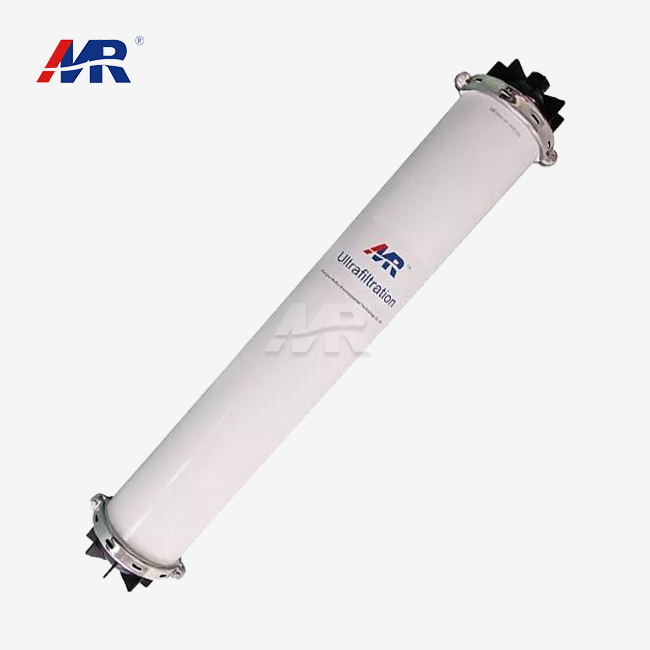 VIEW MOREultrafiltration membranes for water treatment
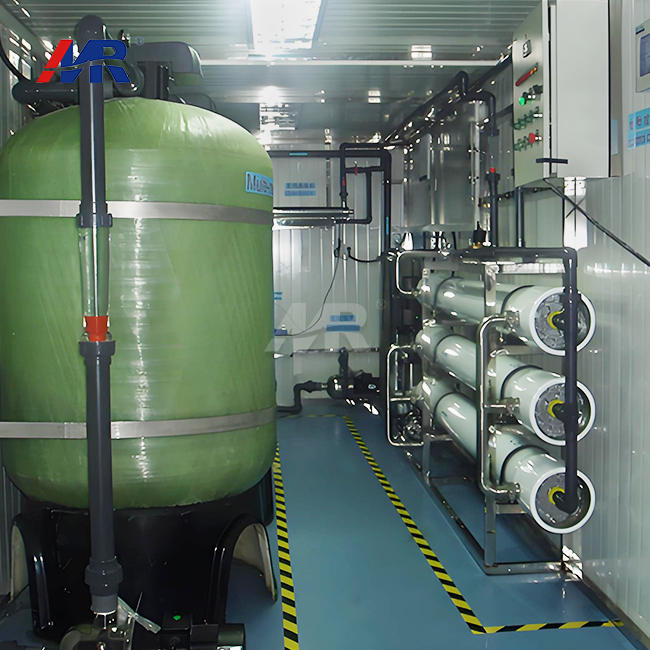 VIEW MOREContainerized Mobile Water Treatment Systems
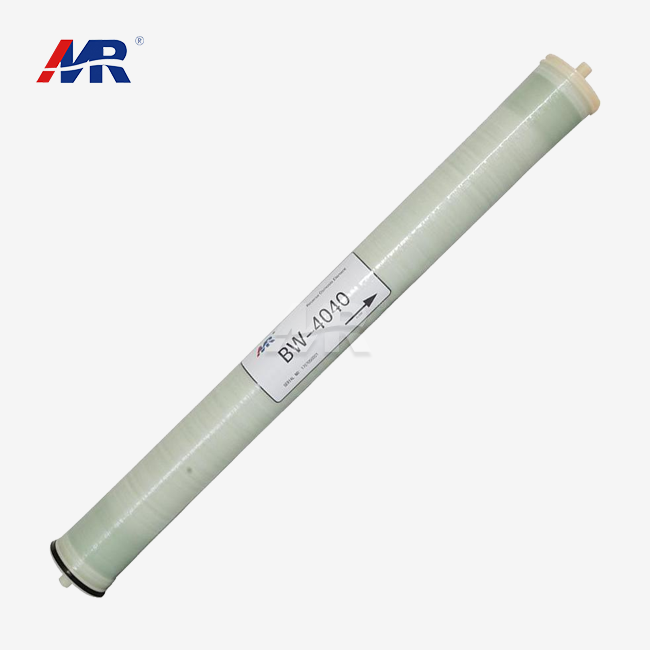 VIEW MORE4040 reverse osmosis membrane
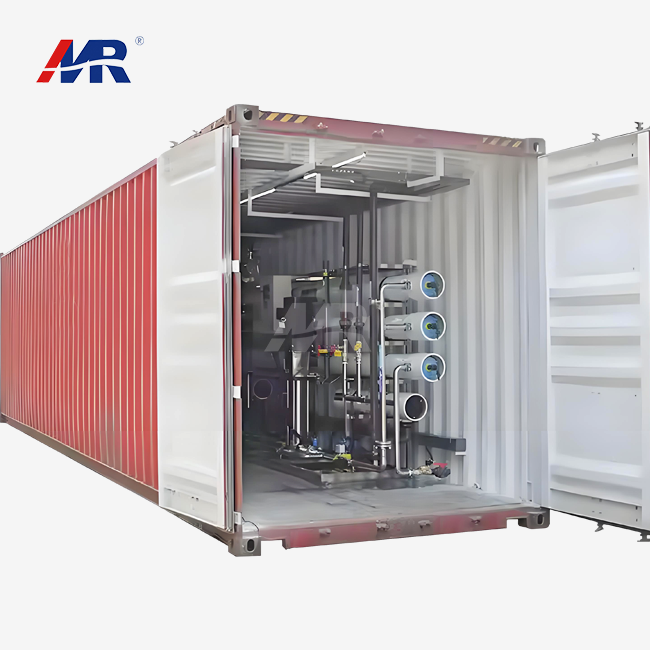 VIEW MOREContainerized Reverse Osmosis Systems
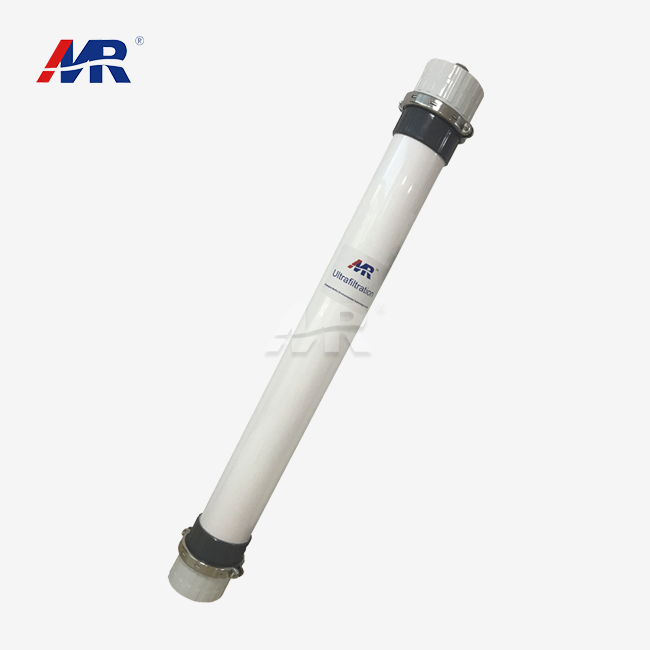 VIEW MOREultrafiltration membrane for wastewater treatment
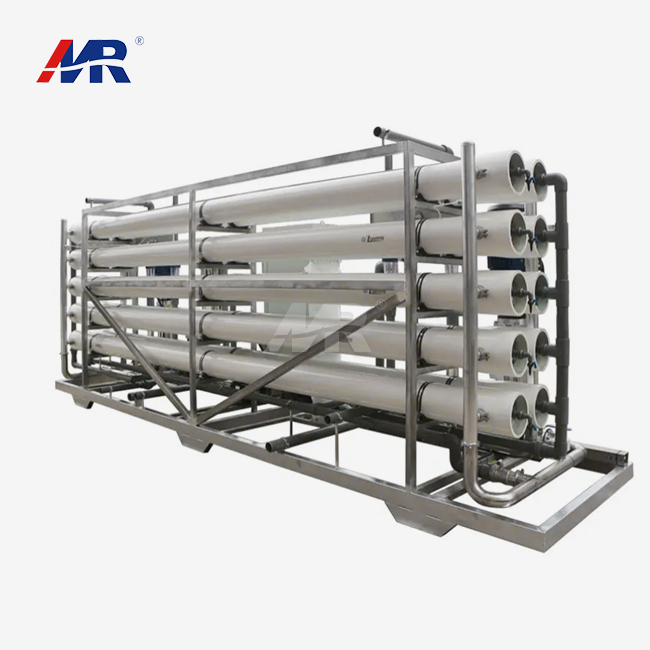 VIEW MOREbrackish water reverse osmosis systems
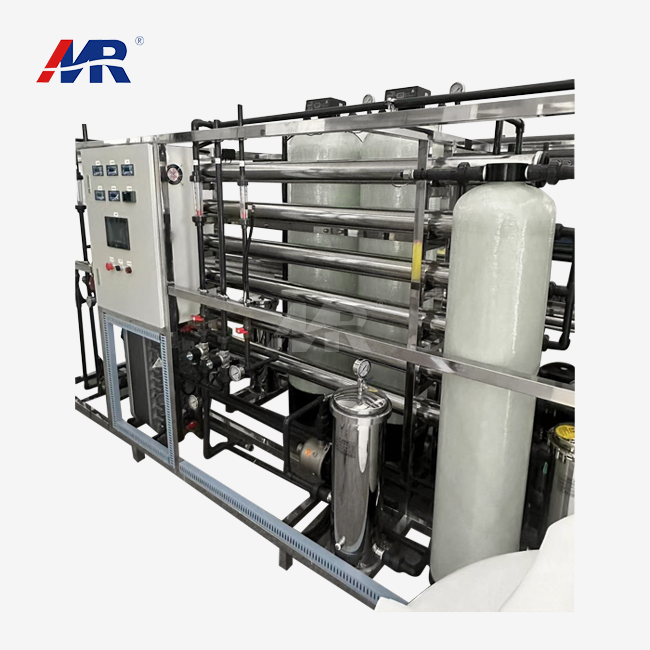 VIEW MOREelectrodeionization edi system
 VIEW MOREDTRO Elements