



Which Reverse Osmosis Water Tank Material Should You Choose?
When it comes to any commercial or industrial water treatment project, one of the most important considerations to make is selecting the appropriate material for a reverse osmosis water tank. Pressure tolerance, water quality, service life, and total cost of ownership are all characteristics that are directly impacted by the material that you choose. My experience dealing with procurement managers and water treatment engineers across a variety of sectors has shown me that the two most common choices are stainless steel and food-grade plastic, which may be either polypropylene or polyethylene. The operational characteristics that each one serves are distinct. This tutorial will take you through both of these options so that you may choose the appropriate tank material to meet the needs of your particular system.
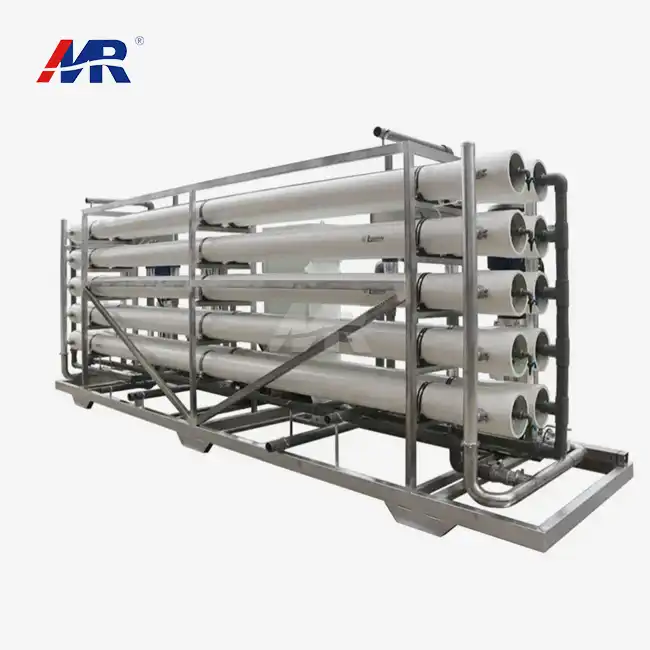
Understanding Reverse Osmosis Water Tanks and Their Materials
What Is a Reverse Osmosis Tank and How Does It Work?
Reverse osmosis water tanks are pressure vessels that are hydro-pneumatic in nature and are used to hold the filtered permeate water that is generated by a RO membrane. The RO process creates water slowly, drop by drop; thus, the tank serves as a buffer, supplying high-flow water on demand. This is because the RO process generates water. Within, a diaphragm or a flexible bladder serves the purpose of separating the compressed air from the water that is stored. Because of this design, backpressure on the membrane is prevented from building up, and water is shielded from contamination by the atmosphere.
Pressurized vs. Non-Pressurized Storage
Pressurized tanks are able to force water out of storage without the need for a pump because they include an internal air charge that is normally pre-set at between 5 and 7 pounds per square inch (PSI). When compared to pressurized tanks, non-pressurized tanks depend on gravity or a booster pump to convey their contents. Pressurized vessels are the preferred option for commercial and industrial applications because they provide a stable output pressure, reduce the amount of reliance on pumps, and can be integrated directly into the majority of RO skid designs.
Common Materials Used in RO Storage Vessels
These are the building methods that are used the most frequently:
- Inner liners made of food-grade polypropylene (PP) or polyethylene (PE) with a steel outer shell are the norm in pressurized tanks with pressure ratings of up to 100 atmospheric pressure (PSI).
- Construction made entirely of stainless steel, either 304 or 316L, is the material of choice for situations that are hygienic, medicinal, or hostile in nature.
- It is becoming more common for weight-sensitive or corrosive exterior installations to make use of fiber-reinforced composite shells.
With regard to NSF/ANSI 58 compliance, chemical resistance, and the potential for flavor contamination in stored water, the choice of material is the determining factor.
Pressurized Plastic vs. Stainless Steel RO Tanks — Comparative Analysis
Durability and Service Life
Professional-grade pressure tanks that have a steel shell and a brand-new polypropylene liner have a lifespan of between five and seven years when they are utilized in a typical manner. The belt that is constructed of chlorobutyl or EPDM is the one that breaks out the quickest. Not only does the tank feel heavy, but water stops flowing through it, which indicates that the bladder has failed. The term for this kind of examination is the "failed tap test." If they are properly maintained, full stainless steel tanks have the potential to survive for more than ten to fifteen years. In industrial environments where there is a lot of work to be done, this makes them more cost-effective than competing Products.
Capacity Range and Installation Footprint
You can get a reverse osmosis water tank with plastic lines in sizes from 1 gallon to 80 gallons or more. These work well for small but useful RO plants and business systems that fit under the counter. Stainless steel tanks are usually used for bigger jobs, like industrial RO plants, boiler feed systems, and city water projects. They come in sizes from 100 liters to thousands of liters. But stainless steel units can be expanded more easily and connected to more than one manifold. They do need more space on the floor and support, though.
Cost-Effectiveness and Lifecycle Expenses
At first, a pressurized tank sealed with PP costs a lot less than one made of stainless steel. Often, it costs 40–60% less for the same amount of room. Stainless steel, on the other hand, lasts longer, doesn't need to be replaced as often, and gets cleaner with less work. It makes less of a difference in lifecycle costs for projects that are meant to last 10 years. Procurement teams shouldn't just look at the price of tanks when they need to buy them for high-demand uses like food processing or pharmacy water systems. The full cost of ownership should also be looked at.
How to Choose the Right RO Water Tank Material for Your Business Needs
Match Material to Application Type
Figure out what the thing will be used for before you pick it out. Food-grade PP-lined pressure tanks that are approved by NSF/ANSI 58 are a good and inexpensive choice for schools, hotels, restaurants, and companies that serve water. Most of the time, 316L stainless steel is used to make medicines, food and drinks, and other things that need to be "clean-in-place." There is no damage to the cushion when chemical cleaners are used on it.
Evaluate Operating Pressure and Water Chemistry
When they are under pressure, most plastic tanks can handle up to 100 PSI. This level is too low for your RO system. If the source water has a lot of salt, oxidizing agents, or strong process chemicals, stainless steel is a better choice. The engineers should also think about how hot or cold the water is. When RO permeate is too hot, it can soften PP liners over time. This can weaken the structure and make the taste bad.
Verify Certifications and Supplier Credentials
Any tank that holds drinking water needs to meet at least NSF/ANSI 58 standards. People who buy things to send to the US should also make sure that the materials meet WRAS or FDA guidelines for areas that come into contact with food. To find a good supplier, you should ask to see test reports from a third party, Certifications for the materials, and written records of quality control during production. Pentair, Watts, and APEC are some well-known names in North America. But now there are a lot of OEM manufacturers in China that make tanks that meet the same standards and come with all the paperwork that is needed. The prices are also often lower.
Maintenance, Troubleshooting, and Best Practices for RO Water Tanks
Routine Inspection and Sanitization Schedules
When you service a reverse osmosis water tank with a PP-lined pressurized tank, I recommend that you check the pre-charge air pressure once a year and set it to 5–7 PSI. Tanks fill up too much most of the time, so they only fill up halfway. This is because the bladder can't grow all the way when there is too much air pressure. Microbes grow faster in warm places, so the inside of open-top stainless steel tanks should be checked for biofilm buildup every three months.
Troubleshooting Common Issues
Most of the time, these three types of faults happen in field operations:
- Tank fills only halfway: Check pre-charge air pressure first. High pre-charge or a failed bladder prevents full water uptake. Deflate to the recommended PSI and retest.
- Metallic or chemical taste in stored water: This often signals a breach in the internal liner or a deteriorating bladder. A compromised liner can leach materials into the permeate, violating NSF standards. Tank replacement is the recommended corrective action.
- Low output pressure or slow flow: Verify that the pre-charge air pressure is not below 5 PSI. A depleted air charge reduces delivery pressure significantly and may indicate a slow leak in the tank's air valve.
The tank only fills up halfway. Before you charge it, check the air pressure. A high pre-charge or a bladder that doesn't work stops the body from taking in all the water it needs. Lower it to the PSI that was suggested and test it again. A metallic or chemical taste in stored water: This usually means that the bladder is getting worse or the inner liner has broken. Materials can leak into the permeate if the cover is broken, which is against NSF rules. It is suggested that the tank be replaced.
Not enough pressure at the output or a slow flow: Not less than 5 PSI should be in the air before the charge. If there isn't much air in the tank, the release pressure drops a lot. This could mean that the air valve is slowly leaking.
Preventive Care to Extend Tank Lifespan
With a split system, you can add more than one tank to increase the amount of space you can store without dropping the pressure. This feature comes in handy in places with a lot of demand, like food production lines or hotel water systems. Turning off the system and depressurizing the tanks before doing maintenance protects the diaphragm from damage caused by accidents where the pressure is released. This is true whether the tanks are made of plastic or stainless steel.
Top Reverse Osmosis Water Tank Models by Material
Leading Plastic-Lined Pressurized Tanks for Commercial Use
For the everyday business market, multilayer designs with a steel outer shell and a new PP inner pillow work well for pressure RO storage tanks. When it comes to commercial drinking water systems, 11–14 gallon tanks are the most common. The reason for this is that they are the best mix of storage space and installation limitations in equipment rooms or under-counter areas. People always say good things about NSF/ANSI 58-certified models from well-known OEM makers because they keep the pressure and don't lose their taste after years of use.
Stainless Steel Tanks for Industrial and Sanitary Applications
All industrial RO plants, drug companies, and food processing plants should only use open-top storage tanks or barrels made of 304 or 316L stainless steel. When treating salty water or seawater, the 316L grade can handle chloride better than the 304 grade. You can clean these tanks with ozone, and they also work with CIP cleaning protocols and meet FDA and cGMP facility standards when applicable.
Emerging Composite and Eco-Efficient Designs
There are more and more fiber-reinforced composite tanks being used in places where weight reduction is important, such as outdoor desalination sites and mobile water treatment units. Some companies are using recyclable shell materials to meet government rules about green buying. While these designs aren't often used in large business projects just yet, they might be a good choice for operators who need to balance the need for performance with the need to be environmentally friendly.
Conclusion
The right reverse osmosis water tank material depends on your system's operating pressure, water contact requirements, budget, and expected service life. PP-lined pressurized tanks remain the practical choice for the majority of commercial drinking water systems, while stainless steel is the specification of choice where sanitation standards, aggressive chemistry, or extended service life are the deciding factors. For any B2B procurement decision, always validate NSF/ANSI 58 certification, request documented quality records, and calculate total lifecycle cost rather than unit price alone.
FAQ
1. What is the main advantage of stainless steel over plastic-lined RO tanks?
Stainless steel tanks eliminate the internal bladder component entirely in open-vessel designs, removing the most common failure point in pressurized plastic tanks. They also tolerate chemical cleaning agents, higher temperatures, and aggressive water chemistry without degradation, making them the preferred specification for food processing, pharmaceutical, and industrial applications.
2. How often should I check the air pre-charge pressure?
Check and recalibrate the pre-charge pressure annually, ideally during each scheduled filter replacement service. The standard pre-charge range is 5–7 PSI. Deviation from this range—whether high or low—directly affects tank fill volume and delivery pressure performance.
3. Can I retrofit my existing system with a different tank material?
Yes. Most RO systems use standard John Guest or 1/4-inch push-fit connections, and both plastic and stainless steel tanks are available in compatible port configurations. When retrofitting, confirm the new tank's working pressure rating matches your system's operating pressure before installation.
4. Can multiple tanks be connected to increase storage capacity?
Yes. Using a manifold configuration, multiple tanks can be connected in parallel to increase total storage volume without pressure loss. This approach is common in hotel water systems and industrial RO plants where peak demand exceeds single-tank capacity.
Get Matched to the Right RO Water Tank — Talk to Morui
Morui has many types of reverse osmosis water tanks that companies and factories all over the US can choose from. Reverse osmosis water tanks are something we've been making for a long time. We have 20 trained engineers and companies that make tools and membranes. We can help you with your project from the beginning stages of planning to the end when it is fully operational. Send an email to benson@guangdongmorui.com to get a catalog of products or to talk about your technical needs.
References
1. NSF International. NSF/ANSI 58: Reverse Osmosis Drinking Water Treatment Systems. NSF International, 2023.
2. Water Quality Association. WQA Technical Fact Sheet: Reverse Osmosis Systems. Water Quality Association, 2022.
3. American Water Works Association. Manual of Water Supply Practices M46: Reverse Osmosis and Nanofiltration. AWWA, 2021.
4. Crittenden, J. C., et al. MWH's Water Treatment: Principles and Design, 3rd ed. John Wiley & Sons, 2012.
5. United States Environmental Protection Agency. Membrane Filtration Guidance Manual. EPA, 2005.
6. Food and Drug Administration. CFR Title 21, Part 177: Indirect Food Additives — Polymers. U.S. FDA, 2023.
 VIEW MOREMBR wastewater treatment plant
 VIEW MOREosmosis water purification system
 VIEW MOREhome sewage treatment plant
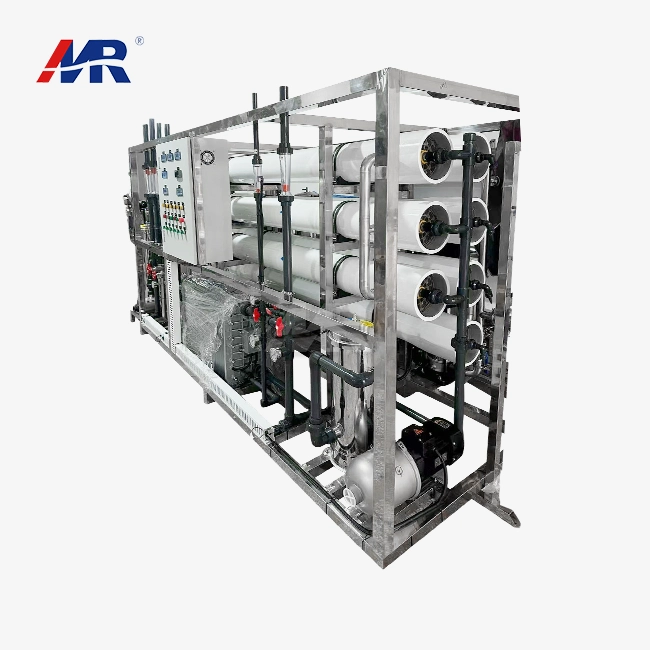 VIEW MOREedi module water treatment
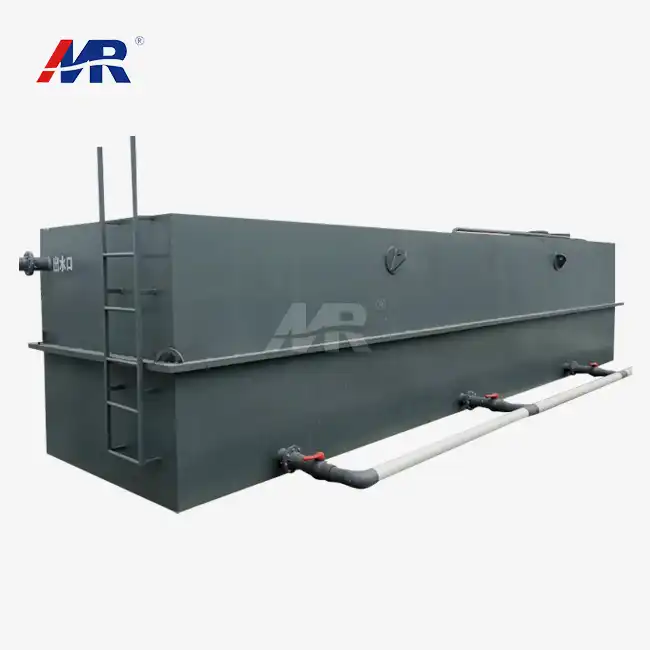 VIEW MOREportable wastewater treatment plant
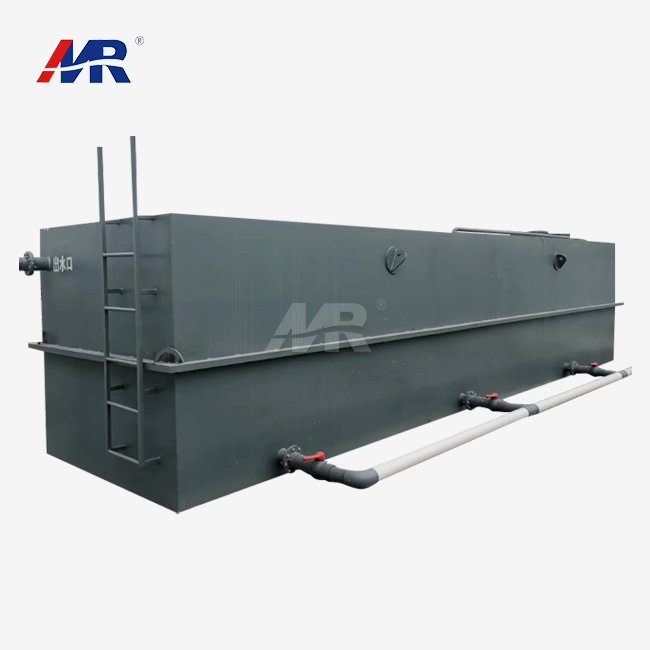 VIEW MOREdomestic wastewater treatment plant
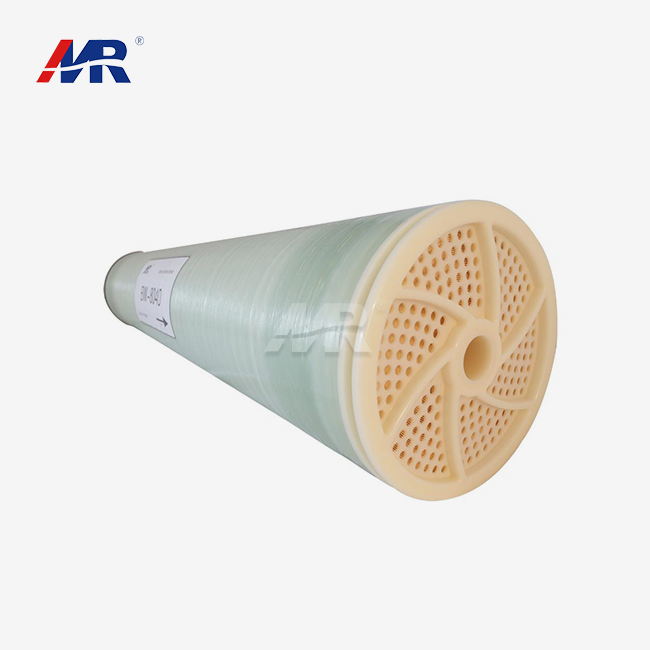 VIEW MOREbrackish membrane
 VIEW MOREwaste water treatment system