


Desalination Machine Portable: Key Factors for Project Integration
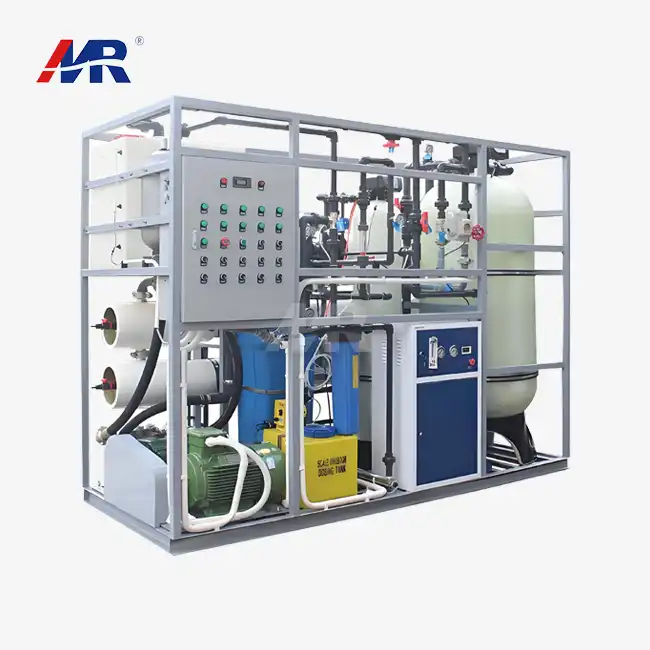
It is a small and modular system that can convert high-salinity seawater or brackish water into drinkable water that satisfies WHO quality criteria. A desalination machine portable is a system that can convert these types of water. Understanding the manner in which these systems interface with the existing infrastructure, which may range from offshore platforms to isolated mining camps, has a direct impact on the timeliness of projects, the costs of operations, and the safety of water supplies for procurement managers and project engineers in the United States. Before making a commitment to a mobile desalination solution, you should carefully consider the technology, the choices you make on procurement, and the maintenance procedures that you implement.
Understanding Portable Desalination Machines: Technology and Benefits
How Reverse Osmosis Works in a Portable Format
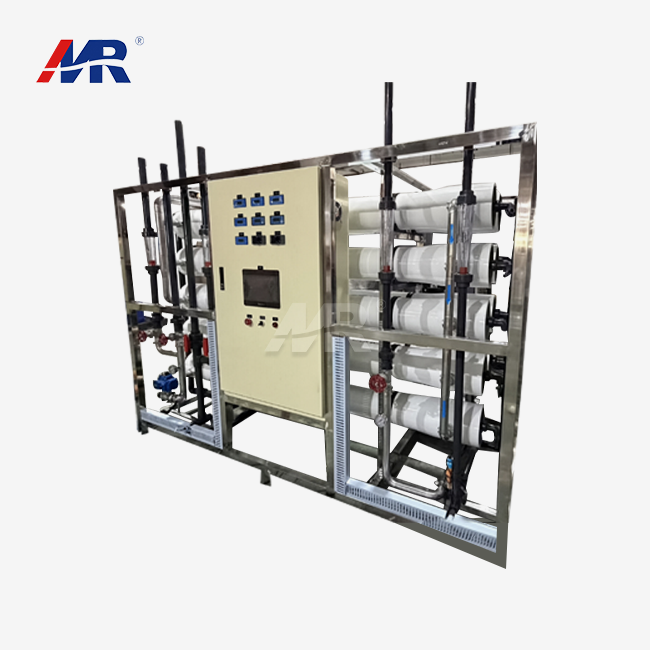
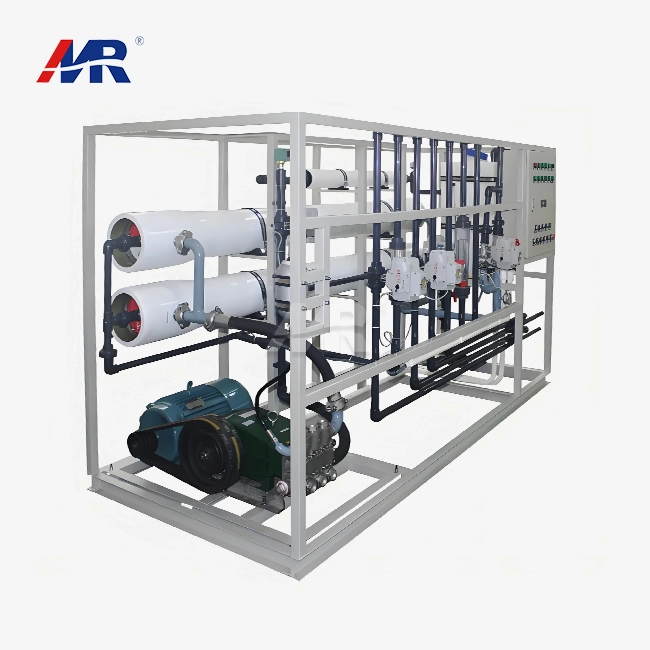
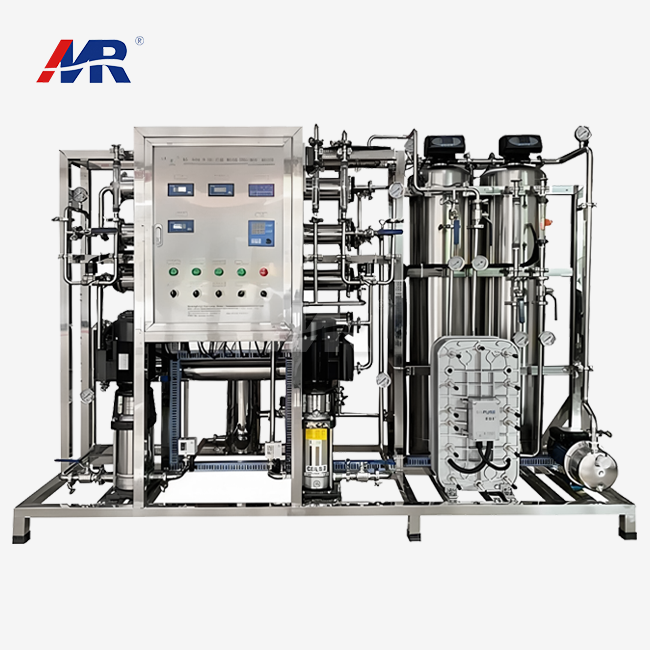
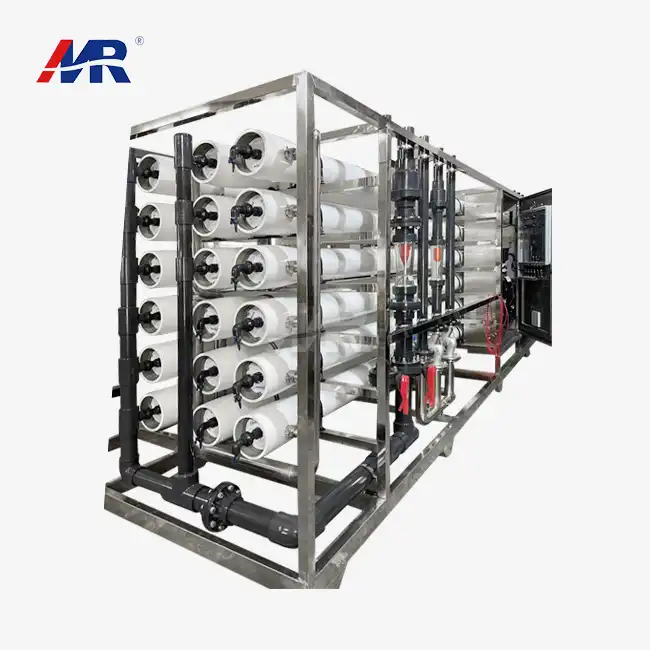
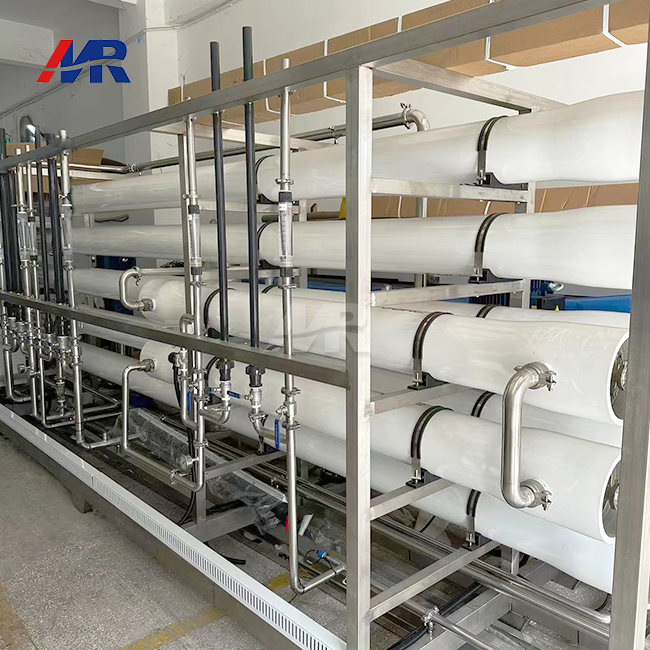
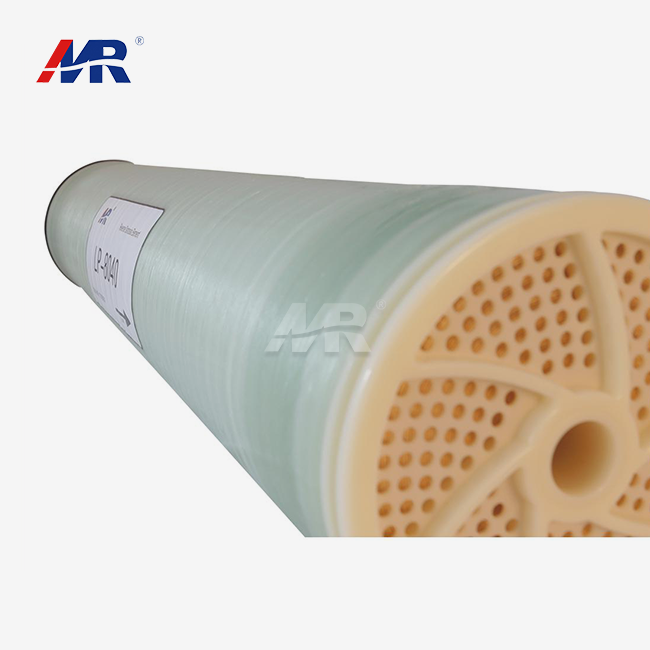
The reverse osmosis (RO) membranes are the primary component of the majority of portable units that are designed to remove salt from water. The use of high-pressure pumps allows salty water to pass through membranes that are only partially permeable. Permeate water, which typically has a total dissolved solids (TDS) level that is lower than 500 mg/L, is collected after the dissolved salts have been removed. Currently available small RO systems are equipped with energy recovery devices, pressure tanks, and pre-filtration filters, all of which are integrated onto a single skid or container frame. Even though the devices have shrunk in size, the water that they produce is maintained at a very high standard.
Energy Efficiency and Sustainability
When it comes to the cost of a desalination project, the amount of energy that is required is a significant contributor. When compared to prior systems, which consumed between 6 and 8 kWh/m3, a well-designed mobile SWRO system that incorporates an energy recovery device (ERD) may use as low as 2.5–4.0 kWh/m3 of energy. When using solar hybrid systems, remote deployments are even less dependent on the power grid than they already were. It is beneficial to both the environment and your pocketbook to do this.
Mobility as a Strategic Advantage
A permanent desalination plant requires a significant amount of civil engineering work and takes many months to construct. Ready to use is a transportable machine that is packaged in a container or that is mounted on a skid. There are several projects that need water in a short amount of time, such as emergency aid, temporary industrial camps, and island resorts. This is a really significant point. The ability to place an order in a matter of days rather than weeks is made feasible by plug-and-play. Portable units are an excellent choice for tasks that need rapid and easy completion, as well as the ability to be carried out in a variety of settings.
Comparing Portable vs. Fixed Desalination Units for Project Needs
Capacity and Output Considerations
Large cities can get water from fixed plants because they can make tens of thousands of cubic meters of water every day. For small marine jobs, portable units can handle up to 1 m³/day. For industrial jobs that come in containers, they can handle up to 500 m³/day. With portable systems, you can save money if your project needs less than 1,000 m³/day or if you have more than one location that is far apart.
Deployment Speed and Scalability
When procurement teams have to pick between fixed and portable systems, they need to think about the following trade-offs:
- Portable units arrive pre-assembled and factory-tested, allowing deployment within days of delivery. They can be relocated if project scope changes, and additional modules can be added incrementally to increase output.
- Fixed plants carry higher upfront civil construction costs and long permitting timelines, but deliver higher daily throughput and lower per-unit capital cost at large scale.
- Hybrid approaches—a containerized portable unit paired with a fixed intake structure—balance rapid startup with long-term scalability, a model frequently used by coastal municipalities in the U.S. Gulf Coast region.
Cities and towns along the U.S. Gulf Coast often use a desalination machine portable, containerized desalination unit along with a set input structure to get the best of both worlds: quick startup and long-term scalability.
Energy Source Compatibility
The type of desalination format that can be used is based on how much power is available at the site. Diesel engines are often found in mining camps and platforms that are far from land. Because of this, portable RO systems with ERD are the best choice since they use less power. Electric-powered skid units may be better for coastal resorts that are hooked up to the power grid because they are more reliable. You can avoid operating shocks by comparing the kWh/m³ specs to the power infrastructure that is already in place before you buy.
Procurement Considerations: Selecting and Acquiring the Ideal Portable Desalination Machine
Evaluating Technical Specifications
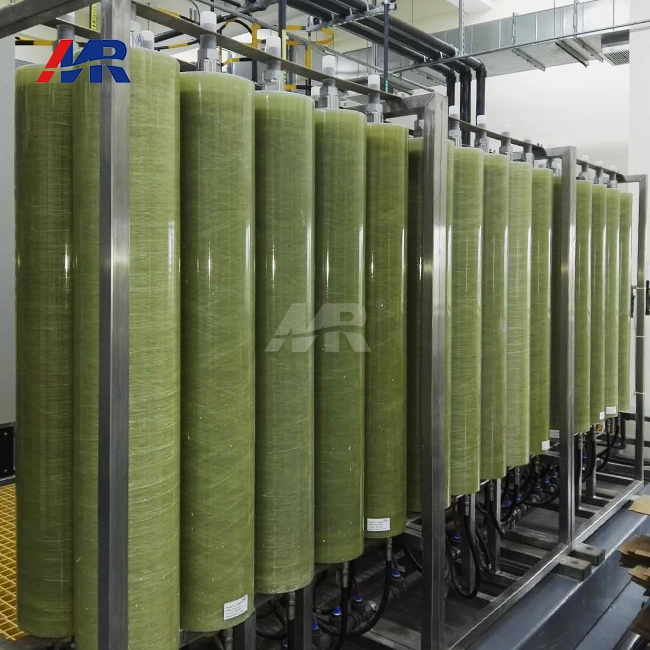
Paperwork for certification is very important for buyers in the United States. Check that parts that come into contact with water meet NSF/ANSI 61 standards. Also look for the CE mark on electrical parts that are exported from the EU or made for projects that need EU approval. Finally, get reports from a third party on the quality of the treated water. When used in salt water, you need to use materials that don't rust, like duplex stainless steel, pressure tanks that are reinforced with fiberglass, and finishes that are made for marine use.
Supplier Assessment and OEM Options
If you want to buy a portable desalination machine, find out if the company makes its own membranes and puts the systems together. It's possible to really customize things with vertical integration because it cuts down on wait times. Gaodong Morui Environmental Technology Co., Ltd., the business that makes Morui, also makes its own SWro membranes and pressure tanks. It also has ways to place systems in ships, crates, and skids, and its Technical support staff speaks many languages, which is helpful when setting up systems in other countries.
Buy vs. Rent and Budget Planning
It costs less to own something than to rent it, so buying something outright saves you money in the long run. It makes sense to rent or lease emergency goods that you will only need for a short time or to try out before buying them all. You should compare portable desalination machine sellers by how quickly they can get replacement parts and how helpful they are after the sale. This is because it costs a lot for a faraway site to be down. If you do an open cost analysis when you are buying something, you can avoid going over budget and missing deadlines.
Installation, Operation, and Maintenance Best Practices
Site Preparation and Infrastructure Alignment
Before putting in a portable desalination machine, you should study the site and find out about the source water's temperature, turbidity, salt content, and changes that happen each year. Water that is more than 1 NTU cloudy needs to be treated with multi-media or ultrafiltration (UF) before it gets to the RO step. Before the unit gets to the site, it needs to be checked that the voltage of the power supply, the size of the intake pipe, and the discharge of brine meet all local environmental rules.
Daily Operational Monitoring
Every day, check the working pressure, permeate flow rate, salt rejection percentage, and energy draw on a desalination machine portable. This way, you can see early signs of membrane fouling or pump degradation before they ruin the whole system. There are remote tracking systems that are linked by GSM or satellite that let operators in the U.S. see real-time performance data from platforms or mining camps that are far away.
Preventive Maintenance Schedule
A planned maintenance schedule will keep your investment safe and the membrane will last longer. These are some important gaps:
- Weekly: Check pre-filter pressure differential; replace cartridge filters when differential exceeds 1 bar.
- Monthly: Inspect high-pressure pump seals, O-rings, and feed line connections for corrosion or leaks.
- Quarterly: Perform membrane cleaning-in-place (CIP) to remove biological fouling and scale; record normalized permeate flux against baseline.
- Annually: Replace UV sterilizer lamps; audit energy recovery device performance against original factory specifications.
- Check the difference in pre-filter pressure once a week, and if it's more than 1 bar, change this cartridge filter.
Case Studies and Practical Examples of Project Integration
Emergency Relief Deployment
In 2017, Hurricane Maria hit Puerto Rico. Within 72 hours, small RO units were sent all over the island to make sure people could get clean water again. A solar-diesel hybrid drive system could produce 50–200 m³/day. It was taken to places that didn't have access to the power grid by light planes and trucks. The water produced on the first day of operation met the standards set by the EPA's Safe Drinking Water Act. That proves portable units in containers can work well in high-stress, short-notice situations.
Offshore Platform Application
An oil platform in the Gulf of Mexico got rid of an expensive supply chain of water boats and put in a skid-mounted SWRO unit that can make 30 m³/day. An ERD was used on a gasoline engine to keep energy use below 3.5 kWh/m³. When compared to the ongoing costs of buying barges, the payback period was less than 18 months. The platform stopped being dependent on water, which got rid of supply chain delays during storm seasons.
Remote Mining Camp Integration
A mining company in a dry area used a brackish groundwater RO machine to clean water that had 4,500 mg/L of total dissolved solids (TDS). The containerized system had UF pre-treatment and remineralization post-treatment to make sure the crew could drink the water. If remote tracking was set up, the operator could run the system from the main office and would only have to visit the spot every three months to repair it. So, the cost of labor went down without the need for less compliance.
Flexible system design and planning for preventative maintenance are the two things that always set successful integrations apart from costly retrofits, as shown by these project examples.
Conclusion
To choose and set up a desalination machine portable, you need to find the right technology, research suppliers, prepare the site, and do regular maintenance. One thing that all the best projects have in common is that they don't just pick the cheapest option at the start. Instead, they make sure that the system requirements are exactly right for the site and how it will be used. People in the U.S. who want approved parts, data on energy efficiency, and good support after the sale should work with a maker that has its own production chain and field experience that has been recorded. This is what makes a system work or not work.
FAQ
1. How long do portable desalination units typically last?
If you take good care of it, a good compact RO desalination machine should last between 10 and 15 years. Every 3 to 5 years, membrane parts need to be changed. How often they need to be changed depends on how clean the feed water is and what kind of water it is. Every 7 to 10 years, different parts of a high-pressure pump might need to be fixed up or changed. At the top of this range are always systems made of materials that don't rust and are kept in good shape.
2. How does portable unit output compare to fixed desalination plants?
Every day, most portable units can make between 1 and 500 m³. Large fixed plants, on the other hand, can make between 10,000 and 500,000 m³. For projects that need less than 1,000 m³/day or need to be moved around, portable systems can save you money. Fixed plants are still the best way for big cities to get water. Moving units are often the main source of supplies at the start of many projects. As the need for the projects grows, they move on to fixed infrastructure.
3. Are portable desalination systems energy-efficient enough for large-scale industrial use?
Moving SWRO systems that use energy recovery tools can now get about the same amount of power as many fixed plants, between 2.5 and 4 kWh/m³. Because generator power is already a fixed cost of doing business in places like offshore platforms and mining camps, this level of efficiency can be used for long periods of time without breaking the bank.
4. What certifications should I require from a supplier?
For projects in the United States, it's necessary to have NSF/ANSI 61 approval for water-contact materials, treated water test results that follow EPA rules, and UL listings for electrical parts. All exports and international projects need to have the CE mark. Ask a third-party lab to check the quality of the water that comes out of the membrane model that you are given at all times.
Get a Custom Quote from Morui — Desalination Machine Portable Manufacturer
Morui builds desalination machine portable plants and ships them in containers and on skids. They have their own SWRO filters, pressure tanks, and help with the whole starting process. Twenty of our engineers work in the U.S. and other countries to do site studies, field tests, and service after the sale. You can email benson@guangdongmorui.com to get more information and prices for your project.
References
1. International Desalination Association (IDA). Desalination by the Numbers. IDA, 2022.
2. Elimelech, M., & Phillip, W. A. "The Future of Seawater Desalination: Energy, Technology, and the Environment." Science, 2011.
3. World Health Organization. Guidelines for Drinking-Water Quality, 4th edition. WHO, 2017.
4. U.S. Environmental Protection Agency. Drinking Water Regulations and Contaminants. EPA, 2021.
5. Ghaffour, N., Missimer, T. M., & Amy, G. L. "Technical Review and Evaluation of the Economics of Water Desalination: Current and Future Challenges for Better Water Supply Sustainability." Desalination, 2013.
6. National Research Council. Desalination: A National Perspective. The National Academies Press, 2008.