



Water Softener and RO System for Boiler Feedwater Applications
The use of a water softener and RO system is considered to be one of the most dependable approaches in the field of boiler feedwater treatment. Calcium and magnesium, which are the primary contributors to hardness, are removed from the water by the water softener via the process of ion exchange. This effectively protects the equipment that is located farther downstream from scale corrosion. Following that, the membrane employs a process known as reverse osmosis in order to eliminate as much as 99 percent of the dissolved particles, salts, and contaminants that are still present. The use of this dual-stage technique instantly reduces the risk of scaling, corrosion, and energy waste for industrial boiler operators. This, in turn, leads to a longer lifespan for the equipment and lower operating costs. When it comes to the management of a commercial heating system or a large-scale industrial boiler, it is of the utmost importance to make certain that the quality of the feedwater is not compromised in any way.
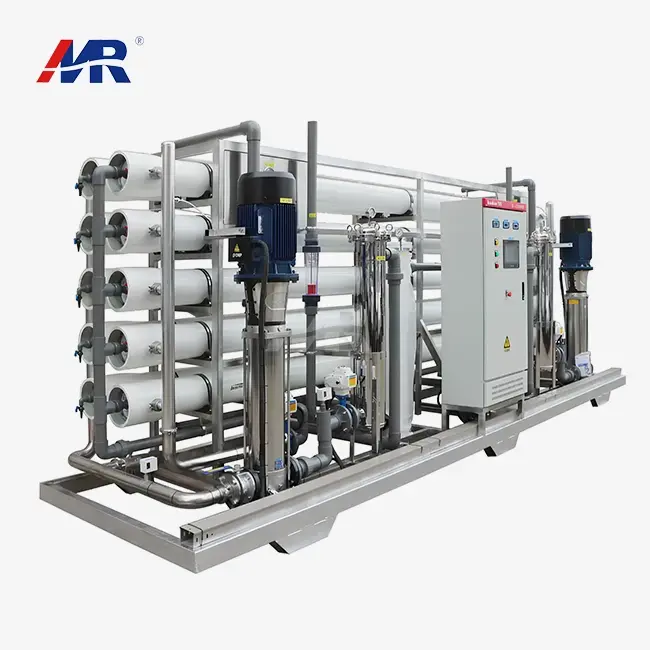
Understanding Boiler Feedwater Challenges and Treatment Needs
When it comes to boiler failure in industrial settings, the presence of feedwater that has not been treated is one of the most prevalent causes among the many possible causes. It is possible that the dissolved minerals and pollutants may rapidly accumulate if they are not handled in the appropriate manner. This will result in the creation of situations that will put both the safety standards and the production needs at risk.
The Scale and Corrosion Problem
For the purpose of providing thermal insulation, scale deposits that are found inside the boiler tubes are present. As reported by the United States Department of Energy, a scale buildup of as little as one eighth of an inch may result in a twenty-five percent increase in the amount of fuel that is used. Metal surfaces are gradually deteriorated over time as a result of corrosion, which is produced by dissolved oxygen and water with a low pH. This, in turn, results in a considerable reduction in the period of time that equipment may be utilized.
Key Water Quality Parameters to Monitor
The three parameters that are considered to be the most significant in feedwater management are the following: Hardness (which is measured in grains per gallon or mg/L as CaCO2 as CaCO3), Total Dissolved Solids (TDS), and pH are all critical components. Membrane fouling and scale growth occur at a faster rate when the total dissolved solids (TDS) level is high. When it comes to the majority of medium- and high-pressure systems, the presence of hardness in boiler feedwater that is more than 1 gpg is often considered to be unsuitable.
Why B2B Clients Need Tailored Treatment
In the food processing sector, the pharmaceutical business, and the industrial industry, the water quality parameters for boiler systems are all different from one another. The majority of the time, a normal municipal softener is not enough to meet the needs of a high-pressure steam boiler that is operating on its own. It is not sufficient for industrial customers to have a treatment train that is organized around general predictions; rather, they need data that is based on actual source water.
Water Softener Systems for Boiler Feedwater: Principles and Benefits
Since the beginning of time, ion exchange water softeners have been the pre-treatment solution of choice for boilers, and there is a good reason for this. In a dependable way, they eliminate calcium and magnesium, which are the two minerals that are most responsible for the formation of scale.
How Ion Exchange Works
A softener is used to cleanse feedwater by putting it through a resin bed that is charged with sodium or potassium ions. This process is repeated until the water is clean. The binding of calcium and magnesium ions to the resin causes sodium to be released from the resin. This event takes place as a consequence of the resin. Regeneration of the resin is performed on a periodic basis by the use of a salt brine solution. The treated effluent is maintained at a level of hardness that is very near to zero by systems that are suitably scaled throughout the whole of the regeneration cycle.
Salt Selection and Maintenance
The majority of water softener and RO systems used in industrial settings make use of sodium chloride (NaCl) pellets or crystals. When it comes to procedures that are sensitive to salt discharge, potassium chloride is an alternative solvent. Under normal working circumstances, resin beds normally need to be replaced every eight to twelve years. In order to maintain a constant output from the softener, it is usual practice to do quarterly resin checks and monthly brine tank inspections.
Common Softener Issues and Fixes
There are three categories of challenges that are encountered by operators the majority of the time: salt bridging, channeling in the resin bed, and hardness breakthrough. When a crust forms on top of the brine water, a phenomenon known as salt bridging takes place. This phenomenon prevents the usual regeneration process from taking place. In the majority of instances, the issue may be resolved by physically breaking the bridge and limiting the quantity of salt that is loaded. In the event that the hardness leaks persist after the regeneration procedure has been completed, it is advisable to contemplate either the replacement of the resin or the restructuring of the system.
Reverse Osmosis (RO) Systems for Boiler Feedwater: Operation and Advantages
A RO system is meant to remove all dissolved contaminants, in contrast to a softener, which is primarily concerned with lowering the amount of hardness that is present in water. In particular, RO is beneficial for boilers that need feedwater with an exceptionally low total dissolved solids (TDS) content. This includes high-pressure steam generators that function at pressures that are more than 600 pounds per square inch.
How RO Filtration Works
A reverse osmosis (RO) unit is responsible for forcing water that is under pressure to pass through a membrane that is semi-permeable and contains holes that are around 0.0001 microns in size. As a consequence of this process, soluble salts, silica, heavy metals, and organic molecules are all removed from the system. A RO system that is properly maintained has the potential to decrease the total dissolved solids (TDS) in the permeate by as much as 95–99%, making it one of the most thorough feedwater treatment systems that is presently available.
Operational Advantages for Boilers
Utilizing water that has been treated with RO has the potential to drastically cut down on the number of times that a boiler has to be blown down. The reduction in blowdown volume leads to a decrease in heat loss, which in turn leads to a reduction in the amount of chemicals used and a reduction in the cost of water. In institutions where the purity of the steam has a direct influence on the quality of the product, such as in the pharmaceutical or food processing industries, the use of RO-treated feedwater is often a regulatory duty rather than just a choice. This is because RO treatment provides a higher level of purity than other types of feedwater.
Membrane Care and System Longevity
The lifetime of ro membranes is typically between three and five years, provided that they are subjected to the required pre-treatment and cleaning methods. It is advised that antiscalant dosing, sediment prefiltration, and periodic Clean-In-Place (CIP) treatments be performed on membranes in order to keep them running at the flux that was designed for them. Refusing to go through the pre-treatment process is the fastest way to shorten the membrane's lifetime and raise the costs associated with its operation.
Water Softener vs RO System for Boiler Feedwater: Comparative Analysis
You can either soften the water, RO it, or do both at the same time in a water softener and RO system. It depends on the boiler pressure class, the quality of the source water, and the operational budget. Each tool is better at different things, so they are not better than each other.
Permit me to demonstrate how the two techniques compare to some of the most essential considerations that should be taken into account when making a decision:
- The only minerals that are removed by a water softener are those that contribute to hardness. In a single pass, a RO system may remove hardness, total dissolved solids (TDS), silica, heavy metals, and biological pollutants, resulting in feedwater that is much cleaner for applications that need it.
- Softeners have reduced operating costs, both upfront and per gallon, which makes them a viable option for low-pressure boilers that use water that is fairly hard as their source. RO systems have greater capital costs, but they lower the expenditures associated with chemical treatment and blowdown over time. This might help to offset the initial investment in high-pressure or high-volume operations.
- It is a common practice to connect a softener upstream of a RO system in hybrid configurations, which are boilers that operate at pressures more than 300 pounds per square inch. However, the RO unit is responsible for delivering the ultra-low TDS water that these boilers need, while the softener is responsible for protecting the RO membrane against calcium carbonate fouling.
These water softeners are an excellent option for low-pressure boilers that utilize water that is moderately hard since they have a lower initial cost as well as a lower cost per gallon. Despite the fact that RO systems are more costly to purchase, they may be worth the investment for businesses that deal with a significant amount of water or pressure. Over the course of time, they are able to reduce the amount of money spent on chemical treatment and blowdown charges.
Procurement and Operational Considerations for Industrial Clients
Comparison of equipment specifications is just one aspect of the process of selecting the appropriate water treatment provider. There are a number of factors that go into determining the total cost of ownership, including Certifications, after-sales support, lead time, and long-term parts availability.
Capacity Sizing and Water Quality Assessment
Buyers should be sure to acquire a comprehensive source water study before making a purchase. This analysis should encompass TDS, hardness, iron, silica, pH, and temperature. After being sized based on precise data, the equipment operates as expected. Undersized softeners have a tendency to prematurely exhaust resin, and RO units that are undersized are unable to adhere to permeate quality objectives.
Certifications and Compliance
A minimum requirement for purchasers in the United States is the possession of NSF/ANSI certification for water-contact goods. Test reports on the quality of treated water conducted by a third party provide an extra layer of assurance, especially for original equipment manufacturers (OEMs) who are specifying equipment for branded product lines. The paperwork for Morui's equipment satisfies the compliance requirements that are expected in the United States market.
Vendor Evaluation and After-Sales Support
The provision of on-site commissioning, operator training, and a transparent supply chain for replacement parts are all essential components of a dependable provider. In order to prevent production halts, it is essential to have a steady supply of resin consumables, membrane elements, and control valve components. Morui is able to serve both conventional orders and unique OEM configurations for companies who are looking for a feedwater treatment solution that is distinct from others. The company has twenty engineers on staff and numerous processing facilities.
Conclusion
The quality of the water that goes into the boiler shouldn't be changed on the spot with a water softener and RO system. With the right way to clean, you can avoid and stop scale and corrosion problems before they happen. A water softener takes the hardness out of the water before it gets to important things. The water is cleaned even more by a RO system, which sends it to boiler classes that need the cleanest water. You can use these technologies alone or together to keep things safe, cut costs, and make sure stoves keep running on time. Source water data is always the first thing that procurement teams look at when they are deciding what to do.
Frequently Asked Questions
1. How often should a boiler feedwater softener be serviced?
Most industrial water softeners need a monthly brine tank inspection and a resin bed check every three to six months. Regeneration frequency depends on water hardness and daily flow volume. If post-softener hardness rises above 1 gpg, the system likely needs resin cleaning or a regeneration cycle adjustment.
2. Can an RO system fully replace a water softener for boilers?
An RO system removes hardness along with most other dissolved solids, so it can technically replace a softener in many applications. However, running hard water directly into an RO membrane accelerates calcium carbonate scaling and shortens membrane life. Placing a softener upstream remains the standard practice for source water above 7 gpg hardness.
3. Why is there still scaling even after installing a softener?
Scaling after softener installation usually points to one of three issues: hardness breakthrough due to exhausted resin, silica or iron fouling that softeners do not address, or localized hot spots in the boiler where concentration cycles exceed treatment capacity. Testing post-softener water quality and reviewing boiler blowdown frequency typically identifies the root cause.
Get Reliable Feedwater Treatment from Morui
Morui has a wide range of water softener and RO system maker choices that can be used in industrial boilers. Our engineering team sizes, sets up, and starts up systems with the help of buying managers based on information about your source water and the boiler's needs. We make it easy to source by giving you NSF-compliant materials, OEM freedom, and dedicated support after the sale. You can email us at benson@guangdongmorui.com right away to get a quote or talk about water quality.
References
1. American Boiler Manufacturers Association (ABMA). Boiler Water Treatment Guidelines. ABMA, 2020.
2. U.S. Department of Energy, Office of Industrial Technologies. Improving Steam System Performance: A Sourcebook for Industry. DOE, 2012.
3. WaterWorld Magazine. Industrial Water Treatment: RO and Softening Integration for Boiler Applications. WaterWorld, 2021.
4. American Society of Mechanical Engineers (ASME). Consensus on Operating Practices for the Control of Feedwater and Boiler Water Chemistry in Modern Industrial Boilers. ASME, 2011.
5. Nalco Water (Ecolab). The Nalco Water Handbook, 4th Edition. McGraw-Hill, 2017.
6. Water Quality Association (WQA). Technical Fact Sheet: Ion Exchange Water Softening. WQA, 2019.
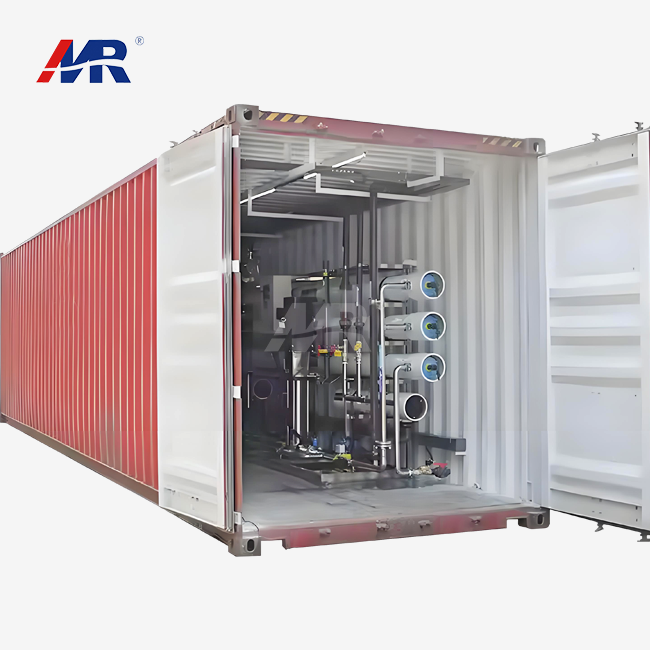 VIEW MOREContainerized Reverse Osmosis Systems
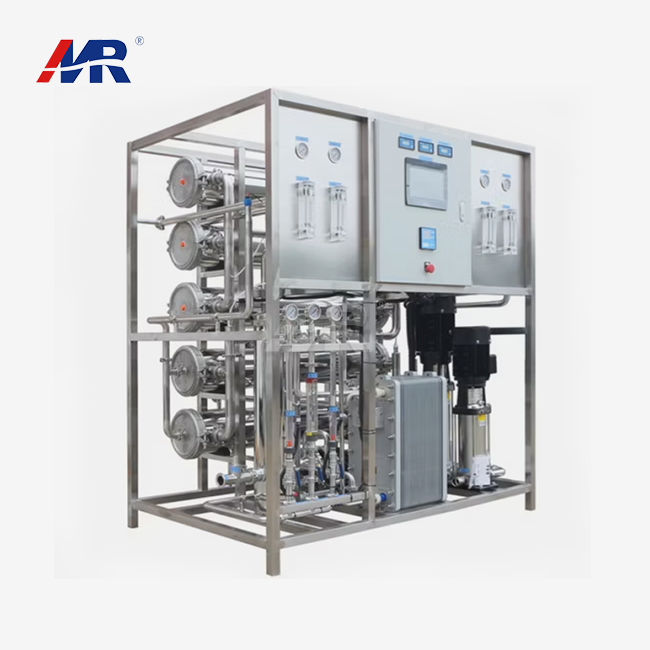 VIEW MOREro edi water system
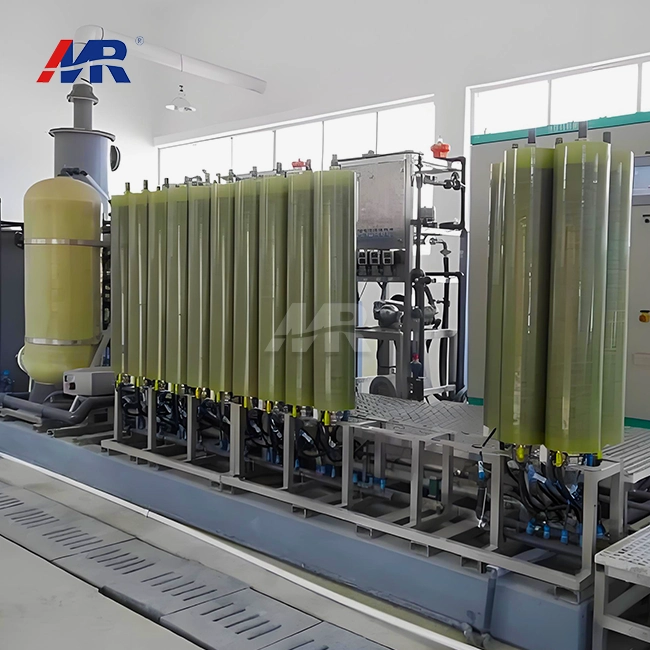 VIEW MOREDTRO Landfill Leachate Treatment
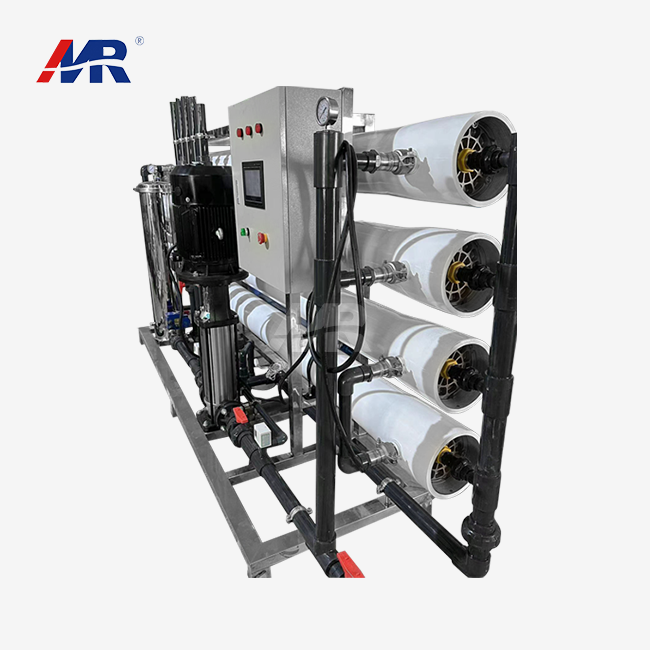 VIEW MOREunder counter reverse osmosis water system
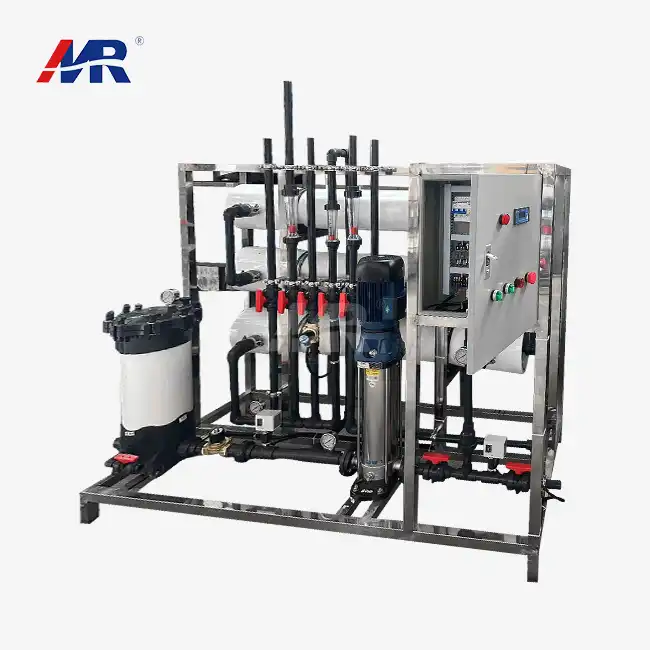 VIEW MORE3T/H reverse osmosis equipment
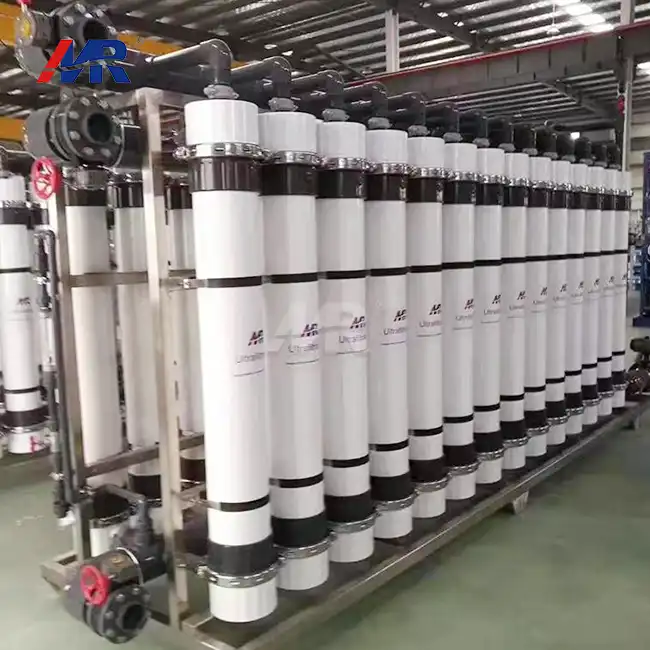 VIEW MORE70m3/hour ultrafiltration plant
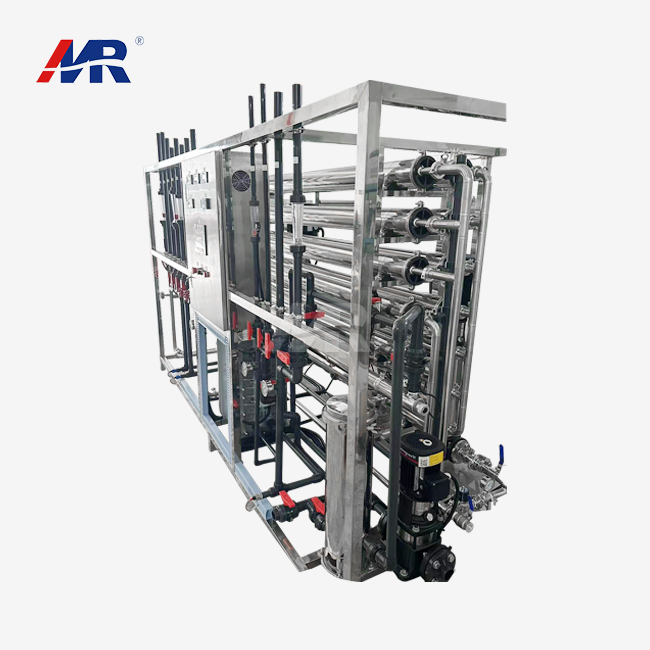 VIEW MOREedi water plant
 VIEW MOREcontainer reverse osmosis equipment