



Desalination Machine Portable Solutions for Temporary Water Projects
When a construction camp runs dry, a coastal resort loses its municipal supply, or a disaster relief team reaches a remote shoreline, one question comes up fast: where does the water come from? A desalination machine portable answers that question directly. These compact reverse osmosis systems convert seawater or brackish water into clean, potable water—often within hours of arrival on site. For B2B procurement teams managing temporary water projects, understanding how these systems work and how to choose the right one can save time, money, and risk.
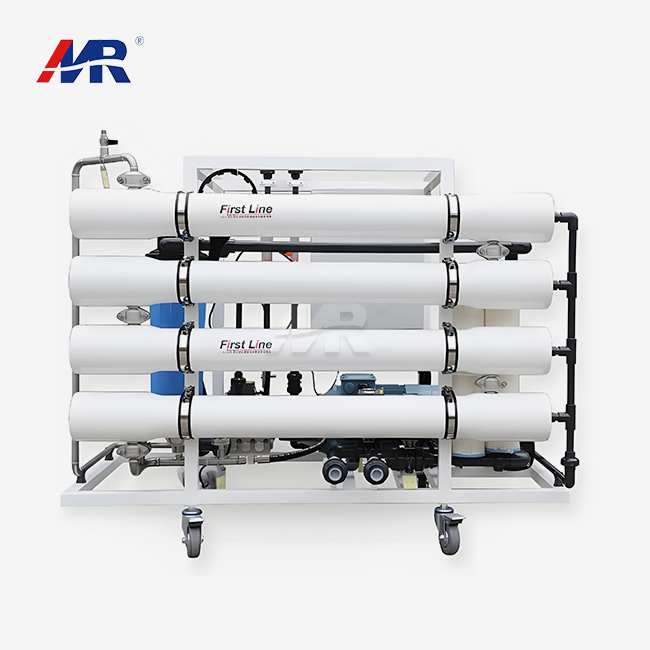
Understanding Portable Desalination Machines for Temporary Water Projects
What the Technology Actually Does
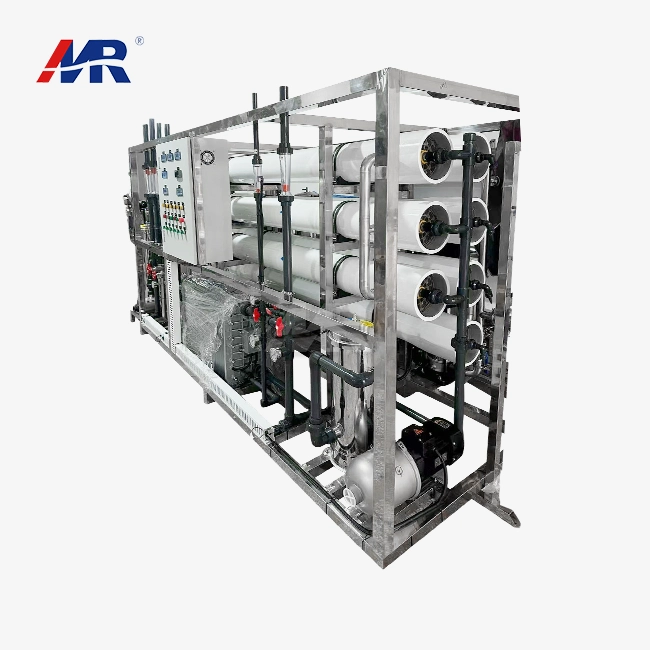
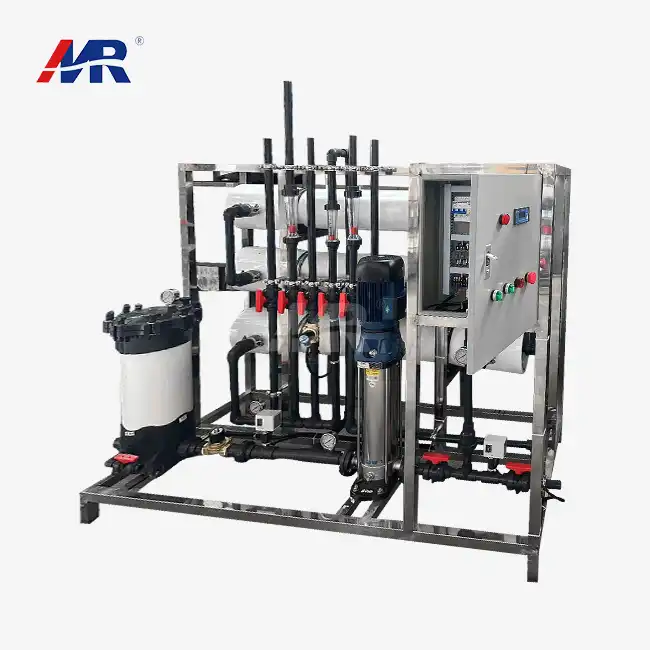
A portable desalination machine has high-pressure reverse osmosis membranes that move salty feedwater through a semi-permeable barrier. This clean permeate then gets rid of the dissolved salts. Most industrial units have pre-filtration stages that get rid of solids in the stream before the RO stage. Multi-media filters or ultrafiltration are the names for these steps. Based on WHO guidelines, the water that comes out is safe to drink and has less than 500 mg/L TDS.
Why Compact Design Matters on Temporary Sites
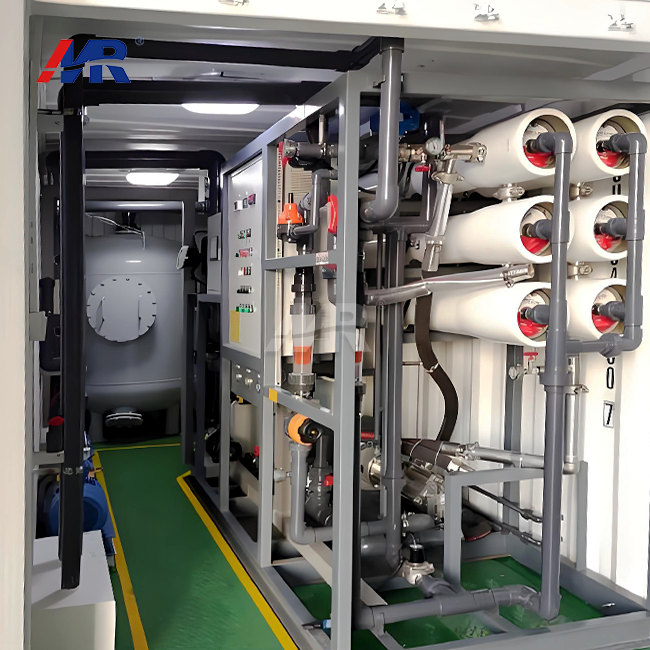
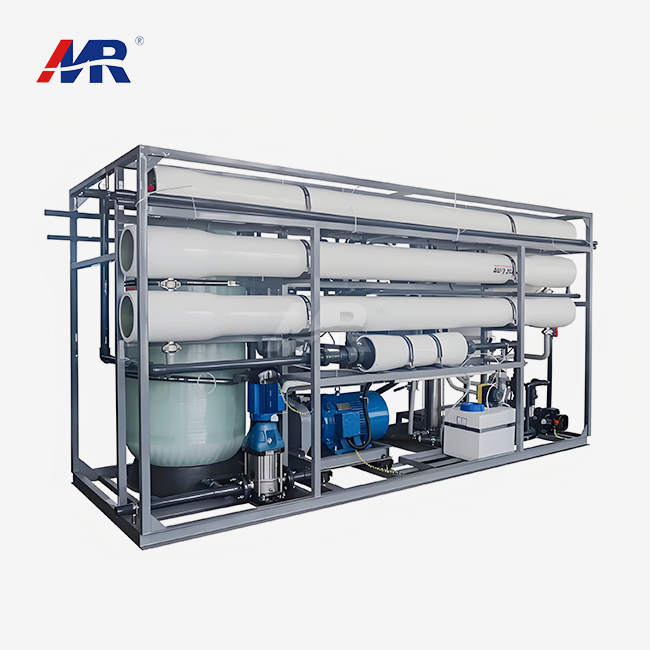
Big building projects shouldn't be used for short-term tasks. The pipes and wires are already run to portable units that are on a skid or in a container. Every 20-foot container unit is different, so it can make anywhere from 5 m³/day to over 200 m³/day. Since everything ships in a standard ISO container, shipping costs stay the same and customs forms are simple to fill out.
Real-World Energy Performance
It only takes about 3–4 kWh/m³ of energy for seawater applications when modern anti-fouling SWro membranes are used with energy recovery devices. That number is important in places where gasoline engines are used, and the price of gas per liter is already high. When the amount of energy used per cubic meter of raw water goes down, the daily operating cost goes down right away.
Comparative Analysis: Portable vs. Fixed Desalination Units for Temporary Use
It's not always simple to pick between a machine that can be moved and one that stays in one place. Here is a table that shows the most important trade-offs. The story behind the numbers is just as important, though.
Upfront Cost and Deployment Speed
Setting up fixed plants costs more to plan, get permits for, and set up. A portable system that is put up in Cases can be sent out all at once and set up in one to three days. The movable method often pays for itself in public infrastructure savings alone for projects that last less than two years.
Capacity and Water Quality Consistency
Every day, fixed plants can handle millions of liters more, and they can keep better quality control over time. A few hundred cubic meters per day per module is about all that most desalination machine portable units can handle. The amount goes up, though, if you add more than one unit on top of each other. That size range is more than enough for most short stays at a camp, resort, or during a disaster.
Operational Flexibility Across Environments
This is a clear spot where portable units do well. They move with the project when it does. Heats above 45°C won't hurt them if you pick the right membrane. If the upstream pre-filtration is set up right, they can work in coastal areas with a lot of sediment. It stays put when you build a fixed plant.
The way things are bought is changed by these differences. When teams work in different places or on short-term contracts, they almost always choose portable modular systems. This is because the asset can be moved to a new location instead of breaking down where it is now.
How to Select the Best Portable Desalination Machine for Your Temporary Water Project
Match Capacity to Actual Daily Demand
Figure out every day how much water you can afford. There needs to be 30–50 m³ of space every day for 200 people to cook, drink, and clean up. It could take 80 to 120 m³/day to water and do laundry for 100 rooms at a resort. It costs more to make things too small of a size than to make them too big of a size. Find out the daily average as well as the draw during peak hours.
Evaluate Feedwater Conditions Before Specifying Pre-Treatment
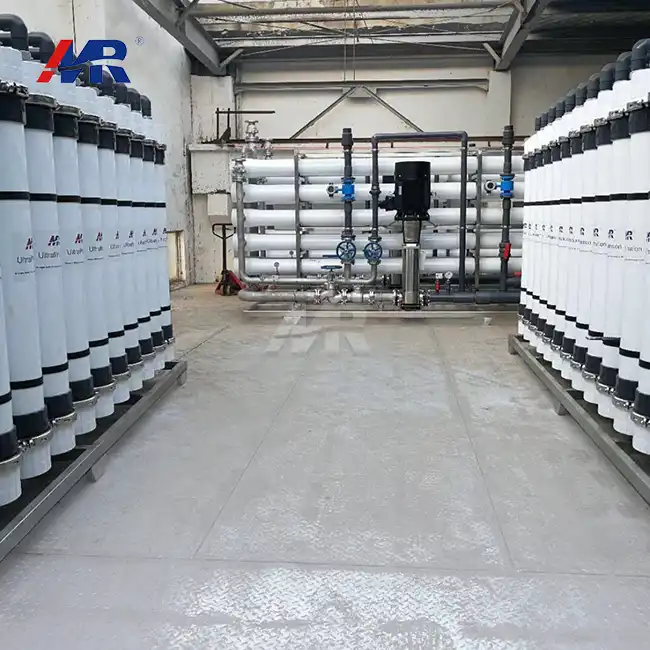
What makes a barrier work better and for longer depends on how salty, cloudy, and warm the saltwater is. In warm places, the TDS level of the water near the coast can go above 40,000 mg/L, and the temperature can rise above 30°C. The groundwater in a mining camp might be rough and have a TDS of 5,000 to 15,000 mg/L. There are uf membrane filters, multimedia filters, and antiscalant doses in the pre-treatment train. These filters need to be able to handle the chemistry of the source water. A site water analysis is something that most people do before they buy something, and any reputable seller will do it.
Consider Power Source and Energy Recovery Options
When diesel powers a site, how well you use energy directly affects the cost. Most of the time, units with pressure exchangers or other energy recovery devices need 40–60% less energy to run than regular high-pressure pump configurations. Sun-hybrid systems are becoming more popular for use in remote camps and to water crops in places where grid power isn't available.
Maintenance Tips and Best Practices to Maximize Portable Desalination Machine Lifespan
Establish a Weekly Monitoring Routine
Three numbers should be checked every week for a desalination machine portable: the permeate TDS, the system healing rate, and the change in pressure across the membrane array. There is a problem with the membrane or the seal if the permeate TDS goes up. If the return rate goes down, it's likely because of scaling or fouling. Small problems can be stopped before they become expensive membrane replacements if you catch these trends early.
Schedule Pre-Filter Maintenance on a Fixed Calendar
When the cartridge pre-filters have been used for about 500 to 1,000 hours, they need to be replaced. Because of this, the quality of the feedwater is important. When performing backwash procedures in multimedia filters, it is recommended that cloudy feedwater be utilized on a consistent daily basis. The failure of RO membranes in the field occurs most often as a result of the absence of pre-filtration.
Use Correct Chemical Protocols During Shutdown
If an apparatus is not being used for a period of time that exceeds forty-eight hours, the membrane array needs to be cleaned with rainwater under low pressure. It is recommended that a sodium metabisulfite preservation solution be cycled in order to extend the amount of time that the unit may be stored. Failure to take the appropriate measures to shut down membranes might result in the formation of biofouling on their surfaces. Consequently, the flow is slowed down, and the structure of the membrane may be irreversibly damaged as a result.
Regular inspections, scheduled maintenance for the pre-filter, and the use of the appropriate chemicals for shutdown are three things that may assist you in avoiding the majority of issues that may arise in the field. It is usually the case that the teams that follow after them claim that membranes have a lifespan of between three and five years, which is the duration that the manufacturer recommends they should have.
Procurement and Service Solutions: Where and How to Acquire Portable Desalination Machines
Buying vs. Renting for Temporary Projects
Firms that are engaged in projects that are only going to last for a limited period of time, such as construction firms, non-governmental organizations (NGOs) that have field activities, and oil and gas corporations, should purchase an entire unit. Due to the fact that it is still valuable, you may take use of it in a variety of various ways. When money is scarce or when restrictions make it difficult to bring in equipment, it makes sense to rent for a specific project that will only last for a short period of time.
Evaluating Suppliers: What Documentation to Request
It is important for people in the United States to make certain that any components that come into contact with water have NSF/ANSI 58 certification or a document that is comparable to it, which states that they are safe to use. Additionally, these components should contain the results of energy performance tests and material safety data. If a vendor is unable to provide test results from a third party on the water quality of their usual output, then purchasing from that seller is fraught with danger. You should look for service providers that have their own manufacturing factory for membranes. By doing so, they are able to keep a closer check on the quality and respond more quickly to requests for customization.
After-Sales Support and Spare Parts Availability
A desalination machine portable is only useful in the field if it has people who can run it. Make sure that the supplier has a warehouse close to your project site that keeps things like O-ring kits, cartridge filters, and antiscalant chemicals on hand. Check to see if monitoring can be done from afar. Technicians can send real-time performance data through a cell phone or satellite connection to find problems before they get worse.
The Morui company has more than 14 locations and a professional service network that helps project sites in other countries directly and in more than one language. We have our own factory for making membranes and several other factories that process other equipment, so we can offer both standard containerized SWRO units and fully customized skid systems.
Frequently Asked Questions
1. How much water can a portable desalination unit produce per hour?
Output varies significantly by model size. Entry-level portable units produce roughly 0.2–0.5 m³/hour, suitable for small vessels or relief teams. Mid-range containerized SWRO units produce 2–10 m³/hour, covering resorts, camps, and coastal community projects. Large modular configurations stack multiple trains to exceed 50 m³/hour.
2. Is solar-powered portable desalination practical for remote sites?
Yes, for low-to-mid capacity applications. Solar-RO hybrid systems work well for agricultural irrigation and remote camps where daily water demand is predictable, and the solar resource is strong. The challenge is managing variable power input against membrane pressure requirements, which is why energy storage or a diesel backup is typically included in the system design.
3. Can these units handle high-turbidity coastal seawater?
With the correct pre-treatment—typically ultrafiltration or dual-stage multimedia filtration upstream of the RO stage—yes. The pre-treatment specification must match the SDI and turbidity values of the source water. Always submit a water analysis before finalizing system design.
4. What certifications should US buyers look for?
NSF/ANSI 58 covers reverse osmosis systems for drinking water. Water-contact material compliance (NSF 61) is also relevant for wetted components. CE marking covers European market requirements. Ask any supplier for copies of these certificates before signing a purchase order.
Get Portable Desalination Units from Morui — Trusted SWRO Supplier for B2B Projects
Desalination machine portables made by Morui are used by procurement teams in a lot of different fields, from offshore platforms to disaster relief. All of our SWRO systems are fully tested and come with all the information they need to be legal in the US and other countries. Email our tech team at benson@guangdongmorui.com to get a quote and talk about the specifics of your project.
References
1. World Health Organization. Guidelines for Drinking-Water Quality, 4th edition. WHO Press, 2017.
2. Elimelech, M., & Phillip, W. A. "The Future of Seawater Desalination: Energy, Technology, and the Environment." Science, 2011.
3. Fritzmann, C., Löwenberg, J., Wintgens, T., & Melin, T. "State-of-the-art of reverse osmosis desalination." Desalination, 2007.
4. International Desalination Association. IDA Desalination Yearbook 2022–2023. Media Analytics Ltd., 2023.
5. Ghaffour, N., Missimer, T. M., & Amy, G. L. "Technical review and evaluation of the economics of water desalination: Current and future challenges for better water supply sustainability." Desalination, 2013.
6. U.S. Bureau of Reclamation. Desalination and Water Purification Research Program Report. U.S. Department of the Interior, 2020.
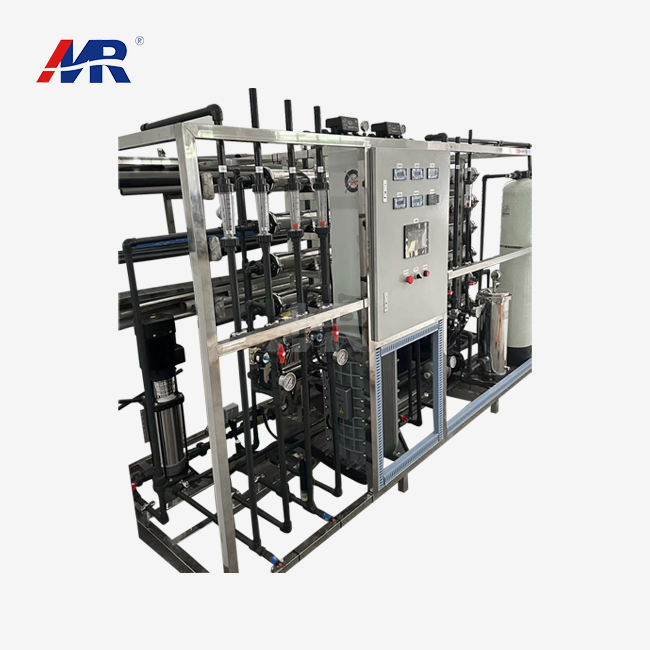 VIEW MOREedi water treatment system
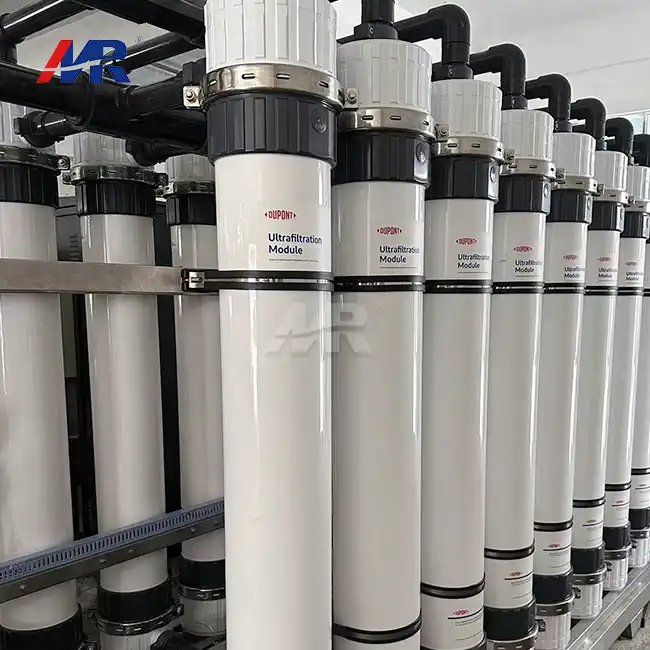 VIEW MORE100T/H ultrafiltration equipment
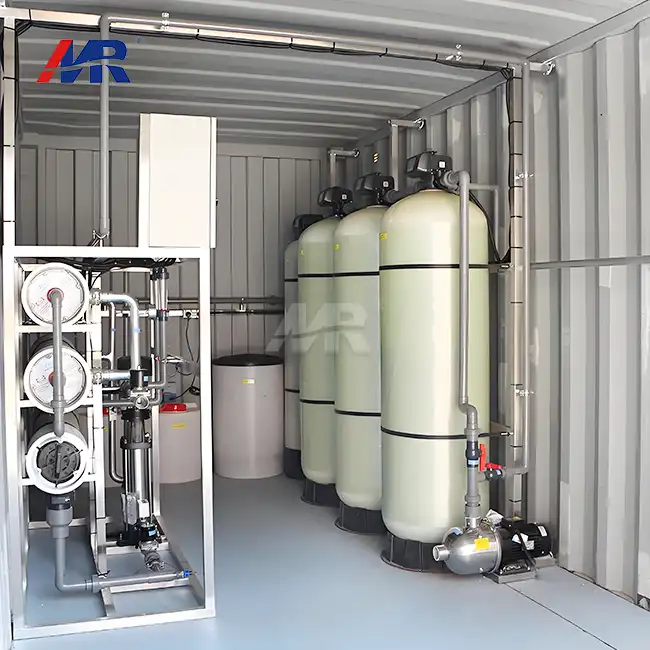 VIEW MOREcontainer type 3m3/hour RO equipment
 VIEW MOREcontainerized RO equipment
 VIEW MORE2000m3/day ultrafiltration equipment
 VIEW MOREedi module water treatment
 VIEW MOREseawater treatment plant
 VIEW MORE3T/H reverse osmosis equipment
