

_1745823981883.webp)

Membrane Bioreactors for Wastewater Treatment
membrane bioreactors (MBRs) are an important advance in bioreactor wastewater treatment. MBR systems combine activated sludge biology with membrane filtration, often microfiltration or ultrafiltration, to create effluent that reliably fulfills reuse and discharge criteria. Unlike traditional clarifier-based processes, MBRs retain very high levels of active biomass in the reactor, increasing the rate of pollutant degradation and minimizing the physical footprint of the process. If you’re a procurement specialist tasked with finding wastewater solutions for municipal, industrial, or decentralized applications, knowing how MBR technology works is a good place to start.
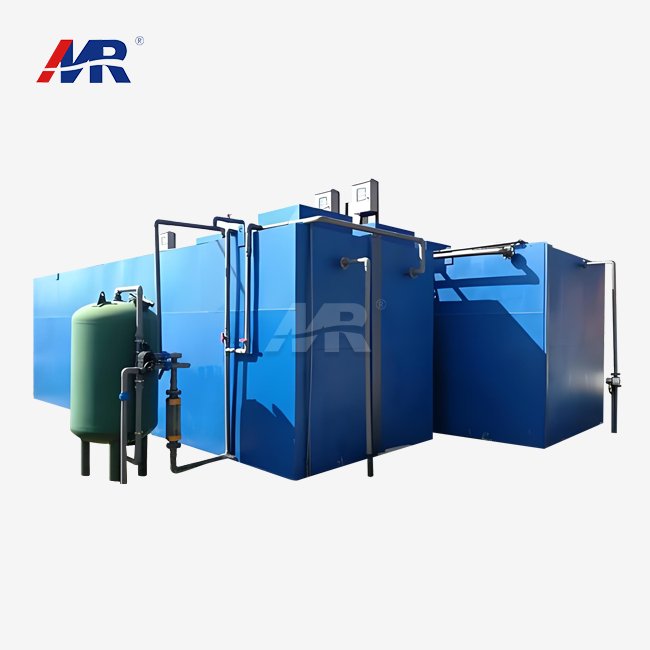
Understanding Membrane Bioreactors and Their Role in Wastewater Treatment
How the MBR Process Works
The bioreactor takes in wastewater containing organic matter, nitrogen, and phosphorus that a lot of bacteria break down. The clean water is then actually pushed through submerged membranes with pores as tiny as 0.2 µm, separating it from the biomass. You no longer require a separate clarifier. Thus, the effluent is always clean and fulfills the Class A reuse or direct discharge standards.
The Role of Microbial Communities
In order for an MBR to perform successfully, you need to have a steady microbial diversity. Aerobic bacteria decompose carbon and ammonia. Nitrifying and denitrifying populations process nitrogen as a whole. The membranes retain all the suspended particles in the tank, enabling the system to operate at significantly longer sludge retention periods (SRTs), often up to 20 days. This gives slower-growing critters time to settle down and continue to operate when the load varies.
From Influent to Effluent: Step by Step
Raw sewage or industrial wastewater travels through a fine screen and enters the aeration zone to be treated by living creatures. It is then pulled through membrane modules hanging in water by a low-pressure permeate pump. The whole process is remotely monitored using PLC technology to monitor each stage, from the incoming clean water to the outgoing clean water. MBR systems produce wastewater with BOD levels frequently below 5 mg/L, and turbidity levels below 1 NTU. This is achievable because they have tight control over the process.
Advantages of Membrane Bioreactors Over Traditional Wastewater Treatments
Conventional activated sludge facilities, lagoons, and man-made wetlands perform well for straightforward tasks. But they don't operate well when space is limited, effluent quality is vital, and consistent operation is crucial. MBR technology solves all these problems immediately.
Because they are faster, MBR systems are different in the following ways:
- Smaller footprint: MBR systems generally occupy 30-50% less land than traditional secondary bioreactor wastewater treatment, since the membrane replaces the clarifier and tertiary filtering stages in a single vessel.
- Reduced sludge volume: Longer SRTs lead to a 30-60% reduction in excess sludge generation compared to traditional activated sludge, thus reducing disposal expenses.
- Superior pathogen removal: The 0.2 µm membrane pore size physically prevents bacteria, protozoa, and most viruses, creating effluent suitable for irrigation or indirect potable reuse.
- Better effluent consistency: Membrane separation is not subject to sludge settling properties, so effluent quality is steady even with variations in organic loads.
MBR systems use 30-50% less land than standard secondary treatment since the membrane replaces the clarifier and tertiary filtering stages in one vessel.
Factors Influencing the Performance and Design of Membrane Bioreactors
Reactor Sizing and Membrane Selection
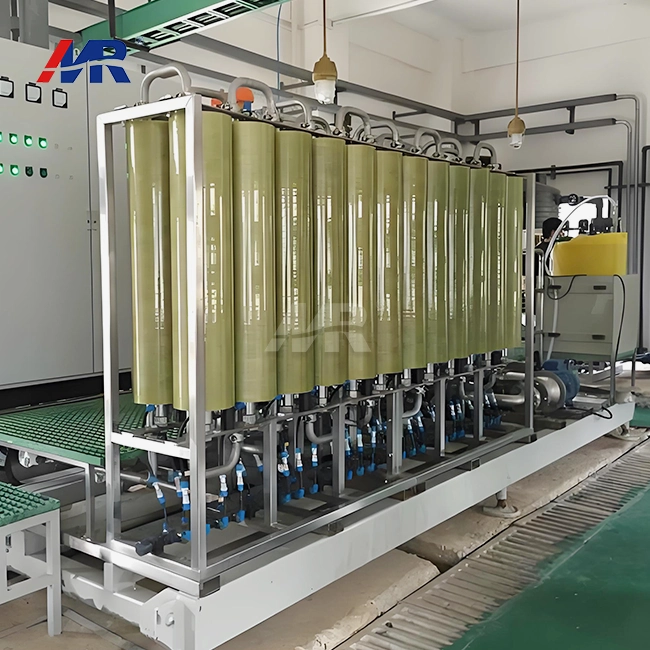
You need to know the flow rate, COD, BOD, TSS, and chemical loads of the influent in order to get the right size. Then, the shape of the module, the flow rate, and the membrane area are chosen to meet the water needs. This Morui machine has PVDF flat-sheet membranes (30 m² effective area, 0.2 µm pore size, module measures 2000 × 1250 × 30 mm) that work well with both chemical cleaning and high flux.
Aeration and Mixing Control
It gives the living things air and cleans the membrane surface to slow down fouling. Aeration with large bubbles below the membrane modules does both of these things. Both the amount of energy used and the number of times chemicals need to be cleaned go down when the aeration is turned up. When built correctly, aeration uses between 40 and 60% of all the energy that an MBR does. This means that the design you choose has a direct effect on how much it costs to run.
Fouling Control and Biological Monitoring
Membrane fouling is the most common cause of efficiency loss. This happens when solids or bacteria slowly build up on the membrane's surface. You can effectively handle the issue if you keep the level of mixed liquor suspended solids (MLSS) below 10–12 g/L, do regular relaxation cycles, and clean-in-place (CIP) with citric acid or sodium hypochlorite on a regular basis. If you keep an eye on the biological activity, you can spot early signs of sludge buildup or harmful inhibition before they get worse and lower the quality of the waste.
Choosing the Right Bioreactor System for Your Industrial Needs
MBR vs. Other Biological Technologies
Fixed-film reactors (MBBR, IFAS) can handle different loads, but their wastewater isn't as good for recovery as MBR wastewater. You can get sequencing batch reactors (SBRs) for less money, but they need more space and better time control. If you need reliable tertiary-quality output in a small space, like a food processing plant, a community sewage station, or a temporary housing site on a construction project, bioreactor wastewater treatment systems such as MBR are always the best choice.
Financial Considerations for Procurement Managers
Capital costs for MBR systems are 15–25% higher than those for regular systems with the same capacity. This is because MBR systems need membrane modules and PLC control screens. That gap is generally closed in three to five years, though, because running costs save money by dealing with less sludge, using fewer chemicals, and getting rid of these last filters. Small steps can be taken to add more space with modular designs like Morui's combined containerized units. This keeps cash safe and leaves room for growth in the future.
Procurement Checklist for Evaluating Suppliers
When considering working with a supplier, procurement managers should examine the following
- Membrane material, pore size, rated flux, and estimated service life (PVDF membranes generally have a lifespan of 5-10 years with adequate care)
- Process documentation: design calculations, hydraulic profiles, and guarantees of purity of effluents
- Region-specific certifications (CE, NSF, water-contact material approvals)
- Post-sales support infrastructure: stock replacement parts, training in commissioning and remote monitoring capacity
- Type of membrane, pore size, flow capacity, and lifespan (PVDF membranes typically last 5-10 years with adequate maintenance). The process records should contain design calculations, hydraulic profiles, and guarantees of the quality of the effluent. Ensure key certifications for your region such as CE, NSF, and approvals for water-contact materials are included.
Optimizing and Maintaining Your Membrane Bioreactor System
Fouling Prevention in Daily Operation
The kind of fouling that can't be fixed is prevented by regular low-level maintenance, but it shortens the life of the membrane. Every day, the transmembrane pressure (TMP) needs to be checked, and air-scour cycles need to be planned based on flux data. Every 30 to 90 days, depending on the quality of the feed water, maintenance cleaning needs to be done. The TMP rise should be between 20 and 30 percent above baseline. If you catch it early, you can keep chemical use low and avoid unplanned downtime.
Process Adjustments for Variable Influent
The amount of pollution that towns and companies put out changes with the seasons and how much they make. The MR-MBR-30's aeration rates, permeate flux, and recirculation ratios are changed right away by PLC-based automation to keep up with the changes. The technical team at Morui or an engineer from a client can change setpoints from a remote O&M access point without having to go to the site. This is very helpful for setups on islands or in the middle of nowhere.
Digital Monitoring and Preventive Maintenance
These days, MBR systems always keep an eye on TMP trends, DO levels, flow totals, and alarm logs. Looking at this data over the course of weeks and months can help you find trends that show membrane wear, cellular stress, or mechanical stress before they happen. Instead of using a set date to plan preventative pump servicing and membrane replacements, using real working data saves money on maintenance and makes the system last longer.
Conclusion
More and more, we need small, effective ways to clean up bioreactor wastewater treatment, and MBR technology is a good, cost-effective answer. Effluent of a quality that most other systems can't reach without extra steps is produced when biological breakdown and physical membrane separation are used together. The MR-MBR-30 from Morui is a well-specified platform that has been tried in the factory and comes with full installation and ongoing expert assistance. It's perfect for buying workers who are looking for ways to improve cities, deal with factory waste, or set up decentralized sites. When you buy the right system from a seller with a history and a lot of experience, compliance risk goes down, and operational trust goes up over time.
FAQ
1. What types of wastewater can an MBR system treat?
There are MBR systems that deal with sewage from homes, textile factories, fisheries, pharmaceutical process water, and factories that make food and drinks. As long as the amount of COD or nutrients changes, it works well with any strong biological stream. The membrane barrier makes sure that the wastewater stays clean even if the feed changes.
2. How long do MBR membranes last?
If you air-scour them regularly, clean them with CIP, and keep an eye on MLSS, most PVDF flat-sheet membranes will last between 5 and 10 years.
3. Can MBR systems be scaled or customized?
The MR-MBR-30 has 0.2 µm PVDF membranes that are made to last a long time in normal industrial and city settings.
4. What certifications should I look for when procuring an MBR system for the US market?
For installations in the US, look for materials that are NSF/ANSI-approved for use with water, electrical parts that are UL-listed, and test reports on wastewater quality that meet EPA or state discharge standards. Morui helps people apply for permits by giving them all the technical paperwork they need.
5. Is MBR technology cost-effective for small or remote installations?
Yes, MBR is great for places with high land and shipping costs, like islands, building sites, and faraway towns. It doesn't leave much of a mark and doesn't make a lot of sludge. Putting together containerized units on-site takes a lot less time because they come in groups that are already put together.
Ready to Source a Proven Bioreactor Wastewater Treatment Manufacturer? Contact Morui Today
The Guangdong Morui Environmental Technology Co., Ltd. has its own plants where it makes WTUs and mbr membrane modules for bioreactor wastewater treatment. There are 14 branches of the company, and more than 500 experts and 20 engineers work there. The MR-MBR-30 can be bought in large quantities or can be fully customized for OEM/ODM. To get a technical proposal, email benson@guangdongmorui.com with the daily flow rate and parameters of the input water.
References
1. Judd, S. The MBR Book: Principles and Applications of Membrane Bioreactors for Water and Wastewater Treatment. Elsevier, 2011.
2. Liao, B. Q., Kraemer, J. T., & Bagley, D. M. "Anaerobic Membrane Bioreactors: Applications and Research Directions." Critical Reviews in Environmental Science and Technology, 2006.
3. Melin, T., Jefferson, B., Bixio, D., et al. "Membrane Bioreactor Technology for Wastewater Treatment and Reuse." Desalination, 2006.
4. Drews, A. "Membrane Fouling in Membrane Bioreactors — Characterisation, Contradictions, Cause and Cures." Journal of Membrane Science, 2010.
5. U.S. Environmental Protection Agency. Membrane Bioreactor Technology: Principles and Applications. EPA/600/R-14/130, 2014.
6. Stephenson, T., Judd, S., Jefferson, B., & Brindle, K. Membrane Bioreactors for Wastewater Treatment. IWA Publishing, 2000.
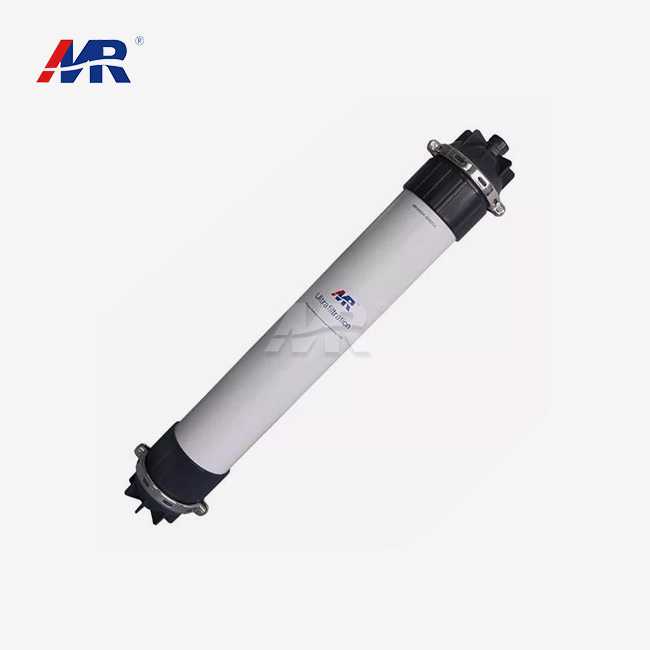 VIEW MOREultra filter membrane
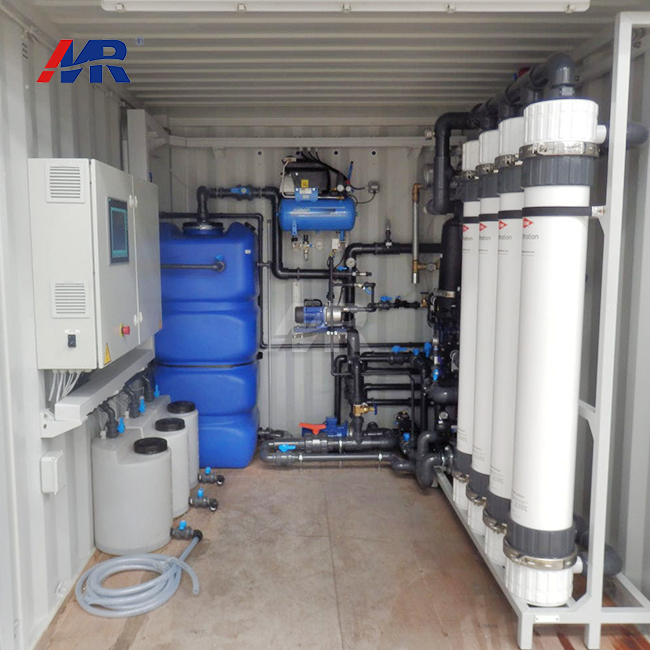 VIEW MOREcontainerized ultrafiltration equipment
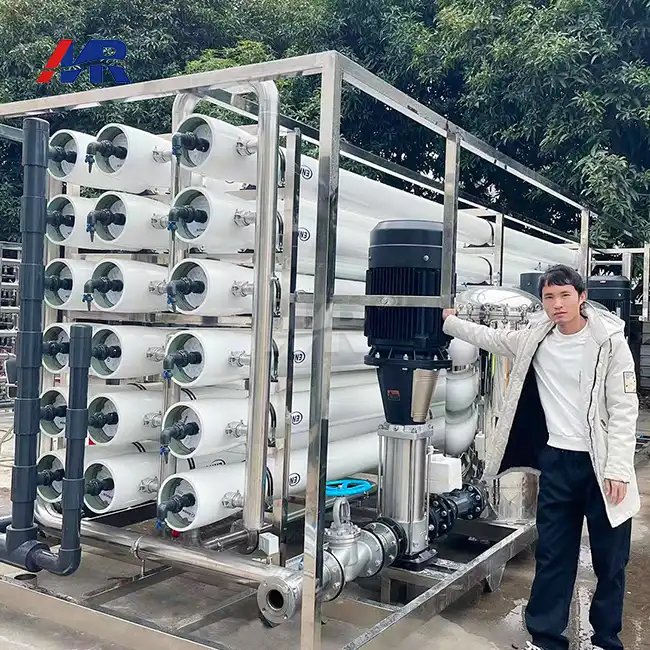 VIEW MORE100m3/hour reverse osmosis system
 VIEW MOREro reverse osmosis water filter
 VIEW MOREDTRO Elements
 VIEW MOREultrafiltration membrane for wastewater treatment
 VIEW MORE50m3/hour reverse osmosis equipment
 VIEW MOREDisc Tube Reverse Osmosis
