

_1745823981883.webp)

Electrodeionization (EDI): The Advanced Technology in Water Purification
Electrodeionization (EDI) represents a significant advancement in water treatment technology. By combining ion-exchange membranes with a direct current electrical field, continuous electrodeionization removes dissolved ionic contaminants from water without any chemical regeneration. The result is a steady, reliable output of ultrapure water reaching resistivity levels above 10 MΩ·cm—and in optimized configurations, up to 18.2 MΩ·cm. For industries where water purity directly affects product quality and regulatory compliance, EDI has become the preferred polishing technology downstream of reverse osmosis systems.
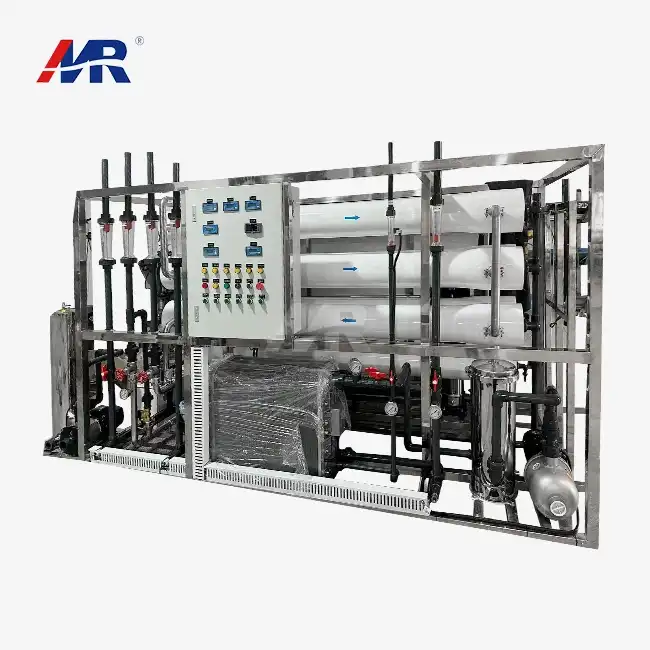
Understanding Continuous Electrodeionization Technology
How the Process Works
EDI moves RO permeate through a stack of compartments that dilute and concentrate it in turns. These areas are split up by membranes that swap cations and anions. Ion-exchange plastic bits fill in the spots where there aren't as many ions and take them in. Ions move through the membranes and make concentrated streams that are constantly being washed away. They are pushed by a DC electric field. If water splits at the resin-membrane contact, it makes H⁺ and OH⁻ ions, which fix the resin right away. This works all the time to make clean water.
Key Performance Parameters
The edi systems made by Morui are designed to meet the strict needs of the business world. Look at the table below to see the standard settings for operation:
The flow rate is between 0.5 and 50 m³/h, the TDS at the input is less than 40 ppm, the resistivity at the output is more than 10 M³·cm, the recovery rate is more than 90%, the power used is less than 0.1 kWh/m³, the temperature is between 5 and 45°C, and the pressure is between 3 and 7 bar.
| Parameter | Specification |
|---|---|
| Flow Rate | 0.5–50 m³/h |
| Inlet TDS | < 40 ppm |
| Product Resistivity | > 10 MΩ·cm |
| Recovery Rate | > 90% |
| Power Consumption | < 0.1 kWh/m³ |
| Operating Pressure | 3–7 bar |
| Operating Temperature | 5–45°C |
Purity Metrics That Matter
These are weak acid species that are hard for normal RO to get rid of. Continuous electrodeionization (EDI) regularly gets rid of more than 95% of silica and more than 90% of boron. ASTM D5127 standards say that this water is good for electronics, and USP/EP standards say that this water is good for pharmaceuticals. This makes it simple for buying engineers to pick a system that meets all the requirements.
Advantages of Continuous Electrodeionization Over Traditional Methods
For mixed-bed deionization to work, the water has to be turned off every so often so that the acid and caustic can build up again. That means handling chemicals costs money, cleaning up wastewater is a job, and there are holes in the water supply. Very rarely, reverse osmosis can go as low as 0.1 to 1 M·cm. This is much lower than what is needed to make electronics or prepare water for WFI.
EDI is better in these key ways than older deionization methods:
- Chemical-free self-regeneration: The electrical field continuously regenerates the resin bed using water-splitting chemistry, eliminating the need for hydrochloric acid or sodium hydroxide. This removes a significant safety and environmental compliance burden from plant operations.
- Continuous, uninterrupted output: Because no regeneration cycle is needed, the system delivers consistent ultrapure water around the clock. There is no batch cycle, no offline period, and no quality variability at the start of a new service run.
- Low energy footprint: At less than 0.1 kWh per cubic meter of product water, EDI consumes substantially less energy than thermal distillation and is competitive with other membrane-based polishing technologies.
- Compact, modular design: Stacked module architecture allows a facility to start with the required flow rate and add capacity without redesigning the entire system. This is particularly useful for phased expansions in semiconductor or pharmaceutical plants.
- Long service life: With proper pretreatment, high-performance EDI modules typically operate for 7–10 years before replacement is needed, reducing long-term capital expenditure.
Because of these advantages, the total cost of ownership is lower, there are fewer governmental touchpoints, and the environmental impact is smaller. When buying, managers have to balance the need for success with the need to stay within budget and follow rules; these results are important.
Applications and Industry Use Cases of Continuous EDI
Because EDI can make water with almost no ions, it can be used in a lot of places where the need is great. In what comes next, we'll talk about how the technology really makes a difference.
Semiconductor and Electronics Manufacturing
There must be no more than a few parts per trillion of ionic contamination in ultrapure water that you want to use to rinse wafers. This water must meet ASTM Type E-1 or SEMI F63 standards. For UPW systems, EDI is the main way to clean. It gets rid of trace ions that were created by RO processes. It is possible for even small amounts of ionic waste at this time can lower the output of the process of making integrated circuits.
Pharmaceutical and Biotech Facilities
Companies that make medicines need clean water and Water for Injection (WFI) that meet the rules set by USP 1231 and EP 0169. To get rid of bacteria and keep endotoxin levels low, EDI can be used in longer treatment trains. IQ/OQ approval forms, clean lines, and live tracking of resistivity and TOC are some of the things that systems made for pharmaceutical service usually have. All of these things can be helped by Morui at the plant level.
Power Generation and Boiler Feed Water
Salt and silica in the water that goes into the boiler can really hurt high-pressure steam engines. Even small amounts of silica on turbine blades can make them less effective and break when they are under a lot of stress. Because continuous electrodeionization runs all the time, it doesn't have to deal with the supply interruptions that come with regenerable ion exchange beds. It also keeps silica and conductivity at levels that protect the shape of the turbine.
Procurement Guide for Continuous Electrodeionization Systems
Evaluating System Capacity and Feed Water Quality
Before picking a system, you need to make sure that the RO permeate meets the EDI input standards. These are TDS below 40 ppm, hardness below 1.0 ppm as CaCO₀, and dissolved CO₂ below 10–15 ppm. If CO₂ levels rise above this level, a membrane degasification contactor should be put in front of the EDI unit right away to keep the resin from losing its ability to work.
Total Cost of Ownership Analysis
EDI costs more up front than a mixed-bed glue machine with the same flow rate. It costs a lot to buy chemicals, get rid of neutralization wastewater, hire people to do repair work, and slow down production. EDI normally evens out costs within two to three years and saves money over ten years. The business case is even stronger when EPA and state rules on releasing acidic and caustic wastewater are made stricter.
Supplier Selection Criteria
When looking for a company that makes or sells continuous electrodeionization, here are some things to keep in mind:
- Certifications and compliance documentation (CE, NSF, UL, water-contact material certificates)
- Availability of pilot-run data or third-party water quality test reports
- Capacity for OEM customization, including hygienic piping, remote monitoring integration, and IQ/OQ packages
- After-sales support infrastructure, including spare parts availability and commissioning assistance
— The ability for OEM customization, such as adding IQ/OQ packages, online tracking, and hygienic pipes. Infrastructure for support after the sale, such as having spare parts on hand and help with setup
Why Choose Continuous Electrodeionization for Your Water Purification Needs?
It gets easier and easier to choose EDI over other polishing technologies when a facility needs more than 10 M·cm of water all the time. Because EDI gives stable output quality that batch systems can't match, and because it doesn't use chemicals, it meets both practical cost and environmental reporting standards.
When you think about the long term, EDI systems and digital plant infrastructure work well together. Data is sent to SCADA or remote monitoring platforms by flow meters, conductivity analyzers, and online resistivity monitors. So, workers at the company can see right away how good the water is without having to take samples. Remote monitoring is built into all of Morui's systems as standard. This is very helpful for companies with more than one site or facilities that only have small repair teams.
For engineering firms and system makers that put together RO+EDI trains, Morui's plant does everything, from making membranes to putting systems together. These changes will give us more power over how well the parts work together, shorten the lead times, and put all of the system's performance promises in the hands of one person.
Conclusion
The main problems with chemical-based deionization are that it can slow down operations, there is a risk of handling chemicals, and the quality of the product isn't always the same. Continuous electrodeionization has become the usual way to polish ultrapure water because it fixes these issues. A well-made EDI system always has a resistance above 10 M··cm, a recovery rate above 90%, and a power use below 0.1 kWh/m³. This implies that it works well and saves you money over time. Engineers and purchasing managers who are looking for high-purity water options should consider EDI as a good technical and financial choice. This is because it can work nonstop, produces papers that are ready for compliance, and has a longer module life.
FAQ
1. What feed water conditions does an EDI system require?
When RO concentrate is used as fresh water, it must be of good quality. The CaCO3 level should be less than 1.0 ppm, and the TDS level should be less than 40 ppm. Also, the feed conductivity needs to be less than 40 µS/cm. If you go over these limits, the module may scale up inside and last less long.
2. How does EDI handle dissolved CO₂ in the feed water?
Once CO₂ is broken down, it turns into a weak acid that drains the resin and can't be taken away by the electric field alone. If the CO₂ level goes above 10–15 ppm, you should put a degasification membrane contactor in front of the EDI module to keep it working well.
3. What is the expected service life of an EDI module?
If you properly clean and track your EDI units on a frequent basis, units from good brands should last between 7 and 10 years. This life span is based on the idea that the feed water quality stays within a certain range and that any bacterial fouling or scaling is quickly fixed.
4. Is cleaning-in-place (CIP) ever required?
When things are working normally, EDI can fix itself. This preparation might not work, though, and bacterial fouling or mineral scale forms inside the stack. To get it to work again, a CIP process using diluted acid or a sanitizing solution might be needed.
5. Does operating temperature affect EDI efficiency?
Yes. EDI works better when the temperature is between 35°C and 40°C. This is because ions can move around more when they are warmer. Keep the system within the module's recommended temperature range, which is usually between 5°C and 45°C, so the membrane or resin doesn't get damaged.
Partner with Morui for a Proven EDI Solution
Morui makes many different kinds of continuous electrodeionization systems that can be used in factories, power plants, semiconductors, and drug labs. Morui is an experienced company that makes EDI systems. They can handle all of your process design, factory fabrication, remote tracking integration, and full validation paperwork all in one place. The engineering team is ready to help you with your project from start to finish, no matter if you need a normal EDI module or a RO+EDI train that is made just for you. Email us at benson@guangdongmorui.com to get technical help or a quote on a project.
References
1. Ganzi, G. C., Parise, P. L., & Muldowney, G. P. (1992). Water purification using electrodeionization. Ultrapure Water Journal.
2. ASTM International. (2017). ASTM D5127: Standard Guide for Ultra-Pure Water Used in the Electronics and Semiconductor Industries. ASTM International.
3. United States Pharmacopeia. (2023). USP <1231> Water for Pharmaceutical Purposes. USP-NF.
4. Strathmann, H. (2004). Ion-Exchange Membrane Separation Processes. Elsevier Science.
5. Zabolotsky, V. I., & Nikonenko, V. V. (1993). Effect of structural membrane inhomogeneity on transport properties. Journal of Membrane Science, 79(2–3), 181–198.
6. Wood, J., Gifford, J., Arba, J., & Shaw, M. (2010). Production of ultrapure water by continuous electrodeionization. Desalination, 250(3), 973–976.
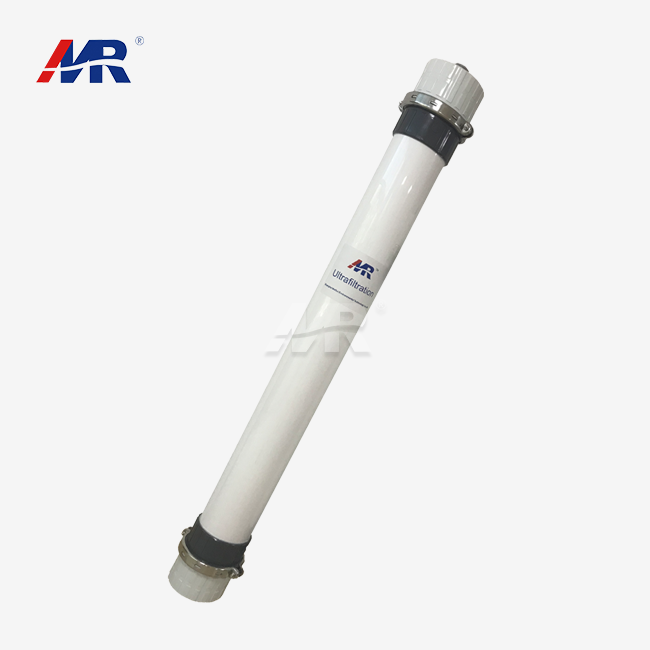 VIEW MOREultrafiltration membrane for wastewater treatment
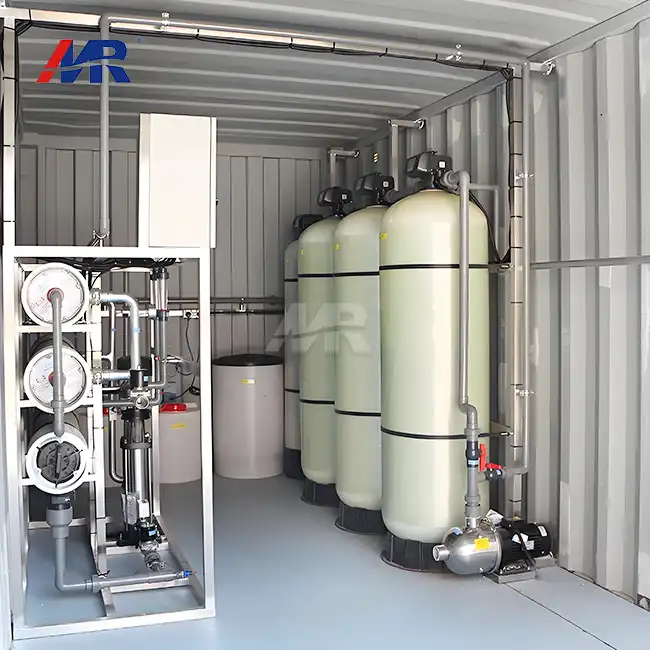 VIEW MOREcontainer type 3m3/hour RO equipment
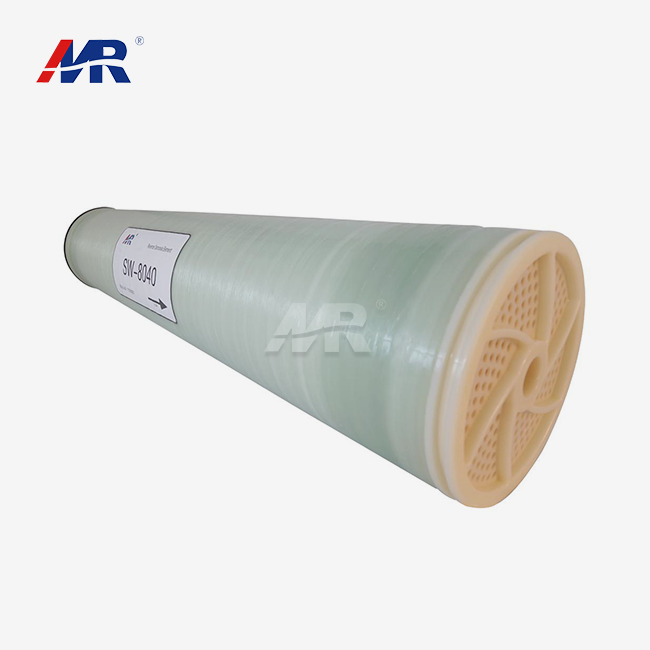 VIEW MOREreverse osmosis membranes
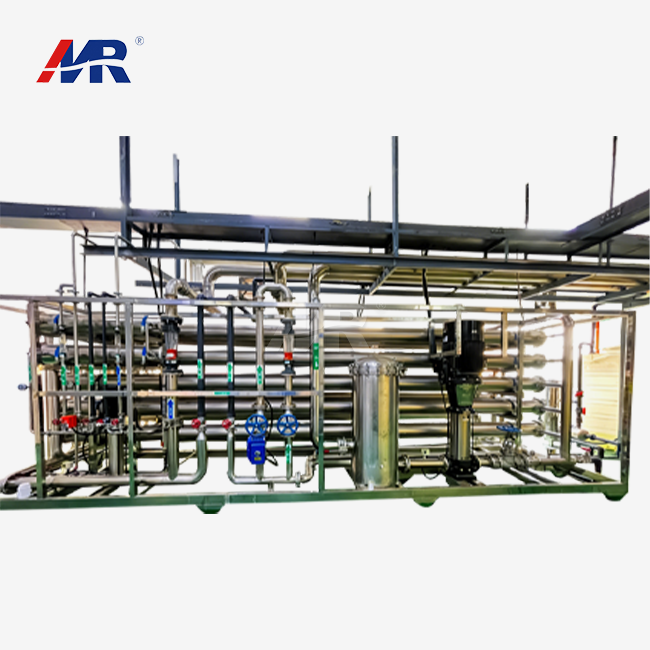 VIEW MOREnew ro system
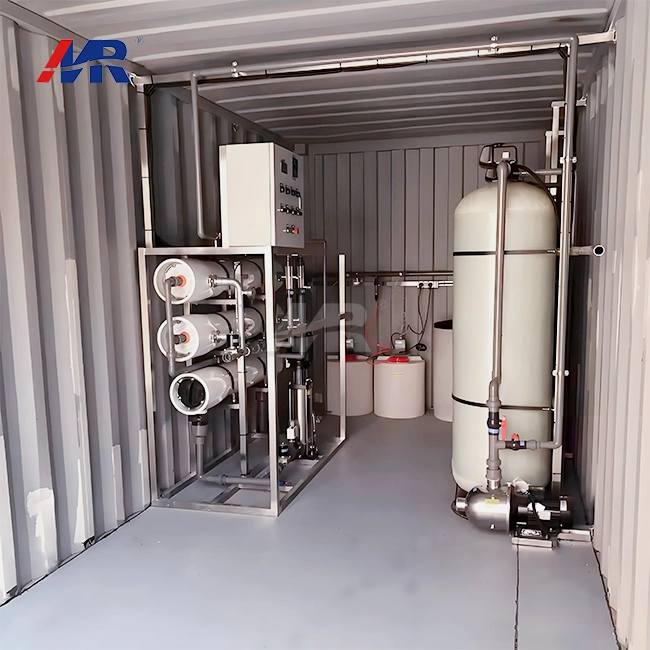 VIEW MOREcontainerized water treatment systems
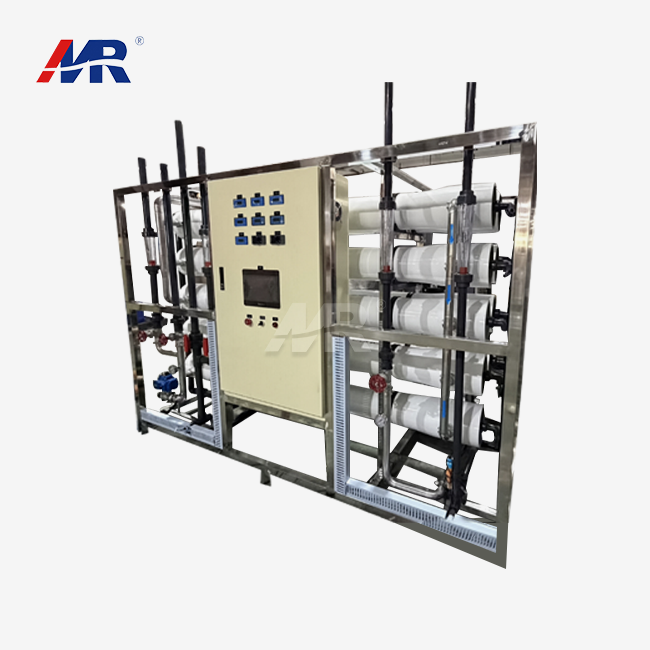 VIEW MORE8 stage reverse osmosis system
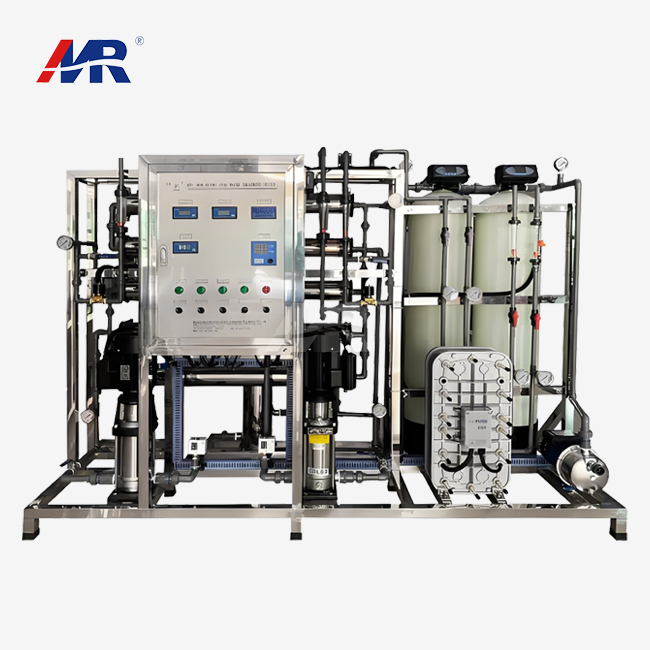 VIEW MORE500LPH EDI equipment
 VIEW MOREultrafiltration water system
