_1745823981883.webp)

Best Practices for Solving Wastewater Problems at the Plant Level
Solving wastewater problems at the plant level starts with understanding where things break down and what tools actually fix them. A well-designed wastewater management plant does more than treat effluent—it protects your facility from regulatory penalties, reduces water costs, and keeps production running without interruption. Whether you manage an electronics facility, a municipal utility, or a food processing line, the principles covered here apply directly to your operation. Let's walk through what works.
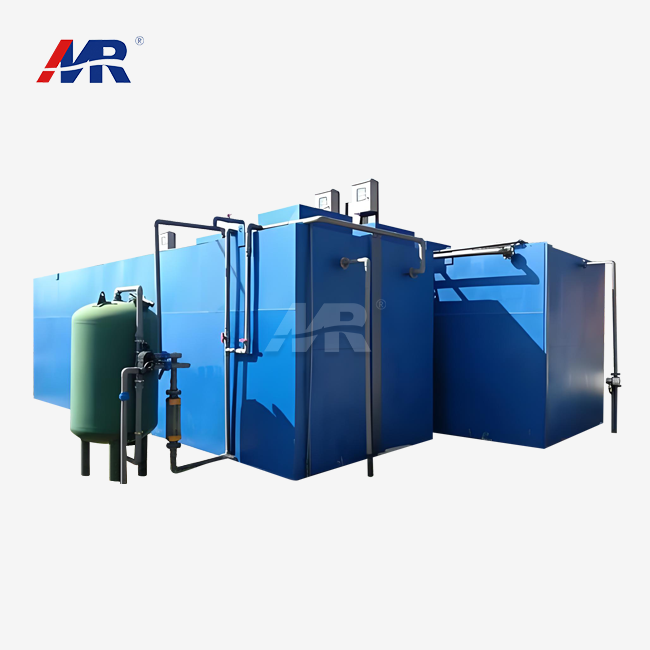
Understanding Wastewater Problems at the Plant Level
Common Operational Failures
When things go wrong at the plant level, it's easy to see why: membrane fouling, flow imbalances, and biological process instability. A lot of these problems don't show up all at once. They get worse over time because of poor maintenance, the wrong amount, or not enough planning. Finding them early keeps them from being shut down, which costs a lot of money.
Root Cause Analysis in Industrial Settings
Teams can tell the difference between mistakes in the design and mistakes in how it works with the help of fault tree analysis and fishbone diagrams. In this case, a high COD level in effluent might not mean that a membrane is broken, but that too many living things are being overloaded. It saves time and money to work for the right cause.
Regulatory and Environmental Risk
Any effluent that doesn't follow the rules set by the U.S. EPA or a state can get a company charged a lot of money or even shut down. There are strict rules about heavy metals, pH, and dissolved solids in some fields, like electroplating, making PCBs, and dyeing fabrics. Problems with how things work must be found before they reach the release point. It costs money to follow the law.
Proven Principles and Technologies for Wastewater Problem Solving
Treatment Process Stages
The right way to treat wastewater is in a certain order. There are two steps in the first stage of treatment: screening and sedimentation. These get rid of solids that are in the water and things that rise. To break down organic matter in the second step, biological action is used. This can be either aerobic or anaerobic. When the water gets to the third level of treatment, which includes membrane cleaning and chemical washing, it is ready to be used or released. You will have trouble later if you skip any step or don't spend enough time on it.
Membrane and Biological Technologies
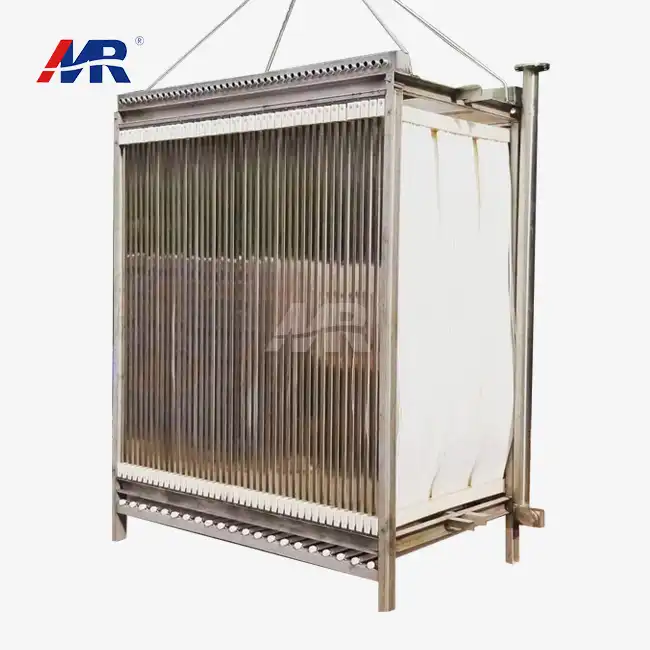
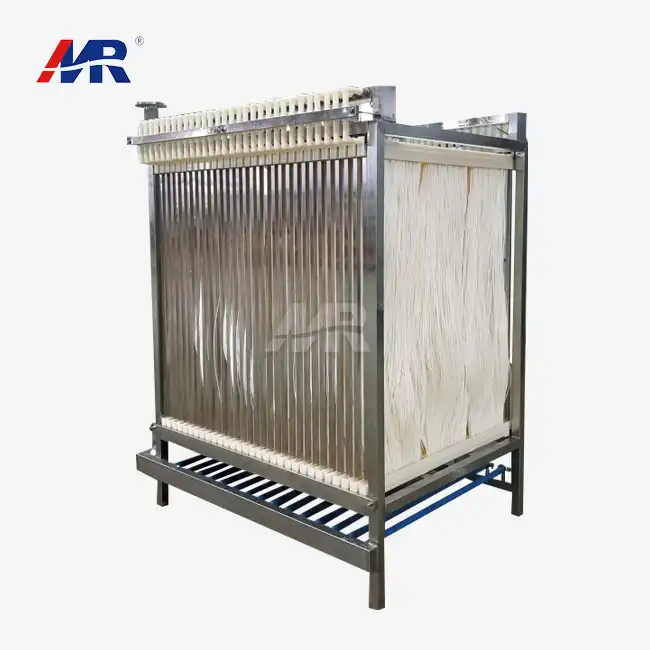
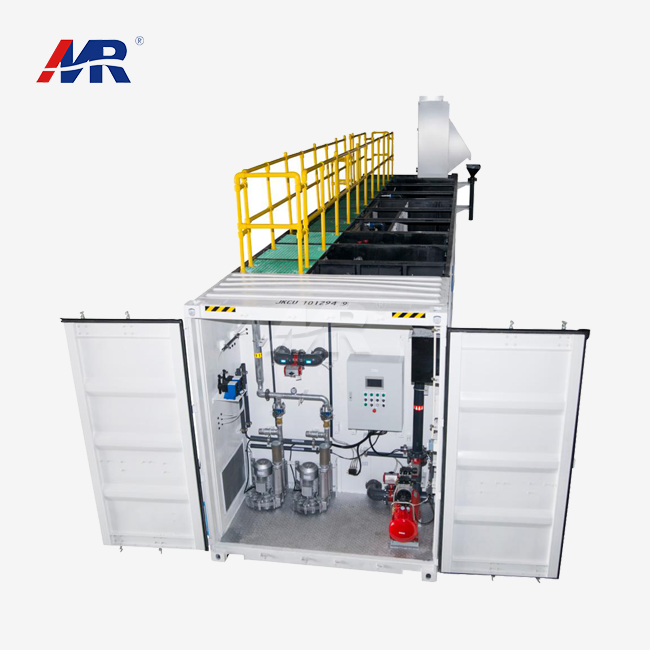
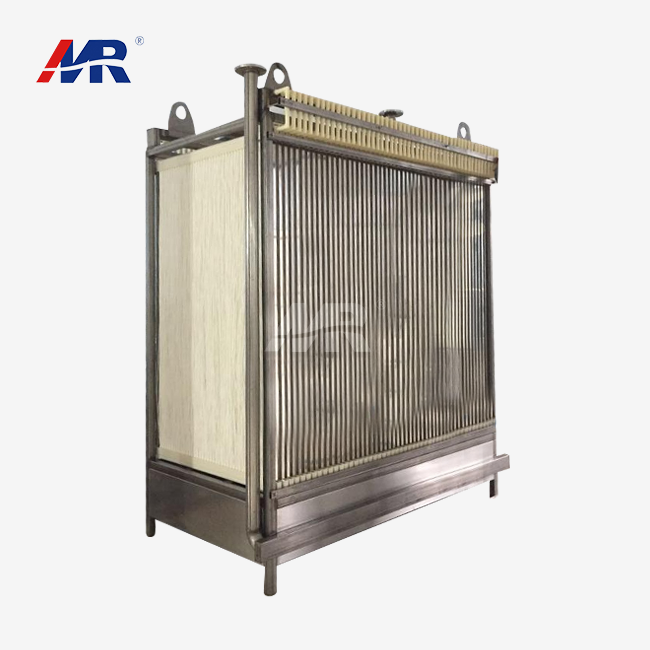
Membrane bioreactors (MBRs) use membranes to clean and separate organic waste. Their trash is clean enough to be used again. MBRs are smaller than traditional activated sludge systems. MBRs also produce the same amount of wastewater management plant no matter what changes in the feed. It is always low in TDS and conductivity after biological treatment for places that need process-grade water for things like making boilers or cleaning electronics.
Automation and Real-Time Monitoring
Users can now use a single screen to keep an eye on pH, chemical doses, flow rates, and dissolved oxygen with PLC-based SCADA systems. Folks are less likely to mess up with this method since it is based on facts. Differences can be seen before they become failures. Monitoring from afar adds another layer of safety. This is very helpful for businesses that have more than one site or building with small repair teams. The Water Research Foundation says that biological treatment systems can use up to 15% less energy when process control is done automatically.
Best Practices for Wastewater Plant Maintenance and Optimization
Scheduled Inspections and Preventive Servicing
Checking sensors once a week, pumps and valves once a month, and the stability of the membrane every three months will help keep things from breaking down at bad times. Impellers, seals, and filter tubes are some of the parts that wear out quickly. This keeps running costs low and makes equipment last longer.
Sludge Handling and Disposal
A lot of the time, plants don't work well because they can't handle sludge well. The backpressure goes up in biological tanks that have too much sludge. This means they can't clean as well, and the tanks begin to smell bad. The balance is kept by having a good plan for getting rid of the sludge and dewatering tools that are ready to work with the solids you put in. It is much easier to move and get rid of sludge that is dry and has 20–25% dry solids.
Operator Training and SOPs
People are just as important as tools when it comes to getting steady work done. Standard operating procedures (SOPs) spell out how to start up and shut down, dose chemicals, and handle emergencies. This makes it easier for shifts to work together. Staff can find odd numbers and know what to do if they get regular training on how to use the equipment, especially after it has been changed. Once employees are paid to be trained, compliance events happen a lot less often.
To keep a business safe and save money, it needs to hire trained workers, do preventative repair, and keep sludge under control. Even the best tools won't work as well without all three.
Choosing the Right Wastewater Management Plant: Criteria and Comparative Insights
Scale and System Configuration
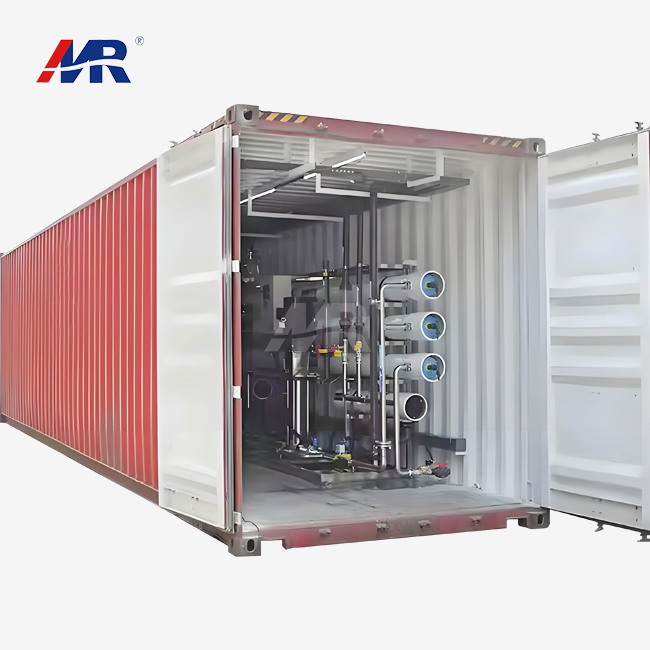
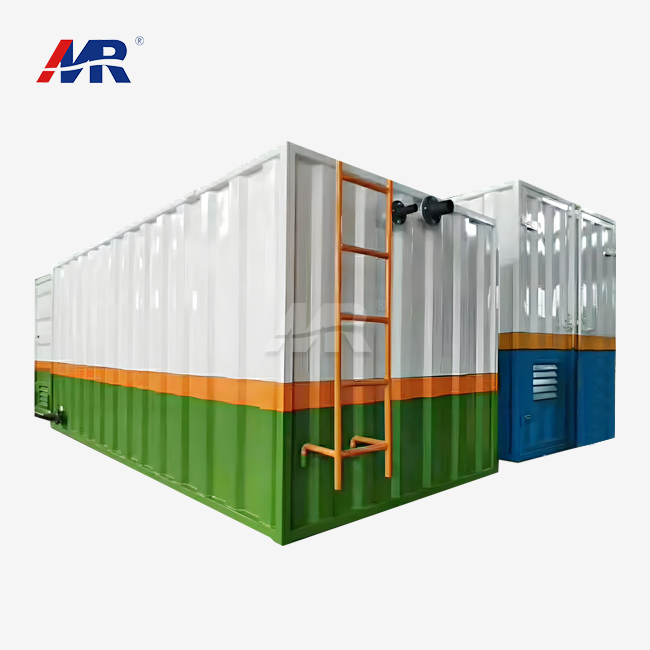
Most of the time, big businesses or public places need organized cleaning systems that can handle steady loads and a lot of trash. People who live in small buildings, rural areas, or flexible growth projects often do better with systems that come in containers or on skids and can be set up quickly and grown in small steps. Not every answer will work for everyone. You should know how much water will be flowing and what kind of water it is before you choose a system.
Supplier Evaluation Factors
When U.S. buying teams look for a wastewater management plant provider, these are the things they should most care about:
Certificates and proof of following the rules: The marks NSF, CE, and UL show that the gear has been checked to make sure it meets well-known standards for safety and performance.- Amount of process customization: Can the service provider change the data on the raw water to change the rates of cleaning, membrane stage, and recovery?
Customer service after the sale: The total cost of ownership is directly related to how quickly replacement parts, setup help, and technical problems are fixed. Capital purchases are taking into account the amount of energy used to treat water (in kWh/m³) more and more. This is done to save money and protect the environment.
- Certifications and compliance documentation: NSF, CE, and UL marks signal that equipment has been tested against recognized safety and performance benchmarks.
- Process customization depth: Can the supplier adjust pretreatment, membrane staging, and recovery rates based on your raw-water data?
- After-sales support: Response time for spare parts, commissioning assistance, and technical troubleshooting directly affects total cost of ownership.
- Energy efficiency data: Treated-water energy intensity (kWh/m³) is increasingly factored into capital procurement decisions due to operational cost and sustainability targets.
These rules help people in charge of buying things figure out what things are worth in the long run, not just how much they cost.
Turnkey vs. Component-Based Procurement
One company plans, builds, ships, sets up, and starts up the system. This is known as a "turnkey solution." This makes working together safer for both EPC contractors and end users. You can better meet the needs of each customer when you buy by the component, but you need engineers on staff to put the parts together. Any business that wants to buy water treatment equipment shouldn't hire its own engineers. Instead, they should buy a system from a company that has a history of putting systems together well.
Role of Wastewater Plants in Sustainability and Environmental Protection
Water Reuse and Resource Recovery
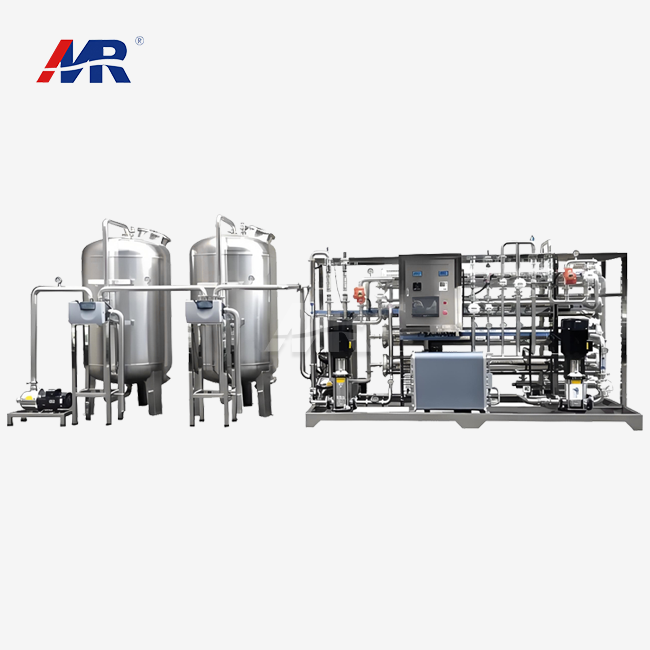
It's no longer just good for the environment for businesses to reuse water; it's also good for business. The correct way to run your reverse osmosis system will allow you to get back 70 to 85% of the influent as clean permeate. After that, this can be used right away in the making process. This means it will cost less to get fresh water. This is important in places where water is hard to come by and in companies that need a lot of process water, like those that make drugs and electronics.
Compliance With U.S. Environmental Standards
Businesses in the U.S. have to follow the EPA's rules for trash because of the Clean Water Act. Places in every state also need to follow these rules. If someone doesn't follow the rules, they can be fined more than $25,000 every day. Providers are being asked to show proof of how well they follow the rules as more and more controlled businesses get certified.
IoT and Data-Driven Sustainability
Treatment devices can now send and record information about their use all the time. This lets you see records about the buildings that you can use to file permits and make ESG reports. In real time, IoT sensors keep track of how much power is used, how many chemicals are used, and the quality of the water that is being treated. People who buy industrial goods in the U.S. are becoming more interested in what companies do to stay green and follow the rules. Being this open helps with both of these things.
Conclusion
There are lots of things that can go wrong with garbage at the wastewater management plant level. If the feed water changes, the machine changes, the process changes, and the way the machine is used, they all happen at the same time. You need to fix them on time, choose the right water treatment technology, and buy from someone who knows both the tools you need and the rules you need to follow. Your treatment plant won't work well if you leave it alone. You need to look after it.
FAQ
1. How does a plant handle hydraulic surges during peak flow?
Modern systems use equalization tanks and variable frequency drives (VFDs) on influent pumps to buffer sudden flow increases. This keeps organic loading to biological reactors stable, protecting treatment performance during storm events or production peaks.
2. How long do RO membranes last in industrial service?
With proper automated backwashing and Clean-In-Place (CIP) protocols, high-quality PVDF membranes typically last 5 to 8 years before replacement is needed. Actual lifespan depends on feed water quality and cleaning discipline.
3. Can a treatment system run with minimal on-site staff?
Yes. PLC-based SCADA systems can manage dissolved oxygen, sludge wasting, and chemical dosing automatically. Many facilities operate with periodic site visits for maintenance rather than continuous staffing.
4. What is a realistic energy intensity for treated water?
With fine-bubble aeration and high-efficiency motors, energy consumption can reach approximately 0.6–1.0 kWh per cubic meter of treated water—a benchmark that supports both cost control and sustainability targets.
5. How is odor managed at urban or mixed-use sites?
Multi-stage odor control units—such as bio-scrubbers or activated carbon filters—paired with negative pressure covers on primary treatment zones effectively neutralize hydrogen sulfide (H₂S) and volatile organic compounds (VOCs).
Ready to Solve Your Plant's Wastewater Challenges? Talk to Morui
This is what Morui (Guangdong Morui Environmental Technology) makes for wastewater management plants. It has been in business for 25 years and has its own plant for making membranes. Twenty highly trained engineers work for the company. When people in the US need to legally release water, use process-grade water, or get back a lot of the water they use, we sell RO-based industrial treatment systems that can be changed to fit their needs. If you need professional help or quotes that are made just for your project, email us at benson@guangdongmorui.com.
References
1. U.S. Environmental Protection Agency. Effluent Guidelines: Industrial Wastewater Treatment. EPA, 2022.
2. Water Research Foundation. Energy Efficiency in Water and Wastewater Facilities. WRF, 2021.
3. Metcalf & Eddy / Tchobanoglous, G. et al. Wastewater Engineering: Treatment and Resource Recovery. McGraw-Hill, 2014.
4. Judd, S. The MBR Book: Principles and Applications of Membrane Bioreactors for Water and Wastewater Treatment. Elsevier, 2011.
5. American Water Works Association. Reverse Osmosis and Nanofiltration: AWWA Manual M46. AWWA, 2017.
6. Water Environment Federation. Industrial Wastewater Management, Treatment, and Disposal: WEF Manual of Practice No. FD-3. WEF Press, 2018.