

_1745823981883.webp)

Desalination Plant Process for Industrial Water Supply Applications
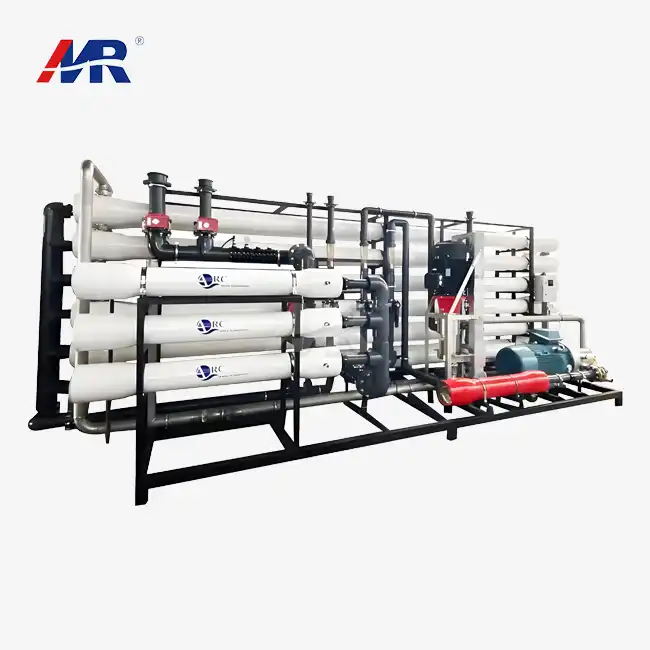
The desalination plant process is an industrial water treatment workflow that removes dissolved salts and minerals from seawater or brackish water to produce clean water for drinking or industrial use. For facilities facing freshwater scarcity—coastal manufacturers, offshore platforms, mining camps, or municipal utilities—this process offers a dependable, independent water supply. Using technologies such as seawater reverse osmosis (SWRO), the system moves through pre-treatment, membrane separation, and post-treatment stages, each engineered to meet specific water quality and volume targets.
Understanding the Desalination Plant Process for Industrial Use
What the Process Actually Does
The semi-permeable membranes that are used in a saltwater desalination system are an essential component since they are responsible for separating the salt ions from the feedwater when the pressure is high. The water that is extracted is referred to as permeate, and it is very pure and has a low amount of salt. Liquid brine is the name given to the concentrated reject stream. In the minds of industrial users, the system may be conceptualised as consisting of three stages: pre-treatment, SWRO filtering, and conditioning post-treatment.
Stage Breakdown: Pre-Treatment to Product Water
Ultrafiltration (UF) or multi-media filtration are two methods that are used in the pre-treatment process in order to eliminate dissolved solids, algae, and organic waste. The filters farther down the line are prevented from becoming clogged as a result. The next step, known as the SWRO stage, employs pressures ranging from 55 to 70 bar in order to force water past barriers that prevent fouling. After treatment, the pH is altered, minerals are added to prevent rust from forming, and the water is cleaned to ensure that it complies with the standards for drinking water or process water.
Why Industrial Plants Choose This Approach
The International Desalination Association predicts that by the year 2023, the desalination capacity of the whole globe would exceed one hundred million cubic meters every working day. Over sixty-five percent of all new sites will be serviced by SWRO systems. SWRO is chosen by industrial operators because it consumes less energy than thermal techniques and can be set up in containers or on skids for locations that are located in remote areas or do not have a lot of space available.
Comparative Analysis of Desalination Technologies for Industrial Applications
Reverse Osmosis vs. Thermal Processes
The process of reverse osmosis requires around 2.5 to 4 kWh per cubic metre of product water when it is used in conjunction with an energy recovery device (ERD) in order to force feedwater through filters at a high pressure. Thermal processes, such as multi-stage flash (MSF) and multi-effect distillation (MED), are used to dry and concentrate water by the utilisation of heat. It ranges from 10 to 15 kWh/m3. The majority of industrial customers in North America usually choose RO as their default option since it has lower operating expenses.
Membrane Desalination vs. Distillation: Performance and Cost
Membrane systems are more cost-effective to purchase, use less energy, and function well in situations when only a portion of the power is required. When it comes to managing feedwaters that are murky or salty, thermal systems are superior. Additionally, they provide highly clean output, which is beneficial for boiler feed water in the process of power production. The issues of turbidity and salinity may be handled at a cost that is comparable by using a hybrid technique, which involves pre-treating with UF and then passing through SWRO.
Choosing the Right Technology for Your Site
It's important to think about regional factors in the desalination plant process. MED may be a good value for places that have access to waste heat, like refineries or power plants that are close together. Modular SWRO works best in mine camps that are far away or on islands with no heat surplus. The right design choice is based on the temperature, salt (measured as total dissolved solids, or TDS), and availability of energy infrastructure.
Key Components and Equipment in Desalination Plants
Core Equipment in an SWRO System
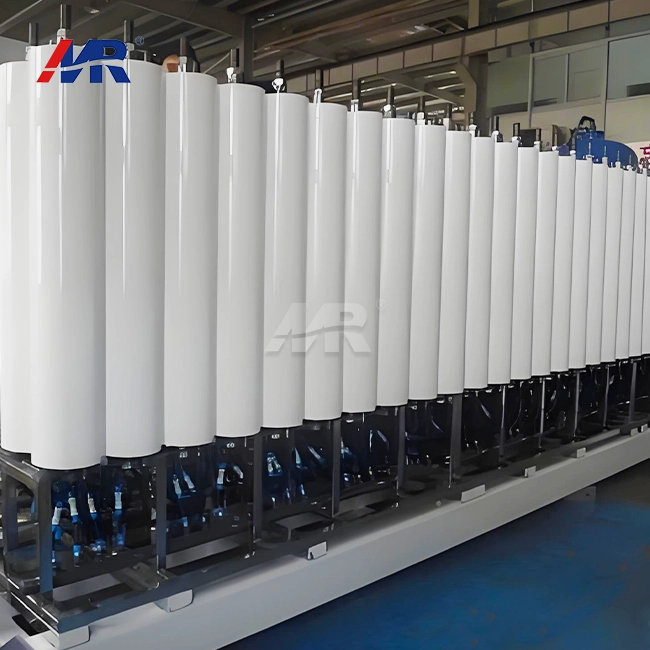
Intake screens, multi-media or UF pre-filters, high-pressure pumps, SWro membrane pressure vessels, energy recovery devices (pressure exchangers), and a product water post-treatment tank are all parts of a full SWRO plant. Morui uses its own SWRO membranes and pressure vessels that are made in-house. This allows for better quality control than putting together parts from several outside suppliers.
Supplier Evaluation Criteria for Procurement Teams
Buyers from the United States who are seeking a supplier of desalination plants should look for materials that have been approved by the National Standards Institute (NSF) or the American National Standards Institute (ANSI) for use in water, electrical components that have been stamped with the CE mark, and the results of independent water quality tests. All of these factors—the lead time, the availability of replacement parts, and the assistance with commissioning—are quite significant. When assessing a supplier, the following are the primary factors that purchasing managers take into consideration:
Certifications: All items that come into contact with water or electricity must be in compliance with NSF/ANSI, CE, or UL standards.
- Compliance with NSF/ANSI, CE, or UL standards is required for all water-contact and electrical components via certifications.
- Verified kWh/m3 measurements at rated flow with ERD installed are included in the energy performance evaluation.
- Recovery rate: Typical SWRO systems have a recovery rate of 35–45%; greater recovery rates minimise the expenses associated with saltwater input.
- For maritime conditions, housings made of duplex stainless steel or fiber-reinforced plastic (FRP) are corrosion-resistant materials.
- The after-sales network consists of service engineers who are either local or regional and have proven response times.
The purchasers are spared the burden of having to spend a significant amount on replacements or to wait a considerable amount of time for them to function once more. The likelihood of performance gaps occurring after the product has been put into use is significantly reduced when each point is checked before the purchase is made.
Turnkey vs. Component-by-Component Procurement
Additionally, turnkey desalination packages, in which a single vendor is responsible for providing, establishing, and initiating the whole system, simplify the process of coordination and make it more transparent who is accountable for the service guarantee. Containerised SWRO systems are available from Morui, and their normal capabilities range from fifty meters per day to ten thousand meters per day. For clients that want a certain salinity tolerance, remineralisation, or branded packaging, they may also be constructed according to the customer's specifications.
Optimizing Desalination Performance and Cost Efficiency
Energy Consumption and Where Savings Come From
Energy is the main cost that any desalination plant process has to pay to run. Standard SWRO uses 6–8 kWh/m³ when energy recovery is not used. That number drops to 2.5–3.5 kWh/m³ when a pressure exchanger ERD is added, which is a drop of over 55%. As standard, Morui systems include ERDs on units that process more than 500 m³/day. This cuts the cost-per-ton of product water over the life of the plant.
Common Operational Issues and How to Fix Them
The two most common reasons for output loss are membrane fouling and scaling. Dissolved air flotation (DAF) and UF pre-treatment are used to get rid of biofouling from algae blooms. Using antiscalant and following regular cleaning-in-place (CIP) procedures helps keep carbonate scaling under control. Every day, keeping the feed pressure within the design limits and keeping an eye on salt rejection (target >99%) are signs that the membrane is healthy.
Upgrades and Digital Monitoring
Modern plants benefit from SCADA monitoring that can be done from afar. This type of tracking keeps real-time track of flow rates, pressure differences, energy use, and salt rejection. Predictive maintenance software lets you know when membrane performance is getting worse before output drops below goals. For industrial managers who are in charge of more than one site, centralized monitoring cuts down on the number of people needed on-site and finds problems before they lead to unplanned shutdowns.
Environmental and Economic Considerations
Environmental Impact and Brine Management
The main environmental problem with any seawater desalination process is the release of brine. High-velocity diffusers are the best way to dilute the concentrate at the ocean outfall, which limits the effects of salt on marine environments. Evaporation ponds or zero liquid discharge (ZLD) systems clean the reject stream when ocean release is not possible. While the site is being surveyed, it is important to make sure that all the rules are followed, especially those set by the U.S. Environmental Protection Agency (EPA) and coastal states.
Financial Assessment and Lifecycle Costs
A containerized SWRO system can cost anywhere from $500 to $1,500 per m³/day of capacity, depending on how complicated the pre-treatment is, what materials are used, and how much automation is used. The costs of running the system, which include energy, chemicals, labor, and replacing the membrane every 4–7 years, are about $0.50 to $1.50 per m³ of product water. For commercial users, the cost of trucking or buying water from outside sources is used as a comparison point. In remote areas, desalination usually pays for itself in three to five years.
Risk Management and Compliance Alignment
Changes in feedwater quality (seasonal turbidity, algal blooms), membrane degradation, and regulatory shifts are some of the biggest risks. Morui takes care of these issues by trying a prototype before designing the whole system. They also offer weatherproof enclosures for seaside and offshore sites and a service network that works with project sites in the U.S., the Middle East, and Southeast Asia. Long-term service agreements with clear supply chains for spare parts lower operational risk even more.
Conclusion
The desalination plant process of desalinating seawater is a mature technology that can compete in the market when it comes to providing fresh water to industries that need it. Each step in the process, from pre-treatment to SWRO filtration and post-treatment conditioning, is meant to make sure that the water fits specific standards for use or for drinking. The long-term performance depends on choosing the right technology, supplier, and system configuration for the saltiness of your feedwater, the location of your site, and your energy budget. Morui helps procurement teams from specification to commissioning by making membranes in-house, using NSF-certified parts, and delivering in containers.
FAQ
1. What is the typical lifespan of membranes in an SWRO system?
Most SWRO membranes last between three and seven years. Lifespan depends a lot on how well the membrane was treated before and how well they follow the CIP procedures. If you use the right amount of antiscalant and keep an eye on the SDI (Silt Density Index) during the pre-treatment stage, you can get the membrane to last longer, closer to the top of that range.
2. How is brine disposal managed?
Brine is sent to coastal and marine areas through high-speed diffusers. Zero liquid discharge systems or evaporation ponds handle the concentrate in places that can't get water or are sensitive to the environment.
3. Can the process remove boron effectively?
Yes. Borosilicate to less than 0.5 mg/L can be achieved with a two-pass RO system or by changing the pH in the second pass. This meets WHO standards for drinking water and most industrial process requirements.
4. What happens to system performance during red tide events?
Algal blooms quickly raise the organic load in feedwater. This is easily handled by plants that have pre-treatment stages that include dissolved air flotation and ultrafiltration. This keeps the water quality at the membrane inlet stable even during bloom events.
Partner with Morui for Your Desalination Plant Project
Morui is a certified desalination plant process supplier that makes its own membranes and equipment. It offers both standard and custom SWRO systems that can handle 50 to 10,000 m³/day. Water-contact parts in our systems are NSF-approved, and they come with built-in energy recovery and remote monitoring as standard. If you need an OEM build or a full installation, our engineering team is ready to look over your feedwater data and site needs. To get a project evaluation, email us at benson@guangdongmorui.com.
References
1. International Desalination Association (IDA). IDA World Congress Desalination and Water Reuse — Industry Yearbook. 2023.
2. Elimelech, M., & Phillip, W. A. "The Future of Seawater Desalination: Energy, Technology, and the Environment." Science, 2011.
3. Ghaffour, N., Missimer, T. M., & Amy, G. L. "Technical Review and Evaluation of the Economics of Water Desalination." Desalination, 2013.
4. U.S. Bureau of Reclamation. Desalination and Water Purification Research Program Report. 2017.
5. World Health Organization. Guidelines for Drinking-Water Quality, 4th Edition. 2017.
6. Fritzmann, C., Löwenberg, J., Wintgens, T., & Melin, T. "State-of-the-Art of Reverse Osmosis Desalination." Desalination, 2007.
 VIEW MORE8m3/hour seawater desalination equipment
 VIEW MORE30m3/hour ultrafiltration equipment
 VIEW MOREultrafiltration membrane for wastewater treatment
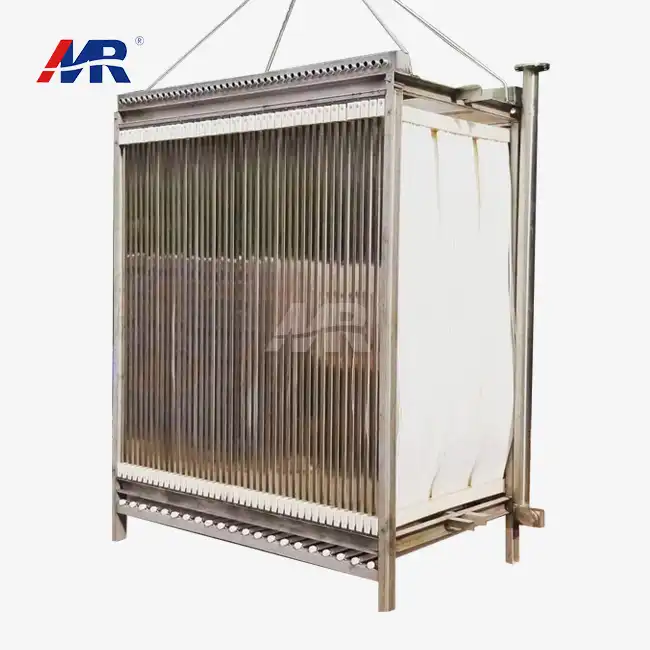 VIEW MOREmembrane bioreactor
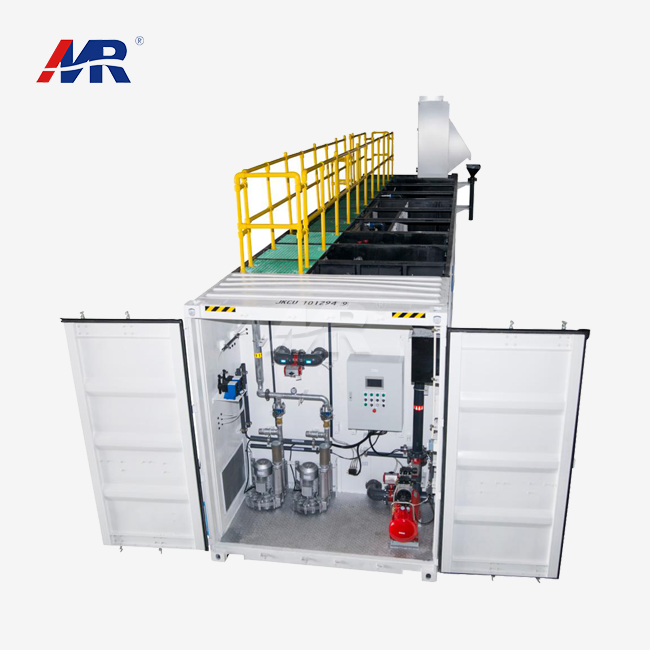 VIEW MOREhome sewage treatment plant
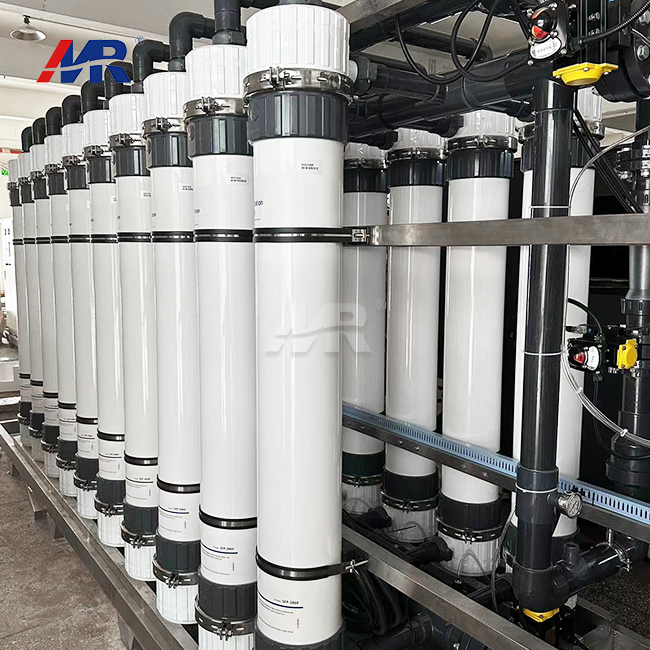 VIEW MOREwater ultrafiltration system
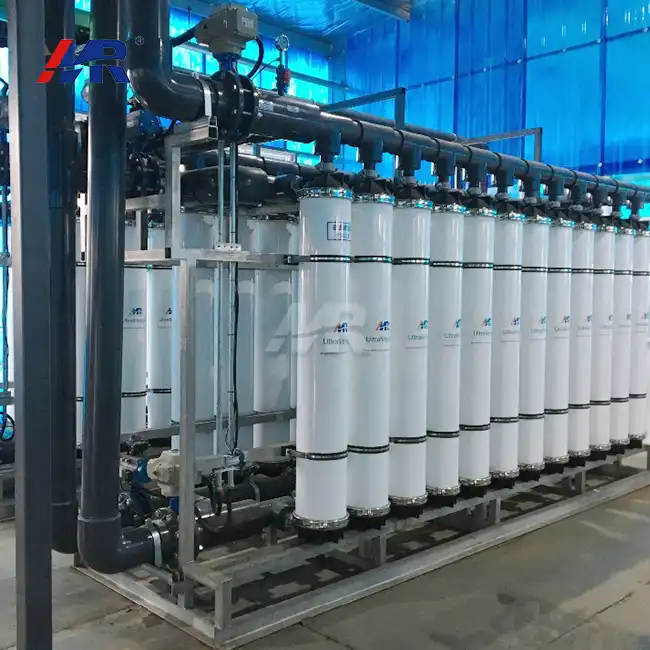 VIEW MORE50m3/hour ultrafiltration plant
 VIEW MORELandfill Leachate Treatment System
