_1745823981883.webp)

How to Optimize bioreactor wastewater treatment Performance
If you manage a wastewater treatment facility—whether it's a municipal plant, a food processing site, or a remote decentralized station—you've probably asked yourself: How do I get more out of my existing system? The answer often starts with understanding how bioreactor wastewater treatment actually works and where performance slips. This guide walks through practical steps to identify gaps, apply proven strategies, and make smarter procurement decisions.
Understanding Current Performance and Identifying Bottlenecks
You need to have a good idea of where your system stands before you make any changes. The difference between reactive repair and proactive management is keeping track of the right measures for your bioreactor wastewater treatment.
Key Performance Indicators to Monitor
First, look at the basics: the rate of COD and BOD removal, the amounts of total nitrogen and phosphorus, the turbidity of the effluent, the sludge volume index (SVI), and the amount of energy used per cubic meter of treated water. According to the U.S. EPA, MBR systems that are well-run usually get the BOD and TSS levels in the wastewater below 5 mg/L and 1 mg/L, respectively. These levels should be regularly checked against.
Common Operational Bottlenecks
There are three issues that come up most often in field operations. Biofouling and scale lower permeate flow and raise transmembrane pressure (TMP). Membrane fouling is at the top of the list. Nitrification rates slow down when there are microbial imbalances, which can be caused by changes in pH or toxic shock loads. Because of limits on oxygen transfer in the aeration basin, fans have to work harder, which raises energy costs without better treatment.
Data Collection and Real-Time Diagnostics
If you combine modern SCADA with DO sensors, pH probes, and online turbidity analyzers, you can see biological activity in real time. Facilities that use computer tracking say they can find faults up to 20% faster than those that only use human sampling. Real-time data doesn't just show you problems; it also gives you the past data you need to see long-term trends before they turn into expensive failures.
Key Principles and Strategies to Improve System Performance
Once you know where performance is lacking, the next step is to take focused corrective actions instead of big, pricey overhauls to your bioreactor wastewater treatment.
Managing Microbial Communities
Most people agree that the best way for MBR systems to work is to keep the mixed liquid suspended solids (MLSS) content between 8,000 and 12,000 mg/L. Keeping the sludge retention time (SRT) between 15 and 30 days helps keep the communities of nitrifying bacteria steady. When the quality of the influent changes quickly, like in food and textile wastewater, adding buffering tanks upstream can help keep living things from being shocked.
Refining Operational Parameters
Temperature, air strength, and hydraulic retention time (HRT) all affect each other. If the mixed liquor temperature drops by 1°C below 15°C, nitrification rates can drop by 10–15%. Microbes are protected when the pH stays between 6.5 and 7.5. By switching between aerobic and anoxic stages, intermittent aeration cycling lowers the amount of energy needed while still allowing nitrification and denitrification to happen at the same time.
Integrating Advanced Membrane Technology
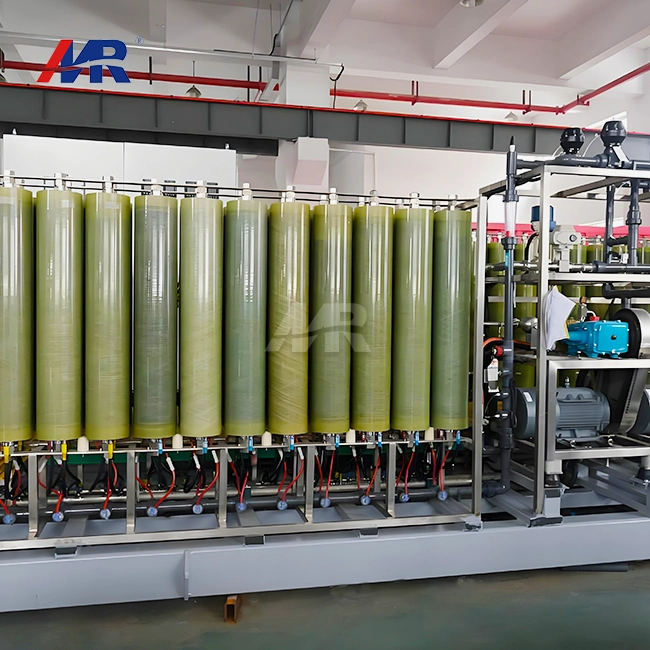
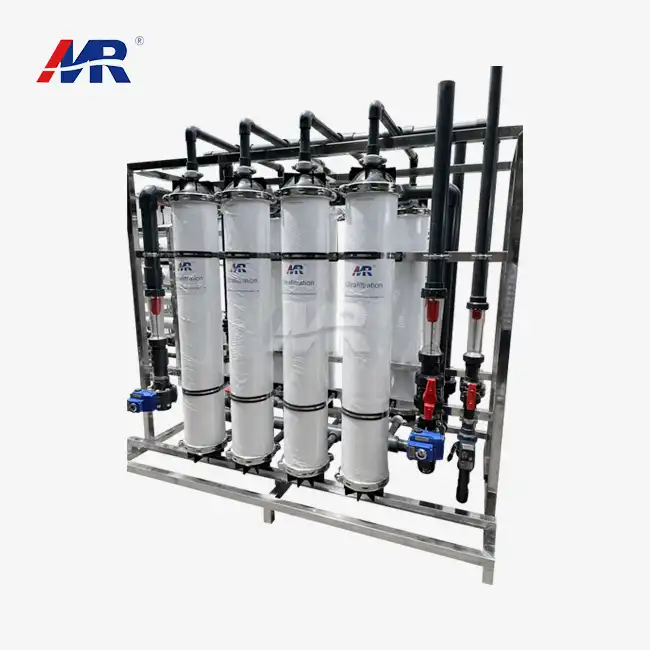
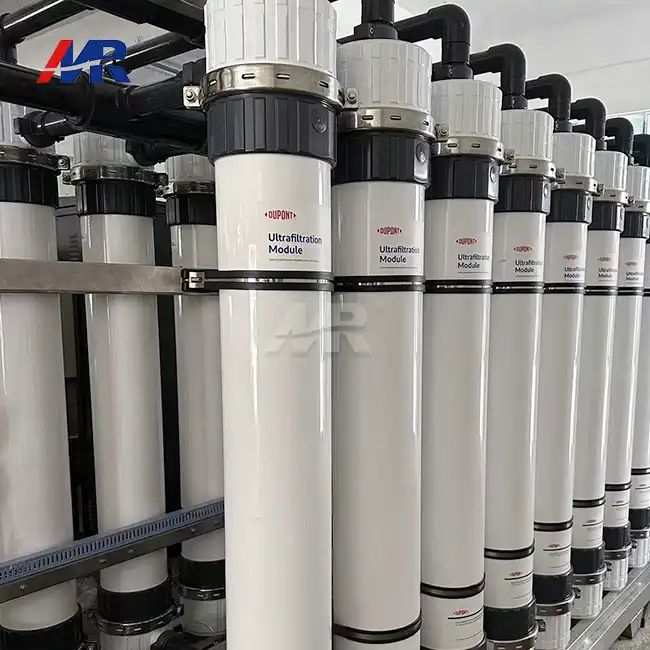
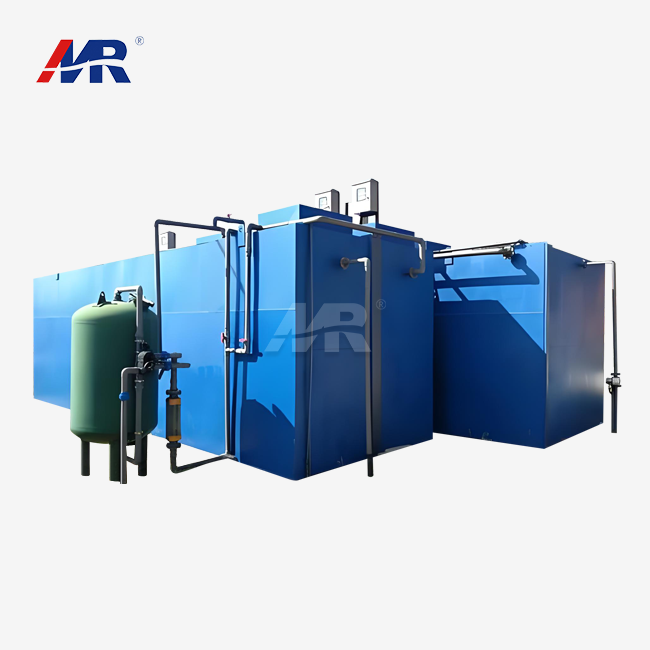
MBR setups directly replace secondary clarifiers, reducing the size of the plant by 40–60% while providing high-quality effluent that can be used again. The Morui MR-MBR-30 has a PVDF flat-sheet membrane with pores that are 0.2 µm wide and an effective filter area of 30 m² per module, which is 2000 × 1250 × 30 mm in size. PVDF material is very resistant to chemicals, so cleaning it with sodium hypochlorite every so often is easy and works well without affecting the membrane's structure over time.
Implementing Practical Techniques and Case Studies
Theory is important, but what really convinces buying teams are results from the real world regarding bioreactor wastewater treatment. These two examples come from real applications and show problems that happen a lot in this field.
Stepwise Optimization Approach
The first step in a structured improvement process is to set a baseline by comparing current KPIs to permit limits. The second step is to focus on the single bottleneck that is causing the most problems, which is usually fouling or aeration. Finally, after 30 to 60 days of monitoring, confirm the results before moving on to the next variable. When you change many parameters at once, it's impossible to separate cause and effect.
Food Processing Wastewater Application
A food factory that produced high-strength organic wastewater (COD > 1,500 mg/L) put in an MBR system that did pre-screening and equalization. After six months, the COD removal rate regularly topped 95%, the effluent met local release limits, and the cost of sludge disposal dropped by about 30% because the longer SRT cut down on the amount of waste sludge output. The small MBR footprint made it possible to upgrade without making the building bigger.
Textile and Industrial Effluent Treatment
Dye compounds and high suspended solids in textile wastewater make it hard for regular activated sludge systems to work. One facility got rid of an old clarifier and replaced it with an MBR configuration. They also added a coagulation pretreatment step. Through better air scrubbing and regular maintenance cleaning, color removal went from 60% to over 90%, and membrane fouling intervals went from two weeks to over 45 days.
Comparing Bioreactor Technologies and Making Informed Procurement Decisions
Not all technologies can be used in all situations. Figure out the differences between them so you can choose the right bioreactor wastewater treatment method for your needs and budget.
Aerobic vs. Anaerobic Systems
Aerobic MBR systems are good at treating wastewater with a low to middling strength, and they make sewage that can be used again or dumped. Anaerobic membrane bioreactors (AnMBRs) work well with strong industrial wastewater and produce biogas as a result, which helps lower energy costs. However, they need more time to start up and more accurate temperature control. As of now, aerobic MBRs are still the best choice for local and regional uses.
MBR vs. Conventional Activated Sludge
When buying, you should think about these main changes in performance between MBR and standard activated sludge (CAS) systems:
- Footprint: MBR systems take up 40–60% less space because they don't need secondary clarifiers. This is a big benefit for projects in cities that need to be retrofitted.
- Effluent quality: According to Title 22 recovered water standards in California and similar standards in other U.S. states, MBR permeate regularly meets TSS < 1 mg/L and BOD < 5 mg/L.
- Sludge output: Extended SRT in MBR lowers the amount of waste sludge by 30–50%, which lowers the number of times it needs to be disposed of and the costs that come with it.
- Capital vs. operating cost: The higher cost of the membrane module up front is usually covered within 3–5 years by less sludge handling, less construction work, and possible income from reusing water.
These benefits directly fix the problems that most companies have with their old CAS systems. When engineers are looking at ways to improve, bioreactor wastewater treatment has the best return on investment (ROI) when land costs are high or reusing water has a market value.
Evaluating Suppliers and OEM Options
For buyers in the U.S., compliance paperwork is just as important as how well the system works. Look for suppliers who can give you test reports on the quality of the effluent, CE or NSF Certifications if needed, information on how much energy the system uses, and membrane flux specifications. Morui's factory makes both membrane modules and integrated MBR units. It uses PLCs for automation and can do O&M work from afar, which is useful for operators who want to have control over multiple sites or installations that are far away.
Future Outlook and Continuous Improvement
The bioreactor wastewater treatment industry is moving toward operations that are based on data and stricter carbon accountability. AI-based process control tools can now change the rates of air and the number of times the membrane is cleaned based on sensor feedback in real time. Pilot studies have shown that this can save 15–25% of energy. New microbe cultures that were specially made to handle certain industrial pollutants are now being tested in the real world, mostly for pharmaceutical and chemical waste.
Regulatory and Sustainability Drivers
Federal and state organizations in the U.S. keep lowering the limits on nutrient runoff. Higher effluent standards are likely to become the norm, as shown by the EPA's Nutrient Pollution Control framework and California's plans to increase the use of recycled water. Over the next ten years, compliance risks will be lower for systems that are made to remove phosphorus below 0.5 mg/L and total nitrogen below 10 mg/L.
Building a Culture of Continuous Improvement
Testing the membrane's stability every six months, training staff on biological process control once a year, and keeping track of how much cleaning fluid is used all help the system last longer and cost less over its lifetime. When operators look at maintenance records as performance data instead of just legal paperwork, they report fewer emergency shutdowns.
Planning for Technology Upgrades
Modular MBR designs, like the MR-MBR-30, let you add more space by adding membrane sections instead of redoing the whole system. So, the initial cash investment is safe, and the buildings have room to grow as demand does.
Conclusion
Biological treatment system performance can't be improved all at once; it has to be measured, adjusted, and new equipment has to be chosen based on this information regarding bioreactor wastewater treatment. The main things that stay the same whether you're building a decentralized treatment station, managing industrial effluent, or running a municipal plant are that you should keep an eye on the right KPIs, deal with fouling and microbial stability first, and make sure that the membrane technology you use is right for the conditions of the influent. The Morui MR-MBR-30 is a good starting point for facilities that need to make sure the quality of their effluent, put it in a small space, and make sure the membrane lasts a long time. It is also backed by a manufacturer that can make it directly.
Frequently Asked Questions
1. What factors most affect MBR performance?
The four most important factors for bioreactor wastewater treatment are the mixed liquor concentration, the membrane flux rate, the aeration strength, and the variety of the influent. Keeping MLSS between 8,000 and 12,000 mg/L and TMP below operating limits makes membrane service intervals much longer.
2. How do I choose between aerobic and anaerobic MBR systems?
Aerobic MBR systems work best with moderate-strength industrial wastewater and sewage from cities that needs to be reused or dumped right away. Anaerobic systems work best with high-COD industrial streams where biogas recovery is cost-effective and a longer start-up time isn't a problem.
3. What does membrane maintenance typically involve?
Daily air scouring (continuous or intermittent), weekly relaxation cycles, and chemical cleaning with sodium hypochlorite or citric acid are all part of routine maintenance. PVDF membranes, like those in the MR-MBR-30, can be cleaned with chemicals over and over again without losing much of their flow. Under normal working conditions, they can last for 3 to 5 years.
4. What certifications should U.S. buyers require from suppliers?
Ask for test results on the quality of the effluent, CE paperwork, NSF/ANSI approval for items that come into contact with water if needed, and information on how much energy was used per m³ cleaned. These papers help with applying for permits and getting internal approvals for purchases.
Partner with Morui for Proven MBR Treatment Solutions
Guangdong Morui Environmental Technology Co., Ltd. has its own factory for making membranes and several facilities for processing different kinds of equipment. This means that buyers can directly contact a verified bioreactor wastewater treatment manufacturer. The MR-MBR-30 is a system designed for local, industrial, and decentralized use. It has a 30 m² PVDF membrane, 0.2 µm filtration precision, and PLC control. You can email our engineering team at benson@guangdongmorui.com to get specs, test results for effluent, or a price that is tailored to your project.
References
1. U.S. Environmental Protection Agency. Membrane Bioreactor Technology for Wastewater Treatment. EPA, 2020.
2. Judd, S. The MBR Book: Principles and Applications of Membrane Bioreactors in Water and Wastewater Treatment. Elsevier, 2011.
3. Meng, F., et al. "Membrane fouling in membrane bioreactors: A review." Journal of Membrane Science, 2017.
4. Water Reuse Association. MBR for Water Reuse: Design and Performance Data. WaterReuse Research Foundation, 2019.
5. Krzeminski, P., et al. "Performance of full-scale membrane bioreactors for municipal wastewater treatment." Journal of Membrane Science, 2012.
6. U.S. EPA. Nutrient Pollution: The Problem and Its Causes. Office of Water, 2021.