

_1745823981883.webp)

How to Install a Reverse Osmosis Water Tank for Better System Control
It is possible that the precise installation of a reverse osmosis water tank might be the deciding factor in whether or not the system will function dependably for years to come or if it will create ongoing issues. The constant pressure, the prevention of flow interruptions, and the protection of filtered water from contamination by the atmosphere are all features of a RO storage tank that has been placed correctly. If you are a water treatment engineer who is specifying equipment for a commercial facility or a procurement manager who is assessing storage options for an industrial RO plant, this guide will lead you through everything you need to know, from choosing the appropriate tank to installing it and performing regular maintenance.
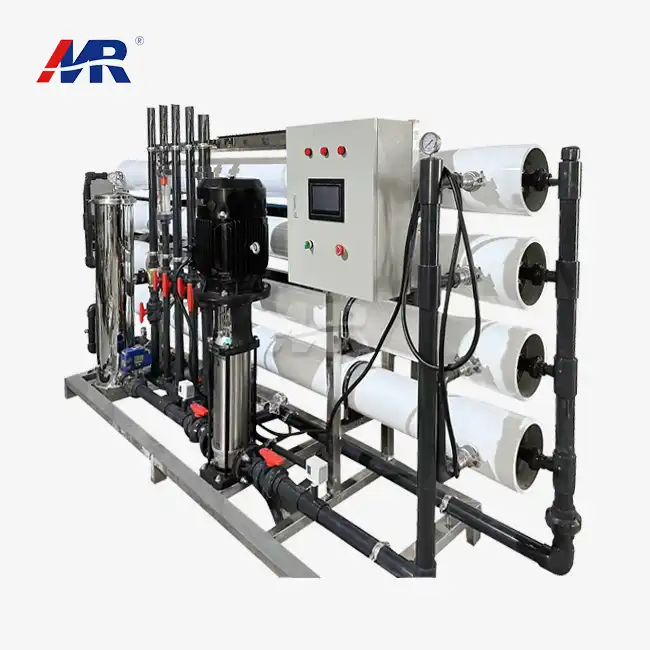
Understanding RO Storage Tanks and Why They Matter
What Is a Reverse Osmosis Water Tank?
The clean permeate water that is produced by a RO membrane is stored in a container that is hydropneumatically compressed and belongs to the category of reverse osmosis (RO) water tanks. Due to the fact that it generates water drop by drop, the RO process is characteristically sluggish. Additionally, the tank functions as a buffer, delivering high-flow water when it is required, so preventing the membrane from having to be continuously activated. A diaphragm or bag located within the container acts as a barrier between the water that has been stored and the compressed air cylinder. This ensures that the delivery pressure remains constant.
Bladder vs. Non-Bladder Tank Types
Inside the bladder tanks, there is a flexible food-grade liner that is often made of chlorobutyl or EPDM. This liner serves the purpose of separating air from water. Cross-contamination is prevented as a result of this configuration, which also maintains a more constant pre-charge pressure. The addition of dissolved gases to the permeate may occur over time in non-bladder tanks when air and water come into direct contact with one another. For commercial and industrial applications, such as the processing of food and beverages or pharmaceutical systems, bladder-type tanks are the norm. These tanks are used in situations where stringent water quality requirements must be strictly adhered to.
Key Benefits of Proper RO Tank Installation
If it is appropriately installed, an RO storage tank provides three advantages that have a direct impact on the efficiency with which it operates. To begin, it maintains a constant flow rate at the point of consumption, even when there is a great demand for the product. Furthermore, the design of the tight bladder prevents contamination from occurring after cleaning, which is an extremely significant factor in ensuring compliance with the NSF/ANSI 58 requirements. Third, the pre-charge with compressed air reduces the back-pressure stress that is placed on the membrane, which results in the membrane having a longer lifespan. Over the course of time, these advantages accumulate, which results in a reduction in the amount of maintenance that is required and the total cost of operating a system in a commercial environment.
Pre-Installation Considerations: Choosing the Right Tank
Sizing Your Tank to Match System Demand
First and foremost, the size is the decision that has an impact on everything else. As a general rule, the storage capacity of the system ought to be two to four times the hourly permeate production; this is the recommended range. For example, a commercial RO system that produces 500 GPD (about 21 GPH) would typically be coupled with a storage tank that is between 40 and 80 gallons in capacity. This allows the system to accommodate surges in demand without having to continuously operate the membrane unit. Undersizing causes pressure to decrease when demand is high, while oversizing raises the danger of impact and stagnation when demand is high. Both of these factors contribute to a decrease in pressure.
Material Selection: Stainless Steel vs. Composite Tanks
Professional reverse osmosis water tanks often consist of more than one layer, with a food-grade virgin polypropylene (PP) liner on the inside and a high-quality steel or composite shell on the outside of the tank. Tanks made of stainless steel are more suitable for use in industrial environments that often include the presence of chemicals, high levels of humidity, or frequent temperature fluctuations because they are less susceptible to rust. Composite or lined steel tanks are a viable option for the storage of drinking water in commercial establishments where both cost and weight are critical considerations. It is necessary for the interior cover to be of food-grade material in any scenario in order to prevent chemicals from escaping.
Pressure and Connection Specifications to Verify Before Purchase
Before finalising a tank purchase, it is important to check three technical elements concerning the order. It is recommended that the maximum working pressure be equal to or greater than the pressure at which your system is operating. Take, for instance, the majority of industrial tanks, which are rated to 100 PSI. When it comes to pre-charge pressure, the majority of the time, the manufacturer will set it between 5 and 7 PSI; nevertheless, this must be confirmed before installation. Both the kind of thread and the size of the thread (often 1/4" JG or 3/8" NPT) need to be compatible with the plumbing configuration of your system. Connections that do not function effectively with one another are one of the primary factors that contribute to the length of time it takes to implement commercial projects.
Step-by-Step Installation Process
Tools and Safety Preparation
Make sure you have the following before you start:
- Teflon thread tape and a wrench with adjustable settings
- For the purpose of pre-charge measurement, a low-pressure tyre gauge with a range of 5-15 PSI
- Pressure gauge for the purpose of checking system lines
- In order to match the tank port, a tubing cutter and push-fit fittings are required.
Before you begin, make sure that the machine is allowed to cool down and that the feed water supply is turned off. You need to make sure that the pre-charge pressure in the tank is between 5 and 7 pounds per square inch before you hook it to a water line. If there is no pre-charge reading, it is possible that the air valve has lost pressure while it was being sent. Before continuing, you should use a standard bicycle pump to get the pressure back up to its original level.
Connecting the Tank to the System Plumbing
Place the tank in such a way that it is upright or in the manner that the manufacturer instructs you to go about doing so. Teflon tape should be wrapped around each and every threaded joint in a clockwise direction two or three times. Establish a connection between the tank port and the storage line of the RO system by using the appropriate connector. In order to ensure that everything is secure, you should first hand-tighten it and then use a wrench. Caution is advised to avoid overtightening the plastic port fittings on composite tanks, as this might cause damage to the fittings. If you want to increase the size of a manifold by connecting more than one tank to it, you should use a rated tee manifold and ensure that all of the tanks have the same pre-charge pressure. This will ensure that the flow distribution is equally distributed.
Leak Testing and System Validation
The feed water supply should be opened gradually now that everything has been connected, and the tank should be allowed to build up pressure. If you want to inspect each and every connection point, you may use a dry paper towel or a spray of clean water. If there is any moisture or popping, it indicates that there is a leak that has to be sealed as soon as possible. Check the flow rate at the point of use that is closest to the tank after the operating pressure of the tank has been attained. If the tank is properly positioned and charged, it should be able to provide flow at a rate that corresponds to the rated output of your system, and there should be no significant variations in pressure. It is important to make a note of the pre-charge setting and the connection configuration so that you may utilise them for future maintenance projects.
Maintenance and Troubleshooting
Routine Inspection and Cleaning Schedule
As a bare minimum, commercial reverse osmosis water tanks are required to undergo inspections at least once each year. The air pre-charge should be checked with a low-pressure gauge each time the service is due, and if required, the pressure should be adjusted to between 5 and 7 PSI. After thoroughly flushing the tank, cleaning the inside of the tank with a mild solution of food-grade chlorine is the next step. When it comes to compliance, this is of utmost importance in both the food and beverage industry as well as healthcare settings, where the danger of contamination is crucial. Write down the times of inspections and pre-charge readings in the system log so that they may be recorded. This will allow for easier monitoring.
Diagnosing Common Performance Problems
The most common kinds of failures that occur in the field are two different kinds of failures. The first one is a tank that is only half full, which indicates that the water will only fill up to half its capacity before the system shuts off permanently. The majority of the time, this indicates that the pre-charge pressure is too high, which causes the tank to be compressed and reduces the quantity of water that can be used. Retest after reducing the air pressure to between 5 and 7 pounds per square inch. A second issue is a flow that is either sluggish or weak at the point where it is being dispensed. A bladder injury is often indicated by this symptom. The "tap test" is a method that may be used for rapid assessment in the field. If you tap on a healthy tank, it will sound hollow at the top and thick at the bottom. On the other hand, a tank that has a failing bladder will exhibit the same sound for the whole of its operation since the water and air will no longer be separated.
When to Replace the Tank
The lifespan of a decent RO pressure tank is typically between five and seven years when it is used in an average manner. When the bladder fails (this may be shown by a tap test or an off-tasting or metallic flavour in the water), when the shell shows evidence of corrosion or deformation, or when the tank is unable to maintain its pre-charge pressure between service visits, you should make it a plan to replace the bladder. It is essential to schedule proactive replacement before the item breaks fully in order to prevent unexpected downtime. This is especially critical in locations that must remain operational at all times, such as hospitals or food processing lines.
Procurement Guidance for B2B Buyers
Evaluating Suppliers and Certifications
When looking for RO tanks on a business or industrial level, it's best to deal with providers who can show proof of NSF/ANSI 58 certification, material safety data sheets for the inner liner, and pressure test certificates. For projects in regulated industries, these papers can't be changed. In the North American market, well-known brands like Watts, Pentair, and US Water Systems have strong track records. However, many high-specification projects also buy directly from manufacturers who offer flexible options for capacity, connection, and coating.
Negotiating Volume Pricing and Lead Times
B2B buyers who need tanks for multiple installations or ongoing distribution should ask for a price that is based on quarterly or yearly promises to volume. Before committing to a project schedule, make sure you know how long it will take to produce the tanks. Standard commercial tanks usually ship within two to four weeks, but custom configurations may take six to ten weeks. If the tanks are going to be shipped abroad, ask the suppliers about the export packing standards. Improper crating is a common way for bulk orders to get damaged during shipping.
After-Sales Support and Warranty Terms
When a commercial tank is bought, it should come with a guarantee that covers the bladder's integrity and the shell's build for at least one year. Make sure that the seller offers easy-to-reach technical help for questions about installation and replacement parts. Suppliers with their own tech support teams can cut down on the time it takes to launch complicated projects. This is especially true for EPC providers who are in charge of installing multiple systems at the same time.
Conclusion
If you put your reverse osmosis water tank correctly from the start, the system will work better, the water quality will be consistent, and you will spend less on repairs. Correct sizing, confirmed pre-charge pressure, proper connection, and written upkeep intervals are the most important steps whether you're starting up a single business unit or selecting tanks for a multi-site industrial project. If you use the right tools and follow the right steps during installation, your RO storage system will work perfectly for years without needing any repairs.
Frequently Asked Questions
1. Why is my RO tank only filling halfway?
The most common cause is a pre-charge air pressure that is too high. When air pressure exceeds the recommended 5–7 PSI, it compresses the bladder and reduces available water storage volume. Check the air valve with a low-pressure gauge and adjust accordingly. A fouled ro membrane that produces insufficient permeate pressure can also produce this symptom.
2. How often should I check the tank's air pressure?
Check and recalibrate the pre-charge pressure annually, ideally during scheduled filter changes. This prevents gradual pressure drift from affecting flow performance or putting unnecessary stress on the bladder.
3. What causes a metallic taste in the stored water?
A metallic or off taste typically signals a breach in the internal tank liner or a failing bladder, allowing water contact with the outer shell. This is a clear indicator that the tank requires replacement to remain compliant with NSF/ANSI 58 material safety standards.
4. Can I connect multiple tanks to increase storage capacity?
Yes. A rated manifold system allows multiple tanks to operate in parallel, increasing total storage volume without reducing system pressure. All tanks in the manifold should carry identical pre-charge pressure for balanced performance.
Ready to Source the Right RO Tank for Your Project? Contact Morui
Morui Water is a reliable company that makes and sells reverse osmosis water tanks. They have their own production facilities, make their own membranes, and have a team of 20 engineers working on business and industrial projects all over the world. Whether you need standard tanks or solutions that are made just for you, Morui has everything you need. They offer full technical paperwork, reasonable bulk pricing, and one-stop installation and operating support. You can email benson@guangdongmorui.com to talk about the needs of your project, ask for product information, or get a price.
References
1. Water Quality Association. Reverse Osmosis Systems: Product Performance Data and Standards. WQA, 2021.
2. NSF International. NSF/ANSI 58: Reverse Osmosis Drinking Water Treatment Systems. NSF International, 2022.
3. Crittenden, J. C., et al. MWH's Water Treatment: Principles and Design. John Wiley & Sons, 2012.
4. American Water Works Association. Reverse Osmosis and Nanofiltration (M46). AWWA Manual of Water Supply Practices, 2nd ed., 2007.
5. Metcalf & Eddy. Water Reuse: Issues, Technologies, and Applications. McGraw-Hill, 2007.
6. World Health Organization. Guidelines for Drinking-Water Quality, 4th ed. WHO Press, 2017.
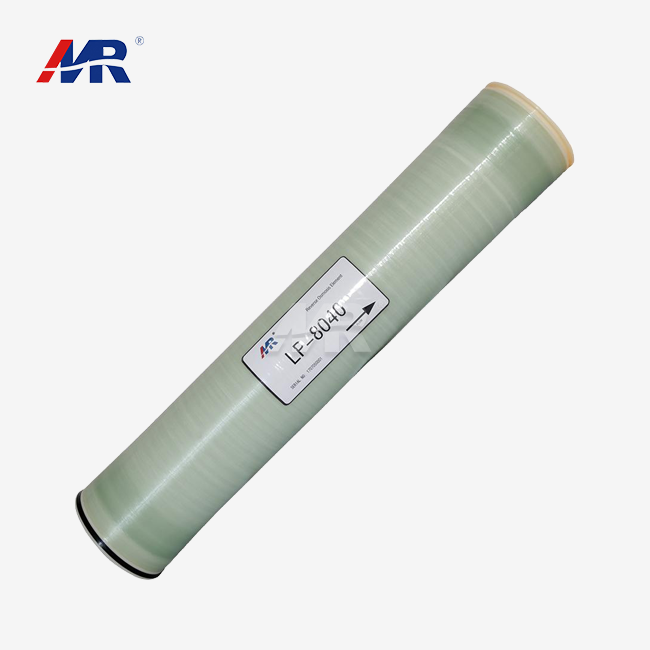 VIEW MOREreverse osmosis membrane
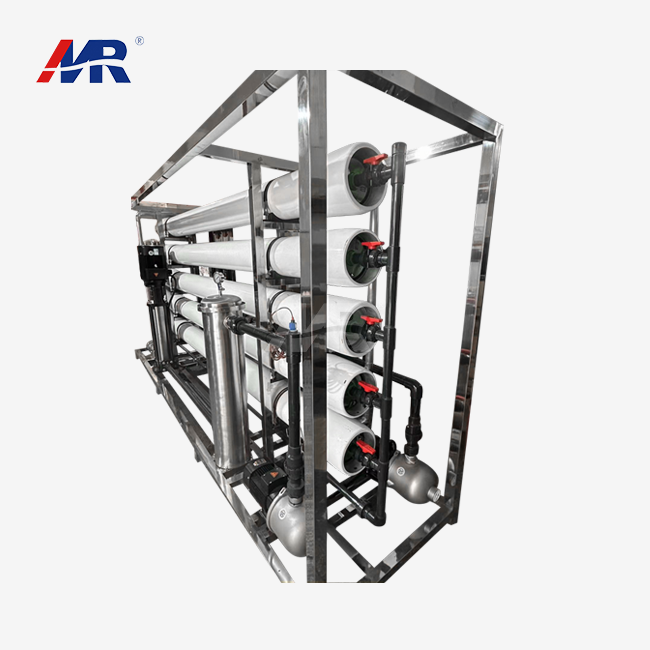 VIEW MOREreverse osmosis water treatment equipment
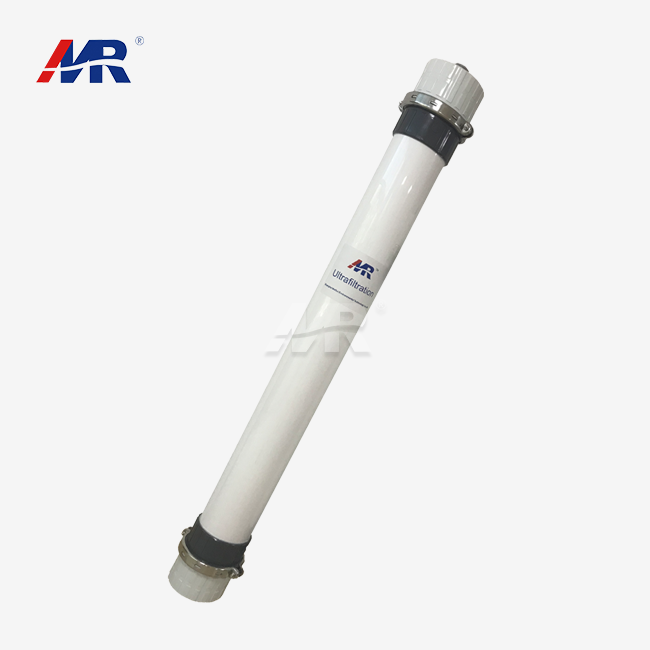 VIEW MOREultrafiltration membrane for wastewater treatment
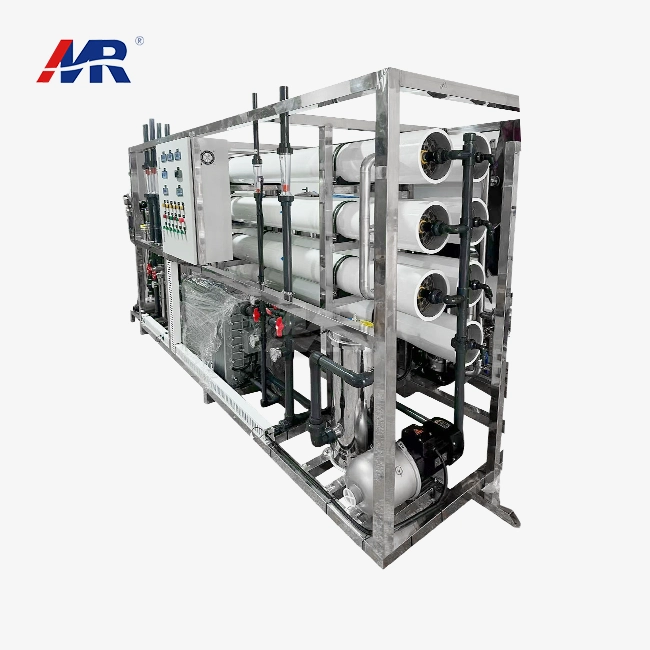 VIEW MOREedi water treatment
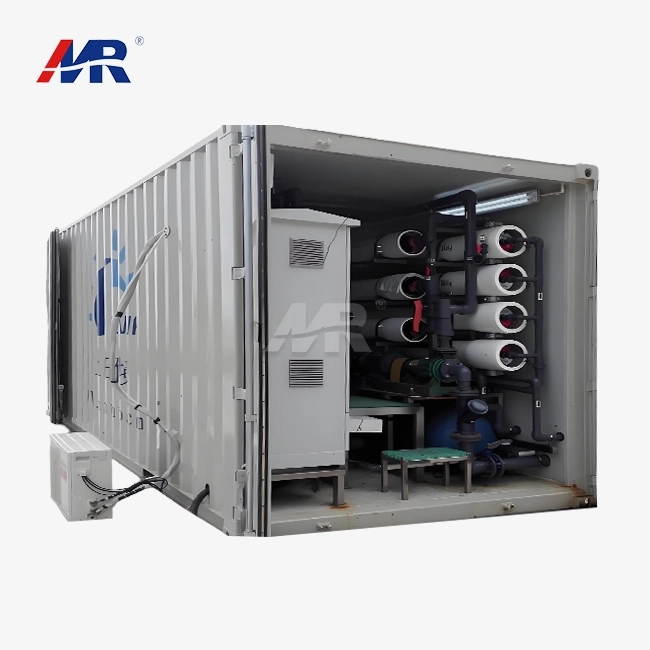 VIEW MOREcontainerized ro systems
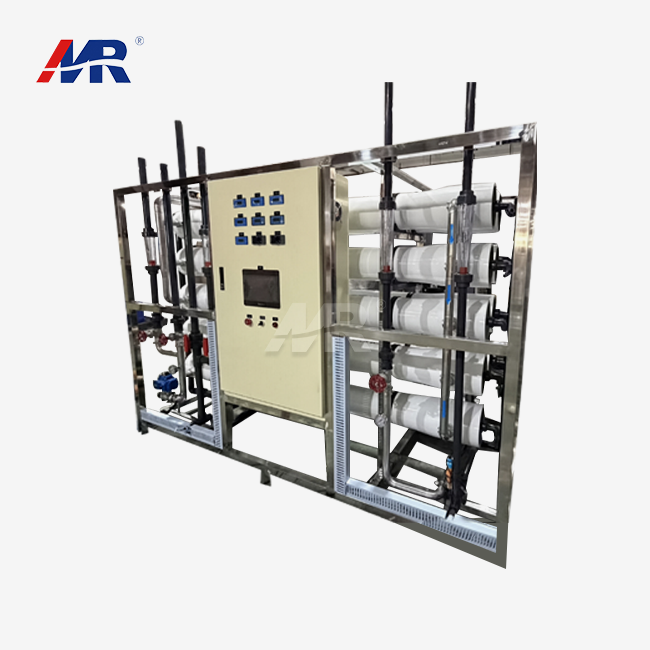 VIEW MORE8 stage reverse osmosis system
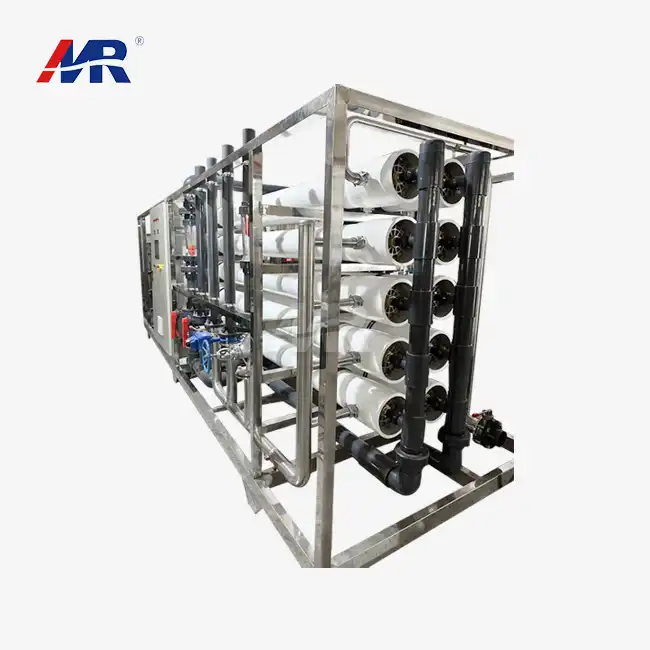 VIEW MORE50m3/hour reverse osmosis equipment
 VIEW MORE80 40 ro membrane
