

_1745823981883.webp)

Wastewater Treatment: The Membrane Bioreactor (MBR)
“We are seeing tighter and tighter wastewater regulations in the U.S. every year, and municipal and industrial treatment facilities are under tremendous pressure to perform. A membrane/bioreactor-wastewater-treatment">membrane bioreactor system provides an efficient solution to such pressure. This technology combines biological treatment and membrane filtration into one process, providing effluent quality that meets or exceeds reuse and discharge criteria with a much smaller footprint than conventional systems. Engineering companies, industry operators, and municipal project owners need to comprehend this technology before the next purchase decision is made.
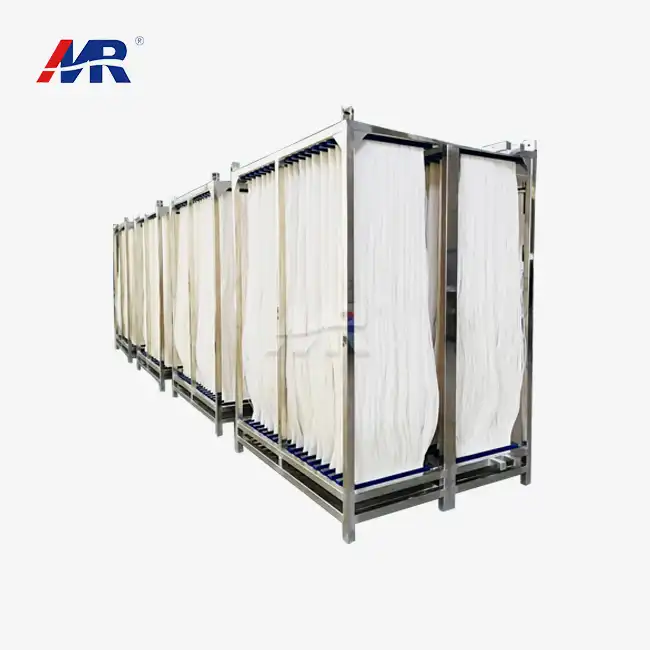
Understanding Membrane Bioreactor (MBR) Systems
What Is an MBR System?
An MBR system substitutes the secondary clarifier of conventional activated sludge (CAS) operations with a membrane separation system that is integrated with activated sludge treatment. Microbes devour the organic material in the bioreactor, and a membrane separates the cleaned water from the solid stuff that becomes the sludge. This ensures a permeate that is consistently clean and meets tight discharge or reuse criteria without relying on the less dependable gravity settling.
Core Components
An MBR unit consists of a bioreactor tank, an aeration system, membrane modules, and a monitoring and control device. The aeration system accomplishes two things: It provides bacteria with air, and it creates turbulence, which prevents barrier surfaces from turning foul. Control systems are often PLC-based and provide for remote control and real-time data monitoring, a capability that is highly beneficial for managers of several locations or remote installations.
The Morui MR-MBR-30 Module
Morui’s MR-MBR-30 membrane module is made from polyvinylidene fluoride (PVDF). This material is exceptionally durable and is highly resistant to chemicals. It filters at 0.2 microns, stopping suspended particulates, bacteria, and most viruses from getting through. The module measures 2000 mm in length, 1250 mm in width, and 30 mm in thickness and has a membrane bioreactor system area of 30 m². This makes it usable in treatment systems of both large and small sizes.
Comparing MBR to Conventional Wastewater Treatment Methods
MBR vs. Activated Sludge Process
In the conventional activated sludge process, the biomass is separated from the treated water in a sedimentation tank. This requires a lot of room, and the quality of the wastewater is not always constant. In an MBR system, there is no clarifier at all, and the mixed liquid suspended solids (MLSS) concentrations are greater, typically 8,000 to 12,000 mg/L compared to 2,000 to 4,000 mg/L in CAS systems. That means the tank doesn’t take up as much room to keep the same amount of water for cleaning.
MBR vs. Sequencing Batch Reactors
Sequencing Batch Reactors (SBRs) operate in a single tank that cycles through fill, react, settle, and decant. SBRs are adaptable; however, they may not be able to sustain the quality of their waste when they are under heavy strain. The MBR systems are more tolerant to shifting loads, as the membrane is always a barrier, whatever the setup circumstances. A significant bonus for food processing companies and other areas where the quantity of organic material they handle fluctuates all the time.
Lifecycle Cost and Energy Considerations
The energy consumption of CAS techniques is in the range of 0.3 to 0.6 kWh/m 3, and the energy consumption of MBR systems is in the range of 0.8 to 1.5 kWh/m 3. The main reason for this is that the membranes have to be aerated. But the reduced cost of land, lower cost of disposal of sludge, and capacity to reuse the cleansed effluent generally outweigh this over a life of 10-15 years. These long-term savings affect the overall cost of ownership and should be included in U.S. purchasers' comparisons.
Advantages and Applications of Membrane Bioreactor Systems
There are a lot of useful benefits to the MBR method that are hard to find in older treatment methods. Here are some of the best things about this kind of system:
- Superior effluent quality: The 0.2-micron PVDF membrane bioreactor system in the MR-MBR-30 physically removes suspended solids and pathogens, producing effluent suitable for irrigation reuse, industrial process water, or discharge to sensitive water bodies.
- Compact footprint: MBR systems typically require 30–50% less space than conventional systems with equivalent capacity, which is especially valuable at urban sites or land-constrained industrial parks.
- Reduced sludge output: Higher MLSS concentrations mean longer sludge retention times, which reduces the volume of excess sludge generated and lowers disposal costs.
- High automation: PLC-based control with remote monitoring reduces daily labor requirements and supports consistent performance across unattended or remote installations.
These benefits directly lead to lower running costs and lower compliance risks, which is important for procurement teams that are in charge of long-term building contracts or operations that span multiple sites.
The MBR technology is used in a lot of different situations. The small size is good for treating sewage and blackwater in village and community stations. MBR is used to handle high-BOD wastewater in places that process food and raise fish. Large MBR units in containers are used for short-term treatment on construction sites and projects in beautiful areas. Mobile MBR setups that can be set up quickly are also helpful for emergency response situations.
Maintenance, Troubleshooting, and Lifecycle Management
Membrane Cleaning Protocols
What is wrong with MBR function? Most of the time, it is membrane fouling. Cleaning: In routine maintenance, there are two kinds of cleaning. Relaxation cycles are brief gaps in filtration that allow fouling layers to separate. Chemical cleaning is often performed on a regular basis using sodium hypochlorite or citric acid. The MR-MBR-30 membrane module of Morui is made of PVDF material compatible with ordinary chemical cleaners, which extends the membrane life.
Aeration and Blower Maintenance
The aeration system uses coarse bubble diffusers to keep the membranes clean and the biomass suspended in the air. Inspect the blower's functioning on a monthly basis, and inspect the diffuser assembly for obstructions on a quarterly basis. Reduced airflow may accelerate fouling and reduce membrane flux; hence, pressure monitoring is vital for early issue detection.
After-Sales Support and Spare Parts
Source reliability is a serious concern for U.S. purchasers. Morui maintains its tool-making and membrane-producing operations in operation so that replacement parts are constantly on hand. OEM and project-based customers are offered warranty terms, training on how to activate the equipment, and remote O&M assistance. Morui’s membrane module sizes are standard sizes, so operators who purchase membrane modules once a year do not need to rebuild the system, and replacement is straightforward.
How to Choose and Procure the Right Membrane Bioreactor System
Define Your Treatment Requirements
Start by figuring out how much water you have to treat every day (in m³/day), what kinds of pollutants it contains (BOD, COD, TSS, ammonia), and what kind of standards you need to meet for release or reuse. These could be EPA secondary treatment standards, state-level limits, or a specific reuse class. These factors directly affect the membrane area, bioreactor volume, and system design that are needed.
Key Selection Criteria
In making decisions among MBRs, the following should be kept in mind:
- Membrane material & pore size: 0.2-micron PVDF is an established combination for municipal and industrial wastewater and provides a good balance of flux rate, chemical resistance, and service life.
- Modular system: Modular systems let you add capacity without changing your complete system, therefore protecting your original investment.
- Energy data: Ask for confirmed energy usage per m3 treated. This enables precise lifespan cost modeling.
- Certifications: For U.S. purchasers, NSF/ANSI compliance and water-contact material certifications are crucial for project permits and client acceptance.
By using documented test results, not simply promises, procurement teams can justify the decisions they make when comparing vendors.
Procurement Models
For industrial and municipal projects, the most common way to buy standard integrated units is by daily capacity. OEM and custom configurations—buried, above-ground, or containerized—are available for customers who need them for private name or specific influent situations. Morui works with both ways of buying things, and for project-based orders, they offer design and commissioning services for process packages.
Conclusion
The MBR method has been shown to work well in urban, industrial, and decentralized wastewater treatment settings. Using both biological treatment and membrane bioreactor system filtration together consistently produces better effluent than older methods can at the same size of an impact. To make a decision, procurement teams need clear requirements, proof that the supplier can do the job, and an accurate estimate of the costs over the whole lifecycle. The MR-MBR-30 module from Morui has 30 m² of PVDF membrane with 0.2-micron filtration accuracy. It is made to fit both standard and custom system configurations, giving buyers a reliable building block for treatment systems that are in line with regulations.
FAQ
1. How long do MBR membranes typically last?
PVDF mbr membranes usually last between 5 and 10 years if they are well taken care of, regularly cleaned with chemicals, and given enough airflow. The actual length depends on the quality of the input, how often it is cleaned, and how it is used. Morui's MR-MBR-30 units are made of PVDF material, which is strong enough to withstand multiple chemical cleaning processes.
2. Can MBR systems handle high organic loads from industrial wastewater?
Yes, MBR systems work at high levels of MLSS, which means that there are a lot of living organisms in the system to handle high-BOD and high-COD wastewater from farming, textiles, and food preparation. The membrane acts as a complete barrier for filtration, even if the amount of organic material changes.
3. How much space does an MBR system save compared to conventional treatment?
MBR systems usually need 30–50% less land area than regular activated sludge systems to clean the same amount of wastewater every day. Because of this, they work well in cities, industrial parks, and other places where the cost of land is a big factor in the project.
4. Is MBR technology suitable for temporary or remote sites?
Yes, both containerized and mobile MBR configurations are used on construction sites, in scenic areas, and during emergencies. Because they don't take up much space and run themselves, they can be used in places where fixed equipment isn't available.
Partner With Morui for Proven MBR Solutions
Guangdong Morui Environmental Technology Co., Ltd. has its own plant for making membranes and facilities for processing equipment. This means you can get in touch directly with a reliable maker of membrane bioreactor systems that can do everything for you. Morui has a team of 20 engineers who can help with process design, commissioning, and ongoing service after the sale, whether you need standard MR-MBR-30 modules or a custom OEM configuration. Please email us at benson@guangdongmorui.com to get a full quote.
References
1. Judd, S. — The MBR Book: Principles and Applications of Membrane Bioreactors for Water and Wastewater Treatment — Elsevier, 2011.
2. Stephenson, T., Judd, S., Jefferson, B., & Brindle, K. — Membrane Bioreactors for Wastewater Treatment — IWA Publishing, 2000.
3. U.S. Environmental Protection Agency — Membrane Bioreactors: Wastewater Treatment Technology Fact Sheet — EPA, 2007.
4. Kraume, M., & Drews, A. — "Membrane Bioreactors in Wastewater Treatment: Status and Trends" — Chemical Engineering & Technology, 2010.
5. Côté, P., Buisson, H., & Praderie, M. — "Immersed Membranes Activated Sludge Process Applied to the Treatment of Municipal Wastewater" — Water Science and Technology, 1998.
6. Le-Clech, P., Chen, V., & Fane, T. A. G. — "Fouling in Membrane Bioreactors Used in Wastewater Treatment" — Journal of Membrane Science, 2006.
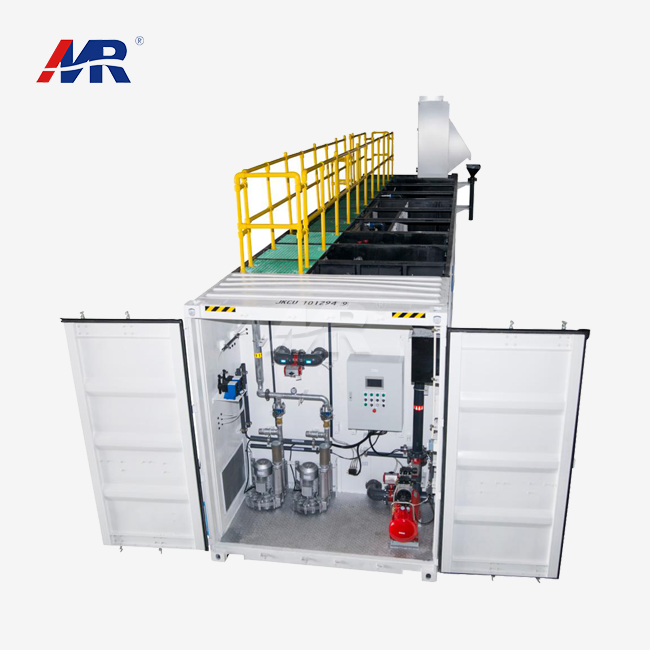 VIEW MOREhome sewage treatment plant
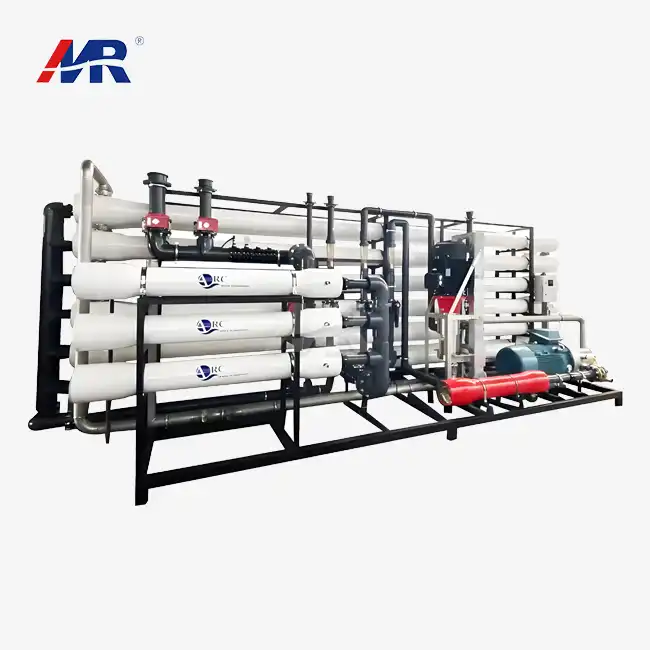 VIEW MORE25m3/hour seawater desalination plant
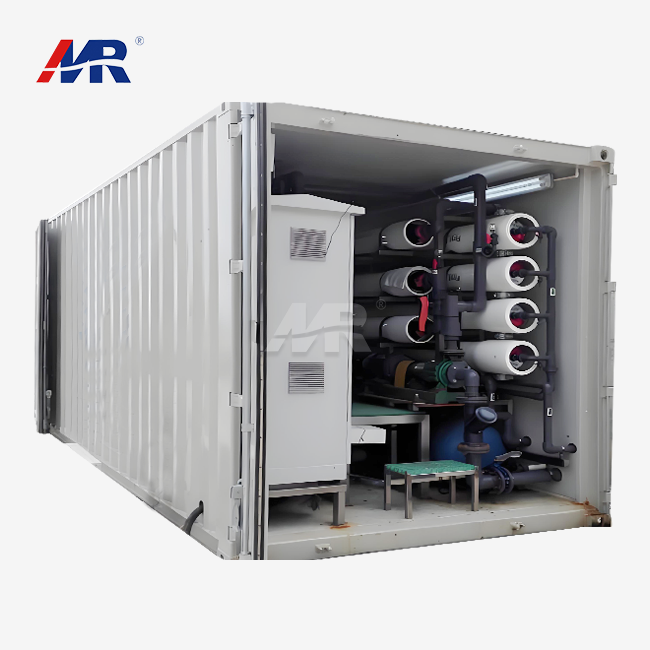 VIEW MOREcontainer seawater desalination equipment
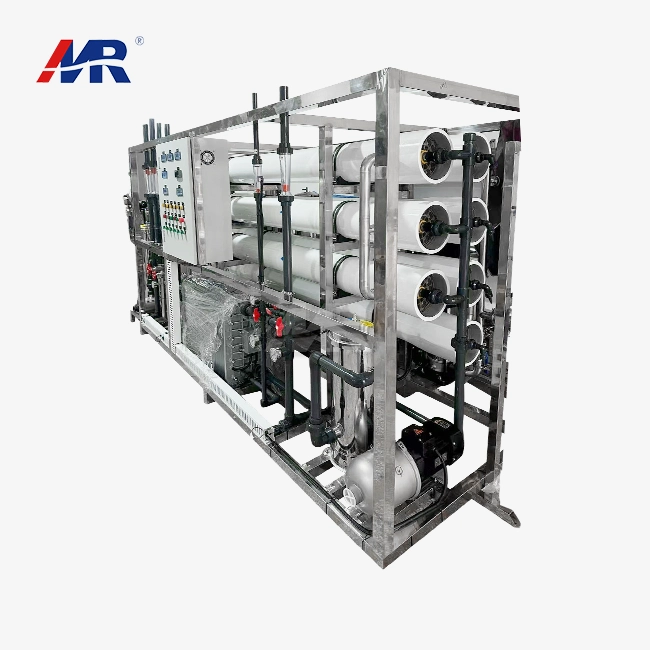 VIEW MOREedi module water treatment
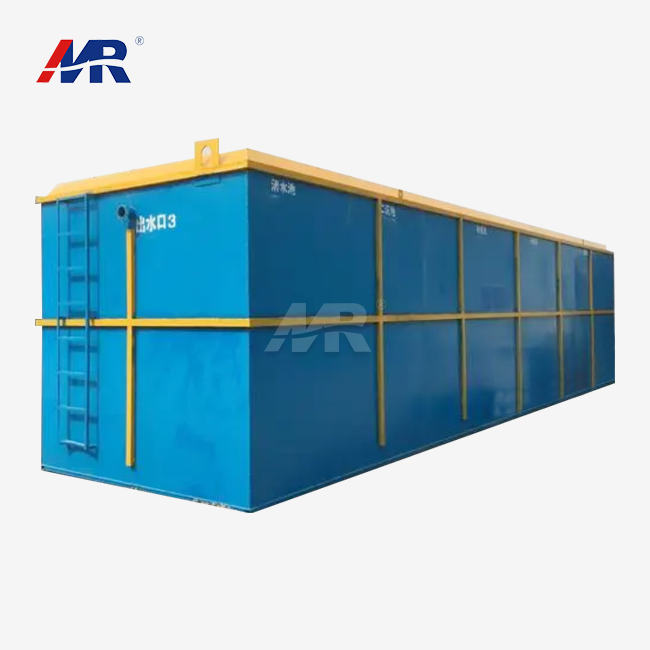 VIEW MOREwaste water treatment plant
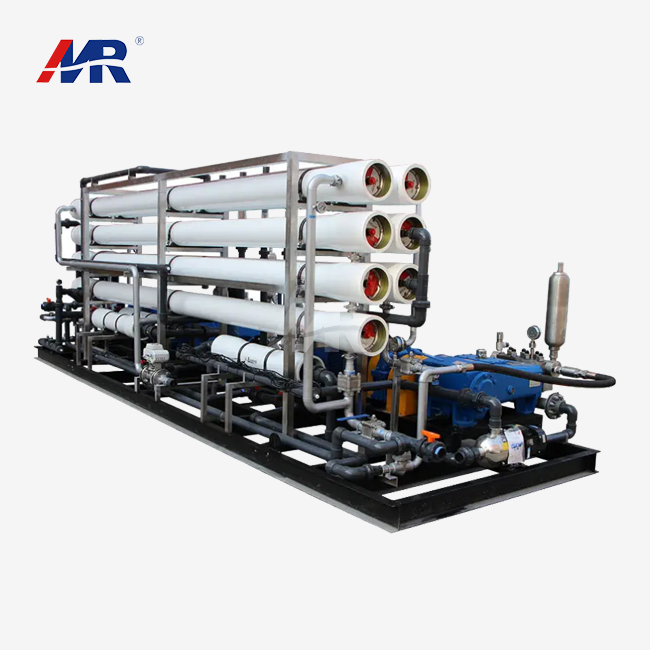 VIEW MOREseawater desalination machine
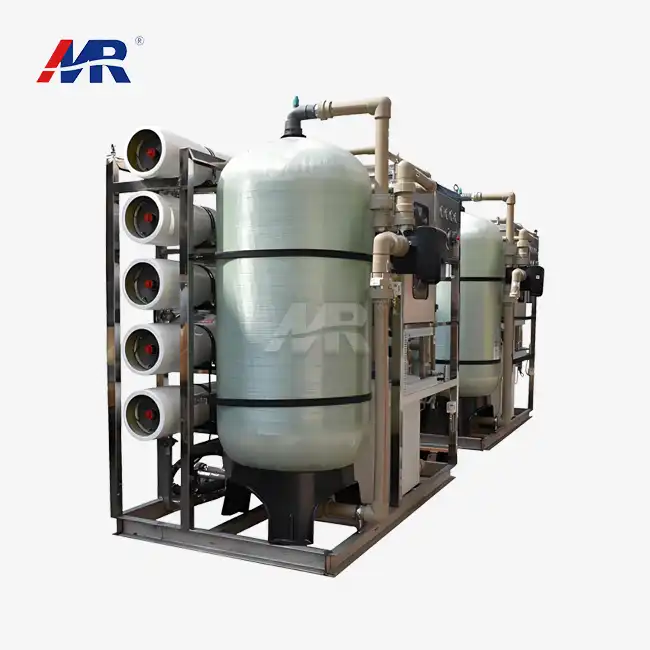 VIEW MORE8m3/hour seawater desalination equipment
 VIEW MOREedi water treatment system
