

_1745823981883.webp)

Everything you need to know about industrial RO Membrane
If you work in water treatment, manufacturing, or facility management, you have probably heard the term "RO membrane" more times than you can count. But what exactly makes an industrial ro membrane different from a standard filter, and how do you pick the right one for your system? This guide walks you through the technology, selection criteria, maintenance practices, and procurement strategies you need to make confident, cost-effective decisions. Whether you are replacing worn elements or specifying membranes for a new system build, the answers are here.
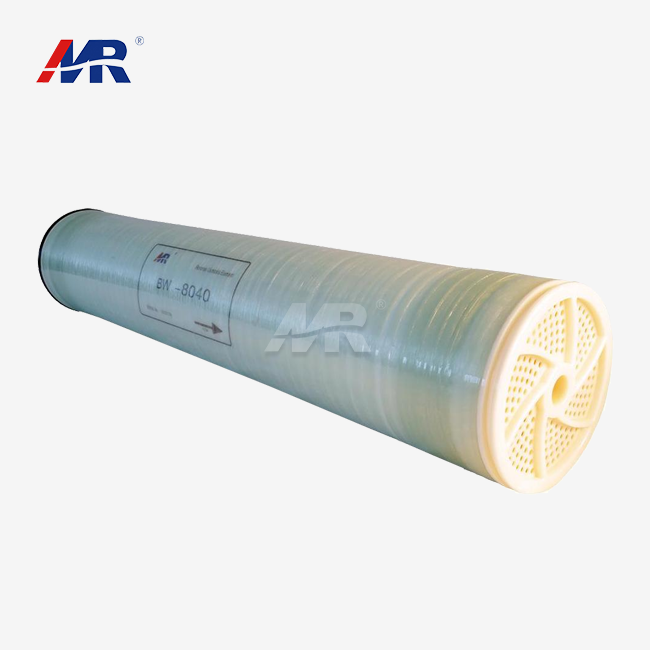
Understanding Industrial RO Membranes: Technology and Functionality
What an Industrial RO Membrane Actually Does
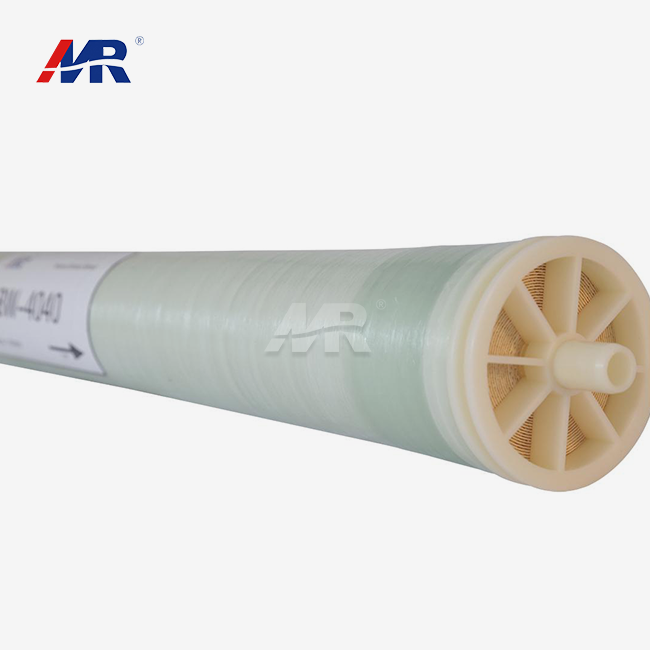
When pressure is put on feed water, an industrial RO membrane removes dissolved salts, organics, silica, and bacteria. It does this by spirally winding a partially clear element. Most of the time, Thin-Film Composite (TFC) polyamide is used because it rejects more than 99% of the time and can handle the pressure changes that happen a lot in large systems. At 1.55 MPa of pressure, a good brackish-water element such as the Morui MR-BW-4040 can clean 2,500 GPD of water and get rid of 99.5% of the salt in it. The quality of the water that comes out of the whole RO train is directly related to how well this works.
Key Materials and Construction
TFC polyamide membranes are made up of three different layers: a polyester support web, a microporous polysulfone interlayer, and an ultra-thin polyamide barrier layer. More recent cellulose acetate (CA) membranes are not as chemically stable and break down more quickly when the pH level changes. This layered structure keeps TFC elements separate from them. For uses that need brackish water or well water, TFC is the standard in the business world. When you use the spiral-wound style, membrane sheets are wrapped around a central flow tube. Thus, the MR-BW-4040 has a large work area (7.2 m²) inside a small 4040 or 8040 housing. This makes the system's footprint possible.
Lifespan and Routine Care
If you keep a RO membrane part in good shape and treat it regularly, it should last between three and seven years. To get the most out of your service, make sure the Silt Density Index (SDI) stays below 3 and the pH stays in the range given by the maker. Every so often, usually every three to twelve months, depending on the quality of the feed water, chemicals are used to clean power plants, drug plants, and municipal water plants.
Comparing Industrial RO Membranes: Making the Right Choice
TFC vs. Cellulose Acetate vs. Other Technologies
Most of the time, businesses buy TFC polyamide membranes, and for good reason. You can clean them and use them in a wide pH range (2–11). They also reject more things than CA membranes. It's true that CA membranes can handle small amounts of chlorine, but they wear out quickly and are mostly only used in older systems. UF and NF are not the same as RO because of the shapes of their pores and the things they try to get rid of. To put it another way, UF gets rid of dissolved salts and suspended solids but not dissolved salts. NF, on the other hand, gets rid of some divalent ions. RO is still the best technology for making potable water or using process water with low conductivity.
Standard Sizes and What They Mean for Your System
The 4040 (4-inch diameter, 40-inch length) and 8040 (8-inch diameter, 40-inch length) shapes are the most common for industrial ro membrane spiral-wound elements all over the world. Providers, housings, air tanks, and extra parts stock are all made with these sizes. If you choose a membrane that fits these standard sizes, it will be easy to refill, and you won't have to make any expensive changes to the system. There is no need to retool because the Morui MR-BW-4040 is made to fit these exact measurements. It can just be dropped in and used.
Evaluating Suppliers Beyond Price
DowDuPont (Filmtec) and Toray are two well-known names around the world that set standards for quality. People in the U.S. who are looking for a supplier should demand NSF/ANSI 58 or an equivalent certification, as well as independent water-quality test reports and details on how much energy the supplier uses. A supplier that can show records of consistent batches and a written warranty that covers both materials and work is generally less risky than one that is only competing on price.
Troubleshooting and Maintenance: Ensuring Long-Term Performance
Identifying the Three Common Fouling Types
Most of the time, membranes fail too soon because they foul. Mineral salts like calcium carbonate and barium sulfate build up on the membrane surface when there are too many of them to dissolve. This is called scaling. Organic fouling is caused by natural organic matter and chemicals that cover the buffer layer. Living things called microbes can grow in systems that get warm water or cleaning that doesn't always work. This is called biofouling. To get rid of scale, you use acid solutions. To get rid of organics, you use alkaline/surfactant solutions. And to get rid of biological layers, you use pesticide treatments.
Cleaning Protocols and Replacement Triggers
Cleaning-In-Place (CIP) cycles should begin when the standardized permeate flow drops by 10–15%, the salt passage rises by 5–10%, or the difference pressure rises by 15% above the baseline. This is what the industry says should happen. Many times, a low-pH (citric acid) or high-pH (sodium hydroxide plus detergent) fluid is slowly pumped through the element array to clean it. Chlorine can hurt polyamide TFC membranes, which is something you should know. Free chlorine must be removed from the feed water before it reaches the membrane. This is usually done with sodium bisulfite or activated carbon pre-filtration. Ozone damage that can't be fixed will happen if it doesn't.
Warranty Terms and What to Ask For
Before you buy something, ask the seller for a written warranty scope. This should list the guaranteed rejection rate under standard test conditions, the requirements for acceptable feed water, and the steps that will be taken to handle performance claims. Most of the time, a factory with its own production line can handle technical disputes and provide documentation for failure analysis more quickly than a trading house.
Procurement and Supply Chain Considerations for Industrial RO Membranes
Sourcing Channels and Bulk Purchasing
Team leaders can get industrial ro membrane parts in two main ways: they can buy them straight from companies or through networks of distributors. Direct buying usually gets you better prices per unit for big orders, faster production, and the option to use your own brand name or an OEM. The good thing about distributors is that they keep stock close to home, can get you replacements faster if you need them, and can give you expert help in the country where you live. Industrial and municipal water plants often need to change parts at set times. To keep costs down and supply chain problems to a minimum, they make direct factory deals with set delivery windows.
Pricing Drivers and Lead Times
These are the main things that make parts with normal brackish water cost more:
Polyamide film and polysulfone substrate prices change based on the price of petrochemicals, which in turn changes the prices of base elements.
Elements with a bigger active membrane area (8040 vs. 4040) cost more to make but give off more power per housing slot. It costs more to comply with NSF/ANSI 58 standards because of the tests and paperwork that are needed. This is normal for the U.S. market.- Order a lot—when you buy a full container, the price per unit goes down by a lot. Most of the time, distributors who stock for local customers arrange prices by the container load.
- Raw material costs — polyamide film and polysulfone substrate pricing shifts with petrochemical markets, affecting base element cost.
- Active membrane area — larger area elements (e.g., 8040 vs. 4040) carry higher production costs but deliver proportionally higher output per housing slot.
- Certification requirements — NSF/ANSI 58 testing and documentation add compliance costs that are standard for U.S. market supply.
- Order volume — per-unit cost drops meaningfully at full-container quantities; distributors stocking for local customers typically negotiate container-load pricing.
Most standard models have lead times between four and eight weeks from a plant with dedicated production lines. Lead times are faster for repeat orders with agreed-upon terms.
Vetting a Membrane Supplier
A trustworthy company that sells industrial RO membranes should be able to give you product data sheets with rejection rates that have been checked by a third party, references from similar setups, and clear instructions on how to get Technical support after the sale. People in the U.S. who are very careful about paperwork and following the rules will see a workplace audit or a quality audit record from a third party as a strong sign of quality.
Maximizing Value: Optimizing Industrial RO Membrane Performance
Key Performance Indicators to Track
As long as you know the normalized filtrate flow (adjusted for temperature and pressure), the normalized salt rejection, and the inter-stage pressure difference, you can pretty much tell everything you need to know about it. Ops teams can tell the difference between normal slow decline and sudden failures by writing down these numbers once a week and watching how they change over time. Then, they can make plans to fix or clean the parts before they break, which would stop any more output loss.
Pre-Treatment and Operational Best Practices
The most important thing that an operator can change is the level of the pre-treatment. The feed water should go through multi-media filtration and 5-micron cartridge filtration before it gets to the RO media. If you use the right amount of antiscalant for the ion chemistry of the source water, you can keep the concentrate end from scaling. There is less stress on the end caps and glue lines of the elements because the feed pressure is slowly raised when the system starts up. This is done automatically.
Emerging Trends Worth Watching
The price of treated water per kilowatt-hour is going down because of energy recovery devices on high-recovery systems and low-energy membrane forms. Larger facilities are beginning to use smart tracking platforms that have centralized dashboards with built-in sensors for conductivity, flow, and pressure that measure things in real time. This means that decisions about repairs can be based on real information rather than pre-made plans.
Conclusion
In order for reverse osmosis water treatment systems to work, they need industrial ro membranes. The type of water you use, the flow rate you need, and the amount of waste you want to get rid of will all affect which element you choose, how well it works, and how much it costs to run. Regular pre-treatment, the right amount of chemical cleaning, and real expert help from suppliers are what make installations that last and don't need much upkeep different from ones that cost a lot and have a lot of downtime.
FAQ
1. What material is used in industrial RO membranes?
Most industrial RO membranes today are made with Thin-Film Composite (TFC) polyamide. This substance can reject a lot of salt (often more than 99%), clean up well with chemicals, and keep its flux performance fixed for a long time.
2. How often should I replace RO membrane elements?
Most of the time, it takes between three and seven years between replacements when the pre-treatment and operating conditions are right. The real alarm should come from performance data: parts should be changed when standardized rejection drops below acceptable system standards, even after CIP cleaning.
3. Can I use chlorinated city water as feed water?
Yes, but free chlorine is bad for polyamide TFC membranes, so no. Feed water that has chlorine in it needs to be dechlorinated before it can reach the membrane. You can use either an activated carbon filter or sodium bisulfite doses to do this.
4. What is the difference between a 4040 and an 8040 membrane?
Inches are used to show how wide and long something is. With a 4040 element, systems that are small or modular work best. An 8040 element, on the other hand, has a larger active area and more flow output per element.
5. How do I store spare membrane elements?
Keep in a cool, dry place out of direct sunlight while still sealed in the box it came in. Microbes can't grow, and water loss can't be stopped by putting a preservation solution (usually 1% sodium metabisulfite) inside the packing.
Get Reliable Industrial RO Membrane Supply From Morui
Guangdong Morui Environmental Technology Co., Ltd. has its own factory that makes membranes and several other factories that work on different kinds of equipment. This means you can buy industrial ro membranes from a real manufacturer instead of a store that sells them. You can buy our MR-BW-4040 parts in large quantities, under your own brand name, or exactly how you want them. Send Our Team an email at benson@guangdongmorui.com right now to get a product data sheet, sample, or project quote.
References
1. Elimelech, M., & Phillip, W. A. (2011). The Future of Seawater Desalination: Energy, Technology, and the Environment. Science, 333(6043), 712–717.
2. Fritzmann, C., Löwenberg, J., Wintgens, T., & Melin, T. (2007). State-of-the-Art of Reverse Osmosis Desalination. Desalination, 216(1–3), 1–76.
3. Shannon, M. A., Bohn, P. W., Elimelech, M., Georgiadis, J. G., Mariñas, B. J., & Mayes, A. M. (2008). Science and Technology for Water Purification in the Coming Decades. Nature, 452, 301–310.
4. Greenlee, L. F., Lawler, D. F., Freeman, B. D., Marrot, B., & Moulin, P. (2009). Reverse Osmosis Desalination: Water Sources, Technology, and Today's Challenges. Water Research, 43(9), 2317–2348.
5. AWWA (American Water Works Association). (2016). Reverse Osmosis and Nanofiltration (2nd ed.). AWWA Manual M46.
6. Baker, R. W. (2012). Membrane Technology and Applications (3rd ed.). Wiley.
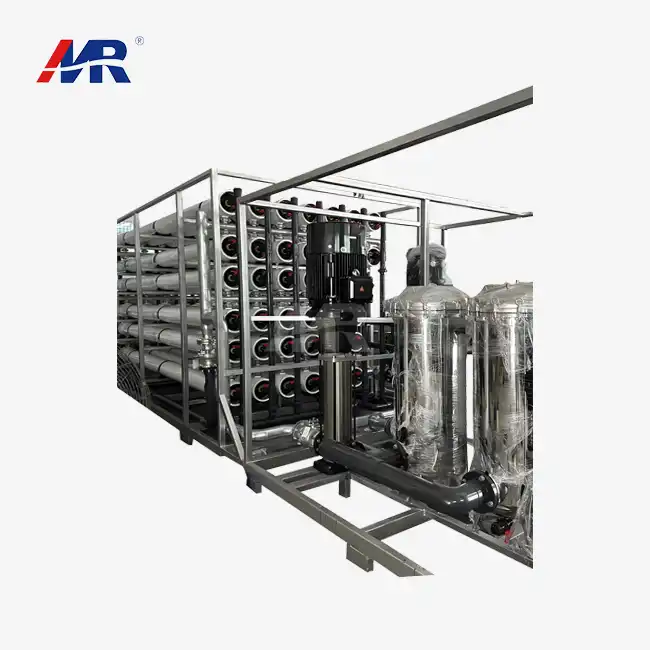 VIEW MORE150m3/hour reverse osmosis plant
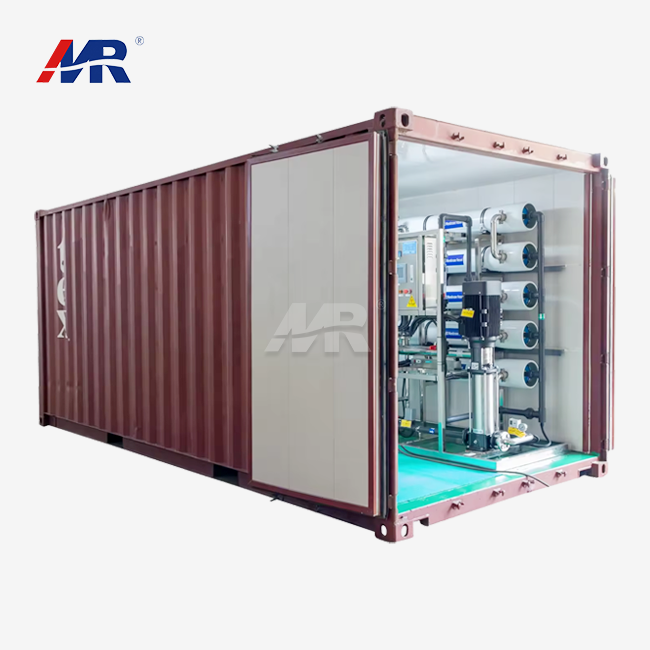 VIEW MOREmobile container reverse osmosis equipment
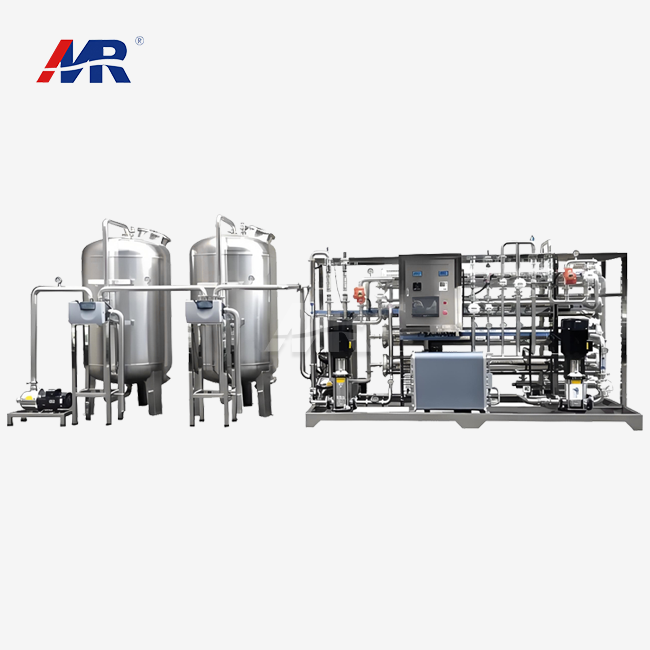 VIEW MORE2000LPH EDI system
 VIEW MORE200m3/hour ultrafiltration equipment
 VIEW MORE12m3/hour reverse osmosis BWRO system
 VIEW MORE25m3/hour seawater desalination plant
 VIEW MOREindustrial reverse osmosis membrane
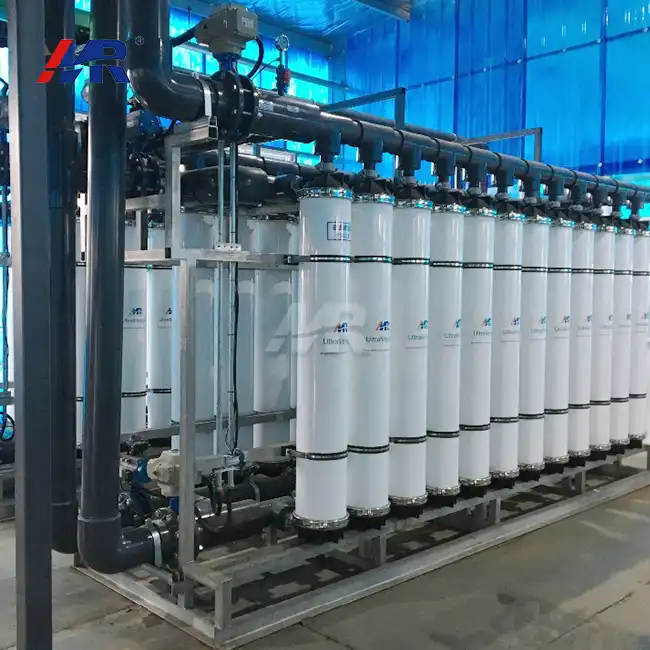 VIEW MORE50m3/hour ultrafiltration plant
