_1745823981883.webp)

Why Choose Reverse Osmosis Water Treatment Equipment for Factories?
Every day, factories are paying for scaling, downtime, and unpredictable process water. This is resolved by reverse osmosis water treatment equipment, which forces raw water through a semipermeable membrane, removing dissolved salts, heavy metals, and organic pollutants before they reach your manufacturing line. This handbook covers the issues procurement teams, plant engineers, and EPC contractors may have before purchasing a RO skid, from size and pricing to compliance and verifying suppliers. You’ll receive answers, not sales material, so you can evaluate choices and go ahead confidently.
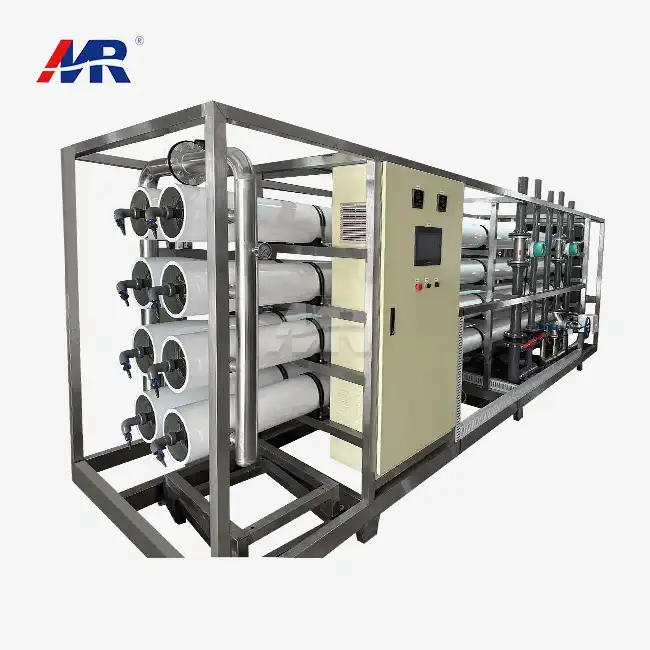
What Is Reverse Osmosis Water Treatment Equipment?
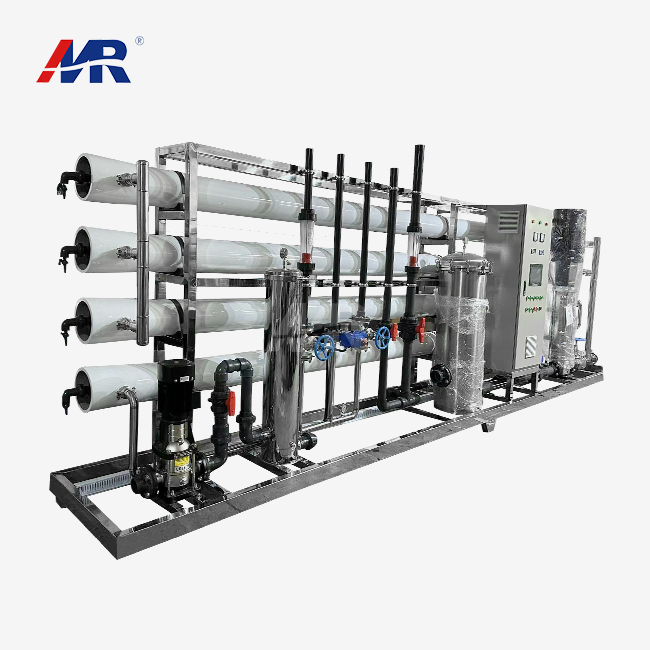
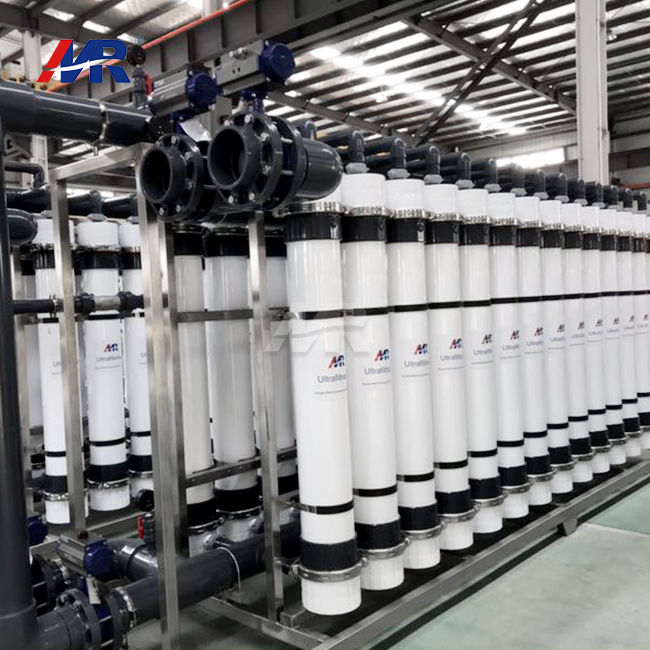
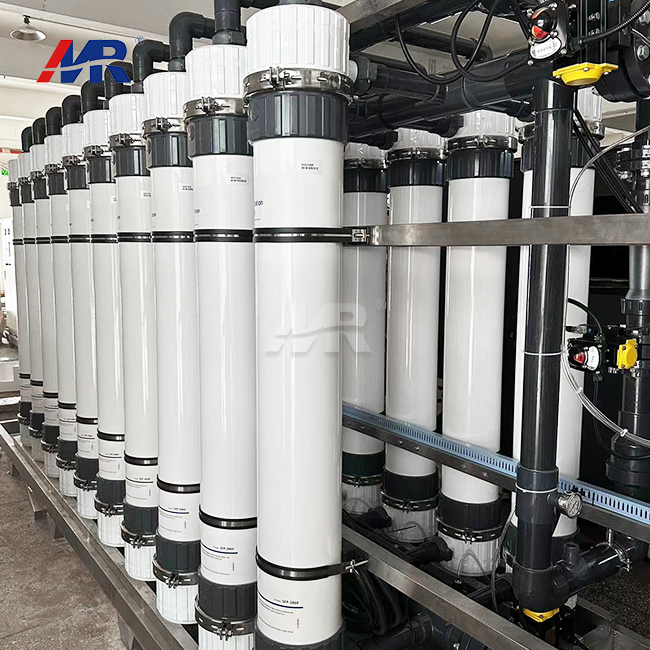
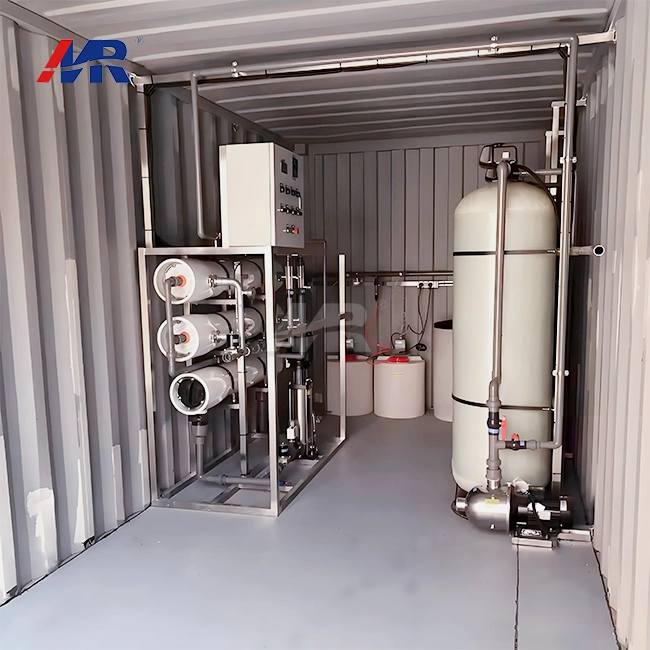
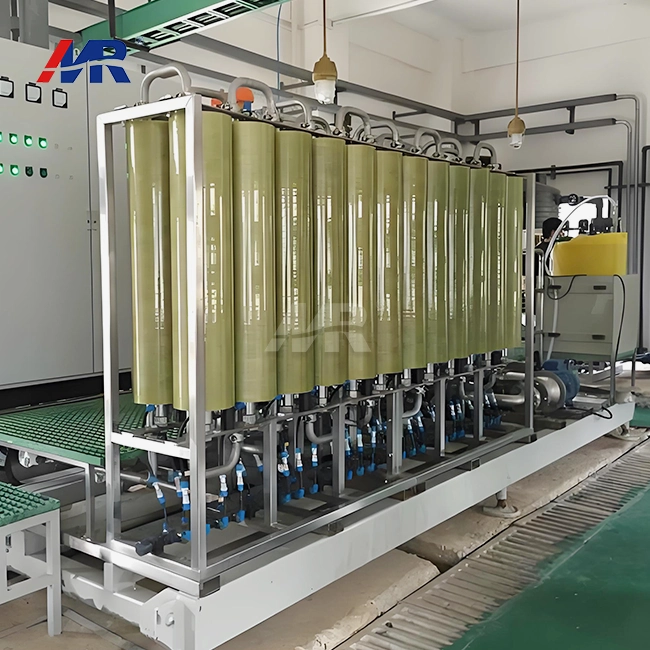
Reverse osmosis water treatment equipment is a filtering technology that uses pressure. It forces feedwater through a semipermeable membrane that allows only clean water through and excludes dissolved salts, germs, and most organic compounds. The clean result is termed “permeate.” Concentrate, or reject water, is the reject stream with concentrated salts and pollutants.
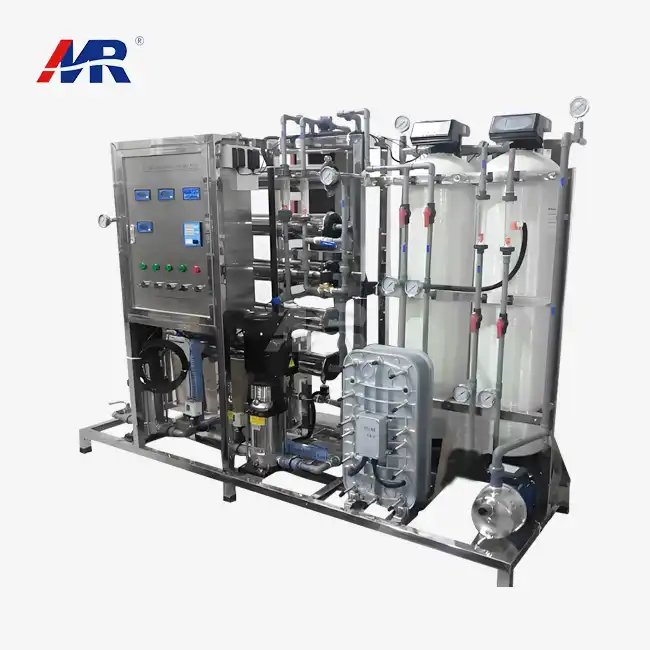
This is contrasted with a comprehensive water treatment facility that integrates the RO unit with pre-treatment, dosing systems, storage tanks, and post-treatment. One part of the bigger process chain is a standalone RO machine.
RO Equipment vs. Complete Water Treatment Plants
An RO unit alone cannot treat a raw water stream with silt, iron, or chlorine. Pretreatment such as multimedia filtration, carbon filtration, and softening protects the membrane against fouling. The final water after treatment, such as UV disinfection or remineralization, is conditioned for usage. Buyers frequently ask “what is reverse osmosis water treatment equipment” and mean the whole thing, not just the membrane housing.
ro membranes usually reject 95-99% of dissolved salts, depending on the kind of membrane, the chemistry of the feedwater, and the operating pressure (EPA, 2023). This information is part of the EPA’s water treatment technology fact sheets.
How Does Reverse Osmosis Water Treatment Equipment Work?
How does reverse osmosis water treatment equipment work? This understanding enables purchasers to assess bids accurately. The procedure occurs in a set order:
- Raw water flows into a storage tank.
- Multimedia filtration gets rid of sand, silt, and large particles.
- Activated carbon or chemical dosing removes chlorine and organics.
- A softener or antiscalant dosage pump guards against hardness scaling.
- Cartridge filters capture particles larger than 5 microns.
- A high-pressure pump elevates the pressure of the brackish water up to 10–16 bar.
- Membrane vessels are used to permeate and concentrate.
- Product water is optionally polished by UV, EDI, or remineralization.
Reverse Osmosis Water Treatment Equipment Flow Diagram
 Raw Water Tank
 ↓
 Multimedia Filter
 ↓
 Carbon / Chemical Pretreatment
 ↓
 Softener or Antiscalant Dosing
 ↓
 Cartridge Filter
 ↓
 High-Pressure Pump
 ↓
 RO Membrane Vessels
 ↙ ↘
 Permeate Tank Concentrate Outlet
 ↓
 UV / EDI / Polishing
 ↓
 Factory Process Water
The final configuration depends on lab-tested feedwater analysis, target permeate quality, and the recovery rate your operation needs.
Why Do Factories Need Reverse Osmosis Water Treatment Equipment?
Factories generally require reverse osmosis water treatment equipment because the amount of untreated water lost can be quantified. High total dissolved solids (TDS) causes boiler fouling. Hardness induces scaling in heat exchangers. Batch-to-batch product fluctuation due to inconsistency of municipal supplies. RO provides a regulated and predictable water supply to plants that are no longer reliant on unexpected inputs.
Operational Benefits Buyers Can Measure
Plants usually report suitably sized RO systems installed by:
- Reduced mineral loading of boiler feedwater resulting in lower blowdown frequency and fuel utilization due to scale.
- Fewer unscheduled shutdowns due to heat exchanger fouling.
- Stricter conductivity control for rinse and wash steps in electronics or PCB fabrication.
- Less dependency on trucked-in pure water for beverage or pharma manufacturing.
Results depend on feedwater quality, recovery rate, and operator compliance with cleaning techniques. No provider should be able to guarantee you universal savings without first looking at your water report.
Risks of Poorly Designed RO Systems
| Risk | Likely Cause | Mitigation |
|---|---|---|
| Membrane fouling | Suspended solids, biofouling | Correct pretreatment sizing and monitoring |
| Scaling | Excess hardness or silica | Softening, antiscalant dosing, pH control |
| Low permeate flow | Fouling, low pressure, temperature drop | Pressure and flow diagnostics |
| High operating cost | Oversized pumps, poor recovery rate | Hydraulic review and energy audit |
| Contaminated product water | Poor sanitation, storage issues | Hygienic tanks and disinfection routine |
| Frequent membrane swaps | Wrong cleaning chemicals, feedwater shifts | Cleaning log and trend analysis |
Which Factory Applications Benefit Most From RO Water?
Industries using reverse osmosis water treatment equipment include electronics, textile dyeing, food and beverage, medicine, and power generation. Each industry has distinct applications for RO permeate, but the fundamental need – steady, low-conductivity water – is common.
Three B2B Use-Case Scenarios
Contract Manufacturer or OEM: These customers want consistent water quality across many manufacturing lines. Often they ask for a bespoke skid, PLC connectivity, and private-label documentation. The key questions are footprint, interface compatibility, and validation records.
Systems integrator or distributor. Such purchasers need standard models, spare parts supplies, export packing, and comprehensible technical documentation. Questions include minimum order quantity, lead time, and how warranty is covered across countries.
End-user industrial facility. These purchasers want everyday dependability, easy maintenance, and local service response. The inquiries are on source-water quality, peak demand, operator training, and routes of wastewater disposal.
When RO Alone Isn't Enough
RO membranes do not remove dissolved gases, certain volatile organics, or all trace ions. For ultra-low conductivity applications such as pharma-grade water or semiconductor rinse water, facilities often add ion exchange, EDI, or a second run through RO after the first stage.
How Does RO Compare With Other Water Treatment Methods?
Instead of over-engineering the system, customers may compare reverse osmosis water treatment equipment with ultrafiltration, distillation, and traditional filtration to choose the correct technological stack.
Treatment Method Comparison
| Method | Main Removal Target | Strength | Limitation | Typical Factory Role |
|---|---|---|---|---|
| Multimedia filtration | Suspended solids | Protects downstream units | No dissolved-salt removal | Pretreatment |
| Activated carbon | Chlorine, organics | Membrane protection | Needs regular replacement | Pretreatment |
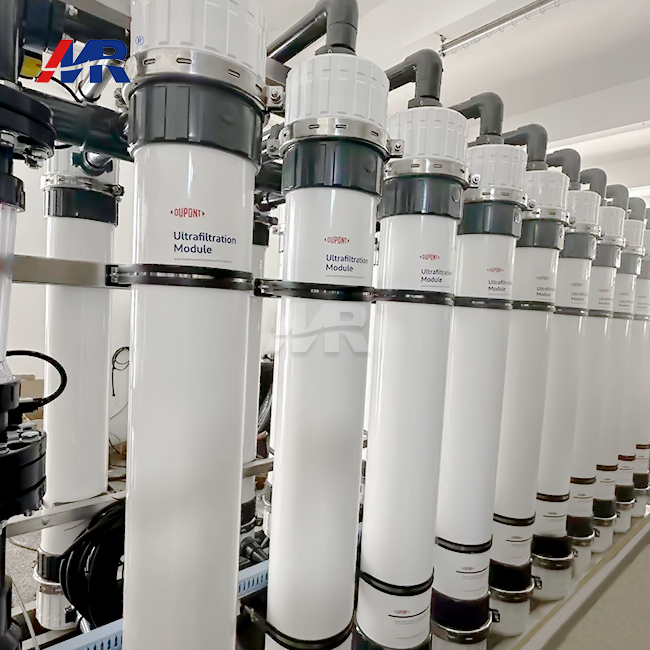
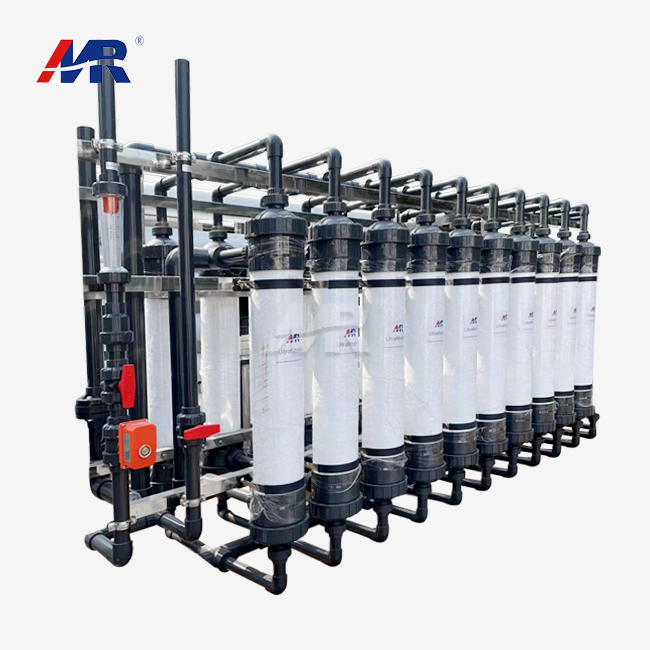
| Ultrafiltration | Colloids, bacteria | Strong microbiological barrier | Limited salt removal | Pretreatment or separation |
| Reverse osmosis | Dissolved salts | High desalination performance | Produces concentrate stream | Process and boiler water |
| Ion exchange | Selected ions | Low-conductivity polishing | Needs chemical regeneration | Demineralization |
| Distillation | Broad contaminants | High-purity output | High energy demand | Specialized purity needs |
According to the World Health Organization (WHO, 2022), membrane-based treatment schemes such as RO have become common practice for the production of clean drinking water from brackish and groundwater sources in water-stressed countries.
Single-Pass vs. Double-Pass RO
| Factor | Single-Pass RO | Double-Pass RO |
|---|---|---|
| Configuration | One membrane stage | Permeate re-treated in a second stage |
| Conductivity | Moderate, feedwater-dependent | Lower, tighter control |
| Energy use | Lower | Higher |
| Complexity | Simpler controls | More monitoring points |
| Typical use | General process water, washing, boilers | High-purity feed, pharma polishing |
Single-pass RO covers most industrial process-water needs. Double-pass makes sense when your specification calls for conductivity under 10 µS/cm.
What RO Capacity Does a Factory Actually Need?
Size mistakes cost more than any one equipment quote. Small reverse osmosis water treatment equipment needs more pumping and less membrane life. Oversizing a system is a waste of cash and increases the risk of fouling owing to the idle time.
Capacity Calculation Method
 Required RO permeate capacity =
 Peak hourly water demand ÷ operating hours per day
Example:
 Daily demand: 120 m³/day
 Operating time: 20 hours/day
 Required average production: 6 m³/hour
 With 20% design margin: approximately 7.2 m³/hour
Adjust this baseline for recovery rate, cleaning downtime, seasonal peaks, and planned expansion.
Data Required Before Sizing
- Lab report: Feedwater TDS, conductivity, hardness, silica, iron, and turbidity measurements.
- Needed permeate flow and target conductivity or TDS.
- Daily operating hours and times of most demand.
- Electrical supply, ambient temperature, and drainage path for the concentrate are available.
- Skid delivery footprint, access route, and any lifting limits.
Morui’s technical team will examine this checklist against project drawings prior to quoting membrane count, pump size, or vessel layout. This procedure avoids expensive rework after delivery.
How Much Does RO Equipment Cost to Operate?
When buyers are comparing reverse osmosis water treatment equipment pricing quotations, they need to go beyond the sticker number. Total cost of ownership comprises Energy, Chemicals, membrane replacement, labor, and concentrate disposal.
Operating Cost Framework
 Cost per m³ of permeate =
 Energy cost + chemicals + consumables
 + membrane replacement allowance + labor
 + maintenance + wastewater/concentrate cost
| Cost Driver | Data to Request From Supplier |
|---|---|
| Energy | Pump power, specific energy consumption (kWh/m³) |
| Recovery | Feed flow, permeate flow, concentrate flow |
| Membranes | Expected service life, replacement price |
| Chemicals | Dosing rate, chemical type, monthly consumption |
| Maintenance | Scheduled tasks, service frequency |
| Wastewater | Concentrate volume, disposal method and cost |
Our basic skid systems have power consumption of 1.5-2.5 kWh/m3 and recoveries up to 75% with rejection rates of around 99.5% for input water up to 10,000 mg/L TDS. With any promise of efficiency, always ask for test conditions.
Price vs. Total Cost of Ownership
The cheapest quotation generally does not include installation, commissioning, spare-parts supply, or local service coverage. Before you sign, compare shipping conditions, warranty limitations, and membrane life expectancy. A low-end skid with limited membrane life and no local Technical support will normally cost more in three years than a mid-range system with stated performance guarantees.
How Do You Choose the Right RO Equipment Supplier?
Selecting reverse osmosis water treatment equipment manufacturer partners means checking engineering depth, not just price sheets. Look for a supplier who reviews your raw-water report before recommending pretreatment and membrane staging.
Supplier Evaluation Checklist
- Relevant industry references for your application - electroplating, PCB, F&B, or municipal.
- Engineering capabilities (e.g., documented water analysis procedure prior to design).
- Brand of membranes. Material of pumps. Components of control system. Translucency.
- Written guarantees on flow, rejection, and recovery performance.
- Traceability documentation and factory acceptance testing.
- Compliance paperwork for your intended market.
- Capability for installation, commissioning, and operator training.
- Spare parts availability and declared replacement lead times.
Why Morui Fits OEM and Custom RO Projects
Guangdong Morui Environmental Technology has its own membrane manufacturing facility and equipment processing facilities. 25 years of group history, 500 people including 20 engineers, and 14 branch firms. Our industrial wastewater reuse, saltwater desalination, drinking water production, and process-water projects are in Asia, South America, and Africa.
To begin our comprehensive line of OEM/ODM services, we review your raw-water quality analysis and offer pretreatment options, membrane staging and recovery to meet your discharge or process needs. Pumps, instrumentation, pipe materials, and remote-monitoring PLC systems may be added or deleted to suit your budget and site circumstances. We are also agents for Shimge water pumps, Runxin valves, and Createc instruments, offering consumers options on component brands without loss of warranty coverage.
This is especially important for EPC contractors and system integrators who are purchasing skids for multi-country projects where pilot testing, NDA protection and localized compliance documentation dictate the choice of vendor, not just pricing.
Conclusion
Factory RO technology pays for itself when your company requires consistent low-TDS water, reduced scaling, and predictable process-water quality. For most commercial applications, single-pass RO should be used. If you want a conductivity below 10 µS/cm, add double-pass or polishing. Add just the softening, activated carbon, UV, or EDI treatment required to meet your water-quality objective. Ask for performance statistics from each provider under specified test settings before deciding. Don't only look at the up-front price of the reverse osmosis water treatment equipment, but the overall cost of ownership.
FAQ
1. What is reverse osmosis water treatment equipment?
Reverse osmosis water treatment equipment uses pressure to push feedwater through a semipermeable membrane. The process removes most dissolved salts and contaminants, producing clean permeate and a concentrated reject stream.
2. How does reverse osmosis water treatment equipment work?
Feedwater passes through pretreatment, a high-pressure pump, and membrane vessels. Water crossing the membrane becomes permeate. Rejected salts and contaminants exit as concentrate.
3. What is the best industrial reverse osmosis water treatment equipment?
The right system depends on feedwater chemistry, required capacity, target permeate quality, recovery rate, and compliance needs. A water study should be done by the seller before they suggest a configuration.
4. How much does industrial reverse osmosis water treatment equipment cost?
Cost varies with capacity, pretreatment complexity, membrane staging, automation level, and installation scope. Compare total cost of ownership, including energy, chemicals, membranes, and concentrate disposal, not just the upfront price.
5. What is the difference between single-pass and double-pass RO?
Single-pass RO treats water through one membrane stage and suits most process-water needs. Double-pass RO re-treats permeate for lower conductivity but adds capital and energy costs.
6. Can RO water be used for boiler feedwater?
RO water commonly serves as boiler feedwater pretreatment, but the exact requirement depends on boiler pressure. It may still need to be softened, deaerated, or given chemicals.
7. What paperwork should I ask an RO supplier?
Request technical drawings, water-quality guarantees, factory and site acceptance test procedures, material certificates, calibration records, manuals, and a spare-parts list with warranty terms.
Ready to Specify Your Factory's RO System?
Send your raw-water report to Morui, and our engineers will review feedwater chemistry, target permeate quality, and site constraints before quoting. As a direct reverse osmosis water treatment equipment manufacturer with our own membrane plant, we support OEM skids, containerized units, and standard series machines for buyers across Asia, Africa, and South America. Email your project brief to benson@guangdongmorui.com, and we'll respond with a technical proposal, not a generic quote.
References
1. U.S. Environmental Protection Agency. “Overview of Drinking Water Treatment Technologies — Reverse Osmosis/Nanofiltration.”
https://www.epa.gov/sdwa/overview-drinking-water-treatment-technologies US EPA
2. World Health Organization. “Guidelines for Drinking-water Quality: Fourth Edition Incorporating the First and Second Addenda,” 2022.
https://www.who.int/publications/b/62989
3. NSF International. “NSF/ANSI 58: Reverse Osmosis Drinking Water Treatment Systems.”
https://www.nsf.org/knowledge-library/nsf-ansi-58-reverse-osmosis-drinking-water-treatment-systems
4. ASTM International. “Water Testing Standards.”
Products-services/standards-and-publications/standards/water-testing-standards.html?utm_source=chatgpt.com">https://store.astm.org/products-services/standards-and-publications/standards/water-testing-standards.html ASTM Store
5. International Organization for Standardization. “ISO 9001: Quality Management Systems — Requirements.”
https://www.iso.org/standard/9001
About the author: Shihai Su is Senior Overseas Water Treatment Technical Manager at Guangdong Morui Environmental Technology Co., Ltd. He has worked directly with EPC contractors, municipal utilities, and industrial plants across Asia, Africa, and South America on RO system design, feedwater analysis, and skid commissioning, drawing on Morui's in-house membrane production and 25 years of group manufacturing experience.