

_1745823981883.webp)

What Is an Advanced Wastewater Treatment System?
An advanced wastewater treatment system is a high-level purification process intended to eliminate impurities that survive traditional primary and secondary treatments. It combines technologies like membrane Bioreactors (MBR), Advanced Oxidation Processes (AOP), Reverse Osmosis (RO), and Electro-deionization (EDI) to remove refractory organics, micro-pollutants like PFAS and pharmaceuticals, nitrogen, phosphorus, and excessive salinity. For today’s industrial and municipal operators, implementation of an advanced wastewater treatment system is the first step to attaining Zero Liquid Discharge (ZLD) and satisfying strict EPA discharge permits or international environmental criteria on a continuous basis.

Understanding Advanced Wastewater Treatment Systems
What Separates Advanced Treatment from Conventional Methods?
The treatment of wastewater for removal of suspended particulates and biodegradable organic matter is usually achieved by simple physical settling and rudimentary biological digestion. Deeper is the most sophisticated wastewater treatment system. It targets chemicals that living things can’t break down, heavy metals, new pollutants, residual nutrients, and dissolved salts. Secondary treatment may remove about 85-90% of the BOD, while current tertiary systems may remove more than 99 % of the toxins, making the water acceptable to be released into the environment or suitable for reuse in industry.
The biological and chemical mechanisms responsible for these effects were nitrification and denitrification by bacteria for nitrogen management, membrane separation for removal of pathogens and TSS, and hydroxyl radical oxidation in AOP units to finally eliminate organic matter. These are not minor changes, but a whole way of thinking about engineering that considers wastewater as a resource that may be reused rather than a problem that has to be disposed of.
How Advanced Wastewater Treatment Systems Work: Process Steps and Technologies
What Are the Core Treatment Stages?
An advanced wastewater treatment system is a well-designed process that pushes wastewater through a succession of stages, each of which does a particular job. The methods help the procurement engineers to ascertain whether the system fits their operational demands.
The standard process flow for residential or small industrial usage is an AAO (Anaerobic-Anoxic-Oxic) biological stage and mbr membrane filtration. This is the same configuration as Morui’s MR-MBR-6TH unit. So every step counts:
- Pre-treatment (Screening & Equalization): The raw influent is passed through mechanical filters and an equalization tank. This phase eliminates large particles and smooths out flow rate variations to protect downstream membranes from wear and clogging. The membrane lasts much longer if the entry conditions are the same.
- Anaerobic Zone (AAO Stage 1) – Wastewater is fed into an oxygen-free zone, where anaerobic bacteria digest complex organics and release phosphorus from microbial cells. This enables biological elimination of phosphorus at a later stage. This phase reduces the total organic load before the commencement of operations that demand oxygen.
- Anoxic Zone (AAO Stage 2): Bacteria break down nitrates that come back from the oxic zone into nitrogen gas. The gas is subsequently securely vented into the air. Biological denitrification requires less energy and produces less sludge than chemical nitrogen removal.
- Oxic Zone (AAO Stage 3): Aeration results in nitrification, which converts ammonia to nitrates, and heterotrophic bacteria consume the remaining BOD. The mixed liquor suspended solids (MLSS) concentration in MBR systems is typically in the range of 8,000 to 12,000 mg/L, which is substantially higher than the concentration of activated sludge that is typically in the range of 2,000 to 4,000 mg/L.
- MBR Membrane Filtration: Bacteria, protozoa, viruses, and tiny floating particles are excluded by hollow-fiber or flat-sheet membranes with 0.1 to 0.4-micron holes. The effluent turbidity normally is less than 0.2 NTU. So there is no need for a second clarifier. This results in a system up to 50% smaller than conventional activated sludge plants.
- Disinfection (UV or Chlorination): The effluent is disinfected using UV light or chlorine to kill off the bacteria. It is then either released to the environment or reused.
All of these phases are a cohesive whole. Weaken one link in the system and the entire chain of effluent quality is at stake. That is why quality of parts, system design, and process control all matter in assessing suppliers.
Advantages and Applications of Advanced Wastewater Treatment Systems
Why Are Industries Shifting to Advanced Treatment?
Industries gravitate toward a sophisticated wastewater treatment system due to regulation and lack of resources. The Clean Water Act has led to more stringent EPA effluent standards. States such as California and Texas now impose nutrient restrictions that secondary treatment cannot always fulfill. Meanwhile, the re-use of water has gone from being beneficial for the world to being critical in countries where water resources are scarce.
Modern treatment procedures are the best option in all areas for the following primary reasons:
- High-quality effluent: MBR systems produce an effluent that is Class A recovered water that may be utilized for agricultural irrigation, process water in companies, or groundwater replenishment.
- Small footprint: Integrating biological treatment with membrane separation in a single tank significantly reduces the land area required, which is critical for installations in urban areas or for upgrading existing facilities.
- Less sludge produced: Increased plant ratios mean sludge is held in place longer; therefore, there is less sludge that has to be disposed of.
- Scalable modular design: The MR-MBR-6TH (capacity 120 m³/day, 8 x 2 x 2.4 m) may be installed as stand-alone units or expanded by adding additional units in parallel without redoing the entire procedure.
- These advantages translate into decreased lifetime costs and measurable safety margins. The city of Los Angeles adopted MBR technology in its municipal plants in the US, demonstrating the effectiveness of this technology for small community plants of 500 m3/day to large metropolitan facilities that treat millions of gallons of wastewater a day (Veolia and SUEZ).
Advanced effluent treatment is used by large-scale companies such as food and beverage processing, pharmaceutical manufacturing, electronics fabrication, municipal wastewater utilities, and aquaculture operations. This is because the quality of effluent has a direct bearing on the integrity of production or the status of the firm with the authorities.
How to Choose the Right Advanced Wastewater Treatment System
What Criteria Should Drive Your Procurement Decision?
To choose the right advanced wastewater treatment system, you need to fit the technology to the type of wastewater you have, your discharge goals, the room you have available, and your budget. The table below shows the most important factors to consider when making a choice across common system configurations:
| Criteria | Conventional AS | MBR System | RO + EDI System |
|---|---|---|---|
| Effluent Turbidity | 5–10 NTU | <0.2 NTU | <0.1 NTU |
| Footprint | Large | Compact | Moderate |
| Sludge Output | High | Low | Very Low |
| Capital Cost | Low | Moderate | High |
| Best Application | Municipal primary | Reusing in homes and businesses | Ultrapure water production |
Customization depth is more important than the numbers. When used on site-specific wastewater, a system that was made for general factors often doesn't work as well as it should. Before suggesting a configuration, Morui engineers look at the characteristics of the influent, such as COD, BOD, TSS, TN, and TP.
Support after the sale is also not changeable. Chemical cleaning plans, membrane replacement cycles, and PLC control tuning all need technical expertise that is available on call. Before signing contracts, procurement teams should look at the service infrastructure of suppliers, not after the systems have been put into use.
Conclusion
Industries that want to operate within the environmental standards of present times must use a sophisticated advanced wastewater treatment system. Whether you are responsible for a residential wastewater stream, a food processing factory, or a pharmaceutical company, the discrepancy between the quality of the secondary effluent and the present discharge criteria has to be addressed at the tertiary level. MBR-based systems provide a proven, compact, and extensible approach to fill that gap. Morui’s MR-MBR-6TH, with the AAO+MBR process flow and 120 m³/day capacity, is a great example of what purpose-built advanced treatment equipment truly looks like in real life. The appropriate way will save your company's license and make rubbish reusable.
FAQ
1. Which industries benefit most from advanced wastewater treatment?
Manufacturing, food and beverage, pharmaceuticals, electronics, municipal utilities, and aquaculture all rely on an advanced wastewater treatment system to meet discharge permits or make process water that can be used again. Tertiary treatment is helpful for any process that creates wastewater with a lot of nutrients, organic matter that doesn't break down easily, or a high TSS.
2. What does an MBR system cost to install?
The cost of installation depends on the size and state of the ssite Small packed systems like the MR-MBR-6TH make it possible for amounts of up to 120 m³/day to be introduced at a low cost. Contact Morui to get a quote that is tailored to your site.
3. How often do MBR membranes require replacement?
MBR membranes usually last between five and ten years if they are used properly. Service intervals are greatly increased by regularly cleaning with chemicals (CIP cycles) and keeping the MLSS within its design parameters.
4. Can advanced treatment systems handle fluctuating flow rates?
Yes, there are equalization tanks at the intake that reduce changes in hydraulics. Because they have a lot of MLSS, MBR systems can handle changes in the organic load better than regular activated sludge. This is because MLSS acts as a biological buffer.
5. Is the MR-MBR-6TH suitable for remote or decentralized applications?
Its small size (8x2x2.4 m) and modular design make it perfect for resorts, rural towns, building camps, and other decentralized places where it's not possible to connect to a central sewer.
Ready to Upgrade Your Wastewater Treatment? Talk to Morui
Morui has over 500 employees, 20 specialized engineers, and its own facilities for making membranes. It has a track record of providing an advanced wastewater treatment system. Our MR-MBR-6TH has a small, field-ready design and works reliably with AAO+MBR at 120 m³/day. We make buying easier, from specification to startup, with 14 branches across the area and installation and commissioning services that can be done in one place. To get a consultation or system plan, email benson@guangdongmorui.com and ask for our technology team.
References
1. Metcalf & Eddy / AECOM. Wastewater Engineering: Treatment and Resource Recovery. McGraw-Hill Education, 2014.
2. Water Environment Federation. Membrane Bioreactor Technology for Wastewater Treatment. WEF Press, 2012.
3. U.S. Environmental Protection Agency. Wastewater Technology Fact Sheet: Membrane Bioreactors. EPA 832-F-07-012, 2007.
4. Judd, S. The MBR Book: Principles and Applications of Membrane Bioreactors for Water and Wastewater Treatment. Elsevier, 2011.
5. Crittenden, J. C., et al. MWH's Water Treatment: Principles and Design. John Wiley & Sons, 2012.
6. National Water Research Institute. Water Reuse: Potential for Expanding the Nation's Water Supply Through Reuse of Municipal Wastewater. NWRI, 2012.
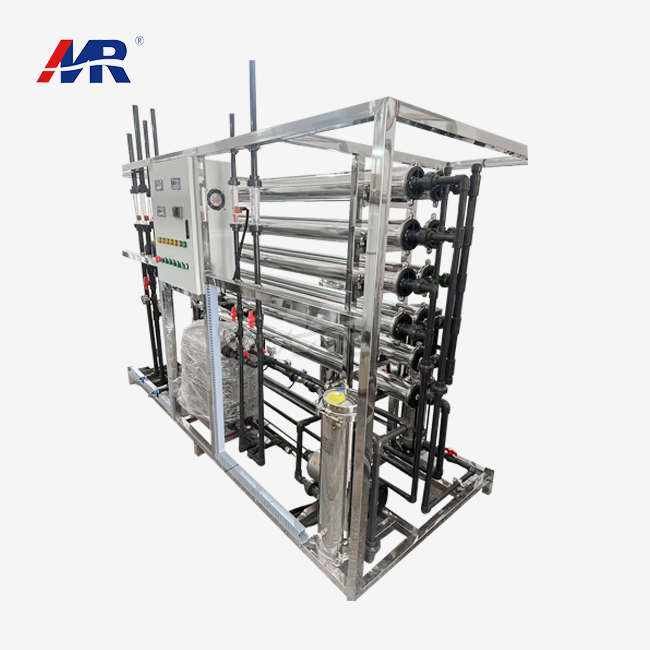 VIEW MOREedi system in water treatment
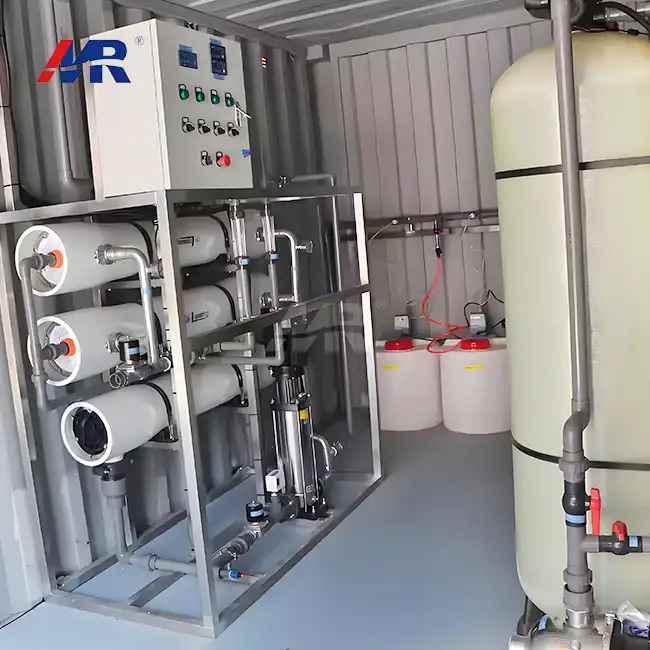 VIEW MOREcontainer 3m3/hour RO equipment
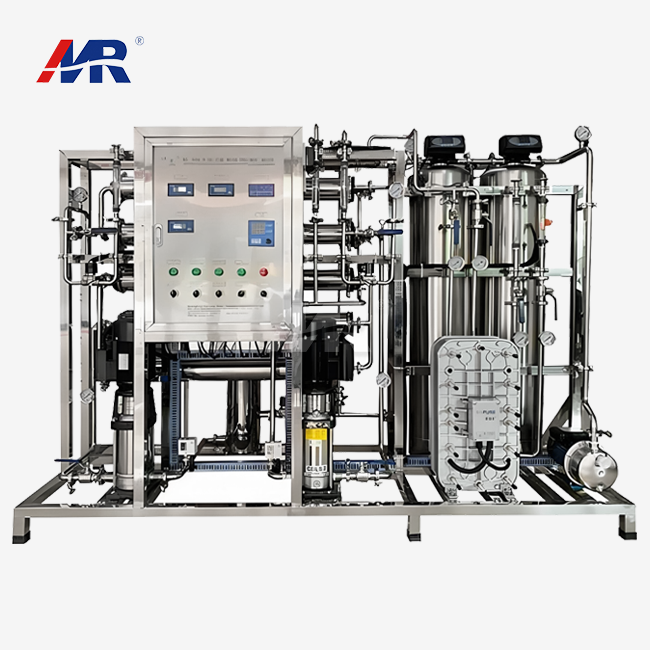 VIEW MOREElectrodeionization system
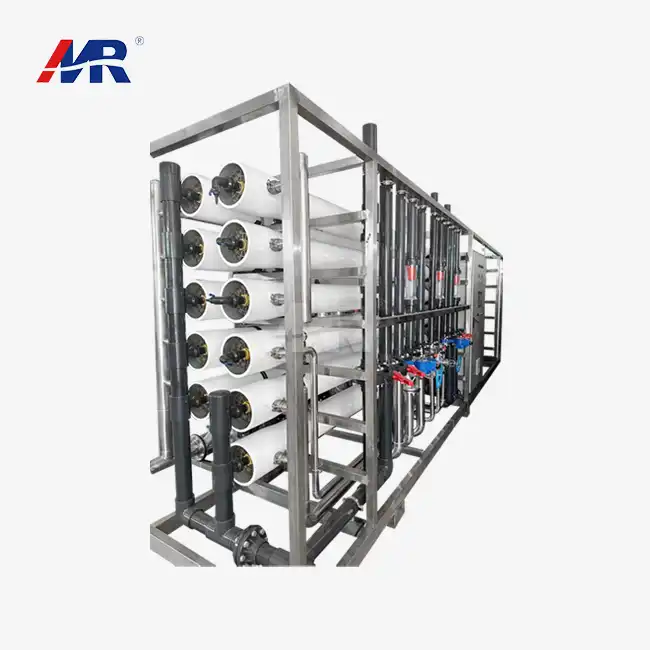 VIEW MORE60m3/hour reverse osmosis plant
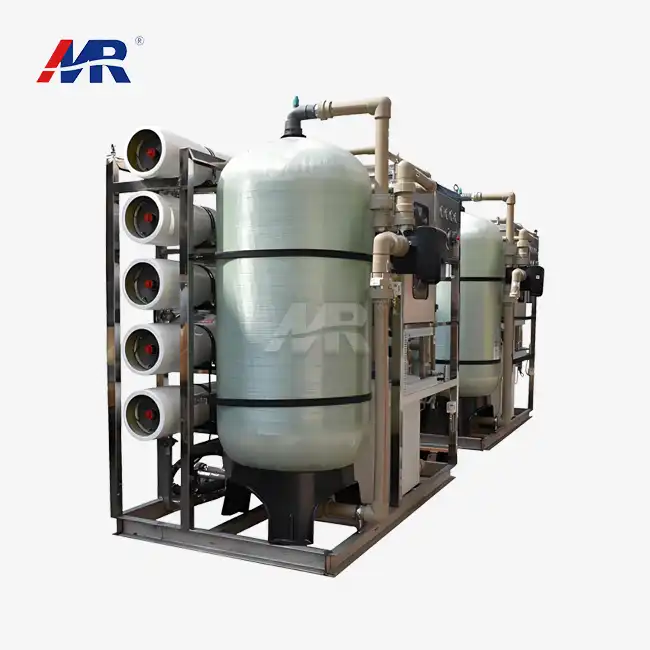 VIEW MORE8m3/hour seawater desalination equipment
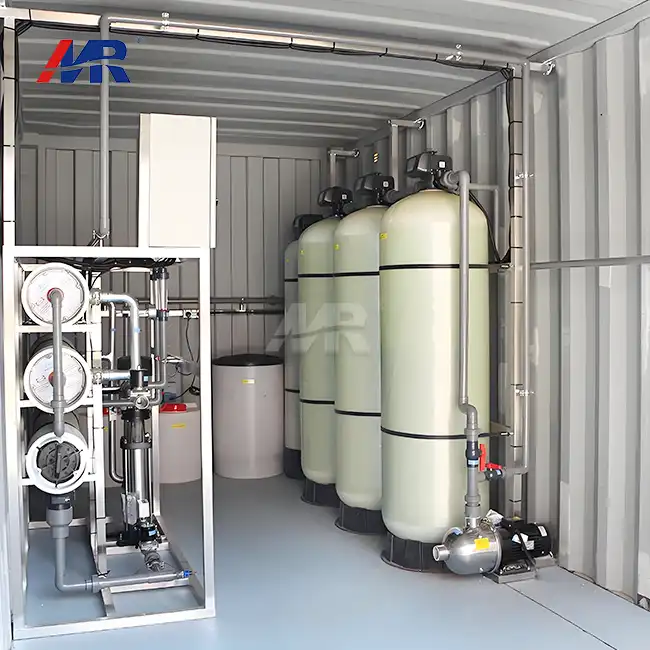 VIEW MOREcontainer ro equipment
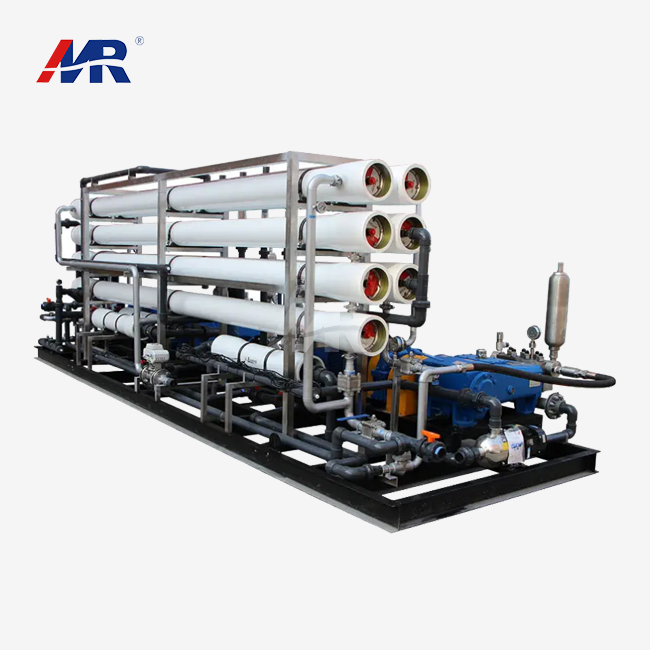 VIEW MOREseawater desalination machine
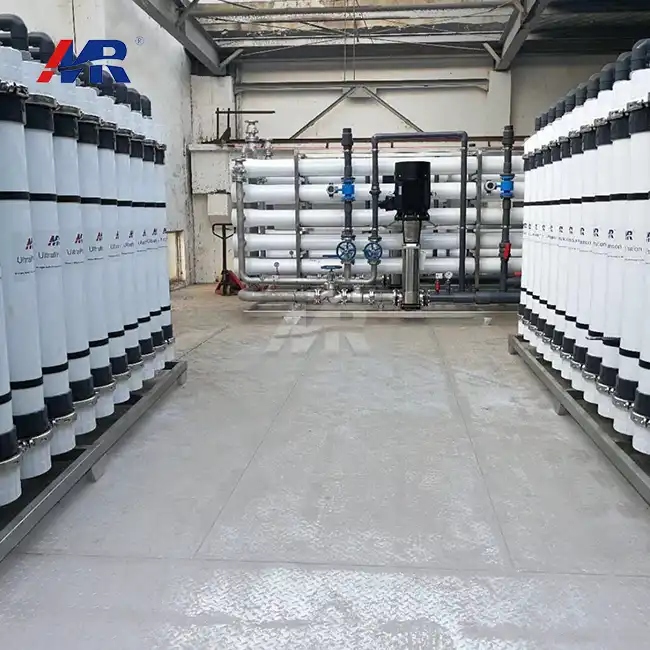 VIEW MORE2000m3/day ultrafiltration equipment
