_1745823981883.webp)

RO EDI Water System for Laboratories and Industrial Use
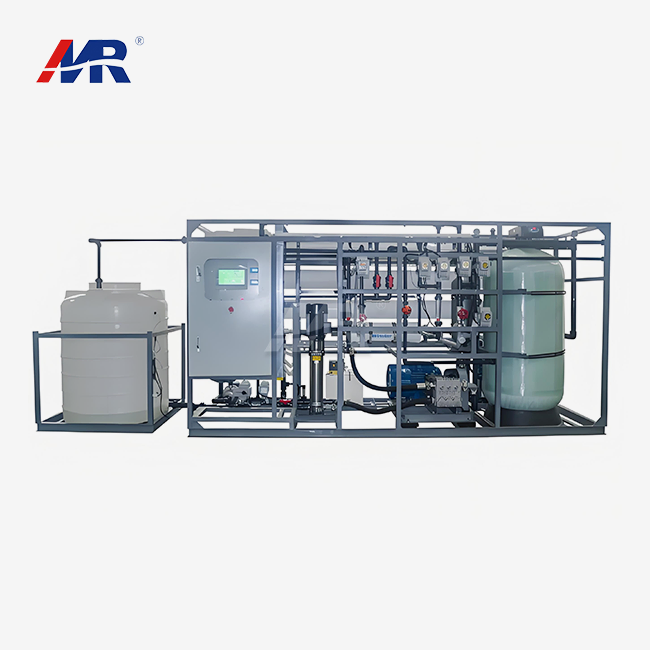
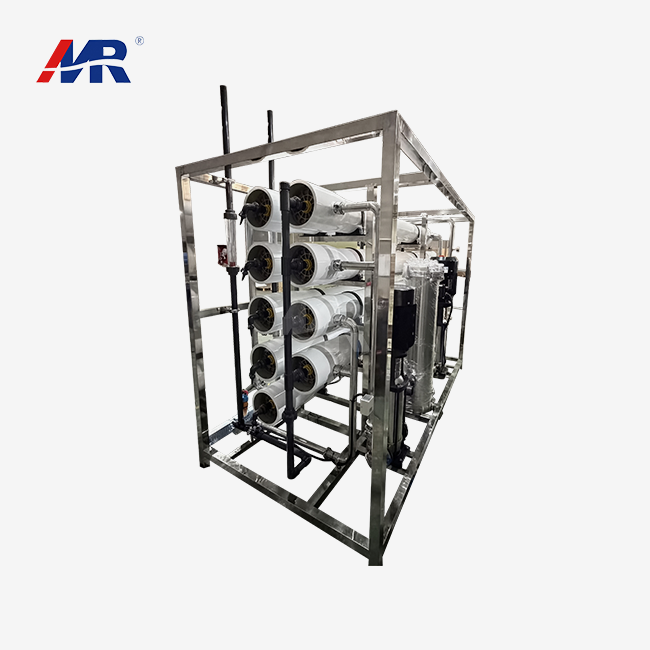
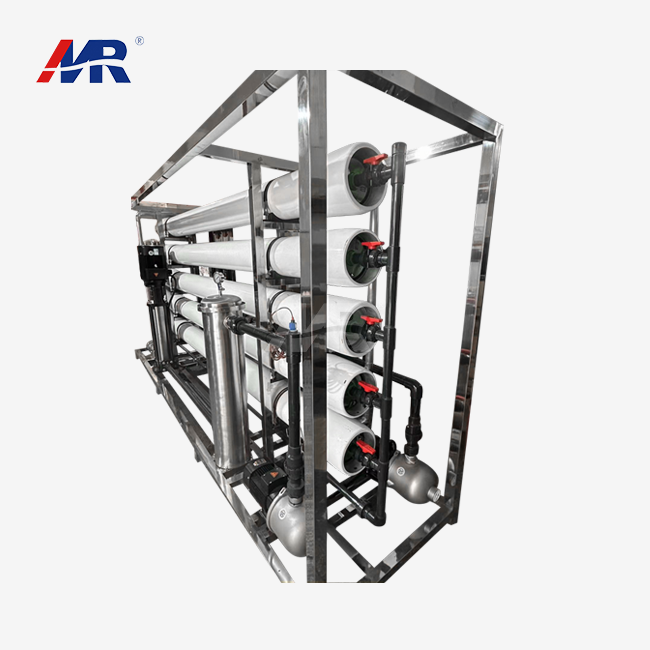
A RO EDI water system is a dual-stage water purification technology that integrates Reverse Osmosis (RO) with Electrodeionization (EDI) to produce ultrapure water continuously and reliably. The RO stage removes up to 99% of dissolved solids, organics, and particulates, while the EDI stage uses ion-exchange membranes and resin energized by a low-voltage electric field to strip remaining trace ions—without any chemical regenerants. This combination delivers consistent resistivity levels above 15 MΩ·cm, meeting the strict water quality demands of laboratories, pharmaceutical plants, semiconductor fabs, and power generation facilities across the United States.

Understanding RO EDI Water Systems: How They Work and Why They Matter
What Happens Inside a Two-Stage Purification Train?
When raw feed water is pushed through the RO filters, 99.99% of the bulk toxins, such as hardness ions, bacteria, organics, and suspended solids, are thrown out. After the permeate is cleaned, it goes into the EDI module. There, a constant DC electric current pushes any leftover ions through selected filters and into a concentrate stream. The ion-exchange resin inside the module can renew itself electrochemically, so it doesn't need the acid and caustic chemical processes that are needed for normal deionization. As a result, there is a steady flow of ultrapure water around the clock.
Three problems that procurement teams keep bringing up are directly fixed by this architecture. Traditional ion exchange exposes workers to dangerous regenerant chemicals, changes the quality of the water from batch cycle to batch cycle, and leaves behind a large chemical footprint in the wastewater. All three problems can be avoided with a single small train that has an integrated RO-EDI water system.
Comparing RO EDI Systems with Other Purification Technologies
Which Technology Delivers the Highest Purity at the Lowest Total Cost?
When picking a purification technology, it's not just about how much it costs to buy; you also have to think about the purity ceiling, chemical overhead, footprint, and regulatory risk. This comparison is set up in the table below for B2B decision-makers who are looking at their choices.
| Criterion | RO-EDI | Ion Exchange (Batch) | Distillation | UV Sterilization |
|---|---|---|---|---|
| Achievable resistivity | ≥15 MΩ·cm | 10–18 MΩ·cm | 1–10 MΩ·cm | N/A (disinfection only) |
| Chemical regenerants | None | Acid + caustic | None | None |
| Output consistency | Continuous | Batch (variable) | Batch | Continuous |
| Energy demand | Moderate | Low | Very high | Very low |
| Regulatory risk | Low | High (chemical handling) | Low | Very low |
| Suitable for ultrapure water | Yes | Partially | No | No |
UV sterilization can kill a lot of microbes, but it can't get rid of ionic contamination. Distillation can get some purity, but it's very expensive and takes a long time. Batch ion exchange can get very pure, but the quality of the water changes between regeneration rounds, which is a big problem for making semiconductors or medicines. When you have to have ultrapure water above 10 MΩ·cm all the time, an RO EDI water system setup is still the most practical choice.
How to Choose the Best RO EDI Water System for Your Application
What Specifications Should Drive Your Purchasing Decision?
Every talk about buying something should start with water quality goals. Companies that make medicines have to follow the USP guidelines for Purified Water and Water for Injection. ASTM D5127 is used by semiconductor factories to find ultrapure water grades. Power plants follow boiler feedwater rules set by EPRI or ASME. Write down the resistivity, daily flow volume, feed water TDS, and any local release rules you need before you talk to a provider.
Your expert team should look at these main factors when choosing a system before agreeing to one:
- Feed water conductivity: The EDI module can take feed water with a conductivity of less than 40 µS/cm. If the water from your municipal supply or well goes over this limit, you need a double-pass RO configuration to bring the permeate back down to a safe level and keep the EDI module from breaking down too soon.
- Recovery rate and water efficiency: The MR-EDI-5TH model from Morui has a recovery rate of 55%, which means that more than half of the water you put in becomes product water. This number has a direct effect on your utility budget and sustainability reporting metrics in places that are short on water or have facilities that use a lot of it.
- Power consumption and operational overhead: The MR-EDI-5TH uses 16 kW of power every hour. Early on in the buying process, compare this to your building's electrical equipment and local tariff rates. This will help you avoid expensive changes that need to be made after installation.
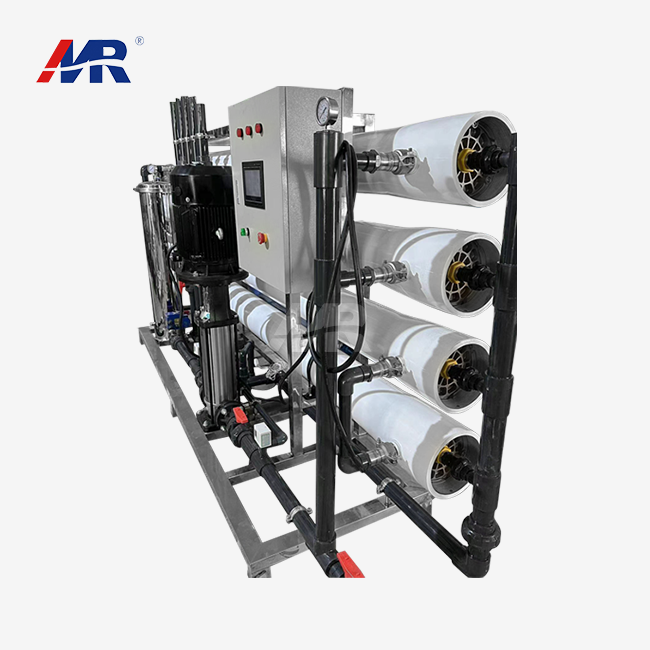
- Salt rejection rate: The MR-EDI-5TH shows that a 99.99% salt rejection rate is the standard for making ultrapure water. This picture shows that the stability of the membrane is good enough for use in electronics, pharmaceuticals, and laboratories.
- Certifications and proof of compliance: Ask any potential provider for CE, ISO 9001, and validation records that are relevant to your application. GMP-aligned system documentation speeds up the internal qualification processes for people who buy pharmaceuticals.
These factors have a direct effect on practical results. Ignoring any of them during the evaluation process can lead to expensive problems later on, such as failed quality audits or shutdowns that weren't planned. A robust RO-EDI water system addresses these requirements through high-rejection components.
Procurement and Maintenance Tips for RO EDI Water Systems
How Do You Protect Your Investment After the Purchase Order Is Signed?
Integration risk is cut down significantly with a structured buying method. Before you place an order, make sure you have a thorough engineering drawing, a bill of materials that lists the names of the membranes and where the EDI modules came from, and references from similar installations. The language of the contract should include dates for commissioning, criteria for accepting performance, and guarantees that spare parts will be available for your RO EDI water system.
Setting up the site is just as important as the tools themselves. Before any flow goes through the ro membranes, the feed water must first be treated with a softener or an antiscalant dosing system. Ions of hardness, like calcium, cause membrane surfaces to scale in a way that can't be undone. This limits the flow and shortens the life of the module. It is also a good idea to use a degasser of the right size before the EDI stage. This is because high CO₂ levels in the RO permeate lower the final resistivity by creating carbonic acid, which uses up EDI capacity without actually getting rid of any ions.
Regular maintenance keeps the system working as it should. If the right RO cleaning is done, the EDI module can fix itself and lasts for three to five years. Clean-In-Place (CIP) methods need to be done on RO membranes on a regular basis, usually when normalized flux drops by 10–15%, to get rid of organic fouling and bacterial growth. To keep the data on product water quality ready for audits, sensors should be calibrated on a set schedule every three months. This is especially true for resistivity and conductivity probes.
Environmental and Operational Impact of RO EDI Water Systems
Does Eliminating Chemical Regeneration Actually Move the Needle on Sustainability?
You can measure the answer. A normal ion exchange system in a medium-sized pharmaceutical business can use thousands of liters of concentrated sulfuric acid and sodium hydroxide every year for renewal cycles. Getting rid of the used regenerant raises the cost of treating wastewater and requires handling of dangerous materials according to EPA rules. If you switch to an RO-EDI water system, that chemical stream goes away completely.
Continuous-output systems, like the MR-EDI-5TH, don't produce chemical waste and don't need the energy-intensive heating cycles that come with distillation. They also don't have as many standby losses as batch systems do between cycles. Companies that want to get ISO 14001 environmental management certification or meet their own carbon reduction goals find that switching to chemical-free ultrapure water production leads to clear improvements in their environmental performance. Consistent water quality protects downstream equipment, increases the service life of boilers, reactors, and analytical instruments, and lowers the number of off-spec product events. This is also a clear benefit of operational stability.
Conclusion
An integrated RO EDI water system is a good long-term investment for any business where clean water directly affects the quality of the Products, following the rules, or the dependability of the equipment. Morui's MR-EDI-5TH rejects 99.99% of salt, recovers 55% of that, and runs continuously at 16 kW/hour without using any chemicals. These specs mean that it can reliably produce ultrapure water for use in electronics, laboratories, pharmaceuticals, and factories. The safest way to make a purchase decision that you won't have to change in a year is to match system specifications to your feed water profile, compliance requirements, and operational footprint.
FAQ
1. Does an RO EDI system require a softener or antiscalant upstream?
Yes. Ions of hardness, such as calcium and magnesium, make RO membranes and EDI concentrate channels scale. Putting in a softener or antiscalant dosing system upstream protects the membrane and keeps the design flux steady over time.
2. How often does the EDI module need replacement?
When fed with properly prepared RO permeate, an EDI module usually works for three to five years before it needs to be replaced, which is a lot longer than with regular ion-exchange resin beds.
3. Can the system process high-TDS feed water?
For sources with a lot of salt, you need a double-pass RO setup to lower the permeate conductivity below 40 µS/cm, which is the highest level that the EDI step can safely handle.
4. What role does CO₂ play in final water quality?
When CO2 is dissolved in RO permeate, it turns into carbonic acid. This drops the resistance readings in the EDI product water. This problem can be fixed by adding a membrane degasser between the RO and EDI stages.
5. What purity standards does RO EDI technology support?
When set up correctly, systems regularly meet USP Purified Water, ASTM D5127 electronic-grade standards, and GMP-aligned requirements for making medicines.
Partner with Morui for a Reliable Ultrapure Water Solution
Morui brings to every job more than 500 trained workers, 20 field engineers, and a factory for making membranes in-house. As an experienced RO EDI water system manufacturer, we offer fully customizable systems, such as the MR-EDI-5TH, with clear pricing, one-stop installation, and dedicated support after the sale. Contact Our Team right away to get a free technical consultation and quote that fits your needs. You can email us at benson@guangdongmorui.com to see all of our products.
References
1. American Society for Testing and Materials (ASTM). ASTM D5127: Standard Guide for Ultra-Pure Water Used in the Electronics and Semiconductor Industries. ASTM International, 2022.
2. United States Pharmacopeia (USP). USP General Chapter <1231>: Water for Pharmaceutical Purposes. USP-NF, 2023.
3. Electric Power Research Institute (EPRI). Cycle Chemistry Guidelines for Combined Cycle/Heat Recovery Steam Generators. EPRI, 2021.
4. World Health Organization (WHO). Guidelines for Drinking-Water Quality, 4th ed. WHO Press, 2022.
5. Baker, R. W. Membrane Technology and Applications, 3rd ed. Wiley, 2012.
6. Strathmann, H. Ion-Exchange Membrane Separation Processes. Elsevier, 2004.