



Does Recirculation Cut Leachate Collection and Treatment Loads?
Recirculation can cut short-term flow to your treatment plant, but it does not remove the pollutants in the liquid. In landfill leachate collection and treatment, the same COD, ammonia, and salts return to the waste mass, so the load often shifts in time rather than disappearing. Results depend on landfill age, waste type, climate, liner condition, and drainage performance. Under suitable conditions, recirculation can speed biodegradation and reduce hauling. Under poor conditions, it can raise ammonia, chloride, and pressure inside the cells. I recommend comparing flow and pollutant mass before and after any change.

How Recirculation Works Inside a Landfill Leachate Collection System?
What Recirculation Does Physically?
People use trenches, vertical wells, horizontal pipes, or headers that are set into the ground to pump leachate that collects in landfill sumps back into the trash. What comes back adds water, which helps the microbes that break down organic matter. Most of the water is lost through evaporation or landfill gas. Some of it is soaked up by the trash. This could mean that less water is sent to the treatment plant every day. On the other hand, recirculation only changes where and when liquid is moved. Metals, dissolved salts, and organics that are hard to break down are not affected by it. That difference is important when you choose what size plant to buy for the next few years.
Components That Keep It Under Control
A recirculation program is the cherry on top of a collection system that works. One of the most common parts is the control valve. Other parts include the perforated collection lines, sumps, pumping stations, adjustment tanks, flow meters, and pressure monitors. Just as important is emergency storage, since systems can quickly fail in heavy rain. People who work in the pit watch the sump level, the amount of rain, and the slope to decide how fast to inject the water. Another thing they do is check the pumps and pipes for clogs. Over time, mineral scale and organic growth can make the pipes narrow. If you keep good records of flow and pressure, you can find issues before they get so bad that you can't stop them.
U.S. Regulatory Limits
U.S. regulations 40 CFR Part 258 say that the level of leachate above the liner in municipal solid waste landfills must be less than 30 centimeters. The same rules say that a unit can only send its own waste to a dump that has a composite liner and a leachate collection system. Adding rules to permits about the amount of injection, monitoring, smell, and air emissions is something that state agencies can do. You should check with your state's regulator about these rules before you plan any program. This is because approvals change both the layout and the amount of space your backup treatment can hold.
Does Recirculation Reduce the Total Treatment Load?
Hydraulic Load vs. Pollutant Load
This is the amount of water that comes into the plant every day for leachate collection and treatment. The amount of pollution is equal to the flow times the concentration. This time, the first number might go down, but the second number might stay the same or even go up. Going from a daily flow of half to a concentration of twice as much won't change the amount of COD or ammonia that gets to your plant. That's why I always ask workers for figures on both winter flow and concentration at the same time. There is only one way to tell if the treatment burden has changed, and that is to use a mass balance. Flow meters show progress when the discharge volume goes down.
When Recirculation Helps
It works best for new waste that breaks down quickly inside cells that are well-lined. Reinhart and Townsend say that running a bioreactor dump is a way to speed up the stabilization of garbage. Adding water also speeds up decomposition. The organic part of COD in later leachate may go down if stabilization happens faster. This could mean that less emergency hauling is needed during storm seasons. The U.S. EPA has also checked out how well bioreactors work at full-size sites, like a plant in Kentucky. I don't think of these benefits as guarantees because they depend on how well you manage gas and moisture. Instead, I see them as results that depend on the site.
When It Raises Future Treatment Difficulty
Ammonia is usually a sign that something is wrong. They say that ammonia is a long-term problem in landfill leachate because it doesn't break down when there isn't any oxygen in the waste. Salts that dissolve in water stay in the water, so repeating them over and over can make them more concentrated. The biodegradable COD goes away at the same time, leaving behind chemicals that are hard for organic plants to get rid of. If a plant was built to handle early, easy-to-handle wastewater, it may later have to deal with feed that is salty, high in ammonia, and high in COD. Don't plan for a drop in daily number to happen soon; instead, think about what will happen in the long run.
Choosing Treatment Technology to Pair with Recirculation
Biological and Membrane Options Compared
A fair price can be paid for biological systems like MBR, SBR, and MBBR that get rid of ammonia and organic waste that can be recycled in leachate collection and treatment. Renou and his colleagues say that biological treatment works best when the leachate is still young. As it ages, it becomes less useful. That being said, the membrane and physicochemical steps work better with liquid that is older and tougher. Reverse osmosis gives you both a concentrate stream and a good filtrate. The volume goes down when something evaporates, but getting rid of the leftovers takes work and care. There are different types of trains used at most dumps, such as pretreatment, a biological step, and membrane polishing. The types of trains used depend on the amount of waste, the size of the site, and the flow rates that are allowed.
Why DTRO Fits High-Salinity, High-COD Leachate?
DTRO stands for Disc-Tube Reverse Osmosis. This is when membrane disks are stacked on a central rod inside a pressure tube. A wide-open path can handle a lot of COD, a lot of salt, and feed that tends to scale better than regular spiral-wound tubes. We make membranes in-house at Morui, and DTRO is one of our deep technology lines. We use it on water from garbage dumps, burn pits, and industrial parks as a concentration step before sewer release or zero liquid discharge (ZLD). We made a plan that includes getting ready, using a DTRO core, and moving concentrates around in containers.
Concentrate and Recovery Targets
The feed goes through each membrane system and is separated into concentrate and clean permeate. Based on the chemistry of the runoff and the risk of growth, we set the DTRO recovery rate at 50% to 90%. The concentrate amount goes down when recovery is high, but the fouling pressure goes up. It is important to follow cleaning and pretreatment routines because of this. Putting concentrate back into the landfill can cause salts to build up over time, which goes against the goal of lowering the load. Make sure you include the concentrate in your mass balance and check it with your regulator, no matter what you do to get rid of it. It could be solidified, evaporated, or go somewhere else.
Planning, Cost, and Procurement
Characterize Leachate and Build a Mass Balance
In the beginning, for leachate collection and treatment, use samples that are typical of all four seasons. Look at the pH, total nitrogen, conductivity, TDS, chloride, COD, BOD, TOC, and metals. Now you can look at the daily and storm-peak flows side by side. Then, use flow rates and concentrations to find the total amount of pollution each month, with and without recycling. One simple test can tell you if recirculation really lowers the load or if it's just moving it from one season to the next. It also tells you how to choose the membrane size and the pretreatment. A pilot test lets you know before you spend money if you're not sure about the risk of fouling, toxicity, or salinity.
Evaluate Lifecycle Cost
Price isn't the only thing that matters. Part of the capital costs are the buildings used for gathering, pumps, storage, civil work, treatment equipment, controls, and setting everything up. Energy, chemicals, cleaning and replacing membranes, moving sludge and concentrate, lab tests, labor, and upkeep are all things that a business has to pay for. Divide the yearly capital plus running, residue, and compliance costs by the annual treated amount. This is the same way you can compare recirculation only, onsite treatment, offsite hauling, and mixed choices. In the future, describe the leachate quality and the flow rate that is highest. When it comes to membranes, you should find out how long they are supposed to last and how easy they are to clean. Paying to replace them every year can add up.
What to Ask Suppliers?
Along with the size, type, working stage, average and peak flow rates, lab results, discharge limits, and delivery plan, a full request for quotes lists the type of landfill. In exchange for your money, you should get an operation manual, a mass balance, a layout, a list of the equipment, and a way to use the controls. Check out different guarantees that cover efficiency, energy and chemical use, and customer service after the sale. Morui offers setup and start-up, online tracking to make sure stable compliance, and the ability to be added to containers. Another thing we're happy to do is have a third party test our effluent and sign NDAs for custom projects. Our business has more than 14 locations, and we have more than 500 employees and 20 engineers.
Conclusion
It changes where and when the liquid in a dump goes for leachate collection and treatment, but it doesn't get rid of the mass that is polluting. More ammonia, salt, and refractory COD may be added, and short-term flow may slow down. Biodegradation may happen in well-lined cells, and hauling may slow down. Use a mass balance that multiplies flow by concentration to find out what the real answer is. Federal laws say that the leachate can't go below the liner and that units with composite liners and collection systems are the only ones that can do it again. You can treat different kinds of leachate with biological, membrane, or a hybrid method. DTRO can handle feed that has a lot of COD and salt. So, sample-based design, lifetime cost, and how the concentrate is handled are the things that show if recycling really makes things easier.
FAQ
Q1: Does recirculation remove pollutants from leachate?
A: No, it can only lower the amount that needs to be treated and help biodegradation. The pollution will still be there unless it is treated. It depends on how good the liner is, how stable the hill is, the weather, the nature of the leachate, and the government's OK.
Q2: Is recirculation cheaper than biological treatment or reverse osmosis?
A: It may lower the cost of pumping and hauling, but authorized release is still needed. It costs money, energy, chemicals, new membranes, and moving concentrates, among other things. Most sites use both recirculation and treatment on-site, and they think about their choices over the course of a lifecycle.
Q3: When does a containerized DTRO system make sense?
A: Sometimes you need to set up quickly, don't have a lot of space, or have to deal with waste that is high in salt or COD. This method works well for these situations. Please send in your flow data, lab analysis, and release limits. They will be reviewed for the first time.
Talk to Morui About Leachate Collection and Treatment Loads
Get in touch with Morui for leachate collection and treatment with your daily and peak flow rates, seasonal changes, most recent lab results, landfill type, discharge goals, and site utilities. Our engineers will then help you decide what to do. We sell DTRO systems, set them up, and help with them after the sale. Our company collects and treats leachate and has its own membrane factory. Send an email to benson@guangdongmorui.com to start the review of your home.
References
1. Criteria for Municipal Solid Waste Landfills (40 CFR Part 258), U.S. Environmental Protection Agency, 1991.
2. Kjeldsen, P., et al. "Present and Long-Term Composition of MSW Landfill Leachate: A Review," Critical Reviews in Environmental Science and Technology, 2002.
3. Renou, S., et al. "Landfill Leachate Treatment: Review and Opportunity," Journal of Hazardous Materials, 2008.
4. Reinhart, D. R., and Townsend, T. G. Landfill Bioreactor Design and Operation, CRC Press, 1998.
5. Landfill Bioreactor Performance: Second Interim Report, Outer Loop Recycling and Disposal Facility, Louisville, Kentucky, U.S. Environmental Protection Agency, 2006.
6. Ahmed, F. N., and Lan, C. Q. "Treatment of Landfill Leachate Using Membrane Bioreactors: A Review," Desalination, 2012.
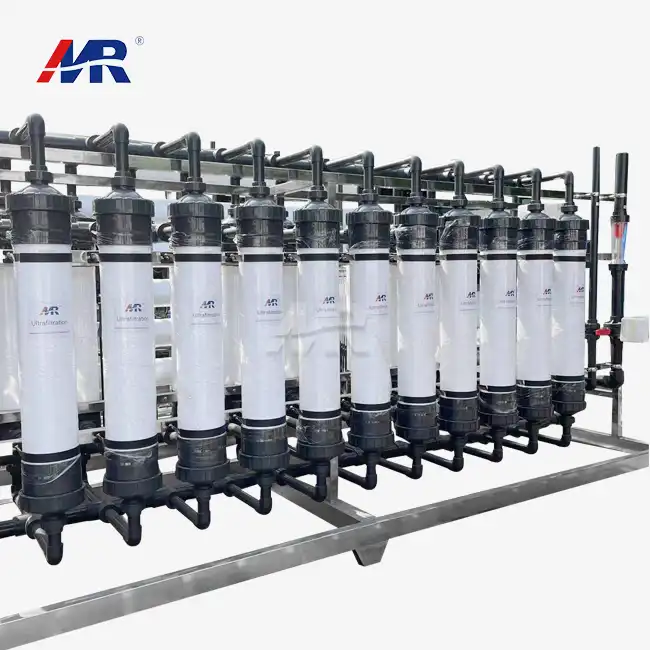 VIEW MORE30m3/hour ultrafiltration equipment
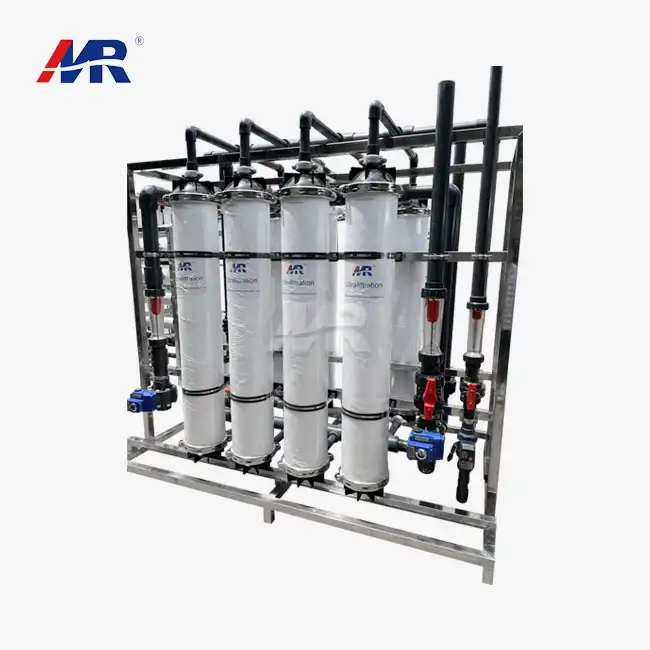 VIEW MORE15T/H ultrafiltration system
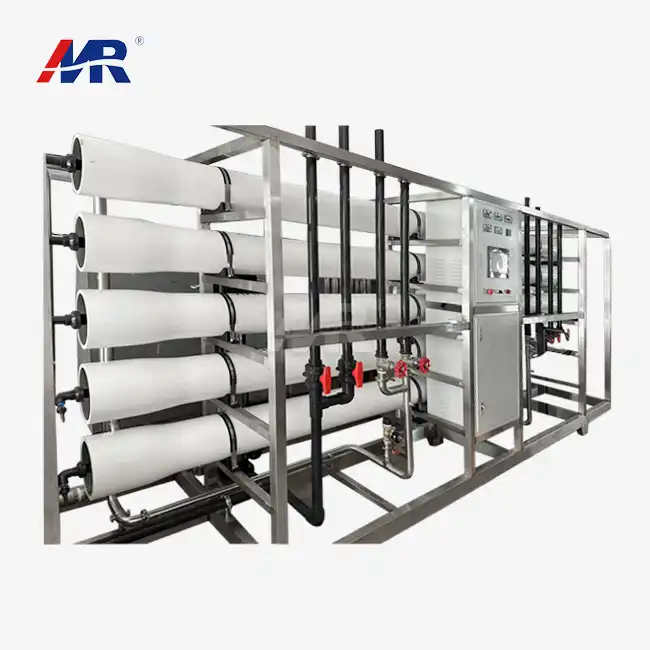 VIEW MORE25m3/hour reverse osmosis equipment
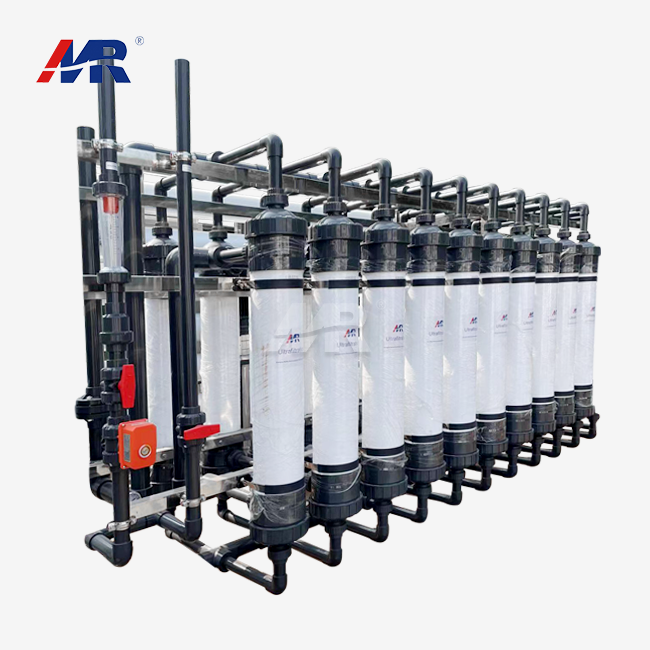 VIEW MOREultrafiltration drinking water system
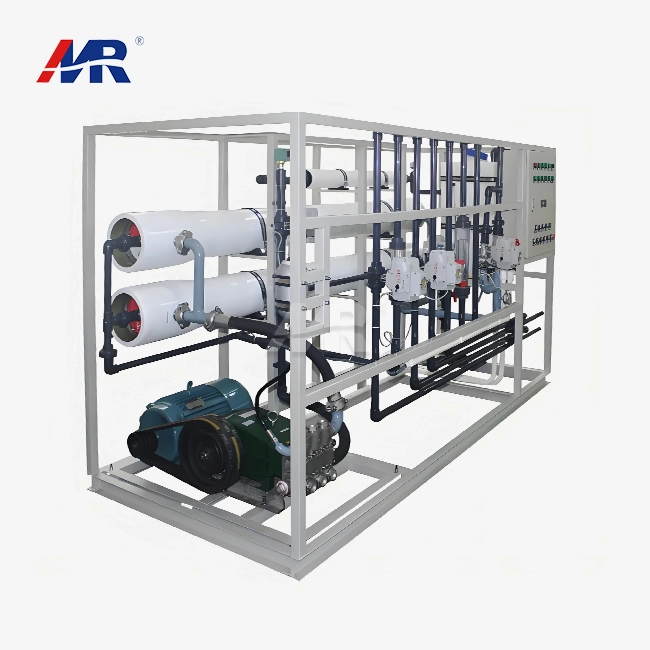 VIEW MOREseawater desalination pre-treatment
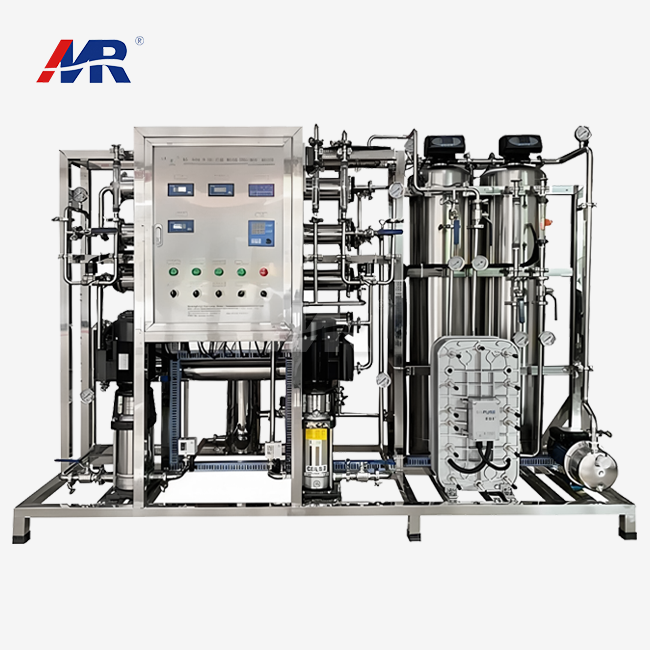 VIEW MOREElectrodeionization system
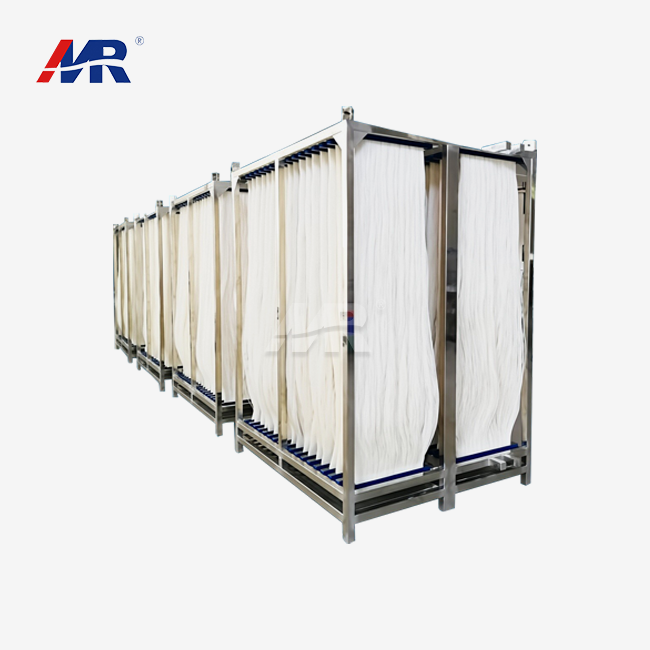 VIEW MOREbioreactor wastewater treatment
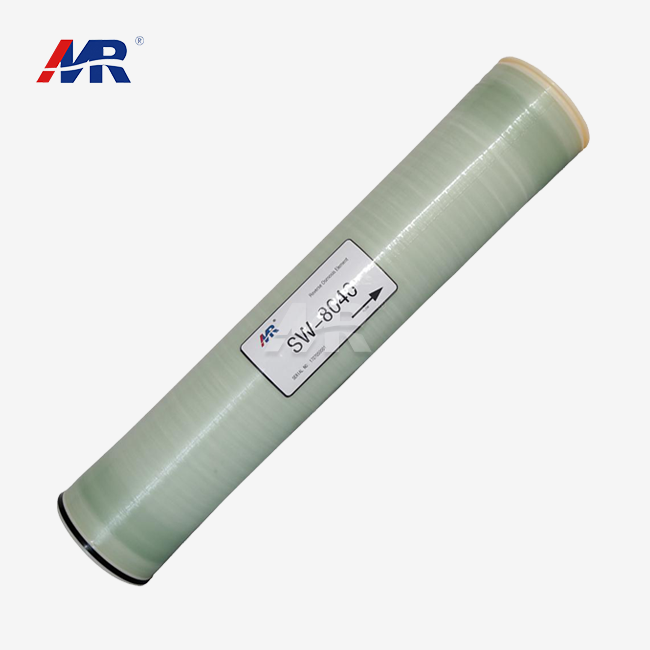 VIEW MORE8040 seawater reverse osmosis membrane
