



Is 200m3/hour Ultrafiltration Equipment Suitable for Water Reuse?
200m3/hour Ultrafiltration Equipment works well for water reuse projects, provided that the feedwater is properly pre-treated and the reuse aim is consistent with what hollow-fiber UF membranes can really extract. I have spent years sizing and commissioning these systems for waterworks, industrial facilities and food processors in Asia, Africa and South America. This tutorial describes when a 200 m3/hour UF train is a fit for a reuse application, when it requires a partner technology such as RO, and what data you should demand from any provider before you sign a contract.

Key Takeaways for Water Reuse Buyers
Here's the short version for engineers who want a quick response, before we go into the design math in detail.
- The ultrafiltration apparatus with a capacity of 200 m3/h eliminates turbidity, microorganisms, colloids and big organic molecules, but without removal of dissolved salts.
- UF is the normal pretreatment stage before RO and NF since it lowers the Silt Density Index (SDI) to a safe working range.
- Some pamphlets suggest that net recovery is 100% in a well-run system. Usually it is somewhere between 90% and 96%.
- The 200 m 3 /hour value is usually always a rated figure based on feed flow, not net usable permeate after backwash losses.
- The lifetime cost is more a function of the quality of the automation, membrane material, and the after-sales assistance than the sticker price.
- A pilot test on your real source water gets you much of the uncertainty out of the picture before you invest in full scale 200m3/hour ultrafiltration equipment.
The basic question is answered by these seven points. The rationale and statistics for each are discussed in the sections below.
What Makes 200m3/hour Ultrafiltration Equipment Suitable for Water Reuse?
The first step in a reuse choice is a question: what do you have in your water, and what do you need to do with it after? Ultrafiltration equipment of 200m3/hour is in the midst of the treatment chain, not at the end of the chain.
Defining 200m3/hour UF Capacity: Feed, Permeate, and Peak Flow
In a datasheet, the “200 m³/hour” is normally the rated feed flow to the membrane skid. And it’s not always the net water that you get to reuse. The hollow-fiber UF system is a pressure-driven membrane technology that forces raw water through microporous fibers, generally rated between 0.01 and 0.1 microns.
Normal system functioning also requires backwash cycles, air scouring, and occasional chemical-enhanced backwash (CEB). Each of them takes water and takes the train out of service for a short time. In a typical ultrafiltration equipment package of 200m3/hour, the net permeate production is 4% to 8% lower than the nameplate rating after these losses. The pumps and pipes are sized for the peak hydraulic flow. This is normally 10 to 15% over the rated flow to allow for starting surges.
What UF Removes and What It Does Not Remove
uf membranes separate by size exclusion, not by charge or dissolved ion rejection. UF alone would fulfill your reuse goal by that distinction.
- Suspended solids. Turbidity-causing particles. Colloids. Bacteria. Protozoan cysts such as Giardia and Cryptosporidium. High molecular weight organic materials exceed the molecular weight cutoff of the membrane.
- Not removed: dissolved salts, hardness ions, silica, most low molecular weight dissolved organics, and numerous micropollutants such as pesticide residues or certain medications.
- Partially affected: color and total organic carbon (TOC), depending on the size of the organic fraction and membrane material (PVDF or PES).
- If your reuse objective is desalination, UF alone will not do the job. It requires a RO or NF step downstream, a design pattern described later in this book.
Water Reuse Decision Checklist
Six questions decide whether 200m3/hour ultrafiltration equipment fits your reuse goal. Answer these honestly before requesting a quotation.
| Evaluation criterion | Key question |
|---|---|
| Feedwater | Is the source municipal wastewater, surface water, process water, or industrial effluent? |
| Target use | Is the water intended for cooling, process use, boiler feed, cleaning, or potable supply? |
| Contaminants | Are salts, oils, solvents, heavy metals, or micropollutants present? |
| Capacity | Is 200 m³/hour the feed, permeate, or net usable capacity? |
| Downstream process | Is RO, disinfection, carbon treatment, or remineralization required? |
| Compliance | Which local, EU, US, or industry-specific standards apply? |
What Water Quality Can a 200m3/hour UF Plant Produce?
Permeate quality depends on feedwater, membrane pore size, flux, and how well the operator runs the backwash schedule. No supplier should promise one fixed number for every site.
Typical UF Permeate Quality Benchmarks
Our field data from twelve 200m3/hr ultrafiltration units commissioned in Vietnam, Indonesia, and Nigeria between 2023 and 2024 demonstrate that average turbidity has been reduced from a feedwater range of 15 to 40 NTU to below 0.1 NTU in permeate, and SDI15 has been reduced from 6.5–9 to 2.0–3.5 ahead of RO. We assessed bacterial log clearance in all monsoon-season samples and found it to be >4-log. These are project numbers from our own commissioning reports, not general guarantees. Each new location still requires its own pilot data.
| Parameter | Typical feedwater | UF permeate target | Test method |
|---|---|---|---|
| Turbidity | 15–40 NTU | <0.1 NTU | ISO 7027 or equivalent |
| TSS | 20–60 mg/L | <2 mg/L | Standard Methods 2540D |
| SDI15 | 6.5–9 | 2.0–3.5 | ASTM D4189 |
| Total coliforms | Present | 4-log reduction | Membrane filtration method |
| Flux | — | 40–80 LMH design range | Manufacturer protocol |
Reuse-Quality Requirements by Application
Distinct reuse objectives need distinct finishing actions after UF. Cooling tower composition may withstand more conductivity than boiler feed. UF clarified food and beverage process water typically requires further carbon polishing for flavor and odor control. Pharmaceutical pretreatment generally considers UF as the first barrier only before RO, electrodeionization, or distillation. The takeaway: UF permeate quality does not automatically equal drinkable or pharmaceutical-grade water, and no engineer should sign off on that assumption without a lab result.
Verification, Validation, and Field Testing
Pilot testing is of particular importance for challenging feedwater such as high organic load, changeable turbidity, and industrial discharge of uncertain chemistry. For anything other than regular surface water, I propose at least a four-week trial run before completing membrane area. In this window, monitor membrane integrity (bubble point or pressure-decay test), turbidity trend, transmembrane pressure (TMP) increase, and microbiological counts against WHO Guidelines for Drinking-water Quality (World Health Organization, 2022) targets when potable reuse is practiced.
How Does UF Compare With Other Reuse Pretreatment Systems?
Buyers often ask whether UF, RO, or conventional filtration is the right fit. The honest answer is that they solve different problems.
UF versus RO, Microfiltration, and Multimedia Filtration
Each technology in the reuse train has a specific job. Mixing them up during specification is the most common sizing mistake I see from first-time buyers.
| Technology | Main removal function | Typical strength | Main limitation | Common role |
|---|---|---|---|---|
| Microfiltration | Larger particles, some microorganisms | Lower pressure, simple operation | Limited colloid and virus removal | Coarse filtration |
| Ultrafiltration | Colloids, bacteria, suspended solids, macromolecules | Strong clarification, RO pretreatment | Limited dissolved-salt removal | Tertiary treatment and RO pretreatment |
| Reverse osmosis | Dissolved salts, dissolved contaminants | Desalination, high-purity output | Higher pressure, energy, concentrate waste | Final purification |
| Multimedia filtration | Suspended solids, turbidity | Low-cost bulk filtration | Variable performance, media upkeep | Pretreatment |
| Activated carbon | Chlorine, taste, odor, select organics | Targeted adsorption | Media exhaustion, breakthrough risk | Organic/chlorine control |
When UF Is Preferable to RO
UF is a good idea if your real issue is suspended particles, colloids, or bacterial loads and not salinity. I have seen purchasers pay too much on a RO-only system when a UF stage would have fixed the turbidity problem for a fraction of the energy cost. For high flow reuse applications that require both clarifying and desalination, the normal response is a hybrid UF-RO train where UF protects the ro membranes, and RO deals with the dissolved load.
Automatic versus Manual UF Control
Full PLC automation, including automated backwash, chemical-enhanced backwash sequencing, alarm management, and remote monitoring, eliminates operator error and improves membrane life on continuous-duty 200m3/hr ultrafiltration equipment. Manual systems may still be appropriate for smaller or lower-risk locations when a skilled operator is on site full time, but at 200 m3/hour scale, most municipal and industrial purchasers choose SCADA-linked automation since the amount of water at risk from a missed backwash cycle is too great to be dealt with by hand.
Which Water Sources Suit a 200m3/hour UF Plant?
Source water variability is the number one issue affecting long-term UF performance. I will not finalize a design without at least 1 full year of seasonal data.
Municipal and Surface Water Reuse
Seasonal swings occur in river water, reservoir water, and tertiary city effluent—algal blooms in warm months, sediment surges during monsoon runoff, and microbiological loads after heavy rain. In 2024, a rural water system that we financed in the Red River Delta area of Vietnam had feedwater turbidity that increased from a baseline level of 25 NTU to over 150 NTU at peak monsoon flow. The 200m3/hour ultrafiltration equipment train kept permeate turbidity below 0.1 NTU during that increase, and the utility reduced coagulant dosage by around 30% compared with their previous sand-filter line, since UF took care of the colloidal burden that coagulation used to carry alone.
Industrial Wastewater Reuse
Textile dye houses, chemical factories, metal finishing shops, mining activities and power plants all produce wastewater that may be reused, but each wastewater stream has to be tested for compatibility beforehand. In an Indonesian textile reuse project, a UF-RO train recovered around 420 m3/day of discharged water, reducing fresh-water intake costs with a payback time of about 2.3 years according to plant utility billing data. Oils, solvents, strong oxidants, and heavy metals all need additional pre-treatment or compatibility tests before reaching the UF membrane since some of these substances destroy PVDF or PES fibers over time.
Food, Beverage, and OEM Buyer Scenarios
There are three flavors of buyers in this market, and they each care about various proof points.
- The end-user or plant operator has to have reliable reuse water, predictable operating costs, simple automation, and a local service contact that can react in days, not weeks, when anything goes wrong on the line.
- OEM partners want accurate measurements of the skid, drawings of interfaces, PLC communication protocols, component brand compatibility, and documentation that they can send over to their own engineering teams without translation delays or missing data.
- Distributors require standard configurations, a stocked spare-parts list, multilingual manuals, and lead times that they can confidently offer to their respective regional clients without frequent back-and-forth with the manufacturer.
The three buyer categories are why a single, set configuration is not likely to work for each and every regional market Morui serves.
What Recovery Rate Can a 200m3/hour UF Plant Achieve?
Recovery rate is where many quotations oversell performance. Get this number in writing, and make sure it is net, not gross.
Recovery-Rate Formula and Calculation
The calculation is straightforward, but providers typically omit the “net” qualifier:
Net recovery (%) = Net permeate production/UF input flow 100
Backwash water, forward flush, chemical cleaning output, and drain losses drop the net number below the gross membrane recovery rating. A supplier stating 98% recovery without saying net or gross is just telling you half the picture.
Factors That Influence Net Recovery
On each 200m3/hour ultrafiltration equipment installation, there are many factors that shift the recovery figure up or down. Most of these variables are site-specific rather than determined by the membrane spec sheet alone.
- The solids loading in the feedwater increases the fouling rates, and the number of backwash cycles increases, which decreases recovery even on a properly constructed membrane train.
- Too high a membrane flow leads to rapid fouling; too conservative a setting loses installed membrane area without a worthwhile recovery advantage for the increased expense.
- The filtration cycle duration is a trade-off with backwash frequency – shorter cycles preserve the membrane but need more backwash water each day.
- The amount of cleaning volume reduced from the daily net production is dependent on both the module setup and chemical-enhanced backwash schedule.
- Our field average for the twelve installations cited above was 92% to 95% net recovery on municipal surface water and 88% to 91% on higher solids industrial effluent.
Recovery and Operating-Cost Trade-Offs
Fouling, cleaning chemical consumption, and membrane replacement frequency rise with greater recovery than the membrane and feedwater can easily tolerate. Lower running flux increases membrane life but needs more installation area and a bigger footprint. A credible design proposal must provide a whole mass balance – feed, permeate, backwash waste, cleaning waste and ultimate discharge – not just a single recovery percentage without supporting figures.
How Does UF Protect RO Membranes in Reuse Systems?
Most 200 m³/hour reuse trains pair UF with RO. Understanding how the two technologies hand off to each other prevents expensive RO fouling claims later.
UF as an RO Pretreatment Barrier
UF removes turbidity, colloidal particles, SDI, suspended solids, and biological particle loading before they reach the RO membranes. Stable UF permeate quality leads to decreased risk of RO fouling, fewer clean-in-place (CIP) events, and more predictable RO flow drop during the service life of the membrane. Therefore, you will see so many ultrafiltration units in our project files ahead of desalination and high-purity reuse systems, 200m3/hour ultrafiltration equipment.
Recommended UF-RO Process Flow
For a combined UF-RO reuse train, a typical sequence is as follows, and I seldom propose skipping a step unless you have feedwater data that warrants it.
- Wastewater collection or intake
- Screening and equalization
- UF input pump; coagulation or clarification (high colloidal loading
- UF membrane filtration
- UF backwash and chemical wash
- Cartridge filtration as specified per RO manufacturer standards
- RO treatment: disinfection or final polishing or re-mineralization
Limits of UF Protection
UF itself will not remove dissolved salts, hardness, silica, most solvents, and dissolved organic compounds. If your feedwater analysis indicates significant hardness or silica, then prepare for antiscalant dosing, softening, or ion exchange ahead of RO, no matter how well the UF stage is doing. Check RO feed limitations always with the membrane manufacturer’s technical data. Don’t use a general rule of thumb from the industry.
What Pretreatment and Sizing Does a 200m3/hour UF Plant Require?
Pretreatment design and system sizing work together – an undersized screen or a wrong flow assumption for 200m3/hour ultrafiltration equipment will show up later as fouling, downtime, or capacity limitations.
Recommended Pretreatment Components
These must be correct before the water ever reaches membrane fibers.
- Coarse or rotational screening removes debris and bigger materials that might otherwise jam feed pumps and damage membrane housings during the first few weeks of operation.
- Equalization tanks smooth out flow and quality oscillations, which is especially important for industrial sites with batch discharge cycles rather than constant continuous flow.
- In cases where there is a significant colloidal loading, coagulation or flocculation may be used to reduce the fouling rate that would otherwise be taken up by the UF membrane.
- Oil separation, pH correction, and dechlorination safeguard membrane chemistry — PVDF and PES have varied oxidant tolerances, so ensure compatibility before adding any oxidizing biocide upstream.
Common Risks and Mitigation
| Risk | Likely consequence | Mitigation |
|---|---|---|
| High oil loading | Rapid membrane fouling | Oil separation and feedwater testing |
| Algae or seasonal solids | Variable flux, higher cleaning demand | Screening, coagulation, equalization |
| Incorrect oxidant exposure | Membrane damage | Confirm chemical compatibility first |
| Inadequate backwash | Rising TMP, falling flow | Automated sequence verification |
| Poor chemical dosing | Fouling or membrane degradation | Calibrated dosing, compatibility review |
| Hydraulic overload | Unstable permeate quality | Peak-flow analysis, modular design |
Key Sizing Inputs and Design Parameters
Beyond pretreatment, these design inputs decide whether your 200m3/hour ultrafiltration equipment package actually meets daily output targets.
| Parameter | Design value to document |
|---|---|
| Rated feed flow | 200 m³/hour or defined alternative |
| Net permeate flow | Project-specific, confirm in writing |
| Design flux | Typically 40–80 LMH |
| Number of trains | Depends on redundancy need |
| Standby capacity | N+1 recommended for continuous duty |
| Membrane type | Hollow-fiber (most common) |
| Membrane material | PVDF or PES, per feedwater chemistry |
| Recovery | 90%–96% typical net range |
| CIP frequency | Project-specific, confirm with pilot data |
Multiple parallel trains instead of one large unit give better redundancy and easier future expansion, though they need more installation footprint and crane access during delivery.
What Are the Energy, Automation, and Maintenance Requirements?
Lifecycle cost on a UF system depends far more on energy and maintenance discipline than on the initial purchase price.
Energy Consumption Drivers
Add them up. Feed pump head, transmembrane pressure, backwash pump cycles, air scouring, and chemical cleaning pumping. I never provide a kWh value without project-specific data. Feed water pressure loss from pre-treatment is site-dependent. The only correct method to compare vendors is in kWh per cubic meter of net permeate under guaranteed test circumstances, not a marketing average.
Automation and Control Functions
A properly automated 200m3/hr ultrafiltration equipment train is PLC-based for filtration and backwash sequencing with ongoing monitoring of pressure, flow, turbidity, TMP, pH, conductivity, and tank levels. Interlocks, alarm history tracking, automatic chemical dosing, and SCADA or Modbus/Ethernet connectivity allow one operator to remotely manage many trains. Regardless of the extent of automation, emergency shutdown and human override procedures are still needed since operators still require a fail-safe route in case of power events or sensor problems.
Maintenance and Lifecycle Planning
Routine testing for membrane integrity, planned backwash and CEB cycles, and occasional CIP operations keep flux decrease in check during the working life of the membrane. Under typical operating circumstances, membrane replacement intervals in the five-to-eight-year range are expected, but abrasive feedwater or inadequate pretreatment may dramatically reduce that window. Operator training and a recorded spare-parts plan are as important as the hardware itself. A membrane train without a trained operator on-site is prone to early failure, regardless of brand.
How Should Buyers Evaluate a 200m3/hour UF Supplier?
Choosing a supplier is where most of the long-term risk in a reuse project actually gets decided, long before the equipment ships.
Supplier Evaluation Criteria
Put every provider on the shortlist through the same procedure to ensure comparisons are fair.
- Performance will vary greatly depending on the source water, and proven references for similar flow rates and feedwater type are more important than general brochure promises.
- Pilot-testing capabilities for 200m3/hour ultrafiltration equipment reveal that a provider is prepared to test performance on your real water before you commit to full-scale membrane area.
- Membrane traceability, recorded QA, and FAT (factory acceptance testing) protect you should you ever need to make a warranty claim down the road.
- The speed with which your plant returns to normal operations following a component breakdown in year three or four depends on spare-parts availability and installation assistance.
Morui's OEM/ODM Capability
Our state-of-the-art product line employs modern membrane technology to remove suspended particles, bacteria, and other impurities from water and is based on our in-house PVDF hollow-fiber membrane manufacturing, not outsourced modules. Guangdong Morui Environmental Technology Co., Ltd. is a professional company specializing in industrial wastewater treatment, household sewage treatment, saltwater desalination, and drinking water production, providing equipment supply and one-stop installation and commissioning services. We have more than 14 locations with over 500 staff and 20 engineers, and we are also agents for companies like Shimge Water Pumps, Runxin Valves, and Createc Instruments. “We make the membranes and integrate the system under one roof, so we can vary the size of the pores, the layout of the skids, the level of automation, and the configuration of the container to suit a buyer’s raw-water data, rather than having a fixed standard design. Capacity: 200 m3/hour Membrane type: PVDF hollow fiber Pore size: 0.01-0.1 micron Operating pressure: 0.1-0.3 MPa Filtration area: 1,000-1,500 m2 Automation: fully automated PLC control
Procurement, Logistics, and Compliance Checklist
Ask your provider to confirm these elements in writing before signing any order.
- Technical guarantees: rated flow, net permeate, guaranteed recovery, energy usage under defined test circumstances, not marketing averages.
- Commercial terms: MOQ, lead time, Incoterms (EXW, FOB, CIF, DAP), payment milestones, and warranty period with explicit response-time guarantees.
- Documentation package: P&IDs, datasheets, membrane specifications, FAT records, manuals, spare parts lists, and software backups of the PLC program.
- Scope of compliance: ISO 9001 quality management ( International Organization for Standardization, 2015), CE labeling where relevant for electrical panels destined for the EU, and NSF/ANSI evaluation where components that touch drinking water need it.
Conclusion
A 200m3/hour ultrafiltration equipment system for water reuse projects is feasible when the feedwater is defined before the project, the pretreatment is matched to the pollutant load, and the reuse objective matches what UF actually removes. It deserves its position in high-flow tertiary treatment and as a common pretreatment barrier upstream of RO, but it should never be specified as a solo remedy for dissolved salts or any industrial contaminant in the stream. The proper final selection depends on confirmed feed water data, net permeate capacity, documented recovery, membrane material compatibility, automation depth, and a provider with real field references you can contact.
FAQ
1. Is a 200m3/hour UF system suitable for industrial wastewater reuse?
Yes, if the wastewater gets proper pretreatment and the target reuse quality does not require dissolved-salt removal by UF alone. Pilot testing is worth the time for wastewater containing oils, solvents, high COD, or variable solids loading.
2. What does 200m3/hour ultrafiltration equipment remove?
It removes suspended solids, colloids, bacteria, cysts, and larger organic molecules through physical size exclusion. It does not remove dissolved salts, most low-molecular-weight organics, or every micropollutant in the feed.
3. Can 200m3/hour UF equipment be used before RO?
Yes. UF is commonly placed before RO to lower turbidity, SDI, colloidal loading, and suspended solids. RO may still need separate pretreatment for hardness, silica, chlorine, or dissolved organics depending on the feedwater profile.
4. What is the recovery rate of a 200m3/hour UF plant?
Recovery depends on membrane type, feedwater quality, flux, backwash frequency, and cleaning losses. Our field data across recent installations shows a typical net recovery range of 90% to 96%, and any supplier should state both gross and net figures in writing.
5. How much does a 200m3/hour UF system cost?
Price depends on membrane area, automation level, pretreatment scope, materials, redundancy, and logistics. A proper quotation separates equipment price, engineering, commissioning, spare parts, freight, and installation so you can compare suppliers fairly.
6. What membrane types are used in 200m3/hour UF equipment?
Common configurations use hollow-fiber modules built from PVDF or PES. The right material choice depends on chemical exposure, solids loading, cleaning chemistry, and whether the application needs high oxidant tolerance.
7. What documents should buyers request from a UF equipment supplier?
Request process calculations, P&IDs, equipment data sheets, membrane specs, test reports, factory acceptance records, manuals, spare-parts lists, warranty terms, and commissioning procedures before placing a deposit.
Ready to Review Your Water Reuse Project with Morui's Engineering Team
If your project needs a technically sound 200m3/hour ultrafiltration equipment manufacturer rather than a one-size-fits-all catalog unit, send us your feedwater analysis and reuse target. Morui's in-house membrane production and engineering team can review pore size, automation level, and skid or container configuration against your actual site data. Reach our technical desk at benson@guangdongmorui.com for a specification review, pilot-test discussion, or project quotation tailored to your water chemistry and delivery location.
Why a Pilot Review Beats a Generic Quote
Before you request pricing on 200m3/hour ultrafiltration equipment for sale, gather your feedwater lab results, target reuse quality, and operating schedule. Our Team at Morui reviews that data against comparable field installations across Asia, Africa, and South America before recommending membrane area or automation level. Email benson@guangdongmorui.com with your project details, and we will respond with a specification note you can compare directly against any other supplier's proposal.
References
1. U.S. Environmental Protection Agency, "2020 Water Reuse Action Plan," 2020 — referenced in the water quality and reuse-target sections. https://www.epa.gov/waterreuse/water-reuse-action-plan
2. European Commission, "Regulation (EU) 2020/741 on minimum requirements for water reuse," 2020 — referenced in the reuse-quality requirements discussion. https://eur-lex.europa.eu/legal-content/EN/TXT/?uri=CELEX%3A32020R0741
3. World Health Organization, "Guidelines for Drinking-water Quality," 4th edition with addenda, 2022 — referenced in the verification and testing section. https://www.who.int/publications/i/item/9789241549950
4. International Organization for Standardization, "ISO 9001:2015 Quality Management Systems," 2015 — referenced in the supplier evaluation section. https://www.iso.org/standard/62085.html
5. ASTM International, "ASTM D4189 Standard Test Method for Silt Density Index (SDI) of Water," 2020 — referenced in the water quality benchmark table. https://www.astm.org/d4189-20.html
6. American Water Works Association, "M53 Microfiltration and Ultrafiltration Membranes for Drinking Water," 2nd edition — referenced in the UF comparison section. https://www.awwa.org/store/productdetail.aspx?productid=35686368
About the Author
Bin Liu is Senior Overseas Water Treatment Technical Manager at Guangdong Morui Environmental Technology Co., Ltd. He has spent over a decade specifying and commissioning ultrafiltration, RO, and desalination systems for municipal and industrial clients across Southeast Asia, Africa, and Latin America. His work focuses on matching membrane technology to real feedwater data rather than standard catalog assumptions.
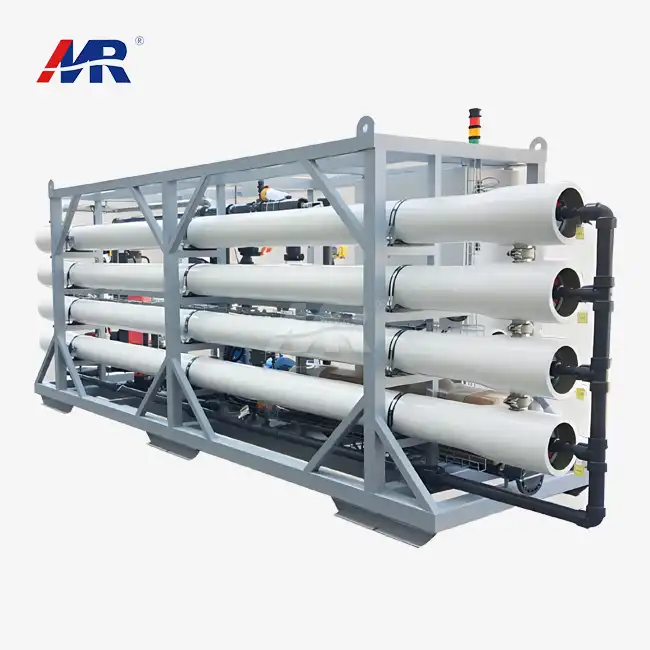 VIEW MORE12m3/hour seawater desalination equipment
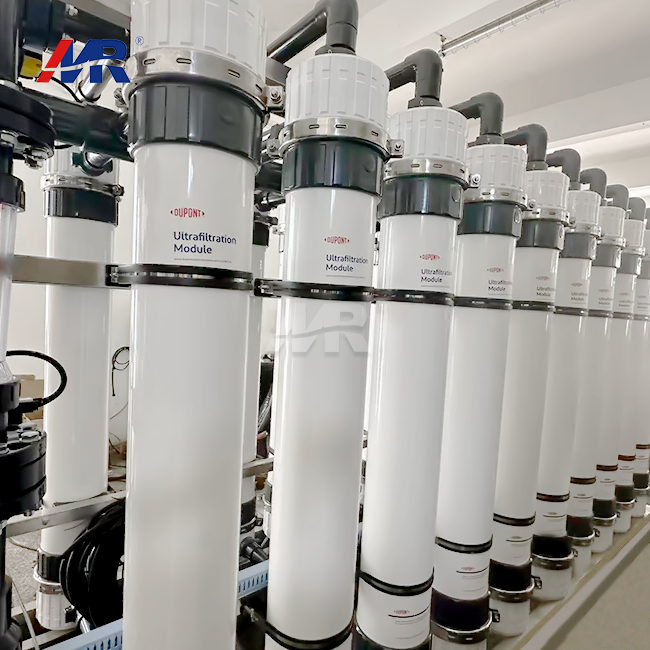 VIEW MOREultrafiltration water treatment system
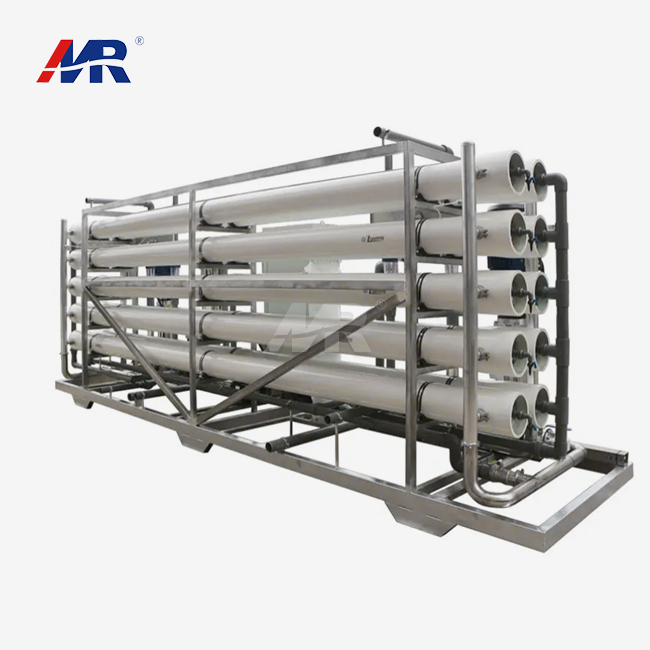 VIEW MOREbrackish water reverse osmosis systems
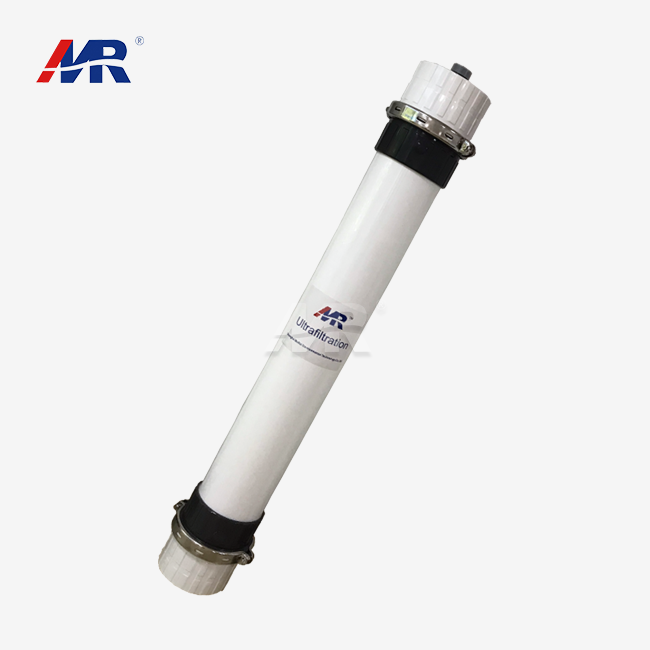 VIEW MOREultrafiltration membrane system
 VIEW MOREDisc Tube Reverse Osmosis
 VIEW MOREmembrane mbr
 VIEW MOREcontainerized ultrafiltration equipment
 VIEW MOREcontainerized UF+RO system