_1745823981883.webp)

What Are the Benefits of bioreactor wastewater treatment?
Bioreactor wastewater treatment offers demonstrable improvements in effluent quality, operational footprint, and long-term compliance for industrial and municipal applications. These systems, containing dense populations of microorganisms in a controlled vessel, have achieved far greater removal rates of BOD, COD, nitrogen, and phosphorus than typical activated sludge procedures. The outcome is water that is treated to the requirements of regulated discharges or is suitable for direct reuse. Whether you run a food processing business, pharmaceutical company, or municipal wastewater station, the use of biological reactor technology means less sludge to dispose of, lower disposal costs, and less physical equipment.
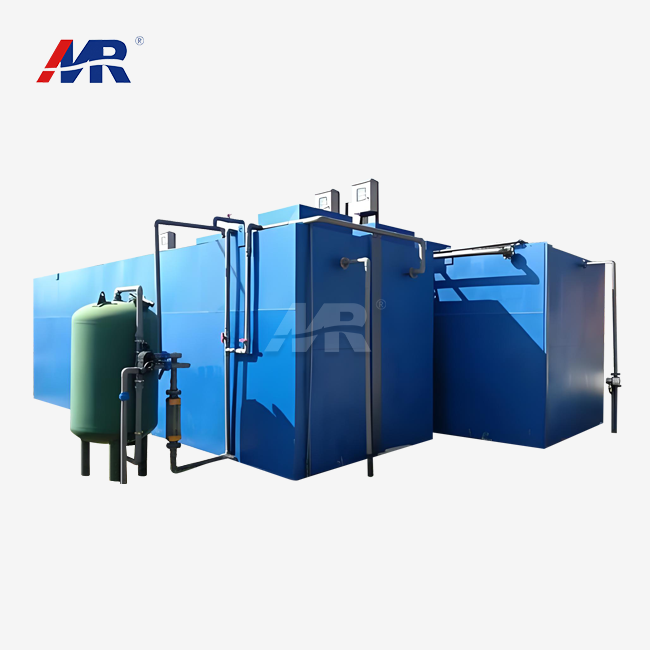
Understanding Bioreactor Wastewater Treatment
At its core, a bioreactor builds a controlled space where bacteria, protozoa, and fungi can break down the nutrients and organic chemicals that are dissolved in wastewater. Because every variable is actively controlled, from the amount of dissolved oxygen to the time that water stays in the system, the process is sped up much more than passive lagoons or regular clarifiers can do.
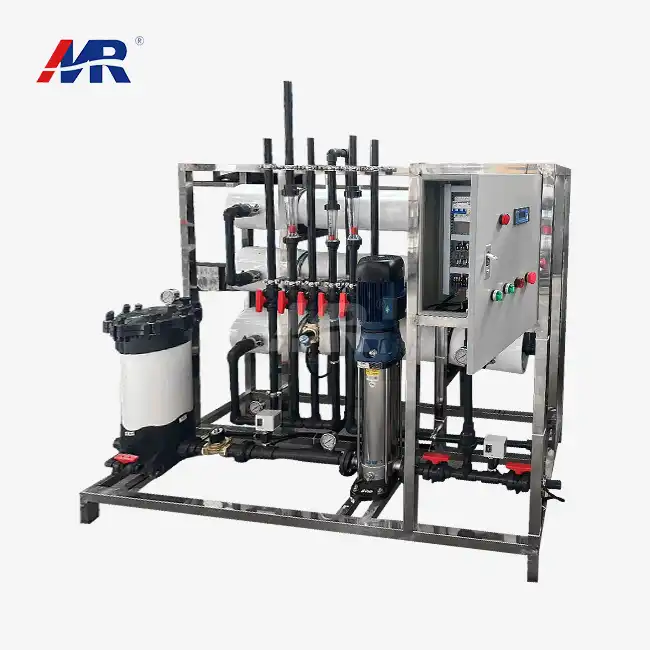
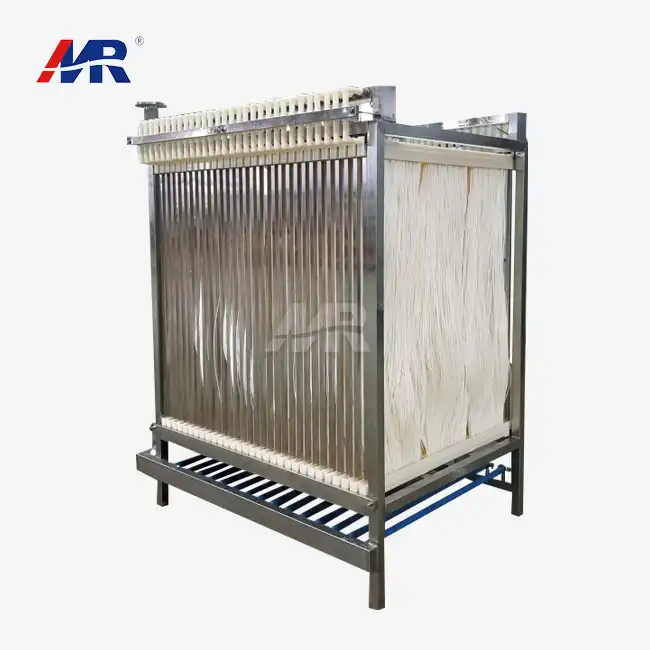
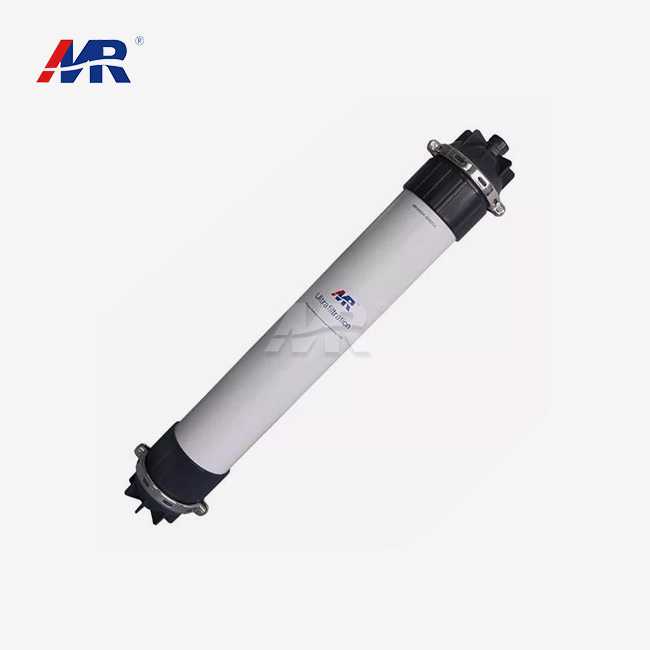
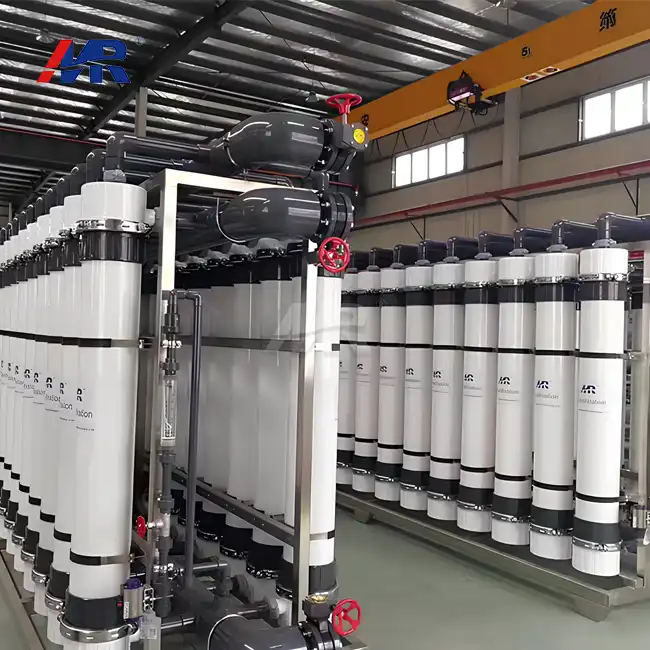
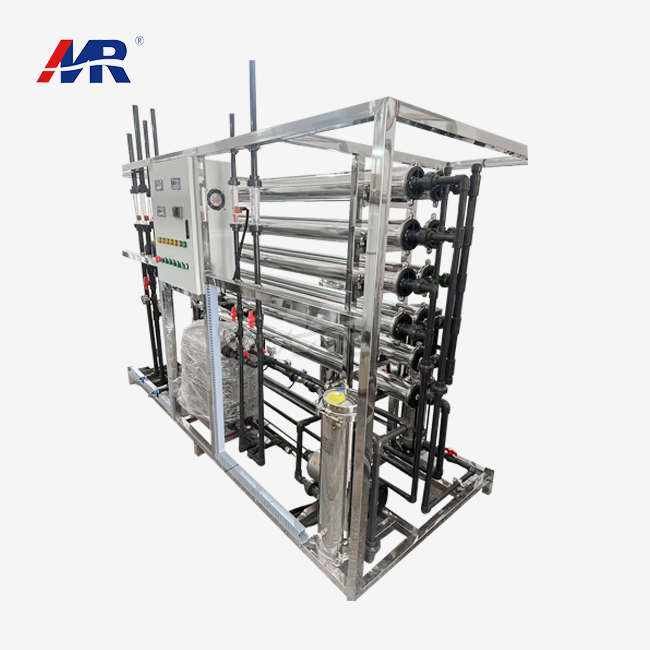
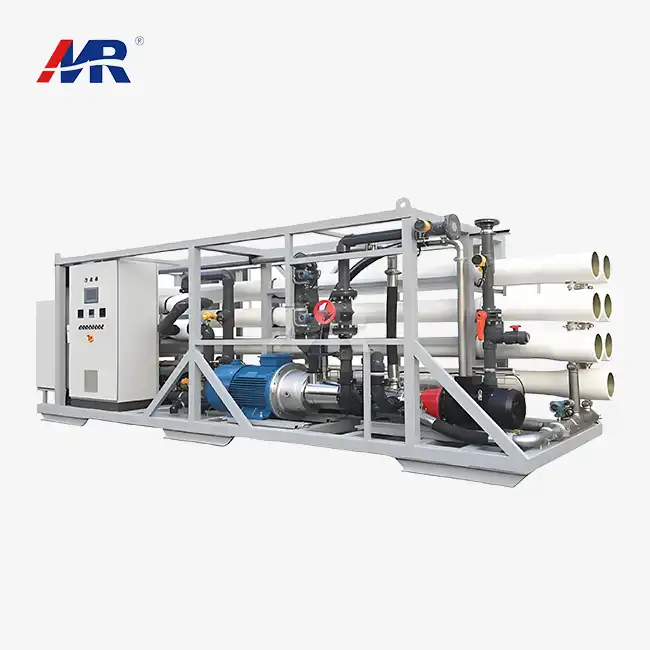
Three arrangements are most typical in industrial situations. Aerobic bioreactors employ oxygen to assist in breaking down organic material via oxidation. This makes them ideal for food and drink wastewater that demands a lot of biological oxygen. Anaerobic bioreactors function in the absence of oxygen and provide biogas as a byproduct that may be reused. This makes them good candidates for treating powerful wastewaters from pharmaceutical or petrochemical activities. membrane bioreactors (MBR) biologically treat wastewater and filter it via membranes. The outcome is wastewater that, in many Cases, meets or surpasses secondary treatment criteria. The Morui MR-MBR-30 is equipped with a PVDF hollow-fiber membrane, 0.2 µm pore size, 30 m² filtration area, and compact dimensions of 2000 × 1250 × 30 mm. It was created for situations where both the room quality and the effluent are significant.
Key Benefits of Using Bioreactor Wastewater Treatment Systems
When industrial managers switch to biological reactor technology, they regularly see improvements in three key areas: the quality of the wastewater, the amount of resources used, and the cost of the infrastructure. Procurement managers can make a stronger business case if they can explain these benefits in real-world terms.
These systems are a great investment because of the following main benefits:
- Superior pollutant removal: MBR systems usually get the turbidity of the wastewater below 1 NTU, and the total suspended solids close to zero, which lets the water be used directly in process uses. Studies published in Water Research confirm that well-run MBR plants remove more than 98% of BOD.
- Compact physical footprint: Since the membrane takes the place of the secondary clarifier, MBR setups take up 50–70% less land than similar standard systems. The MR-MBR-30 module is only 2000 × 1250 × 30 mm, so it can be easily added to treatment trains that are already in place.
- Reduced sludge generation: Longer sludge retention times in a bioreactor wastewater treatment cut the amount of extra sludge made by up to 30–50%. This directly lowers the costs of hauling and getting rid of it, which is a big item for food processing and pharmaceutical facilities.
- Scalable and modular architecture: As production numbers rise, membrane modules can be added one at a time. This protects the initial investment and keeps costs down by not over-specifying at the start.
These benefits work together to solve the problems that make facilities want to rethink their current treatment infrastructure. It's hard to ignore the economic case for biological reactor technology when dumping costs go up, and release permits get harder to get.
Comparing Bioreactor Systems to Traditional Wastewater Treatments: What Makes Them Stand Out?
A direct comparison shows where biological reactor technology really shines compared to other methods.
| Criterion | Conventional Activated Sludge | Membrane Bioreactor (MBR) |
|---|---|---|
| Effluent TSS | 20–30 mg/L | < 1 mg/L |
| Footprint | Large (needs an additional clarifier) | 50–70% smaller |
| Sludge Production | High | 30–50% lower |
| Reuse Eligibility | Limited | Meets Title 22 / Class A standards |
| Capital Cost | Lower upfront | Higher upfront, lower lifecycle |
| Membrane Fouling Risk | N/A | Manageable with proper protocols |
Aerobic vs. Anaerobic: Which Fits Your Effluent Profile?
Aerobic setups are better at dealing with lower-strength effluents and can start up more quickly. Anaerobic systems work best with high-COD waste streams above 2,000 mg/L and produce methane that can be used to offset energy use. Many big factories use both at the same time—anaerobic pre-bioreactor wastewater treatment first, then aerobic polishing—to get the most energy back and the best quality waste in the end.
How to Choose the Right Bioreactor Wastewater Treatment System for Industrial Applications
It costs a lot of money to choose the wrong system setup. Before making a choice, you need to carefully look at your wastewater, including its BOD, COD, total nitrogen, total phosphorus, oil and grease, and peak hydraulic flow rate. Each factor has a clear effect on whether an aerobic, anaerobic, or membrane-based solution is best.
What Supplier Capabilities Should You Evaluate?
Supplier depth is just as important as product specification. Certifications, in-house engineering skills, membrane production, and quick customer service after the sale all play a role in how well a system meets its requirements over time. Morui makes its own PVDF membranes and keeps 20 dedicated engineers working in different processing facilities. This way, there is a direct chain of accountability from design to commissioning. The company is also an official supplier for Shimge Water Pumps, Runxin Valves, and Createc Instruments. This lets them offer complete systems under one contract.
Turnkey, Modular, or Rental: Which Procurement Model Works?
Turnkey setups work well for new construction projects where the owner will own the whole system and pay for it over a long period of time. Modular procurement works well for retrofit situations where extra capacity is likely to be added. Rental agreements lower the amount of capital needed up front for holiday businesses or tests on a small scale before committing fully.
Operational Best Practices and Troubleshooting for Bioreactor Systems
Even a well-designed system needs to be used in a controlled way. Early biomass crashes can be avoided by using startup methods that slowly get microbial communities used to the goal effluent makeup. Keeping the amount of mixed liquid suspended solids (MLSS) in an MBR tank between 8,000 and 12,000 mg/L keeps the process working well and keeps the membrane from breaking.
How Do You Prevent Membrane Fouling?
Most of the time, membrane fouling is listed as an operational challenge in MBR deployments. Using aeration scouring, cleaning with sodium hypochlorite or citric acid on a regular basis, and keeping the right flux rates below the critical threshold can all greatly increase the service life of a membrane. The MR-MBR-30's PVDF material is naturally resistant to chemicals and long-lasting mechanically, so it can handle harsh cleaning cycles without the membrane breaking down. Monitoring transmembrane pressure (TMP) every day lets you know about fouling early, before it gets so bad that it can't be fixed.
Preventive maintenance—scheduled rather than reactive—remains the single most effective strategy for minimizing unplanned downtime and protecting the capital investment in membrane modules.
Conclusion
Bioreactor wastewater treatment is a dependable, high-performance technology that can tackle today’s key difficulties for industrial and municipal operators, such as tougher discharge laws, increased sludge disposal costs, shortage of land, and the increasing requirement to reuse effluent. Especially, MBR systems provide a high quality of wastewater that other technologies cannot achieve for the same area size. The Morui MR-MBR-30 is a good illustration of engineering standards that can now be applied to facilities of any size. Its 30 m2 PVDF membrane, 0.2 µm filter precision, and tiny 2000 × 1250 × 30 mm form. Buy the correct biological treatment system today, and you will be regulation-ready and more efficient for the next decade.
FAQ
1. How long does an MBR membrane module typically last?
The PVDF hollow-fiber membrane modules in an MBR system can last between 5 and 10 years if they are properly maintained and cleaned with chemicals. Longevity is affected by things like the type of influent, how often it is cleaned, and the operating flow rate. Facilities that do their preventive maintenance as planned consistently report performance at the high end of this range.
2. Can bioreactor systems handle high-strength industrial effluents?
Anaerobic bioreactors are designed to handle high-COD waste streams with concentrations above 5,000 mg/L in petrochemical, pharmaceutical, and food processing settings. MBR systems treat moderate-strength effluents well and always produce effluent that is safe for reuse. Combined anaerobic-aerobic systems can handle all kinds of industrial wastewater.
3. Is customization available for specific industry discharge requirements?
Biological reactor systems can be set up in a lot of different ways. The membrane surface area, reactor volume, aeration strength, and nutrient doses can all be changed to fit the BOD/COD ratios, nitrogen and phosphorus goals, and peak flow conditions that are unique to the site. Before suggesting a system configuration, Morui engineers characterize the influent to make sure it meets all applicable discharge standards.
4. What is the ROI timeline for an MBR investment?
Most factories can get back the extra money they spent on an MBR system within 3 to 6 years because they don't have to throw away as much sludge, they don't have to worry as much about following the rules for their permits, and they might be able to reuse water. Actual payback times depend on the cost of disposal, water rates, and the chance of facing fines from regulators.
Partner With Morui for Advanced Biological Wastewater Treatment Solutions
Morui engineers make biological reactor systems, like the MR-MBR-30, for businesses that need to make sure the quality of the wastewater and the dependability of their operations are very important. As a company that makes bioreactor wastewater treatments for treating wastewater and has 20 expert engineers, as well as more than 14 branch offices, Morui offers full turnkey solutions, from designing the system to installing it and providing ongoing support. Contact Our Team directly at benson@guangdongmorui.com to request a technical consultation or project-specific quotation.
References
1. Judd, S. — The MBR Book: Principles and Applications of Membrane Bioreactors for Water and Wastewater Treatment, Elsevier, 2011.
2. Metcalf & Eddy / AECOM — Wastewater Engineering: Treatment and Resource Recovery, McGraw-Hill Education, 2014.
3. Liao, B. Q., et al. — "Membrane Fouling in Membrane Bioreactors," Water Research, 2004.
4. Melin, T., et al. — "Membrane Bioreactor Technology for Wastewater Treatment and Reuse," Desalination, 2006.
5. United States Environmental Protection Agency (EPA) — Membrane Bioreactors: Wastewater Treatment Technology Fact Sheet, EPA 832-F-06-022, 2006.
6. Stephenson, T., et al. — Membrane Bioreactors for Wastewater Treatment, IWA Publishing, 2000.