

_1745823981883.webp)

industrial ro membrane: Key Benefits for Water Treatment
If you manage a water treatment system, you already know that the membrane element is the heart of the entire operation. A high-quality industrial ro membrane determines how well your system rejects dissolved salts, how long your equipment runs before requiring service, and ultimately, how much clean water you produce per day. In this guide, I'll walk through how these membranes work, what makes them worth the investment, how to keep them running well, and what to look for when buying.
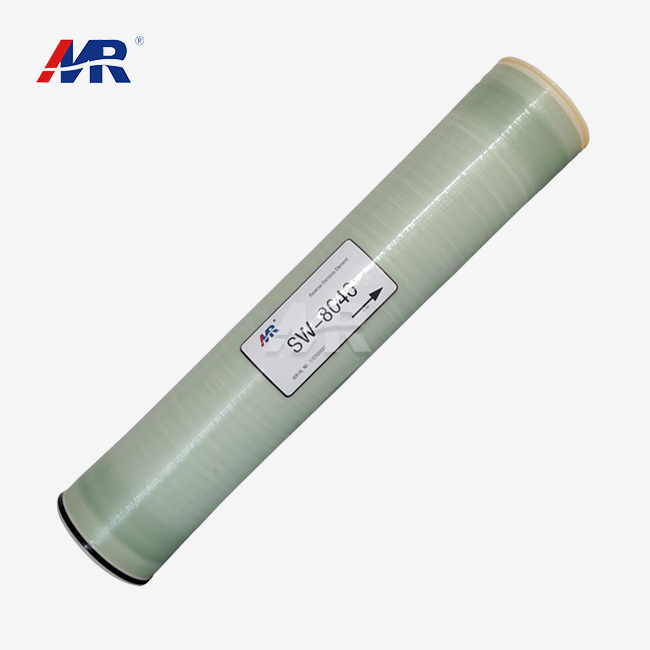
Understanding Industrial RO Membrane Technology
How Reverse Osmosis Filtration Works
With the use of reverse osmosis, pressurised feedwater is forced through a TFC polyamide membrane that is only partially permeable. As water molecules go through, dissolved salts, organics, silica, and bacteria are rejected and released as concentrate. Water molecules are allowed to flow through. The end result is permeate water that has a conductivity that is low enough to meet the requirements for feeding boilers, manufacturing pharmaceuticals, or drinking water regulations. Working pressures generally vary from 150 pounds per square inch (psi) for brackish water applications to 1,200 pounds per square inch (psi) for saltwater systems.
TFC vs. Cellulose Acetate Membranes
Polyamide and cellulose acetate are the two primary material families. Thin-film composites, often known as TFC, are further examples. Industrial installations are dominated by TFC membranes because of their ability to reject salt at a rate exceeding 99%, their ability to withstand a broad pH range (ranging from 2 to 11) during cleaning, and their resistance to compaction under prolonged pressure. The fact that CA membranes deteriorate in the presence of bacteria and have rejection rates that are somewhat lower than average makes them less suited for applications that need a high level of process water quality. TFC spiral-wound modules are used for the shipment of the majority of current brackish-water and seawater elements.
Industrial vs. Residential Membrane Design
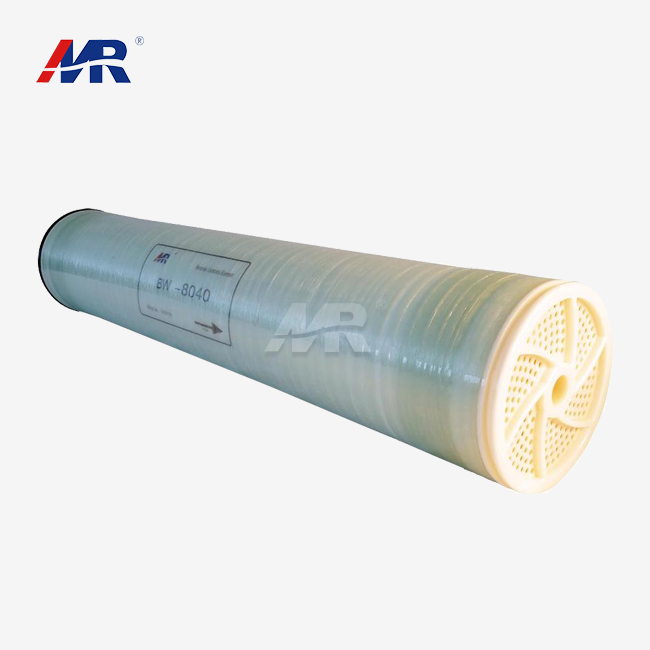
The normal output of residential cartridges is between 50 and 100 GPD, and they function at pressures that are lower than 60 psi. There are industrial elements that operate at 1.55 MPa, carry an active membrane area of 7.2 m2, and provide 2,500 GPD per element. One example of such an element is the Morui MR-BW-4040. Because of the spiral-wound structure, the format is compatible with the majority of original equipment manufacturer pressure vessels. This is because the vast surface area is packed into a small 4040 standard housing. Protection for the industrial RO membrane is provided by anti-telescoping mechanisms and heavy-gauge fibreglass exterior wrapping. This protection is provided during rigorous CIP cycles and pressure variations.
Key Benefits of Industrial RO Membranes for Water Treatment
Superior Salt Rejection and Output Consistency
It is possible to reach a certified salt rejection rate of 99.5% with the Morui MR-BW-4040, which indicates that a smaller amount of dissolved solids will be allowed to enter your product water. By maintaining this uniformity, operators who provide boiler feed or process water may immediately reduce the costs of chemical treatment farther down the distribution chain. A research that was published in Desalination in 2023 indicated that TFC elements that survive rejection at a rate of more than 99% lower the frequency of regeneration of downstream ion-exchange resin by up to thirty percent, hence reducing OPEX in a measurable manner.
The following is a list of the primary performance characteristics of the MR-BW-4040 element:
- Delivers permeate quality that is adequate for pharmaceutical, food-grade, and boiler-feed applications without the need for further polishing in the majority of situations. The salt rejection rate is 99.5%.
- With a flow rate of 2,500 GPD per element, system designers are able to more accurately compute array size, which in turn reduces the amount of over-engineering and extra capital expenditure.
- The active membrane area is 7.2 square meters, and it is packed into a housing that is 4040 standard. This area generates a dependable flux without requiring an excessive amount of operating pressure.
- 1.55 MPa is the operating pressure, and it is calibrated for brackish and well-water feedwater. This creates a balance between the energy draw and the permeate output on the system.
These attributes translate directly into lower energy bills, predictable water quality, and longer intervals between industrial RO membrane replacements — all of which strengthen your system's return on investment.
Energy Efficiency Relative to Competing Technologies
When compared to thermal distillation or multi-effect evaporation, reverse osmosis (RO) uses a much lower amount of energy while producing the same amount of product water. Generally speaking, brackish-water RO needs between 0.5 and 3 kWh/m3, while thermal procedures require between 10 and 15 kWh/m3 for equal production. This information was provided by the United States Department of Energy. It is not possible for ultrafiltration (UF) to remove dissolved salts on its own, which means that it cannot replace RO in the desalination process. As a result of the pressure rating of the MR-BW-4040 being suited to the salinity of brackish water, operators are able to prevent overpressurizing and squandering pump energy.
Long Service Life and ROI
Typically, TFC membranes have a service life that ranges from three to seven years when the feedwater pre-treatment keeps the Silt Density Index (SDI) below three, and free chlorine is neutralised before the element. This longevity, in conjunction with the MR-BW-4040's continuous flow and rejection data, provides procurement teams with a cost-per-gallon number that can be relied upon for budget planning purposes.
Maintenance and Troubleshooting of Industrial RO Membranes
Monitoring Key Performance Indicators
A minimum of once per week, operators are required to record the normalised permeate flow, the normalised salt passage, and the differential pressure records. It is standard practice in the industry to perform a chemical cleaning cycle if the normalised permeate flow decreases by 10–15%, the normalised salt passage increases by 5–10%, or the differential pressure rises by 15% over the baseline that was set during the commissioning process. When these early warning indicators are detected before they become more severe, an industrial RO membrane element is saved from suffering damage that cannot be reversed.
Fouling vs. Scaling: Knowing the Difference
The buildup of organic materials, colloidal particles, or biological slime on the surface of the membrane is referred to as fouling. The precipitation of inorganic salts, such as calcium carbonate, barium sulphate, or silica, is referred to as scaling. Scaling occurs when the concentration of these salts surpasses the saturation limits. A separate cleaning chemical is required for each and every condition. In order to remove carbonate scale, acid cleaners (citric acid or hydrochloric acid at a regulated concentration) are used, whilst alkaline cleaners (sodium hydroxide combined with surfactant) are utilised to eliminate organic fouling. When the issue is incorrectly identified and the incorrect chemical is applied, it wastes time and puts the membrane's integrity at risk.
Protecting the Polyamide Layer
It is the most prevalent source of permanent damage to TFC membranes in municipally supplied systems that free chlorine is responsible for. It is possible to lower the amount of free chlorine to below 0.1 parts per million before the element by administering sodium bisulfite (SBS) upstream or by running feedwater through an activated carbon bed. It is also important to store spare elements in the correct manner. To avoid the development of microorganisms and the permanent loss of flux, it is important to store spare elements in their original packaging, with a preservation solution containing 1% sodium metabisulfite (SMBS), and away from direct light.
Comparing Industrial RO Membranes with Other Filtration Technologies
RO vs. Ultrafiltration and Nanofiltration
Ultrafiltration removes suspended solids, bacteria, and some viruses but passes dissolved salts freely. Nanofiltration (NF) rejects divalent ions like calcium and magnesium but allows monovalent ions to pass, making it useful for water softening rather than full desalination. Industrial RO membranes, with their near-zero pore size, reject monovalent and divalent ions alike, achieving the conductivity levels required for semiconductor rinsing, pharmaceutical water, or high-pressure boiler feed. Each technology has its place, but RO is the only membrane process capable of producing demineralized water at industrial scale.
Seawater vs. Brackish-Water Elements
Seawater elements are designed for osmotic pressures above 30 bar, requiring a denser polyamide layer that trades some flux for higher rejection. Brackish-water elements like the MR-BW-4040 operate at lower pressures, producing higher flow rates per element, which suits well-water, surface-water, and light industrial wastewater applications. Selecting the wrong element type — using a brackish-water element on seawater feed, for example — causes rapid flux decline and premature failure.
When to Choose RO Over Other Options
If your process requires dissolved-solids removal below 500 ppm TDS, or if you need consistent conductivity for process water, RO is the correct choice. UF and NF are appropriate pre-treatment stages that protect RO elements and extend their service life, not substitutes for the RO stage itself.
Procuring Industrial RO Membranes: A B2B Buying Guide
Evaluating Suppliers and Certifications
The vendors of industrial RO membranes that are able to offer NSF/ANSI 58 test paperwork, water-contact material compliance data, and batch-specific test reports that indicate real salt rejection and flow outcomes should be given priority by purchasers in the United States. With Morui's own membrane production plant located in Guangdong, China, the company is able to maintain quality control throughout the casting, laminating, and element-winding phases of the manufacturing process as well. Because of this vertical integration, Morui is able to provide private-label components that have active area requirements, bespoke flux grades, and specialised manufacturing runs that are protected by a non-disclosure agreement.
Bulk Purchasing and Stock Planning
When it comes to purchasing 8040 or 4040 standard elements in container numbers, distributors and plant operators may reap the benefits of consistent batch performance, reduced lead times, and volume pricing. Instead of waiting for the system to break, it is more cost-effective to plan replacement cycles on normalised performance data. This will lower overall emergency procurement costs. For the purpose of providing assistance for scheduled maintenance programs, the engineering team at Morui is able to provide advice on array dimensions, replacement timing, and pre-treatment design.
Balancing Cost Against Performance
In most Cases, the element with the lowest price will not give the lowest cost per gallon throughout the course of its service life. A piece of a membrane that loses twenty percent of its original flow within eighteen months is required to be replaced earlier, which results in an increase in energy draw during the interim period. When it comes to protecting procurement funds, conventional due-diligence processes include reviewing data from third-party tests, seeking batch consistency reports, and requesting sample elements before committing to a whole container.
Conclusion
An industrial RO membrane is not a commodity you should select purely on unit price. The MR-BW-4040 delivers 2,500 GPD output, 99.5% salt rejection, and 7.2 m² of active area at 1.55 MPa — specifications that match brackish-water and well-water systems across municipal, commercial, and industrial applications. Proper pre-treatment, routine performance monitoring, and correct CIP procedures are what turn a good membrane into a long-lived asset. Whether you are replacing elements in an existing array, designing a new system, or sourcing private-label elements for your own product line, understanding these fundamentals keeps costs predictable and water quality consistent.
FAQ
1. How long does an industrial RO membrane typically last?
Service life ranges from 3 to 7 years, depending on feedwater quality, pre-treatment effectiveness, and cleaning frequency. Maintaining SDI below 3 and following a scheduled CIP program are the two factors most likely to push an industrial RO membrane toward the upper end of that range.
2. How often should membranes be chemically cleaned?
Clean when normalized permeate flow drops 10–15%, normalized salt passage rises 5–10%, or differential pressure climbs 15% above baseline. In heavily fouled systems, this may mean quarterly cleaning; in well-treated feedwater, annual cleaning may suffice.
3. Can I customize membrane specifications for my OEM product?
Yes. Morui accepts OEM and private-label orders with custom active area, flux grade, and desalination performance levels. Full specification sheets and batch test reports are provided to support CE, NSF, or other machine-level Certifications.
4. Why can't I use chlorinated feedwater directly with a TFC membrane?
The polyamide layer oxidizes irreversibly in the presence of free chlorine above 0.1 ppm. Always neutralize with sodium bisulfite or activated carbon pre-filtration before the RO stage.
Get an Industrial RO Membrane Quote from Morui Today
Morui is a direct industrial RO membrane manufacturer with its own production facility and a technical team of 20 engineers ready to support your project. Whether you need standard MR-BW-4040 elements in bulk, private-label OEM membranes, or a complete membrane-plus-equipment package, reach out to discuss specifications, pricing, and lead times. Contact us at benson@guangdongmorui.com to request a sample or project quotation.
References
1. Elimelech, M., & Phillip, W. A. (2011). The Future of Seawater Desalination: Energy, Technology, and the Environment. Science, 333(6043), 712–717.
2. Greenlee, L. F., Lawler, D. F., Freeman, B. D., Marrot, B., & Moulin, P. (2009). Reverse Osmosis Desalination: Water Sources, Technology, and Today's Challenges. Water Research, 43(9), 2317–2348.
3. Al-Ahmad, M., & Aleem, F. A. (1993). Scale Formation and Fouling Problems Effect on the Performance of MSF and RO Desalination Plants in Saudi Arabia. Desalination, 93(1–3), 287–310.
4. U.S. Department of Energy, Office of Energy Efficiency & Renewable Energy. (2017). Bandwidth Study on Energy Use and Potential Energy Savings in U.S. Membrane Manufacturing. DOE/EE-1649.
5. Fritzmann, C., Löwenberg, J., Wintgens, T., & Melin, T. (2007). State-of-the-Art of Reverse Osmosis Desalination. Desalination, 216(1–3), 1–76.
6. Baker, R. W. (2004). Membrane Technology and Applications (2nd ed.). Wiley, Chichester, UK.
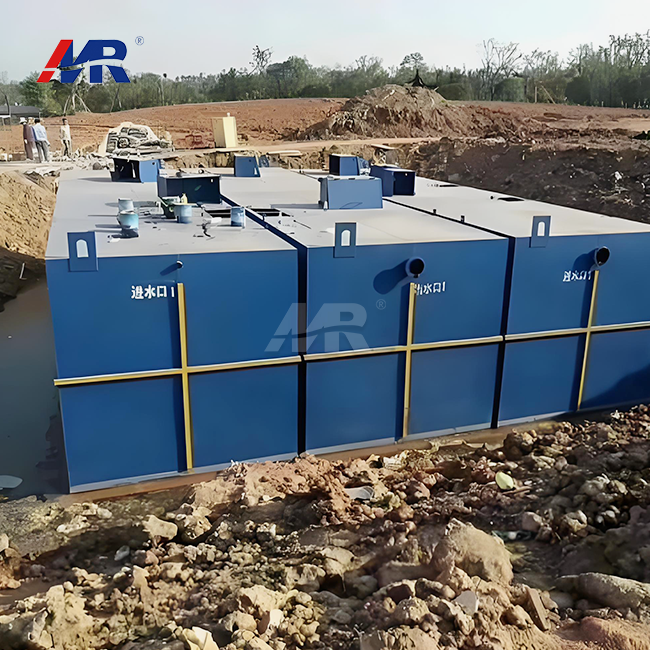 VIEW MOREwastewater treatment plant units
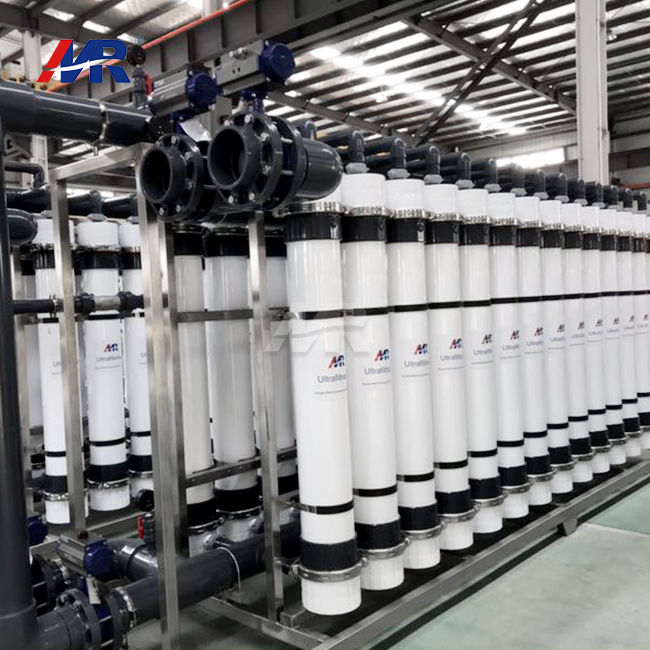 VIEW MOREultrafiltration machine
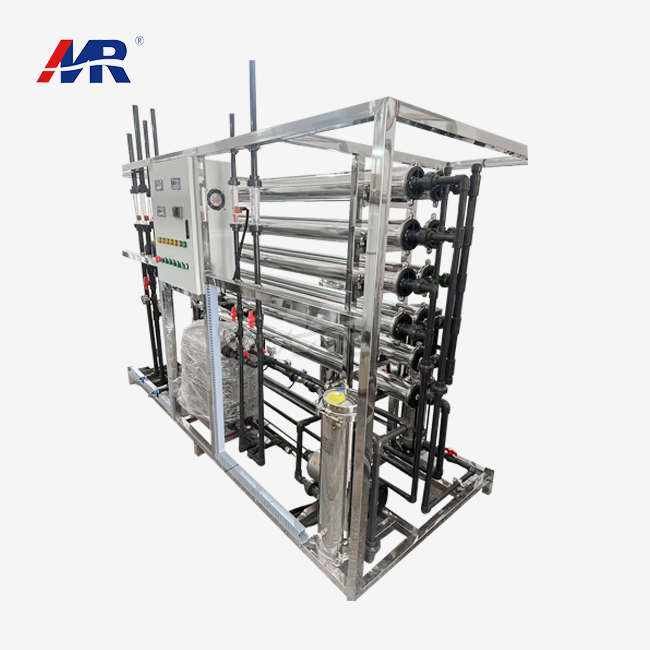 VIEW MOREedi system in water treatment
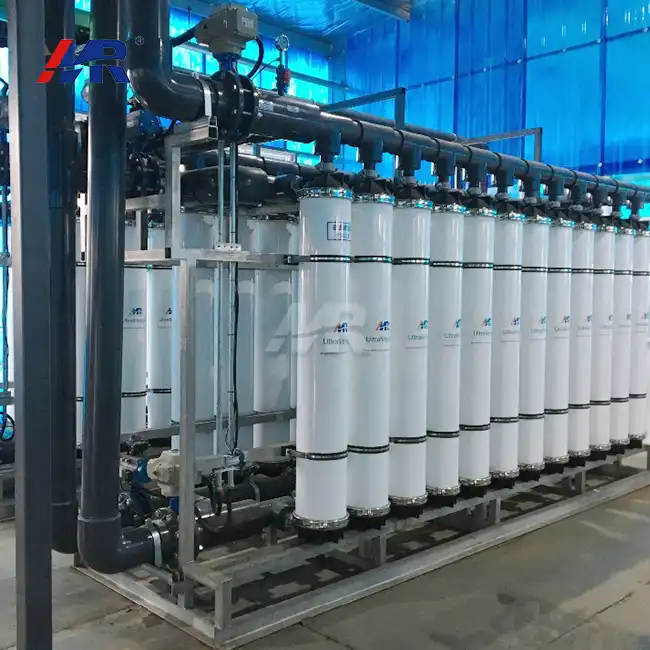 VIEW MORE50m3/hour ultrafiltration plant
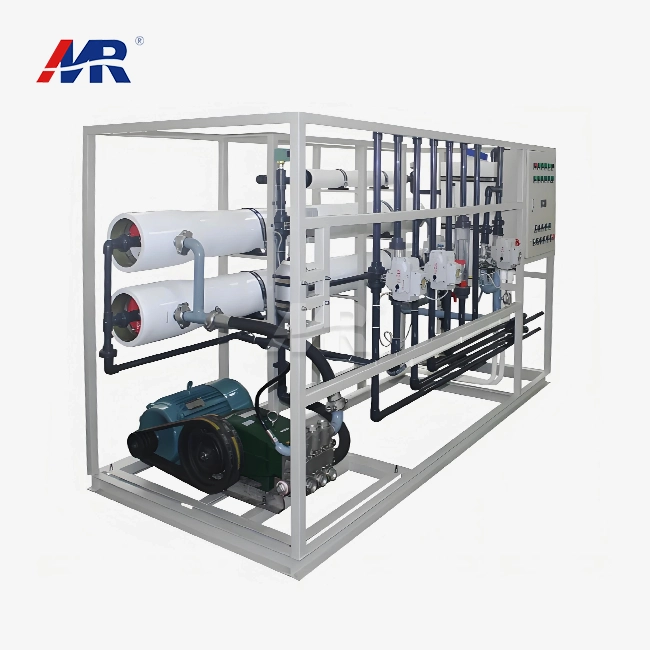 VIEW MOREseawater desalination pre-treatment
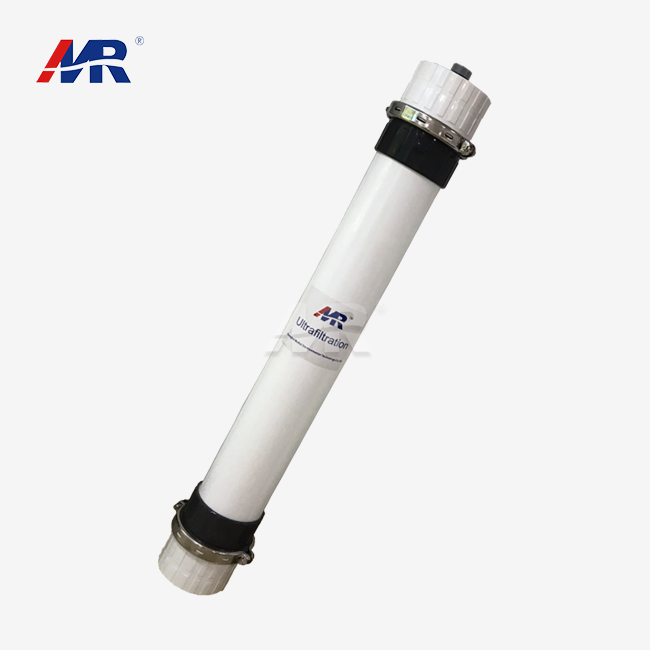 VIEW MOREultrafiltration membrane system
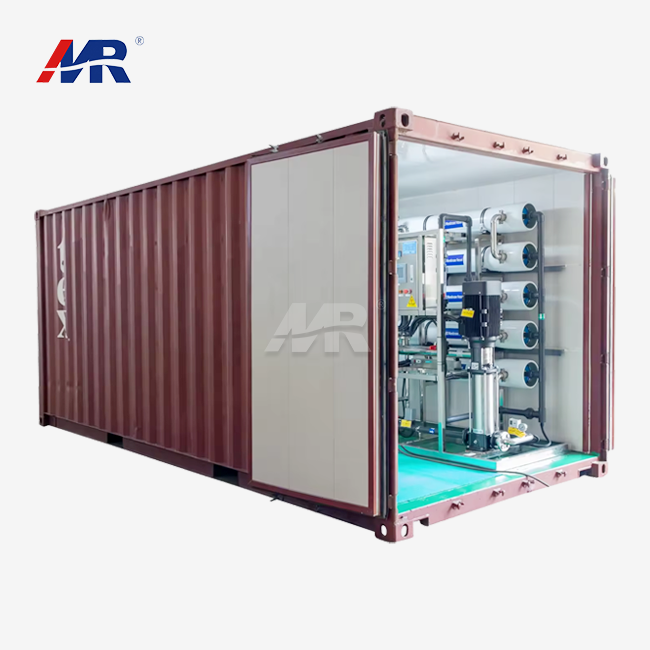 VIEW MOREmobile container reverse osmosis equipment
 VIEW MORE8040 reverse osmosis membrane
