_1745823981883.webp)

RO Reverse Osmosis Water Filter Replacement Guide
Keeping your RO reverse osmosis water filter in top condition depends on one thing most operators overlook: timely, accurate replacement. Whether you manage a municipal drinking water project, run an equipment assembly line, or distribute filtration components across multiple service accounts, outdated membranes and clogged pre-filters quietly erode water quality and system pressure long before an alarm goes off. This guide walks through what drives replacement decisions, what goes wrong when maintenance slips, and how to choose the right components for your specific operation.
Understanding RO Water Filter Replacement: Key Concepts and Importance
What "Replacement Interval" Actually Means
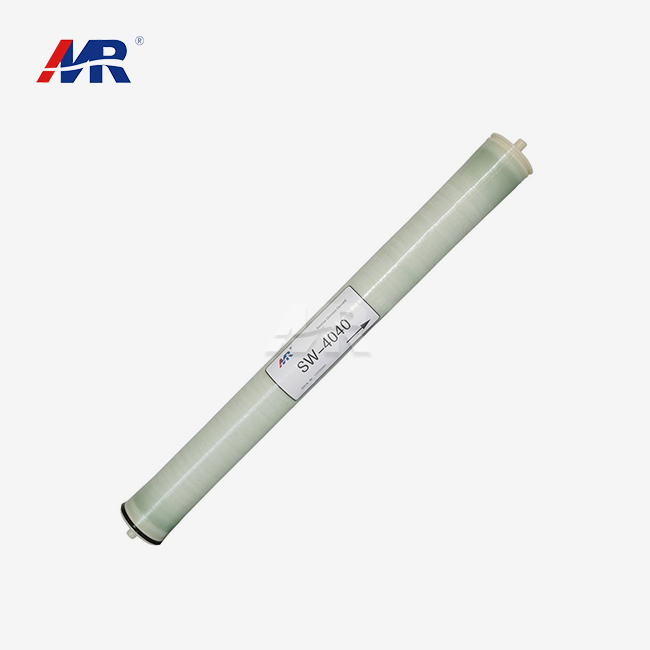
Most ro membranes are made to last between two and five years. On the other hand, sediment and carbon pre-filters need to be replaced every six to twelve months. These times are based on the idea that the feed water is managed. In real life, sources with a lot of turbidity or saltiness speed up wear. The Water Quality Association says that a membrane that is used past its recommended lifespan can show TDS rejection drops of 5–10%. This is enough to make the quality of the permeate too low for food processing or pharmaceutical-grade uses.
Why Delayed Replacement Costs More Than Parts
The system makes up for a used cartridge that stays in use by drawing more pump pressure to keep the flow going. That extra load shortens the life of the pump, uses more energy, and could pollute stages further downstream. Some accounts skipped one planned membrane change, which led to a full system clean, pump seal replacement, and re-certification. These costs were many times higher than the price of the original cartridge.
Lifespan Variables Worth Tracking
TDS in the feed water, temperature, number of hours worked each day, and chlorine exposure can all shorten or lengthen the life of a component. When treating brackish water with TDS above 2,000 ppm, filters need to be replaced 30–40% more often than when treating low-mineral city supply. By keeping track of these factors, procurement teams can back up replacement budgets with hard data and talk to sellers about standing-order prices.
Deconstructing Common Problems and Maintenance Challenges of RO Filters
Membrane Fouling: The Silent Flow Killer
Most unexpected RO downtime is caused by biological and chemical fouling. If the feed water doesn't get properly treated before it goes through the RO reverse osmosis water filter membrane, a biofilm or scale layer forms on the surface, which cuts permeate flow by 20–40% within weeks. Instead of waiting for a pressure warning, standardized permeate flow tracking can find fouling early on. This lets chemical cleaning fix the problem before it becomes permanent.
Sediment Filter Clogging and Its Downstream Effects
If the 5-micron silt filter gets clogged, particles are forced through to the membrane, which speeds up surface wear. Checking the differential pressure across the pre-filter housing on a regular basis stops blockages before they move further downstream. As a standard, I suggest that business accounts with a lot of traffic have visual checks every month and differential pressure tests every three months.
Pressure Drop Diagnosis
If the pressure drops across the membrane array, it could mean that there is fouling, a failed booster pump, or an O-ring that has ruptured at a housing link. By checking the pump output pressure first, then the cross-membrane differential pressure, and finally the permeate back-pressure, systematic analysis can quickly find the problem, rather than having to guess for hours. This method keeps the cost of the technician's time in line with the size of the repair.
Comparing RO Filter Replacement Options: Choosing the Best Fit for Your Business
There's more to choosing a new source than just matching part numbers. For B2B buyers, the total cost of ownership includes things like compatibility, certification status, and the reliability of the supply chain.
When looking for new cartridge sources, these are the main things you should think about:
- OEM-specified components carry the original system warranty and are verified for dimensional and performance fit. They typically cost 15–25% more per unit but eliminate compatibility risk for mission-critical installations where re-certification after a component swap is required.
- Certified aftermarket cartridges meeting NSF/ANSI 58 standards offer a cost-effective alternative for high-volume maintenance accounts. Buyers should request third-party test reports confirming salt rejection rate and structural integrity before committing to bulk orders.
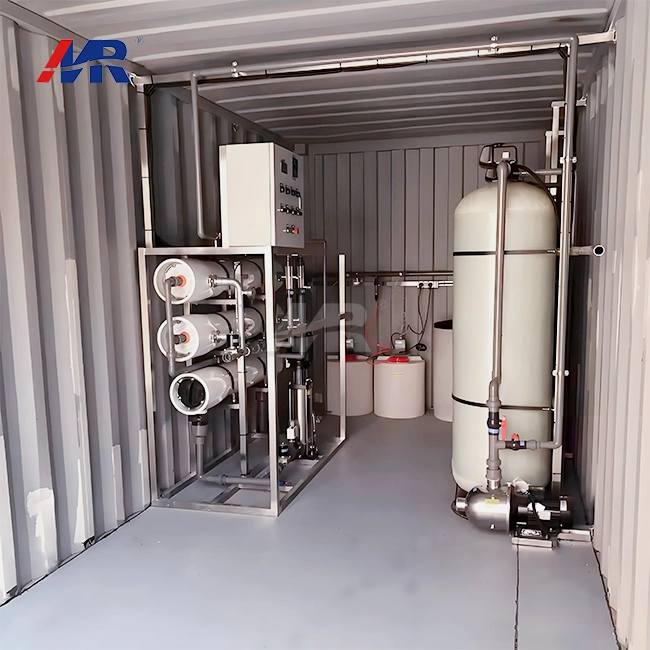
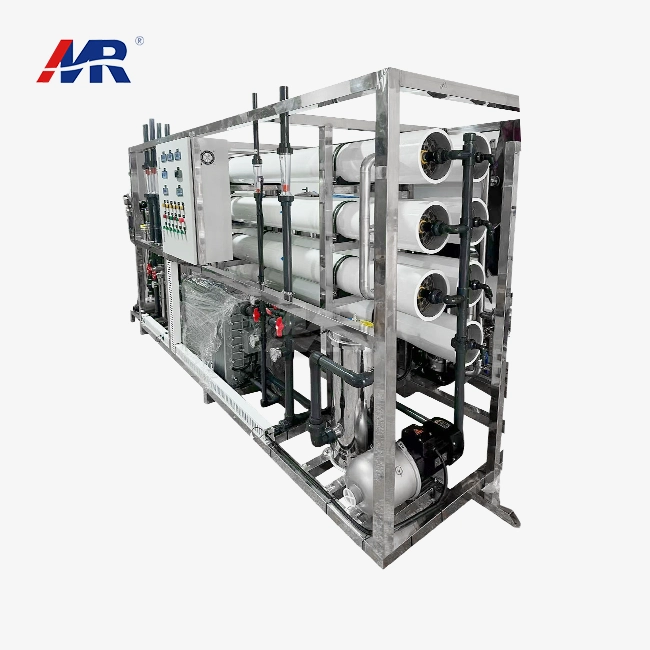
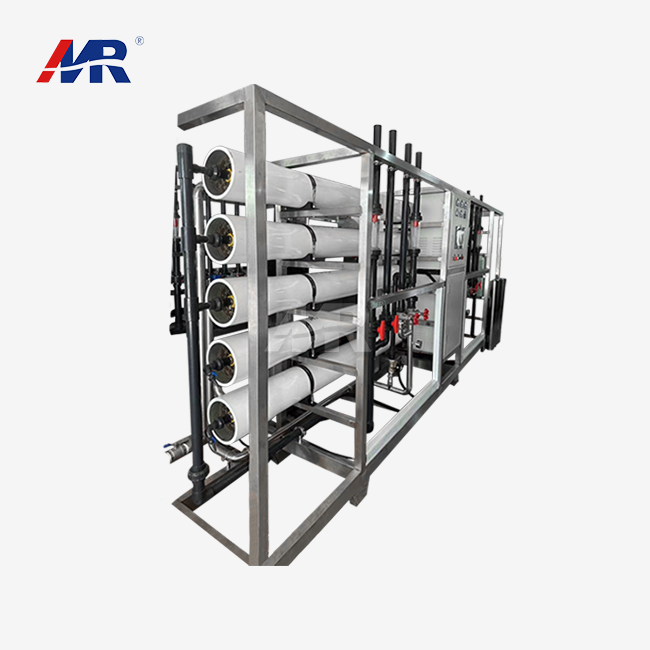
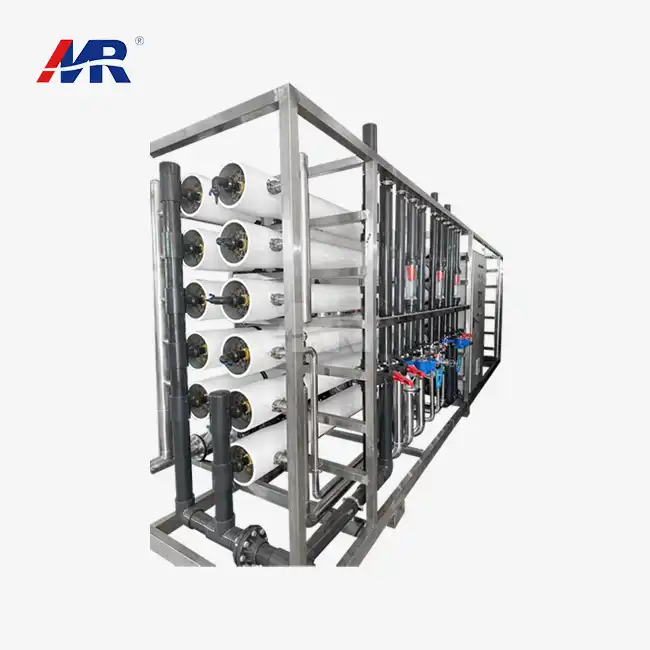
- Morui MR-BWRO-10TH modules are purpose-built for portable water production applications. Operating at 15 kW/hour with a recovery rate of 55–65% and a salt rejection rate of 98%, this unit fits brackish water projects where consistent output quality and energy accountability matter. It is a practical fit for field-deployed systems that need predictable performance with a compact footprint.
Together, these factors decide not only the unit price, but also how often the RO reverse osmosis water filter needs to be replaced, how good the warranty is, and how much work the seller management has to do. Standardizing on a small list of certified suppliers makes it easier for wholesalers who sell more than one system brand to keep stock levels uniform.
Insights and Recommendations for Optimizing RO Filter Replacement Strategy
Using TDS Monitoring as a Replacement Trigger
Putting inline TDS meters on the permeate line gives you rejection data in real time without having to sample it by hand. When the permeate TDS rises above 10% of the feed-water average in two days in a row, it is a reliable sign that the membrane's performance has dropped too far. When you combine automated logging with benchmark alerts, you can schedule replacements without having to guess, and you can keep a record of your maintenance for quality Certifications.
Integrating Replacement into a Broader Water Treatment Plan
RO membranes are part of a bigger system that also has carbon blocks, pressure vessels, sediment pre-filters, and sometimes UV disinfection stages. If you replace the membrane without taking care of a partially worn-out carbon filter upstream, the new membrane will often have to deal with the same contaminants that broke down the old one. A service schedule with sediment filters every six months, carbon every twelve months, and membrane every twenty-four months spreads out the cost of maintenance evenly and keeps each stage working within its rated performance window.
Calculating ROI on a Structured Replacement Program
If a facility with a 10 TPH RO system cuts the number of unexpected shutdowns from four per year to one by replacing parts on a regular basis, it usually pays for itself in the first shutdown that wasn't needed. Replacement logs that are written down also help with warranty claims with membrane makers and give you negotiating power when renewing supply contracts with distributors.
Conclusion
Filters need to be replaced on time and with proper documentation to keep a RO system working within its rated performance window and protect the quality of the process further down the line. From changing the pre-filter cell to changing the whole membrane, each maintenance task adds up to a level of operating stability that can be measured. The practical lesson for procurement teams, distributors, and maintenance companies is simple: use real data to keep track of when to change parts, only buy from certified suppliers, and make sure that service plans are consistent across all steps of the system. Morui is a good supplier for both regular replacement needs and OEM integration projects because it has a wide range of RO reverse osmosis water filter Products and a lot of experience making them.
FAQ – Frequently Asked Questions About RO Water Filter Replacement
1. What is the difference between replacing an RO membrane and changing a pre-filter?
Pre-filters — sediment and carbon cartridges — protect the membrane from particulate and chlorine damage. They change on a 6–12 month cycle depending on feed-water quality. The RO membrane itself handles dissolved solid rejection and typically lasts two to five years. Both are separate service items with different replacement intervals and cost profiles.
2. Can an RO system remove fluoride and PFAS compounds?
Yes. A properly functioning reverse osmosis membrane with a pore size of approximately 0.0001 microns rejects fluoride at rates of 85–92% and removes PFAS compounds at rates exceeding 90%, according to NSF International testing data. Performance depends on membrane age, operating pressure, and feed-water pH.
3. How do I know if my membrane needs replacement or just cleaning?
If normalized permeate flow drops by more than 10–15% and a standard clean-in-place procedure restores output within 5% of baseline, the membrane is cleanable. If performance does not recover after two cleaning cycles, replacement is the practical next step.
4. Is the Morui MR-BWRO-10TH suitable for field-deployed portable water projects?
Yes. With a recovery rate of 55–65%, a 98% salt rejection rate, and a power draw of 15 kW/hour, it is designed for brackish water treatment in portable or temporary installations where grid power access and output consistency are both priorities.
Partner with Morui for Reliable RO Filter Supply and OEM Solutions
Morui has a factory team of 20 engineers spread across more than 14 operating branches and offers verified RO reverse osmosis water filter products backed by in-house membrane production, an approved agent for Shimge pumps and Runxin valves. We can handle OEM sales, private-label packaging, and long-term bulk supply contracts as a reliable RO reverse osmosis water filter provider. To get product specifications, sample orders, or a purchase quote, email us at benson@guangdongmorui.com.
References
1. Water Quality Association. WQA Technical Fact Sheet: Reverse Osmosis. 2022.
2. NSF International. NSF/ANSI 58: Reverse Osmosis Drinking Water Treatment Systems. 2023.
3. American Water Works Association. Microfiltration and Ultrafiltration Membranes for Drinking Water. 2020.
4. Crittenden, J. C., et al. MWH's Water Treatment: Principles and Design. Wiley, 2012.
5. Metcalf & Eddy. Water Reuse: Issues, Technologies, and Applications. McGraw-Hill, 2007.
6. Fritzmann, C., et al. "State-of-the-art of reverse osmosis desalination." Desalination, Elsevier, 2007.