_1745823981883.webp)

Advanced Wastewater Treatment System for Industrial Use
An advanced wastewater treatment system goes well beyond standard primary and secondary processing. It applies tertiary and sometimes quaternary purification stages to remove stubborn contaminants—refractory organics, excess nutrients, and micro-pollutants—that basic biological treatment simply cannot handle. For industrial facilities, this means the difference between marginal compliance and genuinely clean effluent that can be safely discharged or reused on-site. Technologies like membrane Bioreactors (MBR), combined with biological nutrient removal processes, give operators consistent, measurable results even when influent quality fluctuates throughout the day.
Understanding Advanced Wastewater Treatment Systems
What Sets Advanced Treatment Apart
In primary treatment, objects are removed by gravity. Biological processes are used in secondary treatment to break down liquid organics. The next step is advanced treatment, which targets nutrients, trace contaminants, and fine suspended matter that get missed by earlier stages. The U.S. Environmental Protection Agency (EPA) says that tertiary treatment can cut total nitrogen by more than 85% compared to secondary effluent alone. This is an important number for facilities that have to follow strict National Pollutant Discharge Elimination System (NPDES) permit limits.
Membrane Bioreactor Technology Explained
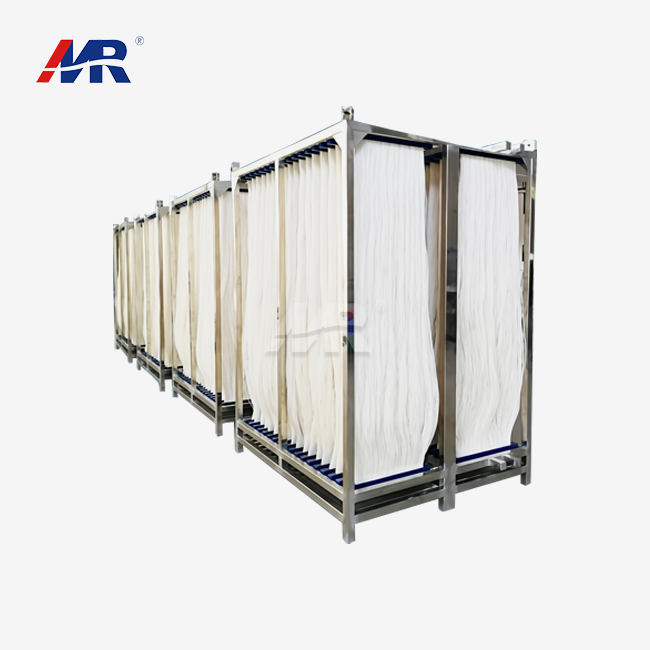
A Membrane Bioreactor has both an activated sludge basin and a membrane filtration unit that can be submerged or placed on the outside. With pores that are usually between 0.04 and 0.4 microns wide, the membrane blocks bacteria, viruses, and solids in suspension. This makes the sewage clearer than what regular clarifiers can do. MBR systems also keep the quantity of mixed liquid suspended solids (MLSS) higher, usually between 8,000 and 12,000 mg/L. This helps biological breakdown happen faster in a smaller tank.
AAO Process and Nutrient Removal
The Anaerobic–Anoxic–Oxic (AAO) process has been shown to be a biological way to remove nitrogen and phosphorus while also oxidizing carbon. The method breaks down ammonia, nitrate, and phosphate by moving wastewater through three different zones and letting different types of microbes work on each one. When combined with mbr membrane filtration, the AAO method consistently creates wastewater that meets or beats Class 1A release standards in China, as well as those in the US and EU.
Comparing Advanced and Conventional Wastewater Treatment for Industry
Effluent Quality and Regulatory Compliance
Activated sludge systems that are used today produce secondary effluent with BOD levels of about 20–30 mg/L and TSS levels of about 25 mg/L. BOD levels below 5 mg/L and TSS levels below 1 mg/L are common in an MBR-based system. For US factories that have to follow the EPA Clean Water Act or state-level pretreatment rules, that difference isn't just for fun; it affects their permit status and keeps them from getting fined a lot of money.
Footprint, Sludge, and Energy Trade-offs
One of the best things about MBR systems compared to other types of secondary treatment is that they take up less space. The volume of the biological reactor drops by 30–50% because MBR keeps the biomass concentration much higher. Less sludge is also made, which lowers the cost of getting rid of it. The downside is that aeration and pumping through the membrane use a little more energy, but new low-energy membrane designs have mostly closed that gap. For places that don't have a lot of land, an advanced wastewater treatment system with the extra room often makes the expense worth it.
Long-Term Cost-Benefit Analysis
When you look at the total cost of ownership, modern biological membrane systems usually pay for themselves in three to seven years for commercial uses. This depends on things like local discharge fees, land costs, and the value of reusing water. A 2020 study released in Water Research found that facilities using MBR technology cut their running water costs by 20–35% by reusing water on-site instead of buying freshwater supplies. Recovery of process water creates real financial benefits for cloth or food processing plants that use a lot of it.
Selecting the Right Advanced Wastewater Treatment System for Your Industrial Facility
Key Selection Criteria
To choose the right treatment system, you must first have a clear picture of the quality of the water coming in, the daily flow amount, the discharge goals, and the room available for installation. Here are the main things that every buying team should check before they order equipment:
- Influent characterization: Measure COD, BOD, TSS, TN, TP, and any industry-specific pollutants (oils, dyes, antibiotics) to determine the biological load the system must handle.
- Discharge standard: Identify whether effluent must meet local NPDES limits, state surface water standards, or internal reuse specifications; each drives a different membrane and process configuration.
- Footprint constraint: Confirm available land or indoor space, including whether a buried, above-ground, or containerized configuration fits the site plan.
These three things will help you decide whether a standard combined unit or a fully built custom system is best for your building.
Morui MR-MBR-6TH: Product Specifications
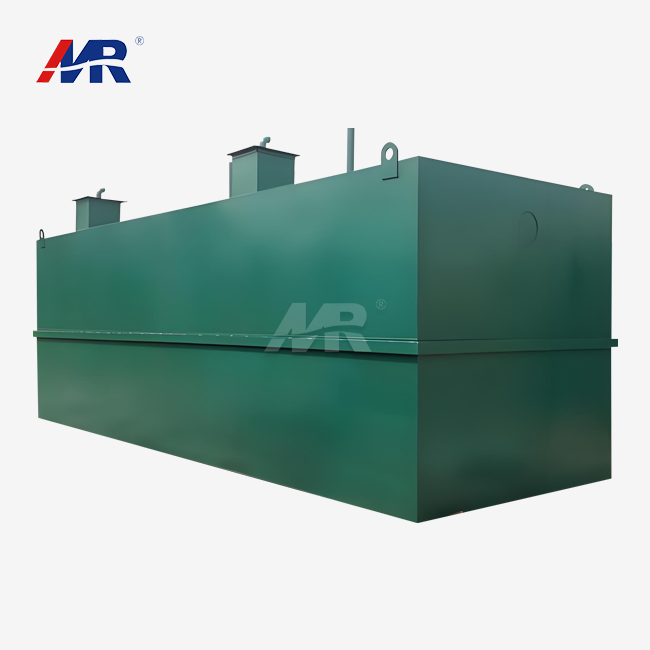
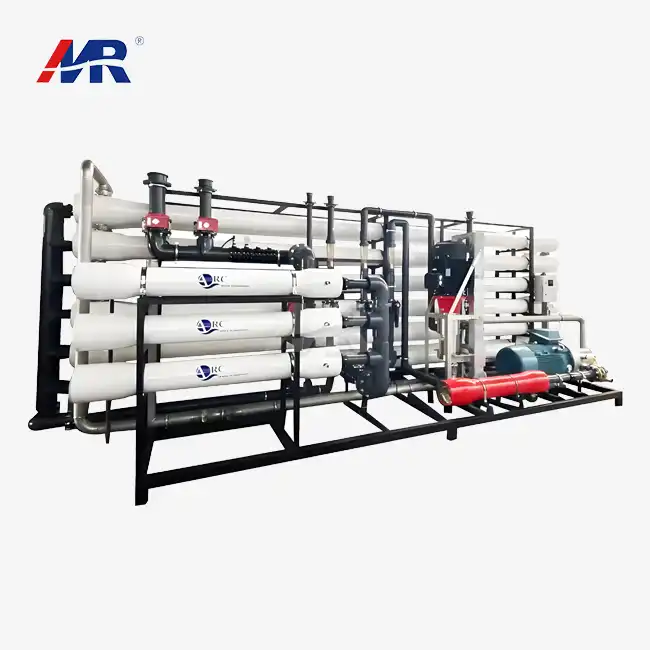
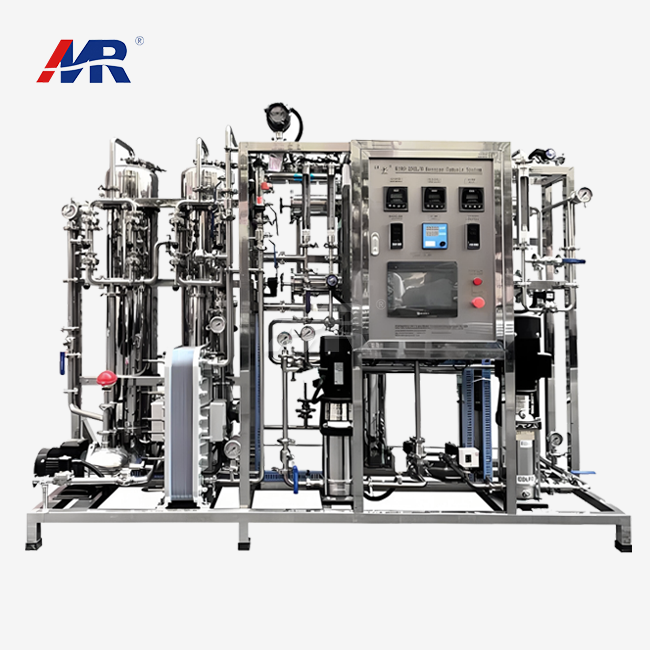
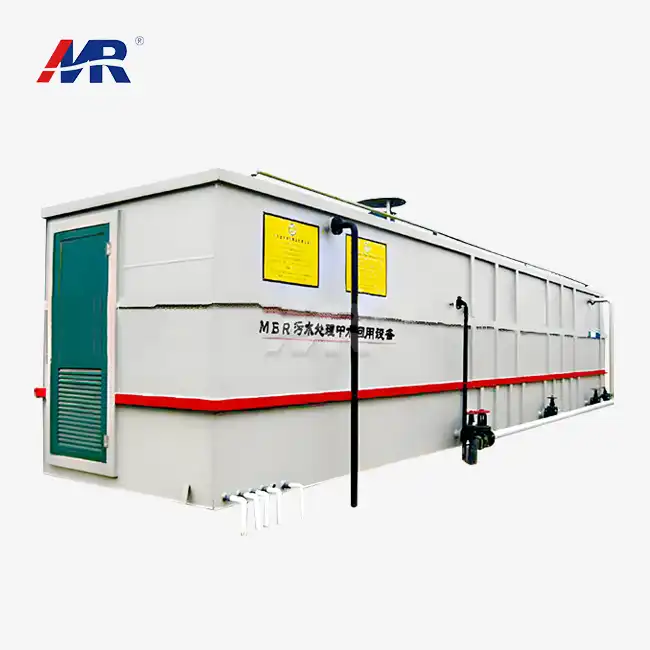
The Morui MR-MBR-6TH is built around an AAO + MBR flow method and is ready to use for both home and business wastewater treatment. Its small size—8 m × 2 m × 2.4 m—allows for easy installation even in limited spaces. Its 120 m³/day treatment capacity makes it suitable for use in water treatment plants, food processing plants, or temporary building sites. The built-in PLC control system automates cycles of aeration, membrane cleaning, and alarm management, which makes the daily work of the operator easier. The quality of the effluent always meets standards for reuse or surface discharge, and the low sludge output means that it doesn't need to be thrown away as often as with traditional clarifier-based designs.
Custom vs. Turnkey Solutions
People who need a quick, tested deployment with reliable performance data should buy a turnkey integrated unit like the MR-MBR-6TH. When there are inputs that don't fit into standard categories, like high-salinity food processing effluent or high-strength aquaculture discharge, custom or OEM configurations work better. The engineering team at Morui supports both routes. They offer process package design, on-site commissioning training, and private-label choices for EPC companies who want to sell systems with their own brand names to end customers.
Implementing and Maintaining Advanced Wastewater Treatment Systems for Industrial Use
Pre-Installation Site Assessment
Before bringing in an advanced wastewater treatment system, teams should do a geological study, make sure that utilities are connected (for example, power and water for cleaning), and make sure that the pipes coming in and going out are lined up correctly. One of the most common reasons ordering takes longer than planned is skipping this step. Anchor bolt patterns and electrical panel placements that don't match up can be avoided if the buyer's civil contractor and the equipment supplier share a clear site layout drawing.
Commissioning and Startup Best Practices
Membrane bioreactor systems need a biological seeding period, which is usually seven to fourteen days, so that the microbes can settle down in the reactor. During this time, operators should check the MLSS percentage every day and change the aeration rates based on the readings of dissolved oxygen. Morui offers a structured commissioning checklist and remote Technical support during startup, which makes it easier for facilities that are using MBR technology for the first time to get up to speed.
Routine Maintenance and Membrane Life
To keep flow rates steady, MBR membranes need to be cleaned physically and chemically on a regular basis. As a standard, the PLC program includes daily air-backwash cycles, and every 30 to 90 days, based on the cleanliness of the feed water, sodium hypochlorite or citric acid is used for chemical cleaning. If you follow the right care steps, hollow-fiber membranes in well-run systems can work for five to ten years. Under stock deals, Morui sends new membrane modules to operators every year. This makes sure that spare parts are always available without having to wait for long lead times.
Environmental and Business Impact of Advanced Wastewater Treatment
Reducing Pollutant Discharge and Carbon Impact
Facilities that use MBR-based treatment report measurable drops in the amount of BOD, nitrogen, and phosphorus that they discharge into water bodies. Less pollution in water helps aquatic environments and lowers the risk of being sued under the Clean Water Act. On the carbon side, MBR systems that allow water to be reused take the place of the energy-intensive process of extracting and distributing groundwater, which the U.S. Department of Energy says uses about 4% of the country's power.
Supporting Circular Water Economy
Many US business owners no longer have the choice not to reuse water. In states like California, Texas, and Arizona that don't have a lot of water, incentive programs encourage businesses to reuse water. When an MBR system treats its wastewater, it can meet Title 22 recovered water guidelines for non-potable industrial reuse, like flushing toilets, cooling processes, or watering plants. This turns a waste stream into a supply source. This directly lowers the cost of getting freshwater and improves the ESG reporting measures for facilities that have to meet sustainability disclosure standards.
Regulatory Compliance and Corporate Reputation
The most important thing is to meet EPA emission guidelines. Better cleaning adds a margin, which means that the quality of the waste is well within the allowable limits instead of being on the edge. That margin saves facilities during times when influent variability happens, lowers the risk of review, and shows customers, investors, and community partners that you care about the environment. More and more, major retail buyers are requiring producers of food and drinks or textiles that are subject to supply chain audits to provide written data on how well their treatments are working.
Conclusion
Industrial wastewater management is more than just following the rules. Today's facilities need cleaning systems that consistently produce clean water, work with little help from staff, and work within realistic budget and space limits. The Morui MR-MBR-6TH meets all of these needs with its tried-and-true AAO + MBR process, small 8 × 2 × 2.4 m design, 120 m³/day capacity, and fully automatic PLC control. Choosing the right advanced wastewater treatment system is important for protecting your permit, your water budget, and your operational reputation, whether you are upgrading an old plant or opening a new one.
FAQ
1. What is the difference between MBR and conventional activated sludge treatment?
Gravity clarifiers remove biomass from treated water in conventional activated sludge. This keeps the TSS level in the wastewater to about 25 mg/L. MBR swaps out the clarifier for a membrane filter, which lowers the TSS to less than 1 mg/L and makes effluent that can be used again right away.
2. How long do MBR membranes last?
Hollow-fiber MBR membranes usually last between five and ten years if they are cleaned regularly with chemicals and water. The actual lifespan depends on the type of water used, how often it is cleaned, and the operating flux rates. Morui offers yearly plans for reordering membranes to make replacement rounds more predictable.
3. What daily flow capacity does the MR-MBR-6TH handle?
The MR-MBR-6TH can handle 120 m³ per day, which means it can be used for small food processing plants, community sewage stations, temporary treatment on building sites, and other similar medium-sized tasks.
4. Can the system be customized for non-standard influent?
Yes, Morui provides OEM and custom engineering for streams that are stronger or more chemically complex. This includes changed biological stages, extra pre-treatment, and installation formats in containers or buried.
Partner with Morui for Your Next Wastewater Treatment Project
Morui is a reliable company that makes modern, advanced wastewater treatment systems. It has its own plant for making membranes, facilities for processing equipment, and a group of 20 highly skilled engineers. Proven AAO + MBR performance in a small, automated package. One-stop installation and setup help is included with the MR-MBR-6TH. Get in touch with Our Team right away to get technical specs, data on effluent quality, or a quote that is tailored to your project. You can email us at benson@guangdongmorui.com.
References
1. U.S. Environmental Protection Agency. Nutrient Control Design Manual. EPA/600/R-10/100, 2010.
2. Judd, S. The MBR Book: Principles and Applications of Membrane Bioreactors in Water and Wastewater Treatment. Elsevier, 2011.
3. Drews, A. "Membrane fouling in membrane bioreactors—Characterisation, contradictions, cause and cures." Journal of Membrane Science, 2010.
4. Water Environment Federation. Membrane Bioreactor Technology. WEF Manual of Practice No. 36, 2012.
5. U.S. Department of Energy. Water-Energy Nexus: Challenges and Opportunities. DOE/EE-1086, 2014.
6. Krzeminski, P. et al. "Performance of full-scale membrane bioreactor systems: A critical update." Journal of Membrane Science, 2017.